REVIEW · HAKONE
Hakone Hachiri: Old Tokaido Highway Hiking Tour
Book on GetYourGuide →Operated by Coconuts Hike Japan · Bookable on GetYourGuide
Hakone Hachiri turns train-time into walking-time. This is an easy-on-paper, Edo-era trail day that mixes old Tokaido Highway cobbles with a real Hakone rhythm: walk, snack, pause, and look toward Mt Fuji when the weather allows.
Two things I really like: the chance to soak in postcard-style Lake Ashi views and the stop for 400-year-old teahouse amasake, not as a gimmick but as part of the road itself.
One consideration: you’re on your feet for about 5–6 hours (and the ground can be uneven), so comfortable hiking shoes matter more than enthusiasm.
In This Review
- Key things to know before you go
- Hakone Hachiri: Why the Old Tokaido Still Feels Real
- Meeting Hakone-Yumoto and the First Walk by Sukumo River
- Hatajuku and a 400-Year Amasake Tea House Break
- Cobbles, Cedar Avenue, and the Hakone Checkpoint Gate
- Lake Ashi, Torii Views, and the Mt Fuji Question
- Hakone Pass to Castle Ruins, then On to Mishima
- Group Size, Pace, and Terrain: Beginner-Friendly, Not Flat
- What Makes the $167 Price Feel Fair
- Booking the Right Day and Using It Well
- Should You Book Hakone Hachiri: Old Tokaido Highway Hiking Tour?
- FAQ
- How long is the Hakone Hachiri hiking tour?
- How much walking will I do?
- Where do I meet the guide?
- Is Mt Fuji included or guaranteed?
- How big is the group?
- What stops are included during the day?
- What should I bring?
- Is transportation between stops included?
- Is this tour suitable for mobility impairments?
Key things to know before you go
- Mt Fuji is possible, not guaranteed when you’re near Lake Ashi and along the route
- Small group (up to 6) means the guide can adjust pace and attention fast
- 400-year-old amasake teahouse is a true rest stop on the old post-road route
- You’ll walk only parts of the 32km Hachiri idea, with buses skipping the steepest grind
- Cobbles + roots + stones show up sometimes, even on a beginner-friendly plan
- Finish in Mishima (or Odawara), so you’re set up to keep traveling the same afternoon
Hakone Hachiri: Why the Old Tokaido Still Feels Real
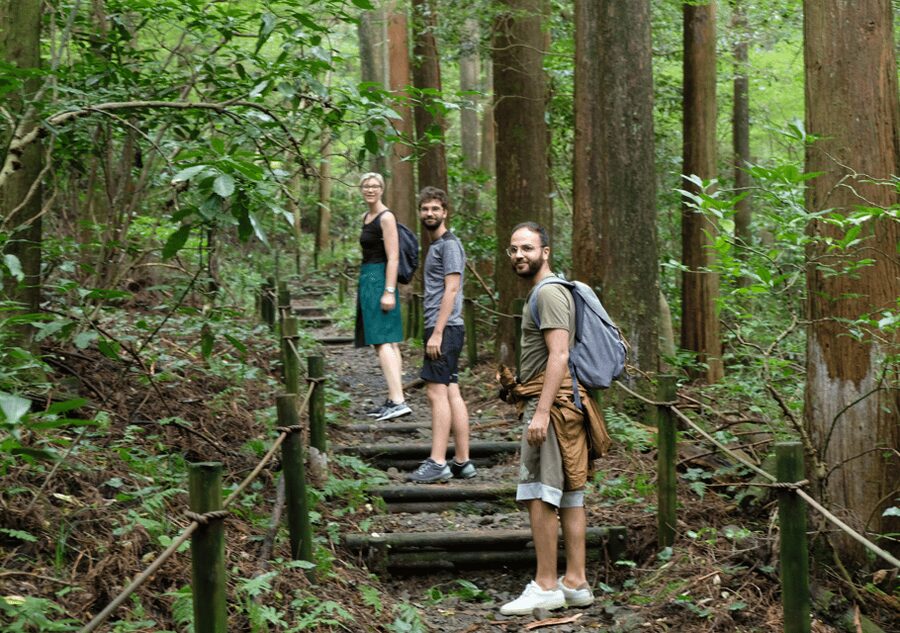
This tour is about walking a piece of the Old Tokaido Highway—the historic route that linked Kyoto and Edo (today’s Tokyo). Hakone Hachiri is part of the Japan Heritage story, and the name matters. In plain terms, hachi means eight, and ri is an old distance unit; together they point to the tough 32km mountain stretch travellers once had to cover to get through the region.
What you get today is not the full suffering version. You’ll hike around 8km total, while buses handle the steepest parts. That’s the sweet spot for most people: you still feel like you’re moving like an Edo traveller, but without turning it into a multi-day ordeal.
And the history is not stuck in a museum voice. A certified mountain guide (with advanced first-aid training) brings the route’s geography to life—where traffic was controlled, where people paused, and why the Hakone Mountains shaped how travel worked.
Meeting Hakone-Yumoto and the First Walk by Sukumo River
You start at Hakone-Yumoto Station, with your guide waiting at the ticket gate. From there, you take a short ride together (black cab is listed) to the trail area near the Sukumo River.
The first hiking segment is about an hour. This matters because it sets the tone: you’re not thrown into a steep scramble right away. The early stretch gives you time to settle into the pace, get your footing right, and start noticing how the area transitions from town-adjacent to mountain-trail feel.
If you’re the type who likes practical travel moments, this is a good phase to check your basics: are your shoes broken in enough, is your hat secure, and do you feel steady on uneven ground? The guide is watching all day, and they’ll point out tricky sections when they show up later.
Hatajuku and a 400-Year Amasake Tea House Break
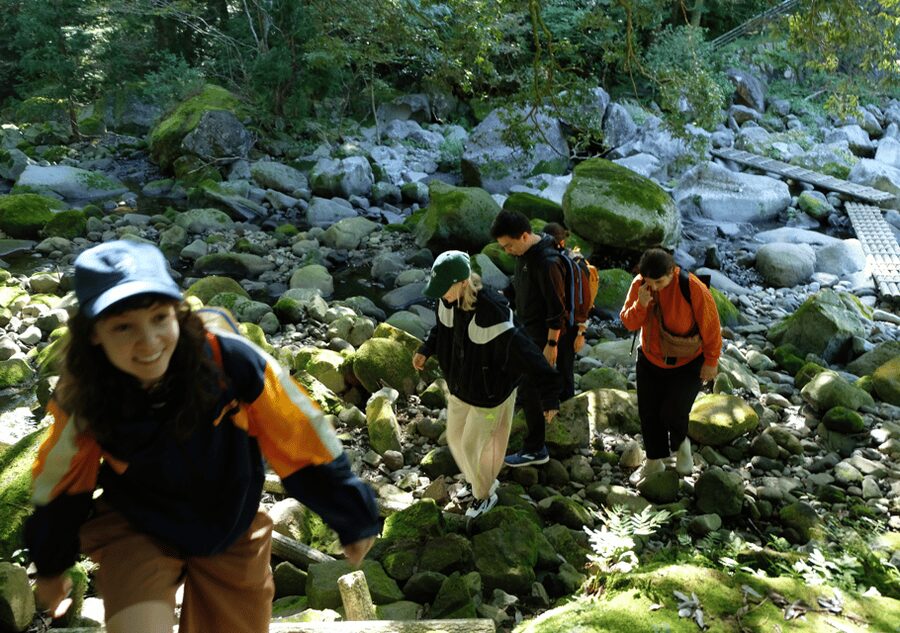
Next comes Hatajuku, a post-town stop along the old road route. You’ll visit and do some shopping, then make your way to the tea house where the famous break happens.
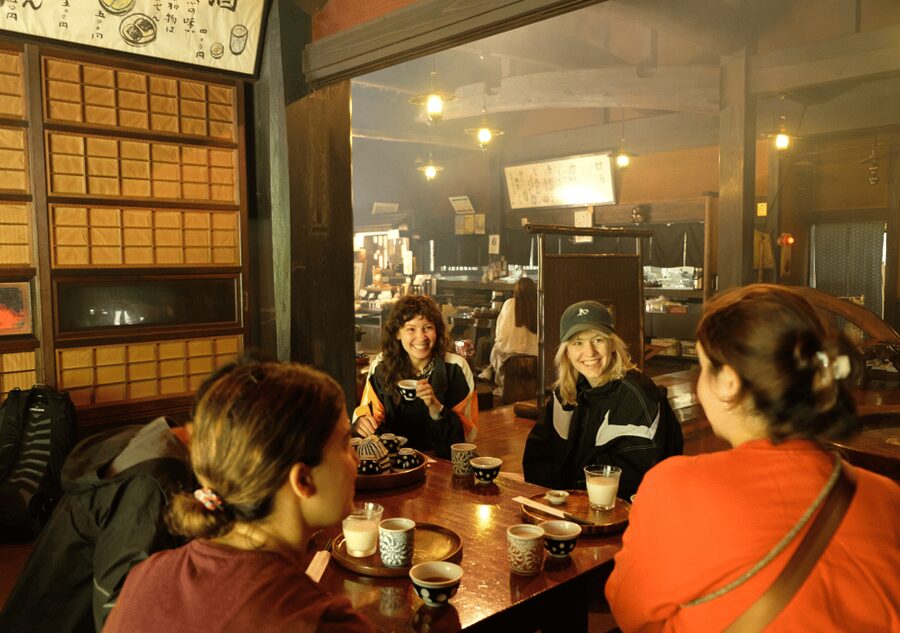
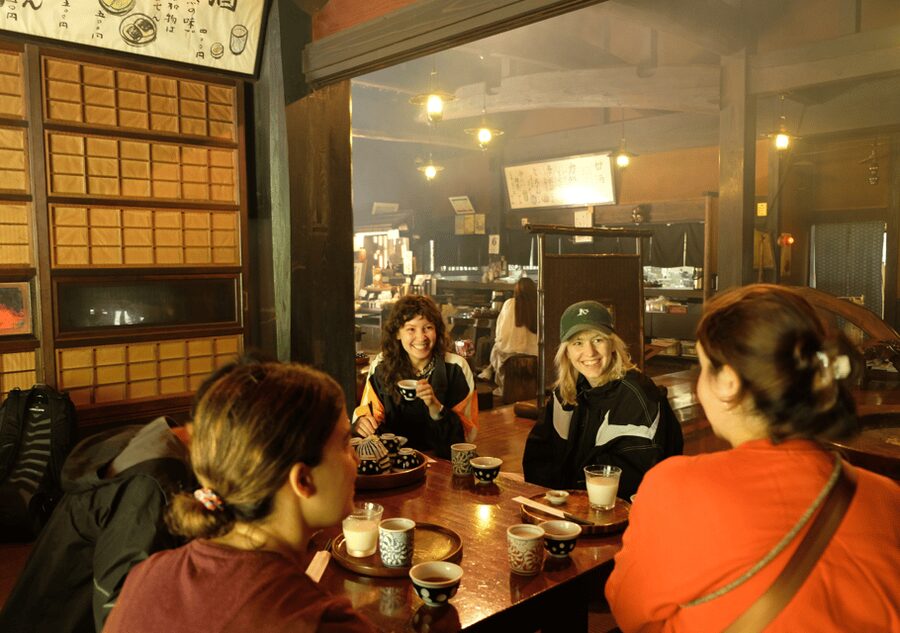
The highlight here is a teahouse serving amasake—sweet, comforting rice drink—at a spot with a long history (the tea house is described as having 400 years behind it). For me, the value of this pause is that it’s not just a snack stop. It’s how travellers would have reset during long journeys: take in small local tastes, refuel, and keep walking with better energy for the next stretch.
You’ll also spend time on Japanese snacks at the tea house. This is a nice mid-tour reset, and it’s one of the places where the guide’s explanations can make the whole day click. If you’re a curious person, ask questions while you’re there—how the tea house fits into the travel day, why this road segment was important, and how Hakone geography shaped travel decisions.
Cobbles, Cedar Avenue, and the Hakone Checkpoint Gate
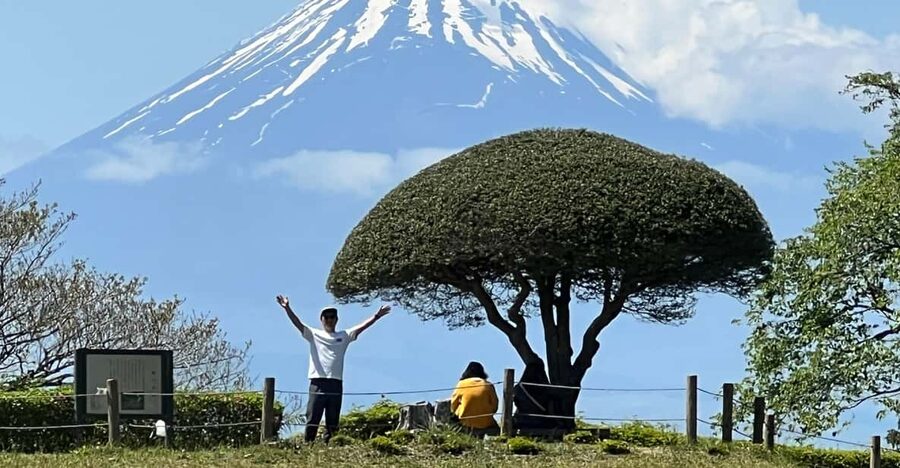
After the teahouse stop, you hit cobbled portions of the Old Tokaido Highway. This segment is listed at about 45 minutes, and it’s one of those parts where you can feel the road under your feet. It’s also where you’ll want to keep your eyes up. Cobblestones are beautiful, but they’re also the kind of surface that can get slippery or uneven when you least expect it—especially if your pace gets rushed.
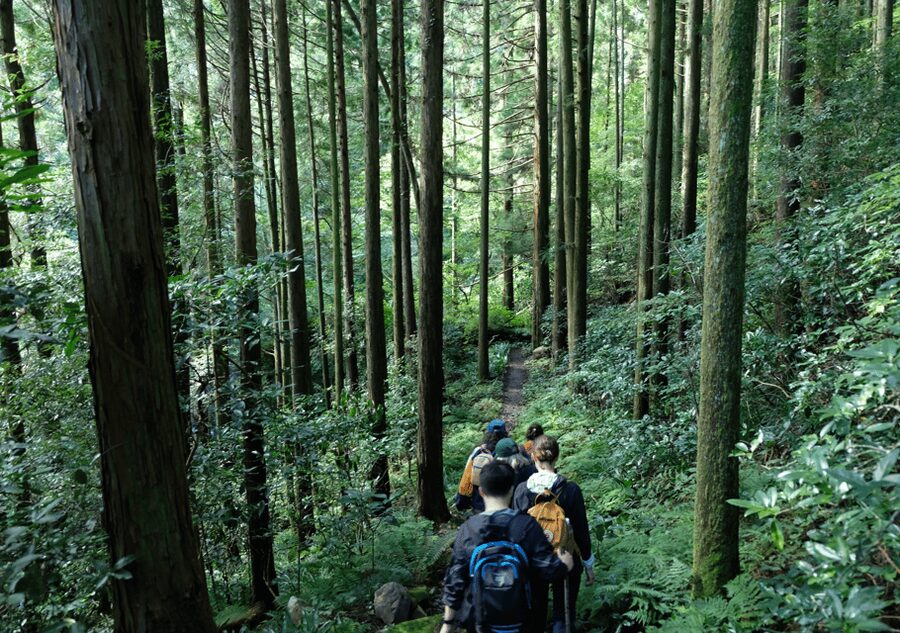
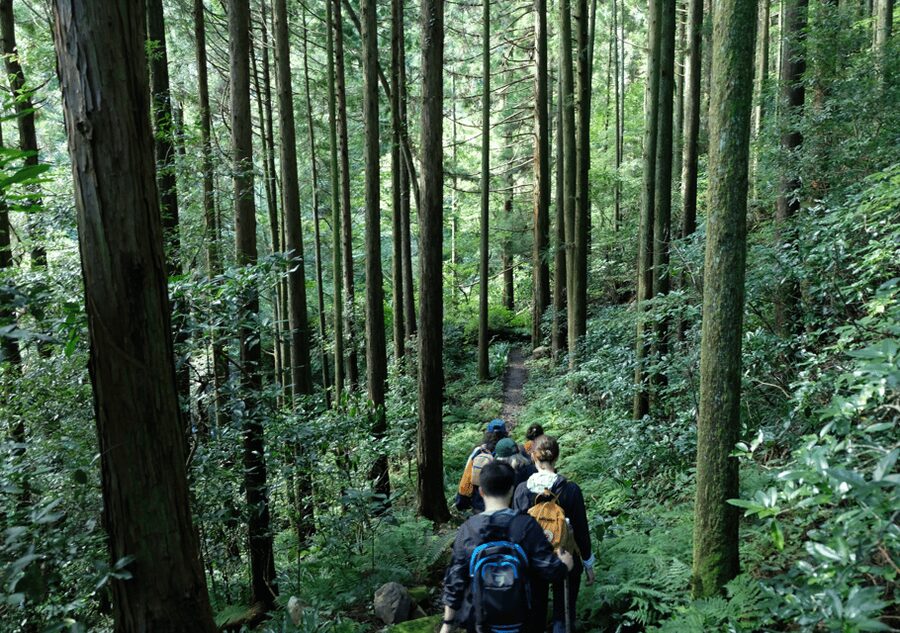
From there you reach the cedar avenue. You’ll pass (and have photo time) on a famous stretch with cedar trees that are over 400 years old. Even on a short walk-through, it gives you that old-road tunnel effect: you’re moving under living history, not just looking at it.
Then comes a key Edo-era element: the Hakone checkpoint gate. This is the point where the Edo government controlled movement of travellers. You’re not just sightseeing a gate—you’re seeing a mechanism. It explains why the route felt different from later eras of travel: people weren’t simply roaming; systems shaped who could move, and when.
Lake Ashi, Torii Views, and the Mt Fuji Question
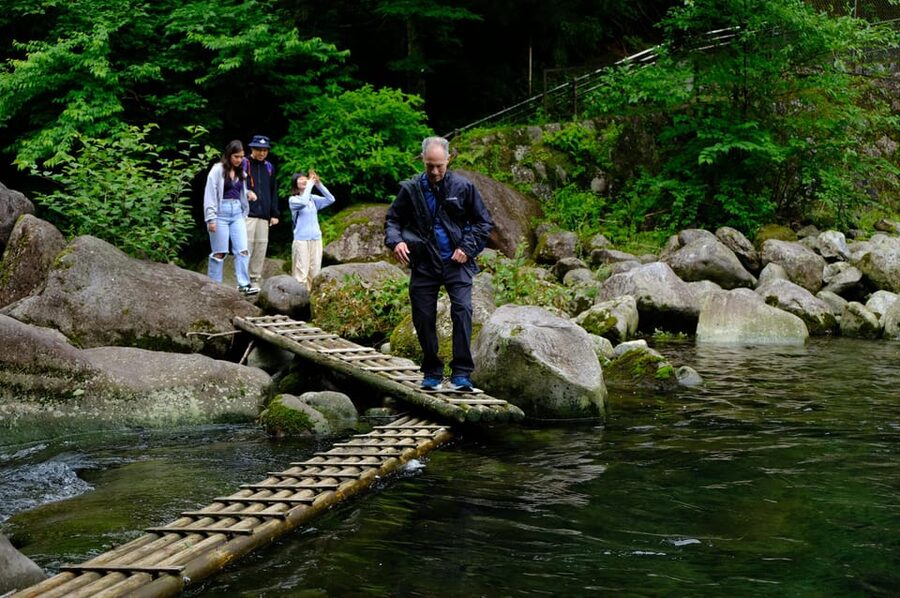
One of the biggest “wow” moments on the route is the Lake Ashi break. You’ll have photo time and a short walk/passing area designed for views. The Hakone shrine torii gate is part of the postcard look people come for, and you’ll see it from the lake area during the stop.
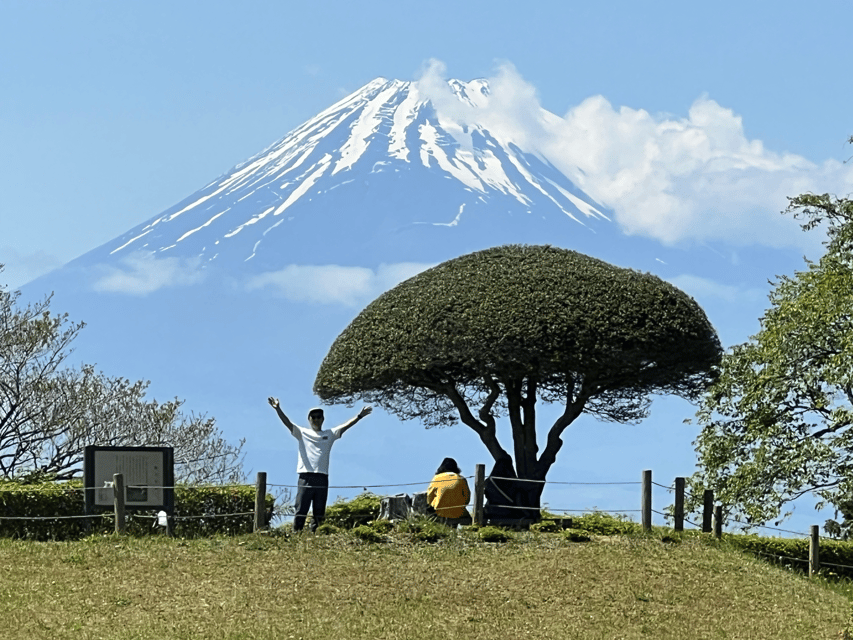
Now for the Mt Fuji reality check: you can see Mt Fuji from different angles along the day, but only if weather permits. That’s not a cop-out—it’s how this region works. If the sky is clear, you’ll get your best chance around the Lake Ashi segment. If it’s hazy or foggy, you’ll still get a great lake-and-mountains day; it just won’t turn into a Fuji photo day.
Either way, this stop is worth taking slowly. Sit when you can, look around, and let your brain do the travel-logic translation: why this lake mattered, why torii structures face the water, and how this geography guided travellers heading between Tokyo and Kyoto.
Hakone Pass to Castle Ruins, then On to Mishima
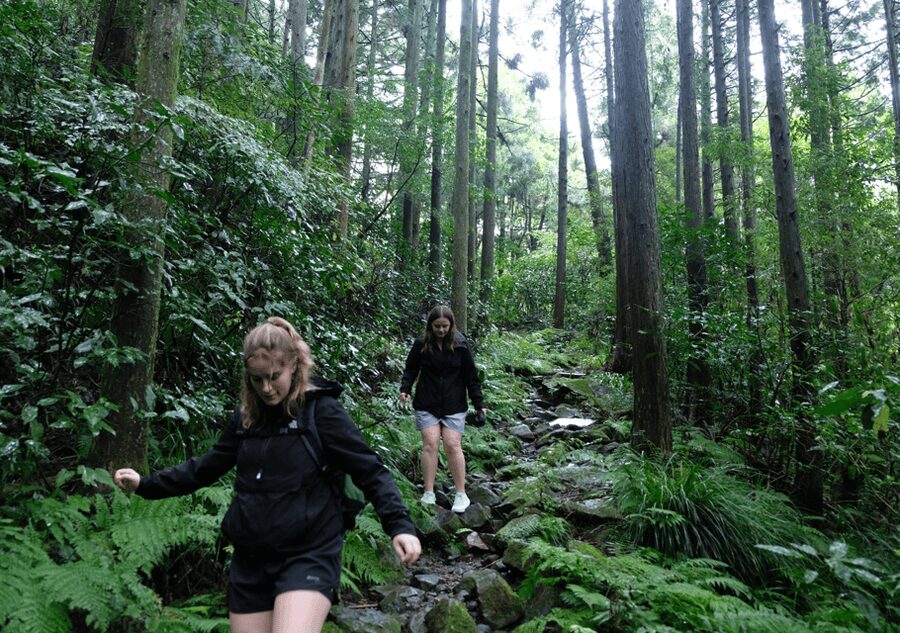
After lunch, the route shifts from the lake area into the next phase of the day: you take a bus to get past Hakone Pass and then visit castle ruins. The tour description lists Yamanaka Castle Ruins as part of the bigger plan, and castle-ruin stops like this usually do a good job of showing you how defensive planning follows terrain.
Then the day heads toward Mishima. Depending on your pace and preference, you’ll visit Mishima Taisha Shrine, and you’ll also see the Genbe River in Mishima (walking time is included for that section).
Mishima is a useful finish because it’s not just a random add-on. It gives you a different feel from Hakone’s lakeside atmosphere: more shrine and city-flow energy, and a clearer path for continuing your trip afterward.
Group Size, Pace, and Terrain: Beginner-Friendly, Not Flat
This is built for beginners, mostly on gentle slopes or cobbled paths. But I’d treat “beginner-friendly” as “not extreme,” not “easy everywhere.”
The route is described as having around 5–6 hours of walking time during a total 7-hour day. That means you’ll need stamina, not just confidence on uneven ground. A couple parts can be steeper, and the experience notes mention roots and stones in places—exactly the kind of section where good shoes and a steady pace make all the difference.
The group size is capped at 6 participants. That’s not just a comfort detail. Smaller groups help the guide keep an eye on footing, especially around slippery bits or uneven cobbles. It also makes the day feel personal if you’re walking slower, want more photos, or want to ask history questions at the right moment.
What Makes the $167 Price Feel Fair
At $167 per person for a 7-hour guided outing, you’re paying for three main things:
- A certified Japan Mountain Guide with advanced first-aid training. You’re not just buying a route map—you’re buying a person who can read terrain, guide safely, and explain what you’re seeing in context.
- Time and structure across multiple transport modes (on foot, local bus, and shared taxi/black cab segments). The day is designed to let you cover multiple meaningful stops without needing to plan everything yourself.
- A focused experience that’s hard to recreate casually: walking the Old Tokaido/Hakone Hachiri heritage thread, hitting Lake Ashi, cedar avenue, checkpoint gate, shrine areas, and the special amasake tea house stop.
Food and drinks are not broadly included as restaurant meals. But the tour does include the amasake tea house stop with local snacks during that break. If you usually eat on the road anyway, this kind of guided day can be good value because it reduces stress: you’re not juggling transfers, timing, and historical interpretation by yourself.
Booking the Right Day and Using It Well
Because Mt Fuji depends on weather, I’d think of this as a plan with two potential outcomes: Fuji or atmosphere. Either way, you’ll get old-road textures, cedar shade, checkpoint history, and a finish in Mishima that helps your afternoon routing.
A few practical tactics that make the day better:
- Bring comfortable shoes you trust on cobbles and uneven ground.
- Wear a sun hat (weather can matter even on forested segments).
- Keep your pace flexible. The guide can adjust plans based on conditions, and small-group flexibility is part of the payoff.
Also, note the guide can shift focus based on interests. One guide named Aki/Akihiro is described as tailoring attention to nature and botany when someone had a nature focus. That’s a nice reminder: ask what you care about, and you’ll likely get more from the explanations.
Should You Book Hakone Hachiri: Old Tokaido Highway Hiking Tour?
Book it if you want a day that feels different from the usual Hakone loop. This is for you if you like walking with a purpose—history you can feel on cobbles, views at Lake Ashi, and a real stop for centuries-old amasake.
Skip it if you need a fully low-impact plan. It’s not suitable for mobility impairments, and the day still includes hours of walking on uneven terrain.
If you’re a first-time Japan hiker and you want a guided, beginner-friendly introduction to old-route travel, this is a strong choice. Small group, thoughtful guiding, and enough flexibility to handle real-world weather make it a day you can actually relax into.
FAQ
How long is the Hakone Hachiri hiking tour?
The tour is listed as about 7 hours in total.
How much walking will I do?
You’ll hike around 8km total, with about 5–6 hours of walking during the day.
Where do I meet the guide?
Meet at Hakone-Yumoto Station. The guide will be waiting at the ticket gate.
Is Mt Fuji included or guaranteed?
You may see Mt Fuji from different angles, but only if weather permits.
How big is the group?
The group is small, limited to 6 participants.
What stops are included during the day?
You’ll visit places including Hatajuku (with shopping/passing time), an amasake tea house, Lake Ashi, the Hakone checkpoint, castle ruins, Mishima Taisha Shrine, and the Genbe River in Mishima.
What should I bring?
Bring comfortable shoes and a sun hat. Hiking shoes are specifically mentioned as helpful.
Is transportation between stops included?
Transportation between sites by bus is listed as not included. The tour includes local transfers (such as bus/coach and taxi segments) to move between sections.
Is this tour suitable for mobility impairments?
No. It is not suitable for people with mobility impairments.