REVIEW · HOBART
4 Day Wild Tasmania Tour / Wildlife, Nature, Hiking / Inc. Accom
Book on Viator →Operated by Wild Tasmania Tours · Bookable on Viator
Tasmania in four days is plenty. You get wildlife-first stops plus hikes to famous viewpoints without feeling rushed. What I like most is the balance of big natural sights and real animal time, and the fact that you stay in comfortable places that are not hostels. The one catch is you’ll be up early and doing moderate walking, so plan for a few days of boots-on-ground.
I also like that the group stays small (max 13), the tour includes key park access and a Cradle Mountain shuttle ticket, and you’re picked up in Hobart. Guides such as Tim and Trent bring calm, practical know-how, so you’re not just driving past scenery—you’re learning what to look for and why those places matter.
In This Review
- Key highlights worth getting excited about
- A 4-day loop that trades city time for real Tasmania
- Hobart pickup and the early run to Russell Falls and Nelson Falls
- Queenstown’s mining-town vibe and the free time in Tullah
- Cradle Mountain: Dove Lake walking time and a shuttle that helps
- Campbell Town bush cabin nights and why the campfire feels worth it
- Bay of Fires: orange lichen rocks, beach time, and devil feeding
- Wineglass Bay choices at Freycinet National Park
- What you’re really paying for: inclusions, meals, and value
- Who this tour fits best (and how to prep without stress)
- Should you book this 4 Day Wild Tasmania Tour?
Key highlights worth getting excited about
- Small group size (max 13) for easier wildlife spotting and more personal guiding
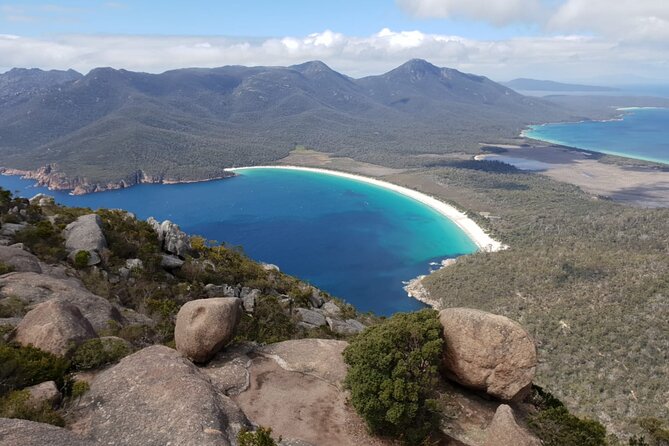
- Guided hikes built around Cradle Mountain and Freycinet’s Wineglass Bay viewpoints
- Multiple wildlife chances, with the itinerary focused on species like wombats, echidnas, wallabies, and Tasmanian devils
- Non-hostel accommodation across three very different settings (lakeside lodge, bush cabin, and Bicheno)
- National park tickets + Cradle Mountain shuttle included, so you’re not nickel-and-diming entry fees every day
A 4-day loop that trades city time for real Tasmania
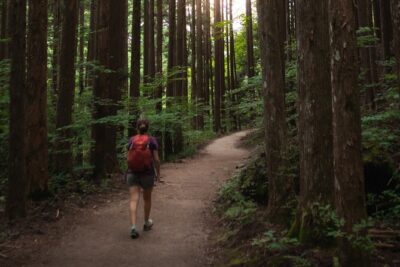
This tour is built like a loop: you leave Hobart, move through Tasmania’s wilderness zones, then loop back. In practice, that means you’re not spending your days stuck in traffic or hopping between far-apart towns. You’re spending time where Tasmania does its best work—rainforest pockets, big river gorges, coastal beaches, and mountains with that cold-air feeling.
What makes it especially appealing is the focus. It’s not just “pretty views” pasted onto a schedule. The route repeatedly targets places where wildlife and nature come together. You’re likely to see animals like wombats and wallabies along walking routes, and you’re scheduled for a Tasmanian devil feeding experience later in the trip. That matters because in Tasmania, spotting wildlife often comes down to timing, habitat, and whether you’re in the right place at the right hour.
And for people worried about accommodation: this is one of the big selling points. You don’t sleep in a hostel dorm. The stay options are described as comfortable—at a lakeside lodge on one night, a bush cabin surrounded by wildlife on another, and lodging in Bicheno on the final stretch. That blend of comfort and remoteness is a great recipe for actually enjoying the outdoors instead of just enduring it.
Hobart pickup and the early run to Russell Falls and Nelson Falls
You start early—7:00 am—with pickup and transport arranged from Hobart. That’s not a detail to ignore. In Tasmania, earlier light and calmer roads can mean a better experience, especially when you’re trying to fit hikes, river walks, and town stops into four days.
The day begins with Russell Falls in Mount Field National Park. This is a classic: a guided walk around one of the area’s tall, foresty waterfall scenes. The included park admission means you don’t have to stop and figure out tickets mid-day. The walk timing listed for this stop is about 1 hour 30 minutes, which is long enough to feel like you did something, but short enough to keep the energy for later.
After that, the route moves into the Franklin Gordon Wild Rivers National Park area, with a stroll along the Franklin River and under Nelson Falls. If you like waterfalls that feel powerful rather than just scenic, this stop is your kind of place. A river walk also tends to be a little forgiving compared with steep trails—good news if you’re bringing knees along for the trip.
One thing to keep in mind: this kind of rainforest-and-river day can feel cooler and damper than you expect, even when Hobart is bright. Layering is your friend. Bring something that can handle mist.
Queenstown’s mining-town vibe and the free time in Tullah
Between nature hits, the tour gives you a breather in Queenstown, a historical mining town. The stop is short—around 30 minutes—but it’s enough time to get a feel for the place. You can check out old buildings and mining history, or just grab a drink and soak up the out-of-the-way atmosphere. It’s a good reminder that Tasmania’s wilderness areas were shaped by people, too.
Then you head to Tullah in the afternoon. This is where the day turns more flexible: you get free time to explore the township around Lake Rosebery. Free time isn’t just downtime—it’s also a chance to reset before a mountain day. If you want to pace yourself, this is the moment to do it.
Also, if wildlife is on your brain (it will be), remember that late afternoon can be a decent window to spot movement—especially wallabies and other animals that aren’t constantly in the center of trails. You’re not guaranteed anything, but you’re in the right ecosystem for it.
Cradle Mountain: Dove Lake walking time and a shuttle that helps
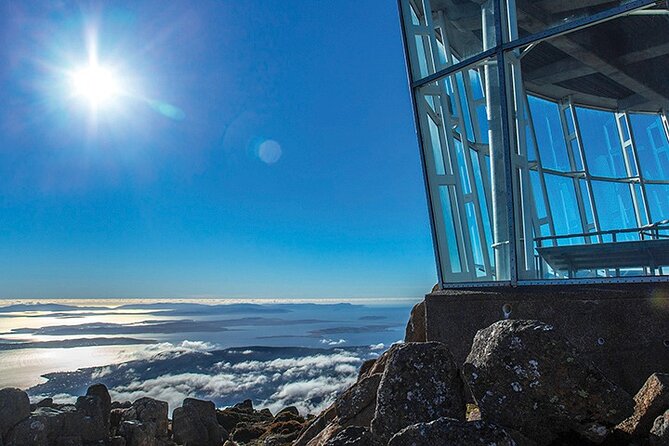
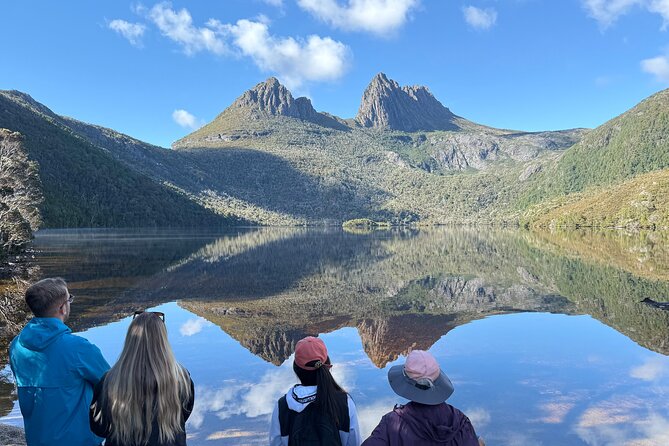
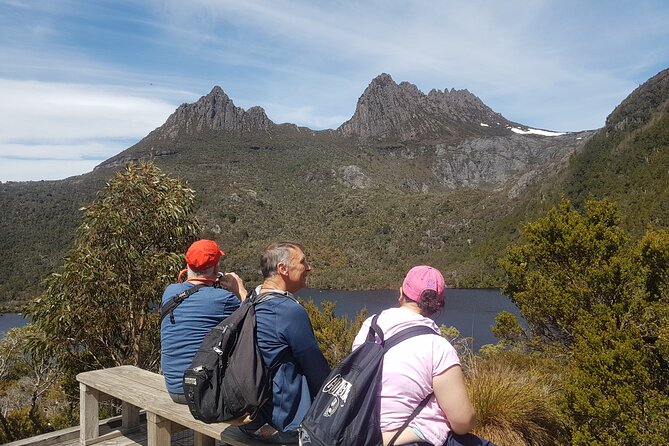
The big mountain day is Cradle Mountain National Park. From Tullah, you drive through temperate rainforest and arrive ready to hike. The schedule lists about 4 hours for the Cradle Mountain stop, with a shuttle bus ticket included. That matters because a shuttle removes some friction—less figuring out transport, more time staying on schedule.
You’re also positioned for wildlife sighting on the approach. The tour description explicitly mentions spotting wild wombats before hiking, and that’s exactly the kind of “start paying attention” moment you want on a wildlife-focused trip. Dove Lake is referenced as the popular walk option, so you can expect a trail that’s well-known in the park and suited to most hikers at a moderate pace.
Cradle Mountain can be weather-active. Even on a clear day, you can get fast changes—cloud, wind, and chill. If you’re the type who only packs one jacket, this is where you’ll wish you brought layers. You’ll be glad you can adjust without dragging your whole bag around.
The hiking itself is one reason this tour works. It’s not just a viewpoint stop; you’re walking in the park on a route designed to give you a proper taste of the scenery. And since the tour is built around wildlife spotting, the guide’s role matters here. Good spotting takes patience, and that’s where a calm, experienced guide helps.
Campbell Town bush cabin nights and why the campfire feels worth it
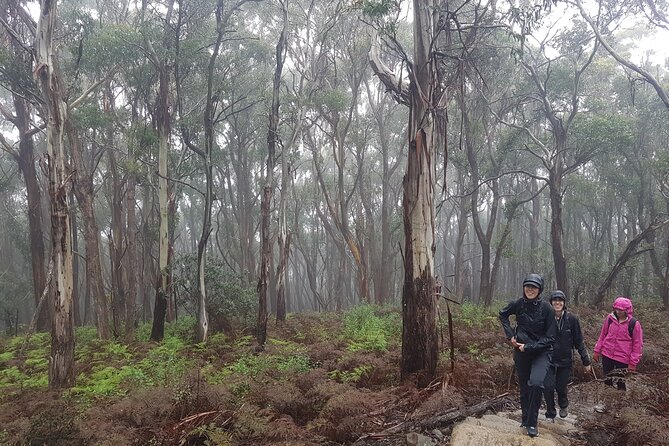
After Cradle Mountain, the schedule heads toward Campbell Town, described as a secluded accommodation surrounded by wildlife. The stay setting here is part of the experience: a bush cabin vibe where the quiet is real and the surroundings feel wild.
There’s also time for social and simple food. The tour includes a campfire and BBQ setup in the afternoon/evening window (listed around 3 hours). This is one of those “small group” advantages. You’re not just consuming sights; you’re sharing a night with people who also came for nature. It can make a big difference if you’re traveling solo and want conversation without forcing it.
Practically, this is the day when you’ll feel the miles. A bush cabin stop isn’t about luxury finishes—it’s about being close to nature. If you’ve ever wished you could hear what the wilderness sounds like after the last car leaves, this kind of night is where you get that.
And since only one breakfast and one dinner are included across the trip, this is also a good reminder to plan for meals. You’ll want to carry snacks and water most days, because a long hike plus a drive can stretch your appetite beyond the included meal times.
Bay of Fires: orange lichen rocks, beach time, and devil feeding
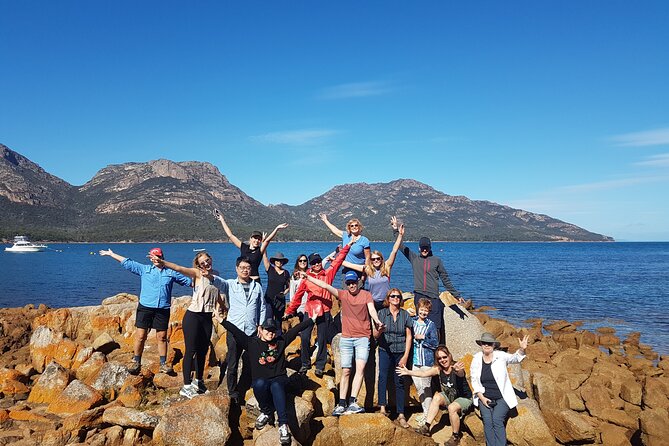
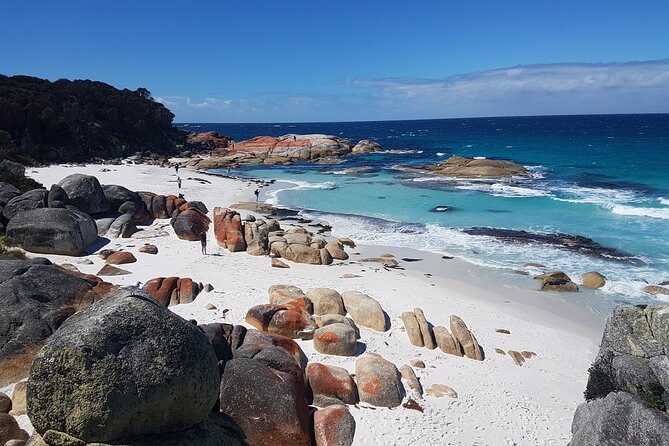
On the third day, the focus turns coastal: the Bay of Fires Conservation Area. The tour time listed is about 2 hours, with admission included. You’ll explore the beaches, with time for rock hopping among the striking orange lichen-covered granite boulders. If you love photos, this is where you can get them fast—big visual payoff without needing an all-day hike.
This stop is also where “nature tour” turns into “slow down and breathe.” Beach time is often underrated on action-packed itineraries. Here, you get enough time to walk the shore, look for wildlife tracks or movement, and just enjoy the ocean air.
Then comes one of the most specific wildlife moments on the schedule: a Tasmanian Devil feeding experience at a wildlife sanctuary stop. That’s not a casual roadside sight. You’re going somewhere designed for this animal, and the feeding aspect gives a clear reason to be alert and present.
After the sanctuary, you head to Bicheno (often described as Tasmania’s Bay-of-Beaches style area). The tour includes time to arrive early and explore the town. Even if you don’t go far, Bicheno is a good place to stretch your legs again. By this point, you’ve done waterfalls, rainforest, mountain walking, and now you finish with the coast—an excellent rhythm.
Wineglass Bay choices at Freycinet National Park
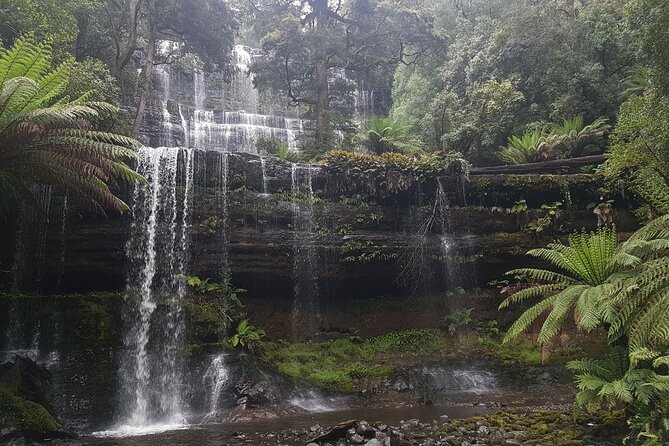
The last day keeps the momentum but lets you choose your effort. You head from Bicheno to Freycinet National Park for Wineglass Bay. The tour block here is about 4 hours, with park admission included.
You have options, and that’s a big deal on a hiking tour. You can choose a shorter hike to the Wineglass Bay lookout and beach, or go for longer routes like the Hazards Circuit or Mount Amos. If you want the classic view but don’t want a longer slog, the lookout-and-beach option is usually the smartest fit. If you want more distance and more time in the open, the longer circuits make sense.
This is also where your weather planning matters most. Wineglass Bay trails can be exposed, and wind can change your comfort fast. Bring a layer that blocks wind, not just warmth. If it’s chilly, you’ll appreciate it every ten minutes instead of every hour.
What you’re really paying for: inclusions, meals, and value
At $713.66 per person for a 4-day tour, you’re paying for a lot more than transport. The included items listed are meaningful:
- Hobart pickup and drop-off
- Tour guide and transport (for the whole loop)
- Accommodation across three nights (non-hostel style)
- National park tickets through the itinerary
- Cradle Mountain shuttle bus ticket
- Wildlife sanctuary entry
- 1 dinner and 1 breakfast
What’s not included is most breakfasts, lunches, and dinners. That’s not a deal-breaker, but it does affect how you plan each day. If you like buying coffee and snacks as you go, this is your time to budget for it. If you prefer to pack snacks, you’ll be happier during the longer walking blocks and in-between stretches.
Here’s why the value still holds up: the tour includes entry where it matters, and it handles the “how do we get there” side. For a remote-wilderness route, doing this on your own usually becomes a patchwork of tickets, driving time, and figuring out shuttle access. You pay for the convenience of having it stitched together.
Also, group size matters. With max 13 people, you’re not on a giant bus where you get one photo stop and everyone disappears. You’re more likely to get time to look for wildlife and ask questions without feeling rushed.
Who this tour fits best (and how to prep without stress)
This tour is a strong match if you want:
- Wildlife and nature first, not just sightseeing
- Moderate hiking with options for different effort levels
- A small-group environment where you can actually talk with your guide
The tour notes a moderate physical fitness level, so don’t sign up if you’re expecting easy flat walks all day. You do have shorter options (like lookout choices), but you’re still spending hours outside with uneven terrain.
A few practical prep tips that will make your trip smoother:
- Wear boots or sturdy walking shoes with grip. Wet rocks happen.
- Bring a rain shell and a warm layer. Tasmania weather loves surprises.
- Pack snacks and water for the longer days. Only certain meals are included.
- If you own them, binoculars can help with wildlife awareness. You’re not guaranteed sightings, but better observing makes the most of every moment.
If you’re traveling solo, the small group can be a real comfort. You’ll meet people naturally through shared hikes and shared rest stops, and it’s easier to get local conversations going when you’re not sitting in silence all day.
Should you book this 4 Day Wild Tasmania Tour?
I’d book this if Tasmania is on your “must-do” list and you want one trip that hits wildlife, waterfalls, rainforest, and coastal icons without needing to plan every ticket and shuttle step yourself. The small-group size, the non-hostel accommodations, and the specific wildlife focus make it feel like a real tour, not just a vehicle with stops.
I wouldn’t book it if you want a very relaxed pace with minimal walking, or if you hate early starts. The 7:00 am start and the hiking time blocks mean this is active travel.
If you’re on the fence, think about your priorities: do you want to see animals in the wild and hike to iconic places like Wineglass Bay? If yes, this is the kind of Tasmania shortcut that actually delivers.