REVIEW · SAPA
Sapa Trekking / Hiking through Sapa Valley with native Hmong
Book on Viator →Operated by Indigo Trekking Tour Sapa · Bookable on Viator
Some hikes feel staged. This one feels lived-in.
I like the Hmong village access—you’re not just walking past places, you’re spending real time with families and learning how life works in the Sapa Valley. I also like the mix of scenery and experiences: rice fields, bamboo forest, and waterfalls, plus a full day in Hoang Lien National Park. The main catch is weather—Sapa can be cold and cloudy, which can reduce views even when the trekking is still great.
What really makes it work is the guide quality and the family connection. You may meet the founder-guide Sue, and many groups hike with her daughter Mai (or other excellent English-speaking guides such as Miy), while family members like Bao help make the homestay run smoothly. It’s a private tour, start to finish from the Sapa Church meeting point, and it can be customized for age and fitness.
In This Review
- Key Highlights Worth Booking For
- Two Days in Sapa Valley: The Real Goal of This Trek
- Where It Starts: Sapa Church at 8:30 am
- Day 1 Route: Y Linh Ho, Lao Chai, Then Ta Van
- Y Linh Ho Village Time
- Trek Toward Lao Chai (Lunch En Route)
- Heading to Ta Van for Your 1-Night Homestay
- Ta Van Homestay: What You’ll Feel During the Night
- Day 2 in Hoang Lien National Park: Trails, Forest, and Waterfalls
- Guides You Might Hike With: Sue, Mai, Miy, and Bao
- Price and Value: $110 for a Real Program, Not a Shortcut
- What to Expect on the Trails (and How Fit Matters)
- Sapa Weather: Cold, Cloudy, and the Still-Good Parts
- Who Should Book This Trek (and Who Might Not)
- Should You Book This Sapa Hmong Trek?
- FAQ
- How long is the trek?
- Where does the trek start and end?
- Is this a private tour?
- What level of fitness do I need?
- Is pickup available?
- What if the weather is bad?
Key Highlights Worth Booking For
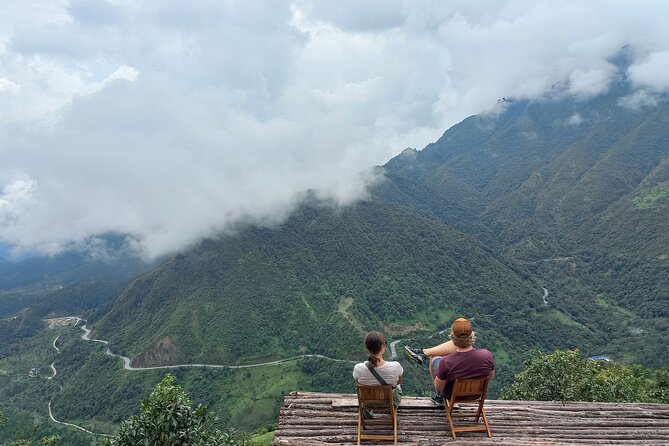
- Native Hmong guidance that connects you to village life, not just viewpoints
- Ta Van homestay with hot shower and a private room setup (bathroom and double bed are mentioned)
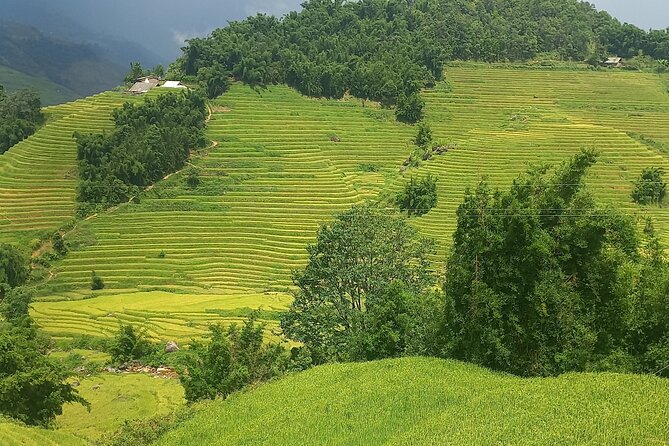
- Rice fields (season-dependent) with possible hands-on planting/harvest explanations
- Bamboo forest and waterfalls as part of the trek options
- Hoang Lien National Park day with included admission
- Private group flexibility with route customization by interest and athletic ability
Two Days in Sapa Valley: The Real Goal of This Trek
This is a 2-day, 1-night Sapa trekking experience built around two things: walking real trails in the valley and learning the culture right where it happens. You start in Sapa (8:30 am) and finish back at the same meeting point, so you don’t have to solve transport at the end of a long day.
The route is designed to be customizable. If you want more village time, you can shape the trek. If you care most about nature, you can focus on forest trails and waterfalls. That flexibility matters in Sapa, where weather, energy levels, and what’s in season (especially rice) can change the best plan.
And yes, the price is $110 for two days, which is what makes this feel more like a small cultural program than a bare-bones hike. You’re paying for guide time, village knowledge, and the homestay setup—not just for miles on a map.
You can also read our reviews of more hiking tours in Sapa
Where It Starts: Sapa Church at 8:30 am
Your day begins at the Sapa Church meeting point (P. Hàm Rồng, TT. Sa Pa). The start time is 8:30 am, and the end is back at the meeting point.
Two practical upsides here:
- Clear start/end means you can plan the rest of your day without guesswork.
- Pickup is offered, and the meeting area is near public transportation, so you’re not stuck if your hotel is a bit out of the way.
You’ll also receive confirmation at booking time, and you get a mobile ticket. For a trek that runs on timing, that’s a quiet but real convenience.
Day 1 Route: Y Linh Ho, Lao Chai, Then Ta Van
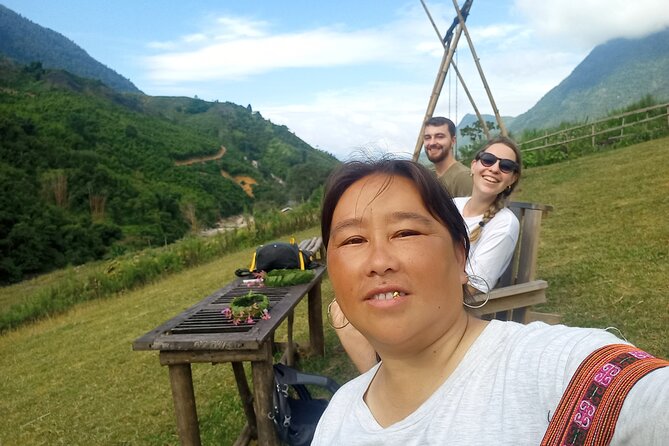
Day 1 is built like a story: village-to-village walking, lunch during the hike, then a homestay night.
Y Linh Ho Village Time
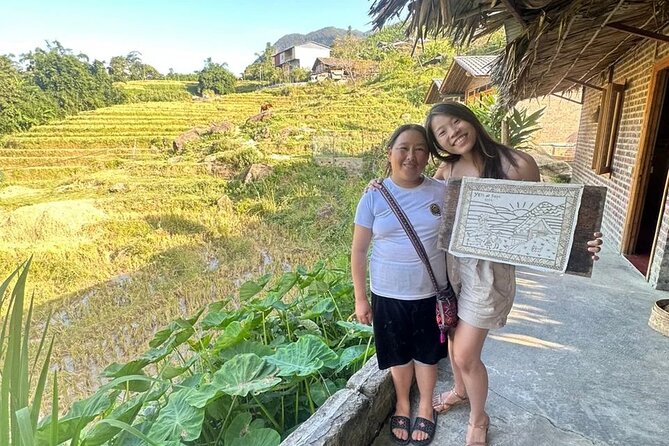
After meeting in Sapa, you head to Y Linh Ho village. This is where the trek shifts from city edges to valley life. Expect the walking to be scenic and lived-in rather than just panoramic. You’ll be with a native Hmong guide who can explain what you’re seeing—places, people, and the rhythms of daily life—especially around how different villages relate to the land.
Trek Toward Lao Chai (Lunch En Route)
From there, you trek to Lao Chai, and you stop for lunch along the way. This is one of those parts that can make or break a trek: lunch needs to feel natural, not rushed. Here, the plan is set into the day rather than added on as an afterthought.
Also, the guide can tailor what you pay attention to. If you’re interested in plants, local materials, or the way people use the valley terrain, this is often where the conversation becomes more than just logistics.
Heading to Ta Van for Your 1-Night Homestay
The final move of Day 1 is to Ta Van, your guide’s hometown area. Ta Van is where the homestay experience starts to become the main event.
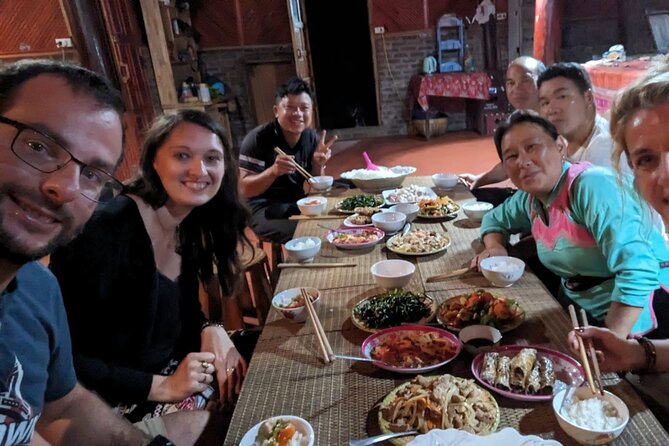
Dinner is provided with the family, and you spend the night in a homestay with hot shower and a private suite setup (a double bed and a private bathroom are specifically mentioned). You’re not sleeping in a dorm-style setup where you feel like a visitor who needs to get out fast. Instead, the room description in the experience points to comfort that helps you actually enjoy the evening.
Ta Van Homestay: What You’ll Feel During the Night
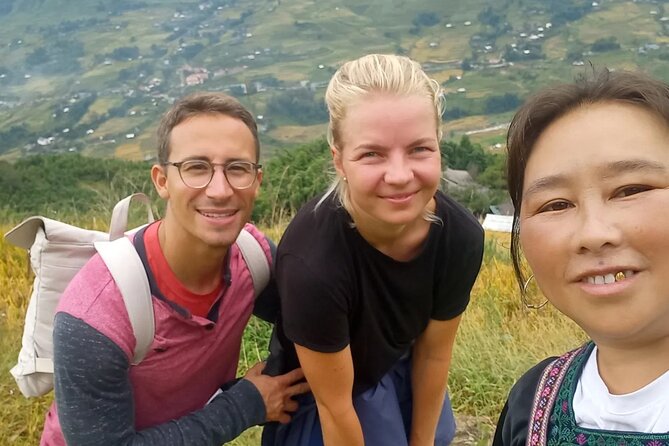
The best thing about homestays isn’t the bed—it’s the atmosphere. Here, the homestay is described as welcoming and family-run, with home-cooked meals and an experience designed to fit different comfort levels.
A few details that matter:
- Hot shower is included, which makes a huge difference after a cold or damp day.
- A private suite with bathroom and a double bed is listed, so you’re not sharing space in a way that adds stress.
- Evening meals are part of the day plan, so you’re not searching for food while everyone else relaxes.
This is also a good moment to ask questions that you might hesitate to ask while walking. When the pace slows, you can talk about generational life in the valley and how customs continue while people adapt to visitors.
Day 2 in Hoang Lien National Park: Trails, Forest, and Waterfalls
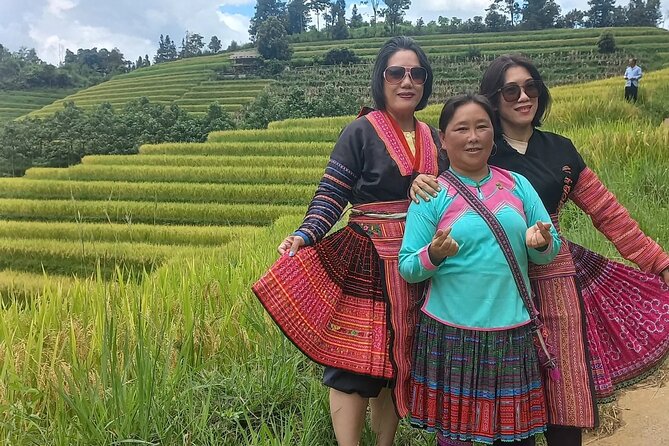
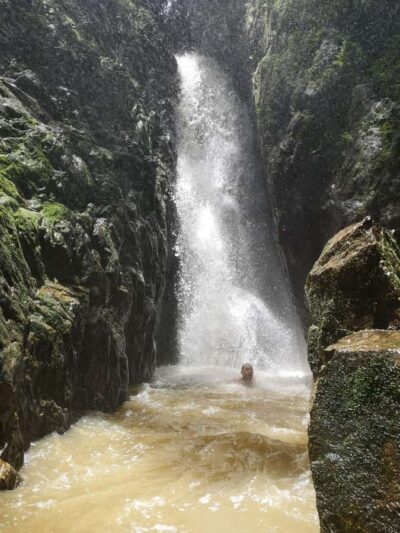
Day 2 is the nature-heavy day. After breakfast, you trek through Hoang Lien National Park, starting from the village area and moving through trails that include forests and waterfalls.
This day runs around 7 hours, and it’s longer than Day 1, so plan your energy accordingly. If you’re the type of traveler who likes active days, you’ll probably love it. If you’re cautious about endurance, tell your guide early—your route is customizable based on fitness and interests.
The park matters for two reasons:
- You get real trail walking, not just short photo stops.
- Admission is included, so you don’t have to worry about extra entry costs during the hike.
Just remember that national park days in Sapa can be foggy or cold. The trekking can still be enjoyable even when visibility isn’t perfect—bamboo forest and walking paths can feel special in cloudy weather—but you should go in with the right expectations.
Guides You Might Hike With: Sue, Mai, Miy, and Bao
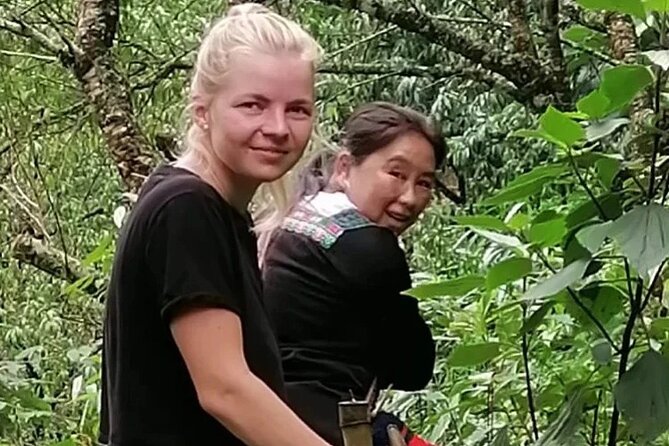
This trek’s reputation rests heavily on guide quality. The experience is tied to a Hmong family network, and that shows in the way people explain the valley.
Names you may run into include:
- Sue, who leads and customizes treks and has strong English for conversation and village storytelling.
- Mai, described as the daughter of Sue and a guide with very good English.
- Miy, listed as an exceptional English-speaking guide in at least one account.
- Bao, mentioned as part of the homestay/support group.
The common thread across these names is communication and connection. The guides are described as enthusiastic, friendly, and interested in talking—while still guiding you carefully through the villages and trails.
That blend is what you want on a trek like this: you need someone who can translate culture in plain language, and also someone who can keep the day organized.
Price and Value: $110 for a Real Program, Not a Shortcut
At $110 for 2 days (1 night), this trek is in the mid-range for private Sapa experiences. What makes it feel like value is what’s included and what’s covered by the guide relationship.
From the information you get:
- You have guided walking with village visits.
- Lunch and dinner are planned on Day 1, and Day 2 includes breakfast.
- A homestay is included, with hot shower and a private room setup.
- Hoang Lien National Park admission is included on Day 2.
When you compare that to cheaper trek formats that charge extra for homestays, park entry, or “food add-ons,” the pricing starts to look fair for what you’re actually buying: a full cultural-and-nature itinerary with comfort after walking.
If you’re traveling with a small group and you want a higher-quality guide experience, this is the kind of price point where it can make sense to go private rather than squeeze into a larger group.
What to Expect on the Trails (and How Fit Matters)
The experience is labeled as suitable for moderate physical fitness and is customizable for different athletic abilities and ages.
Still, you should understand what moderate means here:
- You’re doing multi-hour walking days with village paths and park trails.
- Day 2 is around 7 hours, which is the part that tests your legs.
- Weather can change how slippery or tiring paths feel, especially in colder or cloudy periods.
If you’re planning shoes, bring something that handles wet stone and dirt. You’ll also want layers. Even in March (when you might still be walking through pleasant areas), cold and cloud cover can affect comfort and photo quality.
Sapa Weather: Cold, Cloudy, and the Still-Good Parts
This trek depends on good weather. If the weather is too poor, you’ll be offered a different date or a full refund.
In practice, the big issue is that Sapa’s views can be muted when it’s cloudy. One account specifically notes March cold and cloudy skies, with less visibility than hoped. Even then, the trek still delivered enjoyable parts, including bamboo forest time.
So here’s the mental trick: don’t plan your day around one perfect panorama. Plan for walking, village time, and the experience itself. If the sky clears, great. If not, you’ll still be doing the core activity.
Who Should Book This Trek (and Who Might Not)
This trek is a strong fit if you:
- Want authentic village interaction with native Hmong guides rather than just photos.
- Care about comfort after hiking (hot shower, private bathroom setup).
- Enjoy guided conversation and cultural explanations while walking.
- Prefer a private group experience where the route can match your pace and interests.
It may be less ideal if you:
- Need heavy physical comfort reductions (because Day 2 is still a long walk).
- Are extremely view-dependent and will feel disappointed if skies are foggy.
Should You Book This Sapa Hmong Trek?
If you want a Sapa experience that feels human and specific—rice field culture, Ta Van homestay life, and a full day in Hoang Lien National Park—this is a smart choice. The combination of English-speaking guides, family-run hosting, and a route that can flex to your interests is what makes it worth your time and money.
Book it if you’re traveling in a season when you still expect cold weather to be manageable with good layers, and if you’re comfortable walking for several hours. Skip it only if your travel style is strictly short, easy, and view-only.
FAQ
How long is the trek?
The experience is about 2 days and 1 night.
Where does the trek start and end?
It starts at Sapa Church (P. Hàm Rồng, TT. Sa Pa, Sa Pa, Lào Cai) and ends back at the same meeting point.
Is this a private tour?
Yes. It’s a private tour/activity, so only your group participates.
What level of fitness do I need?
You should have moderate physical fitness. The route can be customized to fit different ages and athletic abilities.
Is pickup available?
Pickup is offered, and the meeting point is near public transportation.
What if the weather is bad?
The experience requires good weather. If it’s canceled due to poor weather, you’ll be offered a different date or a full refund.
If you tell me your travel month and your fitness level, I can suggest the best way to set expectations for rice fields, bamboo forest time, and the national park day.