REVIEW · SAPA
Fansipan Summit Challenge
Book on Viator →Operated by Green Sapa Trekking · Bookable on Viator
If you like big goals, this one fits. The Fansipan Summit Challenge is a hike with real stakes, pushing up to Mount Fansipan’s 3,143 m summit through rainforests, bamboo, and alpine ridges. You’ll also get a scenic mountain drive and a lunch stop at 2,800 m that feels like a reset before the final climb.
Two things I’d put near the top of your checklist: the range of scenery (misty forest one minute, open ridges the next) and the small group size (up to 9), which helps pacing and makes the tough parts more manageable. The one trade-off is obvious: you need strong physical fitness. This is not a casual stroll, and weather matters because the experience runs only in good conditions.
In This Review
- Key highlights worth planning for
- Fansipan Summit Challenge: the right kind of hard
- Getting to Tram Ton Pass (1,900 m): start strong, start early
- Trek through rainforest and bamboo: where the route turns into an adventure
- Picnic at 2,800 m: your high-altitude breather (included)
- The summit push to 3,143 m: Roof of Indochina payoff
- Downhill through forests and meadows: recovery mode with more nature time
- Small-group pacing: how this tour stays manageable
- Value for $89: what you’re really paying for
- Who this trek fits best (and who should skip it)
- Weather and safety: the two things that decide your day
- Where you’ll start and end: the Sapa rhythm
- Should you book the Fansipan Summit Challenge?
- FAQ
- How long is the Fansipan Summit Challenge?
- How high do you hike during the tour?
- What’s included in the price?
- What group size should I expect?
- Is this tour suitable for beginners?
- Do I need good weather for this experience?
- Where does the tour start and end?
Key highlights worth planning for
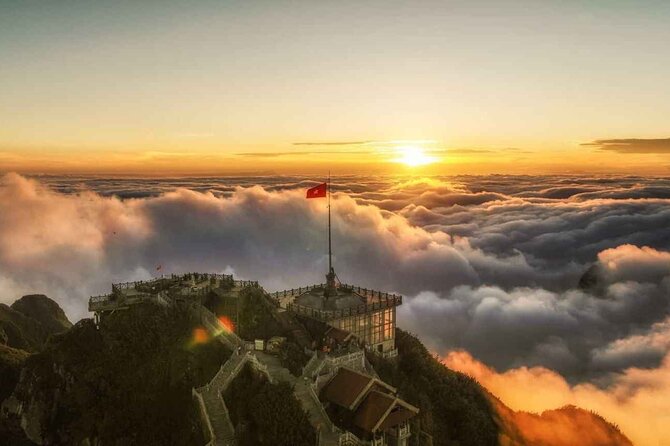
- Tram Ton Pass start (1,900 m): Highest mountain pass in Vietnam, setting the tone early.
- Hoang Lien National Park terrain: Rainforest, bamboo groves, and alpine meadows as you gain altitude.
- Picnic lunch at 2,800 m (included): High-air break and mountain views right before the summit push.
- Roof of Indochina summit (3,143 m): Big panoramic payoff over Vietnam, Laos, and China on clear days.
- Guide support on a challenging route: Reviews mention a safe, supportive feel even when the trek gets tough.
Fansipan Summit Challenge: the right kind of hard
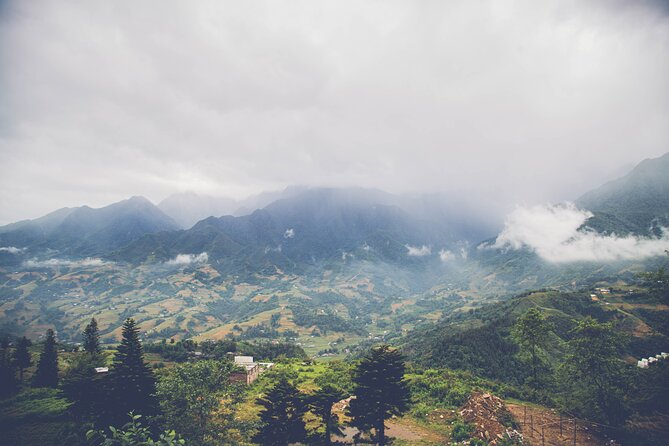
Sapa is famous for easy photo stops and gentle valley walks. This tour goes in a different direction. You trade shortcuts (like the cable car route) for an active ascent to the top of Mount Fansipan, known as the Roof of Indochina. The best way to describe it is simple: you’re hiking where fewer people go, on trails that feel more real and more demanding.
What makes it especially appealing is that the day isn’t just “up, up, up.” The scenery shifts as you climb—from dense rainforest and bamboo to wider ridges and higher-altitude terrain. That matters because when the route gets steep, having changing views and varied ground keeps you mentally engaged.
This is also set up for small groups, up to 9 travelers. That can translate into fewer crowds on the trail, easier movement as a team, and more practical support from your guide—something you’ll feel on the tougher sections.
You can also read our reviews of more tours and experiences in Sapa.
Getting to Tram Ton Pass (1,900 m): start strong, start early
The day begins with a drive from your meeting point at Green Sapa Homestay (3-1 Nguyễn Chí Thanh, TT. Sa Pa). The route is a winding mountain drive through valleys and peaks before you reach Tram Ton Pass at 1,900 m, the highest mountain pass in Vietnam.
Why this early start matters: altitude hits faster than people expect. Even before you start hiking, you’ll likely feel cooler air and thinner “breathing space” compared with low-elevation Sapa. Reviews also point to smooth, on-time pickup and an easy start, which is a big quality-of-life factor for a full-day trek. When the first hour is calm and organized, the whole day feels more in control.
Potential drawback to watch for: because you’re starting high and the area can be misty, the early conditions can be damp and slippery. Good hiking shoes and careful footwork matter right away.
Trek through rainforest and bamboo: where the route turns into an adventure
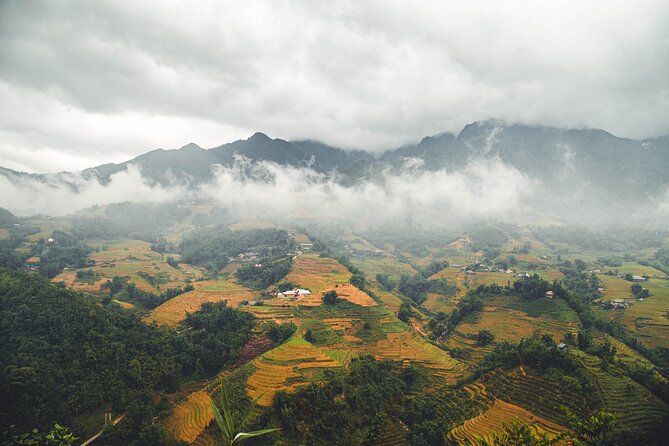
Once you’re moving, the trek heads deep into lush rainforest and past bamboo groves. As you ascend, the trail is described as wild trekking paths—exactly the kind of route that feels more like an expedition than a scenic walk.
This part of the climb is valuable because it gives you:
- A slower “warm-up” section compared to the final summit push
- Multiple moments of changing sights (dense forest, bamboo shade, open air ahead)
- A chance to notice the Hoang Lien National Park ecosystem rather than just focusing on steps
Reviews highlight a key theme: the experience doesn’t stay the same. One moment you’re in misty forest, and the next you’re around ridges with sweeping views. That change helps you keep motivation when your legs start to notice the effort.
Practical note: rainforest trekking usually means wet patches and slippery leaves. Even if the forecast looks fine, keep your pace steady and don’t rush the footing.
Picnic at 2,800 m: your high-altitude breather (included)
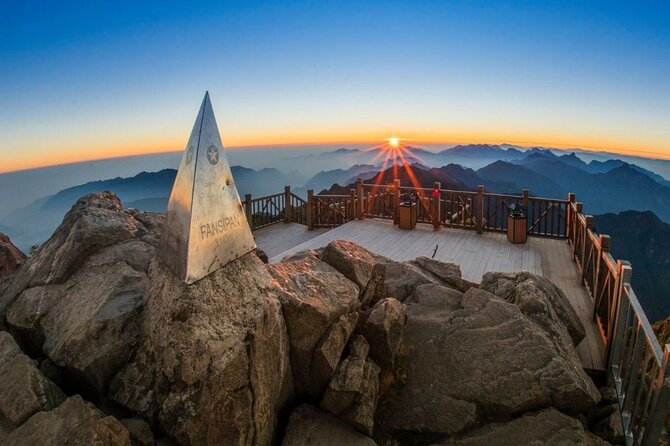
Around the 2,800 m mark, you’ll pause for a well-earned picnic lunch included in the tour. This stop is more than “food break.” It’s also a mental checkpoint: you’ve climbed enough that the summit is now a real, visible goal—and the air at this height feels crisp and thin.
Why this lunch stop is a standout: reviews mention the picnic spot as peaceful and scenic, with mountain views surrounding you. That kind of pause matters on a hard trek. If you rush through the day, the final climb becomes miserable. A planned break lets you reset and get ready for whatever comes next.
Possible consideration: at higher altitude, you may not feel like eating much at first. If that happens, take small bites, drink water steadily, and let your energy catch up.
The summit push to 3,143 m: Roof of Indochina payoff
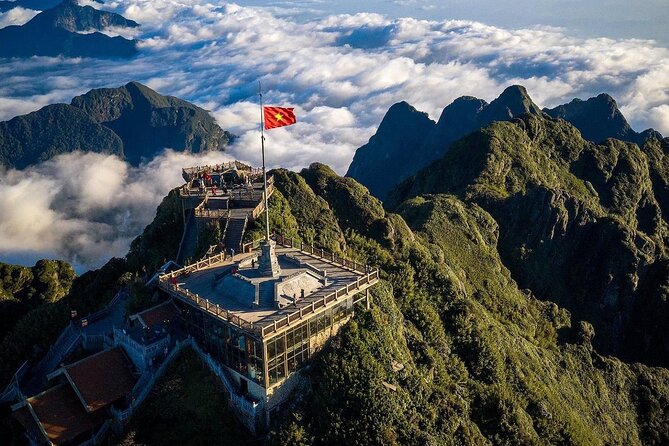
After lunch, the trek continues through bamboo forests and then onto rugged alpine trails. This is where the day shifts from scenic hiking to actual challenge. The top is Fansipan Summit at 3,143 m, widely known as the Roof of Indochina.
What you’re aiming for:
- The highest point on the route today (and a serious climb in a single day)
- Panoramic summit views stretching across Vietnam, Laos, and China on clear conditions
- A sense of achievement that feels earned, not bought
In the reviews, people repeatedly mention how guides helped make the trek feel safer and more enjoyable even when it was tough. That’s important on steep terrain where fatigue can make small mistakes happen. A guide who keeps your group paced and attentive makes the whole experience feel better—and helps you focus on getting there without panic.
One practical warning (no drama): if the weather is cloudy or rainy, visibility may shrink. The tour is described as requiring good weather, and that’s a real factor for summit views. If conditions are bad, the experience may be adjusted or canceled.
Downhill through forests and meadows: recovery mode with more nature time
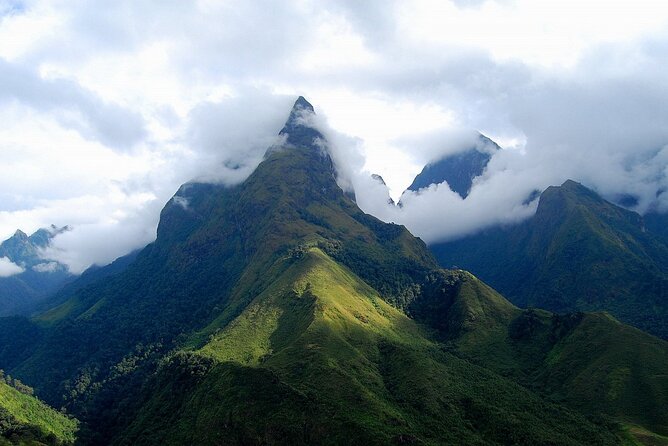
After the summit, you start a gentle descent. The route moves through tranquil forests and open alpine meadows, with a more relaxed pace compared to the climb.
This section is underrated. People expect the hard part to end at the summit, but the descent is still a major part of the day. The good news here is that your route includes more open air and slower pacing, giving your body a chance to recover while you keep enjoying the views.
You’ll also have time to explore the rainforest ecosystem along the way. If you’re the type who likes noticing details—different plants, shifting terrain, signs of wildlife—this is a good stretch to pay attention. In reviews, the changing scenery is one of the most praised aspects, and this descent helps close the loop after the summit highlight.
Still: downhill can hurt knees. Take it slow, use trekking poles if you have them, and treat your footing like it matters (because it does).
Small-group pacing: how this tour stays manageable
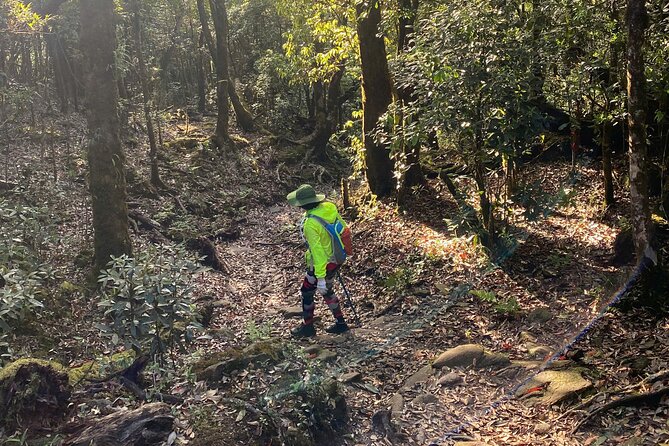
With a maximum of 9 travelers, the group stays tight. That tends to help in two ways:
- You’re less likely to get separated by pace differences.
- Your guide can manage breaks and movement more practically.
Reviews specifically call out pacing that allows everyone to keep up comfortably. For you, that means the tour is built for challenge without going full “race.” It’s still physically demanding, but it’s not described as reckless or rushed.
Also, the experience uses a mobile ticket, which is handy in a place where paper tickets can get lost in a pocket full of trekking stuff.
Value for $89: what you’re really paying for
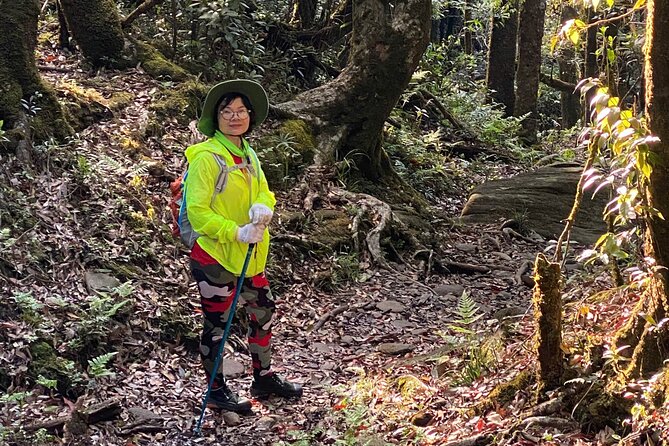
At $89 per person for an about 10-hour full-day experience, you’re paying for a complete package: transport to the starting pass, a guided summit trek on varied terrain, a 2,800 m picnic lunch included, and time back to Sapa after the descent.
Here’s how I’d judge value:
- If you want to do Fansipan the more “adventure” way (not a cable car day), guided access and a structured route matter.
- The inclusion of lunch at altitude saves you the hassle and cost of finding food mid-trek.
- Small group size usually means more attention and better pacing control, which matters when the trail is challenging.
If you’re only chasing a quick view with minimal effort, this probably won’t feel like the best value. But if you’re willing to work for it, the cost-to-experience ratio looks fair for a guided full-day mountain summit attempt.
Who this trek fits best (and who should skip it)
This tour fits best if you:
- Have strong physical fitness
- Enjoy hikes that push you beyond comfort
- Want a route that feels like real trekking through protected park terrain
It’s a strong choice for adventure lovers who care about variety: rainforest, bamboo, alpine ridges, and meadows, all in one day. Reviews repeatedly emphasize the changing scenery and the guide support, so you’re not left to struggle alone.
You should consider skipping this one if:
- You’re new to trekking or recovering from an injury
- You’re worried about steep climbs and long downhill hours
- Your schedule can’t handle a full day out of Sapa
Weather and safety: the two things that decide your day
This experience requires good weather. That’s not just comfort—it’s practical. Rain and poor visibility can ruin summit views and make footing dangerous. If it’s canceled due to weather, you’re offered a different date or a full refund, which is the kind of flexibility you want for a mountain trek.
For safety, the route is guided. Reviews mention that the guide made the trip feel safe and enjoyable, which matters for a challenging ascent where fatigue can affect decision-making. Still, your preparation is part of your safety: wear proper footwear, bring layers for changing mountain air, and take the pace seriously.
Where you’ll start and end: the Sapa rhythm
You’ll meet at Green Sapa Homestay and the tour ends back at the meeting point, with a transfer back to Sapa included. The day is built as a loop: scenic drive, long trek with a high lunch stop, summit, descent, then back to the village area where you can rest.
That round-trip design is underrated. After an all-day climb, you don’t want to solve transport or logistics. You want to crash, eat something warm, and process the views.
Should you book the Fansipan Summit Challenge?
I’d book it if you want the Fansipan experience that feels like a true summit journey—not just a transport-and-view stop. The big win is the combination of high-altitude challenge with changing scenery, capped by summit views across the region.
Book it if:
- You’re fit enough for a full-day mountain trek
- You appreciate guides and steady pacing
- You want that Roof of Indochina moment more than you want an easy day
I’d pass or look for an easier option if:
- You’re not confident with steep climbs and long descents
- Bad weather would stress you out (because visibility is part of the payoff)
- You’re aiming for a low-effort Sapa day
In plain terms: this tour is for people who like earning the view.
FAQ
How long is the Fansipan Summit Challenge?
It takes about 10 hours in total, with time built in for the mountain drive, hiking segments, lunch at altitude, and the transfer back to Sapa.
How high do you hike during the tour?
You start from around 1,900 m at Tram Ton Pass, have a lunch stop around 2,800 m, and reach the Fansipan Summit at 3,143 m.
What’s included in the price?
The price includes the guided trekking experience and a picnic lunch at the 2,800 m stop. The tour also uses a mobile ticket.
What group size should I expect?
The tour lists a maximum of 9 travelers, which generally helps with pacing and overall trail flow.
Is this tour suitable for beginners?
The experience notes that travelers should have a strong physical fitness level. If you’re not used to challenging hikes, this may be tough.
Do I need good weather for this experience?
Yes. The tour requires good weather. If it’s canceled due to poor weather, you’re offered a different date or a full refund.
Where does the tour start and end?
It starts at Green Sapa Homestay (3-1 Nguyễn Chí Thanh, TT. Sa Pa, Sa Pa, Lào Cai 31752, Vietnam) and ends back at the same meeting point.