REVIEW · SAPA
Mountain views & Rice Terraced Fields Hiking – 2D 1N
Book on Viator →Operated by Trekking Tour Sapa · Bookable on Viator
Rice terraces, real villages, and mountain views.
This 2-day, 1-night Sapa hike is built around small-group trekking and village life across multiple ethnic communities. I especially like the way the route mixes scenery with people-to-people culture: you get viewpoints, river and valley scenery, and hands-on storytelling about work, house building, and community traditions. The best part, in my book, is the human touch—guides like San are praised for explaining clearly and keeping the walk lively, not just scenic.
The one thing to watch is the effort level. You should expect uphill patches and day-to-day walking on trails, so moderate fitness is a good match, not couch-to-canyon. If the weather is rough, the walk can feel more tiring than planned, and that’s when having the operator handle a route/date change matters.
If you want Sapa beyond the postcard spots, this route aims right at the heart of the region’s mountain villages—starting near Sapa Church, then cycling through Hang Da, Hau Thao, Giang Ta Chai, and Ta Van, with an included homestay night and full meals to keep you fueled.
In This Review
- Key highlights at a glance
- How this Sapa trek stays real (and not just scenic)
- Getting started at 9:00 am near Sapa Church
- Day 1: Hang Da viewpoints, then Hau Thao with Black Hmong daily life
- Hang Da Village: your first payoff
- Hau Thao: after lunch, village rhythm
- Your homestay night: dinner, breakfast, and cultural conversation
- Day 2: Giang Ta Chai waterfall views and the downhill to Ta Van
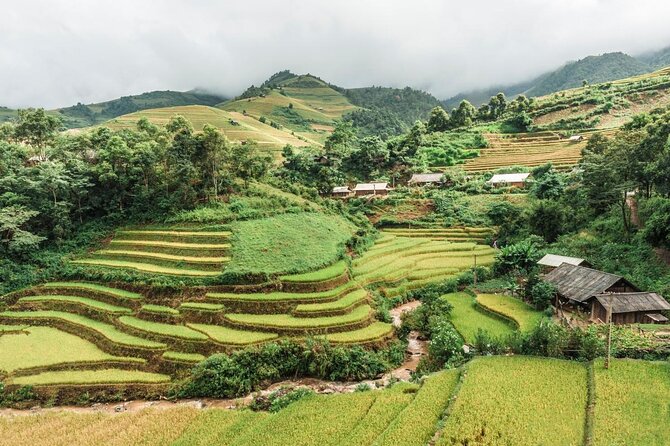
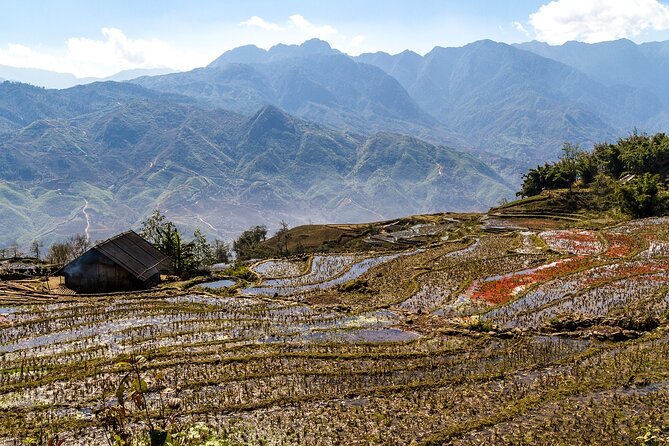
- The rice terrace and mountain scenery: what you’re really paying for
- Price and value: what $90 buys in real terms
- Who this tour fits best (and who should reconsider)
- A practical packing checklist for this kind of Sapa trek
- Should you book this Sapa trek? My take
- FAQ
- How long is this Sapa Mountain views & Rice Terraced Fields Hiking tour?
- What time does the tour start?
- Where do I meet the guide?
- Is pickup offered?
- What does the tour include for meals and overnight stay?
- Are village entry fees included?
- What fitness level do I need?
- How big is the group?
- What happens if weather is bad or I cancel?
Key highlights at a glance
- Small-group trekking capped at 10 people, which usually means a calmer pace and more questions answered.
- Multiple ethnic villages in 2 days (Hmong, Giay, and Red Dao), so you see more than one community perspective.
- Scenery built into the route: mountain viewpoints, Sapa’s biggest river and valley areas, plus famous rice terrace fields.
- A guided culture focus, including Hmong marriage traditions and practical village skills like house building.
- Homestay with included dinner and breakfast, so you experience the overnight rhythm rather than rushing through.
- Waterfall and downhill sections on Day 2, adding variety after the first day’s uphill start.
How this Sapa trek stays real (and not just scenic)
Sapa gets crowded fast, but this trip is designed around villages and trail time instead of rapid stop-and-photo tourism. You start near the main church in Sapa and head into the hills, which immediately changes the feel: fewer fences, fewer tour buses, more time with local paths and local voices.
What I like most is the blend of two types of value. First, you’re walking through the mountain geography that makes Sapa famous—views over valleys and terraces, plus time along trails where the terrain shapes the day. Second, the guide is there to explain what you’re seeing: village routines, building practices, and cultural customs such as Hmong marriage traditions. That context makes the scenery make sense, instead of just being pretty.
The group size helps too. With a maximum of 10 travelers, you’re less likely to feel like you’re moving through a production line. It also makes it easier for the guide to slow down for questions, which is exactly what many people praise—San in particular gets called out for being very good at explaining and keeping the experience engaging.
You can also read our reviews of more hiking tours in Sapa
Getting started at 9:00 am near Sapa Church
Your day begins with a meet-up at Sapa Church at 9:00 am. The meeting location is easy to find, and it’s also close to public transportation, which can help if you’re arriving from Hanoi or elsewhere and want flexibility.
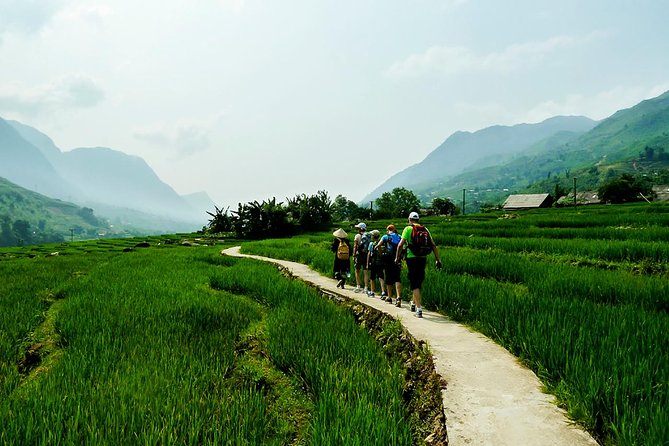
After a short introduction, you’ll start walking almost immediately. One early detail I think matters: the first stretch includes a 1 km uphill section on a small trail toward the viewpoint area. This is not an all-day grind, but it is a wake-up call for your legs, and it’s the kind of thing you’ll feel more if you’re coming straight from a travel day.
A pickup is offered, which helps if you don’t want to coordinate transport to the meeting spot. Still, even with pickup, plan to be ready on time—this trek runs on a tight schedule across villages, meals, and the homestay night.
Day 1: Hang Da viewpoints, then Hau Thao with Black Hmong daily life
Hang Da Village: your first payoff
Your first stop is Hang Da Village, where you start the morning by climbing a small trail for mountain views. Even though the hike is short by trekking standards, it’s long enough to earn the payoff: you’re moving from town to hillside, and you can feel the air and the views shift as you gain elevation.
Expect a classic viewpoint moment early on: camera time, quiet time, and the sense that Sapa’s best look comes from actually walking into the area rather than only looking from the road.
Hau Thao: after lunch, village rhythm
After lunch, you make your way toward Hau Thao, home to the Black Hmong community. This is where the trip tilts from scenery toward daily life. You’re walking down on a little road rather than climbing, so it’s a nice change of pace after the first ascent.
This part matters because it helps you see what daily life looks like in a place shaped by terraced agriculture and mountain geography. If you time it well, you may catch everyday activity—work routines, household tasks, and the kind of community flow that doesn’t happen in commercial viewpoints.
One practical consideration: parts of Day 1 can feel warm if you start under cloud cover and then break into sun, then cool quickly again as you move back into shaded hillside paths. A light layer and a small rain shell are useful.
Your homestay night: dinner, breakfast, and cultural conversation
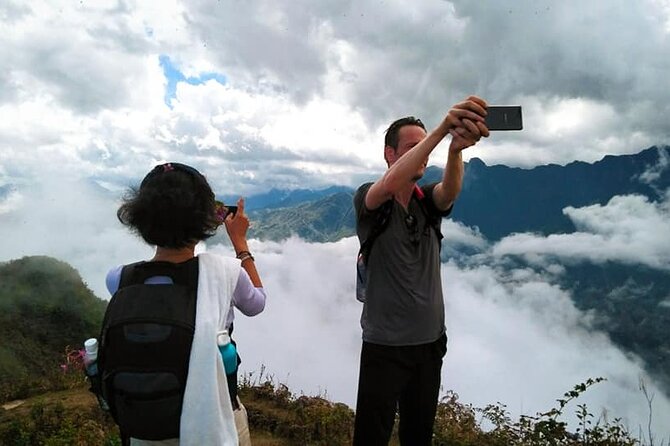
Overnight is in a homestay for 1 night, and it’s not just a place to sleep. Dinner and breakfast are included, along with village entry fees, which helps keep the day from turning into an expense scavenger hunt.
This is also where the cultural “story” you receive in earlier stops becomes real. You’re not only looking at the culture from a trail edge; you’re experiencing the daily rhythm of the village setting. Many guides do a Q&A here, and with a strong communicator like San, you should expect more than short answers.
What to keep in mind: homestays can be simple by Western standards. The key value is the human interaction and the sense that you’re part of the village schedule for a night. If you go with respect and flexibility, it’s one of the reasons the tour earns such high recommendations.
One included comfort detail that I appreciate: you get 1 big bottle of water per person. It’s not an endless supply, but it helps you stay hydrated between meals and during active walking time.
Day 2: Giang Ta Chai waterfall views and the downhill to Ta Van
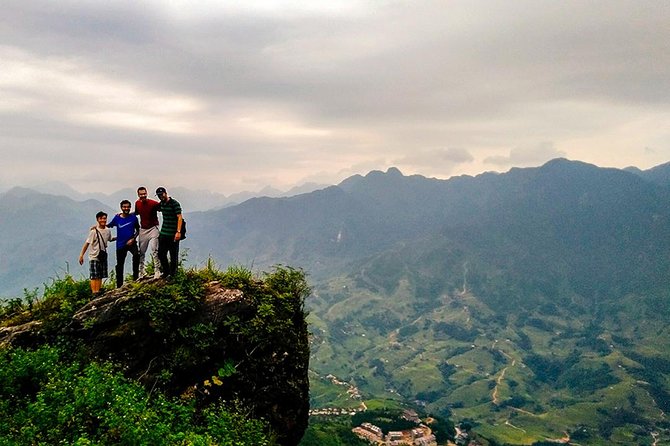
Day 2 starts after breakfast in the homestay, and then you begin the next trek from Hau Thao down toward Giang Ta Chai Village. This is the day’s scenic highlight sequence: you get a chance to see a waterfall and continue through the valley scenery.
This part tends to be a favorite for two reasons. First, it breaks the pace from Day 1’s rhythm of uphill-first, then road/lower movement. Second, waterfalls are the kind of natural feature that make you stop moving for a minute and just look, even if the trek schedule keeps things moving.
From there, you head downhill to Ta Van Village, where you can see both Giay and Black Hmong minorities. This isn’t just another “village photo stop.” It’s a visual reminder that Sapa’s identity isn’t one single look—it changes by community, by hillside, and by how people work the land.
If you’re sensitive to legs and knees, put extra care into Day 2’s downhill sections. They often feel easier than uphill because you’re not fighting gravity, but they can be harder on joints if you’re not used to stepping carefully on uneven ground.
The rice terrace and mountain scenery: what you’re really paying for
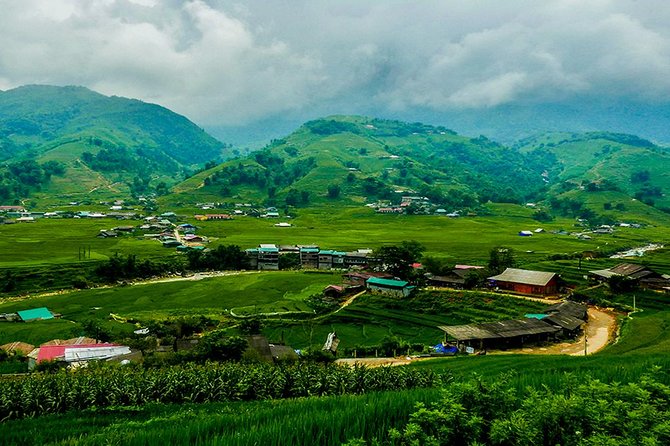
The title calls out rice terraced fields and mountain views, and that matters—but here’s the real reason you’ll feel happy paying this price: the scenery is connected to movement and context.
Instead of treating terraces as static decorations, the guide’s cultural explanations help you understand why these landscapes exist and how communities live alongside them. You hear about rice fields, work patterns, and house building techniques, which changes your experience from pretty-walk to meaningful-walk.
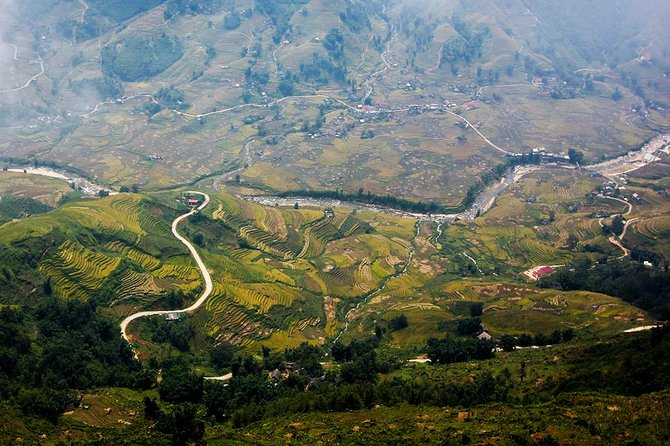
And the route is built to include Sapa’s larger geography too—mentioning the biggest river and valley areas. Even without a “name-that-river” moment, you can still feel the scale: the valley stretches, the terraces step across slopes, and the mountains frame everything.
For best results, show up ready for shifting weather. Sapa weather can change quickly. Cloud cover can soften the views and make light flatter, while sun can sharpen everything but also bring cold mornings. Either way, the walk stays worthwhile if you’re going for village-to-view connections, not just perfect photos.
Price and value: what $90 buys in real terms
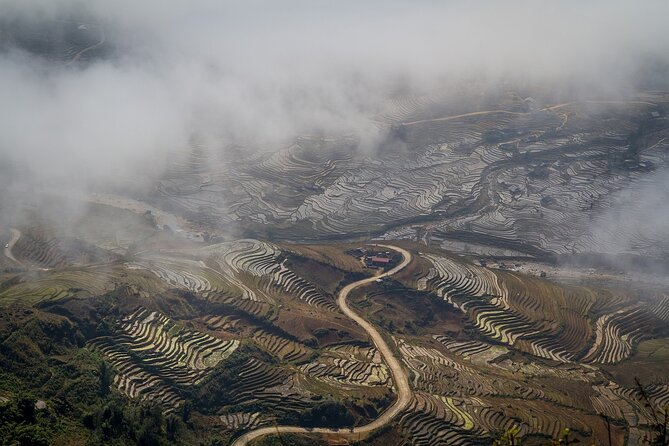
At $90 per person for a 2 days / 1 night trek, the value isn’t just the walking. You’re paying for a package that includes:
- Homestay accommodation (1 night)
- Dinner and breakfast
- Lunch (2)
- Village entry fees
- A local guide
- Transport back to Sapa after the tour ends
- Water (1 big bottle per person)
That combination matters because it removes the usual guessing game. On many Sapa treks, you spend time and money “between the parts”—getting to trailheads, paying for snacks, buying entrance fees, and figuring out how the overnight works. Here, most of those pieces are handled, and that’s why it’s easier to judge the value.
Also, the tour is small-group, and the guide quality is a major differentiator. People strongly recommend this experience, and the praise centers on the guide (San in particular), plus the quality of food and homestay.
If you’re traveling on a budget but still want authentic village time, this is a reasonable price point—especially because it’s not only about sightseeing. It’s about guided cultural access with meals and sleep included.
Who this tour fits best (and who should reconsider)
This trek is best for you if you want:
- A short but real Sapa experience (2D/1N)
- A guide who explains what you’re seeing
- Village visits across different communities (Hmong, Giay, Red Dao)
- An included overnight homestay with meals
It might be less ideal if:
- You’re not comfortable with moderate walking and uphill starts
- You dislike simple homestay conditions and prefer hotels every night
- You need very predictable rest stops with long bathroom breaks (the schedule is village-and-trail based)
The tour caps at 10 travelers, which is a plus if you want a more human, less crowded experience.
A practical packing checklist for this kind of Sapa trek
The details aren’t fully spelled out, but you can plan smart with what’s typical for this kind of Sapa terrain and schedule.
Bring:
- Comfortable hiking shoes with grip for trails and downhill sections
- A light rain layer, since the experience depends on good weather
- A warm layer for morning and evenings (mountain air cools fast)
- Sunscreen and sunglasses if you get clear skies after cloud cover
- Small cash for any personal drinks at the homestay (extra drinks are not included)
Keep expectations steady: the tour includes water, meals, and village entry, so you don’t need to overpack for logistics. You do need to pack for your comfort on foot.
Should you book this Sapa trek? My take
Book it if you want a guided cultural walk with rice terraces and mountain views, plus an included homestay night that doesn’t feel like a rushed checkbox. The highest praise centers on guide San’s explanations and the overall quality of food and homestay, and that’s exactly what you want from a short trek.
Skip or reconsider if you’re expecting a totally flat, easy stroll. This is trail trekking with uphill moments early on and careful downhill sections later, and your enjoyment will depend on how you handle moderate hiking days.
If the idea of meeting ethnic communities in villages—learning about work, building techniques, and traditions—sounds like your kind of travel, this 2D/1N option is a strong fit.
FAQ
How long is this Sapa Mountain views & Rice Terraced Fields Hiking tour?
It’s a 2-day experience with 1 night (2D 1N).
What time does the tour start?
It starts at 9:00 am.
Where do I meet the guide?
The meeting point is Sapa Church, P. Hàm Rồng, TT. Sa Pa, Sa Pa, Lào Cai 333100, Vietnam.
Is pickup offered?
Yes, pickup is offered.
What does the tour include for meals and overnight stay?
You get dinner and breakfast, and lunch is included as well. You also get accommodation in a homestay for 1 night.
Are village entry fees included?
Yes, village entry fees are included.
What fitness level do I need?
You should have a moderate physical fitness level, since the route includes trekking on trails with uphill and downhill sections.
How big is the group?
The tour has a maximum of 10 travelers.
What happens if weather is bad or I cancel?
If weather is poor, the experience may be canceled and you’ll be offered a different date or a full refund. You can cancel for a full refund up to 24 hours in advance.