REVIEW · ROME
Rome: Mini hike to the ancient Parco degli Acquedotti
Book on GetYourGuide →Operated by Hike with Nature of Sal · Bookable on GetYourGuide
Rome keeps its secrets on foot. This walk turns an afternoon in Pigneto into a time-machine, tracing an old Roman aqueduct into the Parco degli Acquedotti. A small group with English-speaking guide Sal keeps it moving and makes the route feel like a story you can walk through.
I love the mix of city life and wild pockets. You start in a trendy neighborhood, then shift into green spaces that make the aqueducts feel almost staged by nature rather than cities. I also love Sal’s way of explaining what you’re seeing—Roman engineering, building materials, and how people used these water systems to shape daily life.
The one drawback: it’s a moderate hike (about 9 km / 5.5 miles) with uneven terrain, and it runs rain or shine. If your feet aren’t happy on rough ground, this won’t feel “mini” on the legs.
In This Review
- Key Highlights at a Glance
- Starting in Trendy Pigneto, Then Letting the Aqueduct Lead
- The Nature-Park Shift: Mandrione Greens Before the Ancient Big Hit
- Porta Furba (or Arco di Sisto V): Where the Roman Past Shows Through
- A Local Café Break: Practical Fuel for a 3-Hour Hike
- Torre Fiscale Park: The Calm Before the Aqueduct Finale
- Arriving at Parco degli Acquedotti: Surreal Roman Ruins Meets Living Nature
- Difficulty, Shoes, and Weather: What to Plan So This Stays Fun
- Who This Tour Fits Best (And Who Might Want a Different Plan)
- Price and Value: Is $53 Worth It?
- Should You Book the Rome Aqueduct Mini Hike?
- FAQ
- How long is the Rome: Mini hike to Parco degli Acquedotti?
- Where does the hike start and where does it end?
- How hard is the hike?
- What should I bring?
- Does the tour run in bad weather?
- How many people are in the group, and what languages are offered?
Key Highlights at a Glance
- Aqueducts in the open air: Walk alongside ancient stone and see how the park frames long views.
- Neighborhood-to-nature route: Pigneto and Mandrione aren’t just background; they set the stage for the shift into the park.
- Sal’s teaching style: Clear explanations of Roman aqueduct history and engineering, plus plenty of conversation.
- Good weather bonus: On clear days, you may get a mountain backdrop behind the aqueduct park views.
- Photo-friendly vantage points: The route offers both close-up details and wide, dramatic sightlines.
- Small group pace: Limited to 10 participants, so you’re not stuck in a huge shuffle.
Starting in Trendy Pigneto, Then Letting the Aqueduct Lead
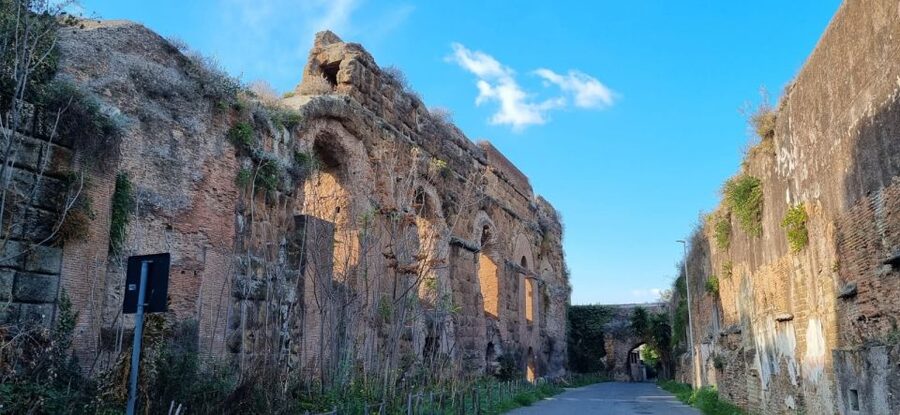
The tour begins right outside the Pigneto (C-line) subway station. I like this setup because it’s easy to reach and it feels like you’re starting in real Rome, not in some off-limits museum queue. You’ll meet at the station exit by Conad, or the other side facing a bridge—handy when you’re trying to orient fast.
From there, you follow Via del Pigneto and nearby streets guided on foot. What makes this more than just “getting to the park” is the gradual change in scenery: neighborhoods with everyday rhythms give way to small green spaces and open viewpoints. It’s the same idea as traveling from city to countryside, just compressed into a few hours and connected by the aqueduct.
This is also where the small-group format helps. With a limit of 10 participants, Sal can keep the pace comfortable, answer questions, and adjust as needed when the weather or terrain gets tricky.
You can also read our reviews of more hiking tours in Rome
The Nature-Park Shift: Mandrione Greens Before the Ancient Big Hit
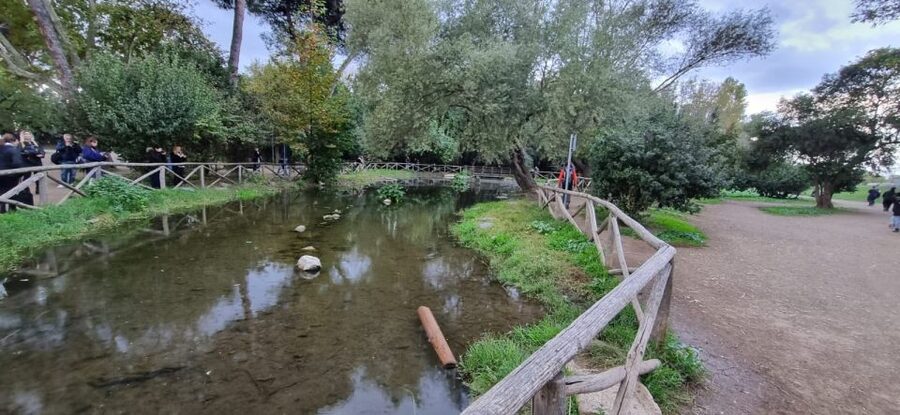
One of the smartest parts of the route is that you don’t jump straight to the most famous scenery. You’ll stop in Parchetto Condiviso del Mandrione, then continue via Via del Mandrione. These aren’t giant sightseeing stops, but that’s the point: the walk starts to “tune your eyes” for what’s coming.
Green pockets within the city change how you perceive stone structures. After you’ve got a bit of nature in your peripheral vision, the aqueducts start to look like they belong to the land—not like they were dropped there from another planet. On days when the light is right, that surreal mix of architecture and landscape is exactly what makes this area memorable.
You’ll also get the feel of the route as an urban hike: uneven ground, changing surfaces, and the kind of Rome walking that’s more about movement and atmosphere than checking off a list.
Porta Furba (or Arco di Sisto V): Where the Roman Past Shows Through
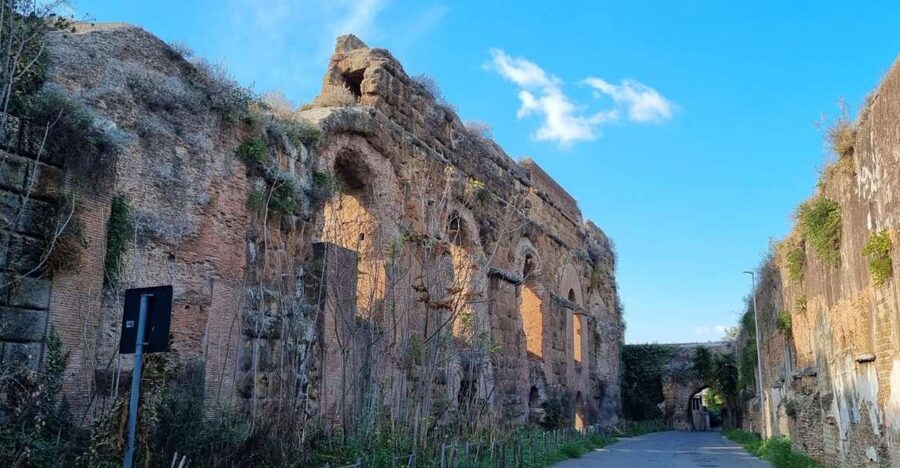
Next up is Porta Furba (or Arco di Sisto V). This is a moment where the hike snaps back toward ancient Rome in a more direct way. Gates and arches are useful landmarks on a walking tour because they’re not just pretty—they help you understand how cities were organized, defended, and connected.
Even if you don’t know the Roman urban system yet, you can feel why these structures matter: they mark movement through space. On this route, it creates a nice mental bridge between the neighborhood streets and the aqueduct park that comes afterward. It also helps keep the hike from becoming a single long “walk and look” segment. You get that little injection of history before the bigger landscape payoff.
A Local Café Break: Practical Fuel for a 3-Hour Hike
About mid-route, you’ll have time for a local café break. This matters because the hike is long enough to get tiring, but short enough that you really notice every missed chance to refresh.
Also, Rome’s summer heat can be real—even in “green” areas. The guide’s focus on comfort is a big deal here: in hot conditions, Sal stays mindful about shade and water breaks, and that makes the difference between a pleasant hike and a grumpy one.
You’ll want to plan to use this break as part of your pacing strategy. Sip, refuel, and don’t wait until you’re already drained. It’s a better system than forcing through and paying for it later in the aqueduct park.
Torre Fiscale Park: The Calm Before the Aqueduct Finale
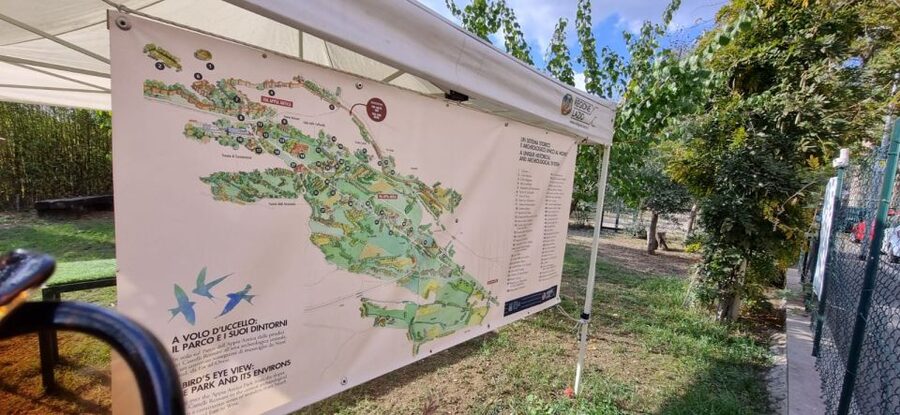
Then the route shifts to Torre Fiscale Park, where you’ll get another guided walk segment. I like this stop because it feels like a “buffer zone” between urban Rome and the main aqueduct scenery. The aqueducts start to feel less like an attraction and more like a landscape feature you’re entering.
This is also the part of the hike where the views tend to broaden. You’re not only looking at stone; you’re starting to see how the structures connect across space. That perspective—close enough to understand the material, far enough to feel the scale—is where Roman aqueducts become more than a history fact.
If you’re the type who likes photos, this section helps you find your rhythm. The terrain and light can be different, so it’s a good time to keep your camera ready without turning the walk into a stop-start chore.


Arriving at Parco degli Acquedotti: Surreal Roman Ruins Meets Living Nature
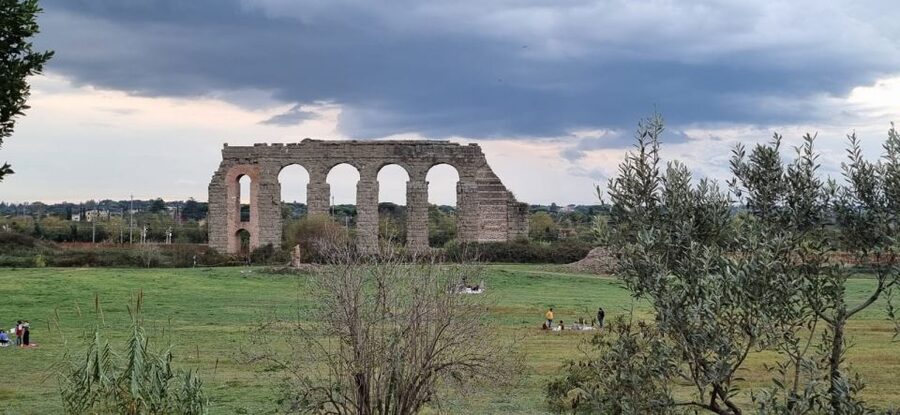
Finally: Parco degli Acquedotti. This is the reason to do the hike in the first place. The park gives you that surreal effect of ancient infrastructure sitting inside active, living nature. The aqueducts stretch away in the distance, and the space between the stones starts to feel like it has its own atmosphere.
On clear days, you may also get a mountain backdrop behind the park views. That matters more than you might think: it helps you understand this isn’t just a “historical site in a city.” It’s a geographic setting where Roman builders exploited water movement through the landscape.
Sal’s role here is key. He helps you connect the dots between what you’re seeing and what Roman engineers were trying to solve. You’ll learn about why the aqueducts were built and how the system supported a new kind of daily life for people living in Rome—water meant more than convenience; it meant growth.
And yes, it’s a photographer’s dream. You get both macro moments (textures, structure, and details) and wide viewpoints that show how the aqueducts dominate the long sightlines. This is one of those places where a quick glance won’t cut it. Give your eyes time to adjust, especially if you’re coming from city streets and shadows.
Difficulty, Shoes, and Weather: What to Plan So This Stays Fun
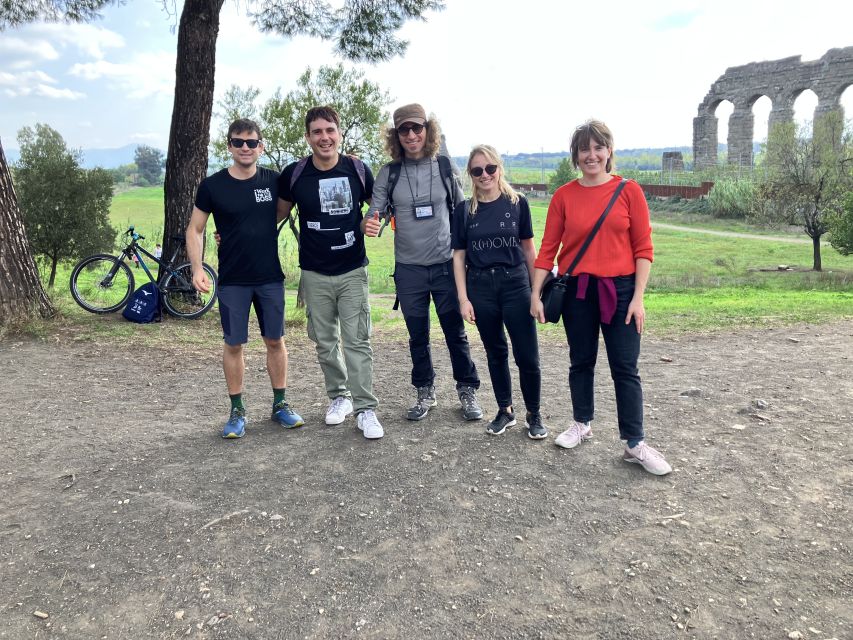
This is rated moderate with about 9 km (5.5 miles) and uneven terrain. “Moderate” in Rome can still mean your feet will notice it. I’d treat this like a proper hike, not an easy stroll.
Bring:
- Comfortable walking shoes (best: hiking shoes, especially after rain)
- About 1.5 liters of water
- Clothes suited for an urban hike
The tour runs rain or shine, and the route may be adjusted if safety requires it (like obstacles such as a fallen tree). The guide has the discretion to shorten or extend, and that’s actually reassuring. It means you’re not stuck pretending the ground is fine when it isn’t.
One more practical note: this is not set up for wheelchairs, and it’s not suitable if you have heart problems or respiratory issues. If those apply, I’d choose a different Rome experience that fits your limits.
Who This Tour Fits Best (And Who Might Want a Different Plan)
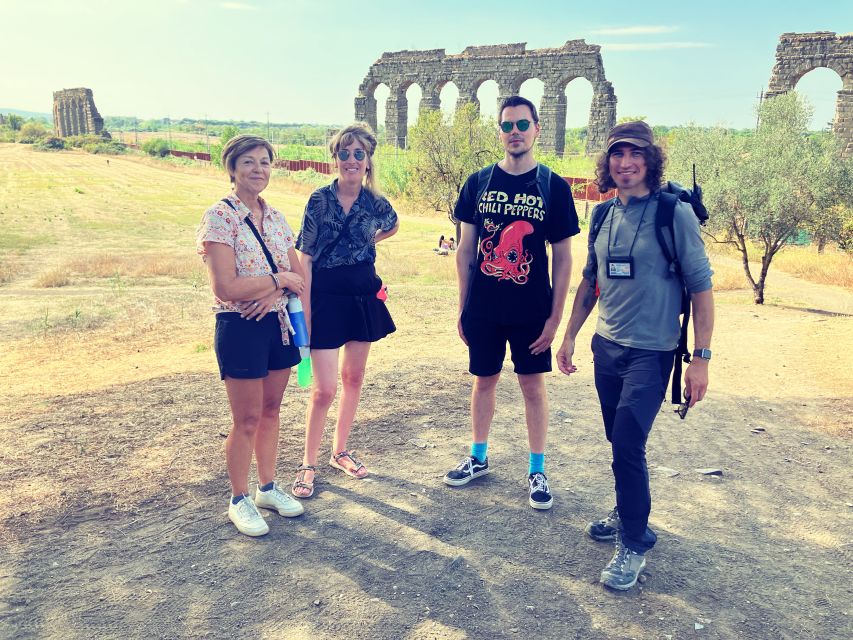
This works especially well if you want something active but not exhausting, and you like history that you can see with your own eyes. It’s a good choice for:
- Adults who enjoy walking with meaning (not just “views”)
- People who want the Roman aqueduct story beyond the basic plaque explanation
- Photo-friendly travelers who enjoy both details and wide landscapes
- Families with older kids—children 14+ with adults, and it’s not suitable for kids under 12
If you’re visiting Rome for a short stay and want one “different side of the city,” this hike delivers. It also gives you a satisfying arc: trendy streets → neighborhood greenery → historic stone moment → park finale.
Price and Value: Is $53 Worth It?
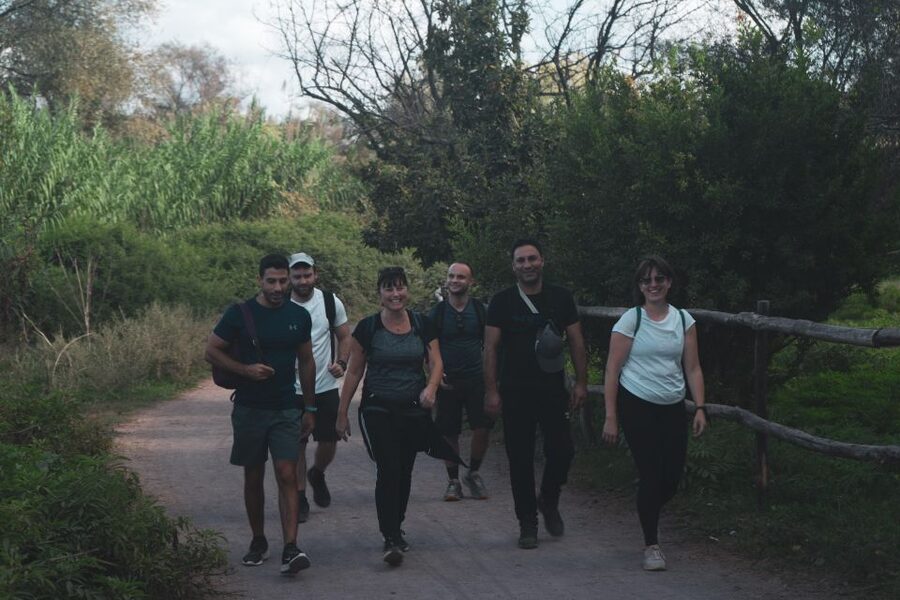
At $53 per person for about 3 hours, the value is mostly in two places.
First, you’re paying for an experienced guide who explains what you’re walking past: Roman aqueduct engineering, history, and the human–nature connection. Sal’s style comes through in the way he keeps conversations easy and keeps the group comfortable in heat with shade and water breaks.
Second, you’re buying access to a real route—one-way, guided, and paced as an urban hike. With only small group sizes (up to 10), you’re not fighting for attention or trying to keep up with a crowd.
If you’re the type who likes “self-guided + walking” more than guided interpretation, you might question the price. But if you want the meaning of the stone while you’re standing in front of it, this is one of those Rome costs that tends to pay off fast.
Should You Book the Rome Aqueduct Mini Hike?
If you want a Roman experience that’s more than another stop on a bus route, I’d book it. The combination of ancient aqueducts, practical hiking time, and a guide who connects engineering to everyday life makes it feel both educational and relaxing.
I’d pass only if you know you struggle with uneven terrain or you’re sensitive to heat and sun. This hike is doable for many people, but it isn’t a sit-and-stare museum visit.
If you’re flexible about weather (because it runs rain or shine), bring the right shoes and water, and show up ready to walk, you’ll get that rare feeling of being in Rome while still feeling far away from it.
FAQ
How long is the Rome: Mini hike to Parco degli Acquedotti?
The experience lasts about 3 hours.
Where does the hike start and where does it end?
It starts outside the Pigneto subway station (C-line) and finishes close to the Giulio Agricola subway station (A-line), with the listed endpoint at Via Lemonia, 214, 00178 Roma.
How hard is the hike?
It’s considered moderate. The distance is about 9 km (5.5 miles) and includes uneven terrain.
What should I bring?
Comfortable walking shoes are required. You should also bring about 1.5 liters of water and clothing suited for an urban hike. A raincoat, sunscreen, hat, and trail snacks are recommended.
Does the tour run in bad weather?
Yes, it runs rain or shine.
How many people are in the group, and what languages are offered?
The group is small, limited to 10 participants. The experience is offered in English, German, or Italian (with English and German available for the live guide).