REVIEW · ROME
Urban Hike to the Aqueduct Park in Rome
Book on Viator →Operated by Salvatore Benintende · Bookable on Viator
Roman waterworks, right in everyday Rome.
This urban hike to the Aqueduct Park turns ancient engineering into something you can actually walk through, starting in Pigneto and ending near public transport. You’ll follow the route with Salvatore Benintende (Sal) and get the story behind the aqueducts as the city opens up around you.
I especially liked two things. First, the trip is built for real logistics: an easy-to-find metro start and a finish near the Giulio Agricola (A-line) subway, so you’re not stuck piecing together your day after the walk. Second, the pacing feels right for a morning outing: you’re in and out of key spots without it turning into a long slog, with brief stops like Pigneto and Porta Furba before you settle into the park sections.
One drawback to plan for: this is not a sit-on-a-bus tour. It’s listed for moderate physical fitness, and the start time (8:30 am) means you’ll want comfortable shoes and a bit of get-up-and-go early in the day.
In This Review
- Key things to know before you walk
- Why start in Pigneto for an Aqueduct Park day?
- Aqueduct Felice: the line you follow all morning
- Porta Furba and the Pope Clement XII fountain pause
- Parco degli Acquedotti and Appia Antica views that land
- Tor Fiscale Park: where nature and aqueducts share the same ground
- Pacing, group size, and the smooth transit rhythm
- Price value: what $35.49 buys you here
- What you’ll learn (and why it sticks while you walk)
- Who should book this Aqueduct Park urban hike?
- Should you book this tour?
- FAQ
- How long is the Aqueduct Park urban hike in Rome?
- What is the price per person?
- What time does the tour start?
- Where do I meet the group?
- Where does the tour end, and how do I get back?
- Is there a group limit?
- Do I need an admission ticket for the stops?
- What kind of ticket do I receive?
- What fitness level do I need?
- What is the cancellation policy?
Key things to know before you walk
- Small group size (max 15): easier questions and less crowd energy on the path.
- Metro-friendly start and finish: meet around Pigneto and end near Giulio Agricola (A-line).
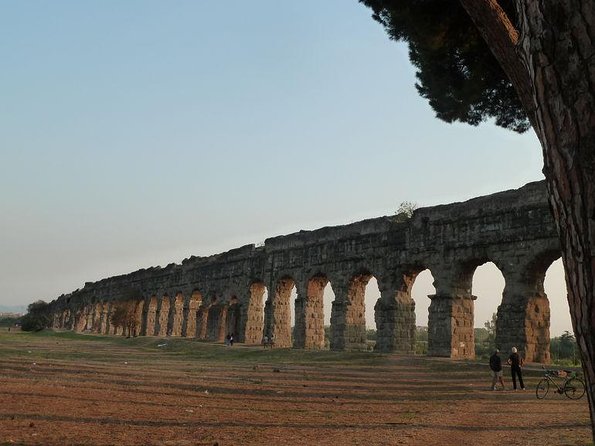
- Aqueduct Felice route focus: the guide stays centered on how this water system shaped the area.
- Parks plus history in one loop: Parco degli Acquedotti and Parco di Tor Fiscale both appear on the walk.
- Included stops with free entry listed: the stops shown are marked free for admission tickets.
Why start in Pigneto for an Aqueduct Park day?
The tour opens in Pigneto, a neighborhood with that I’m-not-in-a-museum feeling. You begin around a local morning market and nearby coffee spots, so the start doesn’t feel like a theme park version of Rome. It’s a smart warm-up too. Before you hit the big ancient structures, you get a little rhythm of daily life.
Then you transition from the neighborhood pace toward the waterworks. That shift is part of the appeal: you’re not just viewing aqueducts as ruins behind fences. You’re walking from real Rome into a quieter pocket where the history starts to make more sense.
If you’re the type who likes your travel days with variety—street life, then structure, then views—this start does that well.
You can also read our reviews of more hiking tours in Rome
Aqueduct Felice: the line you follow all morning
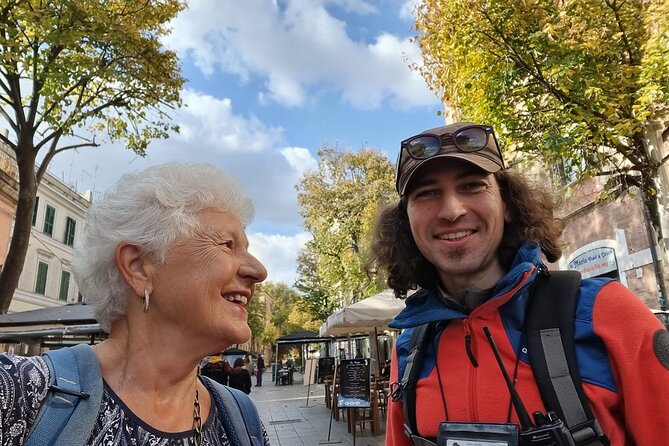
The route’s centerpiece is Acquedotto Felice. This impressive aqueduct guides you almost all the way to the Aqueduct Park area. That matters because it keeps the day coherent. Instead of hopping randomly between monuments, you’re essentially tracking a single story: water, engineering, and how it carried life through the city.
At this point, the walk starts to feel more like a guided “read” of the city. You’re learning what you’re looking at while moving along the path, which helps the aqueduct stop being just an object and turn into an explanation you can remember.
Timing is also friendly here. This stop runs about 25 minutes, which gives you time to absorb what the guide is pointing out without dragging on.
Porta Furba and the Pope Clement XII fountain pause
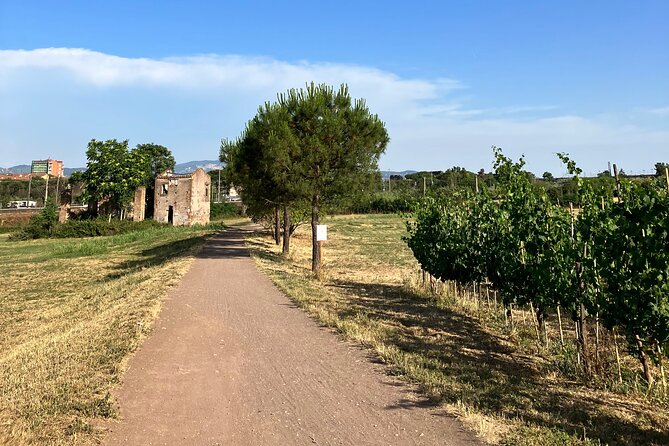
Next is Porta Furba, described as one of the main entrance gates of Rome. Gates are a great chapter in the aqueduct story because they remind you that water infrastructure wasn’t separate from city life. It was tied into how Rome functioned—where people entered, how systems ran, and how the city moved.
You also pause at the fountain of Pope Clement XII, which took its water from the Felice aqueduct. That detail is the kind of connection that makes the day click. You start seeing the aqueduct not just as an ancient structure, but as a working resource that mattered beyond its own time.
This stop is about 15 minutes. It’s long enough for the explanation and a breather, but short enough to keep momentum. If you’re hungry or thirsty, this is also a good point to refocus before the parks.
Parco degli Acquedotti and Appia Antica views that land
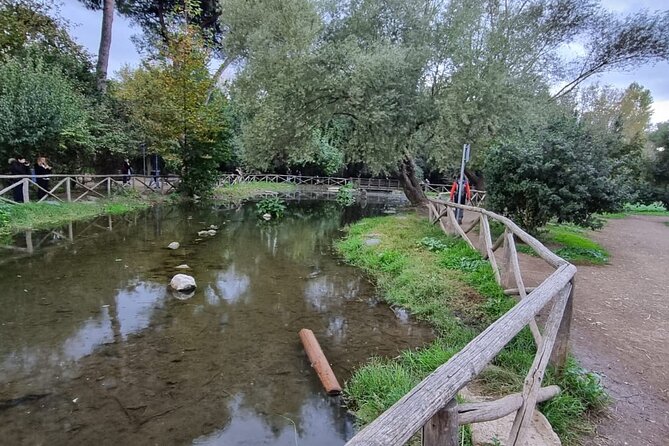
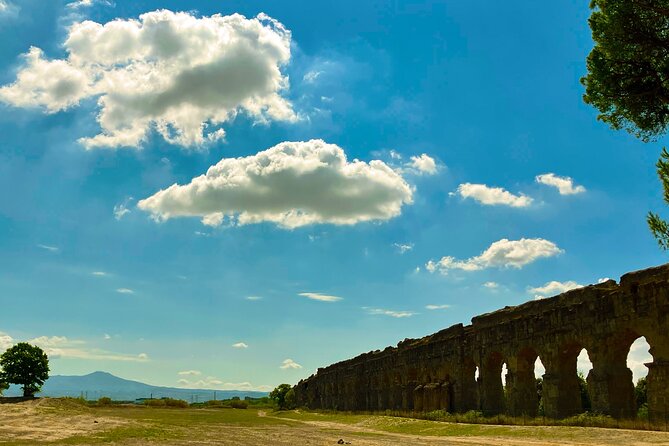
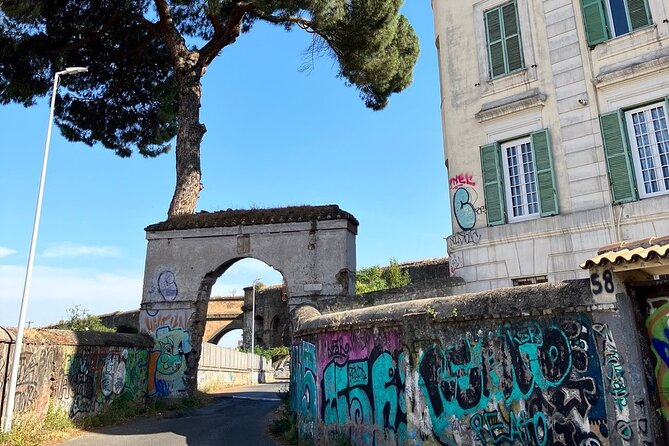
Now you hit Parco degli Acquedotti – Parco Archeologico dell’Appia Antica. This is the section where the day shifts from “interesting history” to “okay, I get why people linger here.”
The tour gives you time with your guide to see the interesting parts of the park, and the key instruction is to look for the best views. That’s the right advice. In open areas like this, the perspective matters as much as the details. You’re trying to understand scale—how something built to carry water could also shape the space it crossed.
This portion is about 45 minutes. That’s one of the longer stretches, and it makes sense because parks are where you can slow down without falling behind schedule. It also helps if you’re stopping for photos, stretching your legs, or simply taking in the air after earlier city walking.
A practical note: park paths can be uneven and you may have more exposed sun depending on the day. Bring water and plan to stay comfortable, especially if you’ll be photographing.
Tor Fiscale Park: where nature and aqueducts share the same ground
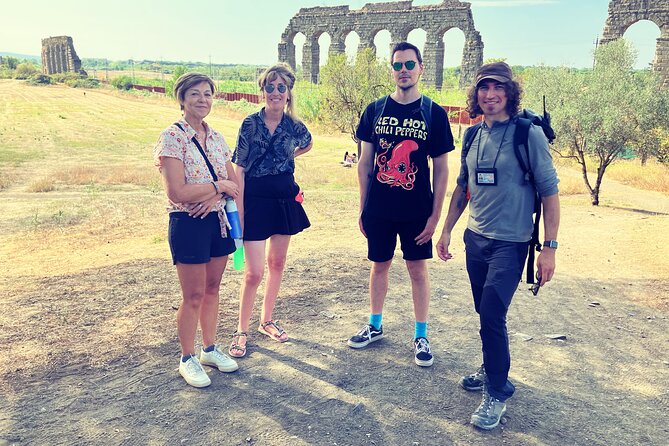
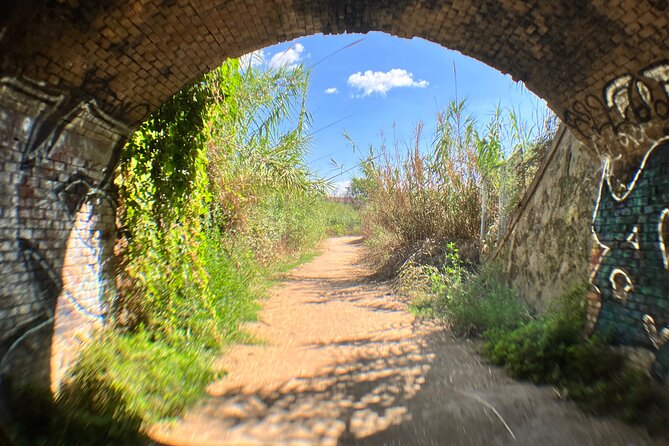
After the Appia Antica side, the walk continues into Parco di Tor Fiscale (also part of the Parco Archeologico dell’Appia Antica framework). This section is described as a park full of nature, history, and aqueducts—so you’re not just collecting monuments. You’re getting a different feel for how aqueducts fit into green space.
This part runs about 30 minutes, which is just enough time to take in the setting and still feel like you’re moving. It’s a good final act on a 3-hour morning outing: you leave with more than a few photos—you leave with the sense that the aqueduct story isn’t confined to one spot.
If you like your history outdoors, this is the section that rewards that mindset. If you’re expecting a high-density museum-style experience, you might find yourself wishing for more time. But for many people, the outdoors-and-explanations mix is exactly what they came for.
Pacing, group size, and the smooth transit rhythm
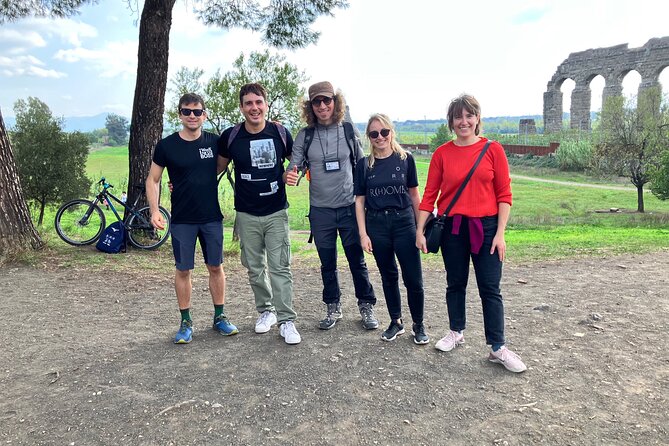
The tour is about 3 hours (approx.), and it’s listed with a maximum of 15 people. That size is a real plus. In a small group, you can ask quick questions without feeling like you’re interrupting a parade. It also makes the experience feel more like a guided walk with a plan than a crowd shuffle.
Start time is 8:30 am, and that timing is a strategy. You’ll be partway into the day’s momentum, but you’re still getting those morning hours when Rome can feel less intense.
The meeting point is at Pigneto00176 Rome, and the tour emphasizes an easy-to-find metro station meeting point. That’s important because you don’t want to spend your “guided time” hunting for the group.
The tour ends near Via Lemonia, 214, 00178 Roma RM, close to the Giulio Agricola subway station on the A-line. There’s also an added helpful detail: you can return to the subway station Pigneto on the C-line, switching at San Giovanni. That means you can plan your next move with fewer unknowns.
Price value: what $35.49 buys you here
At $35.49 per person, this is positioned as a short, guided hike rather than a museum ticket spree. The value comes from what’s included in the overall flow: a guide, a focused route, and multiple key stops that are each marked with admission ticket free.
That “admission ticket free” detail matters. Some tours look cheap until you add entrance fees. Here, the major stops are listed as free for admission tickets, so you’re more likely to stick to your budget without surprise costs.
What you’re really paying for is the guide’s ability to connect the dots as you walk: the construction and sources story, how water systems relate to city structures, and the idea that the aqueducts shaped daily life in different ways. If you’re the type who likes explanations with your steps, that’s where your money goes.
What you’ll learn (and why it sticks while you walk)
The best part of an aqueduct tour isn’t just seeing arches. It’s understanding what they did. This experience is built around the history behind Rome’s aqueducts, with the guide walking you through the route while pointing out how the system worked and what it meant for the city.
I like that the tour doesn’t treat the aqueduct like a single photo moment. It keeps coming back to related pieces:
- Aqueduct Felice as the guiding infrastructure
- Porta Furba as a key city entrance reference point
- The Pope Clement XII fountain as a specific water link back to Felice
- Two park areas where you can see how the built structure and environment coexist
That structure helps the information stick. When you’re moving, you’re also constantly changing your view, and you can connect explanations to what you’re actually seeing.
And yes, the guide energy is part of the appeal. Salvatore Benintende, known as Sal, comes through as enthusiastic and keeps the walk fun while still staying on-topic.
Who should book this Aqueduct Park urban hike?
This works best for you if:
- You care about ancient engineering and want the story as you go
- You like walking tours but don’t want a full-day marathon
- You want to get out of the main city crush for a few hours
- You prefer small groups (max 15) where the guide can connect with you
It’s also a solid option if you’re combining this with other Rome plans because it ends near a major metro line. You can keep the rest of your day flexible.
If you’re someone who wants only famous indoor sights or zero walking, this won’t fit. But if you want an outdoors Rome morning with real context, it’s a strong match.
Should you book this tour?
I’d book it if you want a focused aqueduct experience without turning it into a long logistics puzzle. The route ties together neighborhood Rome, Aqueduct Felice, a gate stop, and two park sections in a way that feels organized for a 3-hour morning.
The main reason to choose it is the mix: history that comes with explanations while you walk, plus views in the park areas, plus an end point near the Giulio Agricola metro. That combination is the sweet spot for people who want meaningful sights without losing the day.
If you’re worried about the early start or moderate walking, plan accordingly—comfortable shoes and a light breakfast go a long way. But if you’re ready to stretch your legs and learn how Rome’s water systems shaped the city, this is an easy yes.
FAQ
How long is the Aqueduct Park urban hike in Rome?
It runs about 3 hours.
What is the price per person?
The price is $35.49 per person.
What time does the tour start?
It starts at 8:30 am.
Where do I meet the group?
The start is in Pigneto at Pigneto00176 Rome, with an easy-to-find metro station meeting point.
Where does the tour end, and how do I get back?
It ends at Via Lemonia, 214, 00178 Roma RM, near the Giulio Agricola subway station on the A-line. You can return to Pigneto on the C-line by switching at San Giovanni.
Is there a group limit?
Yes. The maximum group size is 15 travelers.
Do I need an admission ticket for the stops?
The listed stops are marked with admission ticket free.
What kind of ticket do I receive?
You get a mobile ticket.
What fitness level do I need?
It’s listed for travelers with a moderate physical fitness level.
What is the cancellation policy?
Free cancellation is available up to 24 hours in advance for a full refund.