REVIEW · RISHIKESH
Benog Tibba Day Hike – Mussoorie
Book on Viator →Operated by Easy Prime Holidays · Bookable on Viator
Mussoorie looks different from Benog Tibba. I love how this hike takes you through Benog Sanctuary’s tree-covered paths, then suddenly opens into wide views over the valleys. I also like the small-group, professional guide angle, where you’re not just walking—you’re getting on-the-ground help for what to look at and how to pace the day.
The main thing to consider is that the trail plan can vary by group, with distances ranging from a shorter 9 km round-trip to a longer point-to-point route that needs a cab. Also, while wildlife is possible, spotting is never guaranteed, so go for the hike and the views first, not a specific animal sighting.
You’ll be out for roughly 4 to 4.5 hours, and the tour finishes back where you started in Mussoorie. With up to 15 people, it feels more like a guided nature walk than a crowded tour bus day.
In This Review
- Key things I’d mark in your planner
- Entering Benog Tibba: why this hike feels more local than touristy
- The day structure: a 4–4.5 hour nature loop that doesn’t drag
- On the trail in Benog Sanctuary: shade, open views, and a steady rhythm
- The highest point moment: panoramas over Mussoorie and snow-capped peaks
- Wildlife spotting: what you can realistically expect (and what you can’t)
- Snacks, water, and why the guide matters more than you think
- Trail length and route options: the 9 km loop vs the longer cab-required hike
- Price and value: what you get for $33.56 and what might cost extra
- Who this Benog Tibba hike is best for
- A small-group hike that ends where you started
- Should you book Benog Tibba Day Hike?
- FAQ
- How long is the Benog Tibba day hike?
- Where does the hike start and end?
- How many people are in the group?
- Is a mobile ticket provided?
- Are bottled water and snacks included?
- Do I need a private car for the hike?
- Are entry tickets included?
- What is the Benog Tibba admission fee?
- What animals might I see?
- What if the weather is bad?
Key things I’d mark in your planner
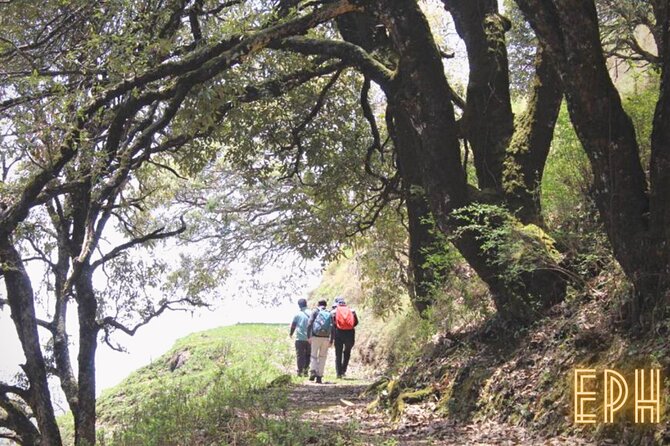
- Benog Sanctuary trail mix: heavy tree cover for shade, plus open moments for big Himalayan-style views
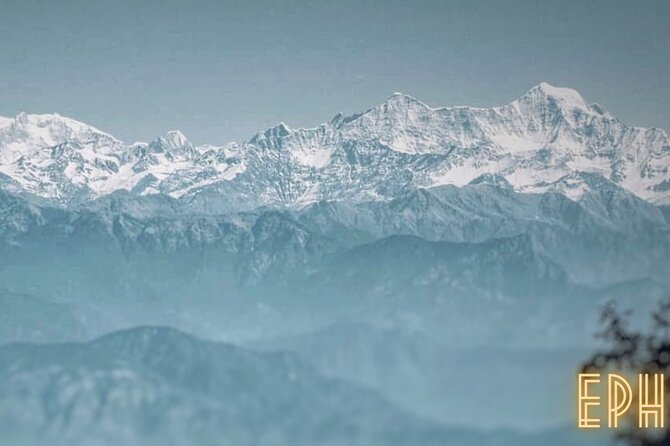
- Panorama payoff at the high point: Mussoorie town and snow-capped peaks on a clear day
- Wildlife is a bonus: barking deer, foxes, pheasants, langoors, eagles and more are possible, not promised
- Snacks and bottled water included: fruits, wafers, chocolates, plus extra/surplus water
- Guide-led pacing and spotting help: one guide, small group, and a more thoughtful hike
- Trail length can change: 9 km round-trip typical on the shorter option; longer option can be up to 15 km point-to-point with cab required
Entering Benog Tibba: why this hike feels more local than touristy
This is one of those Mussoorie outings where the first “wow” isn’t a ticket booth or a viewpoint platform. It’s the moment you step into the sanctuary and the soundscape changes—less road noise, more forest movement, birds calling, and that cool shade that makes the climb feel easier.
What I like most is the balance. You get enough trees to make it comfortable, but you’re not stuck in a tunnel of greenery the whole time. You’ll see open viewpoints that let you scan the valleys and make Mussoorie’s geography click into place. That’s the kind of learning that stays with you longer than a quick photo stop.
And because it’s guided by a professional (with a small group size capped at 15), you’re less likely to wander aimlessly. In one review, the guide named Yash stood out for keeping the group engaged and informed throughout the hike. That sort of attention can make an ordinary forest walk feel purposeful.
You can also read our reviews of more tours and experiences in Rishikesh.
The day structure: a 4–4.5 hour nature loop that doesn’t drag
The hike runs on a clear time window: approximately 4 to 4.5 hours, with daily operation listed from 8:30 AM to 5:00 PM (Monday through Sunday). You start in Mussoorie and end back at the meeting point.
Here’s the practical reality: the trail is described as following the groups, which means your exact route and how much climbing you feel can vary. Still, you can expect a full “day hike feel” without turning it into a whole afternoon of logistics. This is the kind of timing that works even if you’re planning to enjoy Mussoorie the rest of the day—market strolls, cafés, or just relaxing with the day’s views still in your head.
On the trail in Benog Sanctuary: shade, open views, and a steady rhythm
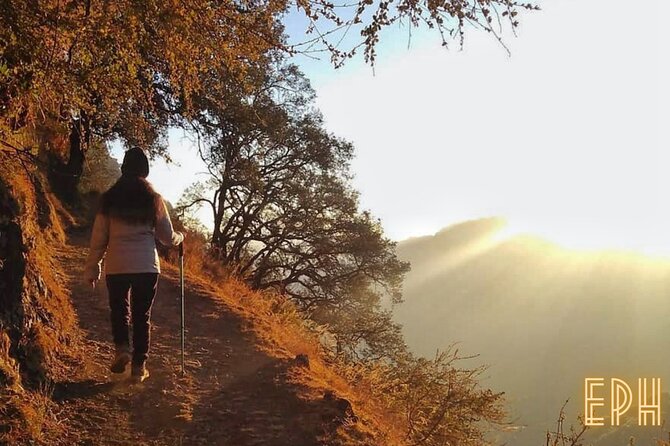
The trail description emphasizes abundant tree cover with open views mixed in. For most people, that combo is a sweet spot. Shade helps on warm days, while the openings let you reset your eyes and take in what’s beyond the forest line.
As you walk, think of the hike as two layers:
- Walking layer: the steady effort through the sanctuary paths
- Scanning layer: pauses and glances upward and outward when you spot a good vantage line
That second part matters. Wildlife spotting is possible here—things like barking deer, pheasants, eagles, vultures, primates, and even red foxes are mentioned as regular sightings if you’re lucky. But don’t treat it like a hunting mission. The value is in slowing down enough to notice small birds and bird calls, then letting the guide help you interpret what you’re seeing.
Even if wildlife doesn’t show up on your route that day, you still get plenty: the jungle ambiance is part of what makes the Benog experience feel like a real escape from the main town.
The highest point moment: panoramas over Mussoorie and snow-capped peaks
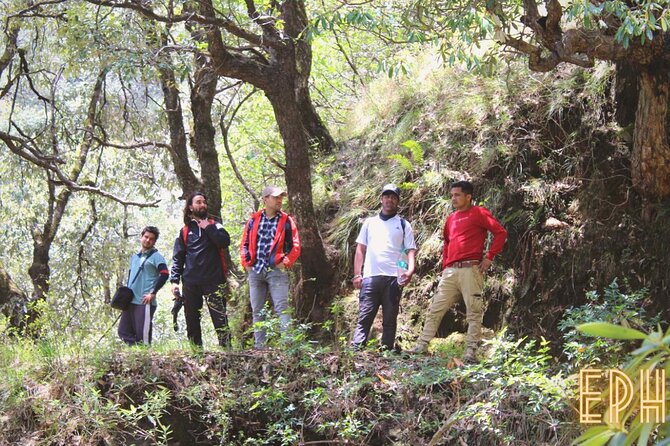
This is the big payoff segment. The hike’s highest point is where you’ll get panoramic views across valleys below, plus a clear look at Mussoorie township. On good visibility days, you can also see major snow-capped Himalayan peaks from there.
This is worth planning around mentally. Don’t rush to the top thinking it’s only for photos. Instead, use that time to orient yourself:
- Identify the direction the valley opens toward
- Notice how far down Mussoorie sits relative to the ridgeline
- Scan for birds rather than treating the viewpoint like a quick stop
One review notes the hike included going up to Benog Tibba and continuing till Jwala Devi Temple, and that stretch was described as a wonderful experience. That kind of temple-adjacent viewpoint time is often when groups slow down naturally, because it’s a natural “pause point” on a climb.
Wildlife spotting: what you can realistically expect (and what you can’t)
Wildlife is part of the pitch, but you should treat it as a bonus, not a promise. The information is explicit: wildlife spotting cannot be guaranteed, even though the area is home to species like barking deer, red foxes, jungle martins, kalij pheasants, langoors, eagles, and vultures.
So how do you get the most from that reality?
- Bring patience to the walk. Wildlife sightings tend to happen when you’re not rushing.
- Let the guide steer your attention. A good guide knows where animals are more likely to be active and how to observe without spooking them.
- Don’t fixate on one species. If you miss the bigger ones, you might still get small bird movement or calls that add a lot to the experience.
The best way to think of it is this: the forest itself is the main character, and wildlife is the surprise cameo.
Snacks, water, and why the guide matters more than you think
You’re not sent off with nothing. The hike includes bottled water plus snacks and fruit (and items like wafers and chocolates). There’s also extra/surplus water included, which is helpful on longer routes or warmer hours.
Now the guide part: in a small group of max 15, your guide isn’t just “there.” They can set the pace, keep you on the right track, and help you understand what you’re seeing. In the review that mentions Yash, the standout detail was how he kept the group engaged and informed the entire way up. That’s the difference between walking for views and walking with context.
When you’re in a sanctuary where birds and animals can appear unpredictably, context helps you notice the right things. You’ll get more out of the same scenery.
Trail length and route options: the 9 km loop vs the longer cab-required hike
One tricky part for planning is distance and routing. The information lists:
- Shortest option: 9 km round-trip
- Longest option: up to 15 km point-to-point, with a cab required
Because the trail is described as taken “as per groups,” you may not know your exact route until the day’s grouping decisions are applied. That’s not unusual on hikes, but it affects your expectations and energy.
Here’s how to choose what matters to you:
- If you want a cleaner, back-to-start style outing, the shorter 9 km round-trip is the simpler match.
- If you’re okay with a longer walk and don’t mind that a cab is needed for a point-to-point route, the longer up to 15 km option can feel more like a full trekking day.
Either way, the core experience stays the same: forest walking, a higher viewpoint payoff, and time to observe nature.
Price and value: what you get for $33.56 and what might cost extra
The listed price is $33.56 per person, with an average booking window of about 28 days in advance. That price is not just for walking. It includes:
- A professional guide
- Bottled water
- Snacks (fruits and items like wafers/chocolates)
- Entry tickets for domestic tourists
- A mobile ticket
When I look at value, the best part here is that you’re paying for reduced friction: guide + refreshments + included entry for domestic visitors. For a short half-day hike, that’s often where budget hikes feel cheap in the wrong way—hidden entry fees, no water, and unclear route help. This one aims to handle the basics.
What to watch:
- Private transportation is not included.
- Hotel transfers are available for an additional fee, so factor that in if you don’t want to rely on getting to the meeting point on public transport.
- For foreign nationals, entry ticket information says it’s not fully included and that a Benog Tibba admission fee of ₹400 per person is payable directly, with foreign nationals also referenced as needing to pay INR 400 per person directly.
- If you’re comparing prices, keep this in mind so you don’t get surprised at the end by on-the-spot fees.
In short: if you’re domestic and don’t need private transport, the value is strong for a guided half-day in a sanctuary. If you’re traveling internationally or want convenience transport, plan for extra costs.
Who this Benog Tibba hike is best for
This works well if you want a real nature hike without committing to a full-day trek. The hike time and included refreshment setup make it accessible for many people, and the information says most travelers can participate.
You’ll likely enjoy it most if:
- You want views plus forest atmosphere, not just one viewpoint and done
- You like learning from a guide while you walk
- You’re okay with wildlife being a possible bonus rather than a guaranteed event
- You prefer small-group experiences (max 15) over big crowds
You might rethink it if you’re:
- Expecting a fully fixed route with the same distance for everyone (routes can vary by group)
- Uncomfortable with a moderately challenging hike length, especially on the longer option
- Visiting on days where weather might spoil visibility, since the experience requires good weather (and may be rescheduled or refunded if canceled due to poor conditions)
A small-group hike that ends where you started
The ending matters more than people think. You finish back at the meeting point, so you’re not stuck hunting for transport after a long climb. That also helps if you’re trying to keep the rest of your Mussoorie day plan intact.
And because the tour uses a mobile ticket, the check-in flow is meant to be smoother than paper-only options.
If you’re traveling with friends or family and want a guided day that feels calm instead of chaotic, this format is a solid fit. You get time outside, a guide who can keep the group engaged (again, Yash is one example from a real review), and a viewpoint payoff that makes the effort feel worth it.
Should you book Benog Tibba Day Hike?
I’d book it if you want a guided half-day in Mussoorie that delivers on forest atmosphere and viewpoint views, with snacks and water handled and a small group keeping things personal. The fact that wildlife is possible is a nice extra, but the real win is the sanctuary walk plus panoramic payoff at the high point.
Skip it or plan carefully if you’re extremely set on a specific trail length or you’re traveling internationally and want to understand entry fees in advance. Also, go in with weather flexibility—good visibility is what makes the Himalayan peaks view land.
Overall, this is the kind of hike that helps Mussoorie feel less like a viewpoint town and more like part of a living mountain landscape.
FAQ
How long is the Benog Tibba day hike?
The hike runs for about 4 to 4.5 hours.
Where does the hike start and end?
It starts in Mussoorie, Uttarakhand, India and ends back at the meeting point.
How many people are in the group?
The maximum group size is 15 travelers.
Is a mobile ticket provided?
Yes, the tour includes a mobile ticket.
Are bottled water and snacks included?
Yes. Bottled water is included, along with snacks such as fruits and items like wafers and chocolates. Extra/surplus water is also included.
Do I need a private car for the hike?
Private transportation is not included. Hotel transfers are available for an additional fee. For the longest point-to-point option, a cab is required.
Are entry tickets included?
Entry tickets for domestic tourists are included. Entry ticket details for foreign tourists are partly included, and foreign nationals need to pay an admission fee directly.
What is the Benog Tibba admission fee?
The admission fee listed for Benog Tibba is ₹400 per person, paid directly.
What animals might I see?
The area is home to species that may be spotted, such as barking deer, red foxes, jungle martins, kalij pheasants, langoors, eagles, vultures, and primates. Wildlife sightings are not guaranteed.
What if the weather is bad?
The experience requires good weather. If it’s canceled due to poor weather, you’ll be offered a different date or a full refund.