REVIEW · MOSHI
One Kilimanjaro Day hike Tour ISMANI TOURS AND SAFARIS
Book on Viator →Operated by ISMANI TOURS & SAFARIS: #1.Best Tanzania Safari Co. | Kilimanjaro Climb | Serengeti | Arusha & Moshi · Bookable on Viator
Kilimanjaro in a single day can work. This Marangu Route day hike starts at Marangu Gate (1,800m) and climbs to Mandara Hut and onward toward Maundi Crater for big views without tying up your whole trip. It’s a long day, but it’s a very doable way to experience the feel of “big mountain” Tanzania.
I like the clear rhythm of the route: a 4–5 hour rainforest ascent, a break at Mandara Hut to regroup, then a tougher stretch up before the downhill back to Marangu Gate. And I really appreciate that the tour includes practical basics like a lunch box and bottled water, plus a guide who can make the hike feel easier (more than once, I heard guides like Norbert and Yusuph described as motivating and full of helpful Tanzania context).
One drawback to keep in mind: the experience is only as smooth as the day-of details. A couple of reports flagged surprises with extra costs and some awkward communication after the hike, so I’d treat this as a “confirm everything up front” tour.
In This Review
- Key things to know before you go
- Marangu Gate to Mandara Hut: the big altitude moment
- Rainforest ascent: birds, colobus, and the long-story feeling
- Mandara Hut break: why the pause is part of the plan
- The Maundi Crater climb: where motivation earns its paycheck
- Descending to Marangu Gate: the legs will talk back
- Why a one-day Kilimanjaro taste works (for the right traveler)
- Pickup, group size, and how the day typically moves
- Price reality check: $230 and what you truly get
- Guide experience: Yusuph, Norbert, and the communication lesson
- What to pack: rain cover, boots, and optional poles
- Park rules you’ll need to respect on Kilimanjaro
- Who should book this Marangu day hike, and who should skip it
- Should you book Ismani Tours and Safaris for a Kilimanjaro day hike?
- FAQ
- What route does this Kilimanjaro day hike follow?
- How long is the day hike?
- How much elevation gain is involved?
- What’s included in the tour price?
- Are pickup and drop-off included?
- Do I need to pay for park admission?
- Are gratuities included?
- What should I bring for the hike?
- Can I bring a drone?
- Is cancellation free?
Key things to know before you go
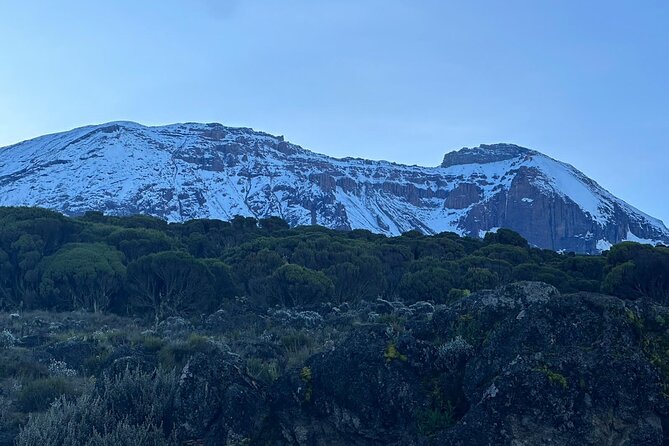
- Marangu Route, one-day format: start at 1,800m and gain about 915m to reach Mandara Hut.
- Rainforest first, views later: expect bird life early, then a more demanding climb for crater scenery.
- Included comfort basics: lunch box, bottled water, and guide are part of the price.
- Guide quality can make or break the day: Norbert and Yusuph were specifically praised for motivation and information.
- Plan for back-and-forth logistics: pickup is offered, and you’ll be returned to Moshi or Arusha.
- Follow park rules: drones aren’t allowed, and you’ll want rain protection and proper boots.
Marangu Gate to Mandara Hut: the big altitude moment
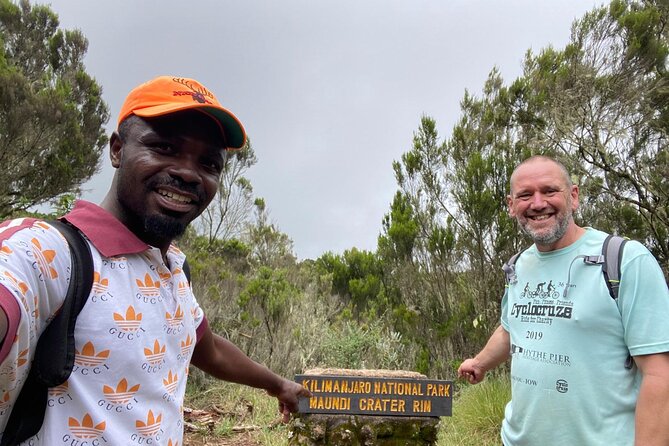
You’ll begin at Marangu Gate at 1,800m (5,905ft), and the day’s main “vertical work” is the move up to Mandara Hut at 2,743m (9,000ft). That’s an elevation gain of about 915m (3,000ft). In practical terms, that means your body will feel it even if you’re not “athletic-athletic.”
What I like about this setup is that it’s structured. You’re not guessing where the hard parts are. The first segment runs for roughly 4–5 hours in rainforest, and then Mandara Hut is the natural checkpoint where you can eat, hydrate, and steady your breathing before the tougher push.
Also, starting with a forested climb tends to keep your senses busy. Your brain is doing something besides counting steps. That matters when you’re trying to make a long day feel like it still has fun in it.
Rainforest ascent: birds, colobus, and the long-story feeling
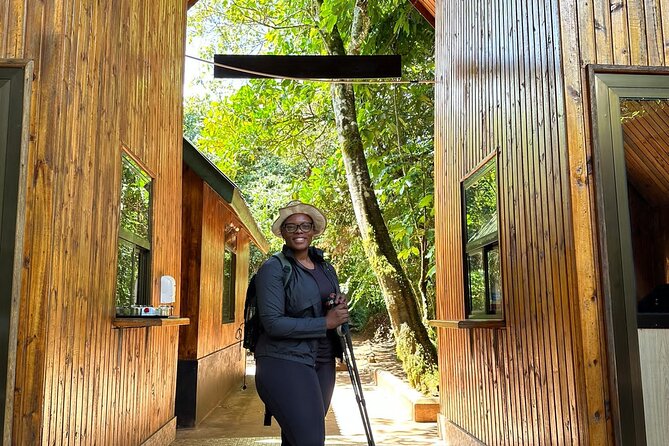
The climb to Mandara Hut takes you through the rainforest zone, where you can spot wildlife along the way. The tour description calls out birds and colobuses, and it even mentions mongooses as a possibility. I can’t promise which animals you’ll see on any given day, but I do like that the hike is designed to be more than just endurance math.
If you’re the type who gets restless on repetitive climbs, this part helps. You’ll likely pause more often for photos, animal sightings, or just a breath when the guide calls out something interesting. More than once, guides in this area are praised for adding context, and names like Yusuph and Norbert came up with the same theme: they were described as informed and motivating, not just “pointing down the trail.”
Practical tip: rainforest days on Kilimanjaro can be humid and changeable. Even when it’s not pouring, you’ll want the right rain gear so you’re not soaked and miserable by the time you reach the hut.
Mandara Hut break: why the pause is part of the plan
Mandara Hut is where you rest and refuel. In a day hike, this matters more than you might think. Most people don’t fail from lack of ability; they fail from trying to rush past the one moment their body asked for.
This stop gives you a break before the next climb toward Maundi Crater. You can use the downtime for:
- a real snack moment with your lunch box
- water refills from the provided bottled water
- checking in with your group pace (slower hikers are allowed to exist here)
Even if you feel strong, don’t skip this. You’re going higher soon. You want to start the next section feeling controlled, not overheated.
The Maundi Crater climb: where motivation earns its paycheck
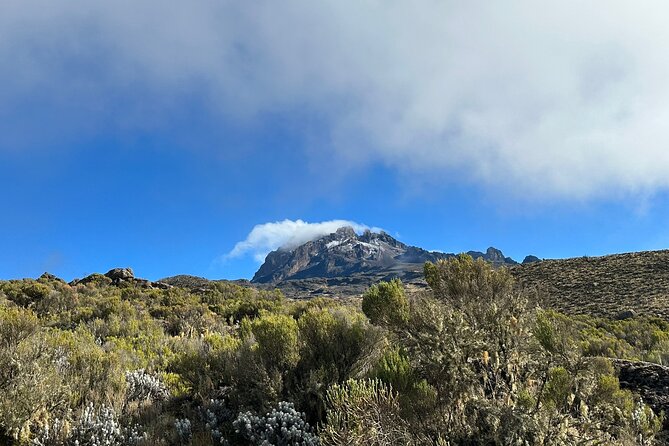
After Mandara Hut, the day turns more challenging on the way toward the Maundi Crater area. This is the stretch where you’ll feel the climb shift from “steady hike” into “keep working.”
One review detail that stands out: someone specifically mentioned a difficult point around 2,400m. That’s not the full top of the day, but it’s high enough to change how your breathing feels. If you’re planning your effort, think of it like this: you might not notice fatigue early, but it can show up later than you expect.
This is also where a good guide helps you stay mentally afloat. Norbert was described as caring and motivating, and another comment credited guide support with easing the climb. I even saw mentions of motivating with Kilimanjaro songs, which sounds fun until you’re the one huffing—then it turns into a distraction that actually works.
If you’re prone to going out too fast, watch that instinct. In a one-day format, pacing is your best safety tool.
Descending to Marangu Gate: the legs will talk back
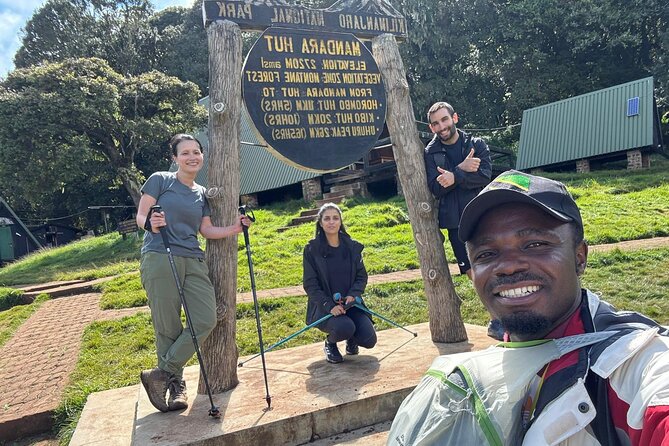
The day hike ends with the descent back to Marangu Gate, and that part is often underestimated. Going down can feel easier, but it’s also hard on knees and thighs, especially after you’ve already climbed for hours.
Here’s what I’d plan for: bring patience to your stride. Don’t sprint the downhill just because your breathing improves. Keep your steps controlled, especially if the trail is wet from rainforest weather.
Gear matters here. The tour notes ask you to have hiking boots and a rain cover (poncho). If you’ve got walking poles (optional), they can be helpful for both uphill stability and downhill control. If you don’t have poles, no problem—but don’t skip the boots. Slippery footing is the easiest way to turn an enjoyable descent into a painful one.
Why a one-day Kilimanjaro taste works (for the right traveler)
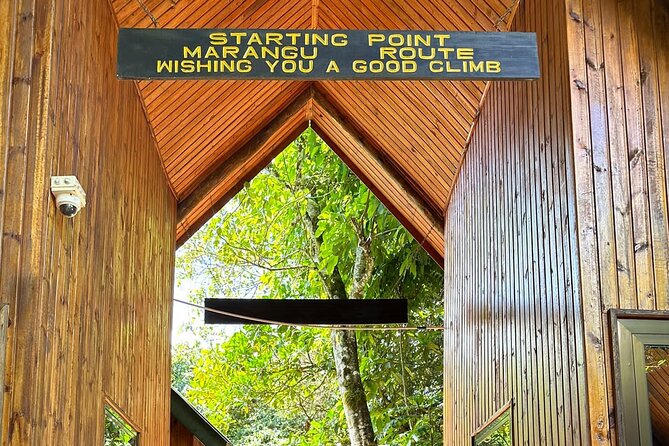
This is not a summit attempt. It’s a “taste of Kilimanjaro” day that still includes real altitude, real rainforest, and real crater-area views. That’s why it can fit into a trip without demanding multiple days, permits, and full expedition logistics.
You’ll probably enjoy this most if:
- you want the Kilimanjaro experience without a multi-day trek
- you can handle 8–12 hours of hiking time
- you’re okay with a “hard moments included” style of hiking, not a gentle walk
It’s also a good option if you’re short on time and Moshi or Arusha is your home base. Many people come to this region with a safari plan, then want one big mountain day that doesn’t derail the rest.
Pickup, group size, and how the day typically moves
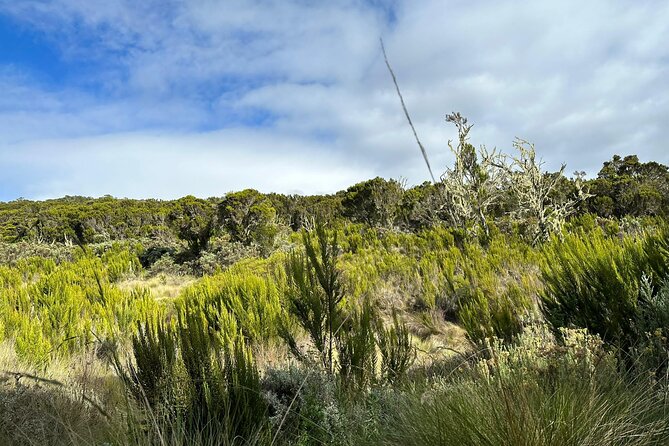
Pickup is offered, and the tour returns you to Moshi or Arusha. That matters because Marangu Gate logistics are easier when you don’t have to coordinate transport yourself.
The description also says the tour is “near public transportation” and has a maximum group size of 50 travelers. That’s a fairly wide ceiling, so your real on-trail experience will depend on how many people actually show up that day. Either way, having a guide keeps the hike from becoming a wandering festival.
Duration is listed as 8 to 12 hours (approx.), which is the kind of window that’s helpful for planning meals and your evening plans. I’d keep that day “light” after you return, because legs will be the loudest souvenir you bring home.
Price reality check: $230 and what you truly get
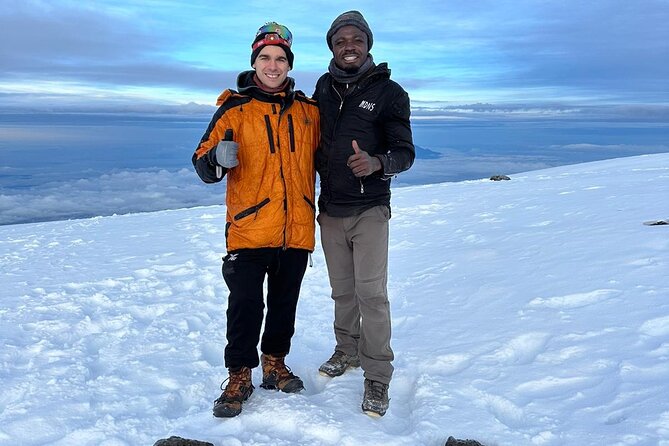
The listed price is $230.00 per person. That’s not a cheap day hike, but it’s also not just a casual walk with a driver. You’re paying for:
- entry fees and taxes (described as all fees and taxes included)
- a guide
- bottled water and a lunch box
- the vehicle pickup/return service
So the value depends on what your alternative is. If you were thinking of piecing together your own day hike, the “included” parts reduce hassle. And because this is Kilimanjaro, the true cost is often in the coordination and on-the-day execution. Guides and park access are not optional extras here.
One caution: a negative note flagged additional costs after things were already settled. I can’t confirm how that applies to every booking, but here’s what I recommend: before you go, ask for a clear breakdown of what’s included, what’s optional, and what you might be expected to pay during the day.
Gratuities are not included, and the recommended range given is $10 to $20 per person. If you’re the kind of traveler who likes to control spending, set that aside early so it doesn’t become a surprise late in the day.
Guide experience: Yusuph, Norbert, and the communication lesson
Two guide names show up with strong positive comments: Yusuph and Norbert. People described them as extremely informed, caring, and motivating, with Norbert even using Kilimanjaro songs to help along during harder parts. Tyson also came up with a “fantastic” guide note in one case, though the broader experience there included agency issues.
What do you take from that? The guide matters a lot on a long day at altitude. If you’re lucky, you get a guide who knows how to pace you, explain what you’re seeing, and keep your mood steady.
The lesson from the negative comments is not to panic. It’s to set boundaries. If communication after the tour is important to you, ask what to expect and how they’ll handle follow-up. It’s also fair to clarify any extra payment items before you start so you don’t end the day feeling like the rules changed.
What to pack: rain cover, boots, and optional poles
The tour is explicit about gear:
- bring a rain cover (poncho)
- wear hiking boots
- consider walking poles/sticks (optional)
I’d add one practical thought: treat the rainforest portion like it might be wet, even if the forecast looks calm. Ponchos are cheap. Knee pain from bad footing is not.
Also, since the tour includes bottled water, you won’t need to buy drinks for the hike itself, but you should still plan your day with the understanding that you’ll be out for most of the day.
Park rules you’ll need to respect on Kilimanjaro
Two rules are called out:
- Drones are not allowed in the park.
- You should be prepared to follow guide directions in the national park setting.
If you’re bringing a camera setup, it’s worth double-checking how you’ll handle photography without a drone. Kilimanjaro day hikes are about the experience and the walk, not turning your hiking day into a flying-TV shoot.
Who should book this Marangu day hike, and who should skip it
This hike says most travelers can participate. That’s a good sign if you’re generally healthy and comfortable walking for long stretches.
It’s especially suited for:
- first-time Kilimanjaro fans who don’t want a multi-day climb
- people staying in Moshi or Arusha who want a mountain day with pickup
- hikers who want rainforest + crater-area views in one go
You might want to reconsider if:
- you have trouble with long-duration climbs (8–12 hours)
- your knees struggle on steep descents
- you expect a super flexible, no-surprises experience without confirming costs and expectations
Should you book Ismani Tours and Safaris for a Kilimanjaro day hike?
If you want a real Kilimanjaro day without summit ambition, this can be a strong choice. The route is classic and straightforward: rainforest ascent to Mandara Hut, then a harder push toward crater views, and a full return to the starting area. The included lunch box, bottled water, and guide support also help control the “what do I need to worry about?” feeling.
That said, I’d book it with two smart habits:
- Confirm inclusions and any possible extra costs in advance, in plain language.
- Go in knowing that guide quality heavily shapes your day, and ask what the plan is for pacing and the hard sections.
If you tick those boxes, a one-day Marangu hike can deliver a big, satisfying Kilimanjaro moment.
FAQ
What route does this Kilimanjaro day hike follow?
It starts at Marangu Gate (1,800m) and hikes to Mandara Hut (2,743m), then continues toward the Maundi Crater area before descending back to Marangu Gate.
How long is the day hike?
The duration is listed as approximately 8 to 12 hours.
How much elevation gain is involved?
The elevation gain is about 915 meters (3,000 feet) from Marangu Gate to Mandara Hut.
What’s included in the tour price?
Included items are a lunch box, bottled water, a guide, and all fees and taxes.
Are pickup and drop-off included?
Pickup is offered, and you’ll be returned to Moshi or Arusha after the hike.
Do I need to pay for park admission?
The information provided shows admission ticket is free.
Are gratuities included?
No. Gratuities for guide and driver are recommended, with a range of $10 to $20 per person.
What should I bring for the hike?
Bring a rain cover (poncho), hiking boots, and consider walking poles or sticks (optional).
Can I bring a drone?
No. Drones are not allowed in the park.
Is cancellation free?
Yes. You can cancel for a full refund up to 24 hours before the experience’s start time.