REVIEW · MOSHI
6 Days Kilimanjaro hiking tour | climb Kilimanjaro Machame Route
Book on Viator →Operated by KILIMANJARO CLIMBING TOURS · Bookable on Viator
Kilimanjaro doesn’t feel like a generic tour. This 6-day Machame Route climb runs out of Moshi with a crew that focuses on careful support and strong organization, from the first drive to the Machame Gate to your finish at Mweka Door.
What I love most is the way the team shows up ready to manage the details without turning it into a stiff, formal process. People in the climbing group describe feeling looked after by the guides and porters, including Aminiel on the management side, plus a service-minded atmosphere that feels more like a small team than a conveyor belt.
The one consideration I’d flag up front: the climb is demanding, and you should also budget extra beyond the tour price because flights, visa/insurance, hotel, and tipping aren’t included.
In This Review
- Key things that make this Machame climb worth your attention
- Why the Machame Route in 6 days is a smart target
- Moshi meetup at 8:00 am: the tour begins before the trail
- Day 1: Drive to Machame Gate and set your climbing rhythm
- Day 2: Machame Camp to Shira Camp (a hike that teaches endurance)
- Day 3: Shira Camp to Barranco Camp and the mental reset
- Day 4: Barranco Camp to Barafu Camp (the climb starts asking more)
- Day 5: Barafu to the summit and down to Mweka Camp
- Day 6: Mweka Camp to Mweka Door and the Moshi/Arusha finish
- Guides, cook, and porters: the real engine behind a 5-star feel
- Price and logistics: what you pay, what you still have to cover
- Group size: why the 500 maximum number still matters to think about
- Who should book this Machame 6-day climb
- Should you book Burigi Chato’s Machame 6-day Kilimanjaro?
- FAQ
- Where does the tour start and what time?
- How long is the Kilimanjaro climb on the Machame Route?
- What route and camps does the itinerary include?
- What’s included in the price?
- What’s not included?
- Will I get confirmation after booking?
- Can I cancel and get a full refund?
Key things that make this Machame climb worth your attention
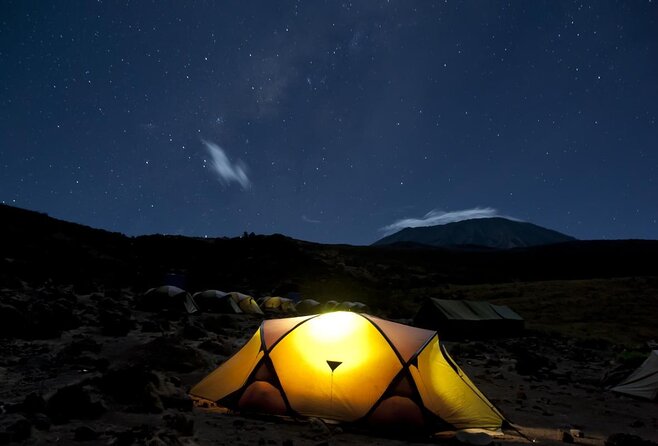
- A crew-first approach: multiple reviews highlight careful guidance and a team that makes the days feel manageable
- Real meal coverage: breakfasts, lunches, and dinners are included on the climbing days, so you can travel lighter
- Machame-specific pacing: you’ll hike through Machame, Shira, Barranco, Barafu, and then down via Mweka
- Guides you can name: reviews call out Amine and Karama for support during the climb
- Food and camp basics matter: reviews mention professional cooking and good camp conditions
- Easy-to-find start point: you meet at Burigi Chato Safaris in Moshi with a clear start time of 8:00 am
Why the Machame Route in 6 days is a smart target
If Kilimanjaro is on your bucket list, the Machame Route is the kind of choice that turns a “someday maybe” plan into a specific, trackable goal. This 6-day format gives you enough time to move through the classic sequence of camps: Machame Gate to Machame’s area start, onward to Shira Camp, then Barranco, then Barafu, and finally your descent via Mweka Camp and Mweka Door.
You’re not just buying walking time. You’re buying the structure that helps you keep your head clear when conditions get tough. In reviews, people repeatedly bring up how the team made it easier to keep going and reach the summit.
That structure also helps you mentally. Instead of thinking of Kilimanjaro as one huge leap, the climb becomes “Day X, get to Camp Y.” That matters on a mountain where you’ll spend a lot of your energy on endurance and staying calm.
Moshi meetup at 8:00 am: the tour begins before the trail
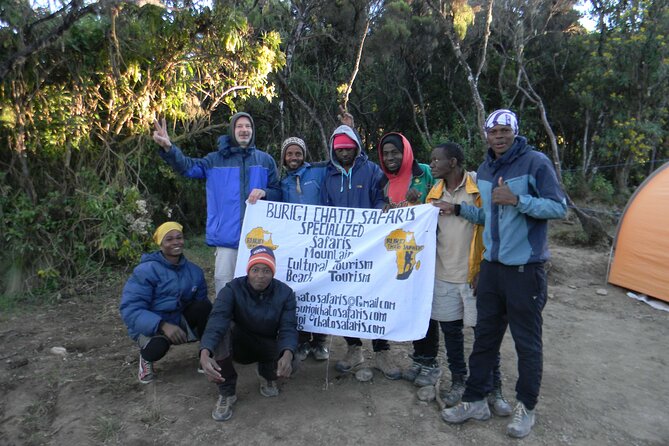
This tour starts in Moshi at BURIGI CHATO SAFARIS CO LTD on Mkwawa Street (Shanty town), with a 8:00 am start time. That’s useful for you because it anchors the day: you know where to be, when to be there, and who’s running the operation.
The provider notes that pickup is offered, which can reduce the stress of getting yourself to the meeting point. You still want to plan for how you’ll reach Moshi in the first place, since airport transfers aren’t included.
One more practical note: confirmation is received at booking time, so you should be able to lock in your details before you arrive.
Day 1: Drive to Machame Gate and set your climbing rhythm
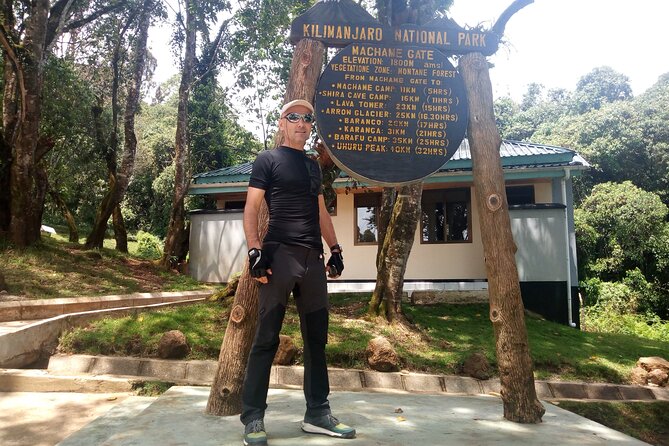
Day 1 is a drive from Arusha to the Machame Gate. Even without the hiking yet, this matters because Kilimanjaro trips often feel chaotic if you arrive late, miss the briefing, or scramble for logistics. Starting with a scheduled transport leg gives you a calmer handoff into the climb.
What I’d watch for on this day is how you feel when you’re in that “getting ready” mode. The first day is where you learn the camp routine and how your guide and porters run the flow. If you’re sensitive to altitude later, this is also the day to keep your expectations grounded: your body will need a few days to adjust.
Day 2: Machame Camp to Shira Camp (a hike that teaches endurance)
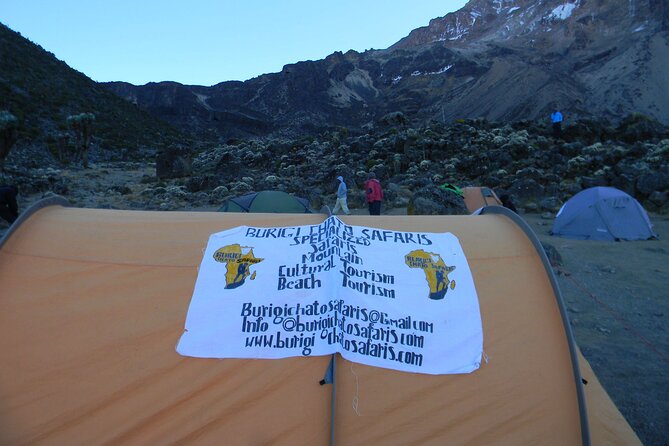
Day 2 moves you from Machame Camp to Shira Camp. This is one of those segments where you’re building stamina, not trying to prove anything. The bigger win here is consistency: keep moving, keep your breathing steady, and let the rhythm do the work.
You’ll also start noticing the “feel” of the route. Kilimanjaro isn’t just one type of terrain. Even when you don’t get the full details in advance, your body can usually tell you when the climb is steep, when it’s steady, and when you need to conserve effort.
Because breakfasts, lunches, and dinners are included on the climbing days, you’re not forced to think about meal stops mid-hike. That simplifies your day and helps you focus on pacing.
Day 3: Shira Camp to Barranco Camp and the mental reset
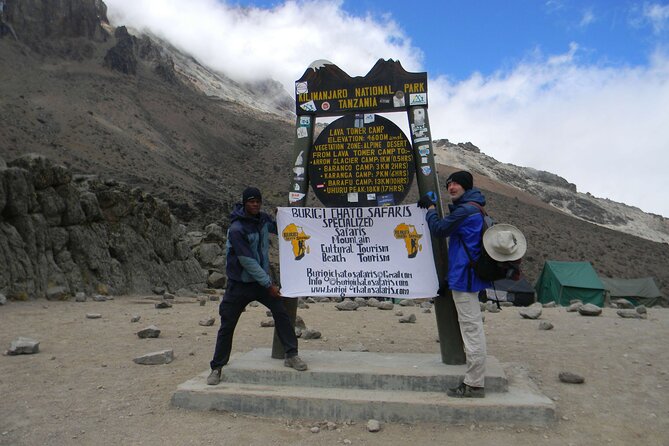
On Day 3, you go from Shira Camp to Barranco Camp. This leg is often where people start changing their strategy: early on you’re trying to “handle the mountain.” By mid-climb, you’re learning how to manage your energy for the days ahead.
The Barranco stage is also where you’ll likely feel the difference between “I can keep walking” and “I can keep walking without panicking.” Reviews for this operator emphasize the guides and crew being attentive and supportive, and that can be a real advantage here because your mental state affects your physical output.
The camp-to-camp structure also keeps you from wandering. You’re following a plan with crew support, which matters on a mountain where the obvious thing to do—go faster—can cost you later.
Day 4: Barranco Camp to Barafu Camp (the climb starts asking more)
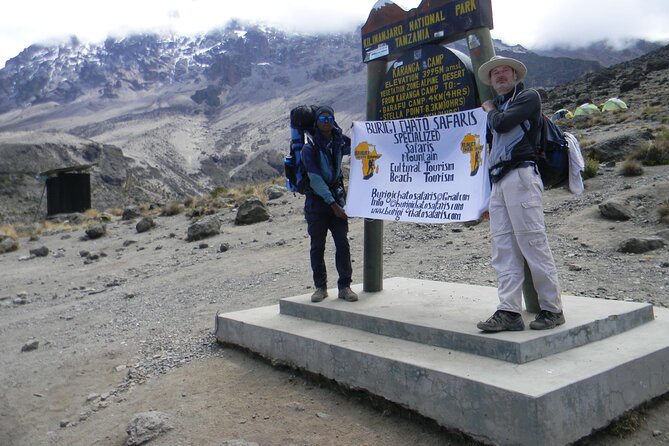
Day 4 brings you from Barranco Camp to Barafu Camp. This is the part of a Kilimanjaro trek where the climb starts to feel more serious, and your tolerance for slowdowns gets tested. Even if you’re an experienced hiker, you’re still working against altitude, fatigue, and the simple math of spending hours moving with a pack.
This is where having a team that’s careful becomes more than a nice bonus. Reviews point out that the crew is careful and that the management handles the trip professionally. When things go sideways—weather changes, tired hikers, slower pacing—these are exactly the moments where good support helps.
Also pay attention to the included meals. This tour includes dinner on five of the climbing days (as listed), plus daily lunches and breakfasts on the climbing mornings. That doesn’t replace good sleep or smart pacing, but it does reduce the risk of you being under-fueled because of forgetfulness or hunger.
Day 5: Barafu to the summit and down to Mweka Camp
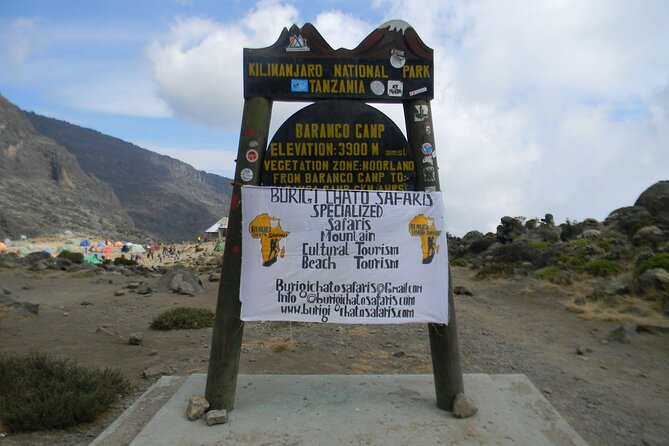
Day 5 is the “big day” sequence: Barafu Camp to the summit, then onward to Mweka Camp. The summit push is the obvious highlight, and reviews back that up directly—people report making it to the top and describe the effort as hard but achievable.
What you should take seriously is that the final stretch is where planning becomes emotional. You’ll rely on your guide’s ability to keep everyone steady and focused, especially if you’re not going as fast as you imagined. The support style described in reviews—being careful and making it easier—often comes down to guide communication and crew efficiency.
You also want to understand the shape of the day: it’s not just “walk up and celebrate.” You’re climbing, then moving down to a camp afterward. That means you’re managing both effort and recovery in the same overall day.
Day 6: Mweka Camp to Mweka Door and the Moshi/Arusha finish
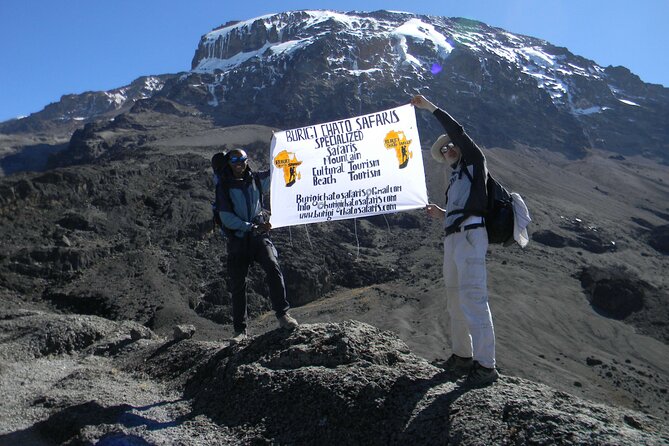
Day 6 goes from Mweka Camp to Mweka Door, ending back at the meeting point in Moshi/Arusha. The final descent is where you feel the effects of everything you did earlier. It’s also the day that can feel surprisingly short if you’re relieved and tired at the same time.
This is a good moment to be honest about what you can handle. Don’t treat Day 6 like a victory lap where you “make up time.” The whole point is to get back safely and smoothly with your energy still working.
Guides, cook, and porters: the real engine behind a 5-star feel
A lot of Kilimanjaro experiences rise or fall on the people handling your day-to-day needs. In the reviews tied to this climb, you’ll see recurring themes:
- Guides Amine and Karama are specifically praised for careful support
- The cook gets credit for being professional and making sure things go well
- People describe the trip management as very good, with Aminiel mentioned on the management side
- The team creates a family-like atmosphere, which helps when your body is working hard
That “family-like” atmosphere can sound fluffy, but on Kilimanjaro it’s practical. When you feel comfortable asking questions, accepting help, and sticking to the plan, you climb more effectively.
Also, the fact that the company includes the major trail meals is part of why the crew can do their job better. Hunger and fatigue can turn into mood problems fast. With breakfasts, lunches, and most dinners handled, you’re less likely to feel like you’re running the trip yourself.
Price and logistics: what you pay, what you still have to cover
The price listed is $779.23 per person for this 6-day Machame climb, and it’s positioned as value-heavy because the deal includes:
- All fees and taxes
- Breakfasts (5), lunches (6), and dinners (5) on the climbing days
That matters because it cuts out some big spending categories that can otherwise surprise you later. You’re not juggling daily meal bills on the mountain.
At the same time, you do need to plan for what’s not included:
- Local and international flights
- Visa, medical, and travel insurance
- Hotel accommodation cost
- Airport pickup and transfer
- Tipping the crew plus porter
So the “real” budget is your tour price plus your flights, insurance/visa costs, and a separate tipping amount. If you handle those early, the rest of the trip feels simpler.
Group size: why the 500 maximum number still matters to think about
The listing says there’s a maximum of 500 travelers. That doesn’t mean you personally hike with 500 people, but it does signal that you should expect some level of operational scale.
In practice, what matters to you is the actual experience you feel: will there be your group of climbers with a guide and a functioning crew, or will you feel like you’re part of a huge crowd? Reviews for this operator describe an atmosphere that feels close and supportive, which suggests the human side stays intact even if the overall operation is larger.
Still, if you’re someone who hates waiting behind big groups, ask the operator directly how your specific group size will look when you book.
Who should book this Machame 6-day climb
This is a great fit if:
- You want a structured plan that turns Kilimanjaro into a day-by-day sequence
- You value careful guide and porter support and a crew that manages details
- You like the idea of included meals so you can focus on hiking rather than logistics
- You’re aiming for the summit and willing to put in steady effort over several days
You might want to rethink if:
- You don’t want to budget for tipping and extra items outside the tour price
- You’re looking for a trip with lots of free time or sightseeing beyond the route itself (this is a climb-first itinerary)
- You need hotel comfort included; this tour lists accommodations as not included
Should you book Burigi Chato’s Machame 6-day Kilimanjaro?
I’d recommend booking if you want a Machame climb that’s driven by people—guides, porters, and a cook who keep the day running—and you like the idea of having meals and trail fees handled. The strongest praise points are consistent: careful support, professional management (Aminiel), and named guides (Amine and Karama) who help you push through and reach the summit.
I’d only hesitate if your budget is tight or you hate handling add-ons like visa/insurance, flights, and tipping. If you’re ready for the climb challenge and willing to plan the extras, this tour looks like a solid value way to aim for Kilimanjaro’s top.
FAQ
Where does the tour start and what time?
The tour starts at BURIGI CHATO SAFARIS CO LTD in Moshi (Mkwawa Street, Shanty town) and the start time is 8:00 am.
How long is the Kilimanjaro climb on the Machame Route?
It’s a 6-day tour (approximately 6 days).
What route and camps does the itinerary include?
You’ll hike through the Machame Gate, then camps at Shira, Barranco, Barafu, and finish at Mweka Camp and Mweka Door.
What’s included in the price?
The tour includes all fees and taxes and meals during the climbing days: 5 breakfasts, 6 lunches, and 5 dinners.
What’s not included?
Not included are flights, visa/medical/travel insurance, hotel accommodation, airport pickup and transfer, and tipping for the crew plus porter.
Will I get confirmation after booking?
Confirmation will be received at the time of booking.
Can I cancel and get a full refund?
Yes. Free cancellation is available, and you can cancel up to 24 hours in advance for a full refund. If you cancel within 24 hours of the start time, the amount paid is not refunded.