REVIEW · MOSHI
Private Kilimanjaro Hike 7 Day Lemosho Route
Book on Viator →Operated by Nafika tours · Bookable on Viator
The views start on day one. This 7-day private Lemosho route from Moshi with Nafika Tours is one of Kilimanjaro’s most scenic approaches, with a low-crowd feel compared with some routes, plus a smart acclimatization plan. You start at 2,360m at Lemosho Gate, then work your way around the mountain from rainforest into moorland and alpine desert.
I like how the team handles the hard logistics so you can focus on hiking and sleeping. On the safety side, you’re not just given advice-you get emergency oxygen and a pulse ox meter, plus treated water and first-aid gear. The main drawback is the summit push: it starts around midnight with a very long, cold grind, so you need to be comfortable with early alarms and big altitude effort.
In This Review
- Key things that make this climb worth your time
- Why the Lemosho route fits your chances (and your camera)
- A quick reality check on the Lemosho experience
- Price and value: what $2,450 buys (and what it doesn’t)
- What’s not included
- Day 1: Moshi to Lemosho Gate, then rainforest trails to Big Tree Camp
- What to watch for on Day 1
- Day 2: Shira Plateau hiking with views of Kibo Peak in the clouds
- The practical takeaway
- Day 3: Lava Tower altitude and the smartest kind of up-and-down
- What you’ll feel on this kind of day
- Day 4: Barranco Wall, glaciers overhead, then a rest-focused afternoon
- Why this day matters
- Day 5: Barafu Camp (4,640 m) and the pre-summit sleep plan
- The summit-night mindset
- Day 6: Midnight to sunrise—Stella Point (5,756 m) and Uhuru Peak (5,895 m)
- What makes this day feel different
- Day 7: Millennium campsite to Mweka Gate, certificates, and that long-awaited shower
- How to make Day 7 better
- Support on the mountain: guides, gear, meals, and safety nets
- Gear and comfort basics you’re getting
- Food: practical fuel, not just morale
- Who should book this private Lemosho climb
- Who might hesitate
- Should you book Nafika Tours for the 7-day Lemosho route?
- FAQ
- What is the cost for this 7-day private Lemosho Kilimanjaro climb?
- Where does the climb start and how do you get there?
- What’s included in the trek, beyond the guides?
- Are meals included during the hike?
- Do you include park fees and tickets?
- Do I need a visa for Tanzania, and is it included?
- Is the climb refundable if weather is bad?
Key things that make this climb worth your time
- A classic western-entry route (Lemosho): panoramic views and a route that circles toward the south.
- Acclimatization built into the walking: including the Lava Tower day where you gain altitude, then descend to sleep.
- Big summit payoff, clear milestones: you’re aiming for Stella Point (5,756m) and Uhuru Peak (5,895m).
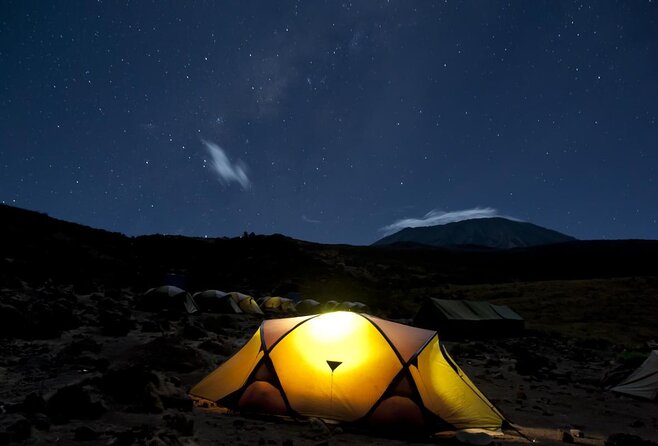
- Strong support behind the scenes: private transport, camping setup, and meals taken care of.
- Safety gear that’s actually part of the plan: emergency oxygen, first-aid kit, and pulse ox monitoring.
Why the Lemosho route fits your chances (and your camera)
If you’re choosing Kilimanjaro, route choice is not a small detail. Lemosho is popular because it tends to give you a mix of scenery and gradual breathing-room before the summit night. You’re starting on the western side at Lemosho Gate (2,360m), then the trail curves around the mountain toward the south.
What you’re really buying here is time in the right places. The early days move through rainforest and then up to the Shira Plateau area, which is where the mountain starts to look bigger and harsher. The route’s reputation for being scenic matters, but the more practical win is how it supports acclimatization with a plan that includes both higher walking and some descending to sleep.
And you get a calmer feel. The operator specifically positions Lemosho as their preferred balance of low crowds, scenery, and strong summit odds, and that matches what many climbers want: less waiting, fewer interruptions, more focus on pacing.
A quick reality check on the Lemosho experience
You will still be hiking high and feeling altitude. Lemosho isn’t a shortcut. The point is that it gives you more chances to adjust before the final climb.
Price and value: what $2,450 buys (and what it doesn’t)
The price is $2,450 per person for the 7-day private Kilimanjaro hike. For many people, the question is whether it’s worth paying extra versus a cheaper group climb.
Here’s the value math that matters:
- Camping gear is included: tents, sleeping pads, sleeping bags, plus chairs and tables.
- Medical and safety items are included: emergency oxygen, first aid kit, and a pulse ox meter.
- Food coverage is baked in: breakfast, lunch, and dinner across the trek days (with breakfast and lunch on the last day).
- Park and logistics costs are included: all fees and taxes are listed as included, and you also get treated water during the trek.
- You’re not doing the transfers yourself: private transportation plus hotel nights in Moshi.
You’re also not just buying guides. In the reviews, people praise the planning and communication. Several comments talk about feeling safe and looked after, and that the operation felt organized from the moment they contacted Elias to the last stretch of the hike. One group even noted a setup with three guides and about 20 porters for five climbers, which hints at the kind of team coverage you want at altitude.
What’s not included
Visa costs are not included (50 USD). Also, like any Kilimanjaro plan, this is weather-dependent. If the team cancels due to poor weather, they offer a different date or a full refund.
Day 1: Moshi to Lemosho Gate, then rainforest trails to Big Tree Camp
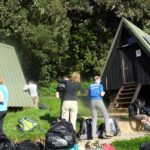
Day 1 starts in Moshi with pickup around 8:00 am, then a drive to Lemosho Gate on the western side. Once you arrive, Nafika Tours handles the pre-hike formalities so you can get moving. Then your climb begins through the forested Lemosho glades.
You’ll walk about 7 km (around 4 hours). The goal is not heroics. It’s to settle into rhythm: steady steps, consistent breathing, and getting your pack system figured out before the altitude really starts to bite.
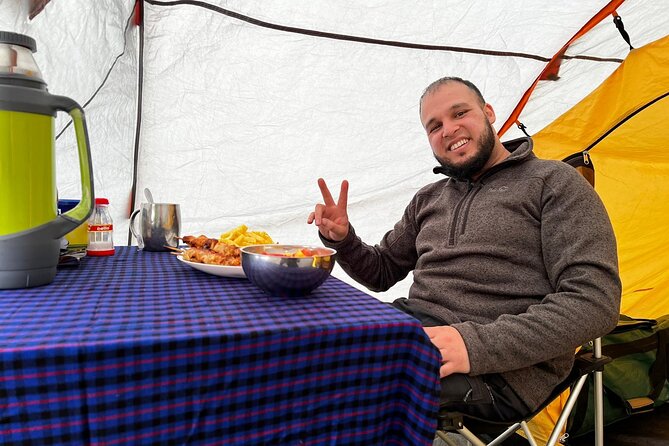
You end at Big Tree Camp for your first night. Meals are breakfast, lunch, and dinner included, so you’re not worrying about logistics during your first full day at the mountain.
What to watch for on Day 1
Rainforest days can feel warm and humid. Even if the air feels easier than later, you’ll still be above 2,000m, so pace matters. Hydrate, take your breaks, and don’t let the excitement of day one turn into fast walking.
Day 2: Shira Plateau hiking with views of Kibo Peak in the clouds
Day 2 is a long one: about 16.5 km and roughly 9–10 hours. The trek moves across grassy moorland and heather scattered with volcanic rock formations. This is where Kilimanjaro starts to feel like a place, not just a climb.
You’ll work up altitude toward Shira 1 Camp, where parts can be steep. Once you reach Shira 1, the view can be dramatic: you may see Kibo Peak floating on the clouds. After that break, you continue to Shira 2 Camp, where the Northern Ice fields are part of the visual show.
This is also an acclimatization day in motion. The operator notes the steady climb across the Shira Plateau helps with acclimatization, not just effort.
The practical takeaway
Long days on Kilimanjaro are common, but Day 2 is often when your body starts asking for slower pacing. If you feel like you’re breathing too fast early, that’s your signal. Stick to a steady rhythm. Save energy for the later altitude days.
Day 3: Lava Tower altitude and the smartest kind of up-and-down
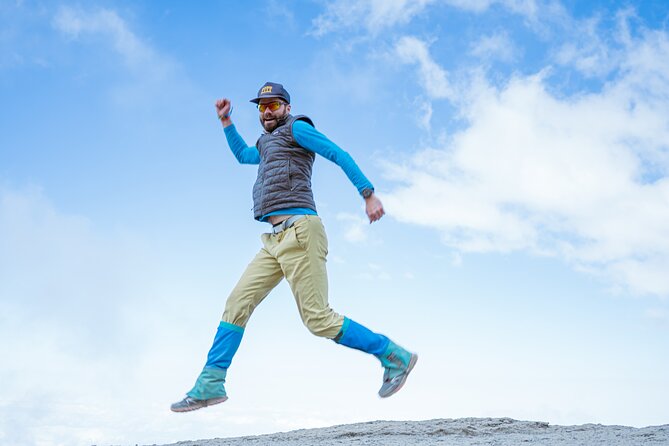
Day 3 is built for acclimatization: you go higher, then you descend to sleep. After breakfast, you hike up into the alpine desert and to Lava Tower (4,600 m).
Then you descend to Baranco Camp (3,900 m), which takes about 3 hours down. The total hiking time is about 6 hours and the distance is 10 km. Along the way, the scenery is rewarded with photo opportunities, including the Western Breach and Baranco wall.
This is one of the most important days on the whole plan because your body learns the lesson you want: higher altitude during the day, easier sleeping altitude at night.
What you’ll feel on this kind of day
Alpine desert walking can feel harsher—wind, colder air, and a thinner feel to breathing. The best move is to focus on consistent effort and calm breath. You’ll likely feel better once you’re descending toward Baranco.
And yes, you might get a memorable sunset from the camp area while you wait for dinner.
Day 4: Barranco Wall, glaciers overhead, then a rest-focused afternoon
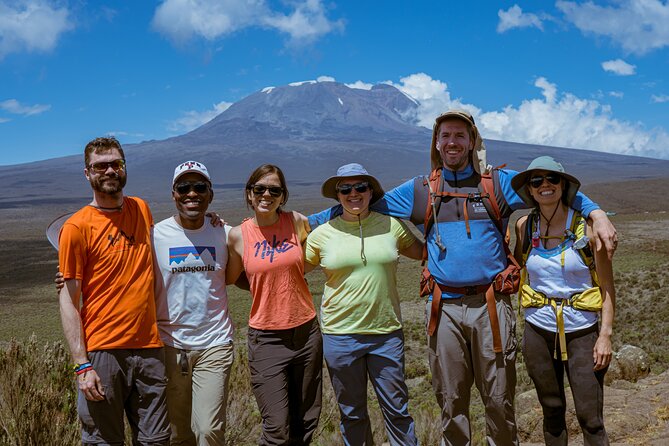
Day 4 starts after breakfast with continuing up a steep ridge to the Barranco wall. You’ll climb this big obstacle, and the operator notes it can look intimidating but is often easier than it appears.
From there, the route passes underneath the Heim and Kersten glaciers. This section is also visually dramatic: the glaciers sit overhead while you move through the pass area toward the Karanga valley. Once you settle in at camp, you can look east and see Mawenzi’s jagged peaks.
This day is shorter by design: about 4 hours total hiking time. After a hot lunch in camp, the afternoon is your own. The plan strongly recommends resting (and even napping), because the summit push is coming soon.
There’s also mention of a mid-afternoon acclimatization walk for those feeling strong, but the emphasis is clear: don’t burn yourself out.
Why this day matters
You can think of Day 4 as the “battery charge” day. Short hiking, glacier views, and a rest-focused afternoon often help you wake up fresher for Barafu and the midnight start.
Day 5: Barafu Camp (4,640 m) and the pre-summit sleep plan
Day 5 begins with a hike to Barafu Camp (4,640 m). It’s only about 4 km and around 4 hours, but don’t let the distance fool you. Altitude turns simple climbs into serious effort.
On the way up, expect views of the Kibo and Mawenzi peaks. When you arrive, you get lunch and then a quiet afternoon. The goal is sleep, because dinner is early and then it’s back to your tent to rest for the summit push.
Alarms are set around midnight. This is the part where Kilimanjaro becomes a test of patience as much as fitness.
The summit-night mindset
On a day like this, your success is often about what you do with the hours you can control: light movement, good hydration, warm layers, and real rest. If you’re the type who can’t fall asleep easily, plan your strategy before you’re exhausted.
Day 6: Midnight to sunrise—Stella Point (5,756 m) and Uhuru Peak (5,895 m)
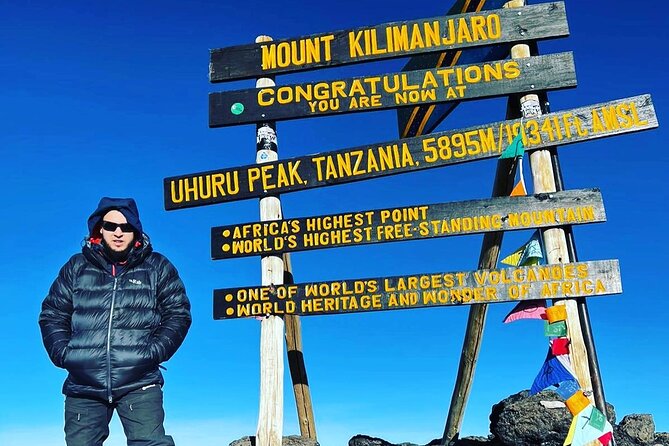
This is your summit day.
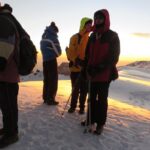
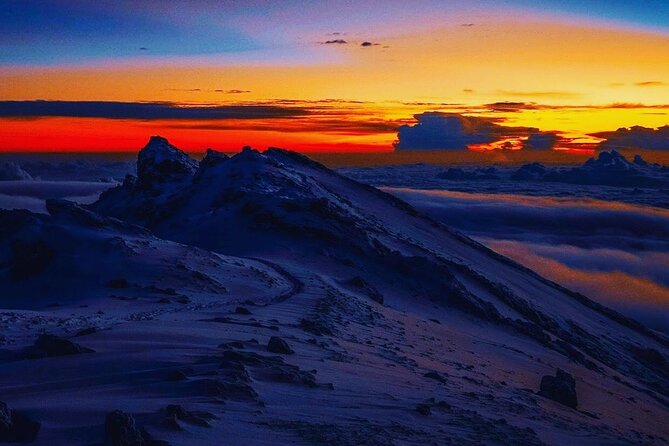
You’re awoken at midnight with light tea and breakfast. Then you start a 4 to 5 hour climb that gains a lot of height over a relatively short time. The view is described as spectacular as the sun begins to rise.
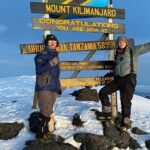
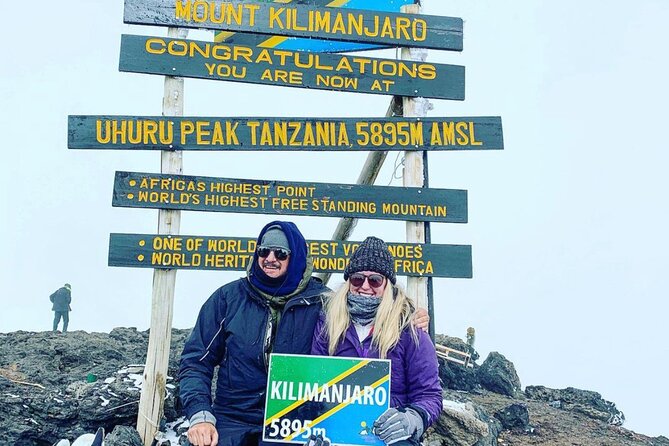
The plan targets the crater rim at Stella Point (5,756 m) as the first rays of sun hit. From Stella Point, you continue about 1 hour to Uhuru Peak (5,895 m).
At Uhuru Peak, you celebrate and take photos so you can share the moment with family and friends back home. Then you begin the descent to Barafu Camp for lunch and rest.
This day is long on the clock: about 12 hours total.
What makes this day feel different
Your body is working in thin air, and your mind is working in low light. The best approach is steady effort, short pauses when needed, and staying warm. This is where you feel why the route emphasizes acclimatization earlier.
Also, if you get even slightly discouraged by how cold or slow you feel, remember: everyone’s moving at a similar pace in the dark.
Day 7: Millennium campsite to Mweka Gate, certificates, and that long-awaited shower
Day 7 is a welcome change. After breakfast, you start the final descent, about a couple of hours from the Millennium Campsite to Mweka Gate.
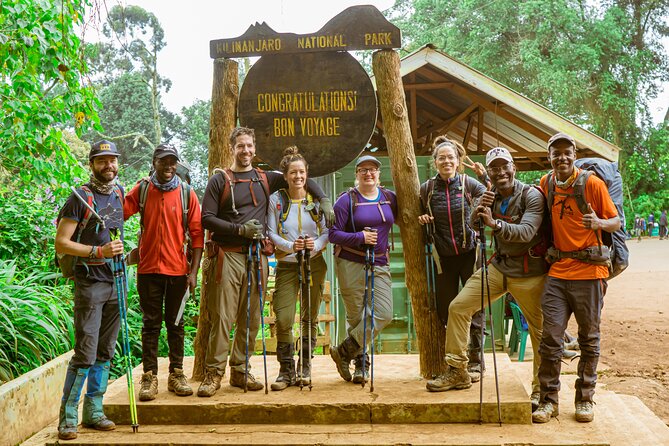
At the gate, you collect your certificate. Then you say goodbye to your mountain guides and you’re transferred back to your hotel by private car. The plan even calls out a cold beverage and a warm shower—because you will be craving both.
This final day is around 14 km and about 5 hours of walking. It’s mostly about finishing strong, not breaking records. Meals include breakfast and lunch.
How to make Day 7 better
Keep your hands and feet warm on the walk out, even if you feel like you’re done. And take a minute with your certificate moment—it’s a small ceremony, but it helps you actually land the achievement instead of immediately moving on to the next thing.
Support on the mountain: guides, gear, meals, and safety nets
When you read the feedback for this operator, the strongest pattern is organization and reassurance. People mention communication before the trip and a smooth flow of logistics during the climb. Names that come up include Elias as a key organizer, plus guides like Eli, Benson, Frank, and Sebastian.
That matters because Kilimanjaro is stressful enough without chaos. When your team is prepared, you can focus on hydration, pace, and sleep.
Gear and comfort basics you’re getting
You’re provided full camping setup: tents, sleeping pads, sleeping bags, chairs, and tables. You also get a first aid kit and a pulse ox meter, plus emergency oxygen if it’s needed.
Treated water is included through the trek, which is a big deal. Water access is one of those things you only appreciate when you’re trying to stay consistent at altitude.
Food: practical fuel, not just morale
Meals are included throughout the trek days. Based on the feedback patterns, people have been especially pleased with the quality of the food, not just that it exists. At altitude, regular meals make a real difference because you burn more energy and your appetite can change.
Who should book this private Lemosho climb
This is a good fit if you:
- want a private group setup and fewer distractions on trail
- prefer a scenic, western-entry route with a long view of the mountain’s changes
- take acclimatization seriously and don’t mind long hike days early on
- can handle a midnight summit start and a very long summit day
The tour data also points to moderate physical fitness as the target, which usually means you’ve got stamina for daily hikes and you’re willing to train beforehand.
Who might hesitate
If you hate early wake-ups, cold nights, or long hiking days, this climb will test you. The summit day in particular is not a casual adventure.
Should you book Nafika Tours for the 7-day Lemosho route?
If you’re choosing a 7-day Lemosho plan and you want a setup that’s organized, safety-minded, and built around real acclimatization, I think this is a strong option.
I’d book it if:
- you value route quality (Lemosho’s scenery and pacing) over squeezing more summit days into fewer nights
- you want included gear and food so you’re not juggling details at altitude
- you like knowing there’s emergency oxygen, a first-aid kit, and pulse monitoring in the background
I’d pause and ask more questions before booking if:
- the idea of midnight alarms feels like a deal-breaker
- you’re worried you might not maintain the pace needed for a 9–10 hour day on the Shira Plateau and a long summit day
Bottom line: this is a serious climb with a serious plan, but it’s also designed to be run smoothly so you can focus on the hiking and the moment you reach the crater rim.
FAQ
What is the cost for this 7-day private Lemosho Kilimanjaro climb?
The price is $2,450.00 per person.
Where does the climb start and how do you get there?
You’ll be picked up in Moshi around 8:00 am and transferred to Lemosho Gate for the start of the hike.
What’s included in the trek, beyond the guides?
Included items cover camping equipment (tents, sleeping pads, sleeping bags, chairs, and tables), treated water during the trek, a first aid kit, a pulse ox meter, and emergency oxygen. Private transportation and hotel nights in Moshi on arrival and after the hike are also included.
Are meals included during the hike?
Yes. The plan includes breakfast daily, and it includes lunch and dinner during the trek days. On the final day, it specifies breakfast and lunch.
Do you include park fees and tickets?
Yes. All fees and taxes are listed as included, and a mobile ticket is mentioned.
Do I need a visa for Tanzania, and is it included?
A visa is not included and is listed as 50 USD.
Is the climb refundable if weather is bad?
Yes. This experience requires good weather. If it’s canceled due to poor weather, you’ll be offered a different date or a full refund. Free cancellation is available up to 24 hours in advance for a full refund.