REVIEW · PAGE
Kayak Antelope Canyon and hike, at Lake Powell
Book on Viator →Operated by Paddle Express · Bookable on Viator
Antelope Canyon looks different from a kayak. This guided Paddle Express trip combines a 5-mile round-trip paddle on Lake Powell with a canyon walk through slot-canyon terrain, so you get the rock formations from two angles: underwater-in-the-water and up-close on foot. I love that the kayaking takes you to the water entrance where the canyon starts to change the whole mood of the lake.
Two things I especially like: you get real instruction (not just a ride), and you’re on stable sit-inside kayaks that fit a wide range of riders. One consideration: this is still a workout—wind, boat wakes on Lake Powell, and how fast you personally can paddle can make the return harder than it looks on a calm-day photo.
In This Review
- Key Things You’ll Notice
- Why Kayak Antelope Canyon From Lake Powell Feels Like Two Trips
- The Paddle Segment: 5 Miles Round Trip With a Real Feel for Distance
- The Slot Canyon Hike: 2/3 Mile of Immersed Rock-Wall Time
- What the Guides Teach: Geology You Can Feel, Not Just Hear
- Small-Group Pacing: Why Max 11 Matters
- Gear and Comfort: The Stuff That Makes the Day Go Smoothly
- Timing, Weather, and the ±90-Minute Reality
- Value Check: Is $119 Worth It for This Canyon-Plus-Water Combo?
- Should You Book This Paddle + Antelope Canyon Tour?
- FAQ
- FAQ
- How long is the tour?
- How far do I kayak and how far do I hike?
- Do I need kayaking experience?
- Are the kayaks sit-inside or sit-on-top?
- What should I bring?
- Is there a swim or picnic?
- Do you provide life jackets and paddles?
- Is the tour weather dependent?
- Are there limits on age and weight?
- What group size should I expect?
Key Things You’ll Notice
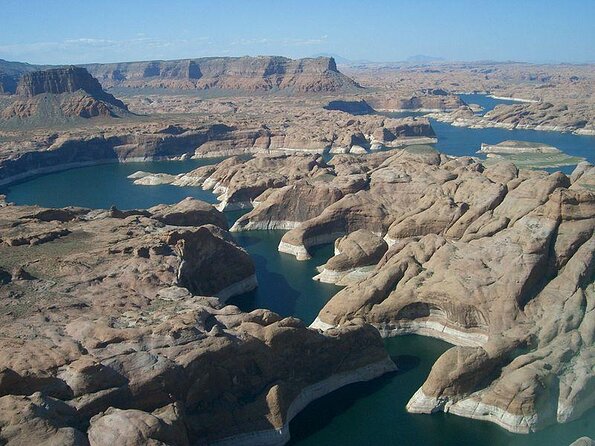
- 5-mile round-trip paddle with a water entrance view of the canyon
- Small group size (max 11) so you’re not just a number in a crowd
- Briefings + guided facts on hydrology, geology, and the region’s landscape history
- 2/3 mile scenic canyon hike on a route you walk in and back the same way
- Stable sit-inside kayaks (single or tandem chosen at check-in)
- Weather-dependent timing, with possible ±90-minute shifts
Why Kayak Antelope Canyon From Lake Powell Feels Like Two Trips
Antelope Canyon is usually pictured like a postcard. This tour gives you a second perspective by getting you onto the water first, then threading you into the canyon environment on foot. From the kayak, the rock formations feel larger because you’re low on the waterline and moving slowly enough to actually notice the details—edges, layers, and color changes that you miss when you’re just standing on land.
I also like that the whole experience is guided but not scripted to death. Your pace matters. The plan is structured—paddle in, short canyon walk, paddle back—but you’re not racing through it. That matters because Antelope Canyon is the kind of place where you’ll want to pause for photos, look back at what you just came through, and take in how the canyon sits in relation to Lake Powell.
Here’s the trade-off: you’re outside on an actual lake with actual wind and passing motorized craft. On a breezy day, that feeling of calm “mirror water” can turn into more work. If you want an easy paddle at all costs, know that Lake Powell can be dynamic.
You can also read our reviews of more hiking tours in Page

The Paddle Segment: 5 Miles Round Trip With a Real Feel for Distance
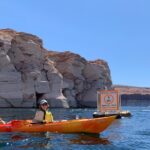
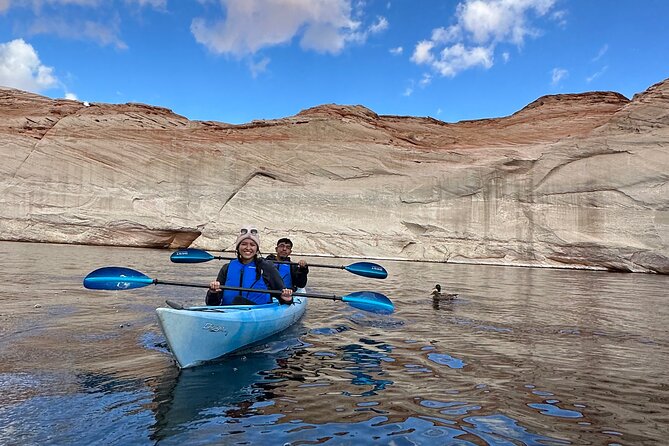
This isn’t a short paddle. You’re looking at about 2.5 miles kayaking in toward the canyon’s water entrance, then 2.5 miles back to the launch point. In total, it’s roughly 5 miles round trip, guided and supported by trained staff, with your life jacket and paddle provided.
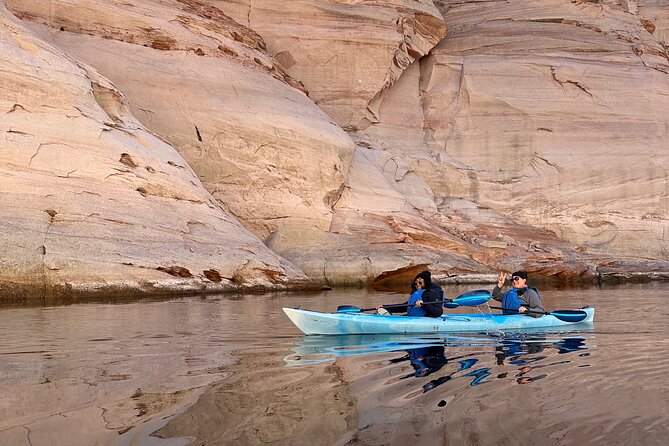
What you’ll love here is the sequence. The water entrance view hits differently than photos from the shoreline. You start with open water, then the canyon walls begin to dominate the view as you near the slot entry. If you enjoy learning by doing, this part clicks because you’re moving through the transition instead of just hearing about it.
A practical note: you’re not just steering for “direction.” You’re paddling against conditions. The calmer and earlier you go, the easier it tends to be to keep momentum. Later in the day, stronger winds and lake traffic can create chop and rolling waves, which makes the return more tiring—especially if you’re newer to paddling. Some guests also mention the return can feel tougher when waves build.
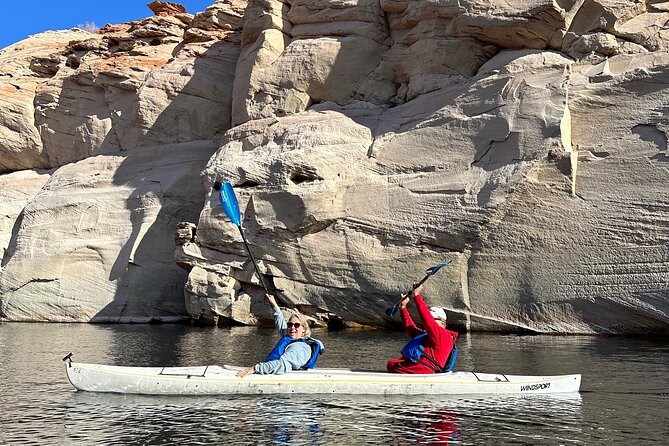
Also, the kayaks are designed to help you relax your posture. They’re sit-inside and stable, and they work for different rider sizes. At check-in, you can choose tandem or single, and the guides aim to match you with the right kayak.
The Slot Canyon Hike: 2/3 Mile of Immersed Rock-Wall Time
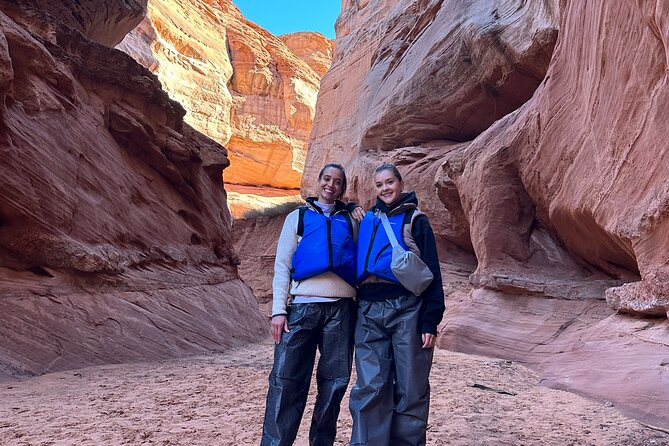
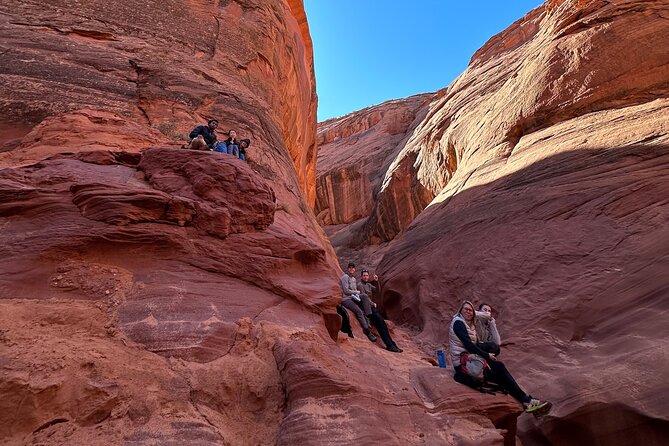
After the kayak part brings you in, you’ll head to the canyon for a scenic walk of about 2/3 mile. You walk into the canyon and return the same way. It’s not an all-day trek. But it’s not just a stroll either, because you’re inside tight rock walls where footing and attention matter.
This is where you’ll get that classic Antelope Canyon experience—vertical walls, close-up rock texture, and photo angles that feel impossible from anywhere else. You also get time to slow down and look up. Even if you’re the type who normally rushes, this is the segment that makes you stop and stare.
Shoes matter. Water exposure is part of the day. Some guests note that your feet can get submerged and that hiking surfaces can be sandy or wet, so sport sandals or wet-dry sandals are often more comfortable than closed hiking shoes that soak. If you do wear regular hiking shoes, make peace with the fact that they’ll dry later.
And yes—this is a group tour. That means you’ll follow guide pacing, pauses, and safe spacing inside the canyon. If you want silent solitude, pick the quieter time windows when possible.
What the Guides Teach: Geology You Can Feel, Not Just Hear
The tour isn’t only about getting to Antelope Canyon. It’s about understanding what you’re seeing while you’re seeing it. The guides focus on topics like history, hydrology, geology, geography, and topography—and they explain them in context, not as a lecture you have to force yourself to listen to.
This is a big value-add if you’re the kind of traveler who hates tours where the only fact offered is where the restroom is. Here, you learn why the canyon looks the way it does, how the region’s water works, and how the lake and canyon connect. Even when you’re tired from paddling, that “why” makes the rock formations feel more meaningful.
Guide styles vary from day to day (and that’s true in every outdoor tour business). In the information you were given, several guides come up by name—Sean, Jayce, CJ, and Terry—often praised for mixing practical safety with clear local storytelling and canyon context. If you’re lucky enough to get a guide who keeps things conversational, this can turn into the highlight of your whole Southwest trip.
One more perk: you can take photos, and the tour team may also send some photos you didn’t grab yourself. It’s a small thing, but it helps if you’re juggling paddling focus on the way in.
Small-Group Pacing: Why Max 11 Matters
A maximum of 11 travelers changes the whole feel. You get less waiting and more time being attended to. It also means the guide can watch how you’re paddling and where everyone is in the lineup—especially important when you’re entering a canyon environment and then regrouping for the return.
This pacing matters for first-timers. Paddle Express positions the tour as recommended for beginner to beginner-intermediate kayakers, and the kayaks are stable enough for learning fundamentals while still doing the real distance (remember, this is still 5 miles).
Still, don’t confuse beginner-friendly with effortless. You’ll need enough physical stamina for moderate activity: paddling for a couple hours and hiking inside the canyon. Some people show up thinking they’ll glide the whole way. On windy days, you’ll feel every stroke.
A simple way to match your expectations: if you can confidently handle light to moderate hikes and you don’t mind sweating, you’ll probably be happy. If you want a gentle nature cruise only, consider keeping this as an option for a calmer day or choosing a shorter water experience.

Gear and Comfort: The Stuff That Makes the Day Go Smoothly
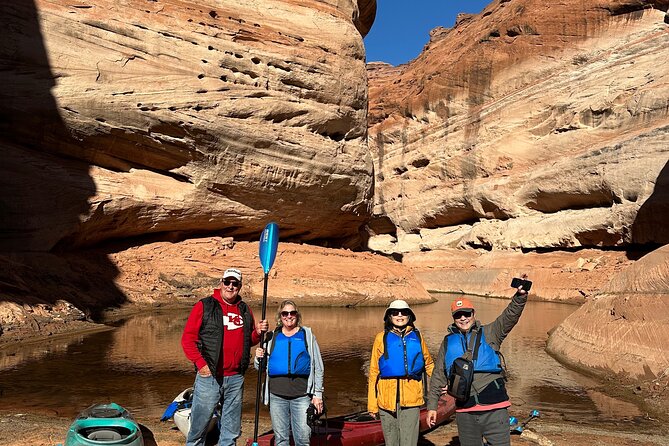
You’ll get the key safety gear: a PFD (life jacket) and a paddle, plus dry bags are part of what’s provided (with the note that you should say if you need one). The tour also includes kayaking instruction and a float plan.
What’s on you: bottled water and snacks. There’s also mention of a possible swim and picnic stop. If you want snacks during the day, bring them. Keep it simple: something that won’t get smashed in your pack and won’t turn into a sticky mess after getting wet.
What about temperature and sun? Lake Powell is exposed. Even on a mild day, you’ll feel sun and wind. Plan for both. Hats, sunglasses, and sunscreen go a long way.
One more comfort detail: orientation is mandatory. You’re expected to arrive early and be geared up. The tour highlights a mandatory orientation about 30 minutes before the event time. If you roll in late, you risk losing your slot and your overall day gets reshuffled.
Also note the limits you should take seriously:
- Weight limit: 250 lbs
- No service animals allowed
- Ages 5–62
- Not recommended if you have sea sickness (you’re on open water)
Timing, Weather, and the ±90-Minute Reality
This trip is weather-dependent. It’s not a “no matter what, we go” situation. That means you should check the Page, Arizona forecast before you head out, and you should keep flexibility. Reservations may shift by up to ±90 minutes for weather.
Why the weather matters: wind and waves affect paddling conditions and safety. Also, the route depends on the conditions around launch and entry into the canyon environment.
If you can choose a time, earlier often helps. Some guests specifically recommend going early because the water can be calmer and there are fewer boats, which makes the paddle back less challenging. Later on, stronger wakes can turn a manageable return into a slog.
And a quick practical tip: when you’re navigating to the meeting point, aim for the exact ramp location—Antelope Point Launch Ramp near Page, AZ. Some people get sent to nearby areas if they follow vague directions. Your goal is to get to the ramp where you start the water portion.
Value Check: Is $119 Worth It for This Canyon-Plus-Water Combo?
At $119 per person, you’re paying for more than a ticket to Antelope Canyon. You’re paying for guided kayaking instruction, stable sit-inside kayaks, safety gear (PFD), the guided canyon walk, and the learning component that explains how the region works. You’re also getting the experience of being inside the canyon environment rather than just visiting it from land.
If you were to DIY this, you’d need to arrange rentals, figure out the kayak skills on your own, and still coordinate a safe canyon walk segment. Even if you DIY the kayak part, this tour adds structure: float plan, timing management, and a guide who knows the terrain and the canyon entry/outflow rhythm.
That said, the “value” depends on what you want. If you’re the type who feels guided learning should be obvious and constant, you’ll be happiest when you get a guide who speaks confidently and engages actively. If you’re expecting a guide who handles everything like a film crew, you might find some days feel more like instruction and safety support than extended storytelling.
The best way to think about it: you’re buying access to a specific way of experiencing the canyon—from the water first—and you’re paying for trained pros to manage safety and pacing.
Should You Book This Paddle + Antelope Canyon Tour?
I’d book it if you want a hands-on day on Lake Powell and you’re excited to see Antelope Canyon from two perspectives: the paddle approach and the canyon walk. It’s a smart choice for travelers who like learning outdoors while moving, and for beginners who want guided fundamentals on a stable kayak.
I’d hesitate if you dislike physical effort or you’re very sensitive to water conditions. Wind, chop, and wake can make the return harder. Also, you need to take orientation seriously—arrive early and follow timing exactly. When people show up late, the day can get compressed and that tends to spill into dissatisfaction.
Final gut check: if you can handle a moderate workout and you want an authentic, active way to experience Antelope Canyon, this is a strong pick. If you want a laid-back day where you barely paddle, look for a different format.
FAQ
FAQ
How long is the tour?
It’s about 4 hours on average.
How far do I kayak and how far do I hike?
You kayak 5 miles round trip (about 2.5 miles in and 2.5 miles back) and you hike about 2/3 mile in the canyon.
Do I need kayaking experience?
No experience is required, and it’s recommended for first-time kayakers and beginner-intermediate paddlers.
Are the kayaks sit-inside or sit-on-top?
The tour uses premium sit-inside kayaks.
What should I bring?
Bring bottled water and snacks. It’s also helpful to bring dry items in a dry bag if you have one.
Is there a swim or picnic?
There can be a stop for a swim and picnic, and you’ll want your own snacks and bottled water for that.
Do you provide life jackets and paddles?
Yes. The tour includes a PFD (life jacket) and a paddle, plus kayaking instruction and a float plan.
Is the tour weather dependent?
Yes. Tours are weather-dependent, and if it’s canceled due to poor weather you’ll be offered a different date or a full refund.
Are there limits on age and weight?
Yes. Ages 5–62 are listed, and there’s a 250 lbs weight limit.
What group size should I expect?
The tour has a maximum of 11 travelers, which helps keep it small-group.