REVIEW · MOSHI
Hiking Mt Kilimanjaro 8 days, the most scenic route up Kili
Book on Viator →Operated by safari soles tours · Bookable on Viator
Kilimanjaro rewards the right route. This 8-day Lemosho hike is known for big panoramic vistas from multiple sides and a calmer, less-crowded feel as you work your way upward. I especially like that the plan balances scenery with sensible altitude time, so the trek doesn’t feel like it’s rushing you to the next camp.
Here’s the trade-off: the summit night is mentally and physically brutal, even with a good route and a great team, because you’re moving through heavy scree in the dark and chasing sunrise around Stella Point and Uhuru Peak.
In This Review
- Key Highlights You’ll Care About
- Why the Lemosho Route Works So Well on Kilimanjaro
- The 8-Day Game Plan: How Acclimatization Is Built In
- Day-by-Day on Kilimanjaro: What You’ll Do and Why Each Stop Matters
- Day 1: From Londorossi Gate into the Rain Forest to Big Tree Camp
- Day 2: Into Savannah to Shira 1 Camp with Kibo on the Horizon
- Day 3: Shira Plateau Days to Shira 2 (or Moir Hut) for Better Acclimatization
- Day 4: Lava Tower, Shark’s Tooth, Arrow Glacier to Barranco Hut
- Day 5: Barranco to Karanga Valley for a Short Acclimatization Day
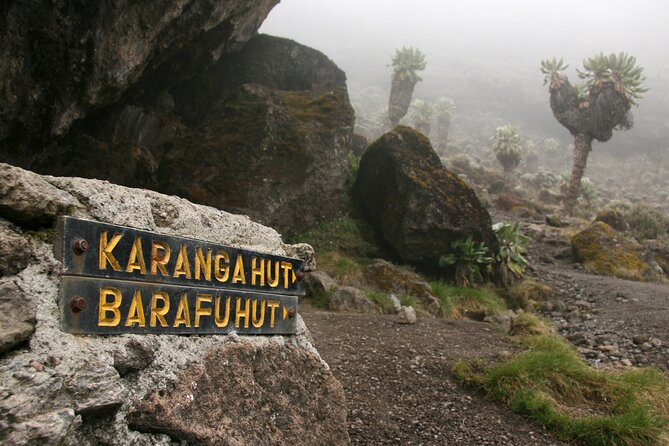
- Day 6: Karanga to Barafu Hut Camp After Connecting with the Mweka Trail
- Day 7: Midnight Summit Push to Stella Point and Uhuru Peak
- Day 8: Descent to Mweka Park Gate and Drive Back to Arusha or Moshi
- Camp Life, Food, and the Reality of Sleeping High
- Guides, Small Group Dynamics, and the Pace That Gets You Up
- Price and Value: Is $2,900 Worth It for This Kili Route?
- Who This Trek Suits Best (and Who Should Think Twice)
- Should You Book This 8-Day Lemosho Kilimanjaro Hike?
- FAQ
- How long is the Kilimanjaro hike on the Lemosho route?
- What route is used for this Kilimanjaro climb?
- What is the maximum group size?
- Is pickup included?
- Is the park admission included in the price?
- What fitness level do I need?
- What happens if the weather is bad or I need to cancel?
Key Highlights You’ll Care About
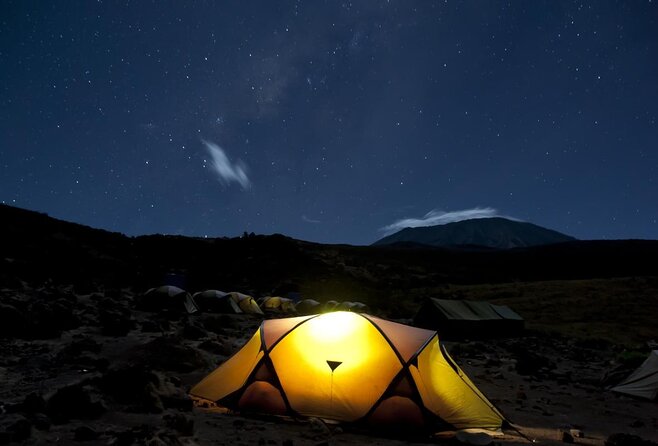
- The Lemosho route’s scenery on multiple faces: forest to plateau to lunar-like ridges with constant changing views
- Acclimatization built into the day structure: gentle plateau days and a gradual climb toward Kibo
- Small group cap (max 7 travelers): easier communication and more personal attention on the trail
- Summit push at midnight: long, cold, tough hours aimed at catching sunrise at Stella Point
- Meals and fees mostly handled: full board at several camps plus park admission included on most days
- Pickup in Moshi/Arusha area: less scramble on travel days before you start hiking
Why the Lemosho Route Works So Well on Kilimanjaro
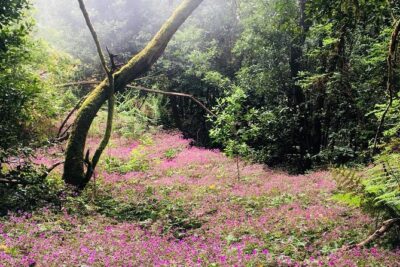
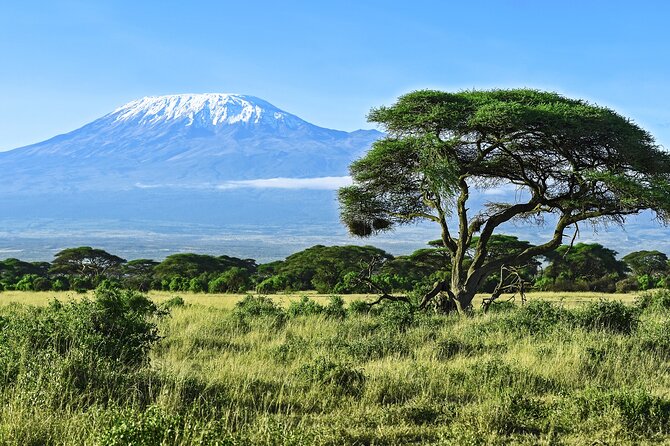
Lemosho is often described as the scenic option, and that’s not just marketing. You start through undisturbed rain forest, then gradually move into savannah and plateau country, and later into semi-desert and alpine desert zones. The key is that you’re not just gaining elevation fast for the sake of it—you’re spending enough time in the right places to let your body adjust.
For you, that matters because Kilimanjaro isn’t a “hard hike” only because it’s steep. It’s hard because altitude changes how hard everything feels—walking slower, breathing faster, and getting colder at night. A route that gives you enough altitude breathing room tends to feel more controlled, even when the summit push is still an epic grind.
There’s also a practical bonus: fewer people on the trail can mean you get more quiet moments to watch clouds drift across the mountain. And the views have variety. On this route, you’re regularly switching perspectives—especially across the plateau where Kibo appears dramatically from across the Shira region.
The 8-Day Game Plan: How Acclimatization Is Built In
This hike is structured like a staircase with a few longer landings. Your elevation doesn’t simply climb day after day; it rises, levels out, then rises again. That’s the whole point of good acclimatization: you increase altitude, then you spend time where your body has a chance to adapt.
You’ll see that pattern clearly:
- Early days take you from forest to plateau and into moorland.
- Mid-trek days add extra movement options around the Kibo area.
- The Barranco to Karanga step is short on distance—on purpose—to keep your legs from getting trashed.
- The final approach sets you up at Barafu Hut Camp before you start moving for Uhuru Peak at night.
Also, you’ll feel the different habitats as you go. Rain forest days feel lush and enclosed. Moorland days can feel open and exposed. Semi-desert and alpine desert days feel drier, emptier, and more wind-sensitive. Knowing that in advance helps you pack and dress with fewer surprises.
Day-by-Day on Kilimanjaro: What You’ll Do and Why Each Stop Matters
Day 1: From Londorossi Gate into the Rain Forest to Big Tree Camp
You start with a drive from Arusha or Moshi to Londorossi Gate (about 4 hours), then continue another hour or so to the Lemosho trailhead. After lunch, you begin hiking through rain forest that winds upward to your first campsite: Forest Camp, also known as Big Tree Camp.
- Elevation: 7,800 ft to 9,500 ft
- Distance / time: 6 km, about 3–4 hours
- Hike vibe: steady walking under trees, a gentler start while the body wakes up to altitude
This day matters because it sets rhythm without testing you. It’s where you learn how your breathing and pace change, before the route starts building higher altitude days.
Day 2: Into Savannah to Shira 1 Camp with Kibo on the Horizon
After breakfast, you leave the forest behind and climb out into savannah—tall grasses, heather, and volcanic rock with lichen. You cross several streams, reach Shira Ridge, and then drop gently to Shira 1 camp.
- Hike vibe: open skies and more exposure, plus that first big “Kibo is real” feeling as you gain perspective
This is one of those days where you can feel the mountain expanding. The view of Kibo from across the plateau is a big reason people love this route. It’s also a reminder to keep your pace controlled and your breathing steady.
Day 3: Shira Plateau Days to Shira 2 (or Moir Hut) for Better Acclimatization
Today is a gentle walk east toward Kibo’s glaciered peak. You stay on the high plateau, then reach Shira 2 camp on moorland. You may also have the option to continue to Moir Hut, described as a little-used site at the base of the Lent Hills. Lent Hills walking is highlighted as a strong acclimatization opportunity.
- Elevation: 11,500 ft to 13,800 ft
- Distance / time: 14 km, about 5–7 hours
- Hike vibe: high-altitude but deliberately paced, with more time to adjust
Even if you’re fit, this is the kind of day where going too fast can cost you later. The advantage is that you’re spending time at a key altitude band—exactly what your body needs to improve its odds on summit day.
Day 4: Lava Tower, Shark’s Tooth, Arrow Glacier to Barranco Hut
Soon after breakfast, you change direction toward the Lava Tower area and then toward Shark’s Tooth. After that, you reach a second junction that brings you up toward the Arrow Glacier at around 16,000 ft. From there, the day shifts downward to Barranco Hut at about 13,000 ft.
- Elevation: 13,800 ft to 13,000 ft
- Distance / time: 7 km, about 4–6 hours
- Hike vibe: semi-desert feel with sharp scenery shifts and a satisfying drop at the end
This day is a classic “look and breathe” mountain experience. You’ll be working in higher terrain, then you’ll get a relief-style descent to Barranco. That drop matters because it helps your body settle before the next ridge effort.
Day 5: Barranco to Karanga Valley for a Short Acclimatization Day
You leave Barranco and continue along a steep ridge, passing the Barranco Wall, then head into the Karanga Valley to sleep at Karanga camp. This is specifically described as a short day to give your body more acclimatization time.
- Elevation: 13,000 ft to 13,100 ft
- Distance / time: 5 km, about 4–5 hours
- Hike vibe: short, but still a real mountain workout because you’re at altitude
This is where you’ll appreciate that the trek isn’t only about “covering miles.” It’s about preserving you for summit night.
Day 6: Karanga to Barafu Hut Camp After Connecting with the Mweka Trail
After breakfast, you reach a junction that connects with the Mweka Trail, then continue up to Barafu Hut. Here you effectively complete the south circuit approach and camp at Barafu to prepare for summit day. You’ll also get views of Mawenzi and Kibo from this position.
- Elevation: 13,100 ft to 15,300 ft
- Distance / time: 4 km, about 4–5 hours
- Hike vibe: short distance, higher altitude strain, focused preparation time
This is the staging day. You’re not trying to win speed competitions. You’re trying to arrive with enough energy for midnight, when the temperature and effort both rise.
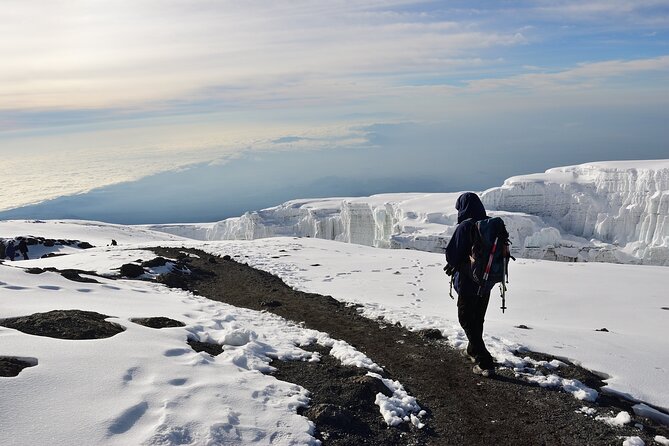
Day 7: Midnight Summit Push to Stella Point and Uhuru Peak
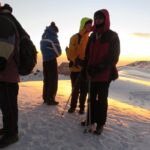
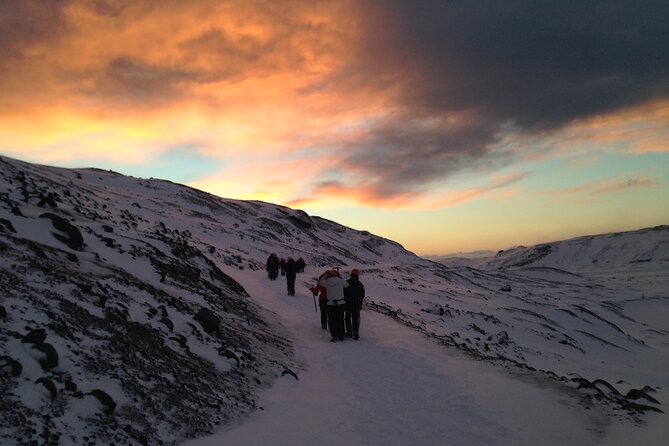
At midnight (or up to 12:00 am), you start climbing toward the summit between the Rebmann and Ratzel glaciers. The route heads northwesterly, ascending through heavy scree toward Stella Point on the crater rim.
- Stella Point: 18,600 ft
- Summit vibe: the most mentally and physically challenging part of Kilimanjaro trekking
- Sunrise window: you rest briefly at Stella Point and are rewarded with the most magnificent sunrise you are likely to see, weather permitting
- Final push: you may encounter snow to the summit
- Timing: listed at about 12 hours total for the day
From Stella Point, it’s about a 1-hour ascent to Uhuru Peak, reaching the highest point on Mount Kilimanjaro—and the continent of Africa. Fast hikers may move quicker, but the real win is reaching the top safely and with enough energy to descend.
Day 8: Descent to Mweka Park Gate and Drive Back to Arusha or Moshi
After breakfast, you continue your descent down to Mweka Park Gate. Vehicles meet you there and drive you back to your hotel in Arusha or Moshi.
- Time on final leg: about 3 hours (including the drive back time listed for the end of the experience)
- Hike vibe: relief, recovery, and that post-summit feeling where your body is slow but proud
Camp Life, Food, and the Reality of Sleeping High
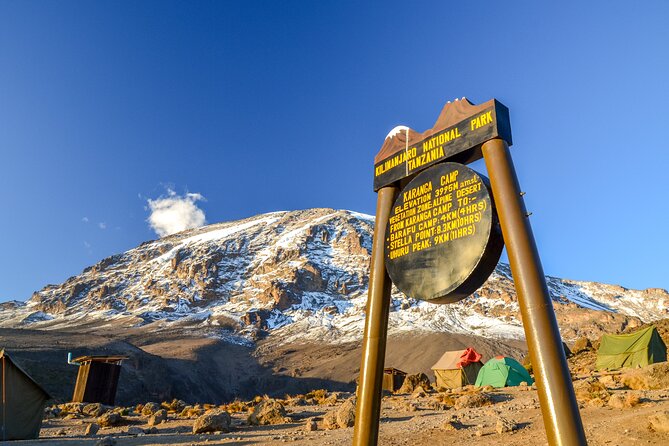
This trek is designed so you’re not constantly juggling meal logistics. Full board is specifically listed at several camps: Forest Camp (Big Tree Camp), Shira 2 camp, Karanga camp, and Barafu Hut Camp. On Day 4, full board is noted at either Shira 2 or Moir Hut depending on where you camp.
What that means for you is simple: less time thinking about meals and more time focusing on pacing, hydration, and sleep. And sleep is the big one at altitude. Even when your hike days are reasonable on paper, nights can feel longer and colder because temperature drops and your breathing works harder.
A helpful attitude for this trek is accepting that mornings are about function, not comfort. If you can get that mindset early, you’ll move more smoothly through the whole climb.
Guides, Small Group Dynamics, and the Pace That Gets You Up
This experience caps at maximum 7 travelers, which changes the feel in a good way. Smaller groups mean you can ask questions without shouting, get attention faster if someone is struggling, and keep the line moving steadily on rocky sections.
Guide quality is also a theme in the best accounts of this operator. Names that come up include Emanuel Mkumbo, who is described as looking after wellbeing and safety, plus Bryson and Franky in accounts praising how much the team helped make the journey manageable. I take that as a signal that the emphasis isn’t just on reaching the summit—it’s on guiding you through the hard moments with a steady hand.
One more practical detail: this route can be flexed between six to eight days depending on fitness. So if you’re strong and acclimatize well, you might tighten the schedule; if you need time, you’re not locked into a single rigid pattern. That flexibility can matter more than people expect.
Price and Value: Is $2,900 Worth It for This Kili Route?
At $2,900 per person, the value isn’t in the number alone. It’s in what’s included and what you’re buying: a structured route, guiding support, and a high chance of a well-managed acclimatization progression.
Here’s the value breakdown that’s explicitly supported:
- Pickup is offered (helpful because it reduces pre-hike hassle around Arusha/Moshi transfer timing).
- Group discounts are available (useful if you’re traveling with friends or can coordinate with others).
- Mobile ticket is provided.
- Park admission is included on Days 1–7, with Day 8 noted as admission free.
- Full board at multiple camps, so you’re not figuring out food on the trail.
- The group size is small (max 7), which usually translates to more consistent guidance.
In other words, you’re paying for more than a guided walk. You’re paying for a plan that manages altitude exposure, plus logistics that keep you from wasting energy on day-to-day coordination.
If you’re comparing options, I’d focus on the full package: admission coverage, meal coverage at camps, and the real group size. Those are the elements that affect how you experience the mountain every day.
Who This Trek Suits Best (and Who Should Think Twice)
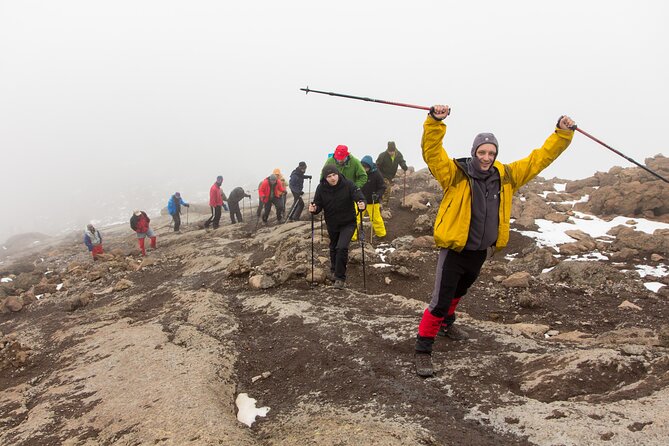
This hike is listed for travelers with a moderate physical fitness level. That’s encouraging, but “moderate” doesn’t mean easy. You’ll still be hiking for hours at high elevations, and summit night is described as the most challenging section.
You’ll likely love this route if:
- you want the most scenic route up Kilimanjaro, not just the fastest path
- you care about panoramic views from changing sides of the mountain
- you like the idea of a small group and guided pacing
You might think twice if:
- midnight summit pushing sounds like a deal-breaker emotionally, not just physically
- you prefer hikes where the hardest day is daylight and predictable
The mountain doesn’t negotiate. But a route like Lemosho gives you more tools to make the hardest day manageable.
Should You Book This 8-Day Lemosho Kilimanjaro Hike?
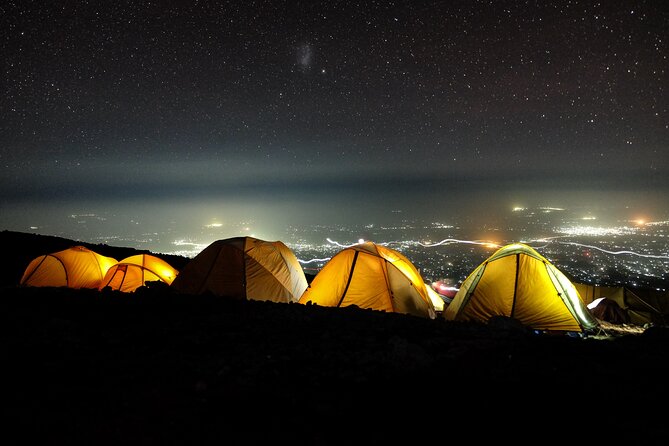
Yes, I’d book it if your priority is a scenic, well-paced route with a small-group feel and clear support through the big altitude days. The Lemosho approach is built for people who want views, not just a stamp in a passport.
Before you commit, do two things. First, be honest about your ability to keep a controlled pace during plateau and ridge days, not only on summit day. Second, plan around weather: the experience is stated as requiring good weather, and if it’s canceled due to poor weather, you’re offered a different date or a full refund.
If that sounds like the right fit, this is exactly the kind of Kilimanjaro trip that leaves you with more than a peak—it leaves you with the whole journey up.
FAQ
How long is the Kilimanjaro hike on the Lemosho route?
The hike is approximately 8 days.
What route is used for this Kilimanjaro climb?
It uses the Lemosho route, starting from Londorossi Gate and reaching camps across the mountain’s different zones before the summit push.
What is the maximum group size?
The maximum group size is 7 travelers.
Is pickup included?
Yes, pickup is offered.
Is the park admission included in the price?
Admission is included on Days 1 through 7, and Day 8 notes admission as free.
What fitness level do I need?
The experience recommends travelers have a moderate physical fitness level.
What happens if the weather is bad or I need to cancel?
The experience requires good weather. If it’s canceled due to poor weather, you’ll be offered a different date or a full refund. Cancellation is free up to 24 hours in advance for a full refund.