REVIEW · STAVANGER
Stavanger: Guided Hike to Kjerag Kjeragbolten
Book on GetYourGuide →Operated by Lysefjorden Adventure AS · Bookable on GetYourGuide
That boulder has a pull of its own. This guided day hike from Stavanger to Kjeragbolten and the Lysefjord viewpoints mixes serious mountain walking with a jaw-dropping reward when you reach the Kjerag area. The main consideration is that the hike can be cold, windy, and wet, so you need solid footing and weather-ready gear.
I love that you’re not doing it alone: the trip runs with a live guide, and people have talked about guides like Jakob and Teodor as patient and supportive when conditions get tough. With small groups capped at 8 and hotel pickup and drop-off, the logistics are simple enough that you can focus on the hike.
This is also a true long day: plan on about 13 hours from pickup to drop-off, and bring what you’ll need for your own comfort (especially food). If you’re not up for a steep, rocky hike or you have mobility or medical limits, this one may not be the right fit.
In This Review
- Key things to know before you go
- From Stavanger to the Eagle’s Nest trailhead
- Hiking Lysefjorden: why the scenery is more than a postcard
- Kjerug plateau break: the best kind of “just take a minute”
- Kjeragbolten: the iconic boulder, and the smart way to handle it
- The 13-hour rhythm: pace, breaks, and what to expect in your legs
- Price and value: what $165 is buying you
- What to bring (so weather doesn’t run the show)
- Who this hike suits best in real life
- Getting the most out of the day (small choices that matter)
- Should you book this Kjeragbolten guided hike?
- FAQ
- How long is the guided hike to Kjeragbolten?
- Where does the tour start in Stavanger?
- How large is the group?
- What languages are the guides?
- Is food included?
- What should I bring for the hike?
- Are hiking boots required?
- Can I expect to see BASE jumpers?
- Is the tour refundable if I cancel?
- Is this hike suitable for people with mobility impairments or medical conditions?
Key things to know before you go
- Small group cap (8 people) means more attention from your guide on a demanding route
- Hotel pickup and drop-off in Stavanger keeps you from juggling transport
- Kjerug plateau viewpoint time gives you a proper pause for photos and wind-buffed scenery
- Kjeragbolten moment can mean getting closer to the iconic boulder (only if conditions allow)
- Possible BASE jumper sightings if timing and daylight line up
- Bring your own water and ideally food since included meals are described inconsistently
From Stavanger to the Eagle’s Nest trailhead
The day starts with a hotel pickup in Stavanger, then you drive to the Eagle’s Nest area, which is the trailhead for this hike. That matters more than it sounds. You’re saving time, energy, and stress right at the start, and you’re also arriving with your guide’s plan already in motion.
Once you’re dropped at the start, the walking begins in earnest. This is not a casual stroll. Even before you reach the big-name spots, the terrain and elevation changes remind you that you’re hiking in real Fjord Norway, not a theme park trail.
One thing I like about trips like this is that you’re hiking with context. Your guide can point out what you’re seeing, when to expect shifts in wind, and when to slow down for safer footing. That helps because Kjerag-area weather can change fast, and small adjustments make the whole day feel more manageable.
You can also read our reviews of more guided tours in Stavanger
Hiking Lysefjorden: why the scenery is more than a postcard
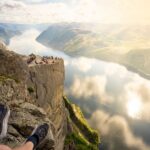
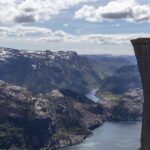
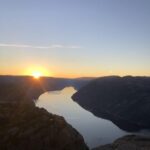
The route runs through the Lysefjorden region, and the experience is paced so you’re getting scenery along the way—not just at the end. The fjord here doesn’t sit still. Views change as you gain elevation and as the coastline curves out of sight, and that makes the hike feel like it’s building.
What you get on this hike is a mix of:
- long sightlines down toward the fjord
- changing rock and trail texture as you move between viewpoints
- frequent moments where you stop, look, then keep going
Those stops aren’t random. They’re part of how your guide keeps the group together and how you actually enjoy the day instead of just surviving it. And when the wind hits, you’ll understand why the guide’s timing matters—some breaks are better done in calmer pockets while others are ideal for quick photo windows.
If you’re the type who likes to understand what’s around you, this is the part where the guide adds value. You’ll get practical direction on where to watch footing, but also what you’re looking at across the fjord as the route unfolds.
Kjerug plateau break: the best kind of “just take a minute”
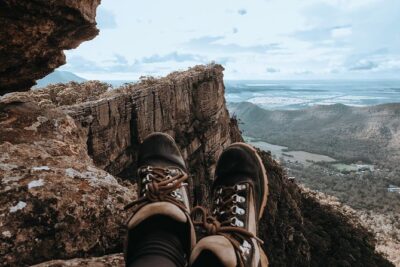
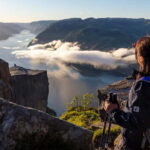
After the initial hiking, you reach the Kjerug plateau. This is where the mood changes from “get there” to “take it in.” You’ll spend some time enjoying the vista, and that pause is one of the most worthwhile parts of the day.
Why? Because the plateau stop gives you the chance to:
- take photos before the next push
- assess the weather and wind direction before you go further
- catch your breath and reset your energy
If the conditions are working in your favor, this is also a good moment to ask yourself a simple question: how am I feeling right now? You can’t control the weather, but you can control your pacing. That plateau break is the place to make smart choices about how you handle the final approach to the most famous feature on the route.
Even if you don’t plan to do anything extra, this pause makes the whole hike feel more balanced. Without a stop like this, long hikes can turn into one continuous grind.
Kjeragbolten: the iconic boulder, and the smart way to handle it
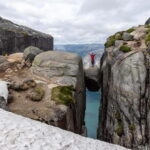
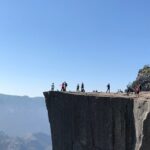
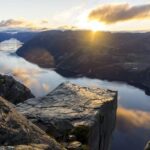
The headline is Kjeragbolten, the famous boulder wedged high above the fjord. Your guide will bring you to the area where you can potentially get very close—sometimes even climbing on the boulder if timing and conditions make it safe.
Here’s the key: this is not a “just do it” moment. You’re hiking in wind, cold, and changing light. You need to follow your guide’s cues about when it’s appropriate to approach, where to stand, and how to get back safely. This is also the part of the day where nerves are normal. You’re dealing with heights and uneven footing.
What I’d recommend from a planning standpoint:
- Keep your focus on three things: traction, spacing from others, and your ability to move back the same way you came
- If the boulder area looks slick or the wind is gusting hard, take the view from a safer distance
- Treat any time spent climbing or posing as bonus time, not the purpose of the hike
When conditions are right, reaching Kjeragbolten feels like the payoff you came for. When conditions aren’t right, you can still get an unforgettable fjord viewpoint experience. Either way, your guide’s judgment is the safety net here.
One extra detail that makes this moment extra memorable: depending on timing, you might even see BASE jumpers diving from cliffs down into the fjord. It’s not something you should count on, but the possibility adds a little extra buzz to the Kjerag area atmosphere.
The 13-hour rhythm: pace, breaks, and what to expect in your legs
A 13-hour day sounds long, because it is. The length matters because it shapes how you should prepare. This hike is a full-day effort with a drive component plus time at the viewpoints.
In practical terms, you should expect:
- a drive to the trailhead before you even start hiking
- sustained time on the trail with multiple viewpoint breaks
- a long enough time at the Kjerug plateau to actually enjoy it
- a return hike back through the fjord scenery
- a final drive back to your hotel in Stavanger
The best way to make it feel “manageable” is not to race at the start. Start steady, drink water early, and don’t wait until you feel exhausted to slow down. On hikes like this, your energy management tends to decide the quality of your experience more than your speed does.
Also note that you’re responsible for carrying your own gear. That means if you pack light but smart, your day will feel easier. If your bag is heavy or bulky, you’ll feel it on every step.
You can also read our reviews of more hiking tours in Stavanger


Price and value: what $165 is buying you
At about $165 per person, you’re paying for more than a trail. You’re paying for:
- a live guide (English and Norwegian)
- transportation plus hotel pickup and drop-off
- a small group format that helps with pacing and safety on a challenging route
Value here comes from reducing decision fatigue. If you had to self-navigate the timing, logistics, and safety factors on your own, the cost would look different once you factor in transport and the stress of figuring out the route under uncertain conditions.
In plain terms: this price buys you a guided, supported day so you can focus on the views and the hike itself. And because the group is limited to 8, you’re not getting shoved into a cattle line.
What to bring (so weather doesn’t run the show)
The hike goes where the wind goes, which means you need to dress for changing conditions. The essentials are simple, but don’t cut corners.
Bring:
- hiking shoes with good grip (boots are strongly encouraged, approach shoes at minimum)
- weather-appropriate clothing, ideally warm, windproof, and waterproof layers
- a backpack you can comfortably carry all day
- water in a container you can refill along the trail
Food is the one tricky part. The hike description talks about a packed lunch and snacks, but the practical notes say lunch is not provided and food and drinks are listed as not included. So I’d treat this as a bring-your-own-food situation to avoid surprises. Even if you end up with snacks, you’ll feel better if you have your own lunch ready.
If you’re prone to getting cold on hikes, add an extra warm layer. Cold feet and stiff hands are what ruin the enjoyment on long fjord hikes.
Who this hike suits best in real life
This guided hike is best for people who want a big, outdoor day and who are comfortable walking uphill on rugged terrain. It’s listed as not suitable for people with mobility impairments and not suitable for those with pre-existing medical conditions.
You’ll likely enjoy it if you:
- like challenging hikes and don’t mind a long day
- want the Kjerag area without worrying about logistics
- appreciate guides who keep a group moving patiently and safely (guides like Jakob and Teodor have a reputation for being supportive and good at keeping things calm)
If you’re expecting a gentle walking tour with lots of flat time, this won’t match that mood. This is an active hike with viewpoint rewards.
Getting the most out of the day (small choices that matter)
A few small tactics can make the difference between a stressful day and a satisfying one:
- Start with a steady pace and let the guide set the rhythm. You’ll conserve energy for later.
- Use the plateau stop to decide how you’ll handle Kjeragbolten. No hero moves if conditions look rough.
- Take photos in short bursts. Long photo sessions can mean long exposure to wind.
- Stay hydrated early, not just when you’re already tired.
- Keep your pack organized so you can access water and layers quickly without stopping every few minutes.
And if you get the kind of weather that forces you to grip the trail with extra care, don’t see it as failure. The challenging conditions are part of why the views feel earned.
Should you book this Kjeragbolten guided hike?
Book it if you want a guided, high-reward fjord hike from Stavanger with a small group, viewpoint time at Kjerug, and a real shot at experiencing Kjeragbolten up close under a guide’s supervision. The combination of hotel pickup, English-speaking guidance, and the long, scenic Lysefjorden route gives you a lot for the money.
Skip it (or choose another format) if you’re dealing with mobility limits or medical constraints, or if you know cold, wind, and steep uneven footing will be too much. This is a hike day, not a sightseeing day.
FAQ
How long is the guided hike to Kjeragbolten?
The duration is listed as 13 hours.
Where does the tour start in Stavanger?
You get hotel pickup in Stavanger, and the hike begins after a drive to the trailhead area.
How large is the group?
The group is small, limited to 8 participants.
What languages are the guides?
The live tour guide is available in English and Norwegian.
Is food included?
Food and drinks are listed as not included, and the notes suggest bringing your own lunch.
What should I bring for the hike?
Bring hiking shoes, weather-appropriate clothing, and water. A suitable backpack is also recommended so you carry your own gear.
Are hiking boots required?
Hiking boots are strongly encouraged, or approach shoes at the very least.
Can I expect to see BASE jumpers?
If timing is right, you may see BASE jumpers diving from cliffs down toward the Lysefjord area, but it’s not guaranteed.
Is the tour refundable if I cancel?
Yes. You can cancel up to 24 hours in advance for a full refund.
Is this hike suitable for people with mobility impairments or medical conditions?
No. It is not suitable for people with mobility impairments, and it is also not suitable for people with pre-existing medical conditions.
If you want, tell me your fitness level and typical hiking time, and I’ll help you gauge whether 13 hours with changing fjord weather sounds realistic for you.