REVIEW · BIG ISLAND OF HAWAII
Guided 3-Hour Hike in Volcanoes National Park
Book on Viator →Operated by Volcanoes Hiking Guides · Bookable on Viator
Three hours, one crater, and real volcanic heat. That’s what makes this guided walk special: you head down into Halemaumau Crater and get up close with steam vents, sulfur deposits, and a rainforest that somehow grows in a place that still feels alive. I especially liked the way the licensed guide (the kind of clarity I’ve seen from guides like Jennifer and Yvonne) ties what you see to Hawaiian stories, plants, and animals, and I liked that trekking support is included with backpacks and trekking poles. One possible drawback: the Volcanoes National Park entrance fee is not included (it’s extra), and the experience depends on good weather.
The format is a solid, moderate hike at about 3 hours, with a maximum of 10 travelers, so you’re not lost in a crowd. You start and finish at the Kīlauea Visitor Center (1 Crater Rim Drive, Volcano, HI 96785), which makes it easy to build into the rest of your day.
If timing and conditions line up, the payoff is dramatic: you reach the bottom of the crater for a view of the lava lake, then finish with wide crater views, plus Moana Loa in the distance. And yes, one group even had a small eruption a couple hours after their tour, which shows how quickly the volcano can change the mood of the day.
In This Review
- Key things I’d watch for on this 3-hour Kīlauea hike
- Entering Halemaumau Crater from the Kīlauea Visitor Center
- First mile payoff: steam vents and sulfur deposits
- Rainforest on the crater walls: tree ferns, ohia, and honeycreepers
- The calm before the dramatic: lowering your expectations and raising your senses
- Reaching the crater floor: the lava lake moment
- Finishing strong: views back up toward Kīlauea and Mauna Loa
- Price, value, and what your $120 actually covers
- Small group (max 10) and guides who teach while you walk
- Who should book this hike?
- Should you book this Volcanoes National Park crater hike?
- FAQ
- How long is the guided hike?
- What is included in the $120 ticket?
- Do I need to pay Volcanoes National Park fees?
- Where does the tour start and end?
- What fitness level do I need?
- What happens if the weather is bad?
Key things I’d watch for on this 3-hour Kīlauea hike
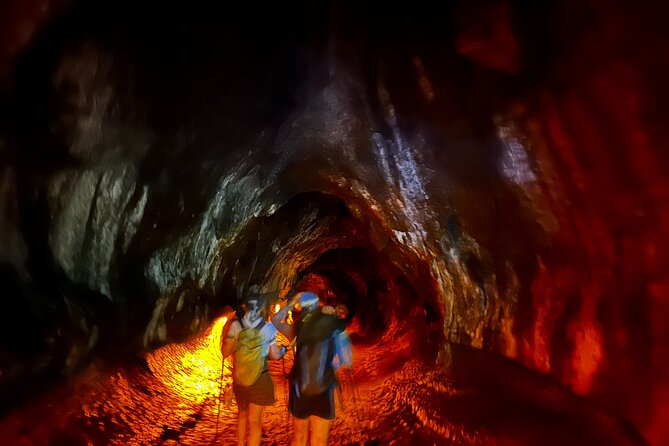
- Halemaumau Crater descent in the first mile: early steam vents and sulfur deposits set the tone fast
- Small-group pacing: max 10 travelers keeps it more personal and easier to hear the guide
- Rainforest inside volcanic terrain: tree ferns, ohia trees, and honeycreeper birds show how life adapts here
- Crater-floor lava lake views: the walk down culminates at the most powerful sight on the route
- Big-island perspective at the end: Kīlauea crater views with Mauna Loa/Moana Loa in the distance
Entering Halemaumau Crater from the Kīlauea Visitor Center
This tour starts at the Kīlauea Visitor Center on Crater Rim Drive. That location matters because you’re not cobbling together a self-guided plan on the fly; you’re getting dropped into a real route right away, with a licensed guide.
The hike is about 3 hours total, and it’s designed for people with moderate physical fitness. The key word here is moderate: you should be comfortable with uneven ground and a noticeable descent and climb, but it’s not described as a marathon. With a max of 10 travelers, you’ll usually find it easier to keep pace and ask questions without yelling.
First mile payoff: steam vents and sulfur deposits
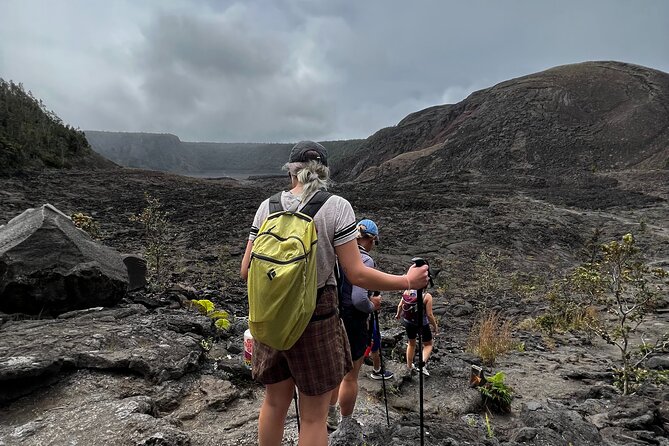
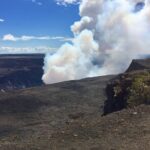
The early part of the hike is where you’ll feel the volcano under your feet. In the first mile, you’ll see remnants of an active volcano, with steam vents releasing that unmistakable geothermal character, plus sulfur deposits that help explain what you’re looking at.
I like this start because it’s not just scenery. It’s your orientation to the crater itself—why the ground looks the way it does, why the air can smell a bit intense in places, and what volcanic activity means at eye level instead of from a distant viewpoint.
One practical note: because this tour requires good weather, the experience can shift if rain moves in. You’ll be better off if you’re mentally ready for the route to be damp or slippery and you keep close to your guide’s cues.
Rainforest on the crater walls: tree ferns, ohia, and honeycreepers
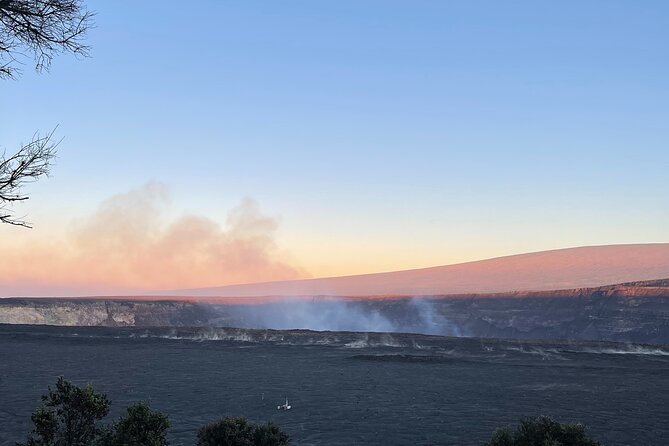
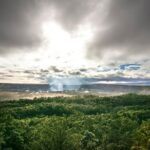
After the initial volcanic signals, the hike turns into something more surprising: rainforest life inside a volcanic crater. You’ll pass tree ferns, ohia trees, and listen for honey creeper birds as you go.
What makes this section worth your time is the contrast. You’re walking through a place where land is shaped by heat and chemistry, yet plants and birds have found ways to survive there. The guide’s explanations help you go from wow, nature is here, to understanding how these species handle harsh conditions.
From what I’ve seen in the way guides like Jennifer run the tour, you can expect more than a plant list. You’ll also hear Hawaiian legends and context that give the biology and the geology the same level of attention. That’s the difference between seeing something and actually reading it.
The calm before the dramatic: lowering your expectations and raising your senses
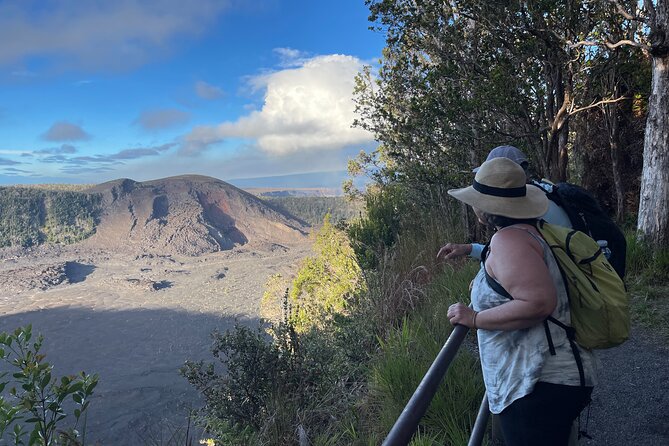
As you get closer to the bottom of the crater, your focus changes. The air can feel different, the ground can look more textured, and the route tends to demand more attention than your earlier stops—especially if weather has been rough.
This is also where having trekking poles included becomes more than a nice-to-have. Even if you’re a confident hiker, poles help on descents and give you stability when footing gets tricky.
I’d treat this section as your “settle in” phase. Ask questions when you have them, keep your rhythm, and don’t burn energy racing ahead. The best sights are waiting farther down.
Reaching the crater floor: the lava lake moment

The headline here is straightforward: at the bottom of the Kīlauea crater, you’ll see the magnificence of the lava lake. It’s the kind of moment that changes your whole mental picture of Kīlauea—from a volcanic region on a map to something active and immediate.
Walking on the crater floor is a real highlight on this route, and it’s not an abstract thrill. You’re standing in an environment shaped by force, heat, and time, and the guide can connect the view to how volcanic systems work and what makes this area so closely watched.
If you’re wondering what the guide does for the lava lake, it’s mostly interpretation: what you’re looking at, why it matters, and how it fits into the bigger picture of Kīlauea. One group also had exciting timing, with a small eruption happening a couple hours after their tour, which is a reminder that this area doesn’t run on human schedules.
Finishing strong: views back up toward Kīlauea and Mauna Loa
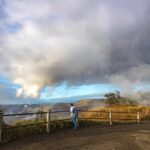
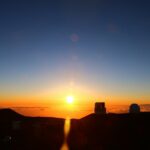
After the lava lake payoff, you’ll work your way back out with big crater views. The tour is designed to land you with a final perspective: Kīlauea crater views that stretch out, plus the presence of Moana Loa in the distance.
I like this ending because it helps you reframe what you just experienced. The descent is intense and close-up; the climb gives you scale. You end with a view that makes it easier to understand the volcanic landscape beyond the path—without needing to read a geology book on the spot.
And since the hike ends back at the meeting point, you’re not stuck trying to figure out transport or timing at the end of the day. It’s a tidy loop.
Price, value, and what your $120 actually covers
The price is $120 per person for the guided hike, and it includes a licensed guide plus backpacks and trekking poles. That’s not just fluff: trekking poles in particular can make a meaningful difference on a crater hike, and a licensed guide is what keeps your stops informative and your pace safer.
What’s not included is the National Park entrance fee: $15 per person. In other words, plan for about $135 total per person once you add the park fee.
Is that good value? For me, yes—especially if you prefer guided interpretation over wandering on your own. You’re not paying for a long bus ride or a dinner. You’re paying for a focused 3-hour walk with real access to the crater floor view, plus gear to help you handle the terrain.
Also, this hike is often booked in advance (on average, 71 days). If you’re traveling in a busy season or you want a specific day, I’d treat this as something to reserve early rather than shopping last minute.
Small group (max 10) and guides who teach while you walk
A max group size of 10 travelers is a big deal on a hike like this. It makes a difference for hearing the guide, getting questions answered, and adjusting the pace without holding everyone hostage.
The guide-led element is where the experience earns its high rating. In the experiences I’ve seen described, Jennifer and Yvonne stand out for organization and clear explanations—talking about volcanoes, the plants and animals you’re seeing, and Hawaiian legends that connect the natural world to local culture. One guide also showed up prepared with hiking sticks and jackets and backpacks, which is exactly the kind of readiness that helps when weather turns.
Even if rain or clouds roll in, the format stays the same: you still get the route, the interpretation, and the crater-floor highlight. One group reported it rained the whole time and still found it very interesting, which is a solid reminder that you’re booking the hike and the guide, not just perfect skies.
Who should book this hike?
You’ll enjoy this most if you want a guided walk that mixes geology with living things. If your ideal volcano day includes steam vents, rainforest plants, birds, and a dramatic lava lake viewpoint, this fits.
It’s also a good pick if you like smaller groups. A max of 10 keeps things manageable and helps you feel like you’re learning, not just moving.
If you’re looking for a mostly flat scenic stroll, this is probably not your match. It’s described as a hike with moderate physical fitness needed, and the descent and climb within the crater context usually means you’ll feel it in your legs.
Should you book this Volcanoes National Park crater hike?
Book it if you want a guided, high-impact volcanic experience in a short window. The value is strong because the guide-led interpretation and included trekking poles/backpacks make it more than just a view. I’d also book it if you care about context—hearing explanations about what you’re seeing, plus Hawaiian legends, makes the whole hike feel more meaningful.
Think twice if rain is a deal-breaker for you or if you don’t want to pay the extra National Park entrance fee. Also, if you’re worried about moderate fitness demands, you should plan carefully before committing.
If you’re on the fence, here’s the easiest decision rule: if you’re the type who likes understanding what’s going on while you walk, and you want the crater-floor moment, you’ll likely feel glad you went. If you mainly want easy sightseeing, you might prefer a less demanding option.
FAQ
How long is the guided hike?
The hike is about 3 hours.
What is included in the $120 ticket?
The tour includes backpacks and trekking poles, plus a licensed guide.
Do I need to pay Volcanoes National Park fees?
Yes. The National Park entrance fee and the Volcanoes National Park admission fee are listed as $15.00 per person and are not included in the $120 price.
Where does the tour start and end?
It starts at the Kīlauea Visitor Center, 1 Crater Rim Drive, Volcano, HI 96785, USA, and ends back at the same meeting point.
What fitness level do I need?
The tour notes that travelers should have a moderate physical fitness level.
What happens if the weather is bad?
This experience requires good weather. If it’s canceled due to poor weather, you’ll be offered a different date or a full refund.