Hualalai’s craters feel close enough to touch. This Hidden Craters Hike of Kona pairs volcanic scenery with an intimate, small-group pace, and guides such as Mark, Matteo, and Taro do a great job turning geology into real-life stories. I especially like the private land access behind locked gates and the hands-on hiking support like walking sticks and rain gear. The main catch is that this is not a casual stroll: you need solid hiking footing for uneven, rocky trails and a climb/descend of up to 1,000 feet.
You’ll start early, check in at Hawaii Forest & Trail, then head out for a roughly 5-hour morning built around a multi-hour hike on Hualalai’s upper slopes. Expect a route that can include lava-tube sections and plenty of time on rugged volcanic terrain, with snacks and filtered water to keep you going. Wear real hiking shoes, and if you’re dealing with back/neck issues or limited balance, it’s worth thinking twice before you sign up.
In This Review
- Key Highlights You’ll Care About on This Kona Hike
- Hidden Craters on Hualalai: What Makes This Kona Hike Worth It
- Price and Logistics: What You’re Actually Paying For
- Getting There Early: The 7:30 AM Start and Check-In Flow
- Stop 1 at Hawaii Forest & Trail: What Happens Before the Climb
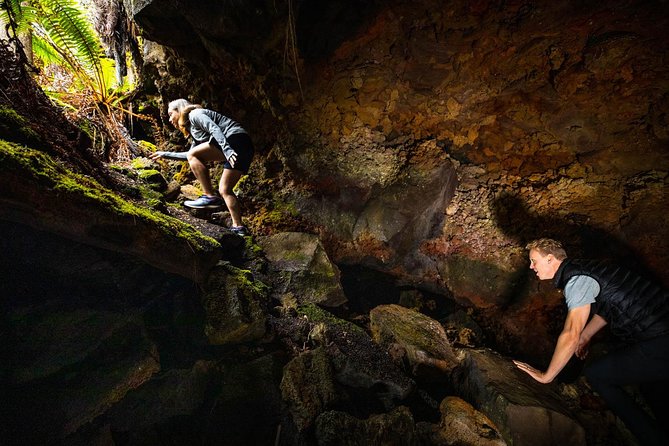
- Stop 2 on Hualalai: Private Land, Craters, and the Lava Tube Moment
- How Hard Is It Really: Distance, Elevation, and Footing
- The Guides: Mark, Matteo, Taro, and Why Their Style Matters
- What’s Included: Snacks, Water, Gear, and Why It Improves the Hike
- When the Weather Changes the Plan
- Who This Kona Hike Is Best For (and Who Should Skip)
- Should You Book This Hidden Craters Hike of Kona?
- FAQ
- What time does the Hidden Craters hike start?
- Where do I meet for the tour?
- How long is the hike?
- How far and how much elevation is involved?
- What should I wear and bring?
- Is hotel pickup included?
- Can cruise ship guests join?
Key Highlights You’ll Care About on This Kona Hike
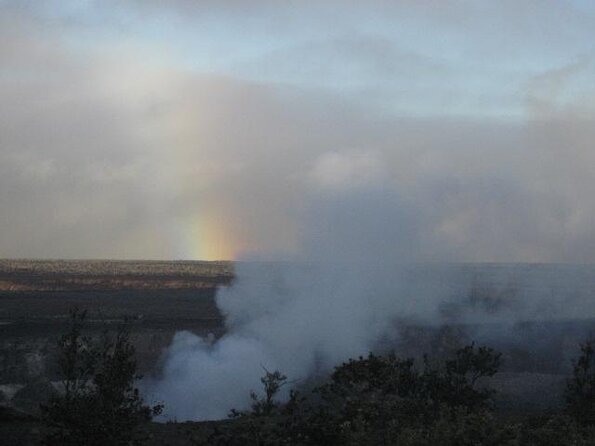
- Private-gate access to Hualalai’s upper slopes, not just a drive-by view
- Small group size (max 10) for a calmer, safer feel on tricky ground
- Up-close geology: craters, lava formations, and a route that can include a lava tube segment
- Included hiking support: walking sticks, daypacks, rain gear, and filtered water
- Guides who connect science to place, with guides like Mark, Matteo, and Taro frequently mentioned
Hidden Craters on Hualalai: What Makes This Kona Hike Worth It
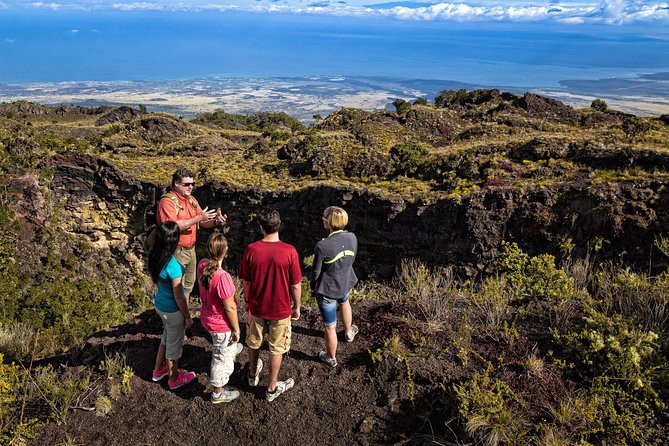
If you love Hawaii’s volcano talk, this hike is where the words turn into something you can see and walk on. Instead of staying at overlooks, you get moving on the actual slopes of Hualalai, with access that’s more “field trip” than “photos only.”
Two things consistently drive the value for me. First, the locked-gate, private-land access means you’re reaching areas most people never get near. Second, the tour is built for hiking comfort: you’re not just handed a route and wished luck—you get sticks, daypacks, rain gear, and snacks along the way.
The downside is simple: the terrain is uneven and rocky. The hike is rated moderate, but some people find it harder than expected because traction matters and there can be slippery spots after rain.
Price and Logistics: What You’re Actually Paying For
At $198.95 per person, this isn’t a budget activity. But look at what’s included: a naturalist guide, access fees, local taxes, refillable filtered water plus juice and sparkling flavored waters, snacks, and hiking gear like walking sticks and rain gear. If you’ve ever tried to cobble together that kind of support on your own, the price starts to make more sense fast.
Also, you’re paying for time and control. With a 5-hour morning and a small group capped at 10, you’re more likely to get pacing that fits real hiking bodies rather than a rushed conga line. The tour also starts and ends back at the meeting point, and there’s no hotel pickup, so plan on getting yourself to Hawaii Forest & Trail.
Getting There Early: The 7:30 AM Start and Check-In Flow
The tour begins at 7:30 am at Hawaii Forest & Trail in Kailua-Kona. Plan to check in about 15 minutes early, and you’ll have restrooms available at the start.
After check-in, there’s about a 30-minute drive to the trailhead. That matters because it keeps the hike focused on hiking time, not just sitting in a vehicle all morning. It also means you should bring what you need for a quick warmup and keep an easy attitude about a slightly early start.
The tour ends back at the same meeting point. So you’ll want to keep your day flexible afterward, especially if you’re the kind of person who likes to linger for photos and just breathe the air for a minute.
Stop 1 at Hawaii Forest & Trail: What Happens Before the Climb
Stop 1 is short but important: this is where you get set up for real traction and comfort. You’ll meet at the headquarters location and handle check-in, then move out toward the trailhead.
This is also where you’ll see the support system in action. Expect walking sticks and rain gear, plus daypacks. In a place known for sudden showers or damp trail conditions, having that gear ready instead of trying to rent or improvise is a big deal.
Wear your shoes before you show up. The tour specifically requires closed-toe walking shoes or hiking boots, and you’ll thank yourself for that when the ground turns rocky or slick.
Stop 2 on Hualalai: Private Land, Craters, and the Lava Tube Moment
The main event is where the tour earns its name. On Hualalai, you’ll venture onto private land behind 3 locked gates, exploring the upper slopes with dramatic views and a route that keeps you close to volcano features.
You’ll be hiking for about 4 hours on a trail described as roughly a 4-mile trek. That distance doesn’t sound huge on paper, but the key detail is elevation: you may gain and descend up to about 1,000 feet total, on uneven or rocky terrain.
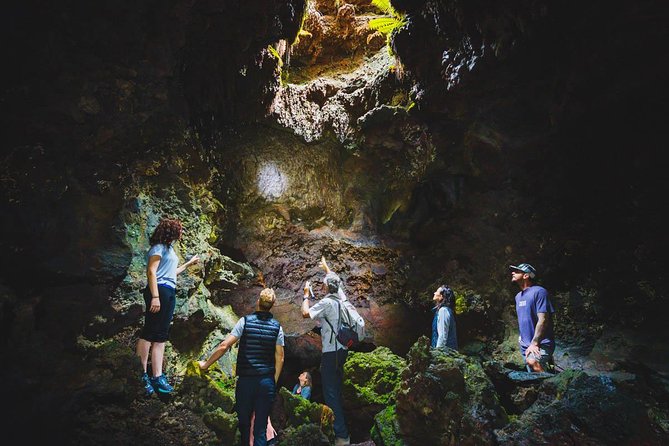
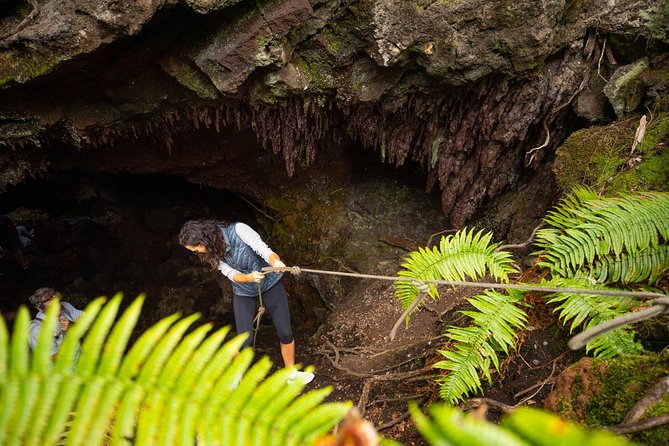
This route can also include a lava tube segment. Several guides and route descriptions mention climbing in and out of the lava tube as a fun technical moment that adds variety beyond crater rims and open volcanic flows. If you’re expecting a level trail, adjust your mental picture. This is a hike with real movement and some hands-on scrambling.
One more thing to keep in mind: the route can feel very different after rain. Even if the hike is still manageable, slippery spots can make it feel harder on your knees and ankles, especially on descents.
How Hard Is It Really: Distance, Elevation, and Footing
The hike fits people with moderate physical fitness who can handle 3 to 4 miles of uneven, rocky terrain with up to 1,000 feet of elevation gain and descent. The tour also notes the hike can be tricky depending on trail conditions, so balance and stable footing matter.
A few practical tips based on what the terrain demands:
- If you have knee trouble, plan for the descent. Loose gravel and slick spots can make your knees work.
- If you’re not used to elevation changes, give yourself patience. People who rush tend to feel it faster.
- If you struggle with balance, even provided sticks won’t change physics. Consider skipping if you’re not confident on uneven ground.
A note on age and health: it’s not recommended for children 7 and under, and it’s not recommended for participants with back or neck problems. Those limits aren’t small warnings—they’re about safety on a rugged route with uneven footing.
The Guides: Mark, Matteo, Taro, and Why Their Style Matters
Good guides don’t just tell facts. They shape your pace, keep you safe, and help you understand what you’re actually seeing.
This tour commonly highlights guides like Mark, Matteo, and Taro, each described as passionate and attentive in different ways. You’ll often feel the guide adjusting breaks based on how people are doing on the trail. That shows up most on steeper segments and during slower moments for photos or a better look at crater features.
Another guide skill you’ll appreciate: storytelling that connects the volcano to place. You’ll hear explanations of Hawaiian culture and natural history alongside the geology, so the hike feels more like learning a landscape you can walk through—without turning it into a lecture marathon.
If you enjoy hiking with a sense of humor and clear instructions, you’ll probably feel at ease quickly. That matters when you’re moving through lava formations where footing matters.
What’s Included: Snacks, Water, Gear, and Why It Improves the Hike
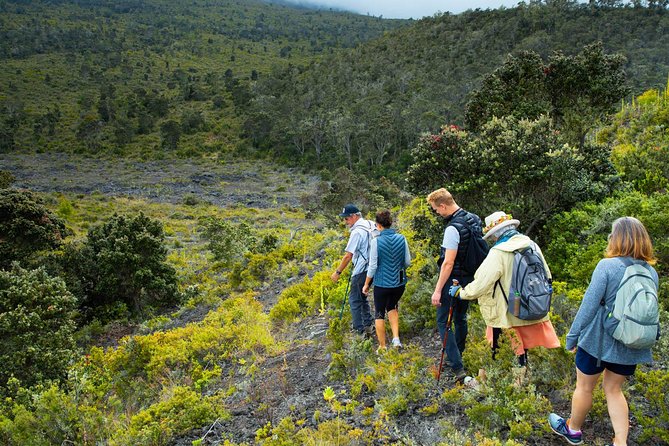
This is the kind of hike where the included items don’t feel like a checkbox. You get:
- Refillable filtered water
- Juices and sparkling flavored waters
- Snacks to keep energy up
- Walking sticks, daypacks, and rain gear
- Access fees and local taxes
That gear is especially useful because the route can be slippery. Walking sticks can take pressure off your legs and help with balance when the ground is uneven. Rain gear is useful not only for storms but also for damp trail surfaces that can make loose gravel act more like ball bearings.
Bring your own light sweatshirt or jacket, especially for a morning start. Even on Hawaii mornings, cooler air on the climb can make you appreciate a layer.
When the Weather Changes the Plan
This experience depends on good weather. If conditions aren’t right, you can be offered another date or a full refund.
That’s important on this particular route. Volcanic trails can get slick fast, and the tour involves uneven surfaces plus possible lava-tube movement. If you’re traveling in a rainy season, keep an eye on the forecast and don’t assume every morning will be ideal.
Who This Kona Hike Is Best For (and Who Should Skip)
This hike is a strong match if you:
- Want volcano access that goes beyond standard overlooks
- Like hikes with a mix of crater views, lava formations, and forest segments
- Can hike 3 to 4 miles on uneven, rocky ground with elevation changes
- Appreciate a small-group pace and a guide who talks while keeping you safe
It’s not a great fit if you:
- Have back or neck issues
- Struggle with balance on slippery surfaces
- Need a paved, flat walk
- Are looking for a stroller-friendly or low-effort outing
- Are cruising and were hoping timing would line up. Cruise ship guests can’t be accommodated due to timing restrictions.
If you’re a confident hiker, you’ll likely find the technical parts fun rather than stressful—especially the lava tube moment and the crater-rim walking.
Should You Book This Hidden Craters Hike of Kona?
Yes, if you want a genuine volcano hike with private access, small-group control, and enough included gear to hike comfortably. This is a practical way to get up close to Hualalai without worrying about trail logistics, equipment rentals, or whether you’ll find the right route.
Before you book, be honest about your hiking comfort. If your knees get cranky on descents, or if uneven, rocky terrain makes you tense, choose a different activity. If you’re comfortable on moderate trails and enjoy learning while moving, this one is a high-value morning on the Big Island.
FAQ
What time does the Hidden Craters hike start?
The tour starts at 7:30 am. You should check in about 15 minutes early at Hawaii Forest & Trail.
Where do I meet for the tour?
You meet at Hawaii Forest & Trail, address 73-5593 A, 73-5593 Olowalu St, Kailua-Kona, HI 96740. The tour ends back at the same meeting point.
How long is the hike?
The total duration is about 5 hours. The Hualalai hiking portion is about 4 hours, with travel time added for the day.
How far and how much elevation is involved?
You should be able to hike 3 to 4 miles on uneven or rocky terrain, with up to 1,000 feet of elevation gain and descent.
What should I wear and bring?
Wear closed-toe walking shoes or hiking boots. The tour recommends shorts and a short-sleeved shirt, plus bringing a light sweatshirt or jacket.
Is hotel pickup included?
No. There is no hotel pickup or drop-off, so plan to get yourself to the meeting point.
Can cruise ship guests join?
No. Cruise ship guests can’t be accommodated on this adventure due to timing restrictions.