REVIEW · BIG ISLAND OF HAWAII
Volcanoes National Park: Guided, Small-Group Hike
Book on Viator →Operated by Volcanoes Hiking Guides · Bookable on Viator
Volcano days in Hawaii hit different. This guided, small-group hike threads through the park’s best sights—Kīlauea crater views included—without making the day feel like a cram session. I especially like the personalized small-group feel and the fact that you eat well along the way, not just snack and hope. One thing to consider: you’ll need to budget the separate Volcanoes National Park pass and admission fees, since they’re not in the tour price.
This isn’t a marathon, but it is real hiking. You’ll get a morning start with breakfast, plus snacks and a gourmet picnic lunch, and your guide sets a pace that works for the group.
You’ll also move through totally different parts of the park in one day: Halemaʻumaʻu and its ongoing activity, Kīlauea Iki’s hardened lava “lake,” the Thurston Lava Tube, and then a native Hawaiian forest. It’s a lot of ground, and the best part is that your guide keeps connecting the scenery to what’s happening geologically.
In This Review
- Key Highlights You’ll Care About
- Kīlauea Visitor Center Start: Where the Day Gets Ordered
- Halemaʻumaʻu Crater: Ongoing Activity and Big Views
- Kīlauea Iki Trail: Crossing a Hardened Lava Lake
- Nahuku to Thurston Lava Tube: The Underground Cool Down
- Lunch Picnic With a View: Food That Fits the Terrain
- Native Hawaiian Forest Finish: When the Park Changes Moods
- Guides Who Make It Feel Tailored, Not Scripted
- Price and Value: What $220 Covers (and What Doesn’t)
- What’s Included vs. What You Should Bring
- Who Should Book This Hike (and Who Should Rethink It)
- Should You Book This Volcanoes National Park Guided Hike?
- FAQ
- Is this hike private or small-group?
- How long is the hike?
- What fitness level do you need?
- What food and gear are included?
- Do I need a Volcanoes National Park pass?
- What’s the meeting point?
- What happens if the weather is bad?
Key Highlights You’ll Care About
- Small-group, private feel: it’s limited to just your group, so questions don’t get lost.
- Halemaʻumaʻu first: you start at the Kīlauea Visitor Center and head into the action zone.
- Kīlauea Iki lava-lake walk: you hike across hardened volcanic ground safely on established routes.
- Thurston Lava Tube stop: one of the park’s top attractions happens about halfway through.
- Food that actually fuels the hike: breakfast, snacks, and a lunch picnic with a lookout vibe.
- Weather and pace flexibility: guides adjust for changing conditions and what you want to focus on.
Kīlauea Visitor Center Start: Where the Day Gets Ordered
The tour begins at the Kīlauea Visitor Center on Crater Rim Drive, and it ends back at the same meeting point. That matters because it cuts down on logistics and keeps you focused on hiking, not figuring out how to get between sites.
Timing is set for a half-day style outing—about 6 hours 30 minutes—but the hike itself is closer to an 8-mile custom route. The route moves at a good walking rhythm, with stops built in so you can take photos, listen, and catch your breath when the terrain changes.
The day is designed for moderate physical fitness. You don’t need to be an ultra-athlete, but you should feel comfortable walking for hours on uneven volcanic ground. Trekking poles help with footing, and you’re provided with gear like backpacks and trekking poles, which is a smart inclusion for this park.
Halemaʻumaʻu Crater: Ongoing Activity and Big Views
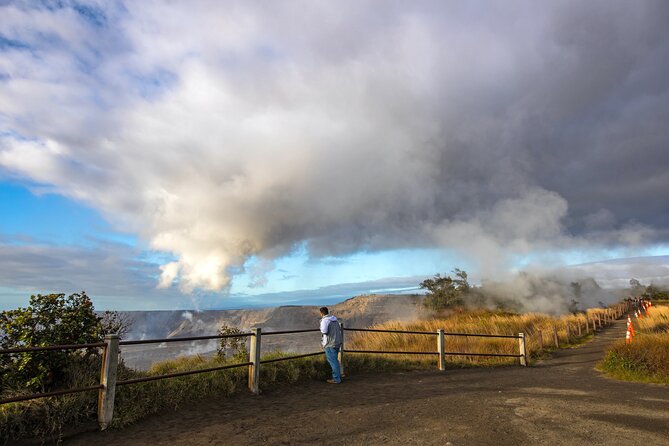
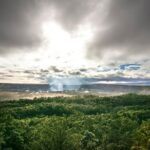
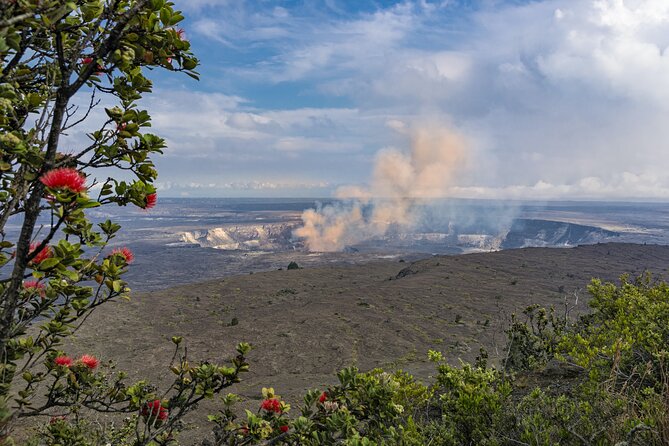
Your hike starts by heading into Halemaʻumaʻu Crater from the visitor center area. This crater has been seeing lava eruptions since December 23, 2024, typically about once every week or two.
Now, an important reality check: volcanic activity can be unpredictable. What your guide can do is help you understand what you’re seeing from where you are standing—how to read heat, glow, steam, and the way the terrain was shaped. That “make sense of it” framing is one of the biggest reasons people book this kind of guided hike.
The “Halemaʻumaʻu first” approach also pays off in how the day unfolds. Starting early gives you the best chance at clearer visibility and calmer conditions. And emotionally, it sets the tone: you’re not just sightseeing old rock; you’re walking through an active system.
Kīlauea Iki Trail: Crossing a Hardened Lava Lake
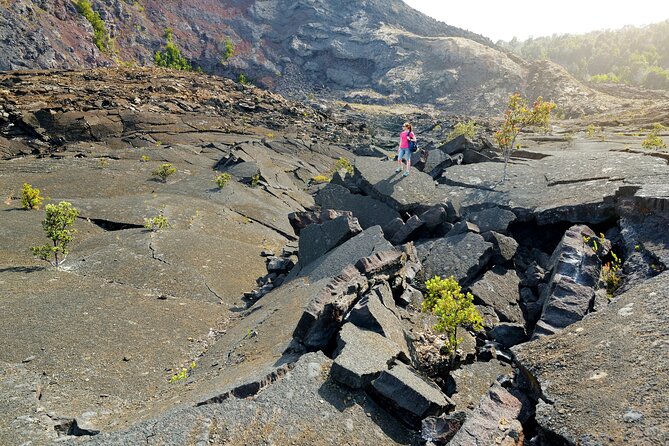
After Halemaʻumaʻu, the route moves into Kīlauea Iki Crater. This is where the hike turns into something extra special: you travel across a hardened lava lake while staying on safe, established paths.
Walking on hardened lava sounds dramatic, but you’ll mainly notice two things. First, the surface can feel jagged or uneven underfoot. Second, the air and light can shift as you move through the crater bowl, so you get that “different world” effect without leaving the trail.
This portion also rewards you if you’re the kind of person who likes questions. Guides on this hike are known for explaining what forms the way it does—lava flow behavior, how craters develop, and why certain surfaces look the way they do. If you’re the type who asks a lot, this is the kind of day that actually makes room for that.
Nahuku to Thurston Lava Tube: The Underground Cool Down
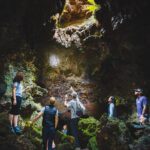
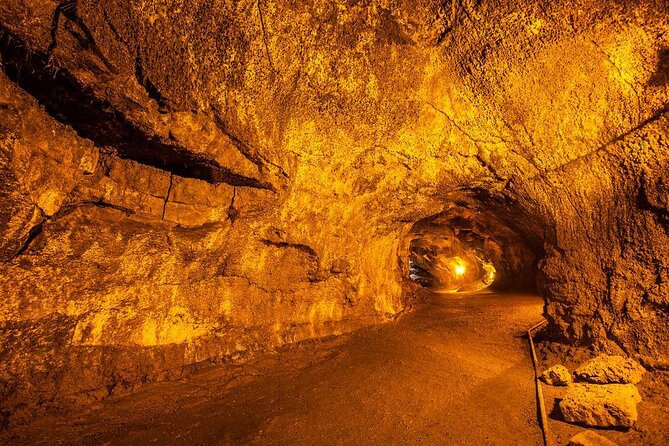
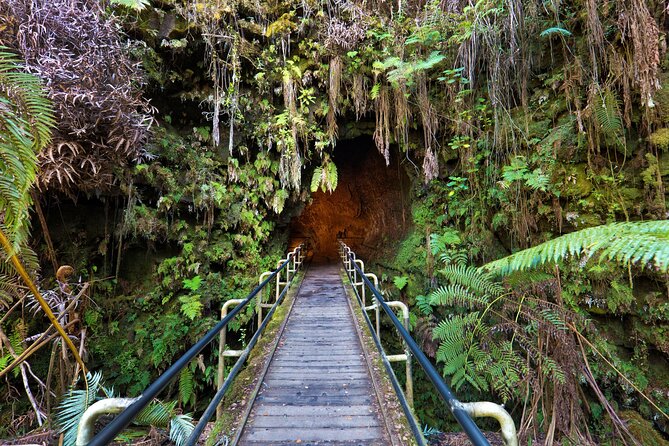
About halfway through, you visit the Thurston Lava Tube area (often connected with Nahuku). This is one of the park’s most popular sights for a reason: lava tubes are nature’s shortcuts—when lava drains away, it leaves behind a corridor.
You’ll experience the tube as a real physical change, not just a photo stop. The temperature can drop, the air feels different, and the rock textures can look almost layered. Even if you think you know what a lava tube is, seeing it in person tends to make the concept click.
What makes this stop work well in the context of the whole day is that it’s not isolated. By the time you reach the tube, you’ve already walked through crater terrain and lava-ground textures. So the tube feels like the missing piece in the story of how these eruptions build and reshape the park.
If you want a practical tip: wear shoes you trust on uneven ground and pay attention on the approach sections. Lava country is beautiful, but footing takes focus.
Lunch Picnic With a View: Food That Fits the Terrain
One of the easiest reasons this hike earns top marks is the food. You get breakfast, then snacks, and later a lunch picnic while you’re in the middle of the park’s volcanic theater.
This isn’t just about calories. When you’re walking nearly 8 miles on crater terrain, your energy plan matters. A proper lunch means you don’t end the day with that tired, grumpy feeling that can hit after a long morning hike.
The lunch setting is also part of the appeal: you get to relax and eat while still surrounded by the scenery that brought you here. In one group outing, the guide even brought a homemade chocolate chip cookie as a dessert treat. That kind of added comfort is the small stuff that makes the day feel personal.
If you’re sensitive to stomach timing, eat steadily rather than waiting until you feel ravenous. Crater walking can make you forget hydration and timing, so snacks help you stay on track.
Native Hawaiian Forest Finish: When the Park Changes Moods
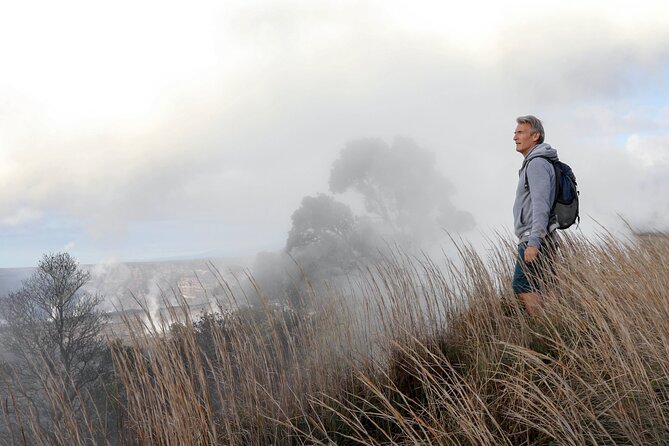
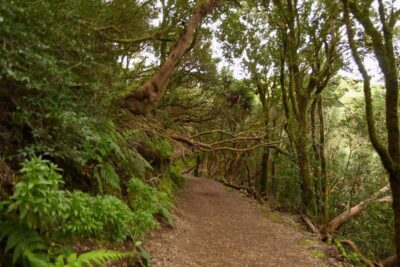
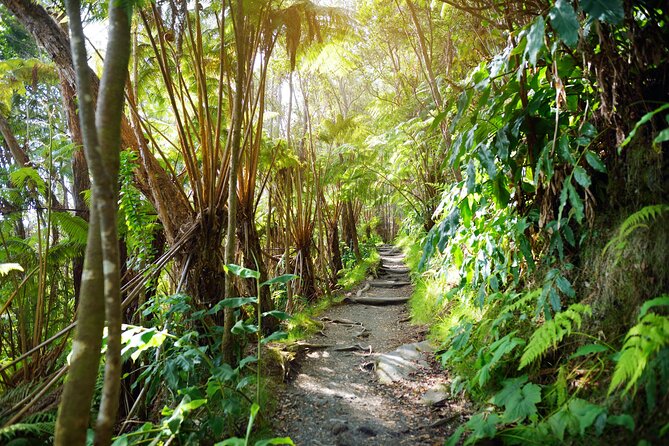
The last stretch transitions into a native Hawaiian forest area. This is a nice contrast after the stark, volcanic crater features earlier in the hike.
The change in vegetation and shade can also make the walk feel different. It’s still hiking, but your brain stops scanning for volcanic formations and starts noticing life—plants, habitat, and the way the ecosystem adapts.
This portion is also where your guide’s storytelling really helps. The tour isn’t only about rocks and tubes; it’s about how the park connects geology to living things. Guides on this hike are praised for answering questions and using real examples to explain how Hawaii’s volcanic landscapes interact with ecology over time.
Guides Who Make It Feel Tailored, Not Scripted
What sets this tour apart from the generic “follow the leader” model is the way guides shape the day to fit your group.
Some hikes have been led by Jennifer, including Jennifer Bell, and in at least one outing the group worked with two guides, including Cameron. Another guide mentioned is Yvonne, known for telling the volcanology story through real experiences and answering basically any question that pops up.
You’ll also see a pattern in the feedback: guides adjust to what you want, and they keep trekking feeling manageable. That’s not just personality—it’s practical. A good guide helps you choose the right pace, gives context where it matters, and keeps you steady when terrain gets uneven.
If you’re the type who cares about details—eruption timing, crater formation, plant life—this kind of guided approach is a big win. If you’re more of a “just take me to the view” hiker, the day still works because the stops hit the major highlights in an efficient route.
Price and Value: What $220 Covers (and What Doesn’t)
The tour is $220 per person for about 6.5 hours. That includes guided hiking plus the day’s support: snacks, a lunch picnic, breakfast, backpacks, and trekking poles.
The part to plan for is the park cost. The National Park Pass is $15, and the Volcanoes National Park admission fee is $15 per person. So your budget should assume extra total park fees on top of the tour price.
Is it worth it? In my view, yes—if you value guidance and time. For most visitors, Volcanoes National Park is too big to “figure out” efficiently without missing the best moments. You’re paying for route planning, pacing, interpretation, and the practical gear that makes crater hiking easier.
The value gets even better because the hike is limited to your group. A private-group setup usually means less waiting around and more time for questions, photos, and small adjustments without the pressure of a big crowd.
What’s Included vs. What You Should Bring
Based on the tour details, here’s what you can count on:
- Breakfast, snacks, and a lunch picnic
- Backpacks and trekking poles
- A guide-led route with stops at major highlights
What you should expect to bring yourself:
- Your park pass and admission fee payment at the right time
- Standard hiking items like water and weather protection (since the park can change fast)
Because the tour says it requires good weather, dress for Hawaii weather swings even when the morning looks sunny.
Who Should Book This Hike (and Who Should Rethink It)
This hike fits best if you:
- Want a guided walk that focuses on Kīlauea crater highlights, not just one viewpoint
- Like learning as you walk—geology, ecology, and how the park works
- Prefer a small-group/private day with room for questions
- Can handle moderate hiking on uneven volcanic ground for about 6.5 hours
Re-think it if you:
- Know you struggle with longer hikes or uneven footing
- Don’t want to plan for additional park fees on top of the tour price
- Are not comfortable hiking when conditions require solid weather
Should You Book This Volcanoes National Park Guided Hike?
Book it if you want the park’s best hits in one smart, guided half-day. The route hits Halemaʻumaʻu, crosses through Kīlauea Iki, adds the Thurston Lava Tube, and ends with a native forest shift—so your day feels full without feeling rushed. The food support (breakfast, snacks, picnic lunch) is another big quality-of-life win, especially on crater terrain.
Skip it only if you’re set on exploring completely on your own or you’re not ready for a moderate hike. Otherwise, this is the kind of day that turns volcanic scenery into understanding—without killing your legs or your patience.
FAQ
Is this hike private or small-group?
It’s limited to just your group, so you won’t be mixed into a large crowd. Only your group participates.
How long is the hike?
Plan for about 6 hours 30 minutes (approx.), including time for stops and the meal.
What fitness level do you need?
The tour notes a moderate physical fitness level. You should be comfortable with several hours of hiking on uneven volcanic terrain.
What food and gear are included?
You’ll have breakfast, a lunch picnic, and snacks. The tour also provides backpacks and trekking poles.
Do I need a Volcanoes National Park pass?
Yes. A National Park Pass is listed at $15 USD, and Volcanoes National Park admission is $15.00 per person. These are not included in the tour price.
What’s the meeting point?
You meet at the Kīlauea Visitor Center, 1 Crater Rim Drive, Volcano, HI 96785, USA. The activity ends back at the meeting point.
What happens if the weather is bad?
The tour requires good weather. If it’s canceled due to poor weather, you’ll be offered a different date or a full refund.