REVIEW · BEIJING
From Beijing: Small Group Hike at Jinshanling Great Wall
Book on GetYourGuide →Operated by Great Wall Hiking Adventure · Bookable on GetYourGuide
Steep steps, wild walls, and quiet views. This Jinshanling hike from Beijing is interesting because it mixes original-looking East Wall scenery with a restored middle section, and it stays small (max 12) so your guide can slow down for photos and explanations. I especially like the photo-heavy watchtowers and the way the route feels less crowded than the big, easiest sections. The main drawback is the long drive each way and the fact that you’ll be climbing and descending plenty of stairs.
The day runs smoothly: meet at 8am at Exit C, Dongzhimen Station, then you’re on the road for about 2.5 hours before the hike starts around 10:30. Expect roughly 3 hours on the wall, a 1-hour lunch at a local farmer’s restaurant, then another 2.5-hour return to Beijing.
One practical thing to plan for up front: there’s no toilet on the wall, and you’ll want toilet paper with you. Also, local farmers may approach you near the start of the hike, so decide early how firm you want to be.
In This Review
- Key points to know before you go
- Jinshanling East and the restored middle: what you’ll actually walk
- The 8am to 9-hour schedule that fits a real Beijing day
- Walking the Wall: steep gradients, constant photo chances
- Small group size (max 12): better pacing and fewer interruptions
- Lunch at a local farmer’s restaurant: why this break is more than fuel
- What you need to bring (and the stuff that can ruin your day)
- Transfers and the ticket line: small conveniences that add up
- Trekking poles, snacks, and the “less thinking, more walking” vibe
- Why the guide makes or breaks the hike
- Price and value around $56: where your money goes
- Who should book this Jinshanling hike, and who should skip it
- Should you book this Jinshanling East small-group hike?
- FAQ
- What time do you meet, and when do you start hiking?
- How long is the hike part of the day?
- Is there lunch included?
- Do you get an English-speaking guide?
- Are trekking poles and water included?
- Is there a toilet on the Great Wall during the hike?
- Is a cable car included?
Key points to know before you go
- Wild and restored mix: Jinshanling East feels more ruined and original, while the middle section looks more curated.
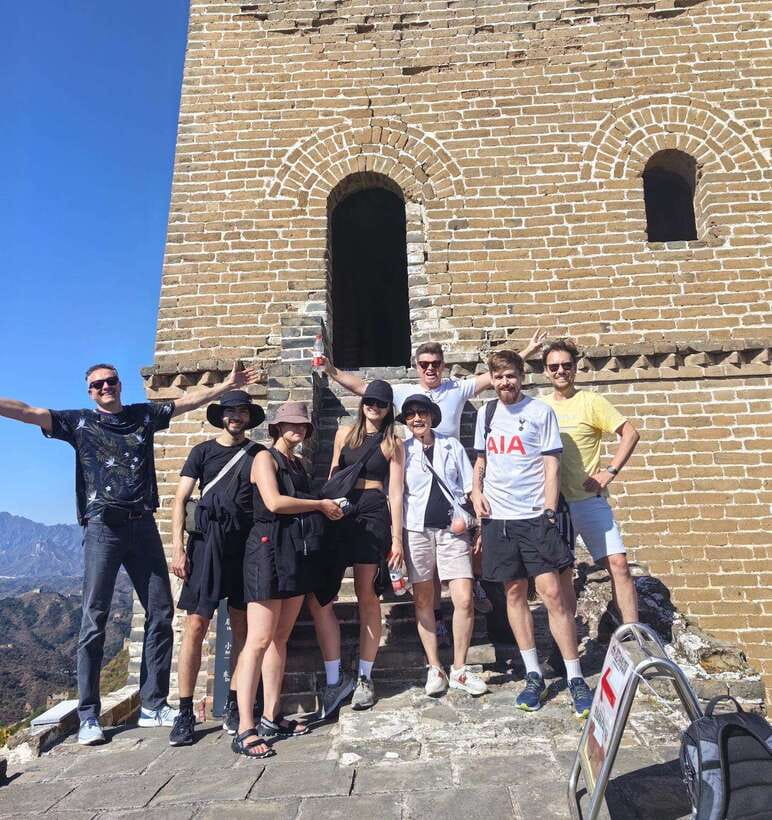
- Small group means time: up to 12 people helps the guide manage pacing and photo stops.
- Tower variety for photographers: expect 15+ watchtowers and lots of different roof shapes and tower styles.
- Trekking poles + water: poles are provided, and bottled water is available for the day (carry it in a day pack).
- Lunch is part of the win: a farmer’s restaurant break after your hike beats eating on the go.
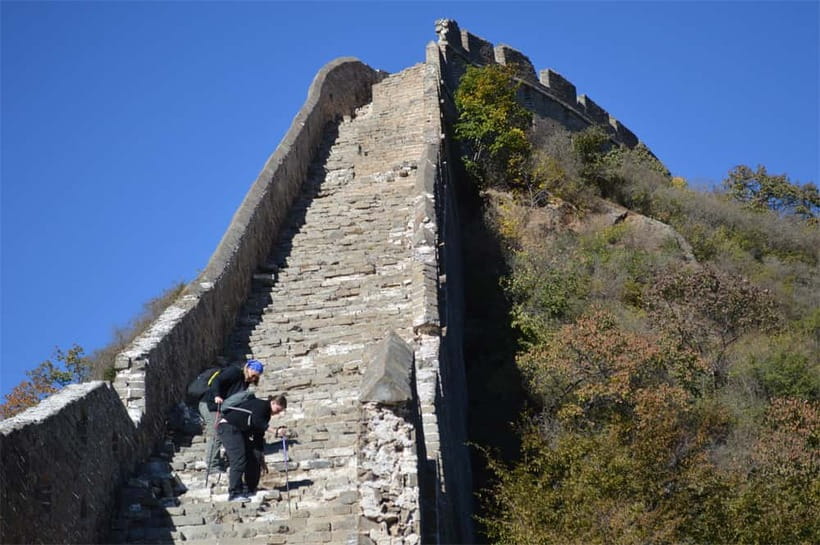
- Be ready for stairs: steep gradients and steps are the real workload here.
Jinshanling East and the restored middle: what you’ll actually walk
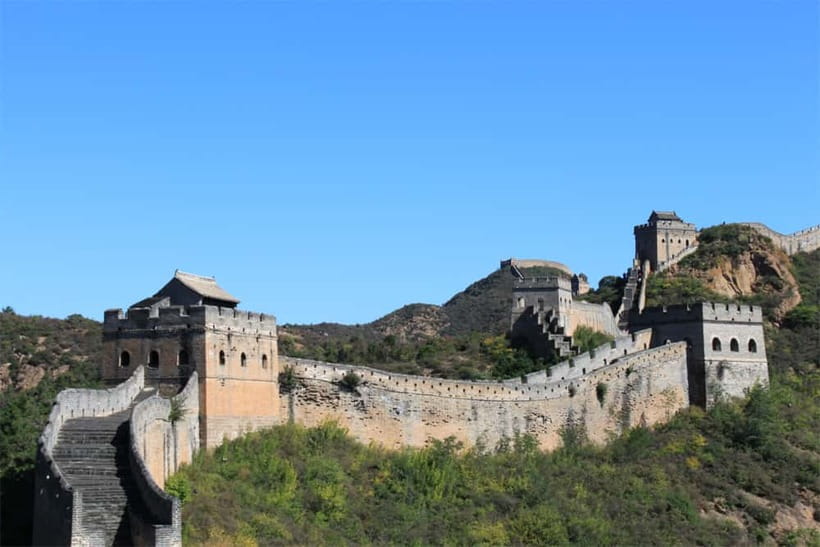
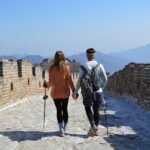
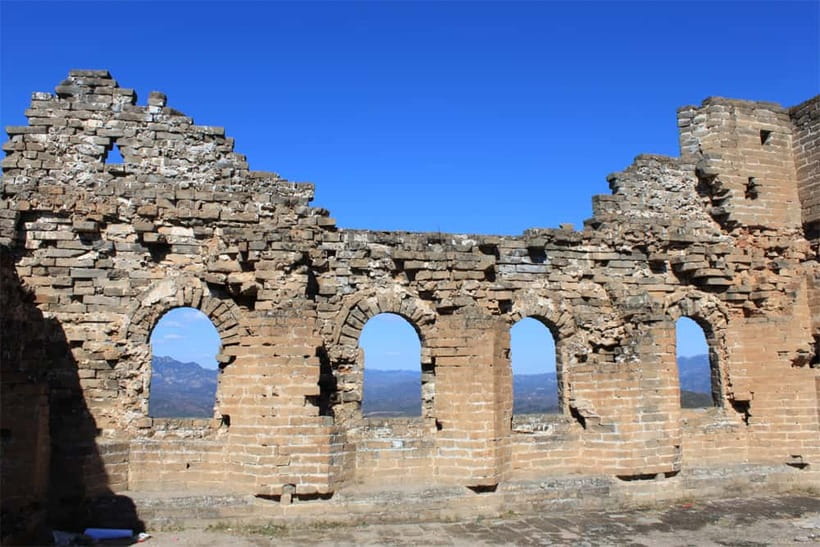
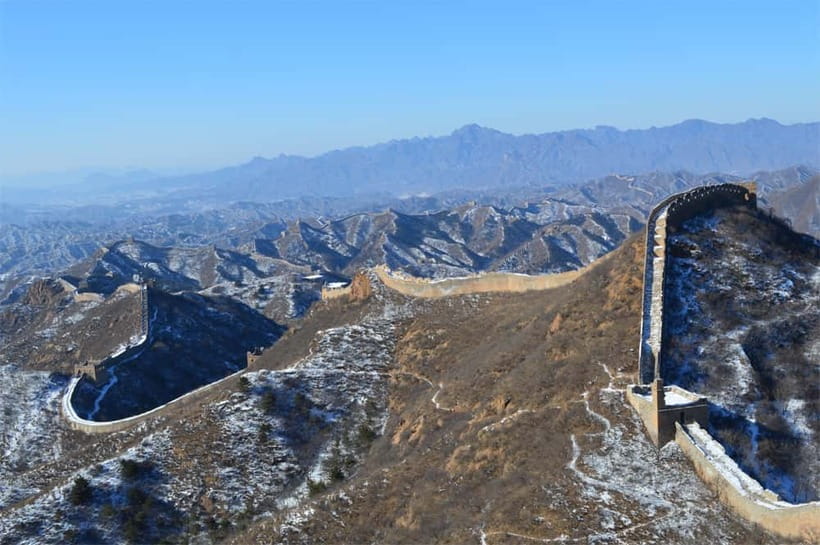
Jinshanling is often praised for how it looks and feels when you’re on it. This tour does something smart: you hike the Jinshanling East side for the more wild, ruined, original feeling, then you also see the restored middle section.
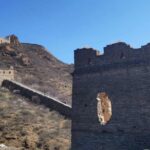
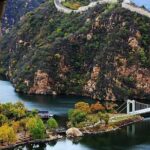
Why that matters? The Great Wall can feel like one uniform photo spot from a distance. Up close, it doesn’t work that way. At Jinshanling you’ll notice texture: crumbling edges, uneven stonework, and watchtowers that look like they belong to different eras or rebuild styles. The restored parts shift the look again—smoother surfaces and a more finished appearance. Walking both gives you a clearer sense of how the Wall has been maintained and re-used over time.
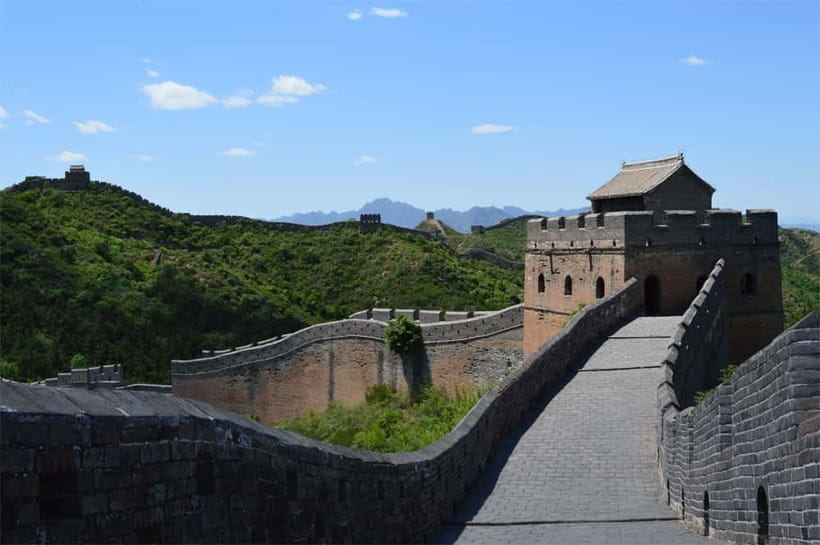
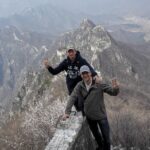
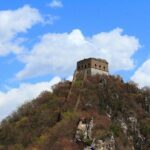
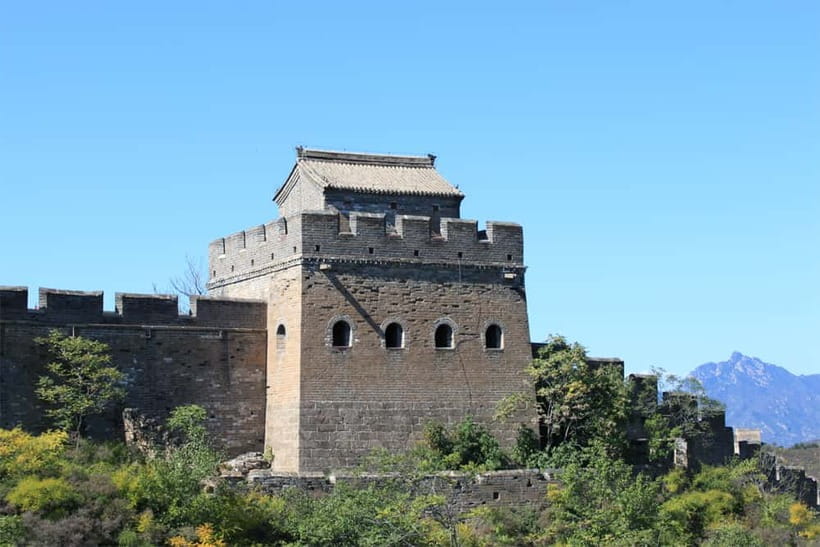
The watchtowers are the star. Even without doing any special searching, you’ll pass more than 15 of them during the hike. The tower shapes vary a lot—some have multiple stories, and the roofs can be flat, rounded, or pitched with upturned eaves. If you’re the type who likes noticing details (and most Great Wall people are), you’ll have plenty to keep your eyes busy.
You can also read our reviews of more hiking tours in Beijing

The 8am to 9-hour schedule that fits a real Beijing day
This isn’t a half-day sprint. It’s a full day with a clear rhythm, and that’s one reason it works well for visitors who don’t want to over-plan.
Here’s the typical flow:
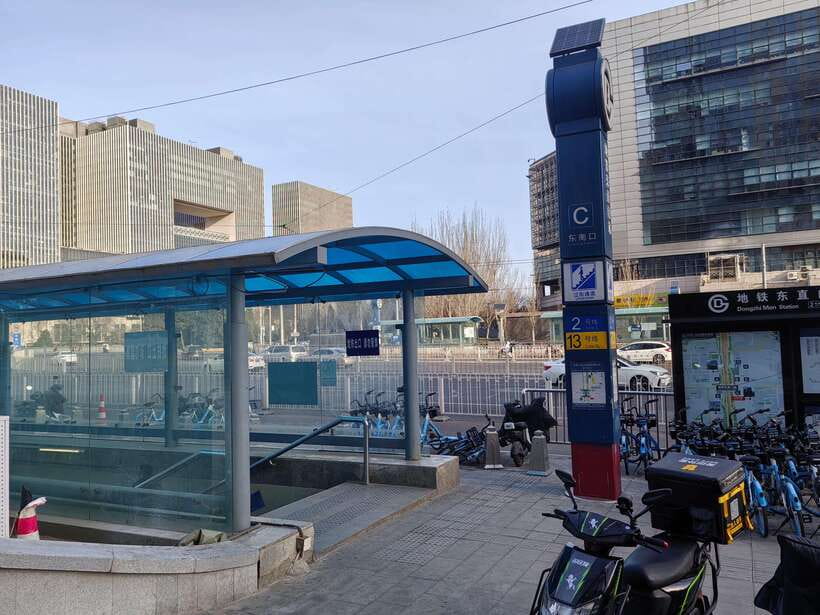
- You meet at 8am at Exit C, Dongzhimen Station (subway line 2 and 13).
- Then you ride in an air-conditioned van for about 2.5 hours to Jinshanling.
- You start hiking around 10:30am.
- The hike takes about 3 hours, moving between the East stretch and toward the main gate area.
- Lunch comes after the hike (about 1 hour).
- Then it’s about 2.5 hours back to Beijing.
What I like about this setup is that it gives you time to enjoy the wall instead of just rushing from viewpoint to viewpoint. What you should know is that the drive is long enough to matter: you’re trading a bit of comfort time on the road for the pay-off of fewer crowds and a better hiking vibe.
Walking the Wall: steep gradients, constant photo chances
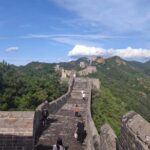
The hike is built for people who want more than a quick look. You’re walking on watchtower-to-watchtower terrain with steep sections. Plan your expectations around that: you’ll climb, descend, and climb again.
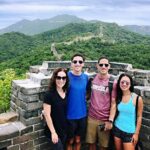
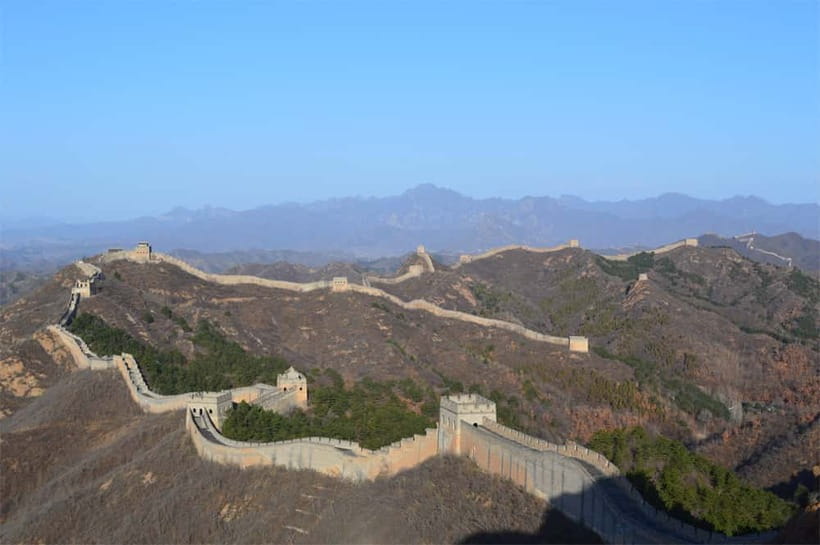
On a clear day, the viewpoints can be wide and dramatic. But the biggest surprise for many people is how the Great Wall changes as you walk. You get new angles every few minutes—tower fronts, side profiles, and long lines of wall stretching into the distance.
Photo-wise, this section is strong because it keeps offering “just one more” compositions:
- different tower roof styles
- views from higher ridges
- and lots of opportunities to frame yourself with the wall rather than standing in front of a single scenic backdrop
If you’re a slow photographer, the small-group format helps. Many guides are known for being patient about pictures and waiting for the group, rather than treating photos as a speed bump. It’s also worth bringing some patience for the steps: even if you’re fit, you’ll still feel the stairs.
Small group size (max 12): better pacing and fewer interruptions
A group of 12 sounds small in marketing. On the wall, it’s small in a very practical way.
With fewer people, your guide can:
- adjust pacing to the group
- pause longer at tower clusters
- and manage traffic so you aren’t constantly stuck waiting behind a crowd
This matters at Jinshanling because the route has narrow sections and lots of frequent “stop-worthy” spots. A bigger group usually turns into stop-go-stop. A small group can feel more like a shared walk with guidance.
The guide also plays a big role here. Multiple guide names come up strongly in past trips—Dewit, Cheney, Jason, Woody, Luis, Mark, and Oliver. The common thread isn’t just facts. It’s that they’re willing to answer questions, explain what you’re seeing, and give you time for photos without rushing your group along.
Lunch at a local farmer’s restaurant: why this break is more than fuel
After a few hours of climbing, lunch becomes a mood. This tour includes a traditional meal at a local farmer’s restaurant (if you select the lunch option).
What makes this feel authentic is the way it’s set up: it’s not packaged like a quick tourist meal. You’ll usually find classic Chinese dishes—things like pork, tofu, and beans are specifically mentioned in past experiences. People also highlight that it tastes like a real restaurant meal rather than something assembled just to tick a box.
A few details stand out from the way lunch is described:
- it’s organized after the hike, so you’re actually ready for it
- it’s considered a strong highlight by many people who do the trip specifically for the wall
- the format encourages sharing and chatting with the group
If you’re the type who hates eating “whatever is closest,” this lunch stop is one of the reasons the day feels complete.
What you need to bring (and the stuff that can ruin your day)
This part is not glamorous, but it’s what keeps the hike comfortable.
Bring:
- a passport or ID card
- comfortable shoes (this is not a sneaker-only situation if your feet hate stairs)
- sunglasses and sun protection (sun cream, cap)
- lip balm (dry wind + sun happens fast up there)
- ideally toilet paper, because the Wall itself has no toilet
Important practical notes:
- There is no toilet on the Wall, but toilets are at the entrance areas of Simatai West and Jinshanling. Prepare before you start hiking.
- Bottle water is stored in the van. You’ll want a day pack to carry your water while you walk.
- The tour is not set up for pets or smoking.
- Local farmers may follow you when you start the hike. If you don’t want interaction, say no firmly at the beginning. If you ignore them and don’t engage, that also helps avoid the back-and-forth.
One extra note from past experiences: one person reported toilets about every 30 minutes along the wall. Still, don’t bet your comfort on that. Go by the official planning rule: plan for no toilet during the hike.
Transfers and the ticket line: small conveniences that add up
You’re not just paying for walking. The tour handles:
- air-conditioned transport by van
- entrance fees
- and you skip the ticket line
Skipping the ticket line is a quiet win when you’re arriving mid-morning. It reduces waiting, which means you get closer to the hiking start time without extra stress.
The transport time is fixed, though. You’ll spend about 2.5 hours each way from Beijing. If you’re hoping to avoid long travel, this is the part you can’t dodge if you also want the quieter Jinshanling sections.
Trekking poles, snacks, and the “less thinking, more walking” vibe
Trekking poles are included. That matters more than you might think on steep stone steps. They reduce pressure on your knees and help you stay stable on uneven terrain.
You also get unlimited bottled water and snacks on the wall. That reduces the need to stop at vendors and it helps you keep moving at a steady pace. Still, you’ll carry what you need, because water is stored in the van—so bring a day pack you can comfortably strap on.
The overall vibe is: less logistics, more time on the wall.
Why the guide makes or breaks the hike
This tour’s guiding shows up as a real difference in how people describe the day.
In multiple past trips, Dewit is highlighted for patience with picture requests and for explaining the significance and construction story behind what you see. Cheney comes up for solid English and for being funny while still covering history. Jason is mentioned for not rushing anyone and for keeping the group comfortable on a tough climb. Woody gets praise for helping people with questions and even for arriving with ponchos when the weather turned rainy.
What you should take from that: the best guides don’t just list facts. They help you read the Wall while you’re walking it, and they help you manage the pace so the steep bits don’t turn into a miserable grind.
Price and value around $56: where your money goes
At about $56 per person, the value is pretty solid if you care about the full package, not just the viewpoint.
Your money typically covers:
- round-trip transport from Beijing
- entrance fees to the Great Wall
- a hiking guide (English-speaking if that option is selected)
- trekking poles
- unlimited bottled water and snacks
- lunch if you choose the lunch option
- and even a certificate of completion for hiking on the Great Wall of China
That cost starts to make more sense when you compare it to the true expense of doing Jinshanling independently: transportation, tickets, timing, and the added complexity of figuring out a route that works for a day hike.
The main “cost” isn’t money—it’s effort. This hike is physical, and it’s steep enough that the wrong footwear or a weak fitness day will make you feel it.
Who should book this Jinshanling hike, and who should skip it
This is best for:
- people who want hiking rather than bus-and-look tourism
- photography lovers who want towers, close angles, and lots of stops
- visitors who want to avoid the busiest sections near Beijing
- travelers who appreciate an English-speaking guide who can explain what you’re seeing
It may not be a great fit for:
- people with heart problems
- pregnant travelers
- anyone who struggles with stairs for more than brief moments
If you can handle a steady uphill/downhill day, the route tends to feel worth it because the reward is time on wall plus fewer people.
Should you book this Jinshanling East small-group hike?
I’d book it if your goal is to walk an impressive stretch of Great Wall and not just stand at one famous photo spot. The mix of wild East and restored middle, plus the small-group size and patience for pictures, makes it feel like a real hike day, not a rushed checklist tour.
Skip it or reconsider if you know stairs wipe you out, or if long drive time from Beijing would annoy you more than it helps you. Also, plan around the toilet situation and the possible farmer attention near the start.
If you want Great Wall time that feels quieter, more personal, and more photogenic, this is a strong choice.
FAQ
What time do you meet, and when do you start hiking?
You meet at 8am at Exit C, Dongzhimen Station. The hike starts around 10:30am after the drive to Jinshanling.
How long is the hike part of the day?
The hiking section is about 3 hours, from Jinshanling East toward the main gate area.
Is there lunch included?
Lunch is included if you select the option for the local farmer’s restaurant meal. It happens after the hike and lasts about 1 hour.
Do you get an English-speaking guide?
A personal English-speaking hiking guide is included if you choose that option. The tour also lists English and Chinese.
Are trekking poles and water included?
Yes. Trekking poles are included, and you get unlimited bottled water and snacks on the Wall.
Is there a toilet on the Great Wall during the hike?
There is no toilet on the Wall. Toilets are at the entrances of Simatai West and Jinshanling, so you’ll want to prepare before hiking and carry toilet paper.
Is a cable car included?
No. The cable car is listed as not included.