REVIEW · BEIJING
Mini Group: Simatai West to Jinshanling Great Wall Hiking Tour
Book on Viator →Operated by Trippest Travel · Bookable on Viator
Skip crowded buses; hike real Great Wall ridges. This full-day route links Simatai West (known for staying closer to its original feel) with Jinshanling (famous for its watchtowers along the ridge). It’s interesting because you’re not just walking stairs—you’re moving through passes and towers where you can picture how Ming-era defenders scanned the frontier.
I especially like the tight group size (up to 15), plus the guide-led architecture and history context that helps the wall stop looking like a random long wall. One consideration: it is a moderately challenging hike with steep sections and stairs, and cable cars are not included.
If you’re wondering about the guiding, two past group leaders highlighted by name are Nancy and Mico, and both were praised for clear, usable English—helpful when you want meaning, not a lecture.
In This Review
- Key things to know before you go
- Simatai West to Jinshanling: what makes this Great Wall walk special
- Timing and pacing: the day starts early and ends with hotel drop-off
- Houchuankou Pass to Zhuanduokou Pass: the ridge experience that feels like a story
- Jinshanling watchtowers: where the views become the main event
- What you learn on the walk: history and architecture, not a memorization test
- Walking conditions: stairs, steep bits, and how to prepare
- What’s included (and what that means for your day)
- The costs that can surprise you: cable cars and the lunch question
- Price and value: is $222 per person worth it?
- Who should book this hike, and who should choose a different option
- Should you book Simatai West to Jinshanling?
- FAQ
- How long is the Simatai West to Jinshanling hiking tour?
- What time does the tour start and when do I get back to Beijing?
- Is hotel pickup included, and where is pickup available?
- What is the group size for this tour?
- Is the hike difficult?
- What language is the guide?
- What’s included versus not included for meals and rides?
- Is this tour only run in good weather?
- Can the tour be canceled if the minimum number of participants isn’t met?
Key things to know before you go
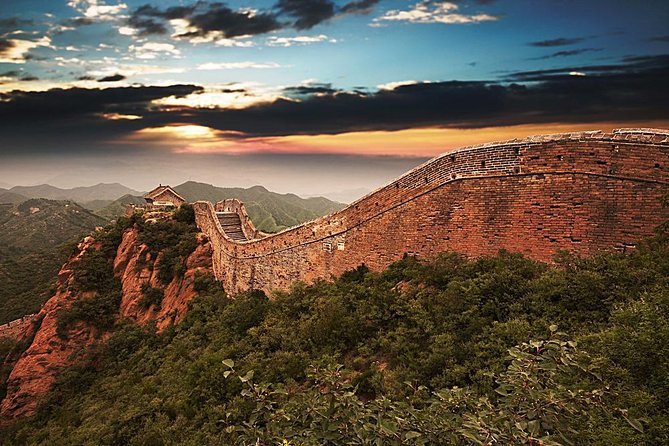
- Simatai West’s more original character: you get a rougher, older feel along the ridge.
- Pass-to-pass momentum: Houchuankou Pass to Zhuanduokou Pass keeps the walk structured.
- Jinshanling watchtowers payoff: restored towers and panoramic views are the big visual reward.
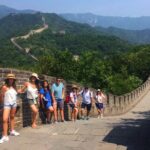
- Small group size (max 15): pacing feels easier, and photo stops don’t turn into a traffic jam.
- Snacks, water, and bottled drinks: fewer worries mid-hike.
- No cable cars included: you’re committing to walking.
Simatai West to Jinshanling: what makes this Great Wall walk special
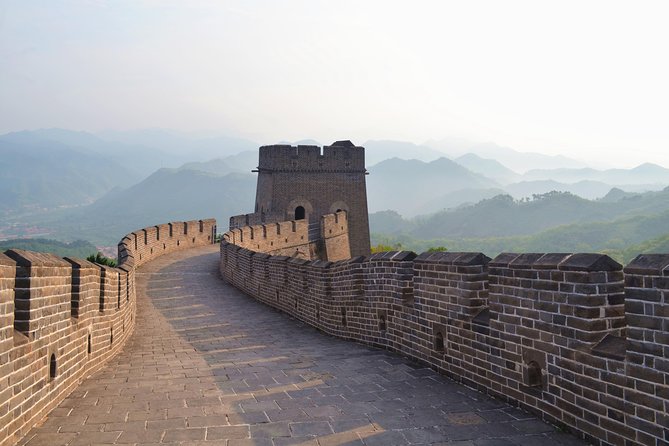
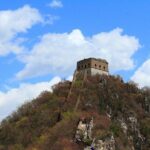
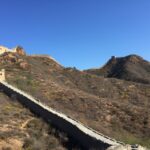
This route matters because it connects two different “moods” of the Great Wall. Simatai West is often described as being in a largely original state, so the stone and crumbling watchtower sections can feel closer to what the wall looked like before heavy restoration. Then you transition into Jinshanling, where the watchtowers are restored and the ridge-top views feel more open and dramatic.
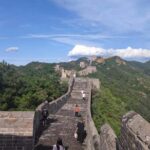
The hike is designed around ridge walking. You’re climbing and descending with a string of towers and viewpoints along the way, so the Great Wall doesn’t just sit there—it keeps changing in front of you as you crest passes. That’s exactly the kind of Great Wall day that works best if you want more than selfies and a quick stamp at the end.
You can also read our reviews of more hiking tours in Beijing

Timing and pacing: the day starts early and ends with hotel drop-off
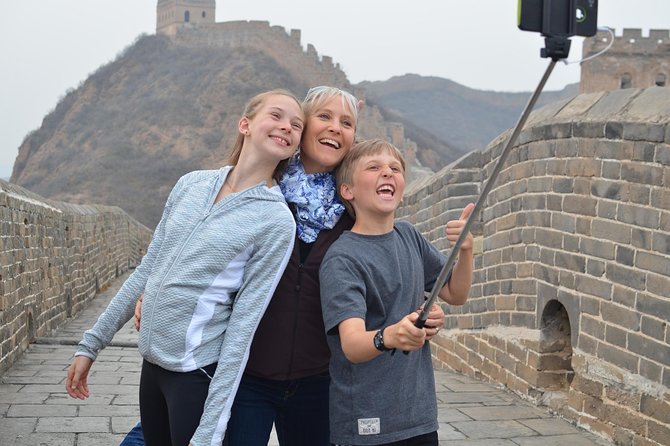
Expect an early start. Pickup is offered in central Beijing hotels (within the 4th Ring Zone), and the tour is listed with a 7:00 am start time, with you back at your hotel around 5:00 pm.
The driving time can add up. One highlighted experience said the trip took about 2 hours to get there, then the walking itself was roughly 3 hours. Your pace will vary based on fitness and how often you stop for photos and tower viewpoints, but the overall day feels built for a steady, not sprinty, hiking rhythm.
The main wall walking portion is associated with a late-morning window (the tour lists 10:00–13:00). Translation: you’re up early for transit, then you get several hours on the wall when daylight and visibility tend to be best.
Houchuankou Pass to Zhuanduokou Pass: the ridge experience that feels like a story
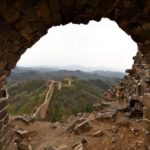
A big reason this walk stands out is how it uses named sections and passes. After you finish the stairs, you reach Houchuankou Pass, described as the first among many towers you’ll see. From there, you’re rewarded with a wide panorama where you can sometimes spot the Great Wall stretching toward the horizon.
As you hike, the wall alternates between crumbling older structures and restored stretches. That mix is useful. If you only ever see heavily restored sections, the wall can feel too polished and staged. If you only ever see the ruined, it can feel hard to read. This route gives you both, so you can mentally map what you’re seeing—tower, rampart, pass, then another tower.
You’ll also have a late lunch at Zhuanduokou Pass. That timing is smart for pacing: you don’t burn out too early, and the break comes right after you’ve built up a solid sense of the route. Snacks and water are provided along the way, so you’re not counting down the minutes until the meal.
Jinshanling watchtowers: where the views become the main event
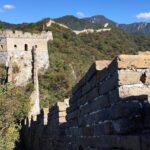
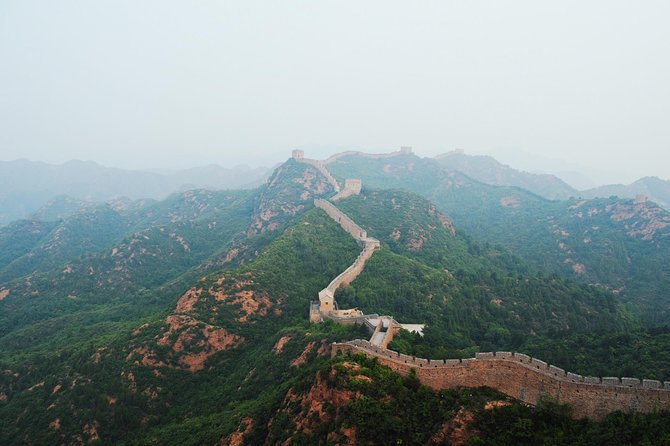
Jinshanling is famous for its watchtowers, and that’s where the visual payoff tends to land. As you approach and enter the Jinshanling side, the towers give you that classic ridge silhouette—stone forms layered against the mountains.
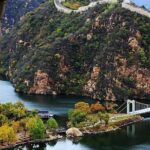
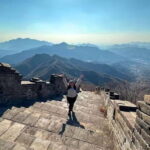
You should also plan for big open sightlines. The walk is described as offering panoramic mountain views, and the ridge-top design is what lets you look out over long stretches of wall. If you’re the type who loves architecture details, you’ll likely enjoy the feeling of restored towers aligning with the bigger defensive layout. If you’re more of a scenery person, you’ll still get plenty here.
One additional practical plus: this route can feel calmer than the most crowded access points. One past experience specifically said the sections weren’t crowded, which matters on a wall walk. When it’s not packed, you can stop where you want, take your time on stairs, and actually enjoy the moment instead of constantly sidestepping.
What you learn on the walk: history and architecture, not a memorization test
The tour is led by an English-speaking professional tour guide. The goal isn’t just to point and say “that’s a tower.” You’ll learn about the wall’s history and architecture, with context tied to what you’re walking on in the moment.
That kind of live interpretation helps a lot on the Great Wall, because the structure is huge and confusing if you don’t know what you’re looking at. Passes like Houchuankou are easier to understand when your guide explains their role in defense and movement along the ridge. Restored sections also make more sense when you hear how restoration decisions change what you’re able to see today.
Past groups mentioned guides by name—Nancy and Mico—and praised their English and overall guidance. If you’ve ever had a guide who talks too fast, too quietly, or too academically, this is the opposite of that: the intent is to keep it readable and useful while you walk.
Walking conditions: stairs, steep bits, and how to prepare
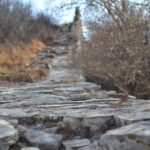
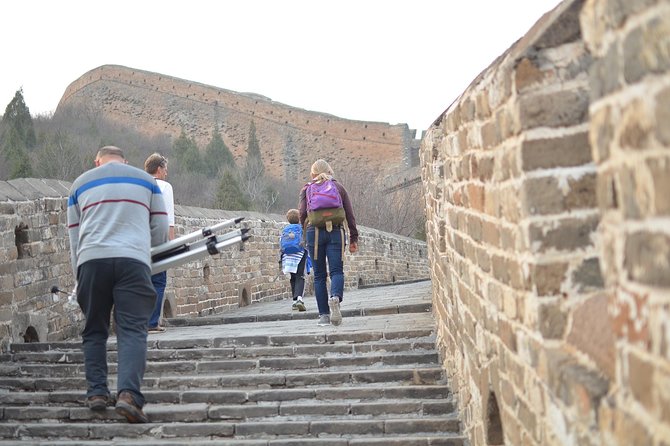
This hike is described as moderately challenging, and the details match that. Expect steep sections and stair climbing. Some parts include older, crumbling towers, which can mean uneven footing and more rugged ground underfoot than what you’d expect from a fully paved city viewpoint.
If you’re deciding whether to go, judge it honestly against your usual hiking comfort. Moderate fitness is recommended. This is not the sort of wall walk that works well if you hate stairs, have unstable knees, or you’re expecting a mostly flat stroll.
For what to do day-of: wear grippy shoes you trust. Bring layers you can adjust, because ridges can feel colder in wind or warmer in sun. You’ll have water and snacks provided, but you still want a small day pack so you’re not juggling items while you climb.
Not recommended for children aged 6 and under, which is a helpful clue about the stair-and-steep reality of the route.
What’s included (and what that means for your day)
Here’s what the tour includes, and why it matters for real-world planning:
- Hotel pickup and drop-off in central Beijing (within the 4th Ring Zone)
This removes the hardest part of Great Wall logistics: getting out there and back without guessing transit times.
- Air-conditioned transport
It helps keep the day comfortable from start to finish, especially on the drive.
- English-speaking professional guide
You’re paying for meaning, not just movement.
- Bottled water and snacks along the hike
You won’t be tempted into overpriced impulse purchases on the ridge.
- Entrance fee at Jinshanling
That’s one less line-item to handle yourself.
- Mobile ticket
Usually means less paperwork and less time waiting at gates.
Also, this is a mini group limited to 15 travelers or fewer. If you’re booking with a larger group (more than 6), the group can be upgraded to a private group without other participants, which can be a big comfort perk if you want quieter pacing and fewer people around you on towers.
The costs that can surprise you: cable cars and the lunch question
Two items are flagged as not included: cable cars. So if you’re thinking of using a cable car as a shortcut for the hardest stairs, you’ll need to plan for walking the full route experience as provided.
Lunch is the one point where you should double-check your voucher carefully. The tour overview says lunch is included, but the detailed list of what’s not included also names lunch. That mismatch can happen with listings, so your best move is simple: confirm before you go so you don’t end up hungry at the pass.
If cable cars are optional in general, you still might want them on backup. But as far as this tour goes, you should expect the hiking to be the main plan.
Price and value: is $222 per person worth it?
At $222 per person, you’re paying for a guided hiking day that bundles the heavy logistics: pickup/drop-off, transport, a professional English guide, entrance coverage at Jinshanling, plus water/snacks on the wall.
For many Great Wall outings, the hidden costs are the entrances, the guide, and the transportation coordination. Here, those are packaged together, which reduces your chances of spending extra money on last-minute fixes. The small group size also adds value. When you’re maxed at 15, you usually get a more human pace, and it’s easier to stop and ask questions without feeling like you’re interrupting a parade.
So the value comes from three places:
1) less stress getting there,
2) better interpretation once you’re on the ridge,
3) food and drinks included for the hike portion.
Just factor in the not-included items (cable cars, and check lunch coverage). If you’re going to pay for those extras anyway, you can judge the true all-in cost more accurately.
Who should book this hike, and who should choose a different option
This is a strong fit if you want:
- a moderate hike with real Great Wall structure (passes, towers, ridge walking),
- fewer people than the busiest access points,
- a guide who explains what you’re seeing instead of sending you off solo.
It’s also a good choice if you’re staying central Beijing and want pickup without building your own transport plan. The tour is designed around that door-to-door convenience.
You might want to skip (or consider a gentler option) if:
- you dislike steep stair climbing,
- you need a fully relaxed sightseeing pace,
- you’re counting on cable car help.
And if you’re traveling with kids, remember the guidance that it’s not recommended for children aged 6 and under.
Should you book Simatai West to Jinshanling?
I’d book this if you’re the type who likes meaning with your views. The Simatai-to-Jinshanling combination gives you a believable progression: older-feeling sections with crumbling towers, then restored watchtowers and classic ridge panoramas. Add the snacks, bottled water, and small-group hiking and it becomes one of those days where you feel like you did more than just visit.
Just do one thing before you go: confirm your voucher details on lunch, since the tour overview and the not-included list don’t perfectly match. If lunch is sorted and you’re okay with steep stairs, this is a memorable Great Wall day at a price that feels fair for the logistics and guiding.
FAQ
How long is the Simatai West to Jinshanling hiking tour?
The tour is approximately 8 hours long.
What time does the tour start and when do I get back to Beijing?
The listed start time is 7:00 am, and you return to your hotel at about 5:00 pm.
Is hotel pickup included, and where is pickup available?
Yes, pickup and drop-off are included, and hotel pickup is available within the 4th Ring Zone of Beijing City.
What is the group size for this tour?
The tour has a maximum of 15 travelers.
Is the hike difficult?
It’s described as moderately challenging and suited for people with moderate physical fitness.
What language is the guide?
The tour includes an English-speaking professional tour guide.
What’s included versus not included for meals and rides?
Entrance fees at Jinshanling are included, and bottled water is included. Snacks are provided during the hike, but lunch coverage is listed differently in different parts of the tour information, so check your voucher. Cable cars are not included.
Is this tour only run in good weather?
Yes, it requires good weather. If it’s canceled due to poor weather, you can be offered another date or a full refund.
Can the tour be canceled if the minimum number of participants isn’t met?
Yes. There’s a minimum number of participants required (2). If the tour doesn’t meet the minimum, it can be canceled and you’ll receive a full refund.