REVIEW · FOX GLACIER
Fox Glacier: Up to 3 Hours Hike with Helicopter Transfer
Book on GetYourGuide →Operated by Fox Glacier Guiding · Bookable on GetYourGuide
Fox Glacier heli-hiking turns the glacier into a walkable, see-it-all day. I love the combo of two helicopter flights for instant scale and the chance to walk right onto the ice with a guide cutting steps and explaining what you’re seeing—often with real personality, like guides Billy or Kate bringing the science to life.
The main consideration is the hike is genuinely glacier terrain, so you’ll want a reasonable level of fitness and good balance, and weather can affect how much time you get on the ice.
What makes it worth your time comes down to a few practical things: smart safety prep, solid gear, and an itinerary that gives you both spectacle and learning. If you’re expecting an easy stroll, you may find it more work than “just a walk,” even though it’s well paced.
In This Review
- Key Things to Know Before You Book
- Fox Glacier Heli-Hike in Four Hours: What You Actually Do
- Arriving at 44 Main Road and the Safety Briefing That Sets the Tone
- The Short Bus Transfer: Why It’s There
- Two Helicopter Flights Over Fox Glacier: Fast Views, Real Perspective
- Landing on the Ice: Crampons, Ice Steps, and Your 3-Hour Window
- Ice Caves, Arches, and Victoria Falls: The Features That Make It Feel New
- Guided Commentary That Makes the Glacier Click
- The Ride Back and That Short Break: How the Day Lands
- Weather Flexibility: What You Can Control and What You Can’t
- Gear You Get vs. What You Need to Bring
- Who This Tour Suits Best (and Who Should Think Twice)
- Price and Value: Is $448 Worth It
- Should You Book This Fox Glacier Heli-Hike?
- FAQ
- How long is the helicopter and hike portion?
- Where do I meet the tour?
- What gear is included?
- What should I bring?
- Is weather a factor?
- Is this suitable for kids or wheelchair users?
Key Things to Know Before You Book
- Two helicopter flights that feel short but unforgettable: quick hops in and out, with big-picture views.
- Up to 3 hours on the glacier: enough time to find caves, arches, and ever-changing ice features.
- Step-by-step guidance on foot: your guide cuts ice steps and manages the pace for a safe route.
- Comprehensive cold-weather kit: crampons, boots/socks, poles, and wet weather gear are included.
- Itinerary timing is weather dependent: the schedule flexes so you don’t get stuck out there longer than conditions allow.
Fox Glacier Heli-Hike in Four Hours: What You Actually Do
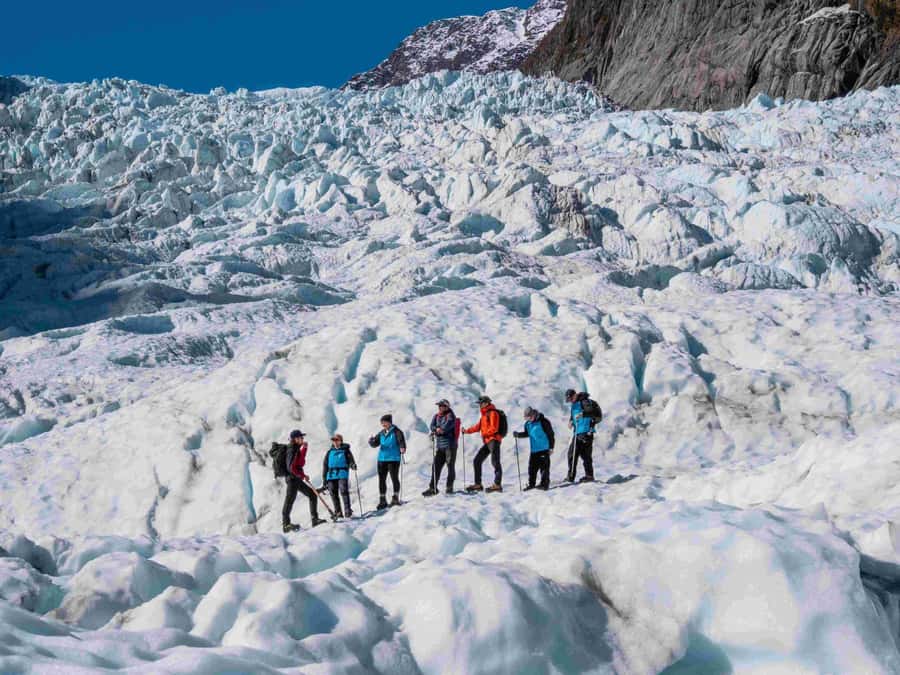
This is a “do it all” day on Fox Glacier: a safety briefing, a short transfer, a helicopter ride in, then a guided hike on the ice before flying back to the meeting point. Even though the total tour time is about 4 hours, the glacier time is where the magic happens—up to 3 hours on the ice.
The day is built to keep you moving and safe. You’re not just riding a helicopter and dropping in for a photo. You land in a remote part of the glacier, get fitted with crampons, and follow the route your guide has prepared.
If your idea of a perfect glacier day is equal parts awe and instruction, this tour fits. You’ll see ice caves, arches, and fast-changing formations as you walk through a place that looks solid until you learn what’s actually going on underneath.
Arriving at 44 Main Road and the Safety Briefing That Sets the Tone
Your start is at 44 Main Road (Fox Glacier). Plan to arrive early enough to check in without stress. The tour begins with a 30-minute safety briefing, which matters more than you’d think—because glacier walking is not like hiking dirt trails.
This briefing also sets expectations about the terrain you’ll face. Glacier travel involves uneven surfaces, slippery conditions, and careful footing. You’ll also learn how your group will move around the ice, and what to do if conditions change.
The best part? A safety-first setup makes the rest of the day feel smoother. You spend less energy worrying, more time looking up and taking in the ice features when you’re out on the glacier.
The Short Bus Transfer: Why It’s There
After the briefing, there’s a short bus/coach transfer of about 5 minutes. It’s quick, and it’s not meant to be scenery time. Think of it as the logistics bridge between town and the glacier helicopter zone.
That brief transfer is helpful for two reasons. First, it keeps the day efficient. Second, it reduces the chaos of individuals trying to self-navigate in a remote area. When the whole group is lined up together, the helicopter operation runs cleaner and more predictably.
Two Helicopter Flights Over Fox Glacier: Fast Views, Real Perspective
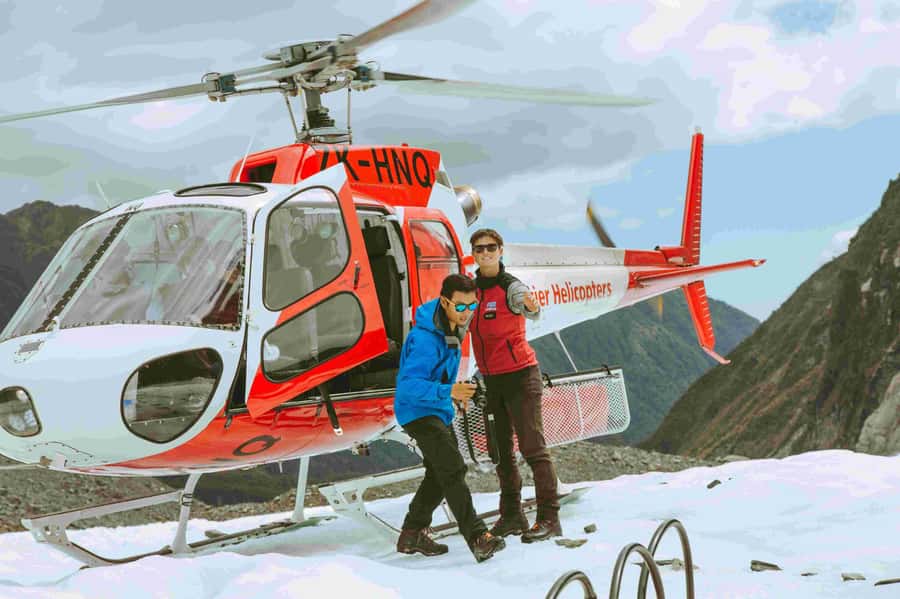
You get two helicopter flights, each about 5 minutes. The flights are brief on paper, but the views are the payoff.
From the air, Fox Glacier stops being a single “big ice thing” and becomes a system. You see how the glacier is layered, how ice changes across sections, and where the features you’ll walk around later sit in the bigger picture.
Here’s a practical tip: on clear days, sit toward the front if you can. One guide-highlight from previous groups was that front-seat positioning can give you truly excellent views. Either way, you’ll come away with that instant perspective you just can’t get from the ground.
Also, don’t treat the flight as downtime. The crew and guides use the time to get you mentally ready for landing, crampons, and glacier steps.
Landing on the Ice: Crampons, Ice Steps, and Your 3-Hour Window
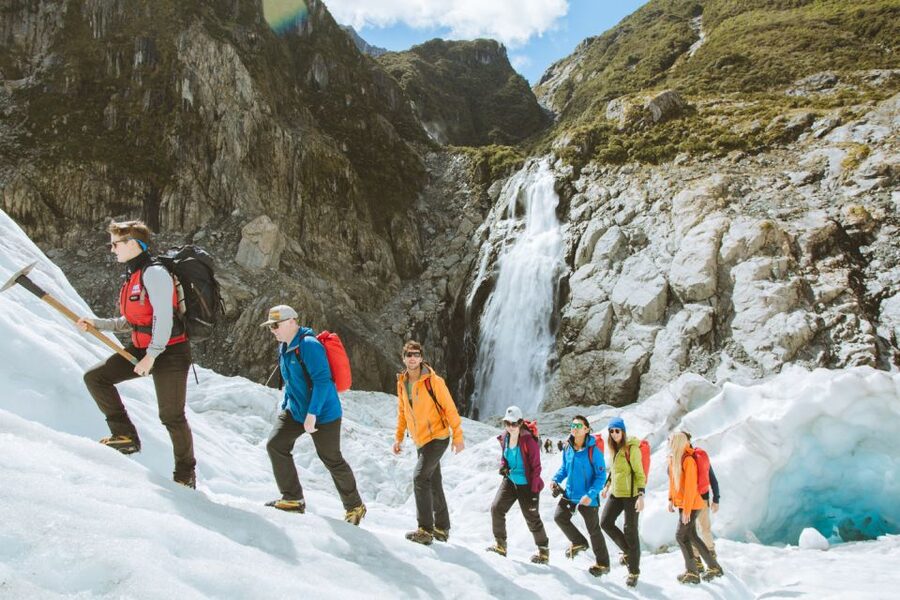
The heart of the tour is landing on the glacier and hiking up to 3 hours on the ice. This is where included gear turns a scary-looking surface into a manageable walking route.
You’ll be fitted with crampons designed for icy conditions, plus leather boots and socks and walking poles. You’ll also wear a wet weather jacket and overtrousers, which helps keep you warm and dry when spray, melt, or wind hits.
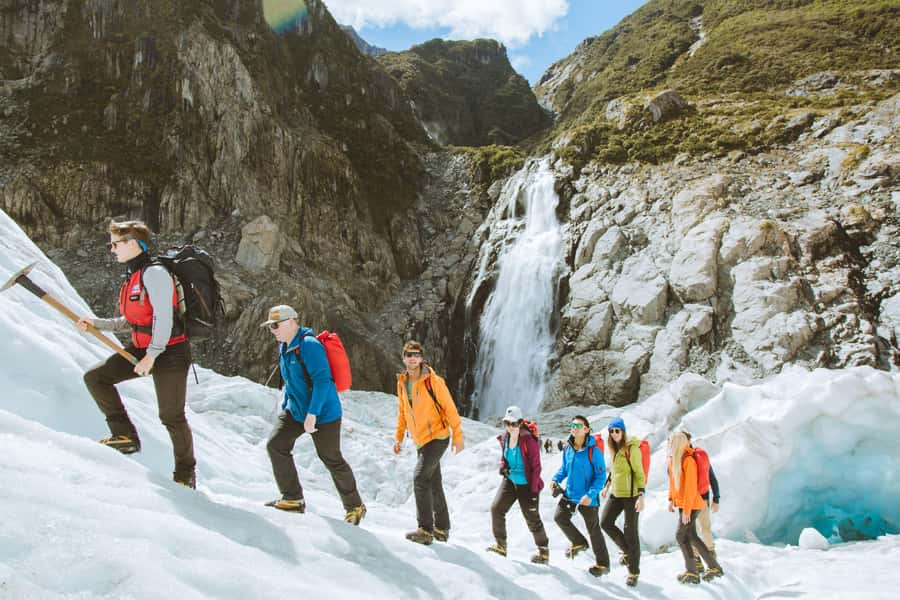
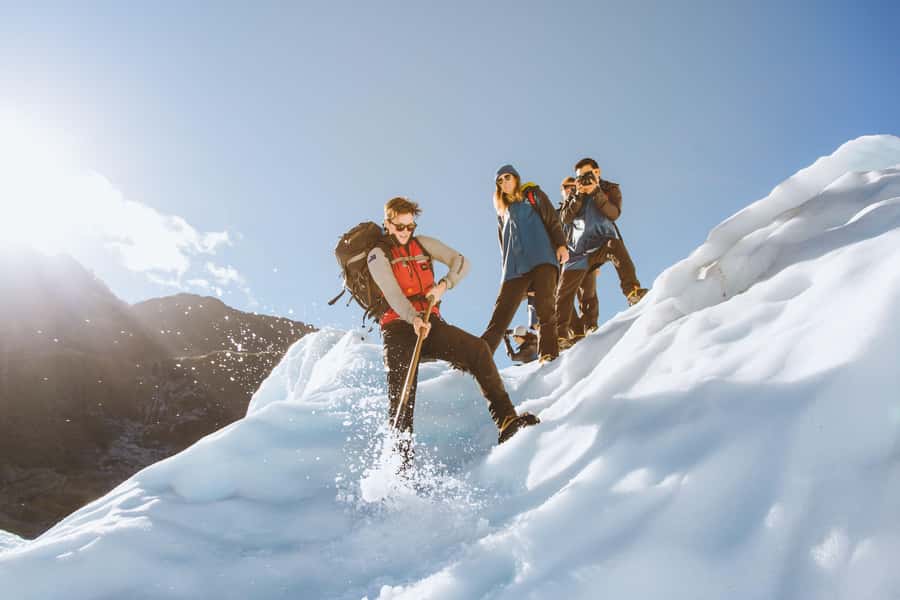
Then comes the glacier-specific part: your guide follows a route and cuts ice steps. That step-cutting isn’t just convenience—it’s what makes the hike safe and what helps the group move as one.
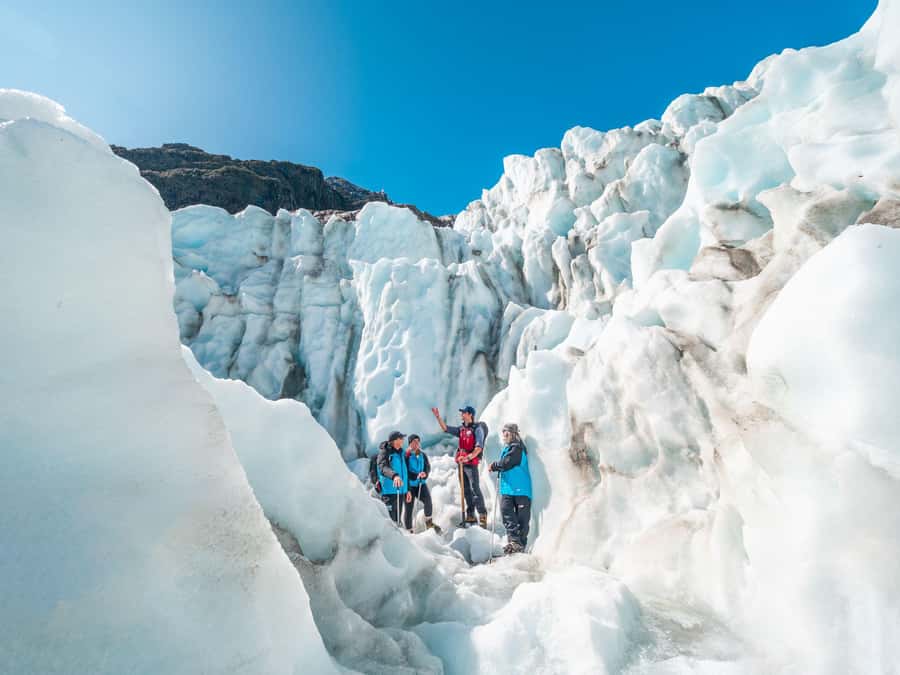
You’ll explore natural features as you go, with your guide directing attention to things you might otherwise miss. Ice caves and arches are the headline, but the real value is learning how formations connect to the glacier’s movement and melting patterns.
One more reality check: “3 hours” feels long until you’re on the ice. The pace is purposeful, and your route can include uneven, slippery sections. It’s not a speed hike, but it’s also not a stroll.
Ice Caves, Arches, and Victoria Falls: The Features That Make It Feel New
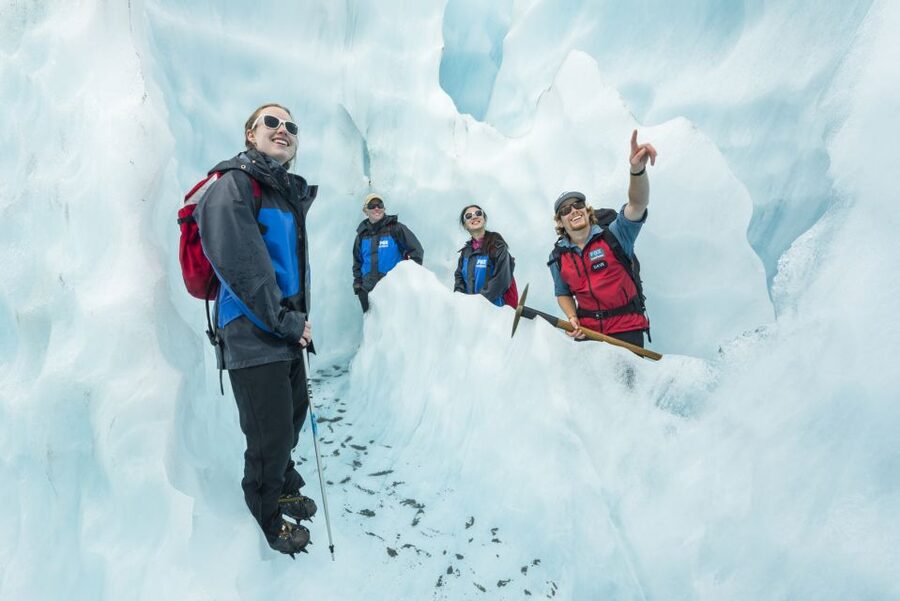
A big reason this tour stays popular is that the glacier doesn’t sit still. Each departure is unique because the ice features change from one day to the next.
You’re likely to see:
- Ice caves and arches you can walk near and move through (under guide direction)
- Ice formations that look different depending on angle and time
- Victoria Falls, described as a melted river from the hidden Victoria glacier
That last one is a great example of why the guide matters. Without commentary, Victoria Falls can sound like a name on a map. With a guide, it becomes a story about meltwater, ice sources, and the glacier’s changing surface.
Some groups also highlight that there’s often variety in what’s available on the day—crevasses, tunnels, and ice “rooms” that feel like you stepped into a different world. Even when conditions limit what you can access, the tour doesn’t feel like time wasted. You shift focus to what’s safe and scenic right then.
Guided Commentary That Makes the Glacier Click
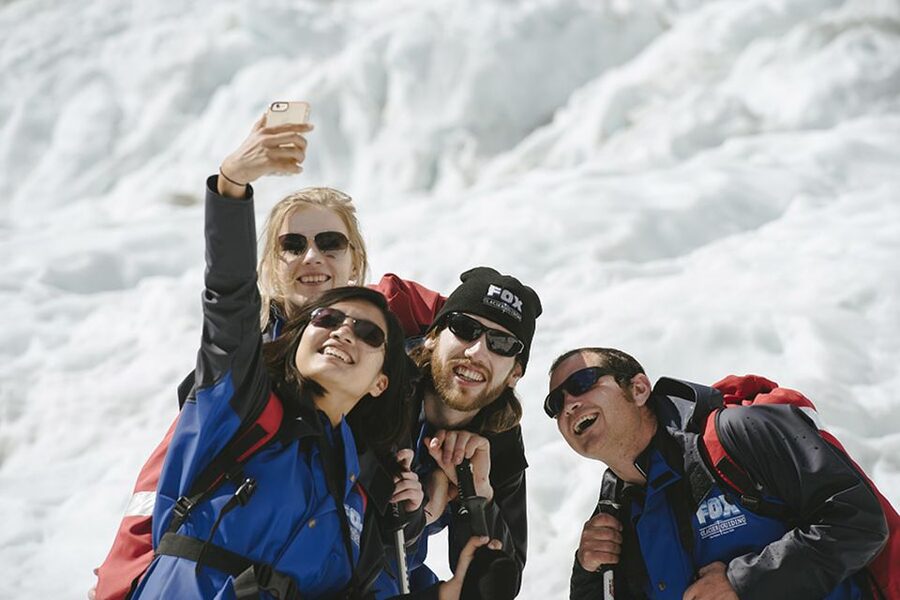
One of the strongest themes from this experience is the way guides explain what’s happening. You’re not just following someone with a headlamp and a clipboard—you’re learning glacier basics that make the walk more interesting.
In previous groups, guides like Billy, Kate, Jakey, and Dean were singled out for being engaging and fun while staying serious about safe movement. That combination is key. When the guide keeps things clear and entertaining, the glacier becomes understandable instead of just intimidating.
Expect talk that covers:
- how glaciers form ice features over time
- why compression and melt change what you see
- what you should look for while you walk
I think that’s the secret value here: you get the wow factor, but you also leave with a mental model. Later, when you see photos or drive past other ice areas in the region, you’ll recognize more than just “cool ice.”
The Ride Back and That Short Break: How the Day Lands
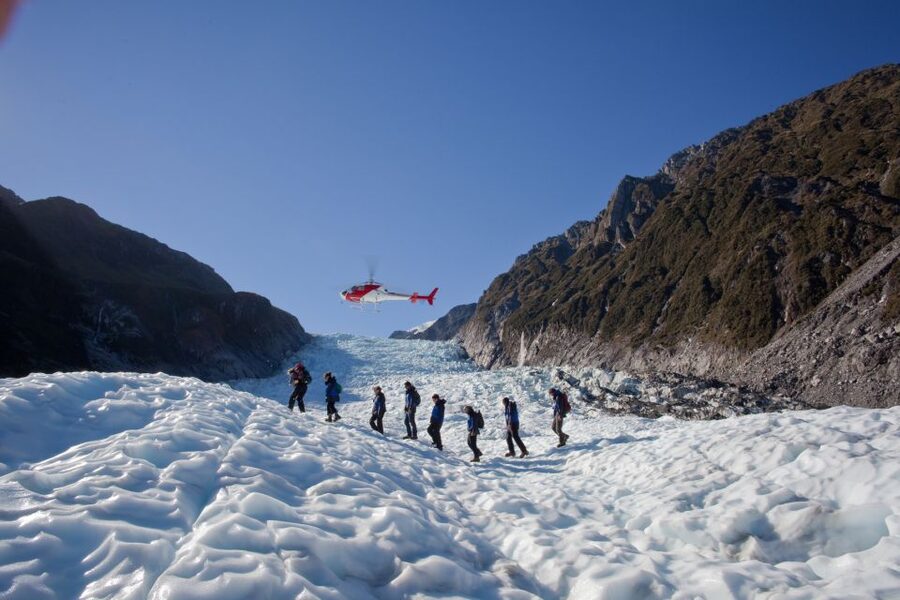
After your time on the glacier, you fly back. That second helicopter ride brings the day back into scale again. When you’re standing on the ice, it can feel close and maze-like. From above, it’s huge, and you can spot how sections relate to each other.
Then you’re back to the meeting point area, with a short break (about 10 minutes) before the process ends. It’s not a long lunch-style pause, so if you’re hungry, plan accordingly.
And yes, you’ll probably want to talk to your guide and crew about what you saw. This is the kind of tour where the ice features stick in your mind, and the explanation makes you want to compare angles, textures, and “how that formed” questions.
Weather Flexibility: What You Can Control and What You Can’t
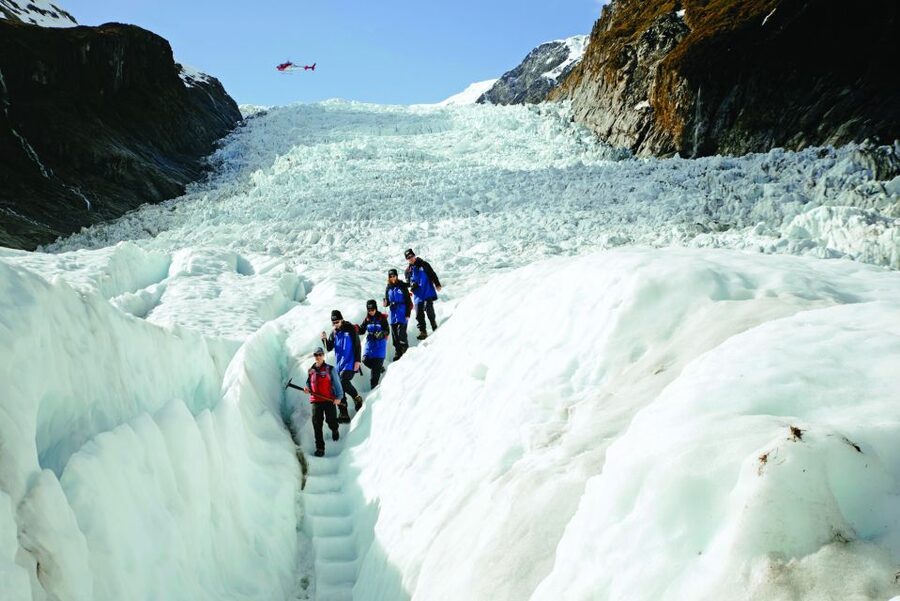
Glacier tours live by one rule: favourable weather. The tour is subject to conditions, and the time you spend on the ice can vary based on cloud, visibility, and safety factors.
That’s why the advice is to book the first available day in Fox Glacier when you can. If conditions are poor, having a second or next-day option gives you more chances to get a good glacier window.
Here’s the practical mindset I recommend: treat it like a high-stakes outdoor day, not a guaranteed “go at 10 a.m., do it no matter what” attraction. When weather is good, you’ll feel lucky fast. When weather turns, the crew prioritizes safe choices and adjusts accordingly.
Gear You Get vs. What You Need to Bring
This tour includes a lot, which is a big part of the value. You get:
- Two helicopter flights
- Expert guide
- Ground transport
- Leather boots and socks
- Crampons
- Walking poles
- Wet weather jacket and overtrousers
What you provide:
- Warm clothing
- Sunglasses
- Hat
- Camera
- Food and drinks
- Sunscreen
- Gloves
- Personal medication
A quick packing note: sunglasses and sunscreen matter more than you’d expect. Ice reflects light, and a glacier day can feel bright even when the sun hides behind clouds.
Also note what’s not allowed: jeans and drones. If you’re used to throwing on jeans for cold weather hikes, swap them for proper layers.
Who This Tour Suits Best (and Who Should Think Twice)
This hike requires reasonable fitness and agility. Glacier terrain is variable and can be challenging to navigate. If you’re comfortable with uneven surfaces, careful footwork, and being outdoors for several hours in cold conditions, you’ll likely be fine.
It’s not suitable for:
- Children under 9
- Wheelchair users
- People over 254 lbs (115 kg) / with restrictions above 116 kg (255.7 lb) (the guidance lists both limits, so treat this as a firm constraint)
One more point: if you’re expecting a gentle, mostly flat walk, adjust your expectations. This is a guided glacier hike with steps cut for you, but you still need to walk carefully across ice surfaces.
If you’re traveling with a group and you want one activity that gives you a big wow moment without months of glacier training, this is one of the best “ready-made” options—so long as you match the physical level.
Price and Value: Is $448 Worth It
At $448 per person, this isn’t a budget activity. So let’s talk value the way you actually feel it.
You’re paying for three high-cost things:
- Helicopter access twice (in and out)
- Professional guides who manage glacier safety and route finding
- Full cold-weather hiking kit, including crampons and wet weather gear
If you tried to do this on your own, you’d still need specialist guidance and equipment, plus you’d be fighting access and safety constraints. The included gear removes a lot of the hidden costs and hassle.
Also, the day isn’t short on action. You don’t just land, take photos, and leave. You get a full up to 3-hour guided walk on the glacier, plus scenic helicopter time for context.
Is it worth it? If you want the glacier experience in the most direct, high-impact way—ice caves, arches, and that remote landing moment—it’s very hard to beat. If you’d rather spend less on scenery and more on budget hikes, you might decide the price is too steep for your style.
Should You Book This Fox Glacier Heli-Hike?
Book it if:
- you want a glacier day that mixes science + spectacle
- you’re comfortable with the idea of a real guided hike on ice
- you value included equipment and safety-focused planning
- you can be flexible with weather and book the first available day
Consider skipping or choosing something different if:
- you want an easy, low-effort outing
- you’re not comfortable with cold, uneven terrain, and careful footing
- you fall outside the stated age/weight limits
My bottom-line take: this tour is expensive, but it doesn’t feel like a splurge for nothing. You’re paying to get onto the glacier in a way that’s hard to replicate any other way, and you’re getting the kind of guide-led explanation that turns photos into understanding.
FAQ
How long is the helicopter and hike portion?
The full tour duration is about 4 hours. You’ll spend up to 3 hours on the glacier hiking, with two short helicopter flights of about 5 minutes each.
Where do I meet the tour?
The meeting point is 44 Main Rd, Fox Glacier 7886, New Zealand.
What gear is included?
The tour includes leather boots and socks, crampons, walking poles, and a wet weather jacket and overtrousers.
What should I bring?
Bring warm clothing, gloves, sunglasses, a hat, sunscreen, a camera, and food and drinks. Also bring any personal medication you need.
Is weather a factor?
Yes. Trips are subject to favourable weather conditions, and it’s recommended to book the first available day in Fox Glacier for maximum flexibility.
Is this suitable for kids or wheelchair users?
Children under 9 are not suitable, and wheelchair users are not suitable. There are also weight-related restrictions (including guidance that people over 254 lbs / 115 kg are not suitable).