The Sierra Norte hike feels like a guided discovery. You leave Oaxaca City early, ride toward the communal villages of Cuajimoloyas, then start walking in a pine-oak zone where microclimates shift fast.
It’s a full day outside town, built around real mountain life, good food, and a hike that changes as you gain elevation.
I really like the way Luis Fernando runs the day: he’s the type of guide who notices what you’re looking at, then connects it to plants, fungi, and local culture. I also love that you’re not just hiking—you get major fuel with breakfast plus a big mountain meal at the end.
One thing to plan around: the hike can feel tougher than the shortest distance sounds, especially early on, and timing can slide so you might be walking later than you hoped. If you’re aiming for an easy walk, ask questions about what turning back looks like for your group pace.
In This Review
- Key things that make this hike work
- From Oaxaca City to Cuajimoloyas: the drive that sets the tone
- Breakfast first: why the morning timing matters
- Benign terrain on paper, real terrain on your legs
- The hike at 2,800–3,100m: expect thin air and steep moments
- Microclimates and forest details: the guide turns “trees” into a story
- Routes and pacing: how to choose the day you want
- What the mountain meals do for your energy (and for your wallet)
- Gear checklist: what’s included, what’s not, and what to wear
- Who should book this Sierra Norte hike (and who should think twice)
- Price and logistics: is $161.30 worth it?
- Should you book this hike?
- FAQ
- Where is the meeting point?
- What time does the tour start?
- How long is the experience?
- Are there different hike distances?
- Is the guide available in English?
- What should I bring for rainy versus dry conditions?
- What’s included in the price?
- Is there a fitness requirement and a group size limit?
- Can I cancel for a full refund?
Key things that make this hike work
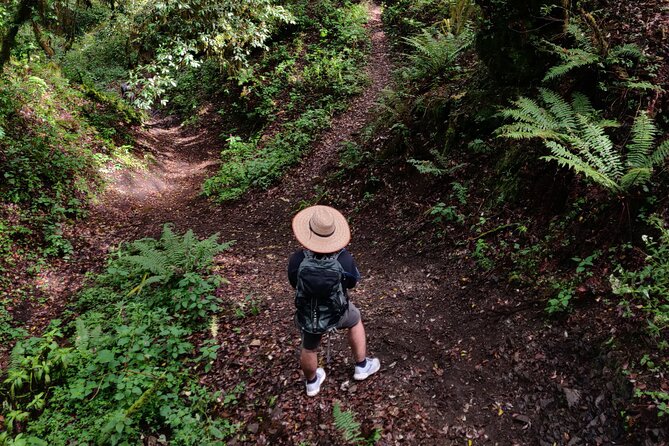
- Small group size (max 8): you get a better chance at real pacing instead of being swallowed by a crowd.
- Altitude from the start: you’re at roughly 2,800–3,100 meters, and some hikes go higher. Thin air changes how the trail feels.
- Route options by distance: you can choose short, intermediate, or long distances (and you’ll also get guidance on what’s doable).
- Trail snacks and hiking poles included: less fuss, more focus on the walk.
- Mountain food twice: breakfast plus lunch/dinner at local spots, not a bland stop for show.
- Nature talk isn’t fluff: pine, oak, and even fungi/mushrooms come into the story as you walk.
From Oaxaca City to Cuajimoloyas: the drive that sets the tone
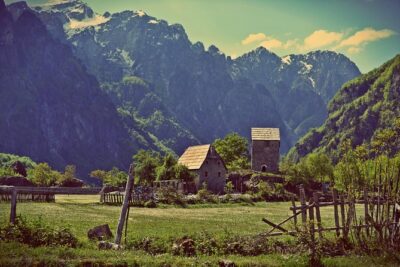
This is a true day trip. You meet in Oaxaca City at Dr. Liceaga 119 (Centro) at 8:00 am, then spend real time traveling up into the Sierra Norte. The day starts with a 1.5-hour drive to Cuajimoloyas, one of the 8 Pueblos Mancomunados (communal villages). That matters because you’re not only visiting nature—you’re moving through the communities that manage these lands.
As you climb, you’ll feel the vegetation shift. People often expect “mountains = pine forest,” but the change can be faster than you think: drier-looking lower slopes give way to cooler, greener forest as elevation rises. Even if you’re not a plant person, you’ll notice it because the air feels different and the light looks different.
The logistics are straightforward: private transportation, then a short transfer (about 15 minutes) to the trail area near Benito Juárez. This keeps the day from turning into a car-juggle.
Breakfast first: why the morning timing matters
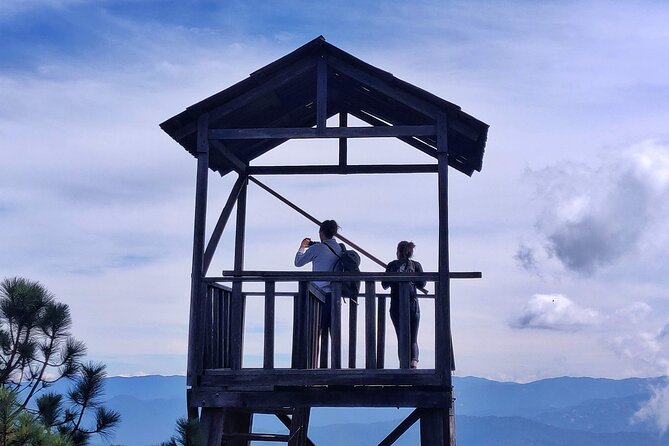
The day is built around two food moments. First: breakfast at a restaurant in Cuajimoloyas. The goal is simple—show up hungry, eat well, then hike without fighting low energy.
Here’s the part you should take seriously: an early departure doesn’t mean early hiking. Between the drive, breakfast, and moving to the trailhead, you may not start walking until late morning. I’d treat this hike like a “full-day outing,” not a quick morning workout.
That said, the breakfast is a real advantage. Multiple people describe the breakfast stop as a highlight, and it tends to be the difference between “I’m powering through” and “I can actually enjoy this.” You’ll also get trail mix/snacks later, so you’re not just relying on meals spaced hours apart.
Benign terrain on paper, real terrain on your legs
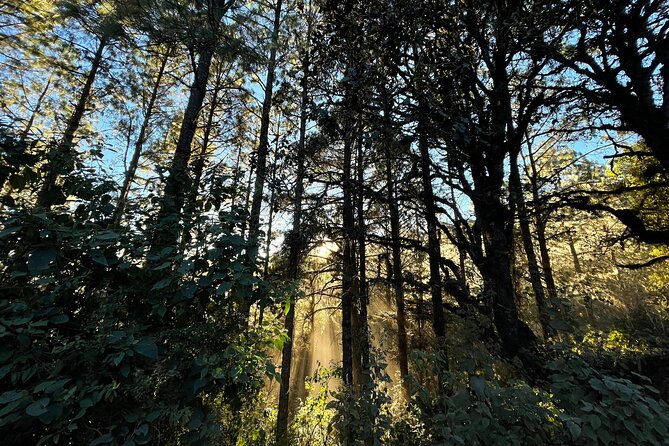
You’ll choose a distance option—short (2–5 km), intermediate (5–12 km), or long (12–25 km)—based on your level and the group’s pace. In theory, that helps you aim for the day you want.
In practice, the group may still move together for the first stretch, then adjust afterward. One couple reported that what they expected to be an easy option didn’t happen the way they planned; the group still hiked about 6 km before they could stop. So, if you’re chasing a true “short and gentle” experience, don’t just look at the distance label. Ask how the turning-back decision works for your specific group.
Also note: even when the total distance is moderate, the trail can be steep and uneven. Several accounts mention rolling hills, steep sections, and constantly changing elevation. This is not a flat forest stroll. It’s hiking—good hiking, but hiking.
The hike at 2,800–3,100m: expect thin air and steep moments
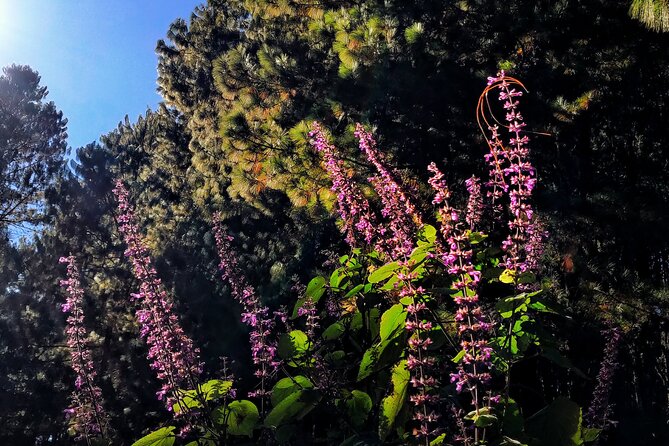
You’ll walk through a pine-oak forest at roughly 2,800–3,100 meters above sea level. That range doesn’t sound extreme until you’re standing on a trail feeling your breathing change.
This hike often includes steep up-and-down sections rather than long stretches of flat walking. People who live at sea level tend to notice the altitude quickly, even if they’re fit. A strong tip: pace yourself like you’re climbing, because you often are. Slow down early. You’ll feel better later instead of paying for it on the hardest climbs.
Weather also plays a role in how the day feels. In cold or damp conditions, the forest can be chilly. Several hikers mention being surprised by the cold at elevation, even when Oaxaca City weather felt manageable. If you tend to run cold, plan on adding layers.
Microclimates and forest details: the guide turns “trees” into a story
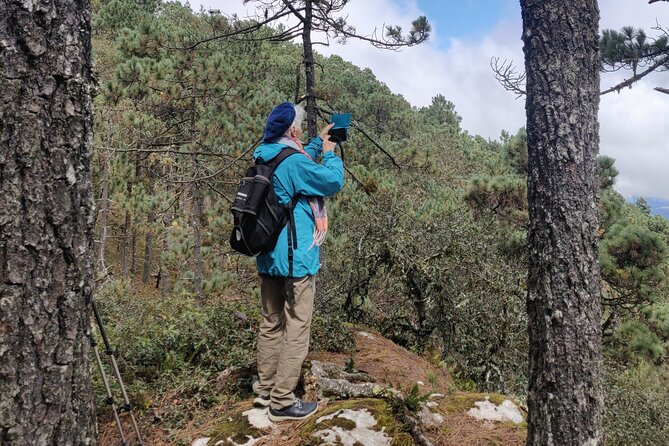
This is one of the best parts of the experience. The guide doesn’t treat the walk like a workout only. He explains what’s happening in the forest as you move through different microclimates—small shifts in temperature and moisture that change what grows where.
That can mean pine and oak in one section, then a different mix of plants and ground cover as conditions shift. If you like learning while moving, you’ll probably enjoy the way these talks happen naturally: you stop, look, and hear what you’re seeing.
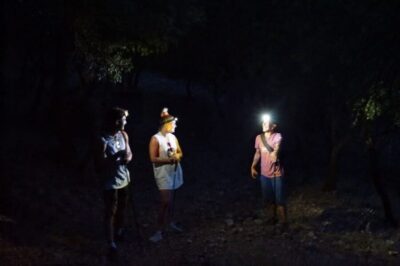
Fungi and mushrooms are part of the conversation too. Some hikes include mushroom hunting, and at the end of the day you might even see a restaurant prepare mushrooms collected along the trail (that depends on the season and conditions). Even if you’re not a forager, the mushroom focus makes the day feel fresh and specific to the Sierra Norte rather than a generic nature walk.
If you want a more cultural layer, ask questions. People note that Luis Fernando also connects plants to traditional uses. That’s not a museum talk—it’s the guide showing you how locals understand the forest.
Routes and pacing: how to choose the day you want
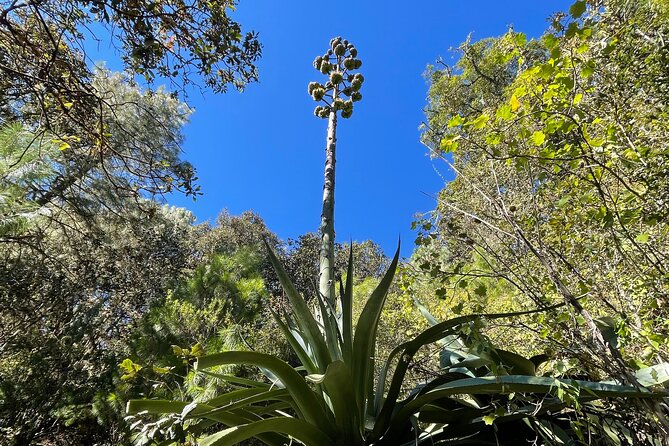
Because this is a small group (max 8), the guide can adjust more than big tour operators. Several hikers describe Luis Fernando as adjusting routes based on the group’s energy and offering options like continuing to a viewpoint or returning earlier.
That said, group hiking always has friction if fitness levels vary a lot. If you’re on the faster side, you might wait during steep sections. If you’re on the slower side, you might feel the pressure of not wanting to hold others back. One mixed account described leaving some people behind on the first leg and then having to wait later.
So here’s the practical way to set yourself up:
- Choose the distance that matches your worst day, not your best day.
- If you can hike comfortably for 90 minutes on steep terrain at altitude, you might be fine with intermediate.
- If you’re still building confidence, consider going shorter and focusing on finishing strong.
And don’t forget the altitude changes how long everything feels. A “2–5 km” walk can still feel like work when the ground is steep and the air is thinner.
What the mountain meals do for your energy (and for your wallet)
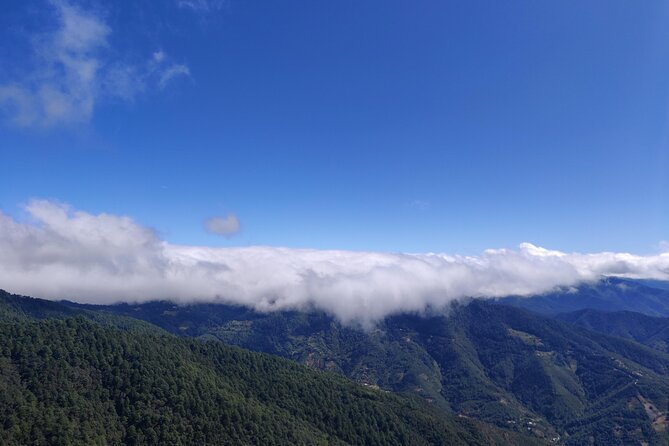
This tour’s value isn’t only the hike. It’s the food stops. You get:
- Breakfast at the start
- A trail snack (trail mix)
- Water (bottled water and a refill)
- And a second meal at the end (listed as lunch/dinner)
Multiple accounts say the end meal is a standout, including local dishes like trout cooked after preparation at a backyard-style setting. Even when the exact menu varies by restaurant and day, you’re eating at small mountain places rather than grabbing something generic.
From a value standpoint, $161.30 is easier to justify here than on many tours. You’re getting private transportation, hiking poles, entry fees, a rain jacket, meals, and water. Without a guide and ride, you’d still spend time and money getting yourself up there—plus you’d have to piece together food.
One small caution: because the day can start early but hike later, the final meal may land late afternoon or early evening. If you’re the type who eats at 12:30 sharp, plan to adjust your expectations.
Gear checklist: what’s included, what’s not, and what to wear
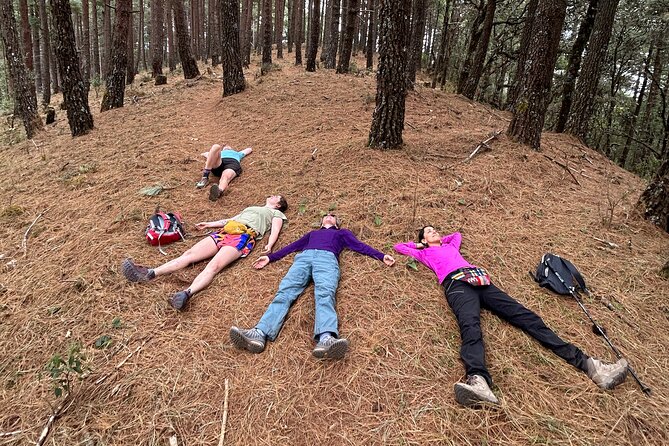
Included:
- Hiking poles
- Rain jacket
- Water bottle & refill
- Snacks trail mix
- Private transportation and entry fees
Not included:
- Backpack
- Cold jacket
You’ll also want to follow the seasonal clothing guidance:
- Rainy season (June–Oct): bring boots and a rain jacket. (The rain jacket is included, but boots matter.)
- Dry season (Nov–May): bring long sleeves, a hat, and sunscreen.
Even in drier months, sun climbs in altitude. You can feel both cold in the morning and strong sun as you hike. Layers help: bring something you can remove without losing your warmth.
Footwear is a bigger deal than most people think. The trail can be uneven and steep. Wear proper hiking shoes you’ve used before, not brand-new “I’ll break them in” sneakers.
Who should book this Sierra Norte hike (and who should think twice)
This works best for you if you:
- Like hiking in pine-oak forest and want real altitude outdoors time
- Enjoy guides who talk about plants, fungi, and local ways of seeing the forest
- Want a full-day itinerary that includes serious meals and transport
It may not be the best fit if you:
- Want a truly easy, flat, low-effort walk
- Are very sensitive to altitude or have trouble with steep sections
- Get cranky when a day starts early and the actual hiking begins later
If you’re unsure, you can still choose shorter routes. Just be aware that the group can start together before you’re able to peel off or turn back.
Price and logistics: is $161.30 worth it?
Let’s break down what you’re buying. You’re paying for:
- A full day of private transportation up into the Sierra Norte and back
- A guided hike with interpretation (plants, fungi, and local context)
- Entry fees
- Hiking poles and water support
- A rain jacket
- Breakfast plus a final mountain meal
- Snacks trail mix
That package is the reason this feels like a good use of a day in Oaxaca City. You’re not only paying for movement; you’re paying for access—getting into the communal village area, using local restaurants, and having someone handle the route and pace decisions.
If you price it out yourself, the transport and food alone can erase a lot of the savings of “doing it on your own.” This is one of those tours where the cost makes sense because you’d spend time and energy recreating the same experience.
Should you book this hike?
I think you should book if you want a day that mixes active hiking with real Sierra Norte food and stories. Luis Fernando’s strengths—English-friendly guiding, attention to plants and fungi, and tailoring the hike options—are exactly what turns a walk into a memory.
Book with extra caution if you’re chasing an easy “2–5 km” experience. You may still hike a longer first stretch with the group, and altitude can make any distance feel harder than you expect. If you go in with that mindset, you’ll likely enjoy it more.
If your idea of a perfect day is steep trails, cold-air pine forests, and a mountain meal at the end, this is a solid choice.
FAQ
Where is the meeting point?
You’ll meet at Dr. Liceaga 119, RUTA INDEPENDENCIA, Centro, 68000 Oaxaca de Juárez, Oax., Mexico.
What time does the tour start?
The start time is 8:00 am, and the activity ends back at the same meeting point.
How long is the experience?
It’s listed at about 12 hours.
Are there different hike distances?
Yes. You can choose based on your level and group pace: short (2–5 km), intermediate (5–12 km), or long (12–25 km).
Is the guide available in English?
Yes. The experience is offered in English, and you’ll receive a mobile ticket.
What should I bring for rainy versus dry conditions?
For rainy months (June–Oct), bring boots and a rain jacket. For dry months (Nov–May), bring a long-sleeved shirt, hat, and sunscreen. The rain jacket is included, but boots and seasonal clothing are on you.
What’s included in the price?
Included are breakfast, lunch meals (breakfast and lunch/dinner), snacks trail mix, bottled water plus refill, hiking poles, private transportation, entry fees, and a rain jacket.
Is there a fitness requirement and a group size limit?
The tour is for travelers with moderate physical fitness, and it has a maximum of 8 travelers.
Can I cancel for a full refund?
Yes. You can cancel up to 24 hours before the experience starts for a full refund. If you cancel less than 24 hours before, the amount paid isn’t refunded.