REVIEW · MOUNT ETNA
Etna: summit craters trekking with volcano guide 3350mt
Book on GetYourGuide →Operated by Ashàra Etna & Stromboli Guides · Bookable on GetYourGuide
Etna at the summit rim is unforgettable. This hike is built around getting you high fast—then walking right along the edges of Etna’s most famous craters with a certified volcano guide. I especially like the active-volcano geology lessons you get on the move, and I also love the built-in photo stops where the views actually explain themselves.
What makes it work well is the mix of cable car + jeep 4×4 to reach about 2,800 meters, then a focused foot trek over volcanic terrain. The guide names you’ll hear—like Antonio, Massimo, and Giovanni—show up in the way the day is run: clear pacing, safety-first decisions, and real talk about what you’re seeing up close.
One drawback to plan for: this is an active volcano, so weather and volcanic conditions can force changes. If conditions are rough, you might not reach the top as planned, and you should be ready for a different route—or even a higher stop instead of the crater edge.
In This Review
- Key points that make this Etna summit crater trek worth it
- Entering the Etna world at Rifugio Sapienza (and who you’re meeting)
- Cable car to altitude, then jeep 4×4: why this combo is a smart design
- The summit craters rim: Central Crater views that feel vertical
- Lava channels, volcanic bombs, and why sulfur shows up in the story
- Valle del Bove and the Barbagallo craters: where the hike turns scenic and steep
- Timing, pace, and route changes on an active volcano day
- What to pack (and what the tour already gives you)
- Price and value: $77 base cost plus the on-the-spot €65
- Who should book this Etna summit craters hike (and who should skip)
- Should you book the Etna summit craters trek?
- FAQ
- How long is the Etna summit craters trekking experience?
- What do I need to pay for on the day?
- If the summit craters can’t be reached, what happens?
- Where do we meet the guide?
- What’s included with the ticket?
- What should I bring?
- Is it suitable for children?
- What languages are the guides available in?
Key points that make this Etna summit crater trek worth it
- Certified volcano guide focused on geology, eruptions, and what’s happening underfoot
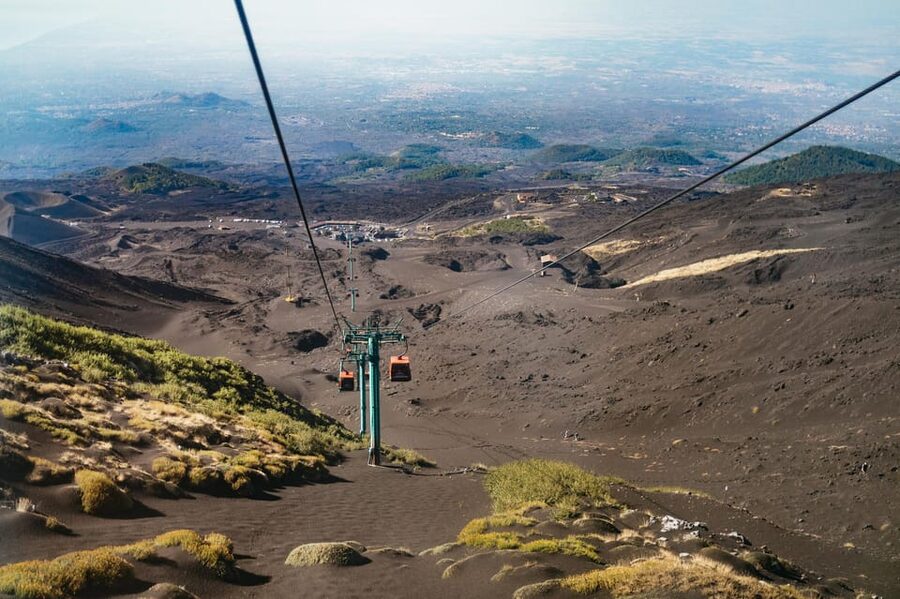
- Cable car + 4×4 gets you to about 2,800 m fast, so the hike is more than just transport
- Craters rim walking with dramatic views over the Northeast and Southeast craters
- Lava-channel and volcanic terrain trek that feels truly lunar in feel and color
- Clear safety decisions when wind or volcanic activity forces route changes
- Gear provided: boots, helmet, walking sticks (you just bring the layers and water)
Entering the Etna world at Rifugio Sapienza (and who you’re meeting)
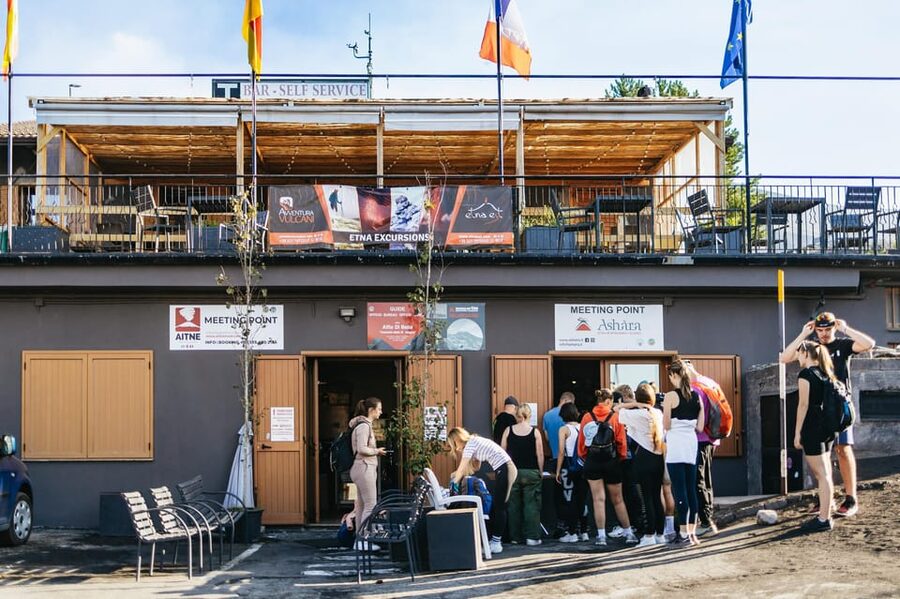
The day starts at Ashàra Volcanological Guides at Rifugio Sapienza on Etna’s south side. The meeting point matters because you’re gearing up for a summit day—cold air, high wind, and uneven ground are part of the deal. You’ll meet your guide, get instructions, and then the group heads into the climb with the right attitude: quick steps, smart pauses, and constant safety checks.
One detail I really like is that the guides are local and focused on Etna specifically. That shows in the way they explain what you’re seeing—sulfur smells, gas emissions, and volcanic “features” that look random until someone connects them to the mountain’s behavior. If you end up with someone like Antonio or Massimo, you’ll likely get a mix of geology facts and practical guidance that makes the whole hike click.
You can also read our reviews of more guided tours in Mount Etna
Cable car to altitude, then jeep 4×4: why this combo is a smart design
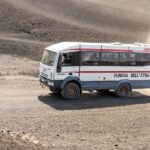
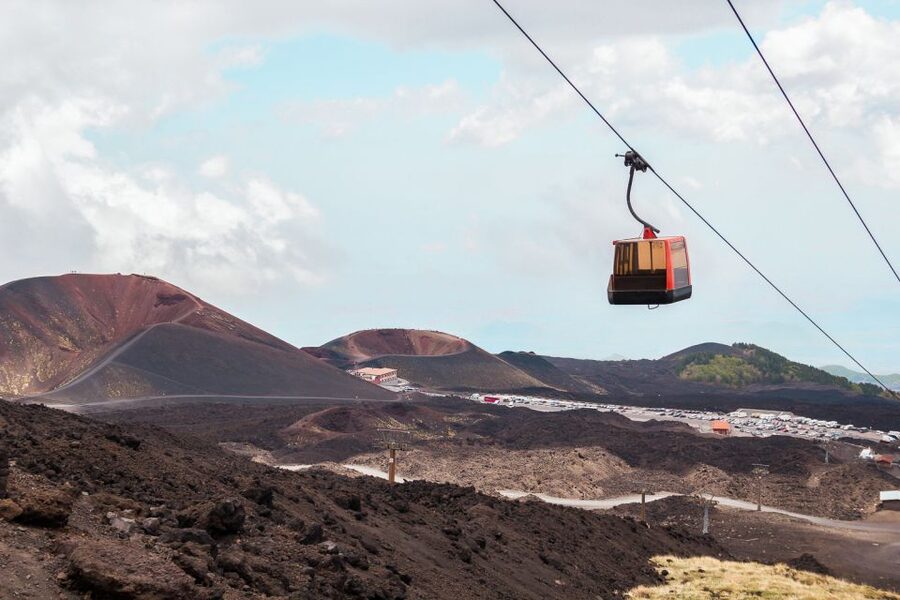
You ride a cable car first (about 25 minutes), then transfer to a jeep / SUV for a short ride (about 30 minutes) to roughly 2,800 meters. This isn’t just for comfort. It’s how you get from “getting there” to “experiencing Etna” without burning half your day on the lower slopes.
At higher altitude, the air changes fast, and visibility can swing with wind. Getting that elevation early helps you spend your energy on the parts you actually came for: crater-rim walking, lava-flow crossings, and the bigger viewpoints over the Ionian coast. If conditions force adjustments later, having already banked altitude often means you still get meaningful terrain time.
Practical note: you’ll be paying cable car and jeep tickets on the spot (cash only) at €65 per person. If the day can’t go to the summit craters as planned, you may instead stop at 3,000 m and take only the cable car (listed as €52 per person). It’s part of how an active volcano trip stays flexible.
The summit craters rim: Central Crater views that feel vertical
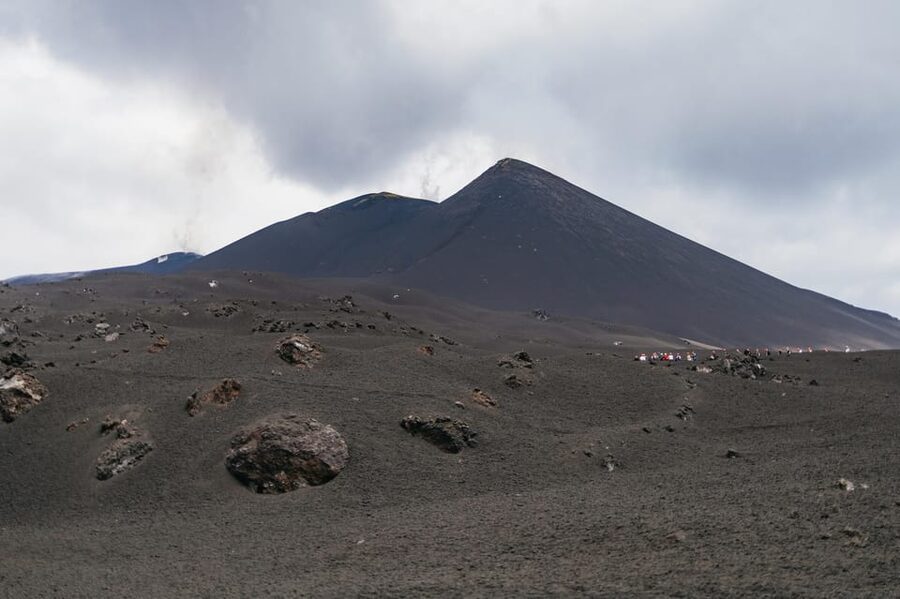
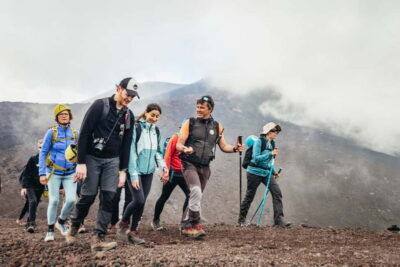
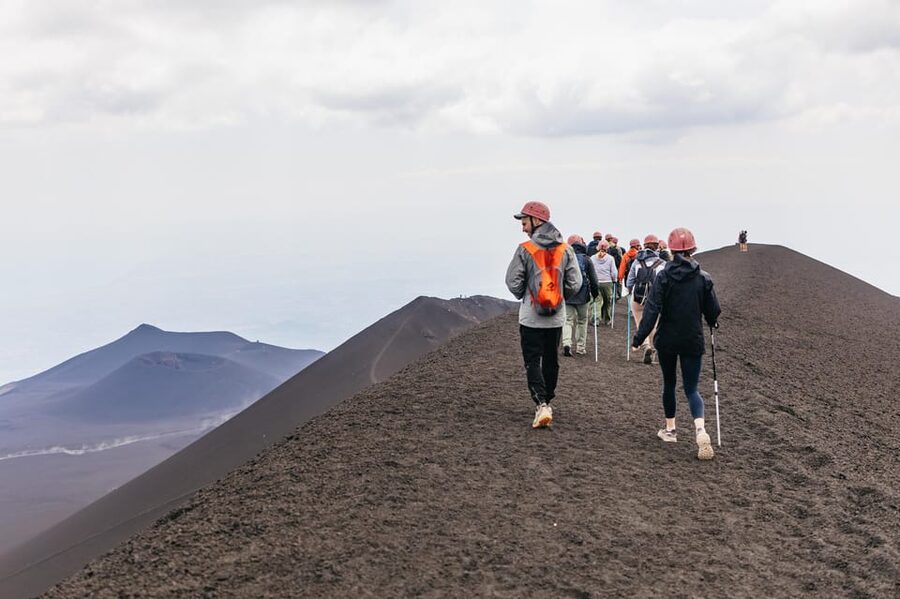
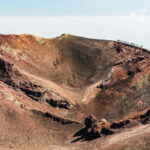
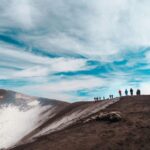
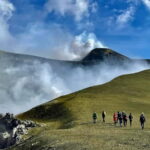
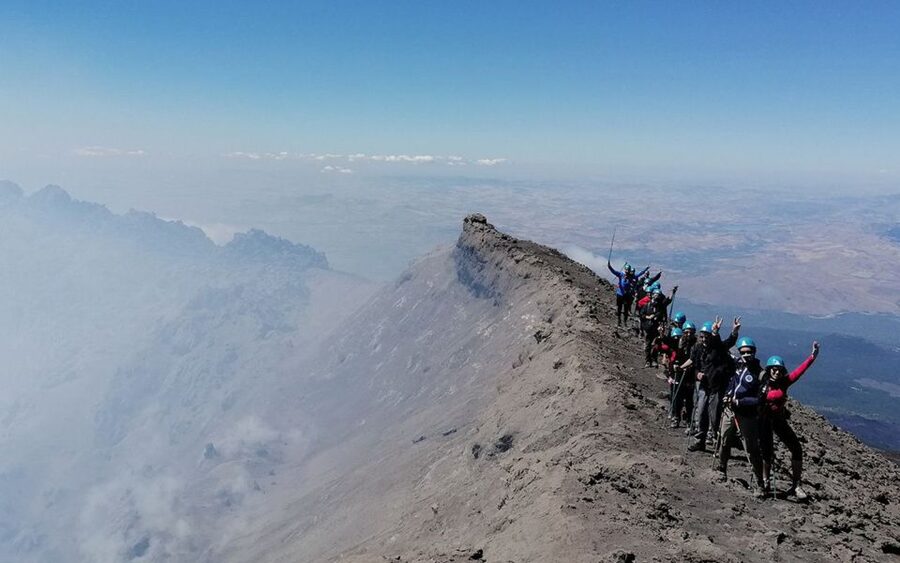
Once you’re close to the summit, you start a roughly two-hour hike toward Etna’s crater rim areas. This is the part that makes people remember the day. You walk near the rim, take in huge drop-offs, and look outward at the mountain’s internal geometry—what you’d miss if you only stayed at viewpoints.
Expect a guided stroll with specific photo stops, not random wandering. The Central Crater is a key focus, and you’ll get views toward the Northeast Crater and the Southeast Crater. The Southeast Crater is tied to the most recent impressive eruptions, so you’re not just sightseeing—you’re connecting the current terrain to Etna’s recent activity.
Wind can make the experience feel intense. That’s normal at this altitude. Guides manage that with pacing and stop timing. If you’re the type who gets jumpy at heights, you’ll still likely be okay with careful footwork and the guide’s “watch where you put your boots” approach. Just understand that you will be walking on volcanic ground, not polished tourist paths.
Lava channels, volcanic bombs, and why sulfur shows up in the story
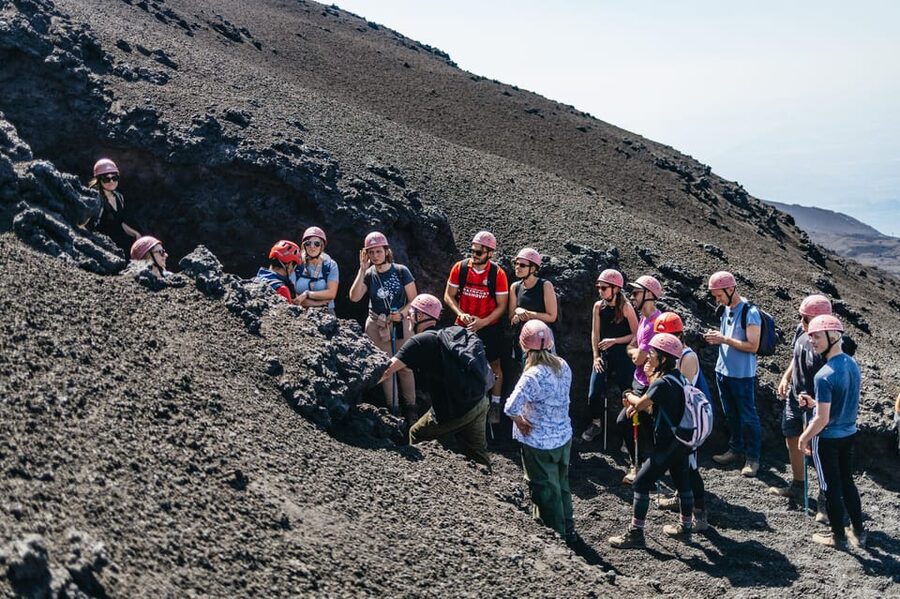
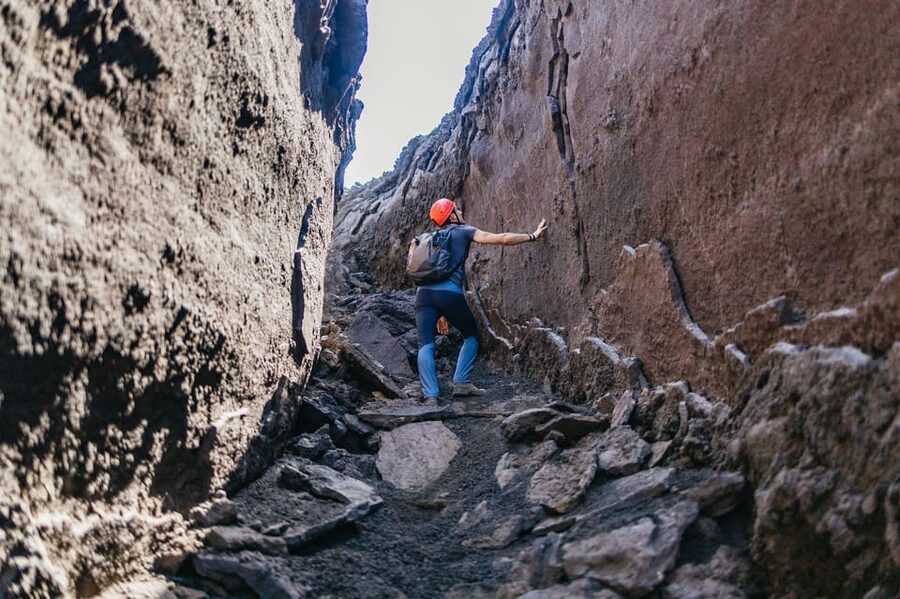
One of the most interesting parts of this trek is passing through a lava channel and moving across lunar-like terrain. On Etna, lava doesn’t behave like a clean, tidy river on land. It breaks, spreads, and hardens into shapes that look strange until someone helps you read them.
Your guide points out things you can literally see:
- Gas emissions rising from active zones
- Volcanic bombs (chunky ejecta you can spot in the right conditions)
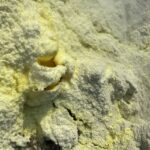
- Ground colors altered by elements—especially sulfur, which also ties to the smells some people notice
This is where the “volcano guide” piece earns its keep. Without guidance, a crater rim can feel like a dramatic view. With guidance, it feels like a living system you can interpret: heat, pressure, rock types, and why parts of the mountain look different from one section to another.
Even the stops are designed to build that understanding. You’ll get panoramas over the Ionian coast, then you’ll shift back to close-up terrain moments—like when the ground shifts from one colored layer to another.
Valle del Bove and the Barbagallo craters: where the hike turns scenic and steep
During the descent, the route visits the Barbagallo craters and crosses a lava flow channel. Then you head toward Valle del Bove. This area matters because it’s not all “one straight line to the summit.” You’re also learning how Etna reshapes itself over time and how different zones connect.
Valle del Bove is a big visual payoff: a dramatic valley-style feature that helps you step back and realize you’re seeing a massive volcanic structure, not a single peak. The combination of crater-rim intensity and then this wider valley view keeps the day from feeling like one long “same type of wow.”
The terrain during descent can still be uneven and sandy. Your boots and walking sticks help a lot here. If your legs feel it later, that’s normal—this is not a flat nature stroll, even though the route is guided and paced.
You can also read our reviews of more hiking tours in Mount Etna
Timing, pace, and route changes on an active volcano day
This trek runs about 6 hours total. The hike portions feel long enough to earn the views, but the stops are planned: photo breaks, viewpoint time, and guided explanations. The pacing is usually comfortable for moderately trained hikers, but the terrain can be medium-high difficulty because of the surface and altitude.
Also: the itinerary changes if Etna’s activity or wind makes summit access unsafe. In those cases, the day typically shifts to the maximum altitude allowed (example given: stopping at 3,000 m) and adjusting crater access accordingly. You might also see an alternative program when strong winds shut down parts of the route. Guides like Antonio have handled that by taking groups up safely to around 3,100 m and still showing spectacular sights instead of ending the day early.
That flexibility is part of the value, not a failure. What matters is that safety drives the plan, and the guide doesn’t just “cut it short.” You’ll still get meaningful Etna terrain and geology time.
What to pack (and what the tour already gives you)
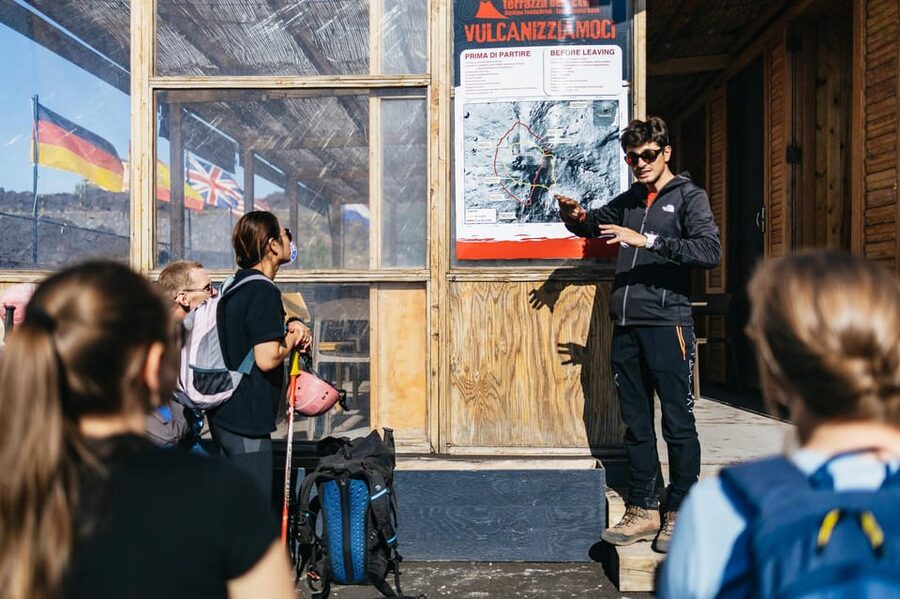
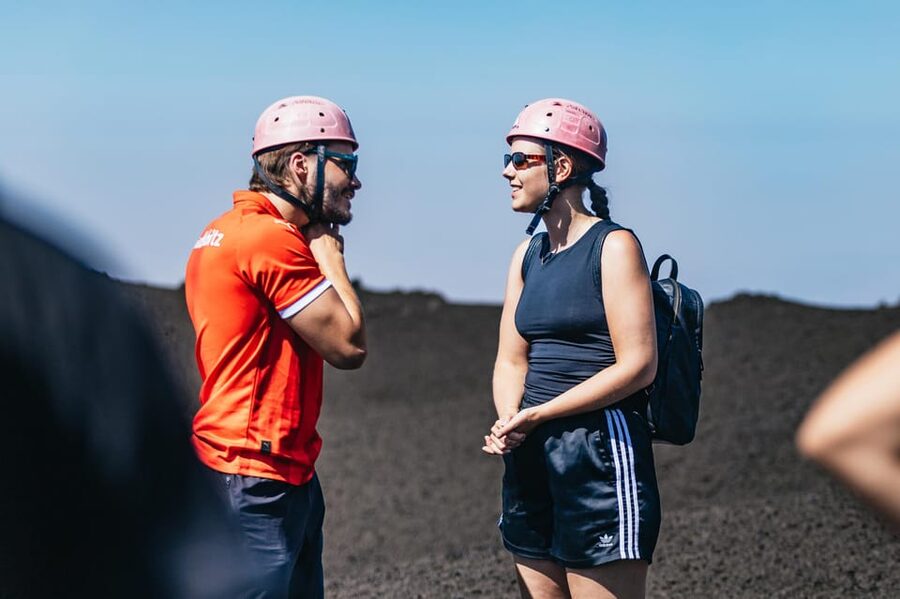
Included items make a difference on summit days: hiking boots, rock helmet, and walking sticks are provided. That reduces how much you need to carry and lowers the chances of someone showing up with unsuitable shoes. You also get hiking boots and a safety setup that fits the rocky, uneven volcanic ground.
Still, you have to bring your own layers and comfort basics. The tour asks for:
- Sunglasses and sunscreen
- Sun hat
- Food and water, plus snacks
- Sunscreen and an extra T-shirt
- Jacket, long pants, socks, daypack (about 10–20 L)
A key practical point from real day conditions: it can be cold even when Catania is warm. Wind can turn chilly fast near the summit. If you get cold easily, treat this as a cold-weather hike first and an Italian summer outing second.
Not allowed:
- Pets, shorts, baby strollers, luggage/large bags
Not suitable for:
- Children under 11
- Pregnant women
- People with back or heart problems
- People with vertigo, respiratory issues, or high blood pressure
If any of those apply, this is the wrong day to test yourself.
Price and value: $77 base cost plus the on-the-spot €65
On paper, the price starts at $77 per person, but cable car and jeep tickets are extra: €65 per person paid on the spot (cash only). In the “can’t reach summit craters” scenario, the cable-car-only option is listed at €52 per person. So your total cost can land higher than the headline.
Is it worth it? For me, the value argument is simple:
- You’re paying for high-altitude access and specialized volcanic guiding.
- You’re not just buying views. You’re buying crater-rim walking, lava-channel terrain, and a guide who connects it to real volcanic behavior.
- The included gear (boots, helmet, sticks) saves you from making risky shopping choices last minute.
If you’re comparing this to basic Etna tours that only stop at viewpoints, this one usually wins because it gets you onto the active volcanic surfaces with guidance. If you’re traveling on a tight budget and only want photos, a lower-cost viewpoint stop might feel more efficient. But if you want the Etna summit experience with context, this is one of the more “complete” ways to do it.
Who should book this Etna summit craters hike (and who should skip)
This fits best if you:
- Want a guided crater-rim walk on an active volcano, not just a bus-to-viewpoint day
- Are moderately trained and comfortable hiking on sandy and uneven terrain
- Like understanding the “why” behind what you see—gas, sulfur, crater structure, and eruption patterns
- Can handle altitude and wind without panicking
It’s not a good fit if you:
- Have vertigo or breathing/heart issues
- Need a very easy walk or fully paved path
- Are traveling with kids under 11 or if pregnancy restrictions apply
Language support is available in French, English, and Italian, so you’re not stuck with basic “look and point” guiding.
Should you book the Etna summit craters trek?
Yes, if your ideal Etna day is crater edges, lava-channel terrain, and real geology explanations from a guide who takes safety seriously. The biggest reason to book is that the day is structured for more than pictures: you walk, you learn, and you look at the mountain from multiple angles—Central Crater rim, then descent highlights like Barbagallo craters and Valle del Bove.
Skip it (or choose a less demanding Etna option) if you know altitude and wind are a problem for you, or if you’re looking for a relaxed sightseeing schedule. This is a hike with seriousness built in, because Etna is active and plans can change.
If you do book, pack like it’s going to be cold and windy. And when the guide adjusts the route, treat it as part of the experience. On Etna, safety decisions are also the difference between seeing the mountain up close and just staring at it from far away.
FAQ
How long is the Etna summit craters trekking experience?
It lasts about 6 hours.
What do I need to pay for on the day?
Cable car and jeep 4×4 tickets are not included. They cost €65 per person (cash only) and are paid on the spot.
If the summit craters can’t be reached, what happens?
The tour may stop at 3,000 m and continue with only the cable car. The cable car-only option is listed at €52 per person.
Where do we meet the guide?
Meet at Ashàra Volcanological Guides at Rifugio Sapienza on Etna’s south side.
What’s included with the ticket?
Included are the hiking tour, a volcano or alpine multilingual guide, hiking boots, RCT insurance, a rock helmet, and walking sticks.
What should I bring?
Bring food and drinks, snacks, water, sunscreen, sunglasses, a sun hat, a jacket, long pants, socks, and a daypack. The tour also recommends an extra T-shirt.
Is it suitable for children?
No. It is not suitable for children under 11.
What languages are the guides available in?
Guides are available in French, English, and Italian.