REVIEW · SETTI FADMA
Marrakech: Ourika Valley Trip with Waterfall Hike & Lunch
Book on GetYourGuide →Operated by Vibrant Vistas Marrakech · Bookable on GetYourGuide
Marrakech gets quieter fast in Ourika Valley. This 7-hour outing swaps medina chaos for mountain air, river views, and a real hike to waterfalls. I like how the day mixes hands-on culture with outdoor time, without dragging you through a bunch of museum stops.
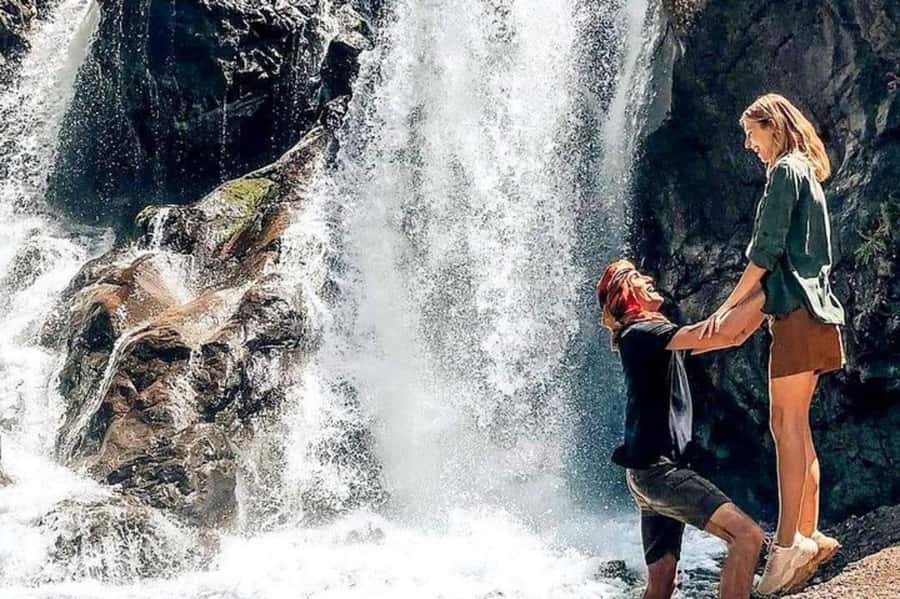
I especially liked the women’s cooperative visit, where you’ll see artisans at work and learn how local products get made and sold. I also loved the waterfall hike feel: steep in spots, but the views and the sound of cascading water make it worth the effort, with guides like Ibrahim, Badr, and Yahya showing the way and keeping people together.
One thing to plan for: the walk to the waterfalls is uphill and can be rocky or slippery. Wear proper shoes and expect it to be tough at times, and note it is not suitable for wheelchair users or people with mobility impairments.
In This Review
- Key highlights worth planning around
- From Marrakech to the Atlas Mountains: the drive that sets the mood
- Ourika Valley photo stop and quick shopping: what you get in 30 minutes
- Setti Fadma and the waterfall hike: the part you’ll remember
- What the hike feels like
- Expect moments that feel like a reward cycle
- A realistic fitness check
- Women’s cooperative visit: culture you can see and support
- Lunch by the Ourika River: the payoff after the climb
- Guides, drivers, and what makes this feel well-run
- Value and price: is $11 actually worth it?
- What to bring (so the hike doesn’t ruin your day)
- Weather and route changes: when conditions matter
- Who should book this Ourika Valley day trip?
- Should you book this tour?
- FAQ
- How long is the Ourika Valley trip from Marrakech?
- What transport is included?
- Is lunch included?
- Where do you hike, and how long is the hiking part?
- What languages are the guides?
- Is this tour suitable for wheelchair users?
- What should I bring?
Key highlights worth planning around
Women’s cooperative stop with local products: Expect a guided visit and time to shop practical souvenirs like argan items.
Waterfall hike led by a local hiking guide: You’ll get support through the more difficult parts, including help with crossing water sections when needed.
Photo-friendly viewpoints in the valley: There’s time for panoramic shots before you head into the Setti Fadma area.
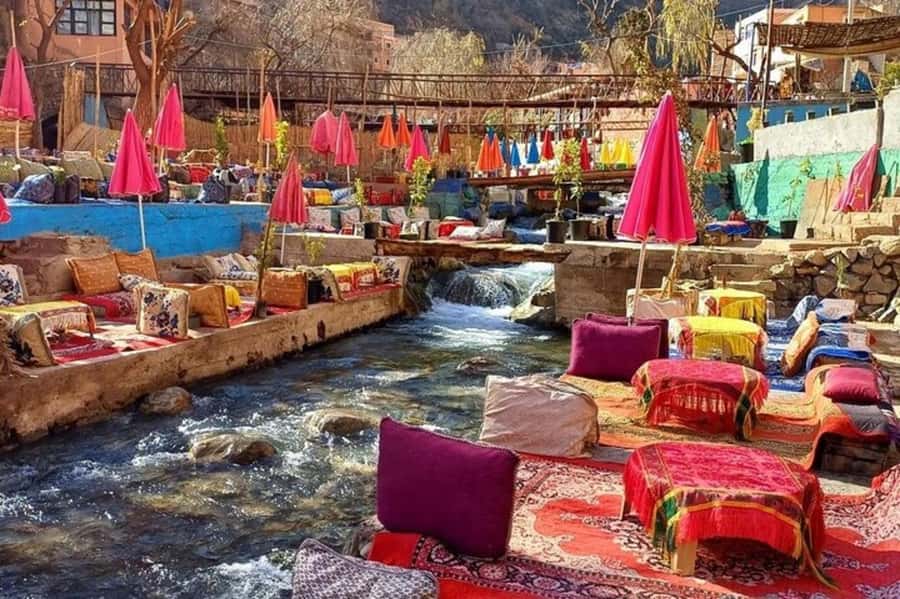
River lunch with a mountain-meets-Morocco setting: If you choose the lunch option, you typically eat outdoors by the Ourika River with 3 courses.
Hotel pickup and drop-off in an air-conditioned vehicle: Marrakech to Atlas driving is part of the experience, and it stays comfortable.
From Marrakech to the Atlas Mountains: the drive that sets the mood
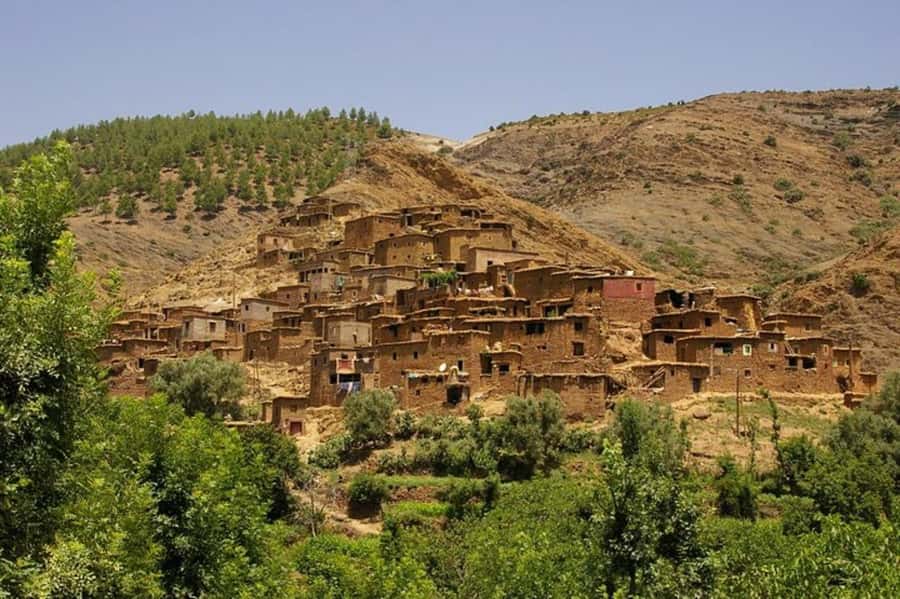
Pickup is from your Marrakech hotel, and the day starts with a scenic run toward the Atlas Mountains. You’ll be in an air-conditioned vehicle, so you’re not baking while everyone else is out on the street waving taxis at you.
The first big time block is the drive (about 45 minutes). It’s long enough to change your mental mode from city touring to outdoors touring. Along the way, your live guide (often speaking English, French, or Arabic) can give context about the area you’re heading into, including what Berber life looks like outside Marrakech.
Practical note: use this “in-between” time to solve the basics—water, sunscreen check, and quick bathroom planning—so you don’t scramble later when you’re already on foot.
A few more Setti Fadma tours and experiences worth a look
Ourika Valley photo stop and quick shopping: what you get in 30 minutes
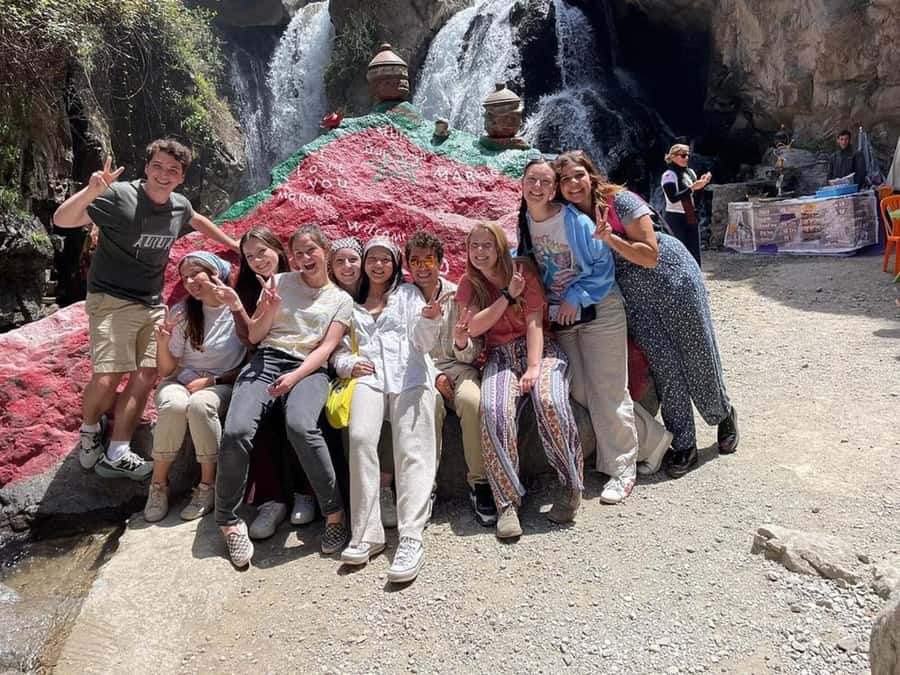
Once you reach the Ourika Valley, you get a viewpoint stop plus free time. This is the moment for panoramic photos and a bit of wandering. The schedule keeps it tight (around 30 minutes), so treat it like a photo break and a mini-market scan, not a full shopping session.
This stop is also where you can grab small items you’ll wish you had later—sunscreen if you forgot, a hat, or a snack. You’ll often see local crafts and souvenirs for sale, and it can be a good place to compare prices before the cooperative stop later.
If you’re the kind of person who likes to browse slowly, pair this stop with a simple strategy: choose the one or two things you want most (like argan oil or textiles) and avoid drifting into a shopping marathon.
Setti Fadma and the waterfall hike: the part you’ll remember
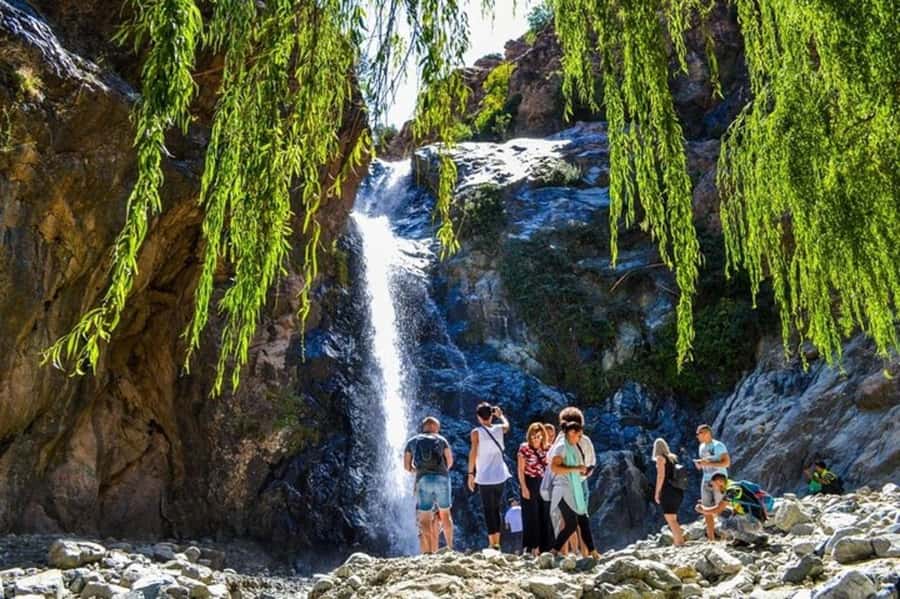
Setti Fadma is where the day turns from sightseeing into walking. You’ll have an entry included, and you’ll spend about 1.5 hours in the Setti Fadma area with a local guide and hiking time.
What the hike feels like
From the way guides like Yahya lead groups, the hike is generally uphill and can be stoney. People also talk about slippery rocks in some spots, so grip matters. Even when it’s manageable, it’s not a flat stroll.
Good news: the hiking guides pace groups, call out the safer routes, and keep an eye on everyone. Some guides even run back and forth to help people through harder sections and make sure no one gets left behind. If your group includes kids, you might also see practical support like baby carriers being offered.
Expect moments that feel like a reward cycle
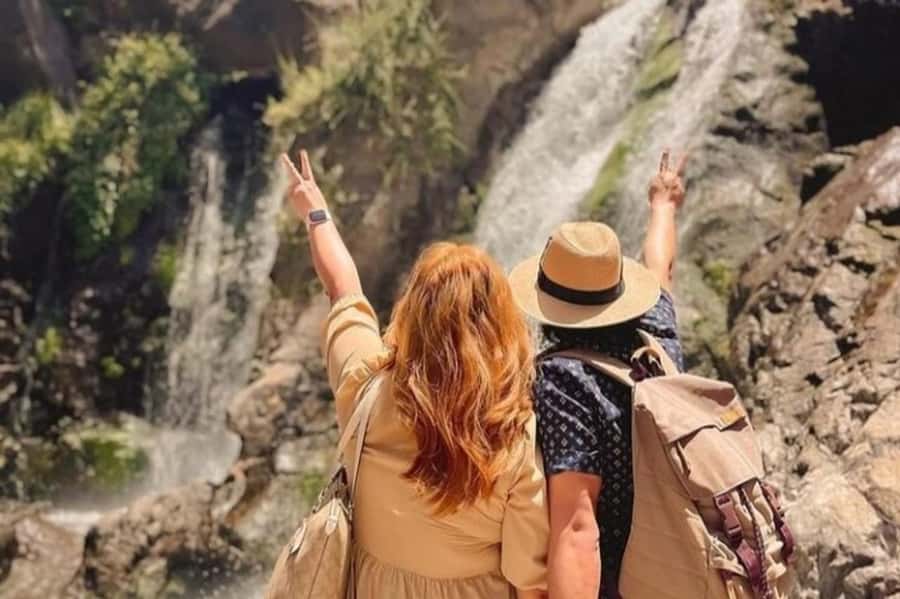
This itinerary is built around the classic hiking pattern: walk, pause, look back, then walk again. You’ll hit spots with waterfall views and a chance to stop for photos. One of the most common takeaways is that the view at the top makes the climb feel like the right kind of effort—especially when the waterfall sound carries through the valley.
A realistic fitness check
If you can walk 30 to 60 minutes uphill at a steady pace, you’ll likely enjoy this. If you hate uneven ground, plan for extra caution, slow steps, and lots of breaks.
Women’s cooperative visit: culture you can see and support
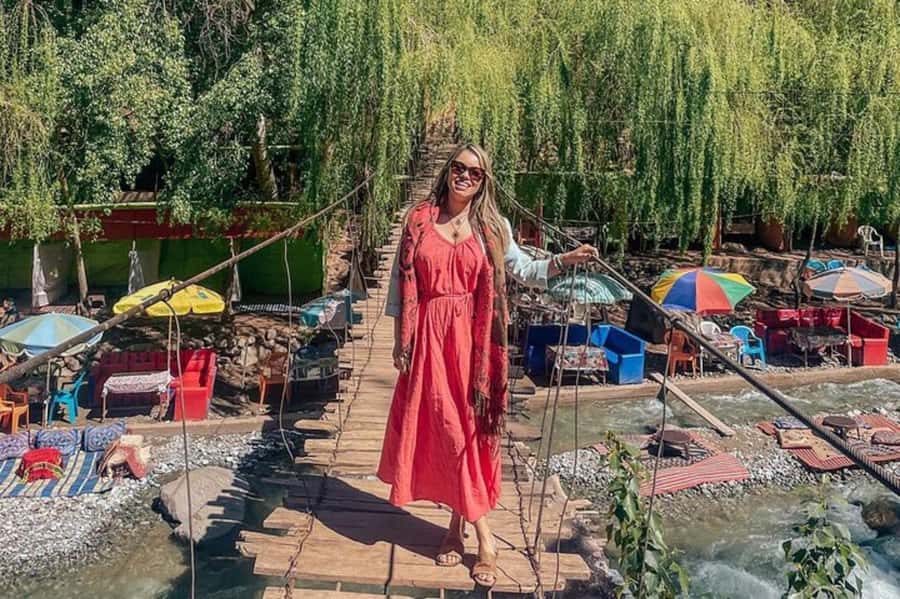
This day trip isn’t just about scenery. The women’s cooperative stop is a real cultural moment, and it’s often one of the highest-rated parts of the day.
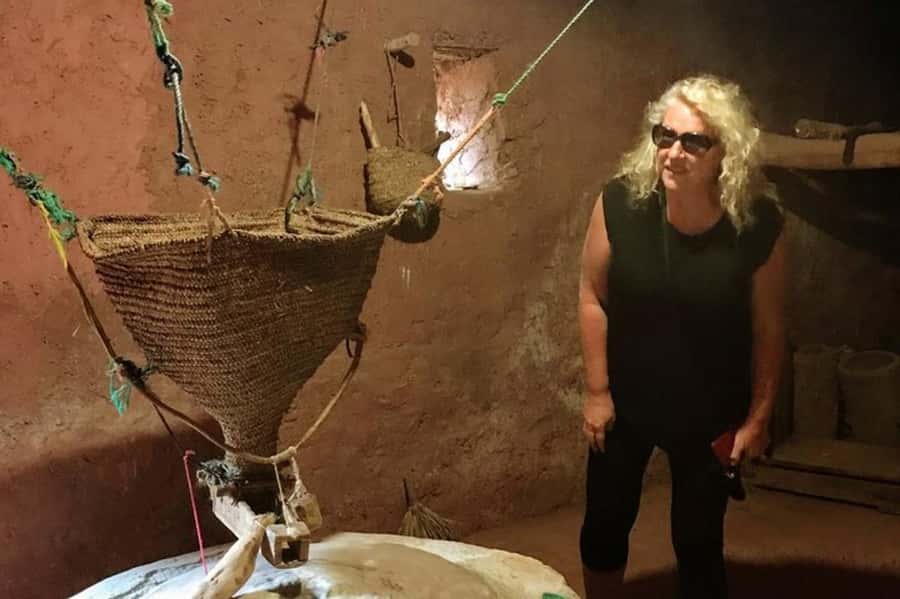
You’ll visit a women’s cooperative with a local visit and guided tour. The focus is on seeing skilled artisans at work, making handmade crafts and textiles, and learning how products move from workshop to market.
What I like about this stop is that it gives you something concrete to take home: argan-related items, local honey, and cooperative-made products that feel tied to people and place rather than just mass souvenirs. Some groups are hosted with tea, and you may get to taste items like homemade amlou and honey depending on what’s available that day.
A small tip: this is a good place to ask questions about what’s made there and what’s best to buy. Your guide will often explain what products are popular and why.
Lunch by the Ourika River: the payoff after the climb
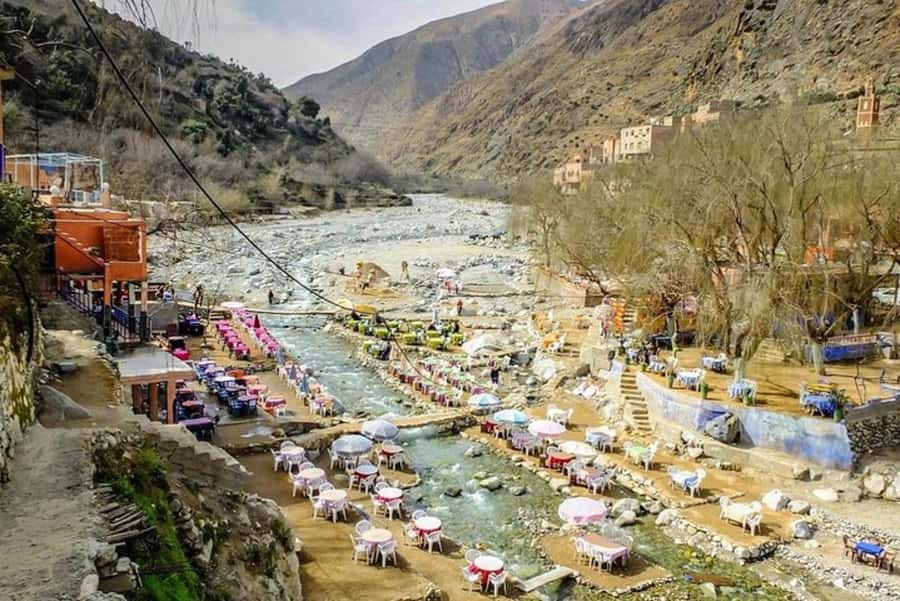
After the hike, you move to the Ourika River for lunch and free time. Lunch time is about 1 hour, which is just enough to sit down, reset, and enjoy where you ended up.
If you choose the lunch option, you’ll typically eat a 3-course meal (starter, main, dessert) served in a restaurant setting by the river. This is where Morocco shows up in a more relaxed way: comforting plates after a steamy walk, cool shade near the water, and a view that keeps you from checking your phone every two seconds.
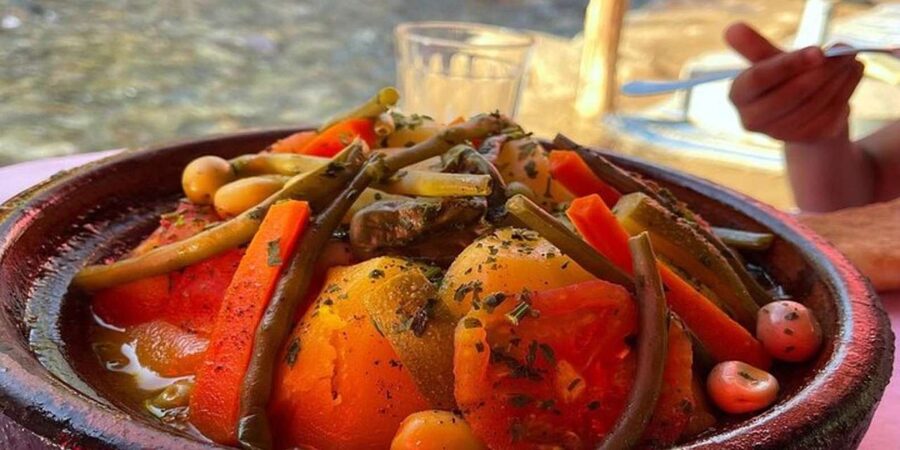
Food highlights mentioned include tagine—people often call it out as a favorite. Portions are described as solid, and the overall vibe feels like a reward: you climb, you earn the meal, then you watch the river do its thing in the background.
One more practical detail: bathrooms have been noted as clean, which matters after hiking (and yes, it’s worth mentioning).
Drinks aren’t included, so decide in advance whether you want water only or a soda/tea with your meal.
Guides, drivers, and what makes this feel well-run
The day runs on coordination: pickup, timing to each stop, and a smooth handoff between your main guide and the hiking host.
In the real world, names show up a lot: Ibrahim and Badr appear frequently as drivers and guides, and Yahya shows up as a hiking guide. Mouad, Yassine, Saed, and others are also mentioned for being friendly and keeping things organized. The pattern is consistent: people feel looked after, with clear meeting points and helpful pacing.
I like that you’re not left guessing. Even when the hike is steep, the guides work to keep the group safe and moving. That includes practical help on more challenging ground, plus checking in so everyone feels comfortable.
Value and price: is $11 actually worth it?
At $11 per person, the headline price looks almost too good to be true. The value comes from what’s bundled: hotel pickup and drop-off, air-conditioned transport, a local guide, entry to Setti Fadma, and a women’s cooperative visit.
Lunch is included only if you choose the lunch option. So the real question isn’t just what you pay—it’s what you choose. If you want the full day effect (hike + proper meal after), pick the lunch option so you’re not doing the awkward thing of hungry sightseeing.
Also remember: drinks are not included. That’s normal, but it’s worth budgeting a little so you don’t feel surprised later.
Bottom line: if you want guided transport plus the main outdoor experience, this is strong value. If you only want one small piece—like a quick valley view and nothing else—you may feel the schedule is a bit too packed.
What to bring (so the hike doesn’t ruin your day)
This trip is easy to mess up with the wrong shoes. Bring:
- Comfortable walking shoes with grip
- Water
- Sun hat and sunscreen
- A camera (photos are a major part of the payoff)
If you have trekking shoes, they’re a good idea. Several people note that the climb can be steep and rocky, and grip helps on slick spots.
Also: pack light. Your day includes driving, a cooperative visit, and hiking, so extra stuff just becomes extra weight.
Weather and route changes: when conditions matter
Morocco’s mountains can surprise you. Some groups have had snowy conditions, and in at least one case the hike couldn’t be done. The good part is that guides try to keep the day working when conditions change.
So if you’re traveling in winter or shoulder season, think of the hike as the main plan, but not the only outcome. Your guide should be able to steer you based on what’s safe that day.
Who should book this Ourika Valley day trip?
This works best for you if you want:
- A day outside Marrakech with real nature time
- A guided waterfall hike that still feels doable for many fitness levels
- A cultural stop that’s more than a quick photo outside a building
- A satisfying meal by water afterward
It’s less ideal if:
- You use a wheelchair or have mobility limitations
- You hate uphill walking on uneven ground
- You expect a slow, flat stroll with lots of sitting time
Families can also do well. One review notes baby carriers provided, which can make a big difference if you’re traveling with small kids.
Should you book this tour?
Yes, I’d book it if your ideal day is Marrakech pickup, cooperative culture, then a waterfall hike that ends with lunch by the river. The combination is efficient and genuinely varied: workshop time, mountain walking time, and a full-on reward meal.
Skip it only if you’re not comfortable with a steep, rocky hike or you need wheelchair-friendly access. If that’s you, look for a different kind of valley outing with less walking.
If you’re on the fence, this is the moment to choose shoes over guesswork. The day is built for people who pack the right footwear, bring water, and are ready to earn the best views.
FAQ
How long is the Ourika Valley trip from Marrakech?
The total duration is about 7 hours, including hotel pickup, driving, stops, and return to Marrakech.
What transport is included?
You get hotel pickup and drop-off, plus transportation in an air-conditioned vehicle.
Is lunch included?
Lunch is included if you select the lunch option. Drinks are not included.
Where do you hike, and how long is the hiking part?
You hike in the Setti Fadma area. The time there is listed at about 1.5 hours with hiking.
What languages are the guides?
The live tour guide is available in English, French, and Arabic.
Is this tour suitable for wheelchair users?
No. It is not suitable for people with mobility impairments or wheelchair users.
What should I bring?
Bring comfortable shoes, a sun hat, sunscreen, a camera, and water.