REVIEW · ISLAND OF HAWAII
Big Island: Off the Beaten Path Volcano Crater Hike
Book on GetYourGuide →Operated by Hawaii Forest & Trail · Bookable on GetYourGuide
Big Island volcano hikes can feel touristy fast. This one is different because you get private access onto Hualālai and hike restricted upper-slope terrain that most people never see.
What I really like is how the day mixes scenery with actual geology: cloud forest walking, then crater edges and fissures that drop deep below your boots.
One thing to consider: this is a real hike on uneven, rocky ground. If you’re not comfortable moving steadily, or you want lots of long photo stops, you may wish you had brought a bit more patience (and extra traction-friendly shoes).
In This Review
- Key Highlights You’ll Care About
- Private Hualālai Access Means You See More Than the Usual Viewpoints
- Kona Pickup and Timing: Plan for a Longish, But Manageable, Half-Day
- Van Ride to Hualālai: The Day Builds Before You Start Walking
- The Hike Through Cloud Forest to Crater Terrain (Where the Magic Happens)
- Crater Edges and Fissures: Why Standing Still Feels So Strange
- Optional Lava Tube Segment: Short, Dark, and Often a Crowd-Pleaser
- Pace and Breaks: You’ll Get Enjoyment, but You Still Need to Keep Moving
- What’s Included (and Why It Changes How You Travel)
- Price and Value: $198 for Private Access + Real Terrain Time
- Who This Tour Fits Best (And Who Might Want to Pass)
- Quick Packing Checklist That Actually Helps on Hualālai
- Should You Book This Hualālai Volcano Crater Hike?
- FAQ
- How long is the Big Island off the beaten path volcano crater hike?
- How far do we hike?
- Is lunch included?
- Where do we meet?
- What should I bring?
- Is this tour good for kids?
- Is the tour accessible for mobility impairments?
Key Highlights You’ll Care About
- Exclusive private access onto Hualālai’s upper slopes, in areas restricted to the public
- 3–4 miles of hiking through cloud forest, volcanic craters, and fissures
- Crater-edge viewpoints above deep drops, with Kona coastline views from about 5,000 feet
- Optional lava tube climb for a darker, more hands-on adventure moment
- Small group size (limited to 10) that helps keep the experience personal
- Guide support and gear like walking sticks, rain gear, and day packs when weather changes
Private Hualālai Access Means You See More Than the Usual Viewpoints
If you’ve driven the Big Island looking for volcano sights, you’ve probably seen the same few overlooks. This tour trades the parking-lot viewpoint for walking access on Hualālai Volcano, including parts that feel like they’re cut off from the normal visitor flow.
The big win is restricted-access terrain. You’ll move through a mix of environments—native forest up top, then volcanic features below—so the day tells a more complete story than a single look from a road.
You also get a guide who ties what you’re seeing to Hawaiian context and the volcano’s power. In previous groups, guides such as Toro have been highlighted for mixing geology with Hawaiian tradition in a way that actually sticks.
Kona Pickup and Timing: Plan for a Longish, But Manageable, Half-Day
The experience starts at the Hawaii Forest & Trail Kona Headquarters, across from Home Depot, below the Hawaii Community Federal Credit Union. It’s easy to spot, and you can park in the unmarked stalls in the lot.
You’ll ride in a van for about 35 minutes each way. That matters because it reduces the amount of time you spend driving and wrangling your own gear—especially helpful if you’re pairing this with other Big Island plans.
The total time is about 5 hours, with around 4 hours on hiking. That puts it in the sweet spot for people who want adventure but don’t want a whole day burned.
Van Ride to Hualālai: The Day Builds Before You Start Walking
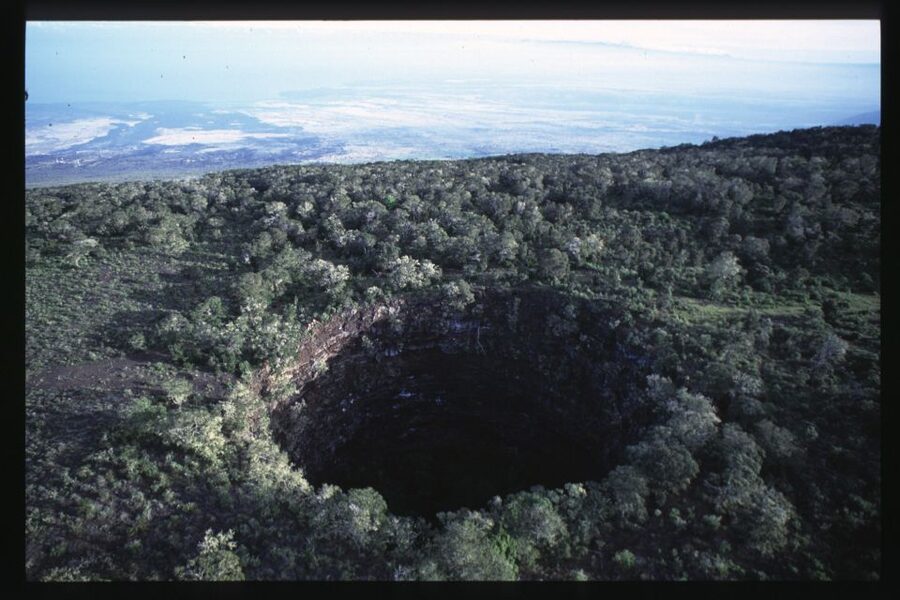
On the drive up, you’re not just getting from A to B. You’re also building the mental map for what you’ll do next—how the forest changes, where volcanic features show up, and why some parts feel steeper or rougher than you’d expect.
This matters because once you start hiking, you’ll want to understand what you’re looking at: cloud forest patterns, then volcanic craters and fissures that show the ground has been reshaped.
And because the group is limited to 10, you’re more likely to get a “real” flow to the day—less waiting, less crowd noise, more time with your guide.
The Hike Through Cloud Forest to Crater Terrain (Where the Magic Happens)
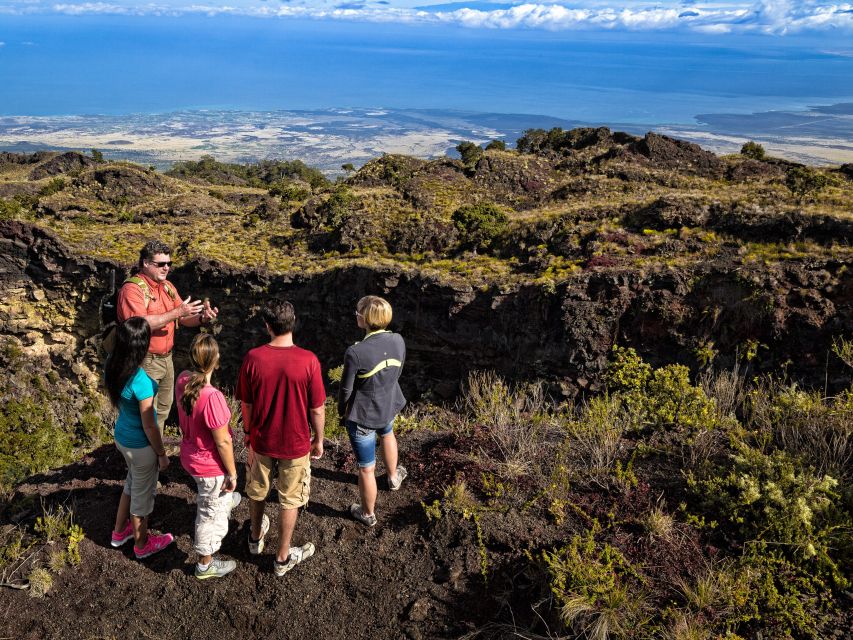
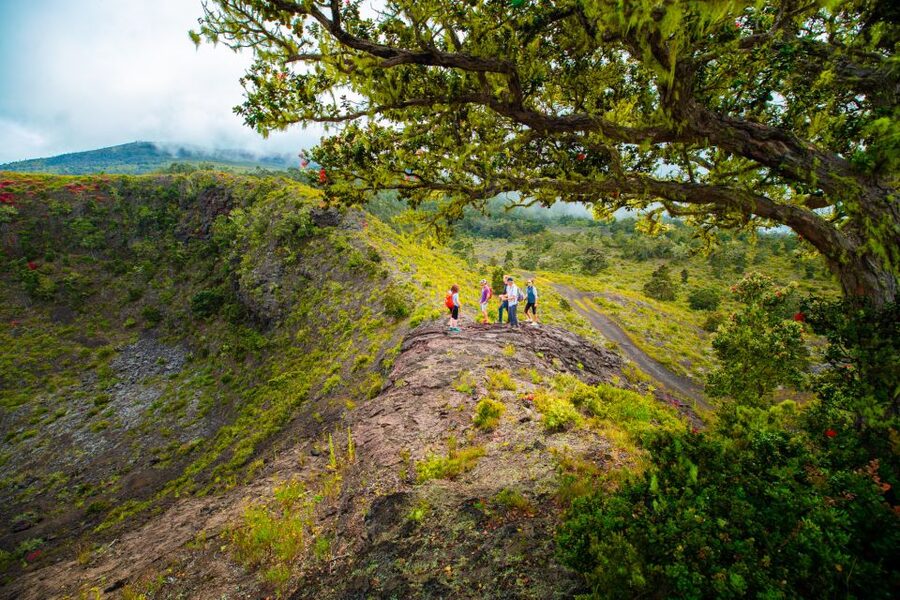
You’ll hike about 3–4 miles total, and the route takes you through untouched-feeling native cloud forest before you reach volcanic craters and fissures. Expect uneven, rocky footing at times; this isn’t a stroller path, and it isn’t a flat promenade.
This section is where you’ll feel the shift in air and texture. Cloud forest walking on the Big Island can be cool and damp even when the coast is bright. The tour provides rain gear and walking sticks for a reason: weather can change fast once you’re higher up.
The best way to enjoy this part is to keep your eyes moving between the ground and the plants. If you only watch your feet, you’ll miss the forest story. If you only look around, you’ll spend the whole hike fighting gravity.
Crater Edges and Fissures: Why Standing Still Feels So Strange
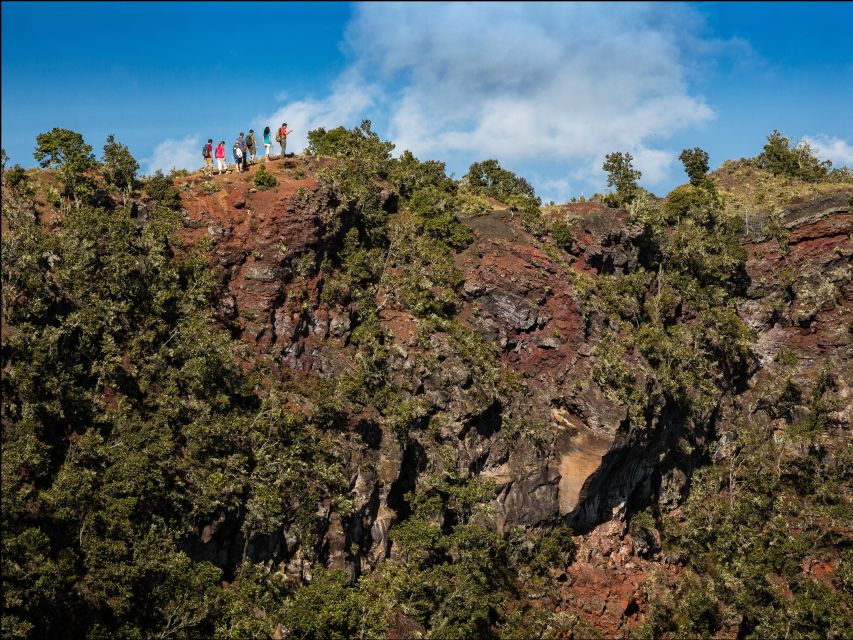
One of the signature moments comes when you reach the edge of volcanic craters and fissures—places where the ground drops down into the earth far below. Even if you’re not a “mountains are my thing” person, this is the point where your brain goes quiet for a second.
You’ll also get panoramic views over 5,000 feet above the Kona coastline. It’s a “hold your breath and look” kind of view, and it’s one reason this tour beats the typical overlook experience. You’re not just seeing volcano damage; you’re standing at the boundary where creation and destruction meet.
Here’s the practical truth: at crater edges, you’ll want steady balance. The tour uses walking sticks to help with footing, and closed-toe shoes are non-negotiable. If you’re the type who likes to stop instantly for photos, plan on waiting for the guide’s timing so the group stays safe together.
Optional Lava Tube Segment: Short, Dark, and Often a Crowd-Pleaser
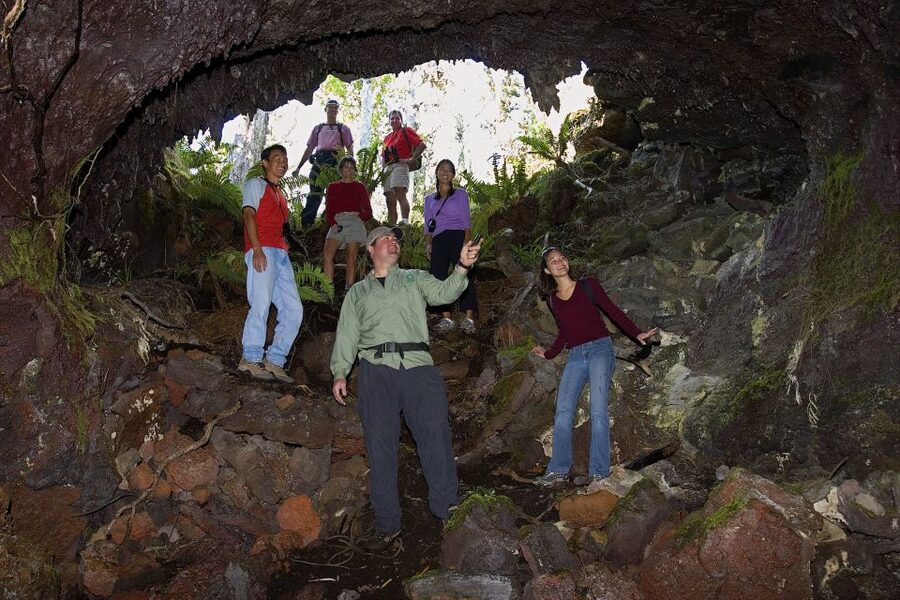
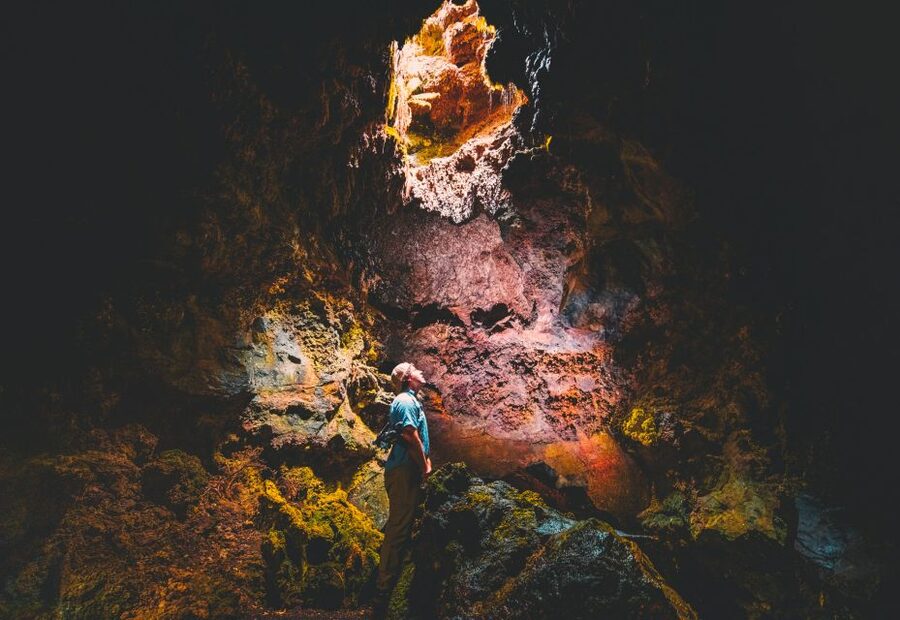
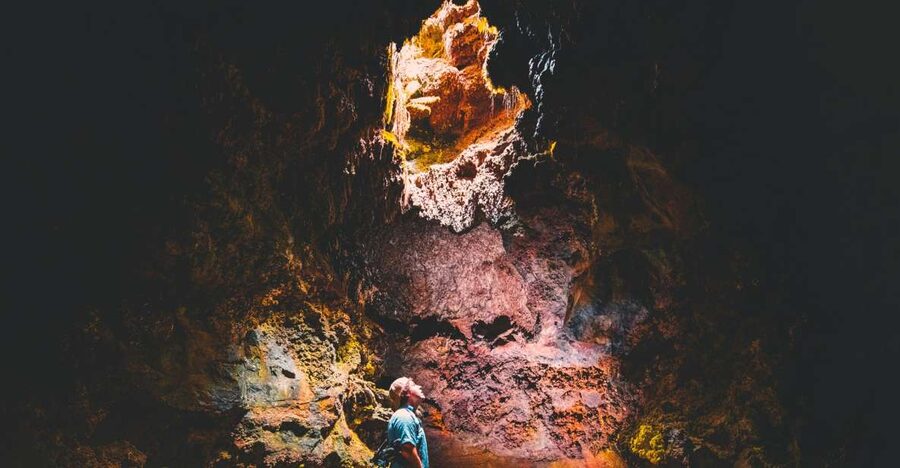
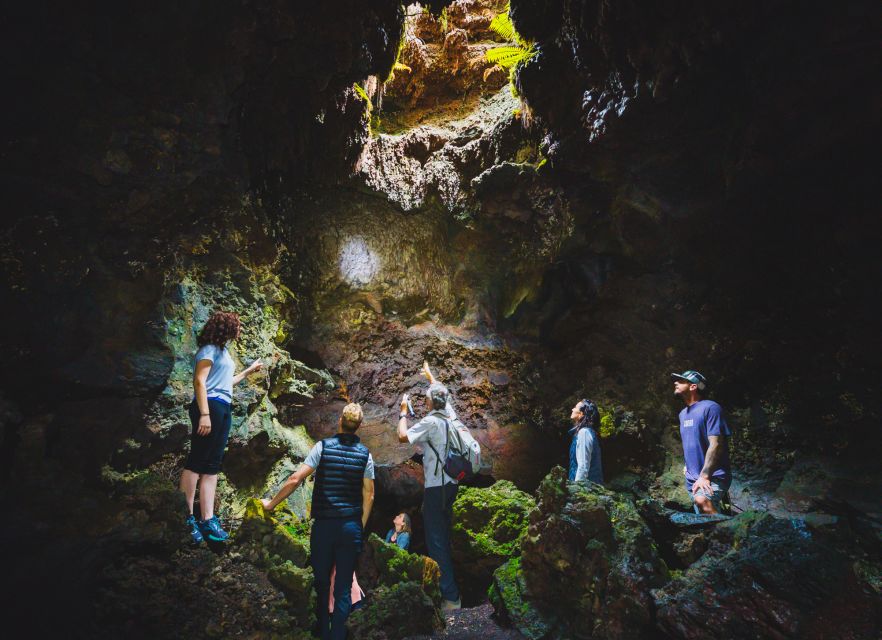
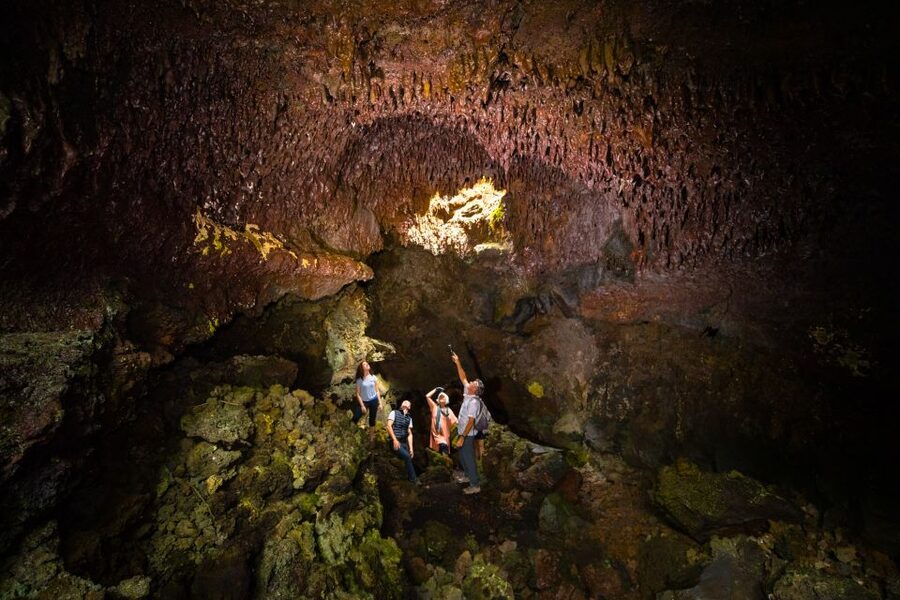
There’s an optional climb through part of a lava tube. If you like the idea of a walk that gets a bit more hands-on, this is often the favorite moment, because it feels like you’re entering the volcano’s plumbing system for a minute.
It also gives variety to the day. After hours of crater edges and fissure views, a lava tube segment is different in sound, light, and footing. You’ll likely feel the contrast right away—cooler, darker, and more focused on what’s directly in front of you.
In one family-sized group, an 11-year-old loved the lava tube segment specifically. That tells you something: this is the part that turns a geology lesson into a physical adventure.
Pace and Breaks: You’ll Get Enjoyment, but You Still Need to Keep Moving
This tour is guided and organized, but it’s still a hike. The group moves through the route, and you should expect the guide to keep an eye on timing and safety more than lingering forever for photos.
One consideration from past participants: if the guide stays a bit faster than you like, it can be hard to keep the group in view, and you may spend more time watching footing than scenery. If you prefer lots of slow stops and frequent commentary, pick a day when you’re ready for a steady rhythm—and come prepared to take pictures when the whole group pauses.
A useful approach: take a few wide shots early, then switch to slower, close-ups when you reach crater or tube moments. That way you don’t miss the big visual beats while still staying present.
What’s Included (and Why It Changes How You Travel)
This tour includes a lot of the “day comfort” items that usually fall on you to handle:
- Nature guide
- Walking sticks
- Day packs and rain gear
- Sunscreen and bug repellent
- Filtered water, sparkling water, and juices
That’s more than convenience. It means you can hike lighter and worry less about packing every small thing, especially if you didn’t build a full hiking kit for the Big Island.
What’s not included is lunch. Bring or plan to eat snacks, because the tour specifically recommends you come with snacks. Even if you’re not a big snacker, a quick bite can help you keep energy steady on rocky terrain.
Also note the “small but real” rules: no luggage or large bags, no alcohol or drugs, and no smoking. If you’ve been planning to bring a big tote or camera backpack, think minimalist.
Price and Value: $198 for Private Access + Real Terrain Time
At $198 per person for about 5 hours, the price isn’t “cheap,” but it’s also not trying to be. The value comes from what you don’t get elsewhere: exclusive private access, a guide-led route through restricted terrain, and the kind of time-on-the-ground that an overlook can’t replace.
You’re paying for:
- restricted upper-slope access that most people never see
- a route that mixes forest, craters, and fissures over a 3–4 mile hike
- small-group size capped at 10
- guide gear support (walking sticks, rain gear, day packs)
- drinks plus sun/bug protection
If your Big Island priority is “most time outside, most real geology per hour,” this price makes more sense. If your priority is a slow scenic walk with minimal uneven terrain, you might look for something gentler.
Who This Tour Fits Best (And Who Might Want to Pass)
This hike isn’t for everyone. It’s listed as not suitable for children under 8 and not suitable for people with mobility impairments. The terrain is uneven and rocky, and you’ll need to hike on it for multiple hours.
This does fit well if you:
- can handle uneven ground and don’t mind moving at a steady pace
- want a volcano experience beyond a roadside viewpoint
- prefer a small group where the guide can keep track of everyone
- like learning while you walk, not just standing still and listening
A lot of the tour value comes from being on the move. If you know you’ll struggle with that, you’ll enjoy the idea more than the hike itself.
Quick Packing Checklist That Actually Helps on Hualālai
You’ll be happier if you pack like you’re hiking higher than you think. The tour recommends:
- closed-toe shoes
- a reusable water bottle
- a hat and sunscreen
- a light sweatshirt or jacket
- snacks
Even though the tour provides rain gear and repellent, your own hat and shoe comfort matter most. On cloud forest days, you can get cooler air and misty conditions. On warmer days, the sun still works hard once you’re exposed near crater terrain.
Also, plan around the “no luggage or large bags” rule. If you need space for essentials, use the day pack included rather than carrying extra.
Should You Book This Hualālai Volcano Crater Hike?
Book it if you want a volcano day that feels real: walking into crater country, standing at fissure edges, and getting forest-and-volcano variety in one organized half-day. The private access and small-group format make the experience feel more like an adventure than a standard checklist.
Skip it (or choose something easier) if you’re not comfortable hiking on rocky, uneven terrain or you need frequent long pauses. And if you want a low-effort hike where you can stop for photos constantly, this route may feel a bit too active.
If you’re somewhere in the middle, do what I’d do: lace up your best traction shoes, bring snacks, and go in ready to move. The payoff is in those crater edges and views that you can’t replicate from a distance.
FAQ
How long is the Big Island off the beaten path volcano crater hike?
The experience lasts about 5 hours total, with roughly 4 hours of guided hiking.
How far do we hike?
Expect about 3–4 miles on the route through cloud forest, volcanic craters, and fissures.
Is lunch included?
No. Lunch is not included, and it’s recommended that you bring snacks.
Where do we meet?
You meet at the Hawaii Forest & Trail Kona Headquarters, directly across from Home Depot, below the Hawaii Community Federal Credit Union. You can park in any unmarked parking stalls in their lot.
What should I bring?
Bring closed-toe shoes and a reusable water bottle. It’s also recommended to bring snacks, wear a hat and sunscreen, and bring a light sweatshirt or jacket.
Is this tour good for kids?
It’s not suitable for children under 8.
Is the tour accessible for mobility impairments?
No. It is not suitable for people with mobility impairments. The hike includes uneven or rocky terrain.