REVIEW · LAKE SEGARA ANAK
Mount Rinjani Trek 3D-2N To Summit – Lake – Hotspring
Book on GetYourGuide →Operated by Cakrawala Rinjani Trekking · Bookable on GetYourGuide
Rinjani tests you, then thanks you with views. This 3D2N trek from Sembalun up to the 3,726 m summit is all about big altitude moments: sunrise panoramas and the surreal Segara Anak Lake area. You’ll also get a sharp contrast of terrains, from open meadows to steep volcanic scree and then rainforest on the way out.
I love two things most: the summit payoff at dawn, where you can see Lombok, Bali, Sumbawa, and Segara Anak Lake, and the time at Segara Anak where the hot-water bathing feels like a natural reset after hours on your feet.
The main drawback is plain: this is not an easy stroll. Day 2 includes a long early start at 3:00 am and a final approach over loose volcanic scree, so you need real stamina and solid hiking shoes.
In This Review
- Key highlights you’ll feel right away
- Why this 3D2N summit trek feels like real value
- Day 1: Sembalun meadow to the crater rim sunset camp
- Day 2: 3:00 am summit push, 6:00 am sunrise, then Segara Anak hot water
- Day 2 night to Day 3 exit: Senaru rim sunset and the rainforest descent
- The guide and porter setup that makes or breaks a trek
- Gear, comfort, and what you still need to pack
- Fitness reality check: how hard is this trek?
- Should you book this Mount Rinjani 3D2N summit trek?
- FAQ
- How long is the Mount Rinjani trek?
- Where does the trek start, and how do I get there?
- What time do you start the summit day?
- How high is the summit?
- Is the trek guided, and what language is used?
- How many people are in a group?
- What food and camping gear are included?
- What water do you get during the trek?
- What gear should I bring myself?
- Can I cancel or use reserve-and-pay-later?
Key highlights you’ll feel right away
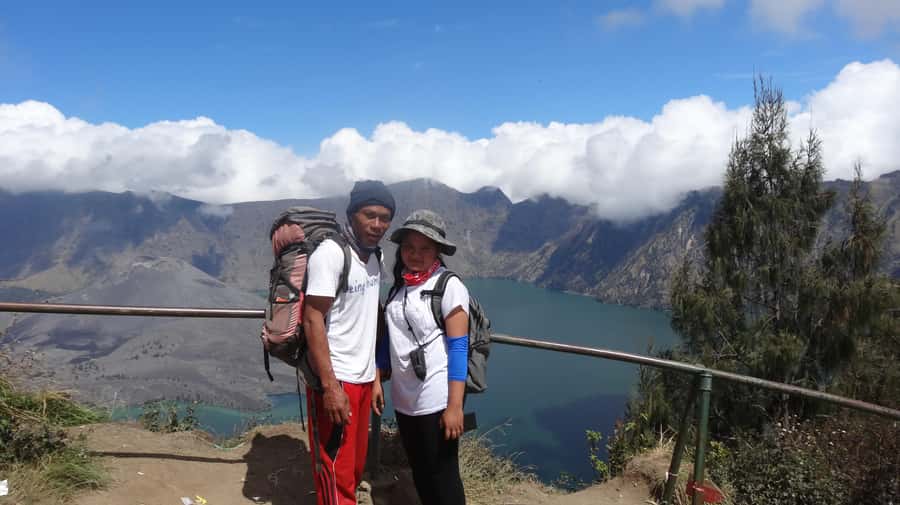
- Up-close summit sunrise at 3,726 m with wide island views that make the climb feel worth it
- Segara Anak Lake + hot-water bathing for sore-muscle recovery after the hardest hiking
- Sembalun crater rim camp sunsets to start and end the day with mountain drama
- Senaru crater rim sunset over Mount Agung plus smoke from the volcano area near the lake
- Small group (max 8) plus an English-speaking guide and porters who keep things running
- Included headlamp + gloves so you’re not scrambling for gear in Lombok
Why this 3D2N summit trek feels like real value
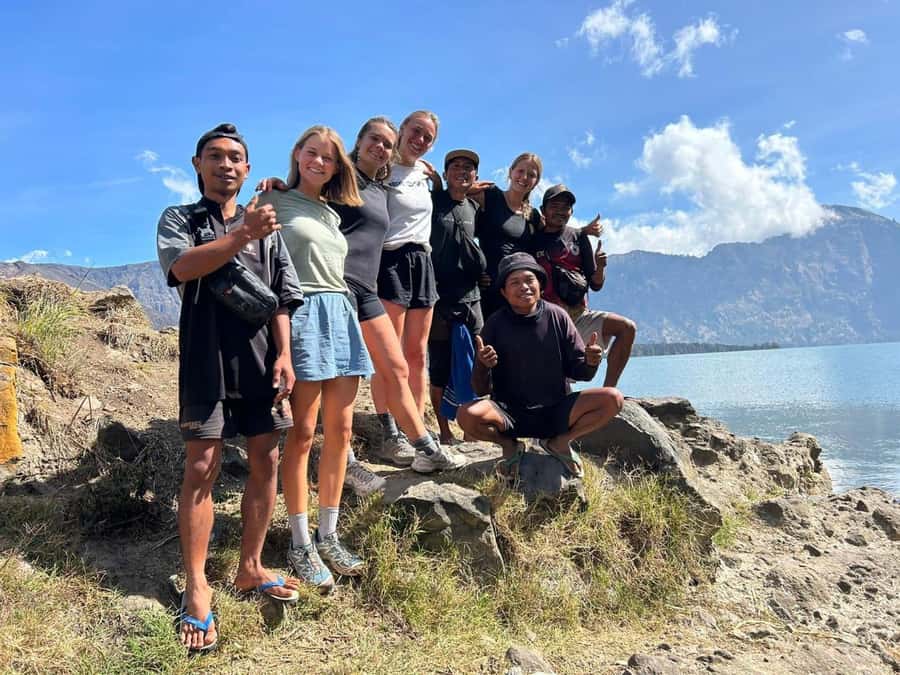
At $237 per person for 3 days, the price works best if you look at what you’re actually buying: a professionally run program with a guide, porters, camping setup (tent, mattress, toilet tent), food, and key safety gear (headlamp and gloves). You’re also paying for the National Park entrance fee as part of the deal, which matters in this kind of protected-area trekking.
Most importantly, this isn’t a “see a viewpoint and call it hiking” route. You’ll walk all day, camp at altitude, and start summiting at night. If you can handle continuous ascent and descent, the trek hits a sweet spot: demanding enough to feel earned, structured enough that you’re not figuring everything out alone.
If you’re new to altitude trekking, consider that you can still enjoy Rinjani—but you may struggle with the long Day 2 summit push. This route is designed for experienced climbers with strong energy, and the pace reflects that.
Day 1: Sembalun meadow to the crater rim sunset camp
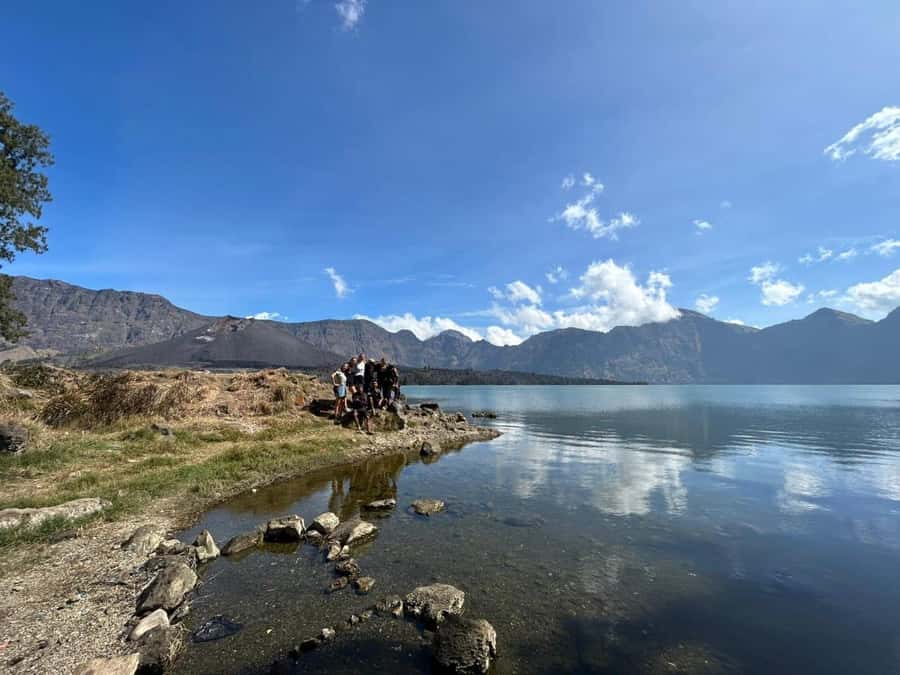
Your day starts early. You’ll wake around 6:00 am, eat breakfast, then drive to the Sembalun area (about 1,100 m). Before you begin, you register at the Rinjani information center, then start trekking at roughly 8:00 am.
The first stretch is a gentle build through open meadow. That matters because it gives your body time to warm up before you start stacking altitude. After about 2 hours, you reach Post 1 (around 1,300 m), then about 40 minutes later you’re at Post 2 (around 1,500 m).
From there, you keep climbing to Post 3 (about 1,800 m) for lunch. This stop isn’t just “food time.” It’s where you reset your rhythm—water, snacks, and a quick gear check—so the rest of Day 1 doesn’t feel like a second start.
After lunch, you push toward the Sembalun crater rim (around 2,639 m). Plan on roughly 3 hours for this part, including a prolonged steep climb. You camp on the crater rim, then wait for sunset. It’s one of those moments where the cold air, the engine noise of your breath, and the changing light all sync up. You’re camping in a place that feels exposed, and that’s the point: you get wide views and big sky.
Practical tip: warm layers are not optional here. Even when the day trekking feels manageable, crater rim nights can feel sharp.
Day 2: 3:00 am summit push, 6:00 am sunrise, then Segara Anak hot water
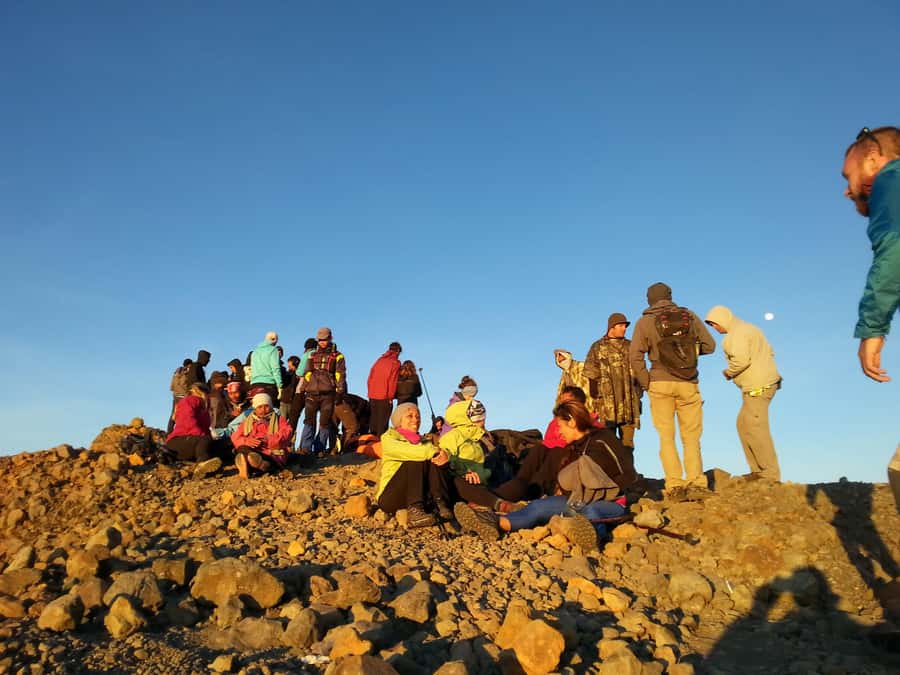
This is the day that separates “I can hike” from “I can summit.”
Around 2:00 am, you wake up with a hot drink and light breakfast. Then you head out at about 3:00 am for the summit attempt. Expect a moderate trek at first, then a fairly easy but longer stretch. The final approach is the grind: steep volcanic scree, loose underfoot, which slows you down and asks for careful foot placement.
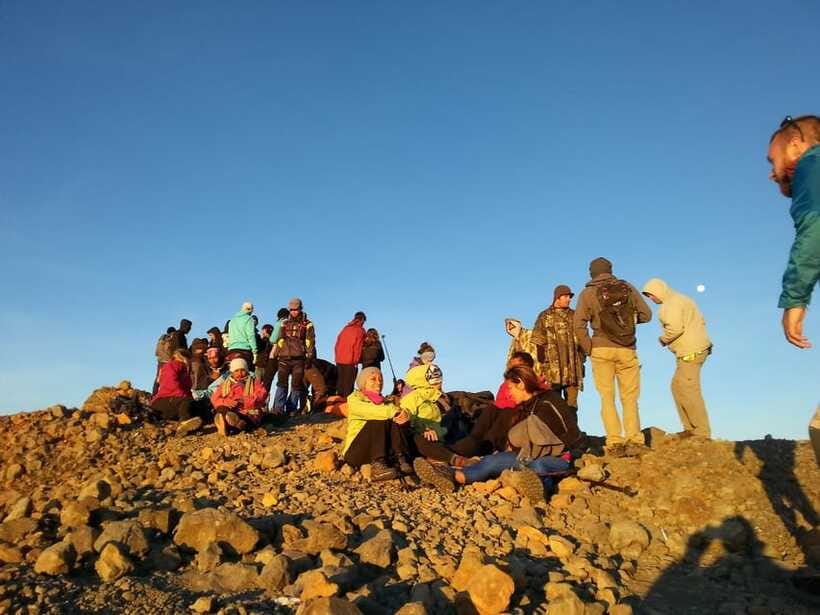
You reach the summit at around 6:00 am. Sunrise here is not just a nice bonus; it’s part of why people do Rinjani. From the top (3,726 m), you get panoramic views of Lombok, Bali, Sumbawa, and Segara Anak Lake. Even if clouds roll in sometimes, you’ll still feel the scale—this is open-air altitude.
After summiting, you descend back to the Sembalun crater rim within about 2 hours, then eat breakfast. From there, you continue down to Segara Anak Lake for around 3 hours.
At Segara Anak, you get a much different kind of reward. You can rest by the water and even swim in the lake. Then comes the best recovery part: bathing in the hot water nearby, which is widely known for its natural soothing effects after hard hiking.
Porters prepare lunch while you’re at the lake, so you don’t need to burn energy thinking about food logistics. After lunch, you leave the lake and climb up to the Senaru crater rim (around 2,641 m). The campsite at Senaru crater rim is known for spectacular views. You’ll have sunset over Mount Agung in Bali, and you might notice smoke from the volcanic activity near the lake edge.
Practical tip: Day 2 will likely be cold at night and early morning. Gloves and a headlamp help a lot, and you’ll also want to keep an eye on your water intake even when you don’t feel thirsty.
Day 2 night to Day 3 exit: Senaru rim sunset and the rainforest descent
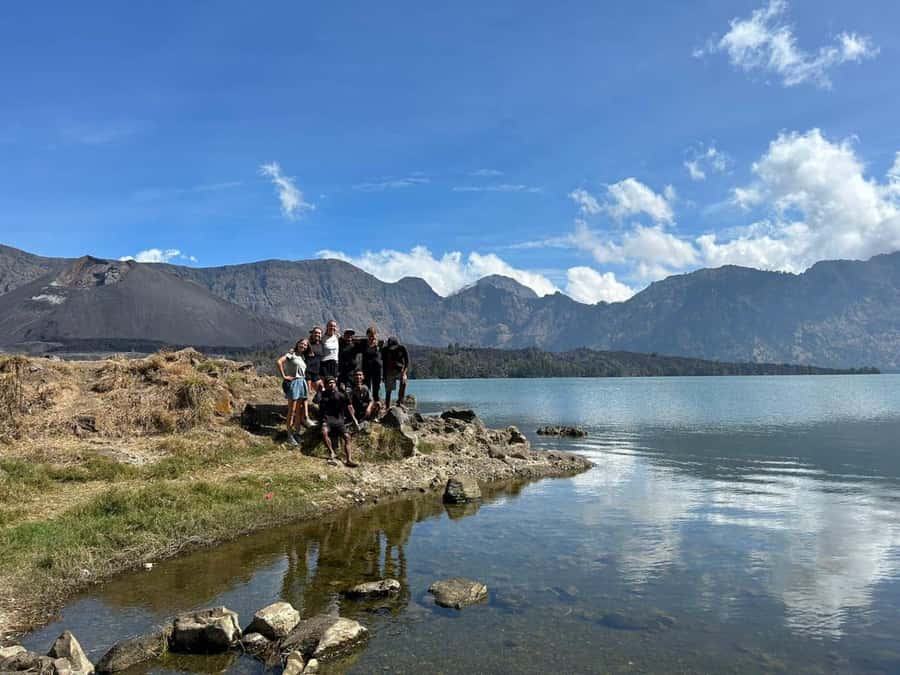
You sleep at Senaru crater rim after that late-day climb, then wake for breakfast with another sunrise moment. After that, you head down to Senaru village through rainforest.
This section is a major shift in feel. Instead of scree and exposed crater edges, you’re walking under tree cover, with a lower, steadier mood to the terrain. If you’re lucky, you may see a rare black monkey along the way. The route takes about 5 hours, and you’ll stop for lunch during the descent.
You finish in Senaru village (around 601 m), and then the car takes you onward to your next destination. The program includes transport after the trek to Bangsal, Senggigi, and Mataram.
Why this matters: the rainforest exit is where you finally stop bracing for every step. It’s also your mental cooldown. Summiting can be a laser focus—this part lets you come back to earth, literally.
The guide and porter setup that makes or breaks a trek
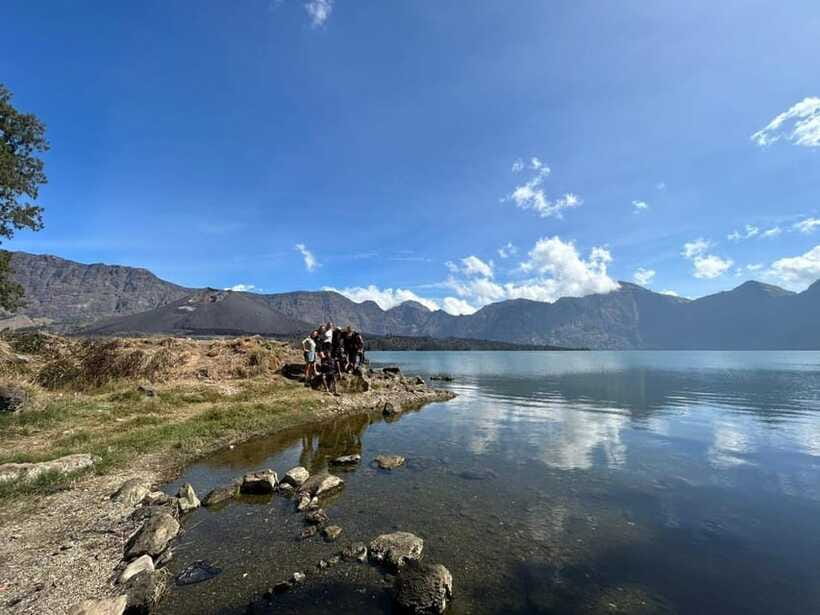
On Rinjani, the team matters as much as the mountain.
This trek runs with an English-speaking guide plus porters, and it’s limited to a small group—8 people max. That smaller size matters because you’re not constantly waiting for a big pack to catch up. It’s easier to keep a steady pace, and safety becomes more manageable when everyone has room to move.
In the real-world vibe of this trekking organization, the guides tend to be involved, not just present. Names that come up include Rin, San, Awan, Ringo, Sun, and Sultan as organizers and leaders. Porters also stand out for how much they help with practical needs—carrying equipment, managing supplies, and keeping morale up.
Food is a big part of why people come back happy. Breakfast, lunch, and dinner are cooked on the trek, and you’ll get small touches like fried banana as an appetizer and fruit as dessert. You still need to carry your own energy strategy, but the camp meals reduce the stress.
Practical tip: ask your guide what they recommend for your walking rhythm and trekking poles before you start. Even with the included basics, extra support for your knees and feet can make a big difference on descent.
Gear, comfort, and what you still need to pack
You get a lot of core trek gear included:
- Tent and toilet tent
- Sleeping bag + mattress
- Mineral water and spring water on the mountain
- Cooking equipment
- Headlamp + gloves
- Luggage storage at the Cakrawala Rinjani office
That’s solid value, because these items can add up if you try to assemble them yourself in Lombok.
What you should bring is straightforward and worth taking seriously:
- Comfortable shoes, plus hiking shoes
- Warm clothing
- Camera
- Food (the plan already includes meals, but having extra personal snacks can help)
- Water
- Trekking gear
Also, plan your clothing like you’re going to cycle between warmth and cold fast. You’ll be moving hard during the day and then sitting still at crater camps and on a ridgeline at sunset.
Practical tip: don’t rely on comfort sneakers. The route includes steep, loose scree on Day 2. Your shoes and grip are your first safety tool.
Fitness reality check: how hard is this trek?
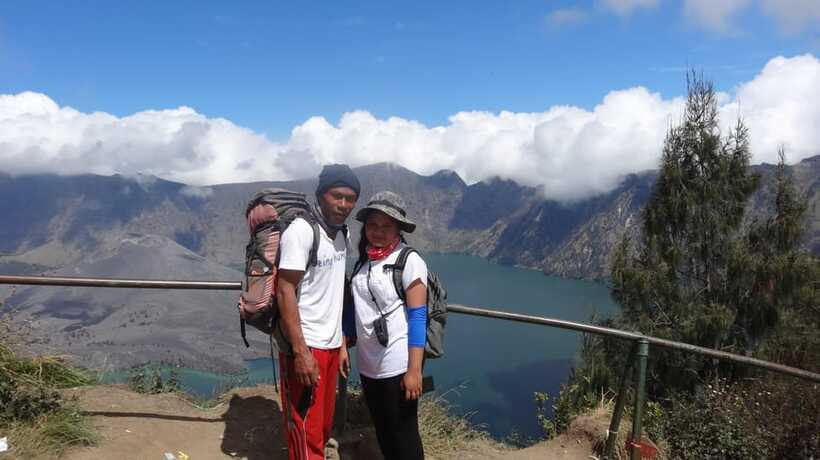
This route is tough in a very specific way: not technical climbing, but constant work. The Day 2 summit attempt includes:
- waking at about 2:00 am
- leaving around 3:00 am
- reaching the summit at 6:00 am
- handling a final steep scree approach with loose volcanic gravel
Reviews and trip experiences also highlight that it’s continuous ascent and descent. If you can hike small hills of roughly 1,000 m with decent comfort, you’ll have a better chance. If you’re brand-new to long hiking days, you can still attempt it, but you need to be ready to move slower and accept that the mountain controls the schedule.
Weather can add friction too. Wind and cold are common at high altitude, and your body feels it more during the night/summit push. Dressing in layers and protecting your hands/head make a noticeable difference.
My blunt advice: if you’re on the fence, train your legs and practice downhill walking before you go. The descent is often where people feel it most.
Should you book this Mount Rinjani 3D2N summit trek?
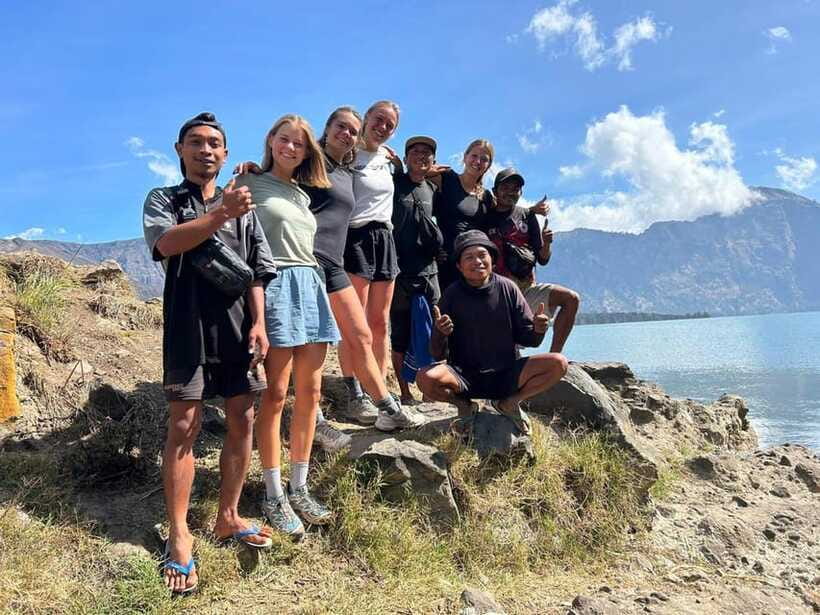
Book it if you want a true Rinjani challenge with the best kind of rewards: summit sunrise at 3,726 m, Segara Anak Lake time, hot-water bathing for recovery, and top-tier sunsets from crater rims (including views toward Mount Agung in Bali).
Don’t book it if you’re hoping for an easy hike or you’re unsure you can handle early-morning night trekking plus loose scree. This trek asks for grit, not just a good camera.
One more “smart traveler” note: sometimes access plans can change due to safety restrictions. If you’re paying for the summit specifically, keep flexible expectations. The team should be able to guide you toward an alternative experience if conditions don’t match the plan.
If you match the fitness profile and you want a mountain story you’ll actually remember, this is a strong pick.
FAQ
How long is the Mount Rinjani trek?
It runs 3 days and 2 nights.
Where does the trek start, and how do I get there?
You’ll get pickup transport from hotels in the Senaru area to the start point trek. The trek begins from Sembalun Village.
What time do you start the summit day?
You wake up around 2:00 am and start heading to the summit at about 3:00 am.
How high is the summit?
The summit is 3,726 m.
Is the trek guided, and what language is used?
Yes. There is a live tour guide, and the tour language is English.
How many people are in a group?
The group is limited to a small group of up to 8 participants.
What food and camping gear are included?
The package includes breakfast, lunch, and dinner, plus a few extra items like fried banana and fruit. Camping gear includes a tent and toilet tent, plus a sleeping bag and mattress. Cooking equipment is provided.
What water do you get during the trek?
Mineral water and spring water for drinking are provided on the mountain.
What gear should I bring myself?
Bring comfortable shoes (including hiking shoes), warm clothing, a camera, food if you want extra snacks, water, and trekking gear. A headlamp and gloves are included.
Can I cancel or use reserve-and-pay-later?
Yes. You can cancel up to 24 hours in advance for a full refund. You can also reserve now and pay later.