REVIEW · ISLAND OF HAWAII
Kilauea: Volcanoes National Park Guided Hike
Book on GetYourGuide →Operated by Volcanoes Hiking Guides · Bookable on GetYourGuide
The lava glows while you hike. This small-group Kilauea guided hike takes you through Hawaiian native forest and around a hardened lava lake, with a real shot at sunset over the volcano. You’ll get real-world geology and botany on foot, not just a quick drive-by.
I especially like two things: the certified interpretive guide (many groups get guides such as Jennifer or Yvonne, both praised for clear explanations), and the practical comfort. You’re set up with trekking poles, a backpack, and a healthy snack, so you can focus on the path and the views.
One consideration: lava viewing isn’t guaranteed, since it depends on weather and Kilauea activity. Plus, the tour runs rain or shine, so bring rain gear even if the morning looks calm.
In This Review
- Key highlights worth showing up for
- The value in a guided Kilauea hike (and what makes it different)
- Meeting at the Kilauea Visitor Center and gearing up fast
- Walking the native forest loop: what the trail feels like
- Geology lessons that actually stick on volcanic ground
- Lava-lake glow and sunset: how to think about the best part
- Comfort details that make the hike easier than you expect
- The Volcano House finish: turning the hike into a full evening
- Price and value: is $120 a fair deal for this Kilauea hike?
- Who should book this (and who might choose something else)
- Should you book this Kilauea Volcanoes National Park guided hike?
- FAQ
- How long is the guided hike?
- What does the hike cost?
- Where do we meet, and where does the tour end?
- Is lava viewing guaranteed?
- Is the tour offered in a small group?
- What’s included in the price?
- What is not included?
- What should I bring?
- Who is this not suitable for?
- What shoes are not allowed?
Key highlights worth showing up for
- Certified interpretive guidance that connects geology, ecology, and Hawaiian perspectives
- A 4-mile loop through native forest and around hardened lava
- Sunset planning for a volcano view when conditions line up
- Lava-lake glow odds that rise when the weather is cooperative
- Trekking poles, backpacks, and snack to make the hike feel easier
- Small group (10 max) and no mixing with strangers on a van
The value in a guided Kilauea hike (and what makes it different)
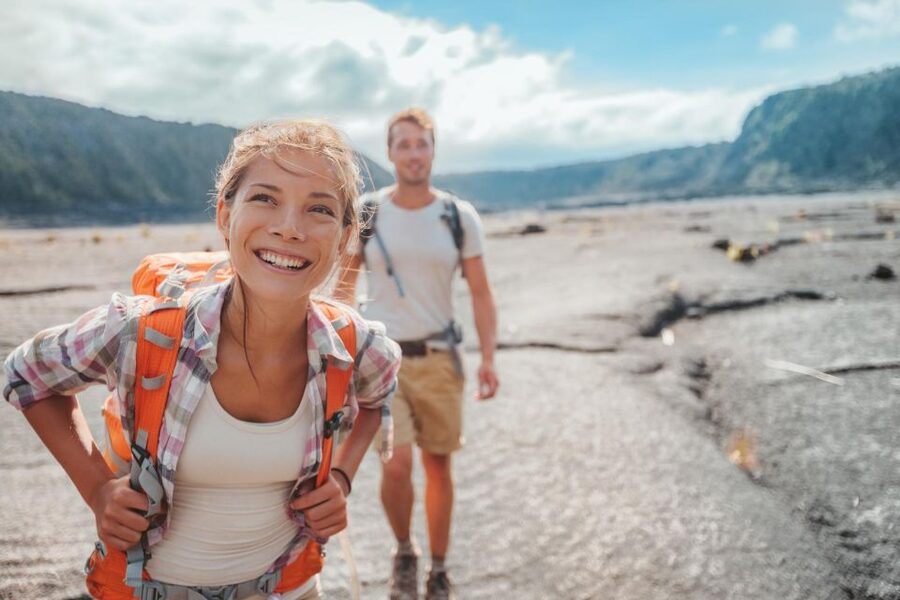
Hiking around Kilauea can be breathtaking on its own, but what makes this experience worth the price is the way the guide turns scenery into understanding. You’re not just walking past rock and plants. You’re learning what formed the ground, why the ecosystem looks the way it does, and how people in Hawaiʻi have long related to volcanoes.
The setting is also ideal for a “do it without stress” afternoon. The loop is long enough to feel like a real hike, but structured so you’re not left guessing where to look or what you’re seeing.
Meeting at the Kilauea Visitor Center and gearing up fast
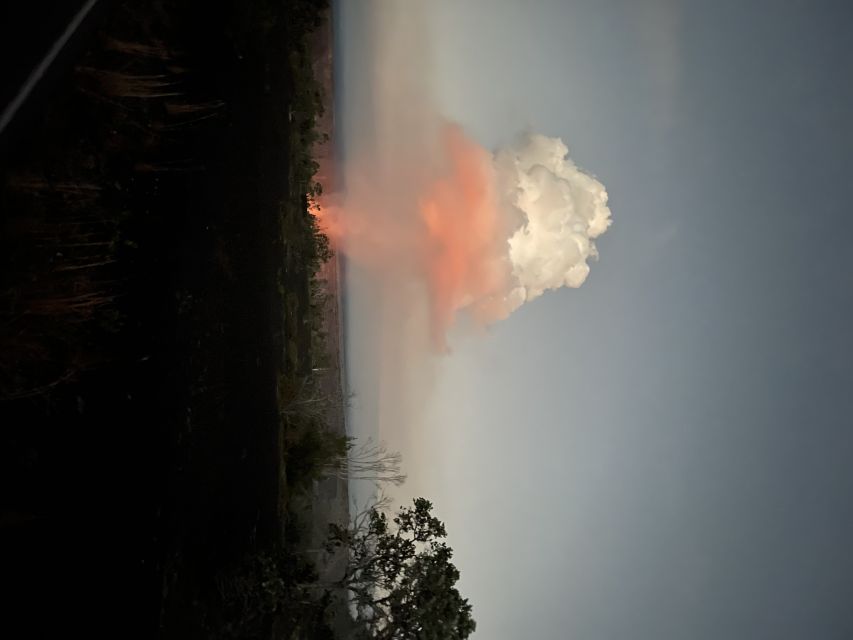
You meet at the Kīlauea Visitor Center, which is convenient because you can orient yourself before you start walking. The hike ends back at the meeting point area, though your final stop often lines up with the Volcano House restaurant and bar zone so you can keep the day rolling.
Before you head out, you’ll get the gear that matters on uneven volcanic terrain. You bring comfort shoes, water, and rain gear, and the operator provides trekking poles and backpacks, plus a healthy snack.
If you want the day to go smoothly, plan to dress for weather that can change quickly. Even when it’s sunny at the Visitor Center, conditions can shift once you’re out on the trail and higher ground.
Walking the native forest loop: what the trail feels like
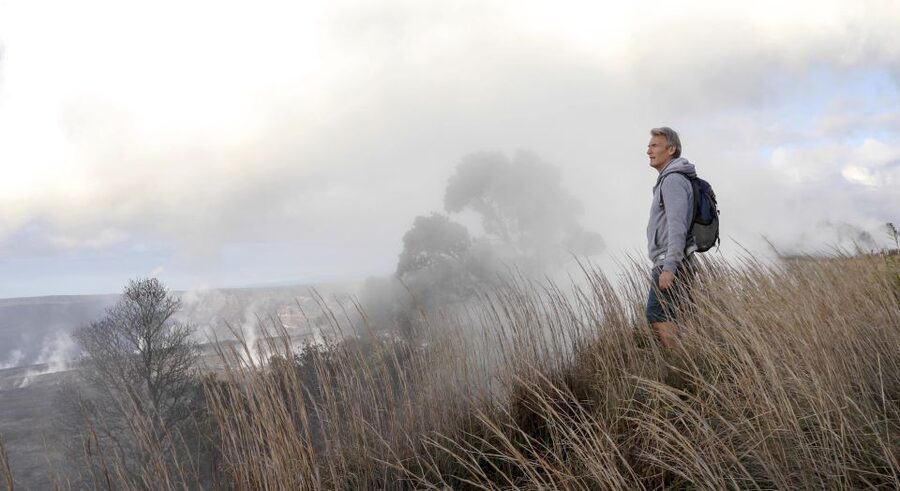
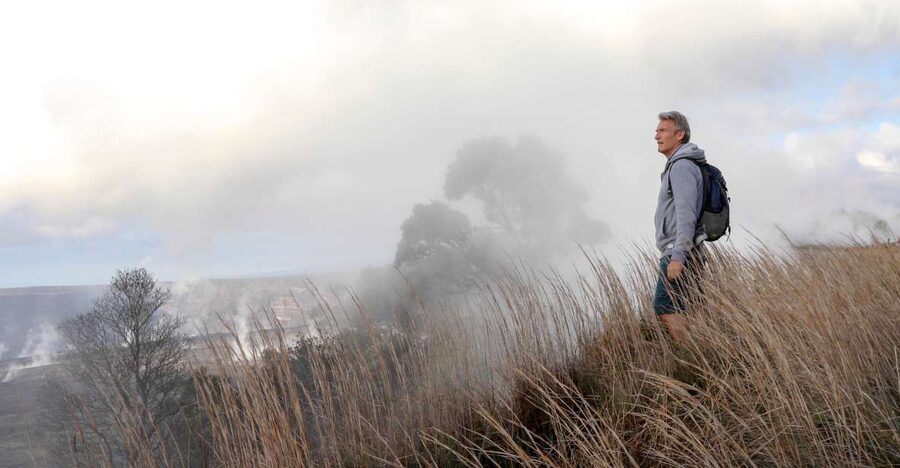
This is a 4-mile loop through Hawaiian native forest and around a hardened lava lake. That combination is the point. You’ll see how life survives and adapts after volcanic upheaval, and you’ll get a closer look at the ground you usually only see from overlooks.
Expect a hike that’s generally approachable but still active. The trail includes real outdoor footing, so proper shoes matter. The guide can help you keep your rhythm and point out what to notice along the way, including plants and the way the lava surface shapes the surroundings.
You’ll also want to keep your eyes open for the human side of the landscape. In many guides’ explanations (including praised guides like Jennifer and Yvonne), you’ll hear how Hawaiians historically understood volcanoes and the environment around them, not just the scientific facts.
Geology lessons that actually stick on volcanic ground
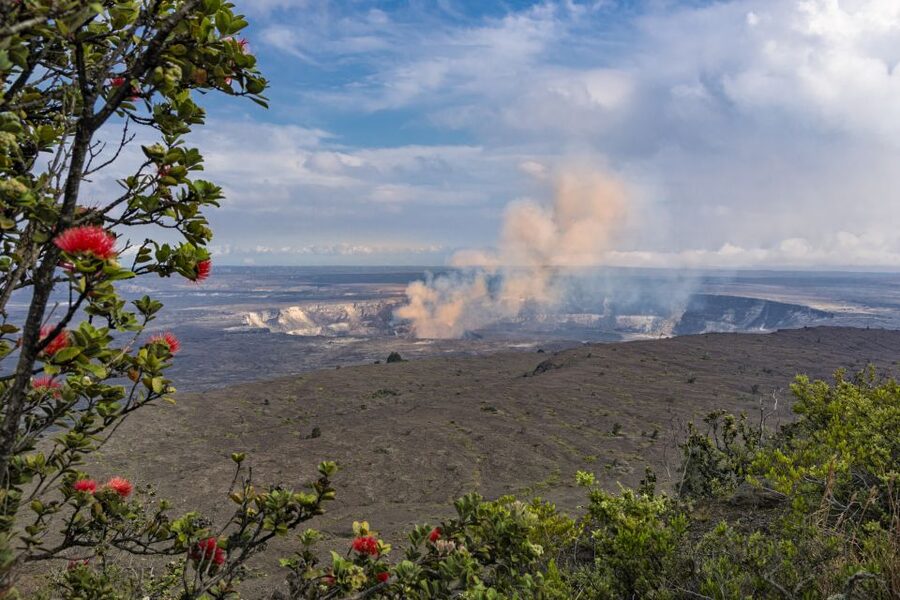
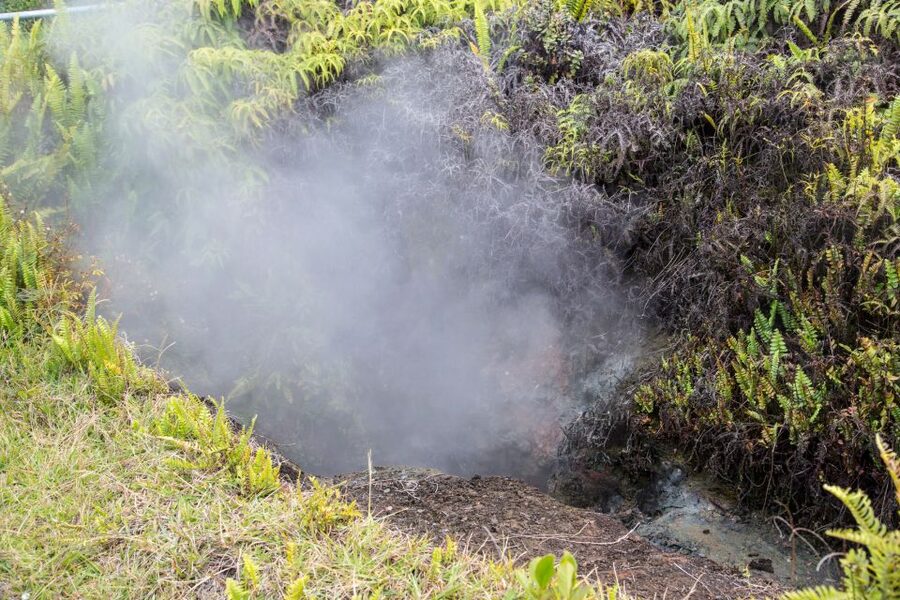
On this hike, you’re essentially walking through a “live classroom.” Your guide explains volcanoes through what you can see right now: hardened rock, steam-influenced areas, and the ecosystem that has returned to the slopes.
What stands out is the level of specificity. You’re likely to talk about eruptions, earthquakes, steam vents, and how all of that connects to what the park looks like today. Many groups get an expert who shares photos and recent context, so the geology feels current rather than purely textbook.
If you care about plant life, you’ll appreciate that the guide doesn’t treat the forest like background scenery. You’ll hear about native plants and invasive species, and why the mix matters in an island ecosystem.
Lava-lake glow and sunset: how to think about the best part
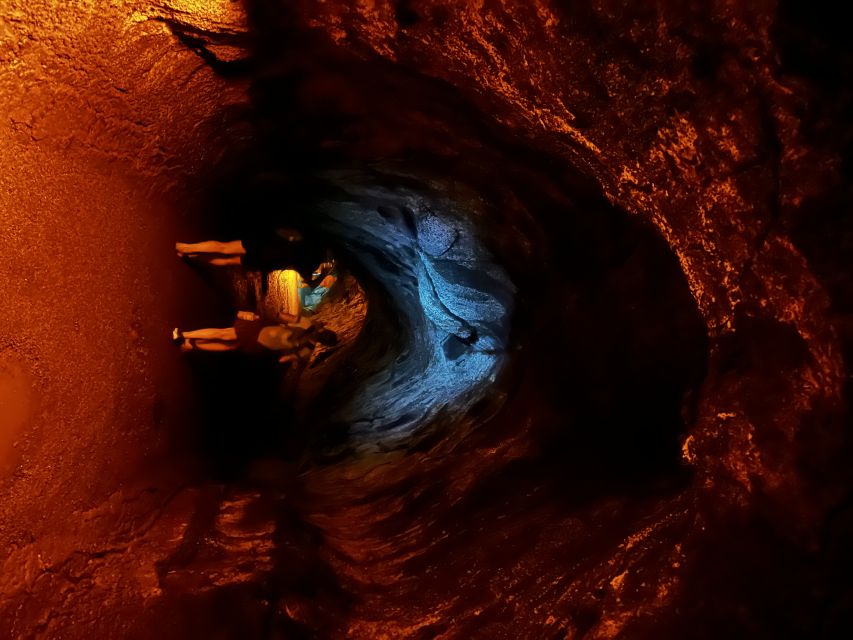
The highlights include the chance to watch the sunset over a volcano and potentially see glow from a lava lake. Here’s the honest part: lava viewing depends on weather and Kīlauea conditions, so you’re paying for the guided hike and education, not a guaranteed fireworks show.
That said, this is still one of the best ways to position yourself. You’re in the right area on foot, with a guide who knows where to look and how to manage timing while conditions evolve.
A few extra practical tips help you get the most out of this portion:
- Bring rain gear that’s comfortable to wear while standing and watching.
- Keep water and snacks in mind so you’re not distracted later when the light shifts.
- If the group is offered tools for closer viewing, use them when you get a chance (some guides have been known to bring a telescope for lava observations).
When the glow is visible, it’s the kind of moment that makes the entire walk feel worthwhile. Even when it’s not, you’ll still leave with a much better understanding of why the park looks the way it does.
Comfort details that make the hike easier than you expect
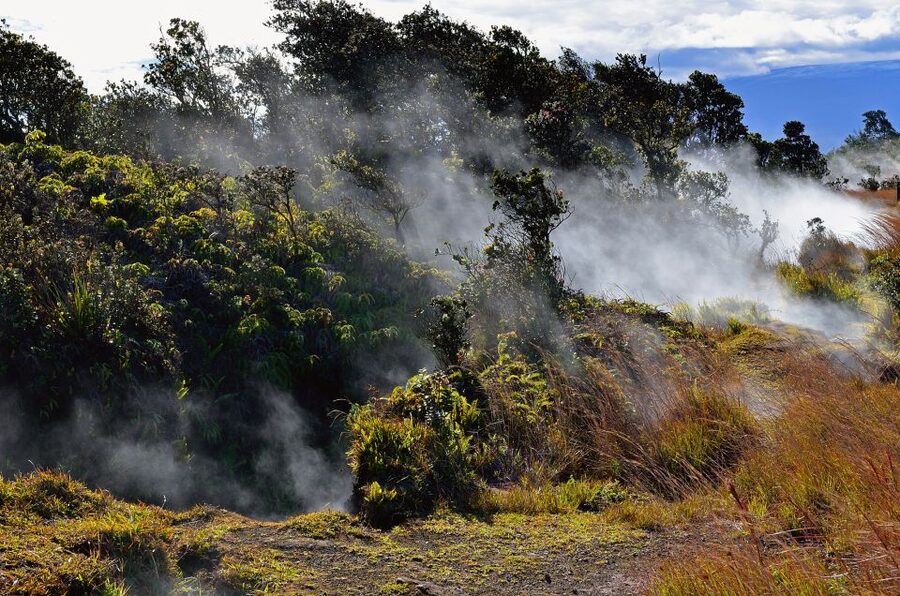
Small touches can make a big difference on a volcanic trail, and this tour seems built with that in mind. You’ll get trekking poles (useful on uneven, rocky ground) and a backpack so your essentials aren’t scattered in your hands.
The group size is limited to 10 participants, which keeps things from turning into a slow-motion parade. A smaller group also gives the guide better control over pacing and safety, which matters when you’re walking near changing conditions.
You’ll also want to respect the simple rules: no open-toed shoes, no intoxication, and skip anything like high heels. If you stick to the basics—proper shoes, water, rain gear—the hike feels far more manageable.
The Volcano House finish: turning the hike into a full evening
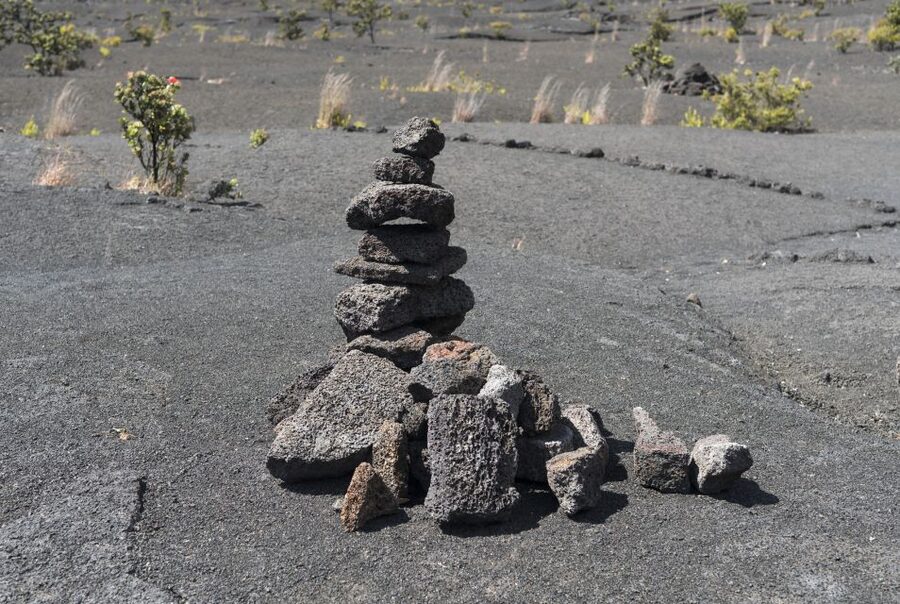
The hike ends at the Volcano House restaurant and bar area, and you’ll be encouraged to book a meal there afterward. This is a smart move because it keeps you from scrambling for food after you’ve already used your energy outside.
If lava activity is visible at night and you’re in the right place, you may be able to enjoy the park’s atmosphere after dark. Even without a guaranteed night-glow moment, Volcano House is a natural way to extend the experience: warm food, a place to reset, and the day’s sights still fresh in your mind.
I like finishing near food because it turns a good excursion into a complete block of time in the park rather than a quick hit that ends mid-afternoon.
Price and value: is $120 a fair deal for this Kilauea hike?
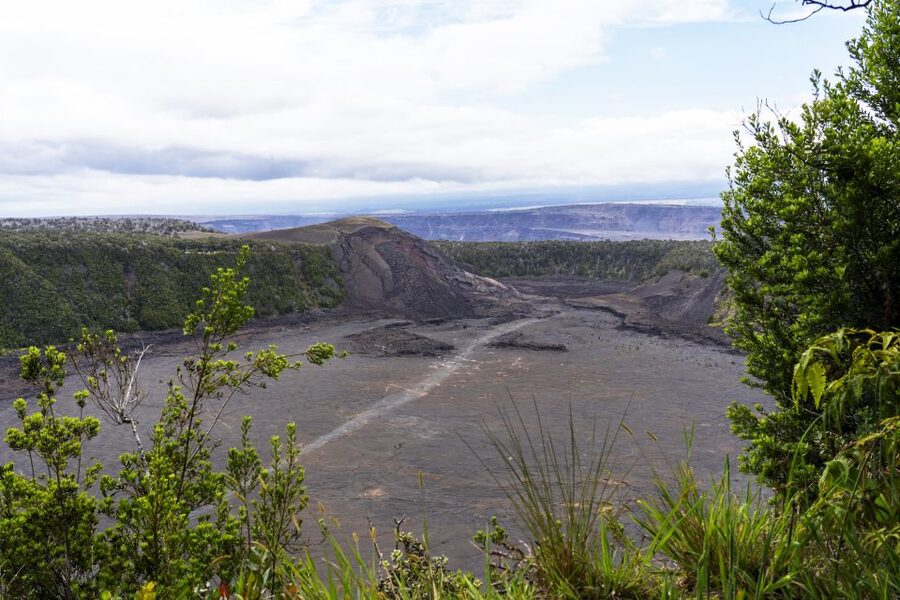
At $120 per person, this isn’t a bargain-basement hike, but it also isn’t just you and a map. You’re paying for a certified interpretive guide, a small group, and the practical equipment that helps you hike more comfortably.
Here’s how that value usually breaks down:
- The guide experience matters because you’re learning what the terrain means, not just walking through it.
- The provided trekking poles and backpack reduce the hassle of packing and improve your footing.
- The healthy snack and the organized timing make the overall flow smoother.
- You also avoid a mixed-experience vibe since the day doesn’t revolve around van rides with unfamiliar people.
What’s not included is also clear. The park entrance fee is extra, and there’s no hotel pickup or drop-off. So the math works best if you’re already planning to be near the Visitor Center.
If you want a self-guided hike, you can do that. But if you want the geology, ecology, and Hawaiian context explained on the trail, the guide-led format is what you’re really buying—and the reviews consistently highlight that strength.
Who should book this (and who might choose something else)
This hike is a great fit if you:
- want a structured, guided walk that teaches you what you’re seeing
- like smaller groups and clearer instructions
- enjoy geology and ecology, especially the way plants recover in volcanic settings
- want a serious chance at sunset views and possible lava viewing, when conditions allow
It’s less ideal if you:
- need an easy, flat walk (the hike includes uneven terrain and is described as not suitable for mobility impairments)
- have very young kids (not suitable for children under 6)
- want lava viewing guaranteed (it’s weather- and activity-dependent)
Should you book this Kilauea Volcanoes National Park guided hike?
Yes, you should book it if your top goal is learning with a real guide while still getting that awe-factor of a volcano landscape. The combination of interpretive expertise, a manageable 4-mile loop, and the chance to time things around sunset makes it a strong “one afternoon” choice.
Skip it only if you know you’ll be upset by weather-driven viewing limits. Lava glow depends on the day, and rain is part of the deal. If you can roll with that, this is one of the more rewarding ways to experience Kīlauea on foot and finish at Volcano House without the stress of scrambling for your next step.
FAQ
How long is the guided hike?
The duration is 3 hours. Starting times vary, so check availability for the schedule offered on your travel dates.
What does the hike cost?
It costs $120 per person.
Where do we meet, and where does the tour end?
You meet at the Kīlauea Visitor Center. The activity ends back at the meeting point area, and the hike finishes near the Volcano House restaurant and bar.
Is lava viewing guaranteed?
No. Lava viewing depends on weather and the activity of Kīlauea.
Is the tour offered in a small group?
Yes. The group is limited to 10 participants.
What’s included in the price?
Included items are a certified interpretive guide, a healthy snack, backpacks and trekking poles, and a covid-free experience. The tour also avoids van rides with people you don’t know.
What is not included?
The park entrance fee is not included. Hotel pickup and drop-off are also not included.
What should I bring?
Bring comfortable or hiking shoes, water, and rain gear.
Who is this not suitable for?
It’s not suitable for children under 6 years and not suitable for people with mobility impairments.
What shoes are not allowed?
High-heeled shoes and open-toed shoes are not allowed.