REVIEW · KWAZULU NATAL
3 day Drakensberg hike
Book on Viator →Operated by Soul Adventures · Bookable on Viator
The Drakensberg starts fast and ends unforgettable. This 3-day, small-group hike in the Mnweni area takes you deep into the mountains, with long walking hours, river water on the trail, and one standout night sleeping in a cave in the cliffs above the valleys. Guides like Patrick bring the route to life, turning a tough day of ascent and descent into something you can actually manage.
Two things I really like: first, you get the full outdoors setup. You don’t just get a map and wish you luck. Second, the group size stays tight (max 10), so you get real attention—help with pacing, camp setup, and route choices when conditions change.
One possible drawback to flag: this is a demanding hike that starts at 5:00 am and keeps going for about 3 days, covering roughly 40 km. If you need a slower schedule or you’re not comfortable with moderate fitness, it may feel like a lot—especially since lunch is not included.
In This Review
- Key things that make this hike worth your time
- Where the Mnweni hike fits in the Drakensberg story
- The walking days: 40 km of tough-but-manageable hiking
- The best part: a cave night on the escarpment edge
- Gear, permits, and why the price can make sense
- Guides matter: support on steep ground and at camp
- Timing and logistics: the trip runs on mountain rhythm
- Pacing, difficulty, and who this is best for
- What’s included vs. what you bring yourself
- Weather reality: when good days become better choices
- Should you book this Mnweni 3-day Drakensberg hike?
- FAQ
- How long is the Drakensberg Mnweni hike?
- How far do you hike during the tour?
- What time does the hike start?
- What’s included in the price?
- What’s not included?
- What if the weather is bad?
Key things that make this hike worth your time
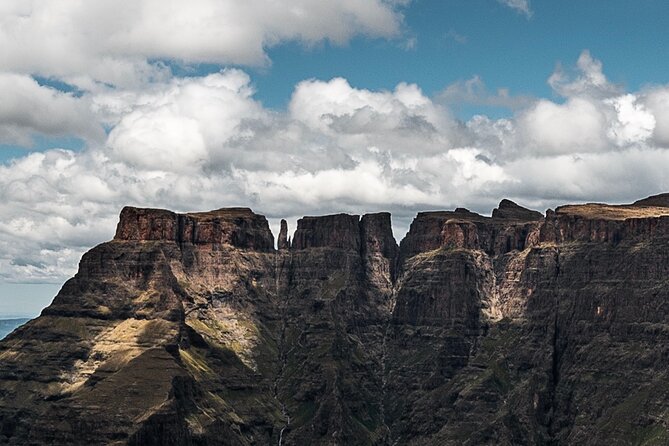
- Sleeping in a Mnweni cliff cave with big valley views and a very “only here” kind of feeling
- Small group limit of 10 so your guide can actually watch your footing and keep things organized
- Included hiking permits and gear (tents, sleeping bags, backpacks, utensils), so you travel lighter
- Altitude hiking near 3,000 m / 10,000 ft for serious mountain scenery
- Meals built in with hot drinks plus breakfast and dinner, while lunch stays on you
Where the Mnweni hike fits in the Drakensberg story
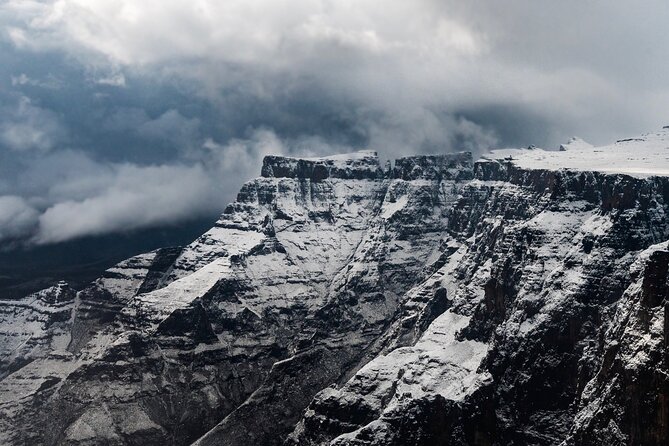
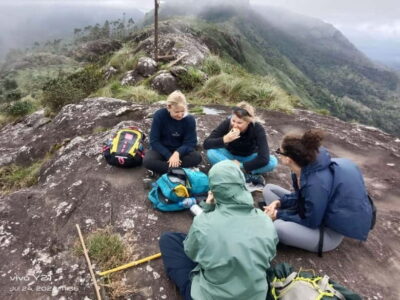
KwaZulu-Natal’s Drakensberg is the kind of place that looks dramatic even when you’re still. So when the plan is to spend three days walking through it, the payoff isn’t subtle. This hike focuses on the Mnweni area, where the mountain walls feel close, the valleys open up from high points, and the trail can feel wonderfully remote—like you’re getting a private slice of the range.
You start early, at 5:00 am, which matters more than you’d think. In mountain country, morning light changes everything: views pop, the air feels clearer, and your day becomes more predictable. If you’re used to “vacation time” starts, expect this to be more like getting to the point fast.
Also, this is a guided, small-group experience through Soul Adventures, with a maximum of 10 travelers. That small number shows up in how the trip runs—camp doesn’t feel chaotic, and you’re not one of a hundred faces trying to keep up.
The walking days: 40 km of tough-but-manageable hiking
The headline distance is about 40 km across the three days (roughly 25 miles). That’s enough to make this feel like a real hike, not a scenic stroll. You’re also dealing with altitude; the maximum height on the route is listed at 3100 m, and it’s described as hiking roughly around 10,000 feet for big-sky perspectives.
Here’s what that means for you:
- You’ll spend days moving steadily through the Drakensberg terrain, with climbing and descending.
- You’ll want to pace yourself, because altitude and distance together can sneak up on your energy.
- Your guide helps you keep the effort sensible. Several guide-led reviews highlight how Darren and Patrick adapt the route when needed and keep people feeling supported instead of rushed.
One detail that stands out in the tour description: you may drink water from the river during the hike. Don’t treat that like a free-for-all. I’d assume the guide handles how it’s done on this specific trail and follows local safety practices. Your job is simpler: bring a bottle that works for refills and pay attention to what your guide says.
Distance can vary by pace and route choices. The tour info emphasizes 40 km, but some trips run longer depending on conditions and how the group moves. Either way, expect a workout. If “moderate physical fitness” is your comfort zone, you’ll likely be fine.
The best part: a cave night on the escarpment edge
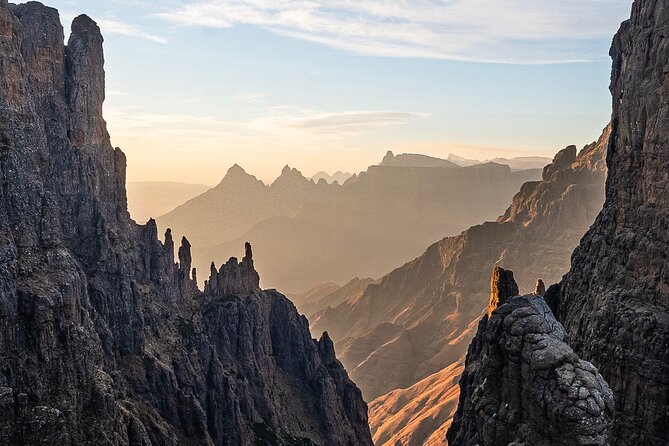
The highlight is sleeping in a cave set into the cliffs overlooking the valleys. That’s not a gimmick. It’s the kind of night that makes the whole trip click: one moment you’re hiking past mountain walls, and the next you’re tucked into the rock with a view that feels unreal.
What makes a cave night especially memorable:
- The Drakensberg cliffs create a natural sense of shelter.
- The timing and the view after a day of walking can feel like a reward you actually earned.
- Even the fact that the cave is carved into the escarpment edge makes it feel more “place-based” than generic camping.
You’re still camping—two nights are spent camping in the mountains—but the cave night changes the emotional tone. It’s less campsite postcard and more this is why people come here.
And yes, you’ll still get hot drinks and meals. The tour includes hot drinks, plus breakfasts and dinners, so you’re not burning calories and then facing a cold, empty camp. Lunch isn’t included, so think of your meals like this: two planned day meals and drinks are handled, but you’ll need to cover lunch yourself.
Gear, permits, and why the price can make sense
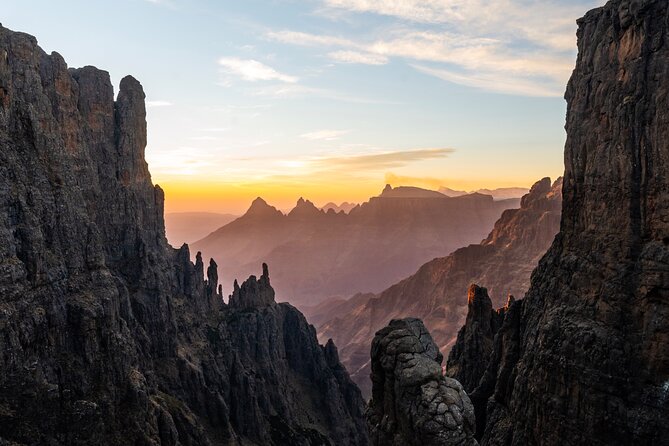
At $584.97 per person for about 3 days, it’s not a bargain tour. But when you look at what’s covered, it starts to feel more reasonable.
Here’s what you’re not paying to figure out on your own:
- All hiking permits and fees
- Use of tents, sleeping bags, backpacks, and eating utensils
- Hot drinks plus breakfast and dinner
- Professional photos included
That last one is sneaky value. Multi-day hikes create memories you want to keep, and it’s easy to end up with blurry phone shots when you’re busy hiking. Having professional photos handled is a real service, especially if you’re traveling without a dedicated camera person.
Also, the “gear provided” piece changes who can realistically do this. Some people think they need to already own all the camping kit. Here, you can show up and focus on hiking and enjoying the route. That’s a big deal on a trip where the environment is the star.
Group discounts are mentioned too, though you’ll still want to check what applies to your date. Regardless, the small group size plus included gear and meals are the main reasons the cost doesn’t feel random.
Guides matter: support on steep ground and at camp
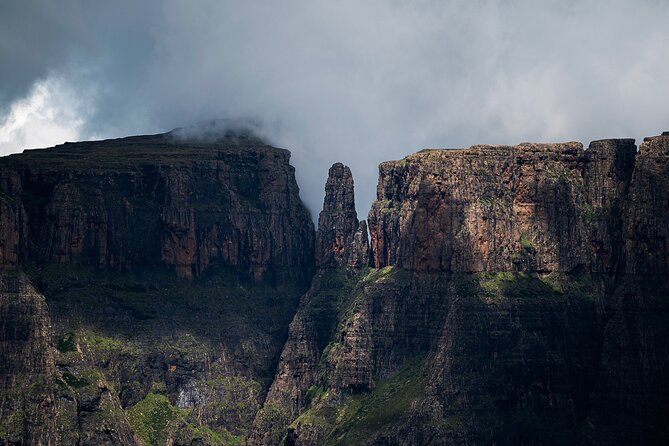
This hike is built around guides who keep things moving and keep people safe. The best way to say it: the guide is what turns a remote trek into a trip you feel confident doing.
From the reviews you shared, I’d watch for a few recurring strengths:
- Darren is described as experienced, knowledgeable about the region, and able to customize the hike when needed.
- Patrick is repeatedly praised for route quality and a positive vibe, including humor that keeps morale up on hard stretches.
- Team members like Rasta and Thebani are also credited with taking care of basics—helping with backpacks, getting camp set, and making sure you’re not stuck improvising.
For you as a hiker, the practical takeaway is simple: in a place like Mnweni, you want someone who can manage pacing, weather shifts, and trail conditions without drama. A small group makes that easier, but the guide quality is what makes it feel smooth.
Timing and logistics: the trip runs on mountain rhythm
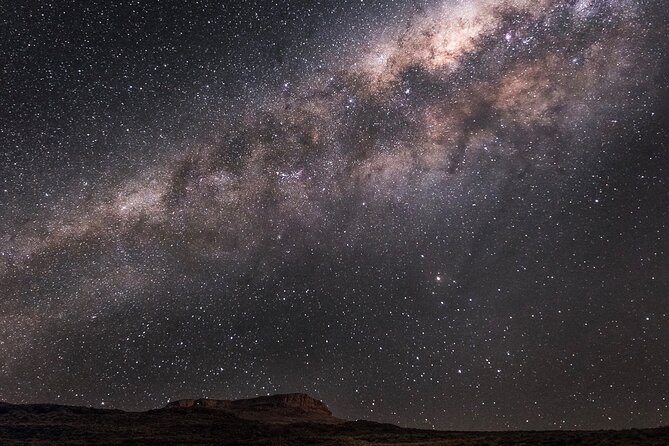
The tour begins at 5:00 am and returns you back to the meeting point at the end. Transport to the starting point is not included, so you’ll need to plan your own way in and out.
A “start early” schedule has two effects:
1) You get more daylight hours for hiking.
2) You also need to be ready to go—no lingering around breakfast, no slow coffee surprises.
It’s also worth noting that this experience requires good weather. That doesn’t just mean “bring a jacket.” It means if conditions aren’t right, your date can shift or you can receive a refund—so your plan should have a bit of flexibility.
Pacing, difficulty, and who this is best for
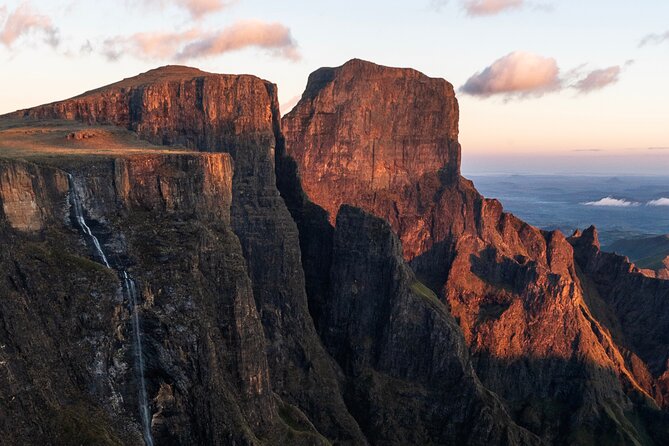
The tour asks for moderate physical fitness. That’s the right label for a 3-day, 40 km mountain hike at altitude with a cave night. You don’t need to be a summit athlete, but you do need to be comfortable with hours of walking, uneven footing, and a schedule that doesn’t slow down just because your legs start negotiating.
This is a good match if:
- You want an authentic, remote-feeling hike rather than a sightseeing bus day.
- You like small groups and prefer real human support over “figure it out” travel.
- You’re okay with basic camping comfort in exchange for a very memorable setting.
It may be less ideal if:
- You get overwhelmed by early mornings and long walking days.
- You want lunch provided every day (it isn’t included).
- You’re looking for an easy route with frequent rest stops built into the plan.
What’s included vs. what you bring yourself
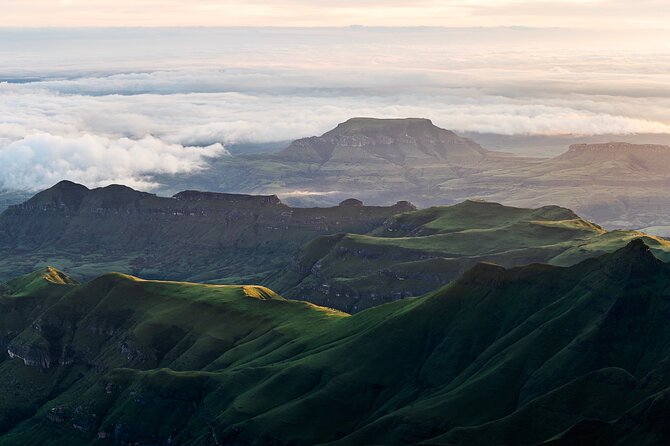
Since the tour provides camping setup, you can plan to travel lighter. Included items cover the big-ticket camping needs:
- Tents and sleeping bags
- Backpacks and eating utensils
- Hot drinks, breakfast, and dinner
- Hiking permits and fees
- Professional photos
Not included:
- Lunch
- Transport to the starting point
So your best prep is mostly personal essentials: items for comfort and safety that you can’t delegate to the operator. Think along the lines of what you need for feet, weather protection you personally trust, and anything medication-related you rely on day to day. If you’re unsure what matters most for you, ask before you go—especially if you have any injury history.
Weather reality: when good days become better choices
This experience requires good weather. If conditions are poor, you’re offered a different date or a full refund. That’s a fair setup for a mountain trek where visibility, footing, and general safety matter.
I’d plan your booking with realistic expectations. If you’re the kind of traveler who wants every hour “locked in,” mountains can be humbling. But if you’re flexible and understand why weather affects trail conditions, that flexibility becomes part of the value.
Should you book this Mnweni 3-day Drakensberg hike?
If you want a Drakensberg hike that feels serious without requiring you to arrive with camping expertise, I’d say book it. The included gear + permits + meals remove a lot of friction, and the cave-night factor is exactly the kind of story you’ll still be telling months later.
You should think twice if you’re not comfortable with a demanding multi-day effort, early starts, and the fact that lunch isn’t included. Also, if your schedule is tight and you can’t handle a weather-related date change, choose your dates carefully.
For the right fit, this is one of those experiences that doesn’t feel like a checklist. It feels like you walked right into the mountains—and the mountains walked back.
FAQ
How long is the Drakensberg Mnweni hike?
It runs for about 3 days, with 2 nights spent camping in the mountains.
How far do you hike during the tour?
You cover approximately 40 km (about 25 miles) during the 3 days.
What time does the hike start?
The start time is 5:00 am.
What’s included in the price?
The tour includes tents, sleeping bags, backpacks, eating utensils, hot drinks, breakfasts, dinners, professional photos, and all hiking permits and fees.
What’s not included?
Lunch and transport to the starting point are not included.
What if the weather is bad?
This experience requires good weather. If it’s canceled due to poor weather, you’ll be offered a different date or a full refund. You can also cancel for a full refund up to 24 hours before the start time.