REVIEW · ISLAND OF HAWAII
Big Island: Hawai’i Volcanoes National Park Guided Hike
Book on GetYourGuide →Operated by Volcanoes Hiking Guides · Bookable on GetYourGuide
Hiking a volcano feels like a guided lesson. I especially like the way Thurston Lava Tube turns ancient lava into something you can walk through, and I like how guides such as Jennifer share stories and ecology along the way. The main drawback to consider: on at least some days, the included breakfast buffet may be lighter than expected, so keep a little extra patience (or plan a small snack before you go).
This is built for a small group (up to 10) or an exclusive private tour, which matters here. You’re moving for about 390 minutes in rainforest heat, up toward volcanic walls, then down into a subterranean passage, all rain or shine. If you’re traveling with kids under 8 or you have mobility limits, this won’t be a good fit.
In This Review
- Key things that make this hike worth your time
- Starting at Kilauea Visitor Center: where the day gets real
- Kilauea Iki Crater: the best part is walking the edge
- Caldera walls and volcanic heat: learning without getting lost
- Thurston Lava Tube: the highlight that changes your perspective
- Breakfast and picnic: included meals help, but timing can vary
- Park entry and the $230 price: where the value really comes from
- Group vs private tour: choosing your comfort level
- Who this hike is for (and who should skip it)
- Should you book this guided hike?
- FAQ
- Where is the meeting point?
- How long is the guided hike?
- Is park entry included in the $230 price?
- What meals are included?
- Is it a group tour or can it be private?
- What should I bring and wear?
Key things that make this hike worth your time
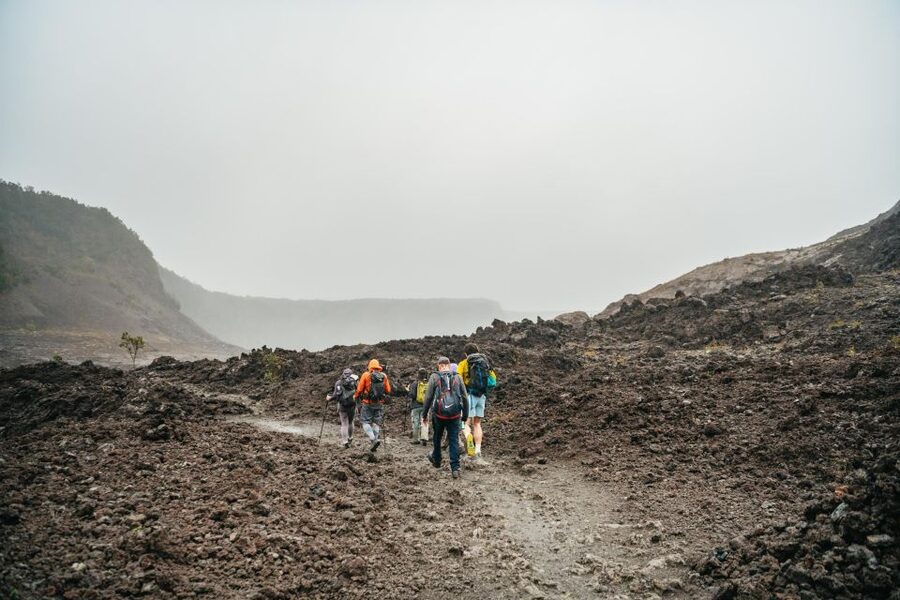
- Thurston Lava Tube: an underground walk through a tube carved by flowing ancient lava
- Kilauea Iki Crater views: panoramic lookouts over a solidified lava lake area
- A guide who ties plants and volcanoes together: you’ll learn what you’re seeing as you walk
- Steam vents to native forest: the route shifts fast, so the scenery never stalls
- Included meals: a breakfast buffet plus a gourmet picnic lunch
- Small group pacing: better chances to ask questions and move as a unit
Starting at Kilauea Visitor Center: where the day gets real
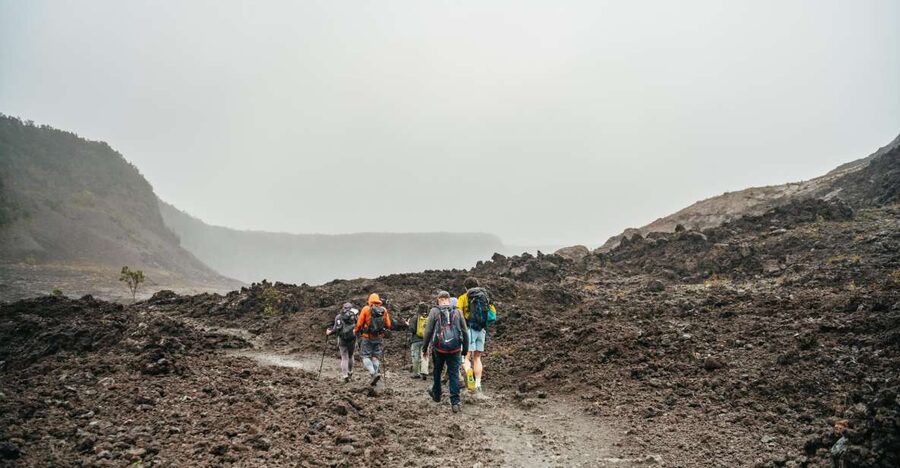
Most volcano experiences are either big and crowded or very technical. This one sits in the sweet spot: practical, guided, and focused on seeing the park without you guessing what matters.
You meet at the Kilauea Visitor Center inside Hawai’i Volcanoes National Park. From there, you’ll get oriented with your live English guide and start moving. The tour runs about 6.5 hours, so it’s not a quick stroll. You should plan to think of it as a full “morning-plus” experience that also includes time for meals and the cave stop.
I like that the day is set up with meals included—a breakfast buffet and then a gourmet picnic—because it means you can spend your attention on the hike instead of hunting for food. I also appreciate the small group limit (max 10). In a park where conditions can change fast, smaller numbers help keep the pace steady and reduce that long “where is everyone” lag.
One practical note: this tour happens rain or shine. That means your rain gear isn’t optional. If you’ve ever tried to hike in volcanic areas without protection, you’ll know how quickly the day can turn cold and slippery.
Kilauea Iki Crater: the best part is walking the edge
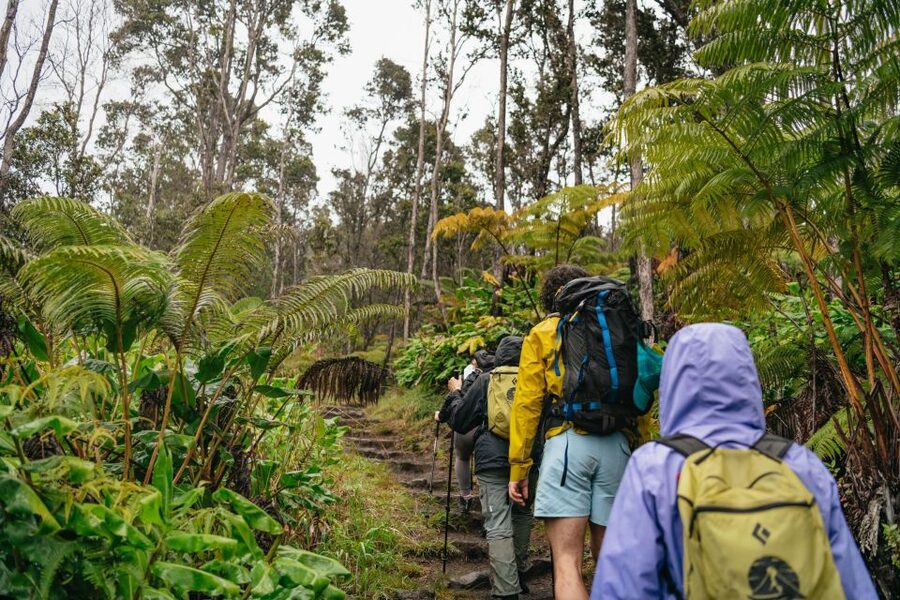
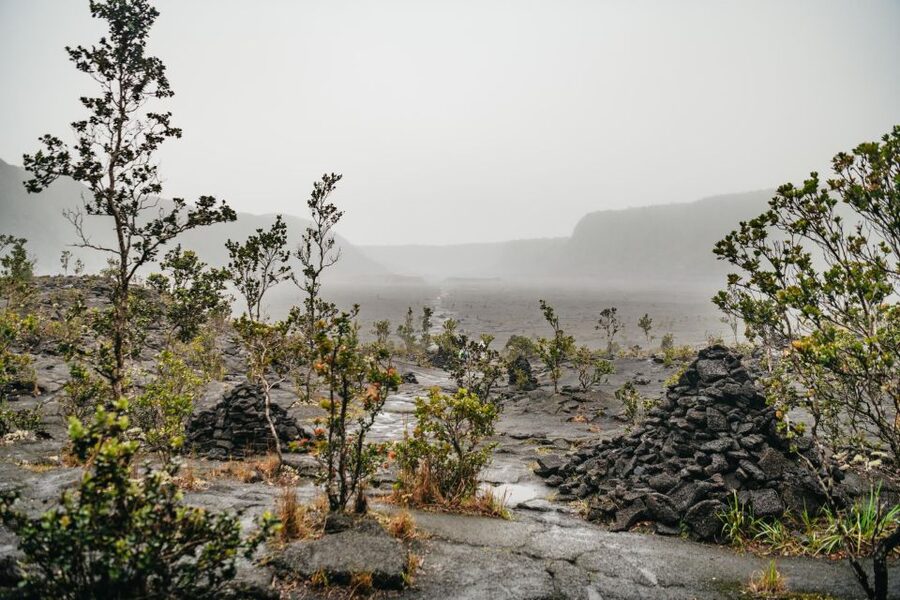
Kilauea Iki Crater is a star stop for a reason. You’re not just looking at the crater from a distance—you’re getting to move through a volcanic-feeling zone and then pause for big views.
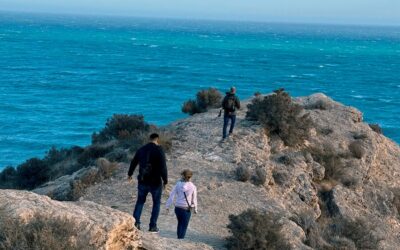
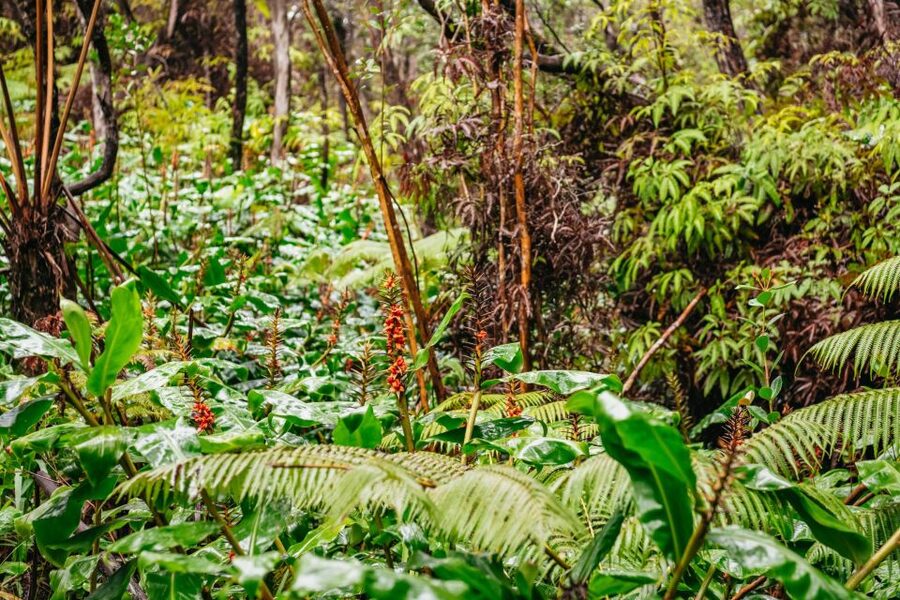
After breakfast, you head into native Hawaiian forests, and the guide keeps your eyes moving. That matters because in a rainforest, a lot is going on at ankle height: textures, shadows, and small signs of wildlife. The tour is specifically framed around watching for native Hawaiian wildlife as you trek, which is a good reminder to slow down. The views come, but you’ll get more out of them if you notice what’s around you while you’re still walking.
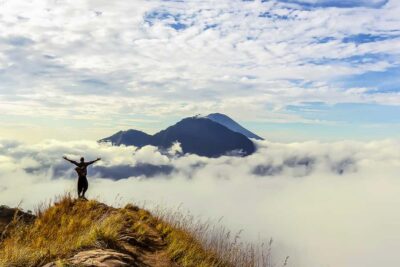
At Kilauea Iki Crater, you’ll take in panoramic views over the solidified lava lake area. Even if you’ve seen photos of the crater, standing there changes the scale. The terrain makes more sense once you’ve walked near it: it’s not just a hole in the ground. It’s evidence of how quickly molten rock can reshape an environment.
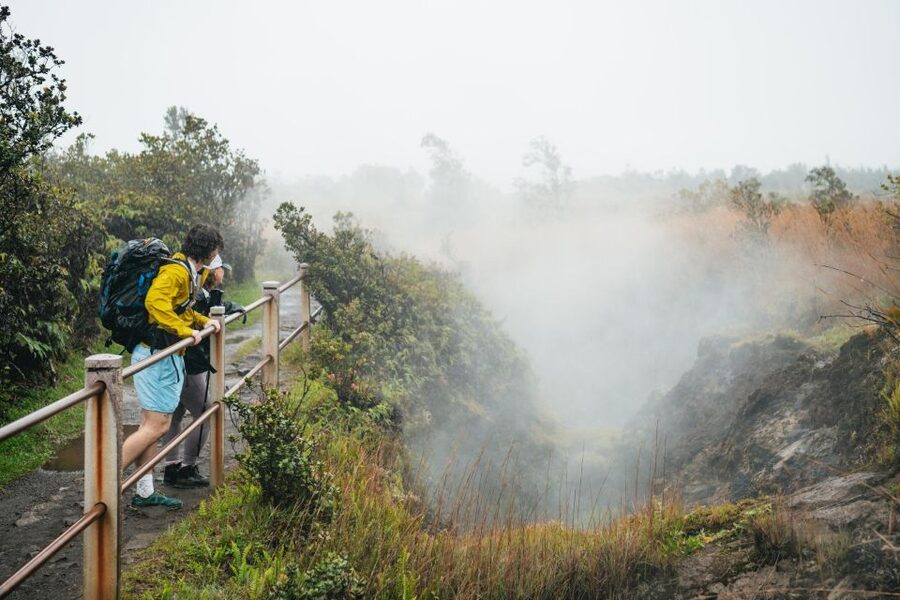
You’ll also move past field-like steam vents, so expect heat and mist in spots. That can be the most confusing time to new hikers—because it looks like “weather,” but it’s part of the volcanic system. Your guide’s explanations here are a real value add, since they help you connect what you smell and see to what’s happening underground.
Caldera walls and volcanic heat: learning without getting lost
After the crater, the route presses toward the caldera area. This is where the hike starts to feel dramatic in a very physical way.
You’ll walk into zones where the volcanic walls loom overhead and the heat can feel direct against your skin. That kind of sensation is hard to fake with a visitor-center talk. It also explains why this experience is so guide-dependent: the best learning happens when you’re standing in the exact place your guide is describing.
This is the segment where you’ll get the “why” behind the park’s ecology. The tour focuses on how the environment in Hawai’i Volcanoes National Park works—how forests take hold, how steam and volcanic ground shape what grows, and how the area’s volcanic past connects to what you see today.
I also like that the story part isn’t just facts. In small-group hikes like this, guides often bring in local context and legends in a way that helps you remember the bigger ideas. One guide named Jennifer is specifically mentioned for sharing stories and legends, and that kind of human touch makes the science stick.
A drawback to consider: because this is a long, active hike, you’ll want to be ready for sustained walking. The tour is not positioned as a “stop every 15 minutes” experience. If you need frequent breaks, plan to speak up early so your guide can adjust when possible.
Thurston Lava Tube: the highlight that changes your perspective
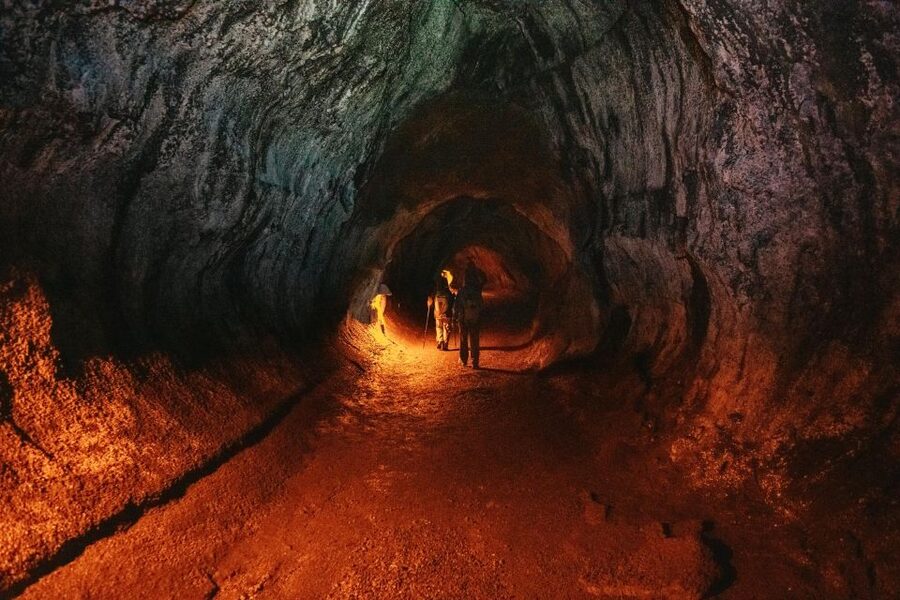
If you’re deciding between this hike and any other volcano activity, the Thurston Lava Tube stop is the big reason to care.
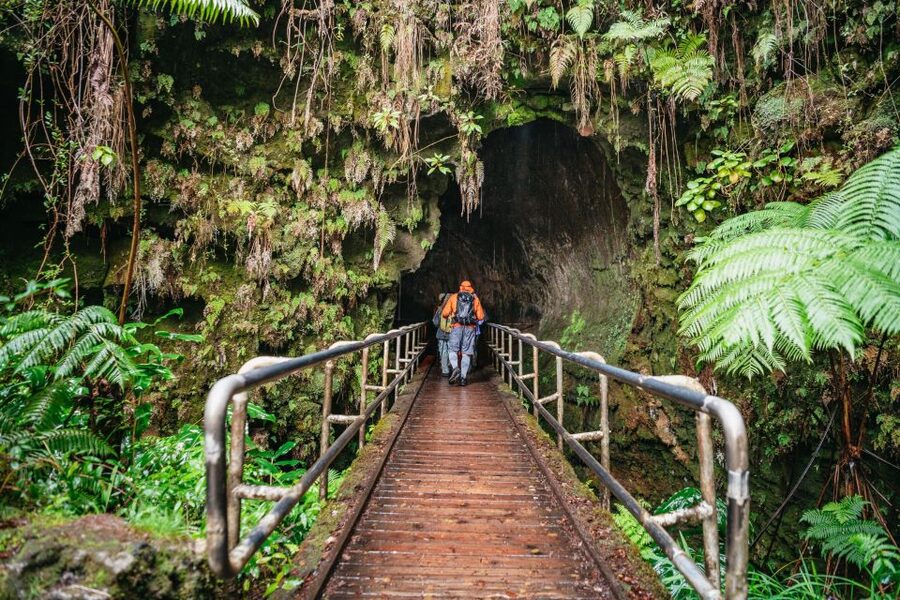
The tube is a subterranean passage formed by ancient flowing lava. Instead of seeing lava effects only from above, you get to experience the result from the inside—an underground space carved into something you can walk through.
This is also where your senses will do most of the work. Lava tubes have that distinct feeling: cooler air, darker visuals, and a ceiling that reminds you of the rock that once moved. The guide leads the route so you can focus on what’s happening in the cave environment rather than trying to figure out the shape on your own.
Practical takeaway: this portion is worth wearing shoes that have grip you trust. Even if the exact footing details aren’t spelled out, you’re going underground in a lava feature, so you should treat the floor like it’s not “street-smooth.” Bring the mindset of good hiking shoes and steady steps.
If you’re the type who likes science, this stop will land. It turns geology into a walkable object. If you’re more of a “just show me the cool stuff” person, it still works—because it’s memorable fast.
Breakfast and picnic: included meals help, but timing can vary
Meals make or break long tours. Here, you get a breakfast buffet and a gourmet picnic lunch, both included in the price.
Breakfast is listed as fruit, salmon, cheese, teas, and coffee. That’s a solid spread for a hike day because it gives you protein and energy before you start climbing and walking through varied terrain.
Lunch is described as salads, sandwiches, and desserts. I like that this isn’t a sad boxed lunch vibe. It’s positioned as a proper picnic meal, and that’s especially helpful in a place where the day is long and the hike is active.
Two real-world considerations based on what people experienced:
- Some people found the breakfast didn’t fully match the buffet expectation on their specific day. If you’re counting on a full buffet, consider arriving a bit earlier with your own small backup hunger plan (within what you’re comfortable with) rather than assuming it will always be the full spread.
- The lunch break may happen later than you expect. One person noted the lunch was essentially at the end of the tour. That doesn’t make the food worse—it just changes when you’ll want a break.
There’s also a nice human detail mentioned: guides like Jennifer have been known to bring extra snacks such as baked cookies for the group. That’s the kind of small effort that makes a guided hike feel warmer, not just instructional.
What to bring for food practicality is simple and already listed: water plus rain gear. If you tend to get thirsty, don’t treat water as an optional extra.
Park entry and the $230 price: where the value really comes from
This tour costs $230 per person, and that number makes sense only when you look at what’s actually included.
You’re paying for:
- A guided hike through Hawai’i Volcanoes National Park
- A small group experience (max 10), or you can choose an exclusive private option
- A full block of guided time (about 390 minutes)
- Two meals: breakfast buffet and a gourmet picnic
Now add the item that catches many people off guard: park entry tickets are not included. Options are listed as about $15 per person, $30 for vehicle access, or an annual park pass for $80 per year that covers National Parks.
So the real cost for most people becomes:
- Tour price + your park entry method
That can still be a good deal if you’re already paying for entry anyway and you value having the route guided end-to-end—especially here, where the hike covers multiple volcanic features like Kilauea Iki and Thurston Lava Tube.
Where the price won’t feel like a steal is if you’re the kind of traveler who hates scheduled pacing. This is a structured experience with a guide, meals, and stops in a set order. If you want total freedom, you may prefer self-guided routes. But if you want to understand what you’re seeing while you’re walking through it, this is one of the more direct ways to do that without turning your day into a research project.
Group vs private tour: choosing your comfort level
You can book this as a small group (limited to 10) or choose a private tour.
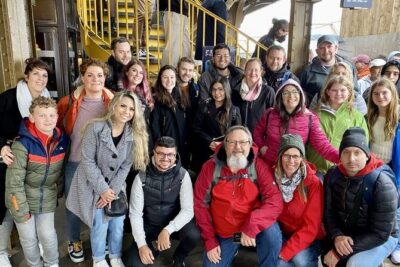
If you’re social and you like meeting new people, the small group format is a plus. It also helps for logistics: the hike stays organized, and you don’t get pulled away from the group constantly.
If you prefer quieter conversations, faster personal questions, or you’re traveling with friends who want your own pace, the private option can be a better match. In a place like this, where conditions and heat can change, having a guide adjust the experience for your needs can make the day feel smoother.
Either way, you’re starting at the same place and covering the same core experiences: rainforest walk, caldera area, and the underground stop at Thurston Lava Tube.
Who this hike is for (and who should skip it)
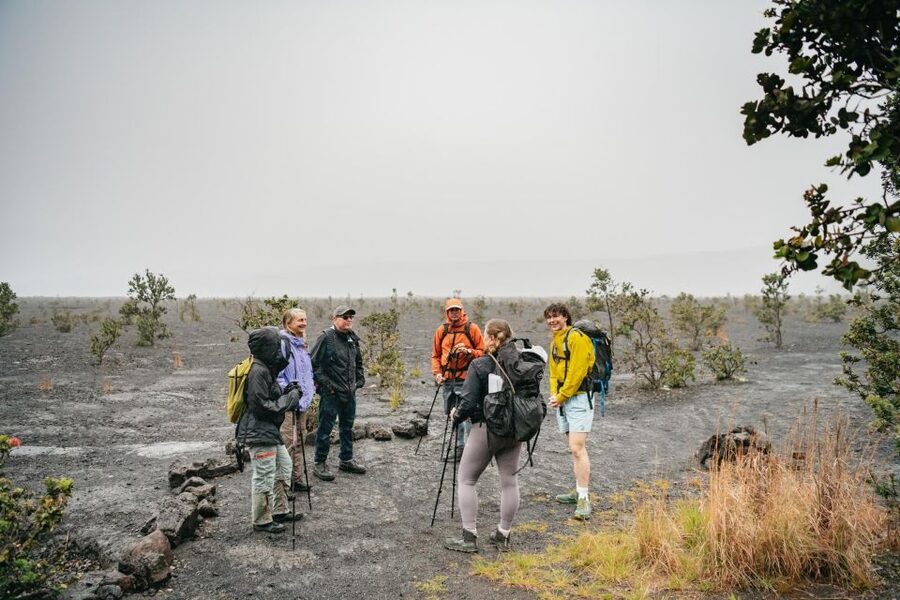
This tour is a strong fit for hikers who want a guided, full-day feel without going full technical. You’ll get active walking through rainforest terrain, plus the standout geological feature of the lava tube.
It’s not suitable for:
- Children under 8
- People with mobility impairments
Also, it’s listed as not allowing alcohol and drugs, and that’s a good thing in a cave-and-volcanic terrain scenario.
If you’re coming from sea level conditions and you’re not used to warm, humid rainforest walking, plan to take the trek seriously. Wear hiking shoes, bring water, and use rain gear. Even if the day looks bright, volcanic areas can shift fast.
Should you book this guided hike?
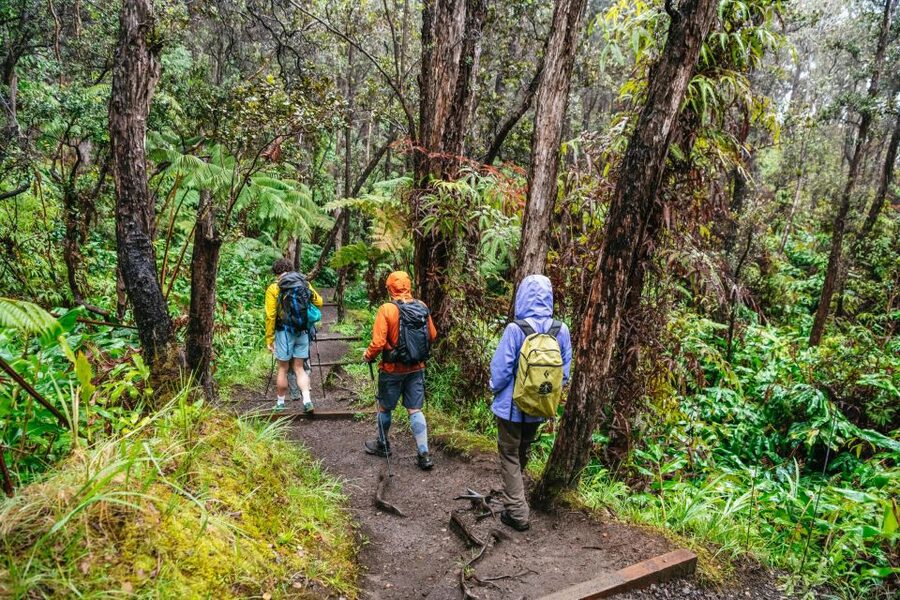
Book it if you want a single guided outing that connects the park’s main experiences—Kilauea Iki views, caldera walls, and the wow factor of Thurston Lava Tube—with real-time interpretation from a guide who shares both volcanic and local context. The small group cap also makes it feel manageable.
Skip it if you:
- Need a very low-impact, frequent-break itinerary
- Can’t comfortably handle an underground cave segment
- Have little patience for a multi-hour schedule in changing conditions (because it’s rain or shine)
If you’re on the Big Island and you want your volcano day to feel guided, not just scenic, this one is an easy yes—especially for the lava tube stop and the way the route ties ecology to the geology you’re standing on.
FAQ
Where is the meeting point?
You meet at the Kilauea Visitor Center inside Hawai’i Volcanoes National Park.
How long is the guided hike?
The tour duration is 390 minutes (about 6.5 hours).
Is park entry included in the $230 price?
No. Park entry tickets are not included. Options listed are about $15 per person, $30 per vehicle, or an annual pass for $80/year.
What meals are included?
You get a breakfast buffet (fruit, salmon, cheese, teas, and coffee) and a gourmet picnic (salads, sandwiches, and desserts).
Is it a group tour or can it be private?
It’s a small group tour limited to 10 participants, and there is also the option for an exclusive private tour.
What should I bring and wear?
Bring hiking shoes, water, and rain gear.