REVIEW · ANTIGUA GUATEMALA
Acatenango Volcano Overnight Hike 2-Day Camping &Fuego Views
Book on GetYourGuide →Operated by Guat2do Travel Experiences · Bookable on GetYourGuide
One active volcano keeps the other in view. This 2-day Acatenango overnight hike from Antigua is all about Fuego Volcano lava eruptions and fumaroles on the horizon, plus summit camping under real Guatemalan stars. I love that the local guide team keeps the climb organized and informative, and that you get the basics for camp without having to hunt down gear. The main drawback: this is a tough, cold, shared-group trek, and the Fuego visit costs extra.
You start at Café Condesa near Antigua’s Central Park, then ride to the base, hike all day, and wake for sunrise before heading back down. If you show up with strong fitness, bring enough water, and pack for near-freezing nights, you’ll likely feel like you traded your phone camera for a front-row seat.
In This Review
- Key Points at a Glance
- Why Acatenango + Fuego Views Feel Like the Real Guatemala
- Antigua Pickup to Trailhead: The 2-Day Rhythm You’re Signing Up For
- Day 1 Ascent: Lunch, Camp Setup, and the Night-View Moment
- Summit Camping Comfort: Gear That Saves You Before Your Legs Do
- What to Pack (and How Much Water) for Near-Freezing Nights
- Day 2 Sunrise Summit: The Moment the Cold Stops Feeling Silly
- Price and Value: What $150 Covers vs What Costs Extra for Fuego
- Who This Hike Fits Best (and Who Should Skip It)
- Tips That Make This Tour Easier (Especially at Water Stops)
- Should You Book This Acatenango Overnight Hike?
- FAQ
- Where is the meeting point for the Acatenango overnight hike?
- How long is the tour?
- What meals are included?
- Is the Fuego Volcano visit included in the price?
- What camping and hiking equipment comes with the tour?
- What should I bring with me?
- Is this tour suitable for children or people with low fitness?
Key Points at a Glance
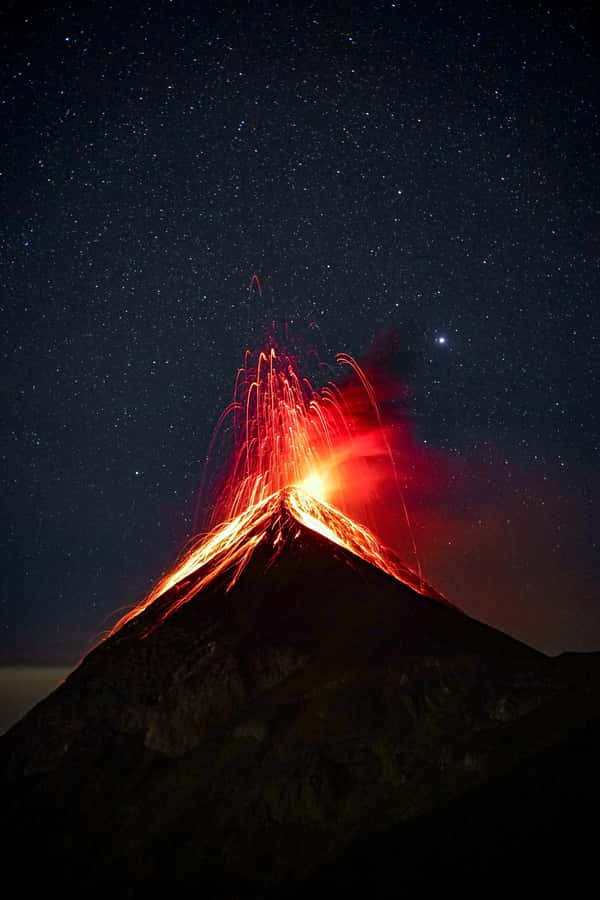
- Big Fuego views from Acatenango: possible lava eruptions and fumaroles depending on conditions
- Summit camping with comfort basics: dome/cabin-style setup plus sleeping bag and mattress
- Spanish-speaking local guidance: safety and trail know-how during steep sections
- Early sunrise summit hike: brightening peaks and big photo moments
- Pickup convenience, shared-group timing: you’ll likely wait an extra 30 to 45 minutes at pickup
- Fuego add-on not included: you pay Q300 per person directly to the local guides if you want it
Why Acatenango + Fuego Views Feel Like the Real Guatemala
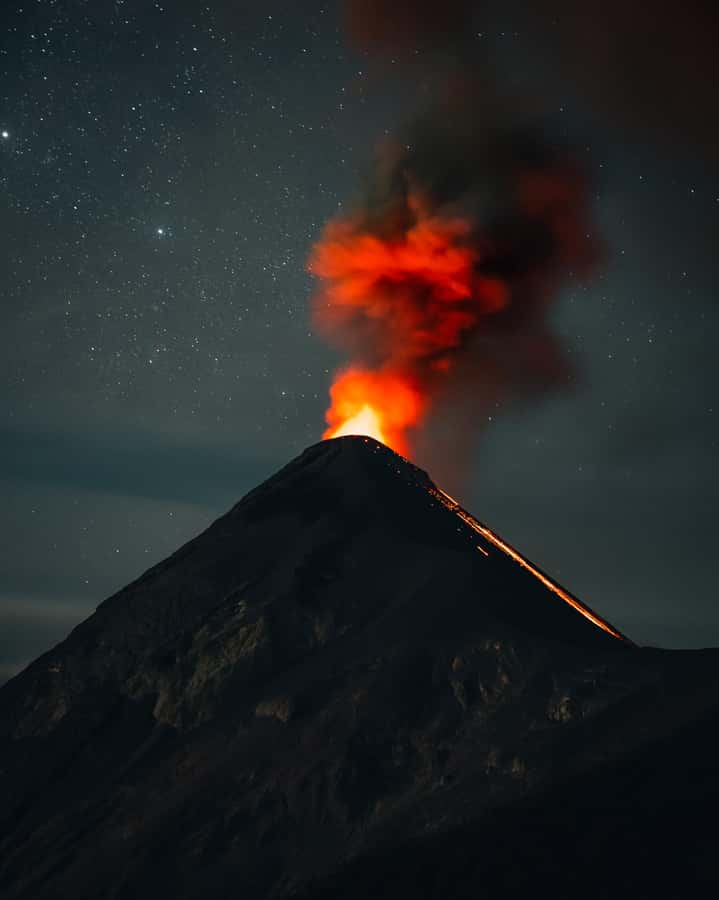
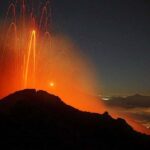
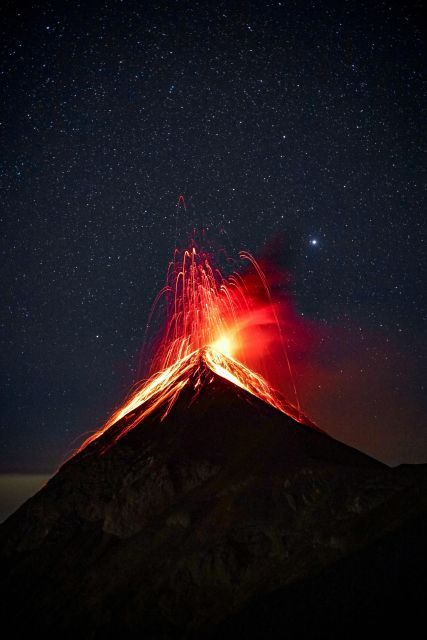
Acatenango is one of those hikes that makes Guatemala’s volcanic reality feel close enough to touch. From high camp and the summit the next morning, you’re positioned to watch Fuego Volcano’s activity—things like glowing lava eruptions and fumaroles—far out across the dark. Even when the lava show is quiet, the scene still feels intense: steam, smoke, and that constant sense that the mountain is awake.
Two things I really like about this tour style. First, the experience is built around the right vantage points: camp under a night sky, then go back up for sunrise when the light hits the peaks. Second, the practical side is handled for you—meals, entrance fees, and the core camping equipment mean you can focus on your legs, not your shopping list.
The one thing to keep expectations grounded: you’re not buying a guaranteed fireworks ticket. Volcano viewing depends on timing, weather, and what’s happening that night. You’re booking a strong chance at dramatic views, not a 100% promise.
You can also read our reviews of more hiking tours in Antigua Guatemala
Antigua Pickup to Trailhead: The 2-Day Rhythm You’re Signing Up For
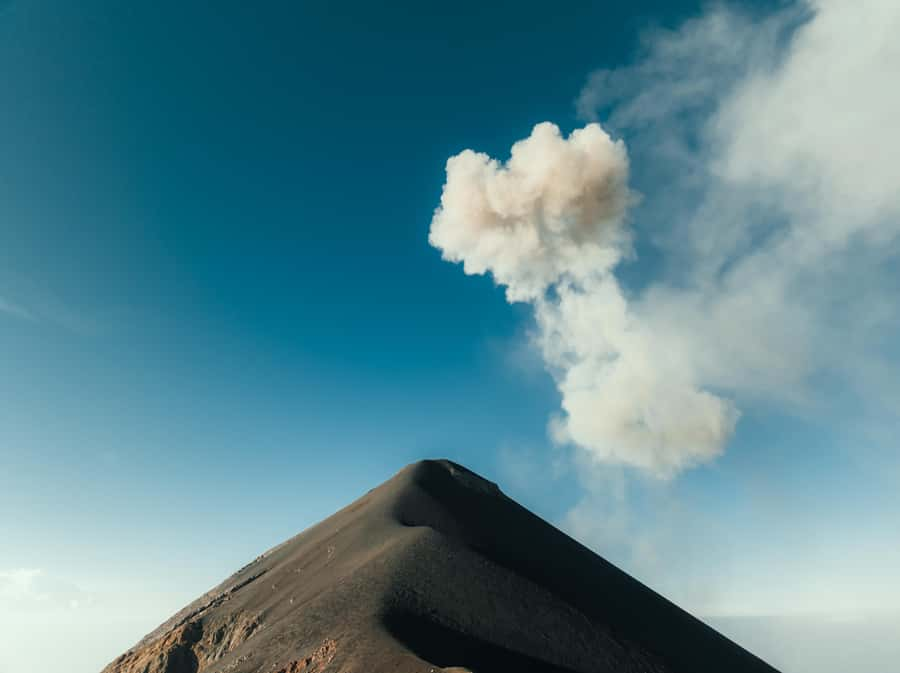
This trip is structured to keep the logistics simple once you arrive in Antigua. Your meeting point is Café Condesa, at La Casa del Conde on Avenida Norte 5a, around the Central Park area. The provider uses hotel-style pickup convenience, but it’s a shared tour, so the pickup window can stretch by 30 to 45 minutes. Plan to be at the meeting spot early and ready, especially if you’re catching the last bus or have dinner reservations.
Day 1 runs on two engines: the climb and the night mission. You get driven from Antigua to the base, then start hiking with a local guide group. You’ll stop for a solid lunch along the way, reach camp in the evening, and have dinner once tents/domes are set. The goal is to settle in enough to watch the sky and, if conditions line up, see Fuego’s activity.
Day 2 is simpler but still demanding. You wake early, hike up to the summit for sunrise, and then return to the base afterward. Breakfast is part of the summit morning plan, so you’re not just freezing your way into a pretty view—you’re fueling for the day’s effort.
Day 1 Ascent: Lunch, Camp Setup, and the Night-View Moment
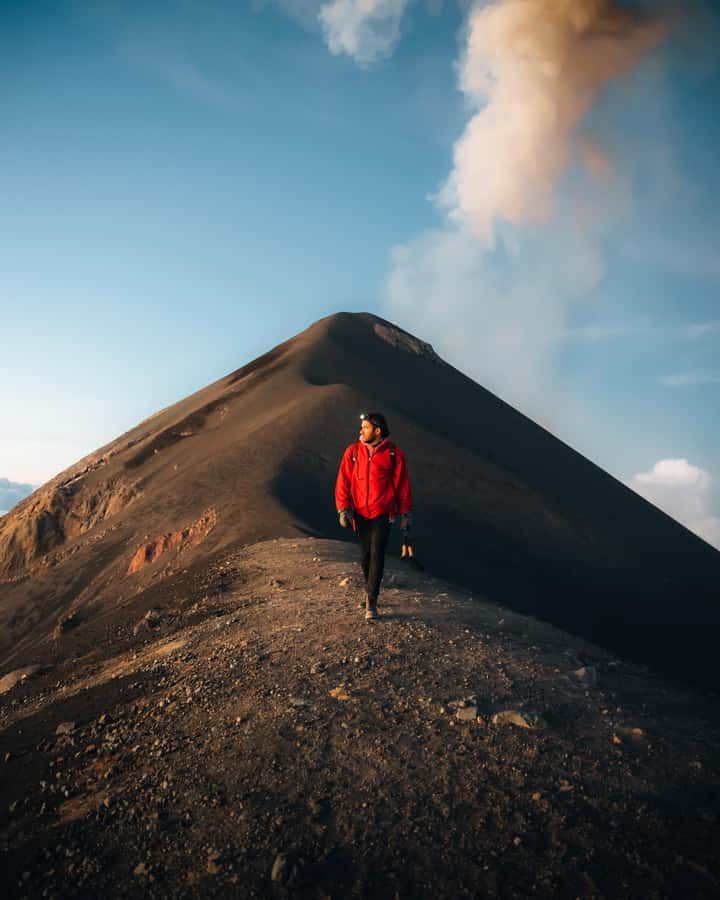
Day 1 starts with the practical advice that matters on steep trails: eat breakfast before the hike. Once you’re at the base, the guide team leads the route and keeps the group moving at a steady, safer pace. This is not the kind of hike where you want to sprint ahead and hope you’re fine later. Your legs should feel challenged, not broken.
Lunch on Day 1 is a key piece of comfort. It’s easy to underestimate how much food impacts how you’ll sleep and how strong you’ll feel for the next morning. Here, lunch is provided as part of the tour, so you’re not constantly making last-minute snack decisions on the trail.
Then comes camp. You set up (and relax into) the night’s routine: gear is already arranged for you, dinner is included, and once you’re inside your dome/cabin-style shelter, the real payoff begins. This tour is designed for night sky viewing. You’ll look up at a dark, star-filled sky and, with luck, get a look at Fuego’s glowing activity and fumaroles.
One practical note from experience on similar volcano trips: night is cold, and cold makes people rush. Take it slow in camp. Let your body settle. You’ll be glad you didn’t spend your energy fighting the temperature and your breathing.
Summit Camping Comfort: Gear That Saves You Before Your Legs Do
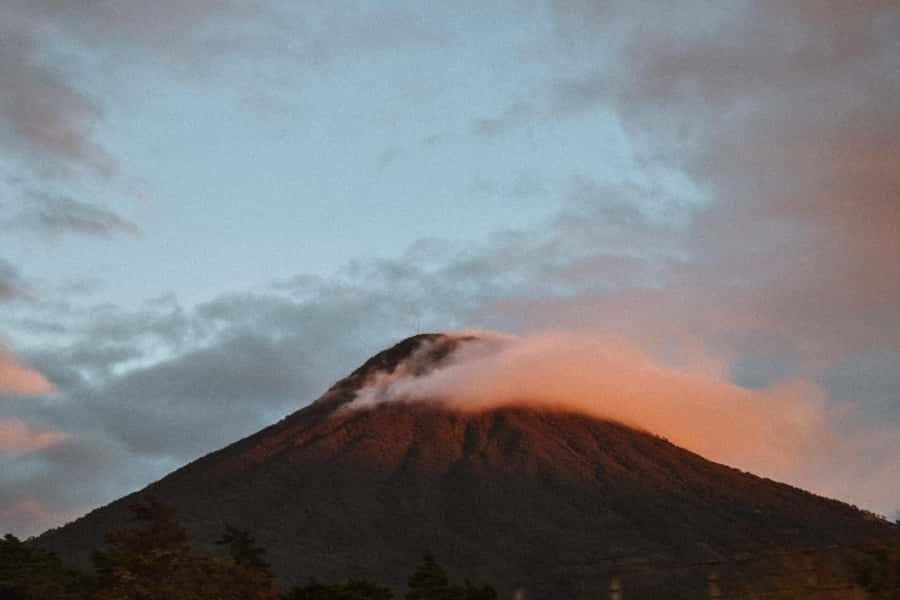
Overnight hikes either feel doable—or they feel like punishment—based on what happens after sunset. This tour tries to remove the biggest pain points by providing the camp setup.
Here’s what’s included:
- a sleeping bag
- a comfortable mattress
- dome/cabin-type camping arrangement
- headlamp
- warm items like a cold-weather jacket, plus gloves and a hat
- hot chocolate and coffee
So you’re not carrying a full camping system up the mountain. You’re also not showing up with a thin jacket and hoping for the best.
What you still need to bring is where most people make mistakes:
- hiking shoes (no sandals)
- a windbreaker and/or one warm layer
- a rain jacket (weather can turn)
- a hat
- your water and snacks
The most specific instruction that really matters: bring at least 4 liters of water. Altitude plus cold plus exertion can drain you faster than you expect.
What to Pack (and How Much Water) for Near-Freezing Nights
If you take one thing seriously, make it water and layers.
Water: you’ll want 4 liters minimum. And even if you think you can refill along the way, don’t gamble. The hike includes opportunities to restock, but you may miss the best timing if you’re distracted by the view. I recommend treating the last convenient water stop as your planning point. Carry enough so you don’t arrive at camp thinking you can solve the problem later.
Layers: plan for near-freezing nighttime temperatures at camp. Even if the daytime hike feels warm, the temperature drop is real once you stop moving and you’re tucked into an exposed summit area.
Footwear and bag: bring trekking boots or hiking shoes. For your backpack, use a 50L+ bag with a rain cover. You’ll also receive food/water bottles/utensils to pack at the base camp level, which means you mainly need your personal gear and clothing rather than trying to assemble every item yourself.
Also bring:
- sunglasses and sunscreen
- camera
- personal toiletries/meds if you use them
- passport or ID card
If you’re wondering whether you’ll run out of breath or energy, the tour is clear about who it fits: strong fitness helps a lot. If you know you struggle with steep climbs at home, this won’t be the time to test your limits.
A few more Antigua Guatemala tours and experiences worth a look
Day 2 Sunrise Summit: The Moment the Cold Stops Feeling Silly
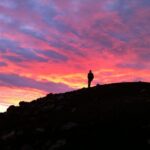
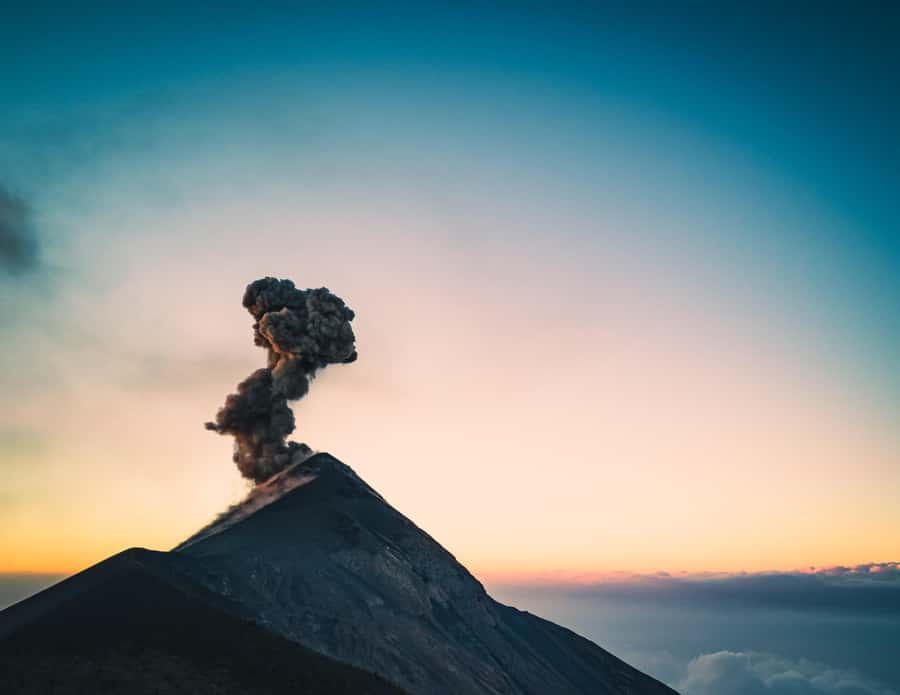
Day 2 is all about sunrise. You wake up early, then head up again to reach the summit with enough time to see the sky brighten and the volcanic peaks light up. Breakfast is included as part of the morning plan, which makes the summit push feel more like a timed experience than a suffering contest.
Once you’re at the summit, you get two different kinds of rewards:
- the obvious one: wide views and strong photo potential
- the less obvious one: clarity. After a night at altitude, you can actually feel the scale of the place. The volcanoes stop being a concept and become geography you can read.
After the sunrise moment, you begin the descent back to the base. Descending can be tough on knees, so don’t take huge steps just to finish faster. The goal is to leave with your legs intact for the return ride to Antigua.
Then it’s back to town, and you’ll get dropped off at Café Condesa—right where you started—so you can rest, grab food, and continue your Antigua day without extra transfers.
Price and Value: What $150 Covers vs What Costs Extra for Fuego
At $150 per person, the value here isn’t just the climb. You’re also paying for:
- meals: breakfast (Day 1’s breakfast is separate, but tour includes breakfast x1 plus lunch x1 and dinner x1)
- camping gear: sleeping bag, mattress, and dome/cabin-type shelter
- warm items for the cold night: jacket, gloves, hat
- hot drinks: hot chocolate and coffee
- entrance fees for the volcano areas included in the route
- a local guide and headlamp
That package changes the math. A lot of volcano tours fall apart when you realize you still have to rent tents, buy sleeping gear, and figure out cold-weather essentials. Here, most of that hard-to-solve stuff is already handled.
The one extra cost you should plan for is visiting Fuego Volcano itself. That visit costs Q300 per person, and you pay directly to the local guides. This tour does not include the Fuego visit fee in the base price.
One review worth taking seriously is about money fairness. In that case, someone felt the value wasn’t equal because their tent experience ended up differing from what others paid. I can’t generalize that as the norm, but it’s a reminder: the best outcome happens when everyone’s setup is functioning and the group plan runs smoothly. If you’re booking mainly for the Fuego visit component, treat the Q300 add-on as part of the real budget.
Who This Hike Fits Best (and Who Should Skip It)
This is not a casual overnight. The tour is not suitable for:
- children under 13
- pregnant women
- people with low fitness levels
Even if you’re an experienced hiker, it’s smart to be honest about your current stamina. The climb plus cold camp plus early summit push is a lot to stack in 48 hours.
If you’re a photographer, a mountain-lover, or someone who wants a real, active Guatemala experience instead of another city day, this hike will likely hit the sweet spot. It’s also a good match if you want guided structure and don’t want to manage camping gear logistics.
One more practical fit check: the guide language is Spanish. If your Spanish is basic, you might still be fine, but don’t expect full English explanations.
Tips That Make This Tour Easier (Especially at Water Stops)
A small but important tip: don’t wait until you’re thirsty to think about water. On steep hikes, thirst and altitude sickness risk can feel connected. The most useful approach is to carry enough so you’re not relying on uncertain timing at later stops.
Also, be proactive about snack and water planning. There can be multiple chances to restock on the way up. If the guide doesn’t call out the last opportunity clearly for your group, you might end up short. Your best move is to pick a “final refill point” earlier than you think you need, then work backward so you have what you need to reach camp and handle the summit morning.
Finally, move your body with intention. In altitude hikes, speed is the enemy. You want steady effort, consistent breathing, and layers adjusted before you’re overheating and then stuck in sweat later.
Should You Book This Acatenango Overnight Hike?
Book it if you want a real overnight volcano experience from Antigua with summit camping, a structured 2-day plan, and a strong shot at Fuego Volcano views at night and volcano peaks at sunrise. The inclusion of camping gear, warm clothing, headlamp, and meals makes the $150 feel like a package, not just a hike ticket.
Skip or choose a gentler alternative if cold nights and steep altitude efforts are not your thing, if you’re not comfortable with demanding physical activity, or if you need everything to feel flexible and easy. This is also worth booking thoughtfully if you care specifically about visiting Fuego Volcano itself, since that part costs extra (Q300) and is paid directly to local guides.
If you’re the type who brings the right layers, carries enough water, and enjoys the payoff of sunrise after a hard climb, you’ll likely leave Antigua with memories that don’t fade.
FAQ
Where is the meeting point for the Acatenango overnight hike?
You meet at Café Condesa near Antigua’s Central Park area, specifically at La Casa del Conde, Avenida Norte 5a. You can also find the meeting point on Google Maps.
How long is the tour?
The tour lasts 2 days, with a check of availability for starting times.
What meals are included?
Breakfast is included once, plus lunch once and dinner once during the hike and overnight camping.
Is the Fuego Volcano visit included in the price?
No. A visit to Fuego Volcano costs Q300 per person and is paid directly to the local guides.
What camping and hiking equipment comes with the tour?
The tour includes camping equipment such as a sleeping bag, a comfortable mattress, and dome/cabin-type camping. You also get a headlamp, gloves, a hat, and a cold-weather jacket.
What should I bring with me?
Bring a passport or ID card, a windbreaker, a hat, rain protection, hiking shoes, and a large backpack (50L+ with rain cover). You should also bring snacks, camera, sunglasses, sunscreen, toiletries/medications if needed, and cold-weather clothing for near-freezing nighttime temperatures.
Is this tour suitable for children or people with low fitness?
No. It’s not suitable for children under 13, pregnant women, or people with low fitness levels.