REVIEW · ANTIGUA GUATEMALA
1 Day Acatenango Volcano Hike from Antigua
Book on GetYourGuide →Operated by Old Town Outfitters · Bookable on GetYourGuide
Four climates in one hike. The Acatenango day trip is a real altitude adventure, with cornfields, cloud forest, and scree all in the same long climb, plus the payoff of 360° highland views from the summit area. The really special twist is how close you get to Volcán Fuego’s activity, so the mountain feels alive instead of postcard-still.
I also like the way the route is broken into clear chunks—about an hour each—so you’re not just guessing how hard the day will be. That structure helps you pace yourself, especially when conditions shift fast. One possible drawback: this is not a gentle walk, and the day can feel tough if you’re not already comfortable with sustained uphill hiking on uneven ground.
In This Review
- Key things to know before you go
- Antigua to La Soledad: the early start that makes the hike work
- The climb’s real secret: four microclimates in about four hours
- 1) Farm fields to warm up your legs
- 2) Old-growth cloud forest with bird life and cooler air
- 3) Views open up as you leave the forest
- 4) Tree line to the barren summit of scree
- Summit time: how the 360° views and the crater wait feel
- What if Fuego is quiet that day?
- Dinner, stargazing, and that campsite feeling
- Descent back to La Soledad (and why it can feel different)
- Price and value: why $170 can still feel fair
- Who this hike is best for (and who should skip it)
- Gear check: what you should bring to stay comfortable
- Shoes and layers
- Sun protection and small essentials
- What not to bring
- Guides: the human part makes the day smoother
- Should you book Acatenango from Antigua?
- FAQ
- How much does the Acatenango hike cost?
- How long is the tour?
- Where do I meet in Antigua?
- What time does the tour start?
- What’s included in the price?
- What gear should I bring?
- Is hiking footwear provided?
- Is the tour suitable for children?
- Is it okay if I’m pregnant or have low fitness?
- Can I cancel for a refund?
Key things to know before you go
- Four distinct microclimates change the trail surface, temperature, and scenery every stretch
- Old-growth cloud forest on the middle ascent can include birds and the area’s famous Quetzal habitat
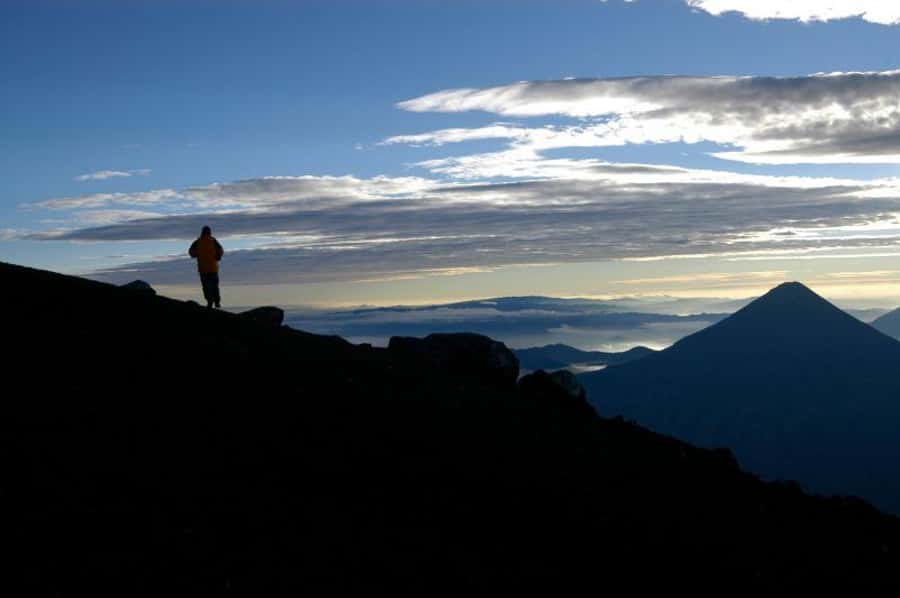
- 360° summit views put a ring of Guatemalan highlands in front of you on clear days
- Volcán Fuego is only 4 km away, giving you real chances to see eruptions from the mountain
- A mountain picnic and dinner are served on-site, so you’re not hunting food mid-adventure
- Descent can be on an alternate route, adding variety so the day doesn’t feel like a copy-paste return
Antigua to La Soledad: the early start that makes the hike work
This tour runs out of Antigua with a very early departure from the office area. The day is described as leaving around 5:00am to get you to the ridge village of La Soledad. At the same time, the meeting point is listed at Old Town Outfitters in Antigua, and the shop check-in time is shown as 9:00am. In practice, that means you should confirm your exact assigned departure time when you book—don’t show up late and assume everything will sort itself out.
Why the early start matters: Acatenango conditions can turn quickly. Cooler temperatures and better visibility help on the climb, and the guide can only do so much once clouds roll in. Starting early also gives you more time on the summit area to watch for activity from nearby Volcán Fuego.
Before you go, it helps to treat the morning like an actual expedition. The tour guidance is to eat breakfast in advance and bring a small snack for the road. You can also fill your bottles at the Antigua office before heading out. If you like being prepared, the shop is open during the day and is set up for last-minute gear needs.
You can also read our reviews of more hiking tours in Antigua Guatemala
The climb’s real secret: four microclimates in about four hours
The hike up Acatenango is described as moving through four distinct microclimates, with each one taking about an hour to traverse. That’s a big deal because it keeps the experience from feeling like one long, uniform slog. You’ll feel the mountain shift under your feet—air temperature, vegetation, and trail surface all change.
1) Farm fields to warm up your legs
You’ll start on a steep trail through local farm fields, walking what villagers use each morning to reach their corn, snow pea, and lily areas. This first section is about getting you moving and acclimatizing. It’s also the most straightforward terrain of the day, which means you can settle into rhythm and warm up without constantly guessing where the next step is.
Practical tip: don’t burn matches here. If you go too hard in the first microclimate, the later sections will feel harder than they need to.
2) Old-growth cloud forest with bird life and cooler air
Next comes old-growth tropical cloud forest, with some of Acatenango’s older trees and a strong sense of biodiversity. The air tends to feel fresher and cooler, and you’ll hear local birds and other wildlife.
This is also the zone associated with the quetzal habitat. You’re not guaranteed a sighting, but the setting is exactly the kind of place where birding energy makes sense. Even if you don’t spot one, the forest itself is one of the most rewarding stretches because it’s quieter and more atmospheric than the open farmland.
3) Views open up as you leave the forest
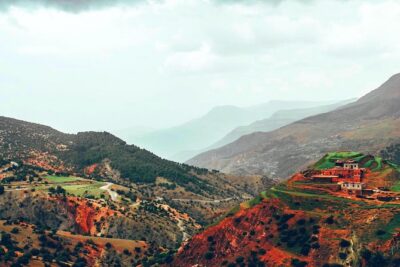
After the cloud forest, the trail pushes you out toward zones with fantastic views. The scenery shifts from close-up vegetation to big-picture highlands. From here, you get sightlines that include volcanoes like Atitlán, Tolimán, San Pedro, Santa María, Santo Tomás, Tajumulco, plus glimpses of the Cuchumatanes mountain chain.
Midday is when the day starts to feel like it belongs on a wall map. This is also where lunch timing usually becomes a highlight. The tour describes a fresh picnic lunch prepared for the group at around mid-day, and it also states you’ll have picnic lunch/dinner served on the mountain. Either way, you’ll be fed in a way that matches the pace: you’re not supposed to carry a full kitchen up a volcano.
4) Tree line to the barren summit of scree
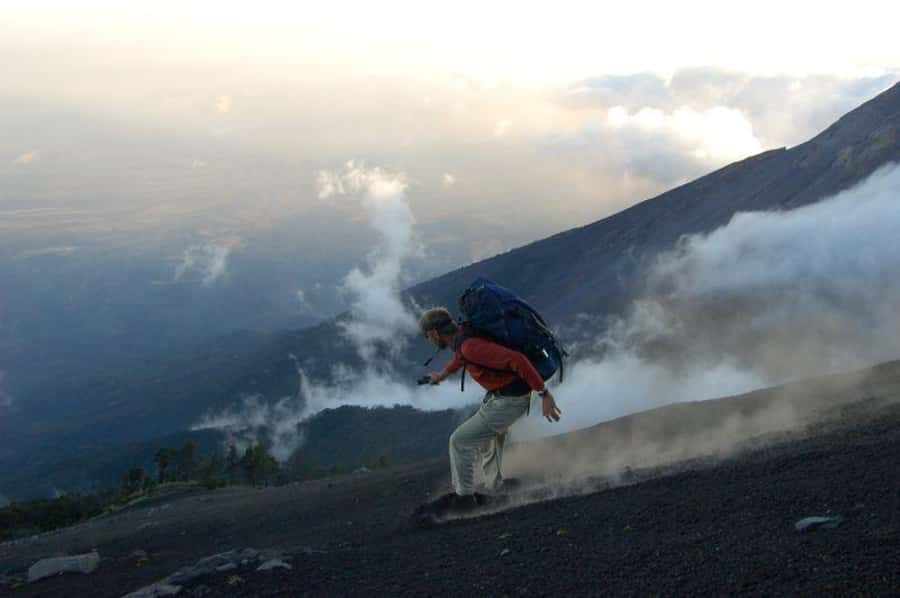
The final phase is temperate coniferous forest and tropical dry forest, pushing toward the storm-beaten tree-line. Then comes the last grind: sand-and-gravel scree, dotted with dwarf pine trees and high alpine mosses.
This segment is where smart footing matters. Scree shifts under you, and cold winds can make it feel harsher than earlier in the day. As you approach the top, you’ll notice exposed rocky surfaces left by constant gusts. It’s a very different world than the cloud forest, and that contrast is part of the magic.
Summit time: how the 360° views and the crater wait feel
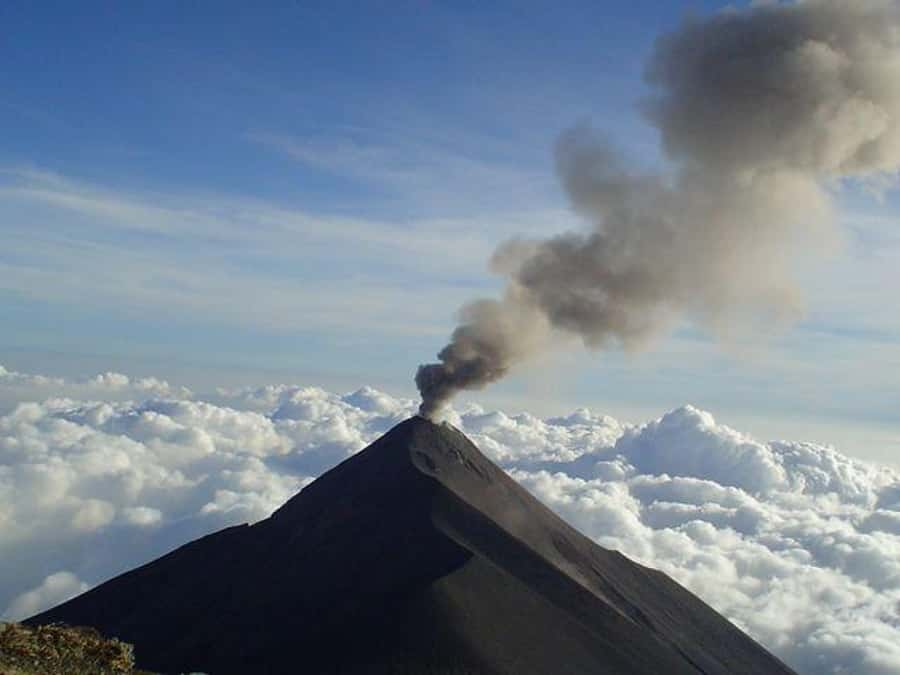
When you reach the summit area, your guide prepares food so you can rest and take in the view. The tour describes this as fresh, well-earned picnic lunch at the top, paired with time for the main reason many people come: watching Volcán Fuego.
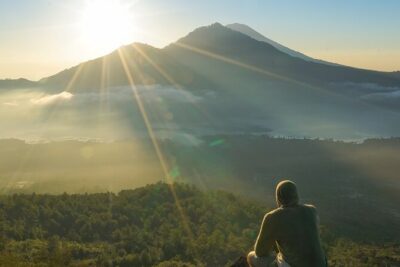
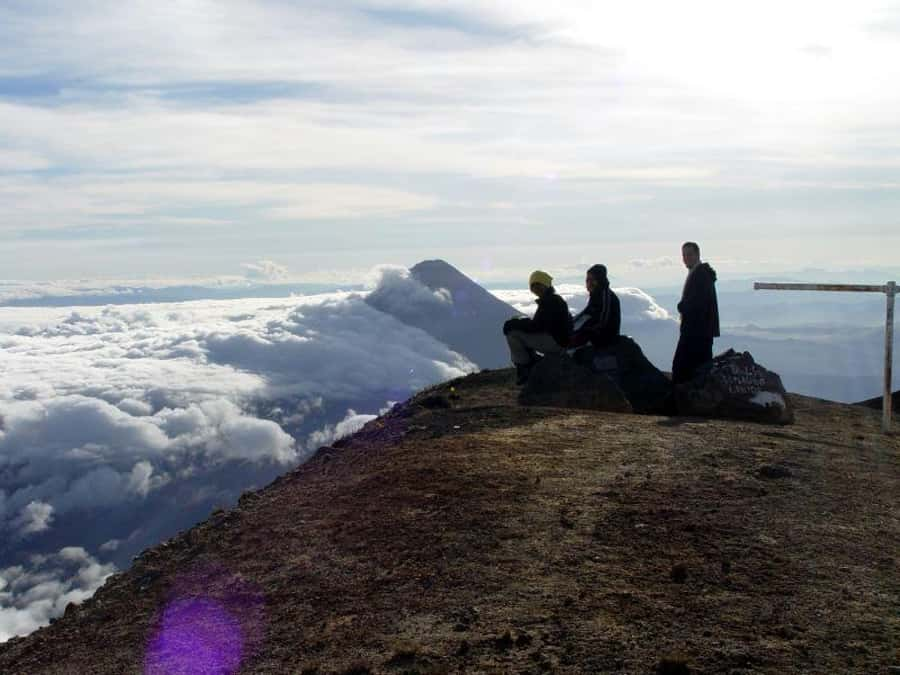
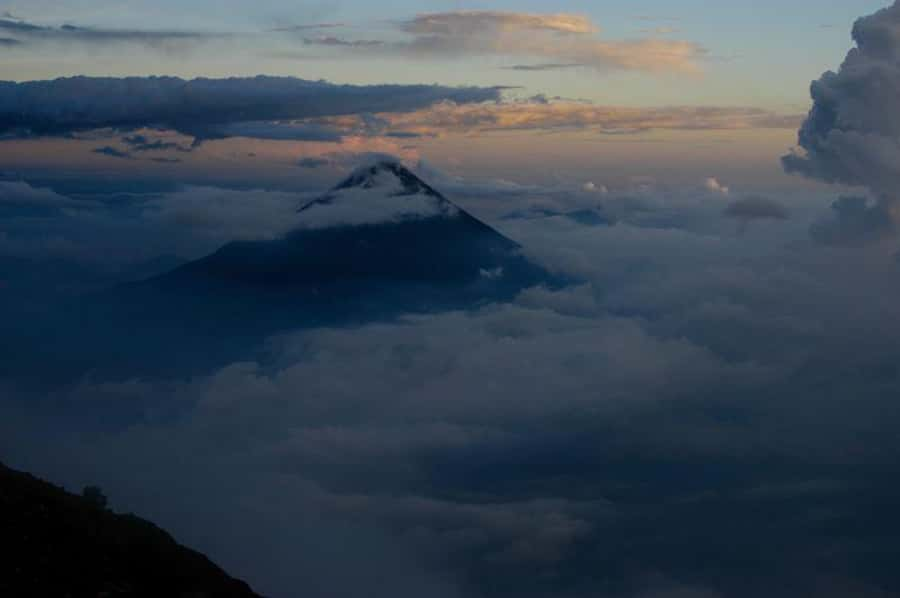
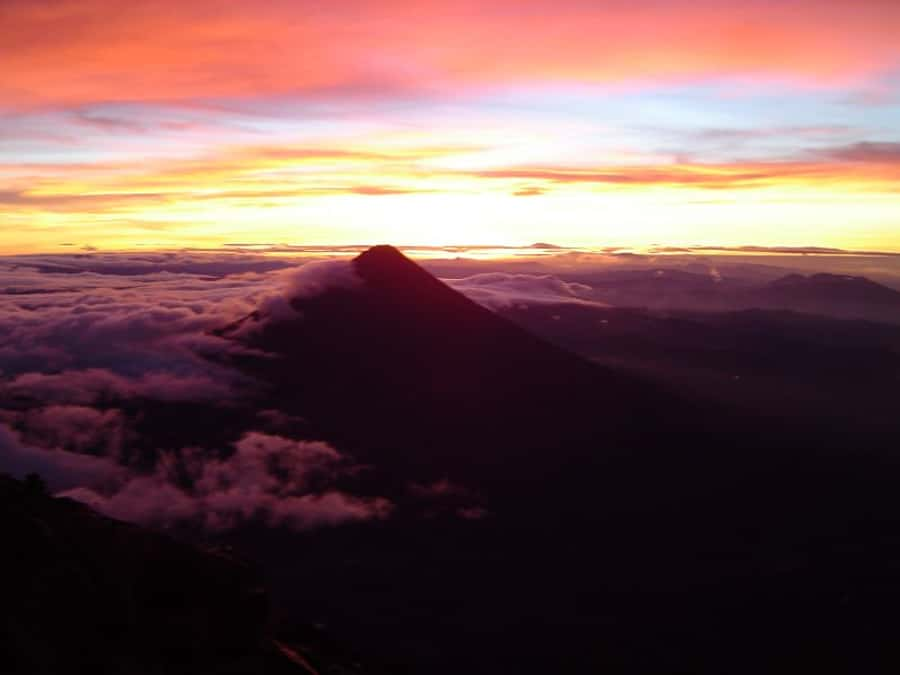
From the summit, you get 360° views of the Guatemalan highlands. On a clear day, it can feel like the entire country has been laid out for you, with ridges and volcanoes in layers. Even on hazier days, the big change is that you’re standing above what came before—there’s a sense of altitude theater, and your mind catches up only after your legs slow down.
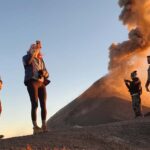
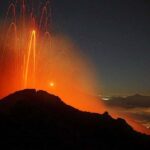
The crater-watching part is real patience. The tour notes time at the summit of about 30 minutes to 1 hour, depending on conditions and time. During that window, you’re focusing on Fuego about 4 km away. With luck, you’ll see high-altitude eruptions—described as explosive blasts of gas, rock, and lava, sometimes like a firework show.
What if Fuego is quiet that day?
You can’t control eruptions. The best approach is to treat this like a bonus event rather than the only product. The summit views and the changing microclimates are already the core experience. Fuego is the extra payoff that makes the day feel special instead of just beautiful.
Dinner, stargazing, and that campsite feeling
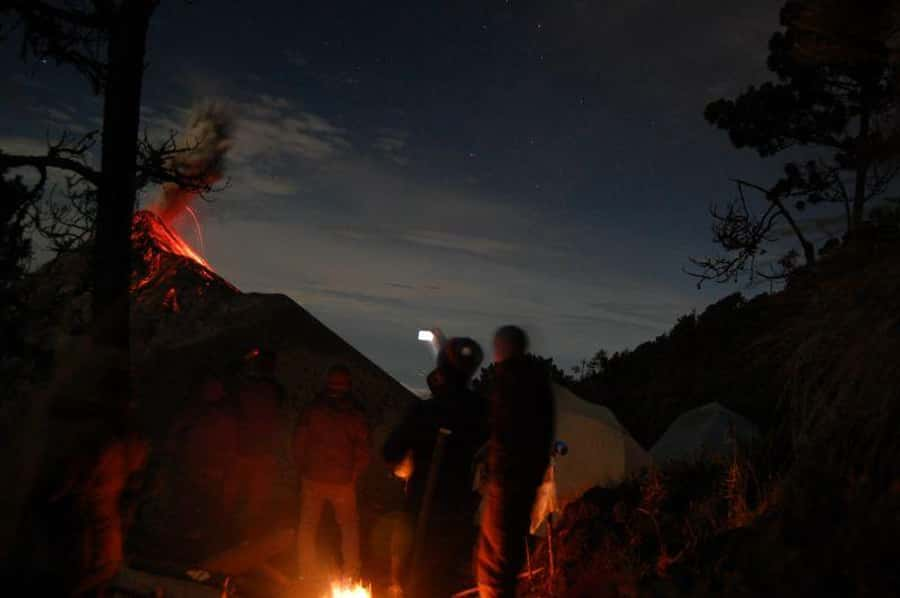
The highlights mention spending a night under the stars at a campsite with views of active Volcán Fuego, and the inclusions list picnic lunch/dinner served on the mountain. So this is not purely a pop up, summit, go home situation. Plan for mountain time beyond the climb itself.
This matters for your mindset and your packing:
- You’ll want something warm enough for nighttime temps.
- Your focus shifts from hiking to waiting, listening, and looking upward.
And honestly, that’s part of why Acatenango is a bucket-list move. You’re not just conquering a peak; you’re experiencing how Guatemala looks when the sun goes down and the next volcano across the ridge starts doing its thing.
Descent back to La Soledad (and why it can feel different)
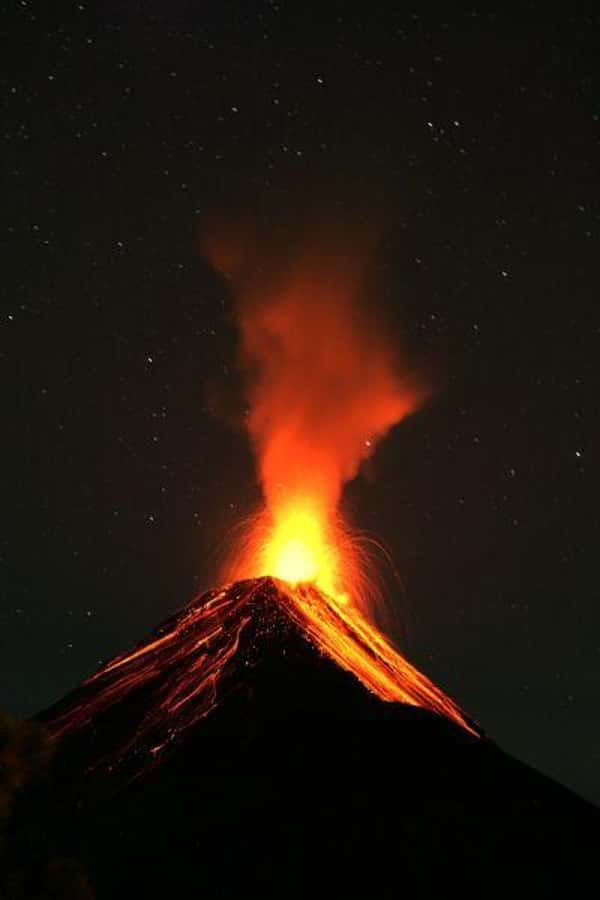
The descent is described as about a 3-hour return toward La Soledad. The guide also offers an option to descend by an alternate route, which can mean new microclimates and trail variety instead of repeating the same steps.
That’s a practical plus. Repeating the ascent route can feel monotonous, and it can also be tougher on your knees because scree can punish your footing twice. An alternate descent won’t make the hike easy, but it can make it feel smarter—like you’re getting more trail experience for the same effort.
You’ll arrive back in La Soledad, then transport returns to Antigua, with the tour describing an afternoon arrival and time to enjoy the colonial city afterward.
Price and value: why $170 can still feel fair
The price is $170 per person, and for this kind of high-altitude day (and potentially mountain evening time), the value comes from the parts that are hard to arrange yourself: transportation from Antigua, park entrance fees, a local guide from La Soledad, and a full guided hike through multiple ecological zones.
Also included is a bilingual guide with certified first-aid training, which matters in a remote, windy setting where help isn’t a 10-minute walk away.
Food is another value point. You’re not expected to carry a whole meal plan. The tour includes picnic lunch/dinner served on the mountain, which keeps your energy up without adding heavy pack weight.
One note worth keeping in mind: one review points out that the food is perhaps the most fair-for-the-price part of the experience. That doesn’t mean it’s bad. It just means if you’re picky or easily bored by standard picnic fare, bring a small extra snack of your own for peace of mind.
Who this hike is best for (and who should skip it)
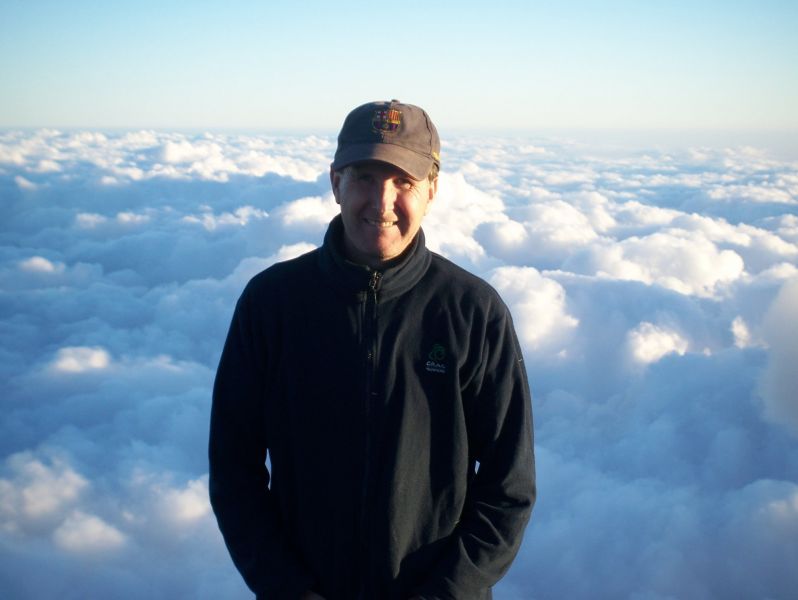
This is clearly not a stroll. The tour is listed as not suitable for people with low level of fitness, and it’s also not suitable for children under 16 and pregnant women. If you’re generally fit but not a trail athlete, that’s fine—you just need to respect pacing and footing.
You’ll get the most from the experience if you:
- Like sustained uphill hikes with changing terrain
- Want big views and actual time looking for volcanic activity
- Enjoy ecosystem variety, from farm fields to cloud forest to scree
If your hiking experience is mostly flat walking or short urban routes, start with something smaller first. Acatenango is a step up.
Gear check: what you should bring to stay comfortable
The tour provides clear guidance on what to bring and what isn’t included. Since the terrain changes fast, your clothing and footwear choices matter.
Shoes and layers
- No sandals. Comfortable hiking shoes are essential.
- Bring a one warm layer and/or windbreaker.
- A rain jacket is recommended for May through October.
On windy scree, cold can sneak up. Windbreaker beats guessing.
Sun protection and small essentials
You’ll want:
- Sunglasses
- Sun hat
- Sunscreen
The tour also suggests you bring a daypack with rain cover and bring at least 2 liters of water (water isn’t included in that amount). A flashlight is listed as not included, which matters if you’re spending evening time at a campsite.
What not to bring
- Luggage or large bags
- Pets
This keeps things manageable on trail and in vehicles.
Guides: the human part makes the day smoother
Good guides can turn a hard day into a manageable one. Reviews highlight specific guides by name. One recommendation is to ask for Gerson, described as the best and patient tour guide, especially if you want someone steady and attentive. Another guide named Andrés is praised as excellent and the reason the experience felt so smooth.
Beyond personalities, the tour description emphasizes local community guidance from La Soledad and bilingual support in Spanish and English, plus certified first-aid training. In a remote environment, that combination matters.
If you have questions about your pace, your gear, or how you’ll handle scree, this is the moment to ask. A good guide will help you adjust instead of just pushing onward.
Should you book Acatenango from Antigua?
Book it if you want a hike that changes constantly—four microclimates, a summit with 360° views, and a strong chance to watch Volcán Fuego from about 4 km away. It’s also a smart choice if you’d rather have the hard parts handled: transport, fees, and an experienced local guide.
Hold off if you’re not ready for sustained uphill hiking, shaky footing on scree, or cold wind at higher elevations. This isn’t the tour for light fitness days, and the restrictions reflect that.
If you’re on the fence, here’s the deciding test: can you comfortably walk for hours uphill on uneven ground, and are you willing to bring real layers and traction-friendly shoes? If yes, this tour is a standout way to see Guatemala from above—and to feel how close volcanic activity can be when you’re on the right mountain.
FAQ
How much does the Acatenango hike cost?
The price is $170 per person.
How long is the tour?
It’s listed as 1 day. Starting times depend on availability.
Where do I meet in Antigua?
You meet at the Old Town Outfitters shop at 5a. Avenida Sur #12, on the corner of 5th av and 6th calle, one block south of Central Park.
What time does the tour start?
The day is described as leaving the Antigua office at 5:00am, while the meeting point is also listed as 9:00am. Confirm your exact start time when booking.
What’s included in the price?
Included are round-trip transportation from Antigua, park entrance fees, a local guide from La Soledad, and a local bilingual guide with certified first-aid training. The tour also includes freshly prepared picnic lunch/dinner served on the mountain.
What gear should I bring?
Bring comfortable shoes, sunglasses, sun hat, sunscreen, and a daypack with rain cover. The tour also notes you should bring at least 2 liters of water and a flashlight if you’ll need it.
Is hiking footwear provided?
No. Hiking boots or trekking shoes are not included, and sandals are not allowed.
Is the tour suitable for children?
It’s not suitable for children under 16.
Is it okay if I’m pregnant or have low fitness?
No. It’s not suitable for pregnant women or people with low level of fitness.
Can I cancel for a refund?
Yes. Free cancellation is offered up to 24 hours in advance for a full refund.