REVIEW · TENERIFE
Tenerife: Teide Peak Hiking 3715m
Book on GetYourGuide →Operated by Vulcan Walkers · Bookable on GetYourGuide
Teide at 3,715m changes your scale sense. I love the 360-degree panorama from the summit and the calm competence of guides like Peter and Evelyn, who explain the park and help you stay safe. The only drawback: the return can feel long and rocky, and if you skip the cable car you’re signing up for about 10 km and 1,400 m down.
Because the summit requires an official permit for a set time, the day runs on your access window, not a generic timetable. With a small group (limited to 10), you get more attention than on big bus tours, but meeting times can shift depending on the permit and cable car departure.
I also like that the kit goes beyond tips on paper: trekking poles, a headlamp, and warm layers (plus footwear if you need it) help you handle wind and cold. Just remember: Teide still isn’t a walk in the park, even when you use the cable car.
In This Review
- Key moments that make Teide unforgettable
- Why Teide at 3,715m feels bigger than it looks
- Permit timing and the cable car choice: easy finish or full descent
- The volcanic trail: colors, traction, and why gear matters
- The guide makes or breaks the summit day (Peter and Evelyn stand out)
- What the day feels like: from the barrel to the summit and back
- Meeting and briefing (outside the barrel)
- The uphill grind to the summit
- Summit time: 360-degree views and that top-of-the-world feeling
- The descent: either cable car ease or the long footpath
- A possible star-observation moment
- Price and value: what you’re really paying for
- Who should book this, and who should skip it
- Packing checklist that actually helps on Teide
- Should you book the Teide Peak hike with Vulcan Walkers?
- FAQ
- How long is the Teide Peak hiking experience?
- Do I need a permit to reach the summit?
- Is the cable car included in the price?
- How does the summit permit affect the schedule?
- What group size and languages are available?
- What’s included with the tour besides the guide?
- What should I bring myself?
- Who is the tour not suitable for?
- What if fewer than 4 people book?
Key moments that make Teide unforgettable
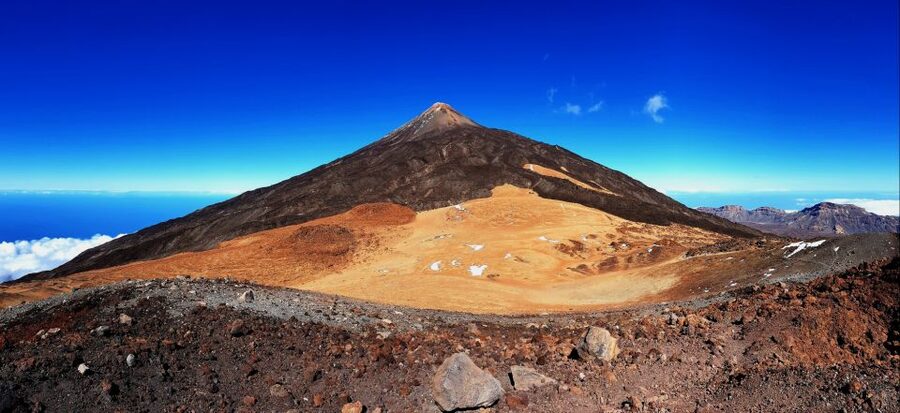
- Summit views over 3,000 meters: a true top-of-the-world feeling with a 360-degree panorama
- Official permit to reach the peak at a specific time, which changes how the day flows
- Cable car option for a faster finish (+24€/person) versus the longer hike down
- Cold-weather readiness: poles, headlamp, and in icy conditions, traction gear like spikes/crampons may be used
- Small-group guidance with room for questions and real context about the volcanic setting
- Stargazing moments on the way down when your timing lines up with darker skies
Why Teide at 3,715m feels bigger than it looks
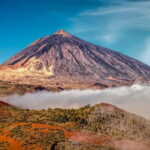
Teide Peak is the highest point in Spain and one of those places where altitude immediately changes how you think. At 3,715 meters, the air feels sharper, the ground looks more alien than dramatic, and every turn brings a new view of Tenerife and the Atlantic. Even if you think you’re fit, it’s still a mountain day—expect a real physical effort.
I like that this experience treats Teide as a hike, not a shortcut. Yes, there’s a cable car option on the way down, but you still get the summit moment: the walk that matters, the breath-steady pace, and the panoramic reward.
The other reason this works is the structure around permits. The summit access isn’t just “show up and go.” When you get permission to go up at your time slot, the whole day feels organized around that one goal, and you’re not left guessing.
You can also read our reviews of more hiking tours in Tenerife
Permit timing and the cable car choice: easy finish or full descent
Your permit determines when you head to the summit, and that also affects when you’ll start. The meeting time is not one fixed thing—it depends on your summit permit and the cable car departure. So keep your day flexible around the meeting and don’t plan other tight activities after.
Here’s the trade-off that actually matters:
- If you take the cable car down, the finish is easier and quicker. The cable car entry is not included, and it costs +24€/person.
- If you hike down on foot, it’s a tougher plan: 10 km with about 1,400 m of elevation change. This is recommended only for experienced hikers.
This is where you should be honest with yourself. The summit is only half the work. A great view doesn’t require the fastest legs, but it does require you to handle fatigue and footing later on the descent.
Also, in winter or colder conditions, the “easy” parts can still be slippery. One day can involve snow and ice patches; your ability to move steadily matters more than speed.
The volcanic trail: colors, traction, and why gear matters
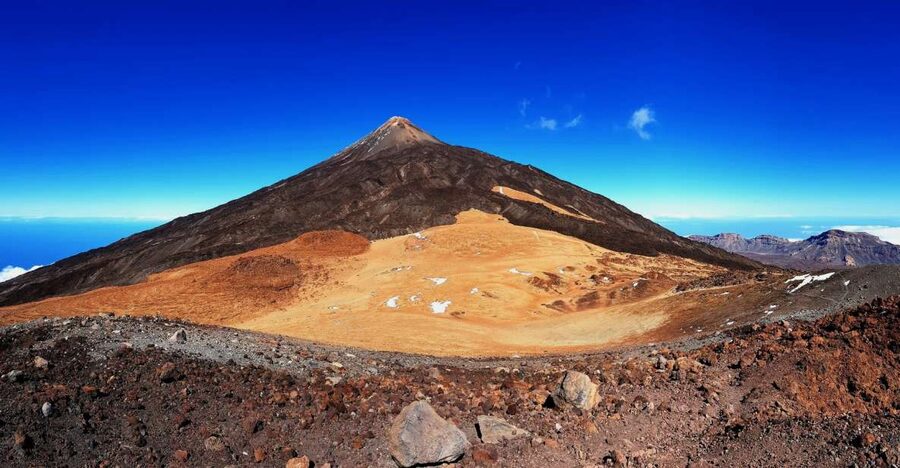
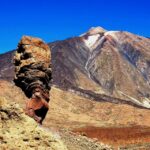
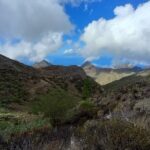
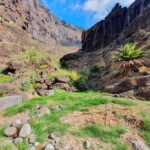
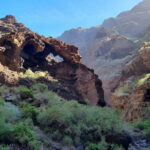
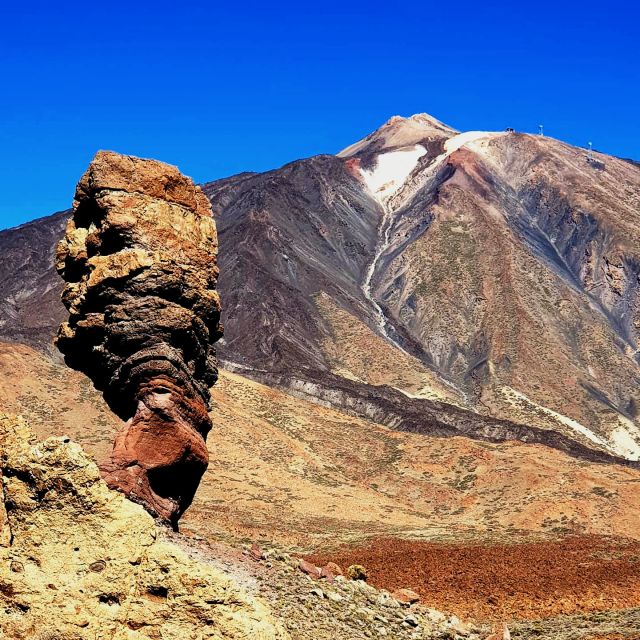
Teide’s terrain looks like volcanic leftovers that kept evolving after the last eruption. You move over pale ash-like ground, darker rock, and sections where the surface can feel loose or uneven. It’s not technical like a glacier route, but it’s not “flat and smooth,” either.
The best part is that you get proper hiking support. This experience includes trekking poles and a headlamp, plus warm layers (coat, sweater, hat, gloves) and ankle-high hiking boots if you need them. That’s not just comfort—it’s safety insurance against cold and fatigue. On a mountain, feeling chilled makes every step harder.
And traction gear can become essential. In colder conditions, you might need spikes/crampons for a short icy stretch. The fact that the program provides equipment that can handle that kind of weather is a big deal. It means you’re less likely to gamble on what you packed at home.
One more detail: if your pace isn’t aggressive, tell your guide. Some guides walk quickly to keep the schedule and the group aligned with permit timing. You don’t want to sprint to avoid getting separated. You want a steady rhythm that you can maintain.
The guide makes or breaks the summit day (Peter and Evelyn stand out)
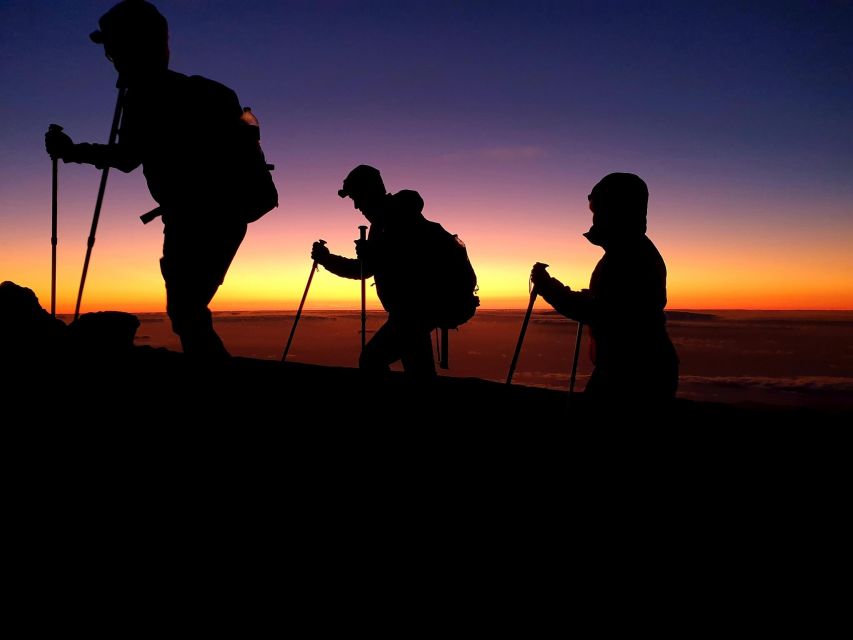
A great mountain guide does two things at once: they handle risk, and they make time feel meaningful. That’s exactly what I associate with guides like Peter and Evelyn, who bring both practical confidence and real explanations about Teide and the National Park.
You’ll get more than “look at that volcano.” You’ll understand why the terrain looks the way it does, and how the island’s volcanic character connects to what you’re standing on. That context is what turns the views into knowledge you can actually use.
They also manage group flow, which is harder than it sounds on an active mountain. With a group limited to 10 participants, you’re not lost in a crowd, but you still need organization when weather changes, the route slows, or the descent takes longer than planned.
One balanced note: sometimes the guide’s pace is strong. If your fitness is good but your hiking rhythm is slower, plan to communicate early and keep your own safety-first pace. The goal is finishing together, not arriving first.
What the day feels like: from the barrel to the summit and back
This is a “big loop” type of experience, even if the route can vary with timing and conditions. The day is built around getting you to the summit with a proper window, then bringing you back down safely.
Meeting and briefing (outside the barrel)
You meet outside of the barrel. The key practical instruction: don’t walk up to the cable car station on your own before your guide meets you. It’s one of those small details that prevents chaos when schedules overlap.
Before you start hiking, you’ll get a quick setup—where you’re going, what to expect, and how to use the equipment. This is also the point where you should mention anything relevant for your comfort and safety.
The uphill grind to the summit
Once you start up, you’ll quickly notice the altitude. Even in cooler months, the sun can feel intense, and the wind can pull heat away fast. That’s why warm layers and sunscreen matter. You’re moving, but you’re also exposed.
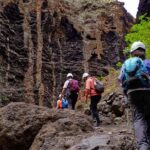
Expect a steady climb across volcanic terrain that can shift from dusty surfaces to rocky stretches. Trekking poles help you keep balance and reduce stress on your knees. They’re especially useful if you’re managing a slower pace or uneven footing.
Summit time: 360-degree views and that top-of-the-world feeling
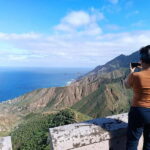
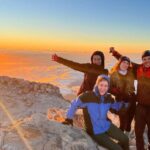
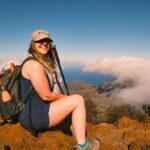
When you reach the summit, the main event is the panorama. Teide opens like a stage: 360-degree views, dramatic textures underfoot, and a sense of scale you can’t get from viewpoints at sea level.
This is also when you take photos for your family back home. The light changes quickly at altitude, so don’t spend so long fiddling with your camera that you miss the first clear window.
The descent: either cable car ease or the long footpath
After the summit, you’ll choose your approach based on the options for the day.
If you take the cable car down, you’re reducing the physical load and shortening the time in cold air. The trade-off is paying the extra +24€/person cable car entry, and being more dependent on the cable schedule.
If you hike down via Montana Blanca, you’ll spend hours on a route that includes about 10 km and 1,400 m of elevation change. This part stretches the day. Expect rocky patches and a “less photogenic but still beautiful” focus on careful steps.
One review experience also included continued views later on, and then a transition to nighttime movement with a headlamp. That’s not something to panic about, but it is a good reason to plan your stamina as if the day could run long.
A possible star-observation moment
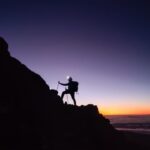
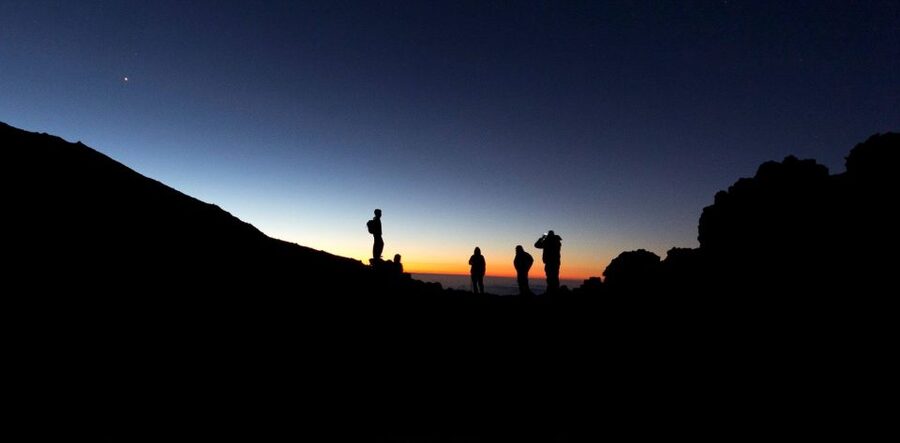
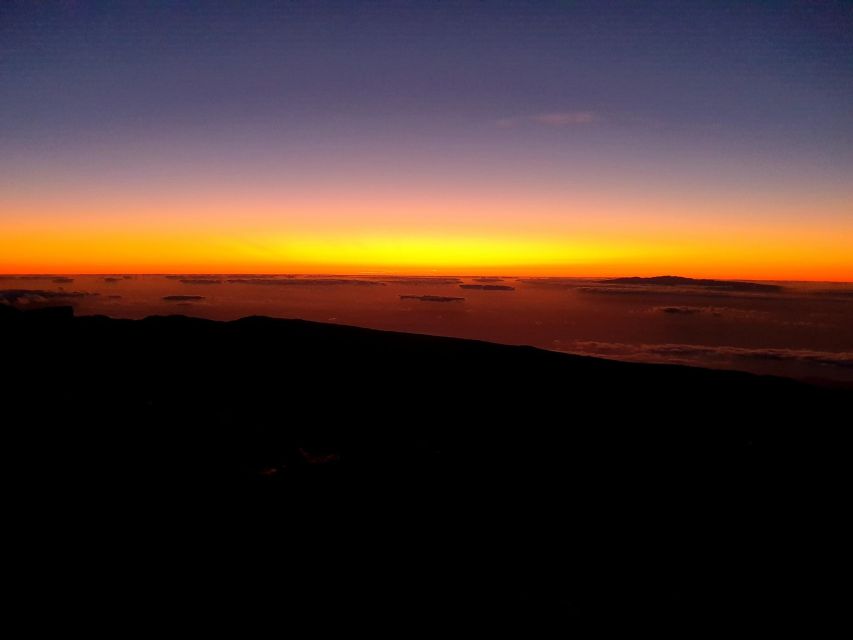
If your timing lines up with darker skies, you might get a pause for star observation. On clear nights, being that high and far from city lights makes the sky feel like a different world. Even if you’re not a big stargazer, it’s a memorable pause between effort and exhaustion.
Price and value: what you’re really paying for
At $199 per person for about 6 hours, this can sound like a “just a guided hike” price. But the value is in the parts that are hard to arrange on your own.
You’re paying for:
- The official permit to go to the peak at a specific time
- A qualified mountain guide plus liability/accident insurance
- Trekking poles and a headlamp
- Warm layers and (if needed) hiking boots
- Equipment support for missing items
What you don’t get included:
- Transport
- Cable car entry (+24€/person if you use it)
So the comparison isn’t “price vs another walking tour.” It’s “permit + guide + cold-weather kit + structured access” versus you trying to coordinate everything independently. If you’ve ever dealt with summit access restrictions, you’ll understand why that matters.
In practical terms: you’re buying confidence, not just scenery.
Who should book this, and who should skip it
This is a serious hike. It’s not suitable for everyone, and the rules are clear.
You should skip if you are:
- Over 65 years
- Under 120 cm tall (3 ft 9 in)
- Pregnant
- A child under 12
- Someone with mobility impairments
- Someone with high blood pressure
That list isn’t there to be picky—it’s about risk at altitude, exertion levels, and safety in colder or uneven conditions. If you’re on the edge fitness-wise, be extra cautious.
You’ll also want to book only if you can handle a long descent if you choose to hike down. The 10 km / 1,400 m option is for experienced hikers. If you’re not sure, pick the approach that keeps you steady and comfortable.
For the right person, though, this is a high-value day: you get summit access, expert help, and enough structure to keep the experience focused.
Packing checklist that actually helps on Teide
Teide asks for simple, practical items. Bring what you can use comfortably for hours in cold air and bright sun.
Pack:
- Daypack
- Sunscreen
- Passport or ID card
- Sportswear
- Warm clothing
- Hiking shoes
- Food and drinks
- Comfortable shoes
- Water
A couple of practical tips:
- Wear layers you can vent. Cold at altitude and warmer during uphill climbing is a common mix.
- Don’t forget you might move later into low light. Even if you think you’ll be back early, packing your essentials keeps you calm.
Should you book the Teide Peak hike with Vulcan Walkers?
If you want the summit experience without playing permit-roulette, I think this booking makes a lot of sense. The official permit, the small group size (up to 10), and the included cold-weather support are exactly what help you focus on the hike instead of logistics.
Book it if you:
- Want a guided summit day with real structure
- Can handle sustained uphill effort
- Are comfortable with the possibility of a longer descent (especially on foot)
Consider another option if you:
- Don’t want the physical demands of a 3,715m mountain day
- Know you won’t manage a long, rocky descent
- Fall into the not-suitable categories
In the end, Teide is one of those places that rewards seriousness. You show up prepared, you listen to your guide, and the payoff is a summit moment you’ll remember long after you’re back on sea level.
FAQ
How long is the Teide Peak hiking experience?
It lasts about 6 hours. Starting times can vary based on summit permit timing and cable car departure.
Do I need a permit to reach the summit?
Yes. The tour includes the official permit to access the peak at a set time.
Is the cable car included in the price?
No. The cable car entry is not included. If you take it down, it costs an additional +24€/person.
How does the summit permit affect the schedule?
You go to the summit as soon as you receive the permit. That means your exact meeting time and timing during the day depend on your summit time slot and cable car departure.
What group size and languages are available?
The group is small, limited to 10 participants. The live guide is available in English, Hungarian, and Spanish.
What’s included with the tour besides the guide?
You get liability and accident insurance, trekking poles, a headlamp, and warm clothing (coat, sweater, hat, gloves). Ankle-high hiking boots are provided if needed, and the team can provide missing equipment for the hike.
What should I bring myself?
Bring a daypack, sunscreen, passport or ID card, sportswear, warm clothing, hiking shoes, food and drinks, comfortable shoes, and water.
Who is the tour not suitable for?
It’s not suitable for people over 65, children under 12, anyone under 120 cm tall, pregnant women, people with mobility impairments, and people with high blood pressure.
What if fewer than 4 people book?
The activity has a minimum number of participants (4 people). If it doesn’t meet the minimum, the provider has the right to cancel.