REVIEW · TENERIFE
Night Hike to Summit of Teide for Sunrise and the Volcano Shadow
Book on Viator →Operated by 10X. Tenerife eXperience. Hiking Adventure. · Bookable on Viator
Teide looks different when you climb at night. Up top, the sunrise moment hits hard, and the guide Elena helps you work your way upward with headlamps through Teide National Park.
I like the way this trek feels structured, not random. You get coached along the steep grind, and you’re rewarded when the sky starts glowing and Teide throws its triangular shadow across the clouds. The main drawback: this is a serious effort at altitude, with about 10 km and 1,380 m of gain, so you’ll want strong fitness and proper boots since hiking boots aren’t included.
In This Review
- Key highlights you’ll care about
- What This Teide Night Hike Really Feels Like
- Entering Teide National Park at 1:00 am: The Timing That Makes It Work
- The Climb Itself: Headlamps, Poles, and the 10 km / 1,380 m Reality
- Meeting Elena: Why the Guide Makes Such a Difference at High Altitude
- The Sunrise Moment: Gold Light, the Atlantic View, and the Volcano Shadow
- Permits, Poles, Tea, and Snacks: What’s Included vs. What Costs Extra
- Group Size, Pacing, and Weather: The Two Big Variables
- Getting Ready: How to Make the Summit Day Feel Easier
- Who Should Book This Teide Sunrise Trek (and Who Might Pass)
- Is It Worth $275.90? The Value Math I’d Use
- Should You Book the Teide Night Hike for Sunrise?
- FAQ
- What time does the Mount Teide sunrise hike start?
- How long is the hike, and how far do you climb?
- Where does the tour start and end?
- Is pickup available from the South of Tenerife?
- What’s included in the price?
- Do I need to pay extra for cable-car descent?
Key highlights you’ll care about
- Summit permit included so you don’t have to sort the paperwork
- Headlamps and hiking poles provided for dark footing on volcanic gravel
- Small group (max 8) for a steady pace and better support
- Warm drinks and snacks along the way to keep you moving in the dark
- Sunrise plus Teide’s legendary shadow across the sea of clouds
- Cable-car descent costs extra (€23), so budget for the return plan
What This Teide Night Hike Really Feels Like
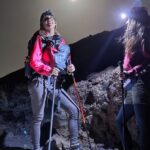
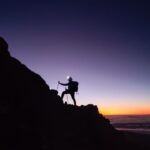
If you’re used to “sunrise hikes” that start late and end early, this is different. This one starts around 1:00 am, when the volcano is mostly silence and shadow. With headlamps cutting through dark volcanic paths, the hike turns into a steady rhythm: step, breathe, check your footing, repeat.
The altitude is a big part of the experience. You’re climbing to 3,718 meters, which means the air thins and your pace slows—no matter how fast you think you can go. The good news is that the guide (Elena, in many groups) is there to keep you steady and mentally on track, not just to “lead” you from point A to B.
I love that it’s a small group adventure. With up to 8 hikers, you’re not one face in a crowd. You get more attention on pacing, and that matters when you’re tired, cold, or just trying not to panic about the steep parts.
You can also read our reviews of more evening experiences in Tenerife
Entering Teide National Park at 1:00 am: The Timing That Makes It Work
The schedule is built around one goal: reaching the summit for dawn. You start at Parador del Teide around 1:00 am, and the total hiking time is about 6 to 6.5 hours. That means most of the hike happens in darkness, with sunrise arriving near the top.
This timing is the whole point. The later morning light would flatten the drama. At night, everything feels sharper—the effort, the stars, even the crunch of volcanic gravel underfoot. Then the shift happens gradually: you climb, you wait, and the sky slowly changes while you’re already high enough to feel the altitude.
There’s also a practical upside to the early start. You’re not competing with busier daytime crowds in the park. Instead, you get a quieter, more “inside the mountain” feeling as you move through the volcanic environment with only your group and the guide.
The Climb Itself: Headlamps, Poles, and the 10 km / 1,380 m Reality
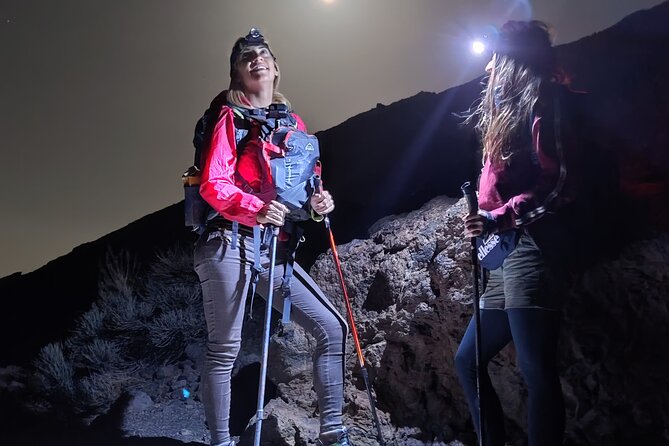
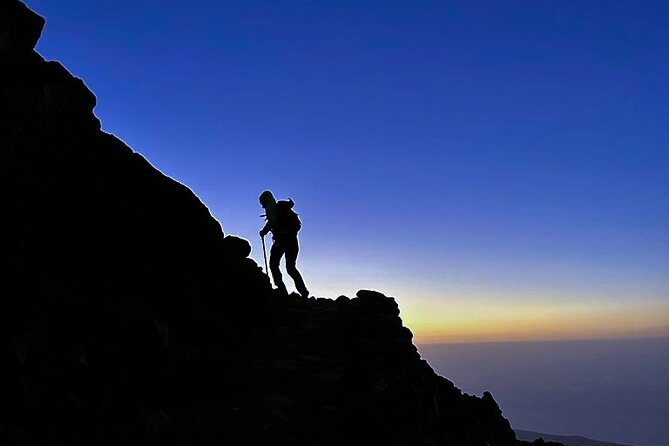
You’ll cover about 10 kilometers with roughly 1,380 meters of elevation gain. That’s not a quick walk. It’s a workout with a purpose.
Here’s what this means for you on the ground:
- Dark footing can be tricky on gravel, so having hiking poles and headlamps provided is a real help, not a gimmick.
- Your legs will feel it, but the mental load matters too. Some parts can feel slow because the air is thinner, and that’s where pacing and encouragement matter.
- Breaks aren’t optional here; they’re part of the plan. One highlight in the experience is that warm drinks and snacks come along the way, so you’re not just grinding empty.
One thing I’d call out: hiking boots aren’t included. That doesn’t mean you need mountaineering gear. But it does mean you should show up with footwear that can handle uneven volcanic ground and long hours on your feet.
Meeting Elena: Why the Guide Makes Such a Difference at High Altitude
The most repeated reason people come back to this hike is not just the views. It’s the way the guide keeps the climb humane.
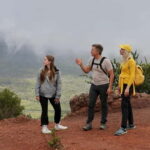
Elena is mentioned again and again for pacing and support. You can feel it in how she breaks the trek into manageable chunks, checks how you’re doing at different elevations, and keeps the group encouraged. That matters because at 3,718 m, motivation is not a luxury. It’s part of safe decision-making: slow down when needed, breathe, and don’t try to “prove” anything to yourself.
Elena also adds layers beyond the footpath. People note that she shares local knowledge as you walk, including pointers about the stars and endemic plants. That turns the night hike into more than exercise; it becomes a learning moment while you’re working hard.
Small group + strong guiding is a big value combo here. If you’re the type who gets anxious on steep climbs, this kind of attention can take the edge off fast.
The Sunrise Moment: Gold Light, the Atlantic View, and the Volcano Shadow
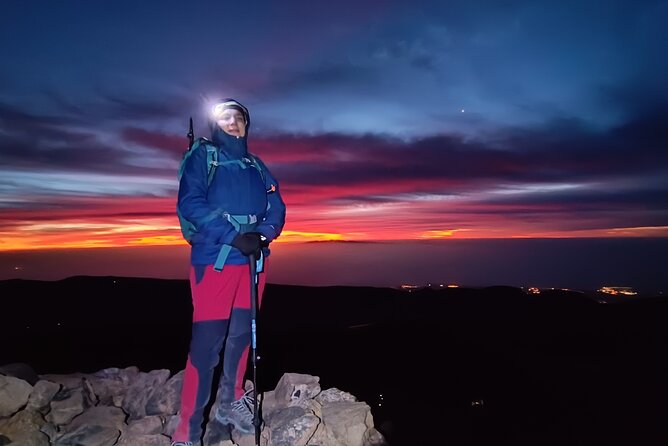
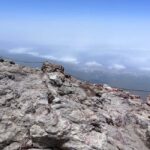
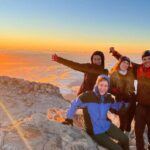
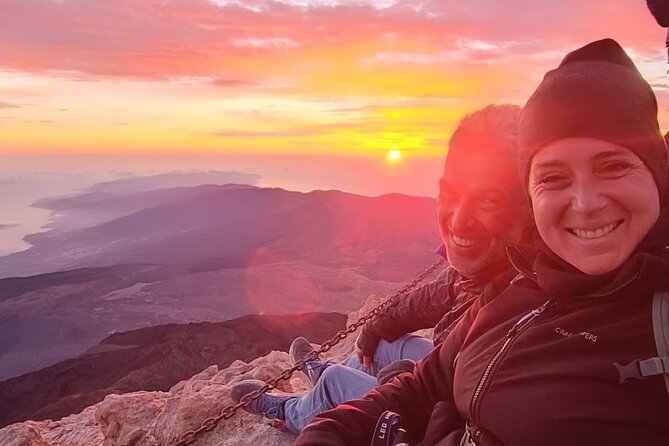
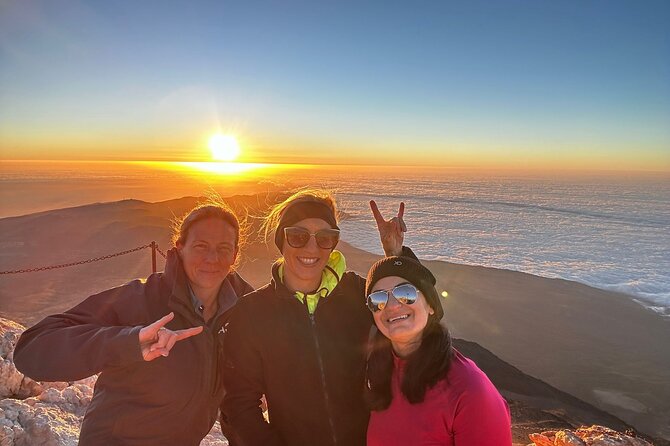
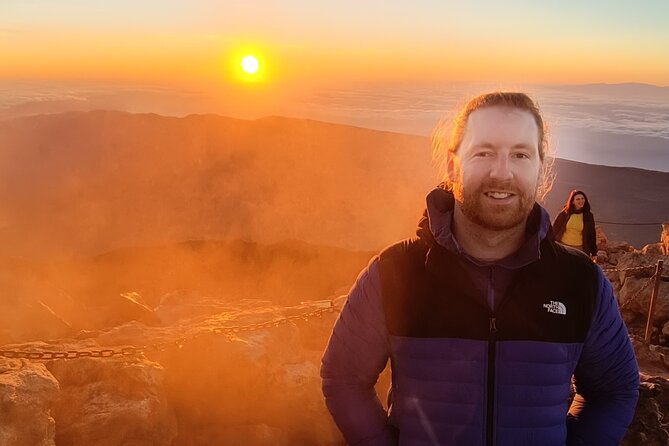
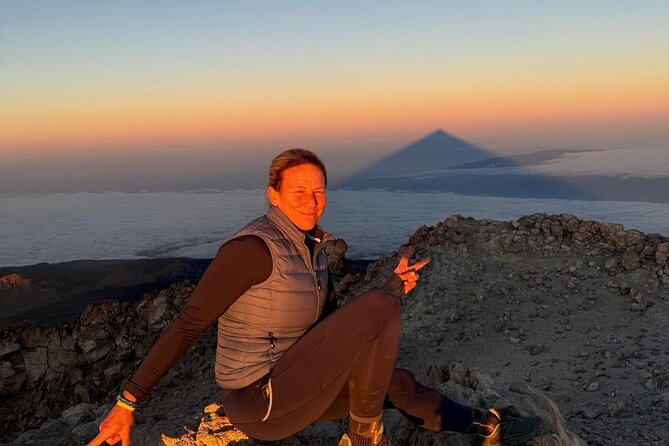
The payoff starts as dawn gets close. The sky shifts through colors—gold, crimson tones, the kind of gradient you can’t really fake with photos. As light arrives, you get a view toward the Atlantic and the volcanic terrain below.
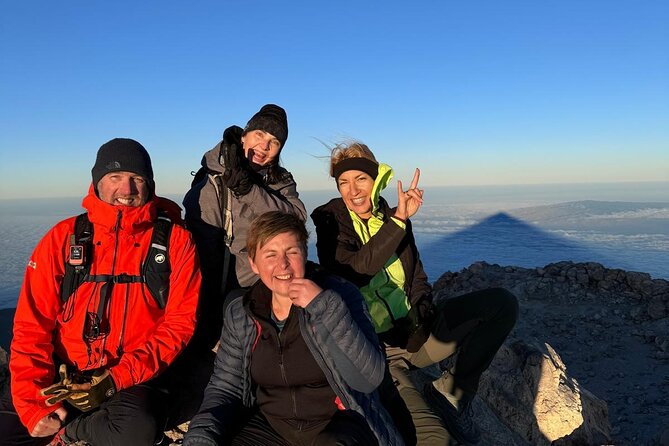
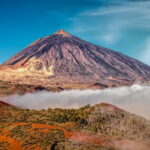
Then comes the star of the show: Teide’s triangular shadow, described as the longest on Earth. You see it stretching across a sea of clouds, and it’s one of those visual “wait, that’s real” moments. This isn’t just sunrise. It’s sunrise plus a giant projection from the mountain itself.
To make this real for you: the shadow effect depends on angles and cloud layers. If you’re lucky with conditions, you get that clean, dramatic line of the shadow cutting through the sky. If the clouds are different, you may still get a stunning sunrise, but the shadow moment might be less crisp. Either way, the transformation from dark climb to daylight rewards your effort.
You can also read our reviews of more hiking tours in Tenerife
Permits, Poles, Tea, and Snacks: What’s Included vs. What Costs Extra
This experience includes a lot of the things that usually slow people down or add extra fees.
Included:
- Permits to reach the summit
- Headlamps
- Hiking poles
- Coffee and/or tea
- Snacks
- Entry to Teide National Park for the hike plan (via the guided format)
Not included:
- Hiking boots
- Bottled water
- Cable-car descent ticket (€23 per person)
- Pickup/transfer from the South of Tenerife (50€ from one pickup location, if requested)
This is where the price makes more sense than it first appears. At $275.90 per person, you’re paying for a full guided summit attempt setup: the permits, equipment support (headlamps and poles), and on-route snacks/drinks. That reduces the hassle factor, especially if you’d otherwise be figuring out permits and timing yourself.
The extra costs are not small, though. If you’re starting from the South, add the 50€ transfer if you need pickup. And if your plan includes cable-car descent, budget the €23 ticket. The hike itself is long enough that many people prefer the cable-car return approach, but you’ll want to plan the cost ahead so there’s no last-minute stress.
Group Size, Pacing, and Weather: The Two Big Variables
The group max is 8 travelers. That matters because Teide is not forgiving. When people are spaced well and the pace is controlled, everyone gets a better shot at reaching the summit for sunrise without racing themselves into exhaustion.
Weather is the other variable. This experience requires good weather. If it’s canceled due to poor conditions, you’re offered another date or a full refund. Since the goal is sunrise at altitude, cloudy, rainy, or unsafe conditions can make the whole plan impossible.
Practical takeaway: book with enough flexibility to handle a date change. And if you’re arriving on Tenerife late in your trip, avoid scheduling this as your only “weather dependent” activity unless you have a backup day.
Getting Ready: How to Make the Summit Day Feel Easier
Because the hike starts at 1:00 am and climbs steeply, your preparation can make or break how enjoyable it feels.
Here’s what you can do with what you know from the experience details:
- Wear footwear suitable for rocky volcanic ground, since boots are not included.
- Expect a long time on your feet: roughly 6 to 6.5 hours of hiking, plus the effort of altitude.
- Plan for cold and darkness. You’ll have headlamps, but you’ll still want clothing that keeps you comfortable as temperatures shift overnight at elevation. If you’re unsure, bring layers that you can adjust.
- Hydration matters, but bottled water isn’t included. Bring your own water so you’re not depending on what’s provided.
- Mentally, treat it like a stamina event, not a speed challenge. The guide will encourage you and pace you, but your best experience comes from steady effort.
If you’re an experienced runner or hiker, this will feel more like a challenging workout than a mountain expedition. If you’re not, it can still be worth it, as long as you respect the stamina demand and keep your expectations realistic.
Who Should Book This Teide Sunrise Trek (and Who Might Pass)
This hike is best for you if:
- You want a high-effort night adventure with a clear goal
- You’re excited by stars, dawn color changes, and the Teide shadow effect
- You like guided pacing and encouragement, especially at altitude
- You’re comfortable committing to a long climb starting at 1:00 am
It may not be the right fit if:
- You don’t have strong physical fitness for long-distance, high-gain hiking
- You’re worried about altitude effects and prefer less demanding options
- You hate carrying extra planning costs, because cable-car descent (€23) and optional South pickup (50€) are extra
One more point: the group is small, but it’s still a shared experience. If you need total control over your pace and breaks, you may feel crowded by the group rhythm. On the flip side, that same structure helps most people finish feeling proud instead of stressed.
Is It Worth $275.90? The Value Math I’d Use
Here’s how I’d judge value for this specific hike.
You’re paying for:
- a guided summit attempt timed for sunrise
- permits to reach the summit
- headlamps and hiking poles
- coffee/tea and snacks during the climb
- a small group (max 8), plus English language guiding
You’re paying extra for:
- boots and water
- cable-car descent (€23)
- optional South pickup/transfer (50€)
If you compare that to the headache of arranging permits and timing on your own, plus renting or sourcing gear like poles and headlamps, the price starts to look more reasonable. The included permit is a big deal. You also get a plan designed around reaching the top at the right moment—something that’s easy to get wrong without local guidance.
Should You Book the Teide Night Hike for Sunrise?
Book it if you want the rare combo of night stars, a serious climb, and a sunrise payoff that includes Teide’s dramatic triangular shadow. This is the kind of experience that turns into a story you keep telling because it felt personal, not just scenic.
Pass or look at alternatives if your fitness isn’t ready for 10 km with 1,380 m gain, or if you’d rather spend your early morning sleeping off jet lag. Also, if you don’t want to think about the extra cable-car descent ticket, keep that in mind now.
If you do book: bring the right boots, hydrate, and go into it with the mindset that pacing wins. The mountain rewards patience, and that guide support makes a real difference at that altitude.
FAQ
What time does the Mount Teide sunrise hike start?
The tour starts at 1:00 am, with the exact timing adjusted based on sunrise.
How long is the hike, and how far do you climb?
The hike is about 6 to 6.5 hours for the summit portion, covering around 10 kilometers with about 1,380 meters of elevation gain.
Where does the tour start and end?
It starts at Parador del Teide (T)38300, Santa Cruz de Tenerife, Spain, and ends back at the same meeting point.
Is pickup available from the South of Tenerife?
Yes. Pickup from any place on the South of Tenerife is available by request, and the transfer fee is 50 euros from one pickup location.
What’s included in the price?
The price includes hiking poles, headlamps, coffee and/or tea, snacks, and permits to reach the summit.
Do I need to pay extra for cable-car descent?
Yes. The ticket for descent by cable-car is not included and costs 23€ per person.