REVIEW · SKAFTAFELL
Skaftafell National Park: Falljokull Glacier Advanced Hike
Book on GetYourGuide →Operated by Troll .is · Bookable on GetYourGuide
Falljokull is called the falling glacier for a reason. This advanced hike lets you step onto the ice cap Vatnajokull with certified glacier guides and the gear you need, then explore the icefall where the glacier looks close enough to touch. I love that you get real instruction—not just a walk with a guide—because you learn how to move safely with crampons and an axe. I also love that the 5-hour option buys you more time on the glacier, so you can go higher and see more of the Skaftafell scenery.
The one real consideration? This is not a casual stroll. You’re climbing and descending on uneven, steep ice, and the price reflects the time, risk management, and specialist equipment involved.
In This Review
- Key takeaways before you go
- Why this Falljokull advanced hike feels like a real glacier day
- From Troll Expeditions to the glacier: timing, warmth, and that first wow
- The safety briefing isn’t theater: it’s how you’ll actually walk on ice
- Three hours on Vatnajokull: crevasses, moulins, and the fun part
- Going higher at 5 hours: more views, fewer crowds, and optional challenges
- Fitness, pace, and what your body will remember
- Price and value: what you’re paying for (and what you aren’t)
- Who should book this advanced hike (and who might not)
- Should you book the 5-hour advanced Falljokull hike?
- FAQ
- How long is the Falljokull Glacier advanced hike?
- What glacier equipment is included?
- Where do I meet for the tour?
- Is food included?
- What should I wear or bring?
- Is this tour suitable for kids?
Key takeaways before you go
- Advanced route = more time on the ice so you can reach farther upslope in safer conditions
- Full gear included: helmet, harness, crampons, and ice axe (plus safety guidance)
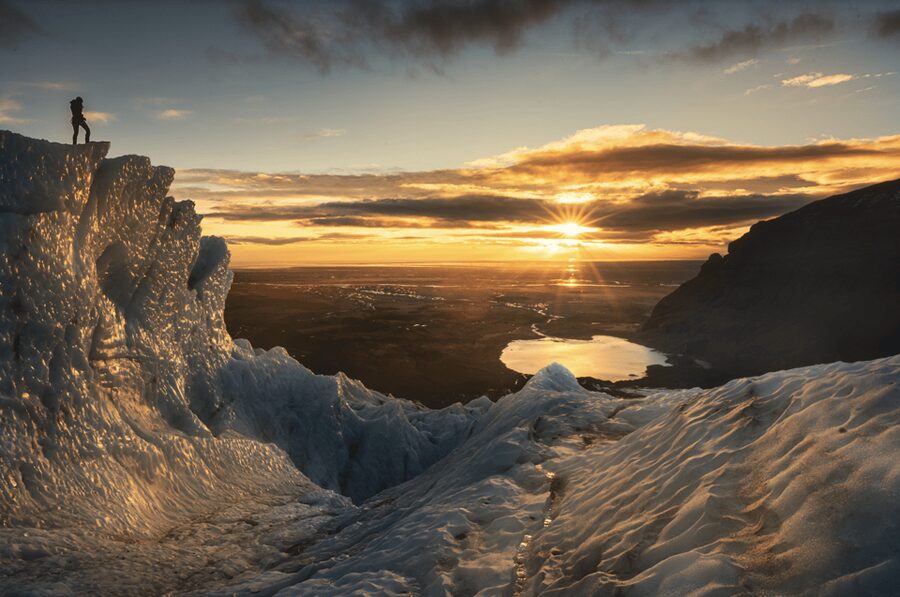
- Skaftafell + Vatnajokull views that open wide as you work your way higher
- Icefall features up close: crevasses, deep fissures, and moulins
- Small groups (up to 10) keep the guide’s attention tight and personal
- Coffee and chocolates after the hike help you warm up fast
Why this Falljokull advanced hike feels like a real glacier day
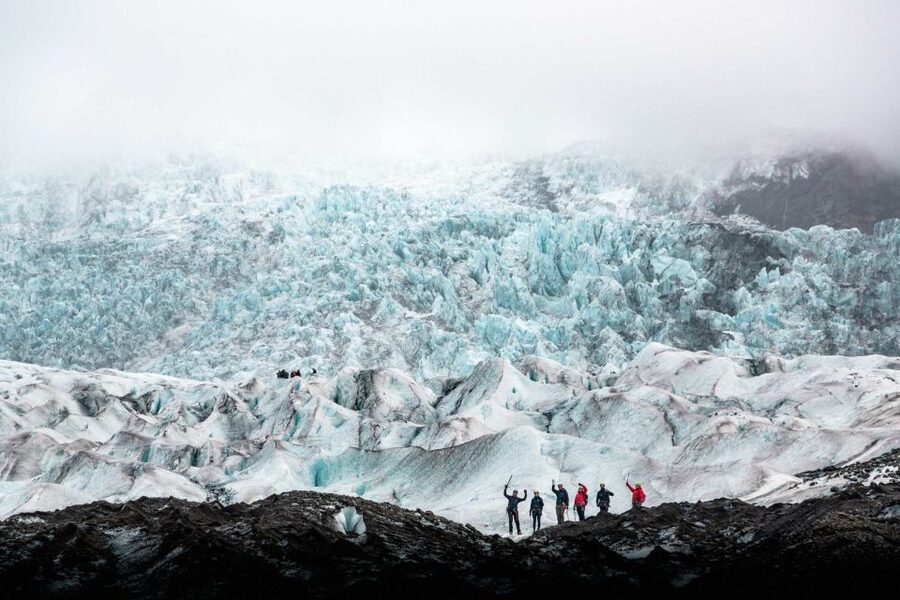
Skaftafell National Park is already a strong case for Iceland’s wild side. But the star here is Falljokull, an outlet of Vatnajokull—the biggest ice cap in Europe. The ice isn’t just scenery. It’s an active, moving system, and the hike is set up to help you notice that difference in real time.
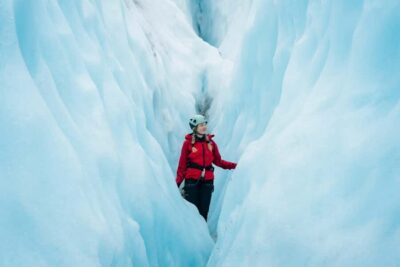
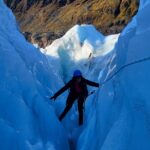
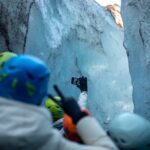
Falljokull means the falling glacier. As you go farther onto the icefall area, the glacier’s surface stops looking smooth and starts looking like a living structure. You’ll see crevasses (cracks that split the ice), deep fissures (gaps that can run down and under the surface), and moulins. Moulins are vertical shafts in the ice formed when meltwater slips into cracks and then drains downward. If you’re the type who likes understanding what you’re looking at, this tour feeds that instinct fast.
One of the neat things I like about this experience is that it doesn’t treat the glacier like a frozen museum. Your guide weaves in how glaciers form, how they move, and what global warming is doing to them now. That matters, because it turns your photos into a story you can actually explain.
You can also read our reviews of more hiking tours in Skaftafell
From Troll Expeditions to the glacier: timing, warmth, and that first wow
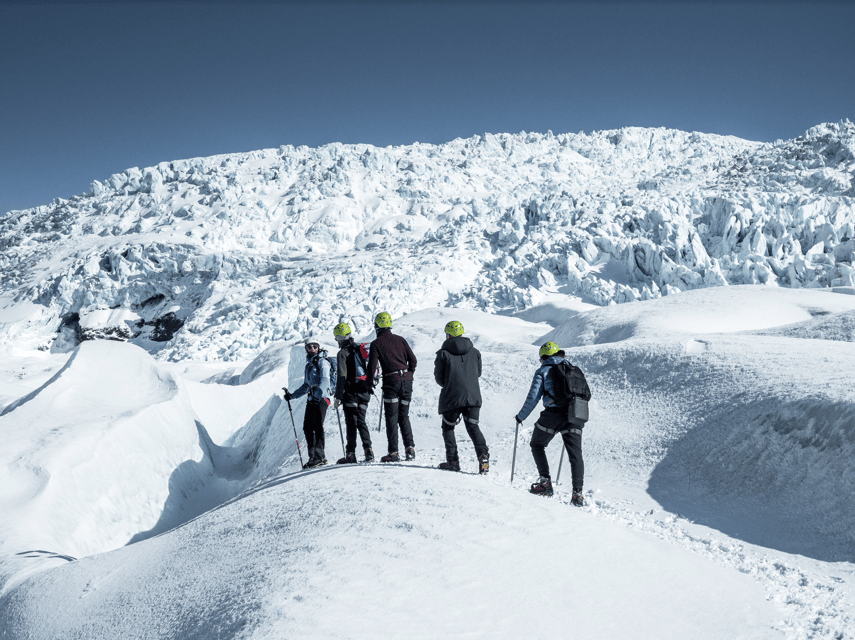
You’ll meet at the Troll.is Skaftafell meeting point, near Hofgarður and not far from Falljokull. Expect to arrive a bit early—your tour starts with a get-ready rhythm before you ever touch ice. You’ll board a coach for the transfer (the “Tröll Bus” ride is about 30 minutes), then you’ll take care of the park-side safety briefing.
A small detail that still lands well: you’ll get parking handled by the operator, plus coffee and chocolates. Iceland weather can be damp and blustery, and that warm-up matters once you start sweating and then stop for instructions.
After that, you’ll walk to the glacier. Some people underestimate how much that “short walk” can feel when it’s windy, cold, and you’re watching your footing already. I’d plan for it mentally and save your energy for the ice portion, because once you’re on the glacier, you’ll be working.
The safety briefing isn’t theater: it’s how you’ll actually walk on ice
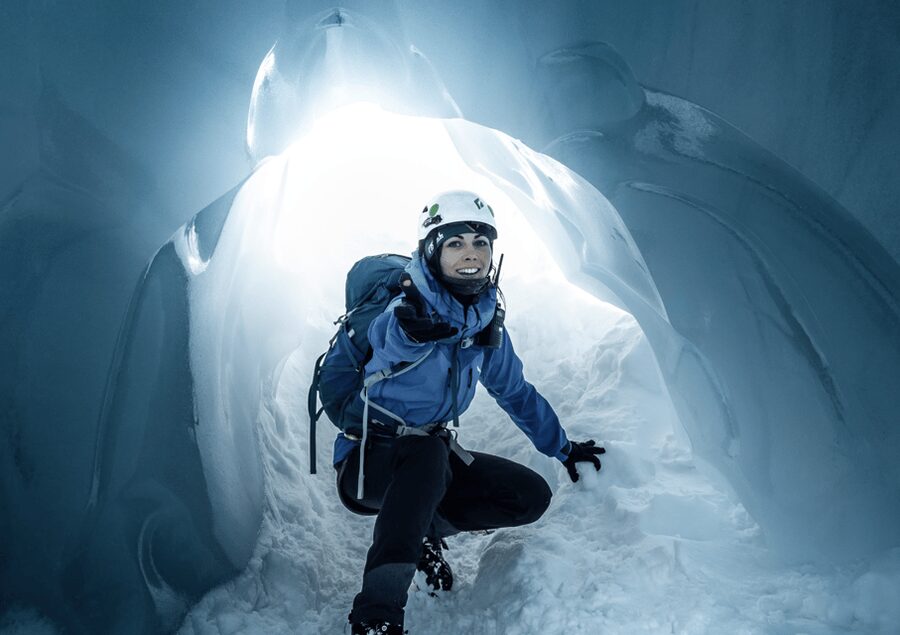
This is an advanced glacier hike, so the tour is built around safety equipment and clear instruction. Before you head out, you’ll spend around 30 minutes on safety briefing and gear use.
When you arrive, your guide provides everything you need:
- Helmet
- Harness
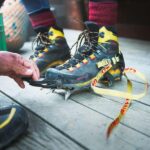
- Crampons
- Ice axe
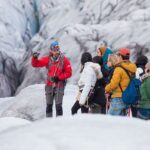
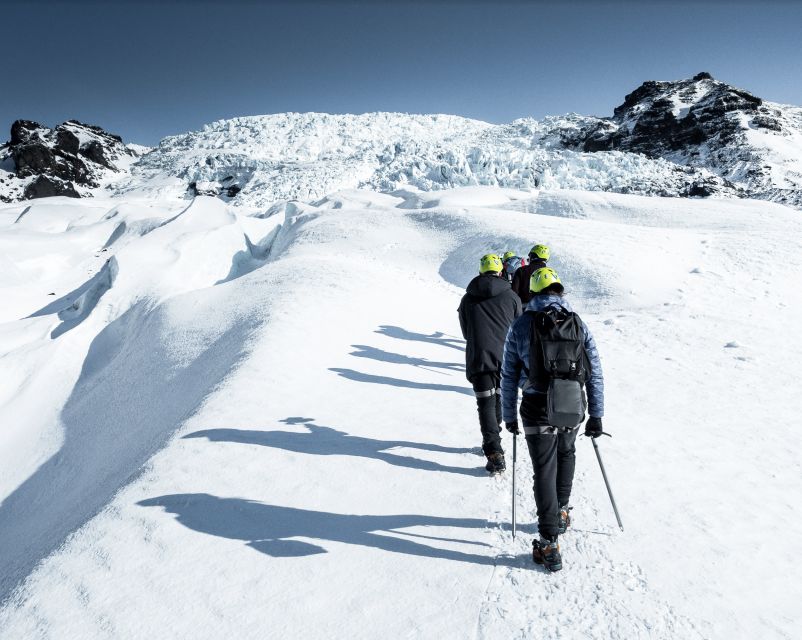
Wearing the helmet isn’t optional. It sounds obvious, but on ice, slipping and sudden contact happen. Your guide will also show you how to walk on a glacial surface safely—where to place your feet, how to manage balance, and how to use the ice axe with confidence.
Here’s what I think is underrated about a good glacier guide: they don’t just hand out crampons. They teach you how your body should behave while your tools do their job. That’s the difference between feeling “equipped” and feeling in control.
From past groups, I’ve seen a recurring theme: the guides are watchful and practical, the kind who keep you safe without turning the whole day into a lecture. Some guides even adapt how high you go based on group stamina and conditions, so “advanced” doesn’t mean reckless.
Three hours on Vatnajokull: crevasses, moulins, and the fun part
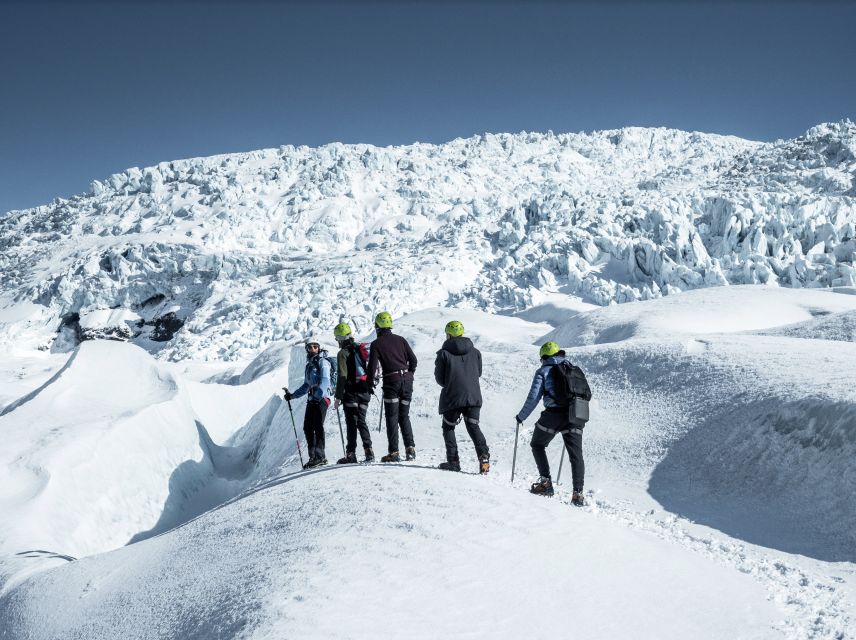
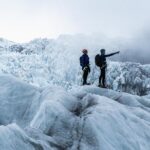
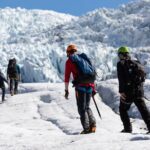
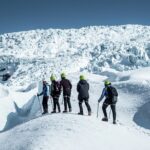
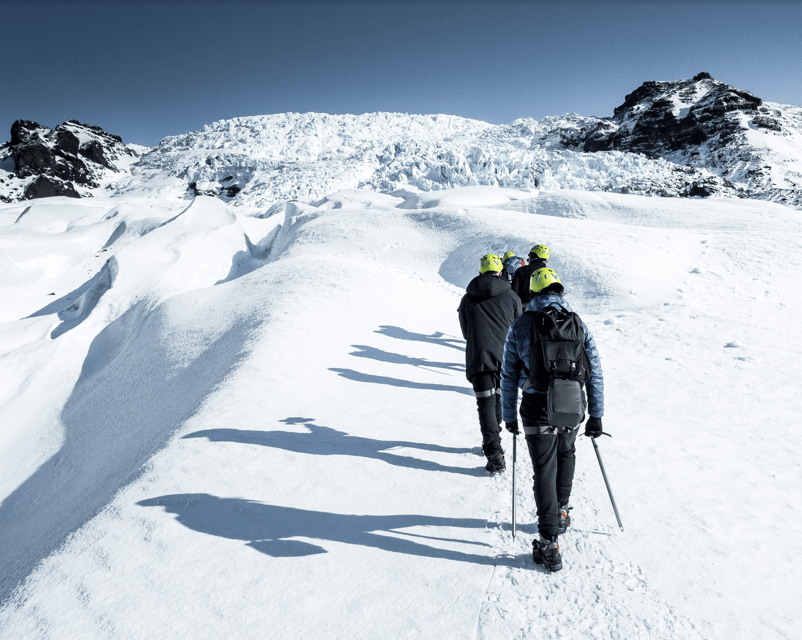
You’ll spend roughly three hours on the ice itself. That is the heart of the tour, and it’s where the advanced nature shows up: you’ll hike and climb on uneven ground with steep sections, not just trudge across flat snow.
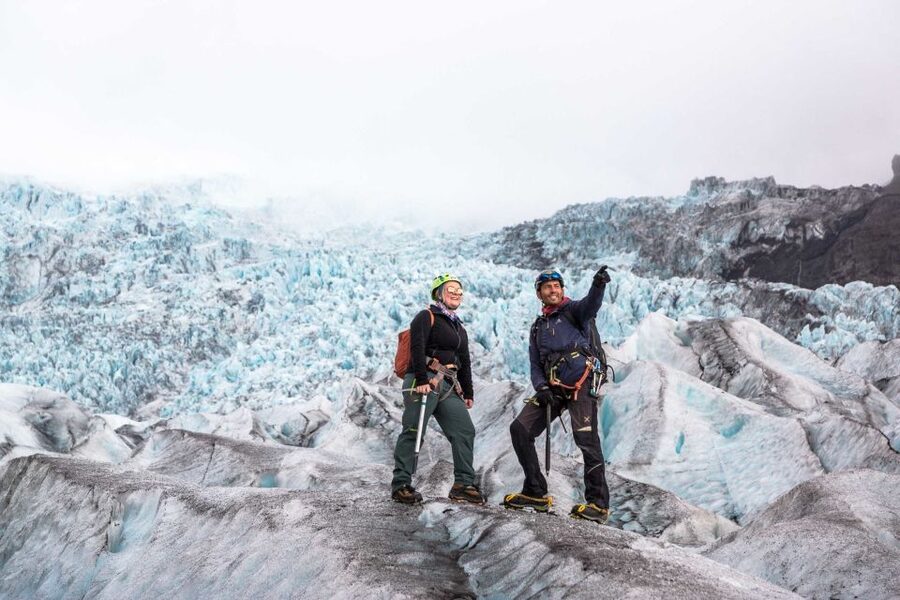
As you move through the icefall zone, the features become more dramatic the farther you go. Crevasses look like dark seams cut into the glacier. Fissures can appear as long gaps that show you how the ice fractures over time. Moulins can look like strange vertical funnels—proof that the glacier isn’t sealed. Meltwater finds paths, pressure changes the structure, and the ice evolves.
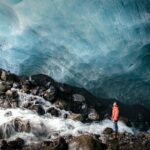
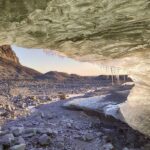
There’s also the color factor. In winter you can sometimes spot a deep blue area—often described as the glacier’s blue heart—when you peer into tiny tunnels or openings where light hits the ice differently. Even when you don’t see that perfect blue, the ice can still look unreal up close: sharp edges, frosted textures, and surfaces that range from glassy to rough.
You’ll get photo stops along the way. But don’t think of it as “we stop for photos so you can catch your breath.” More often, the stops are small, purposeful moments where you look, learn, and then move again. People who rate this tour highly tend to praise exactly this mix: enough time to see details, not so much time that you get bored or exhausted.
Going higher at 5 hours: more views, fewer crowds, and optional challenges
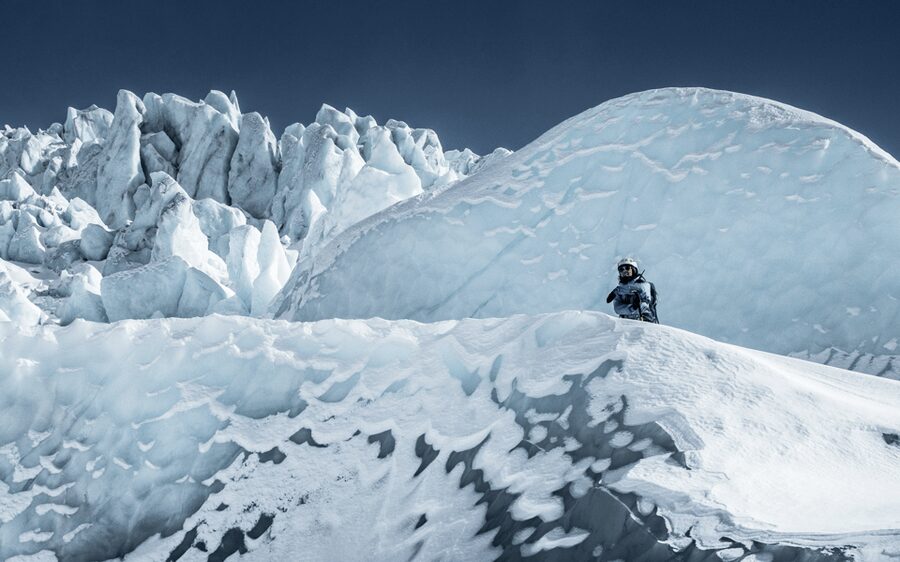
The 5-hour version is popular for a reason. It’s not just longer for the sake of longer. The extra time usually means you can head farther up the icefall area—higher, with broader views and more varied ice features.
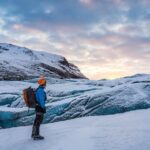
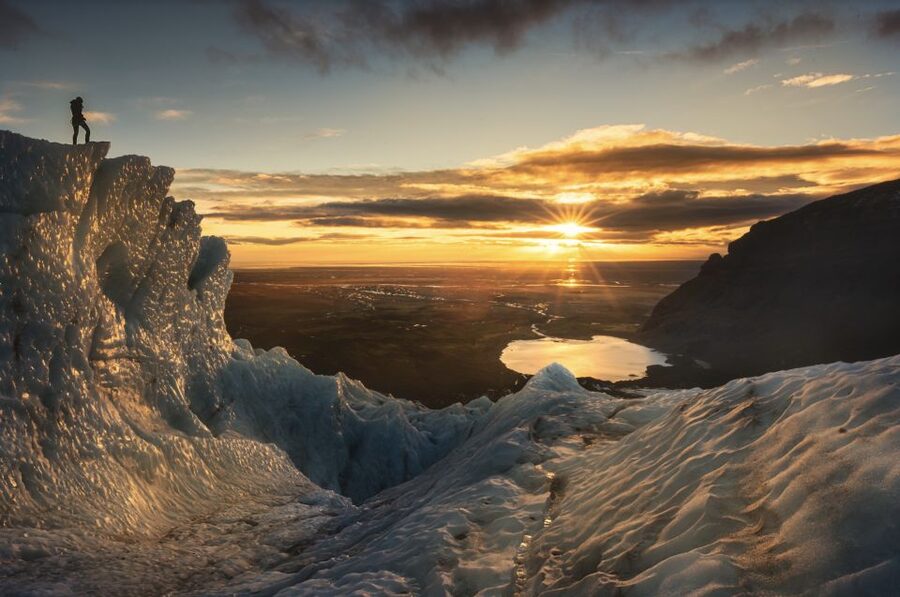
From high up, you get sweeping looks back toward Skaftafell National Park. This is the part where the glacier starts acting like a viewpoint, not just a destination. Skaftafell has been used in major film and TV productions, and you’ll hear about the park’s role as a visual backdrop for productions like James Bond, Interstellar, Batman, and Game of Thrones. Even if you’ve never watched those shows, it helps you understand why photographers love this place: the scenery looks cinematic because it’s genuinely that dramatic.
The guides also manage the difficulty. One group noted that the guide adjusted the hike to the group’s wishes while still staying within what’s safe. That’s a good sign, because glacier days can be demanding. Past guests describe the hike as physical work—especially on the climbs and descents—and recommend paying attention to knees and ankles. If you have a history of knee issues, bring that caution with you and move slowly when the terrain tilts.
In at least some conditions, you may have a chance at more technical movement. Some groups mention steep wall sections where you’re harnessed to the rope, and others note optional vertical climbing. You shouldn’t expect every group to get the same “extra challenge,” since conditions and safety choices drive that. But the key point is: this isn’t just “easy walking in crampons.” It can be fun, but it’s legitimate adventure.
Fitness, pace, and what your body will remember
So how hard is it? Based on reported experiences, you might log around 8 km total (including the walk from the pickup/drop-off area) and about 380 metres of elevation gain. That’s not a mountain hike distance, but it’s a glacier hike. The surface is unstable in ways your feet aren’t used to, and you’ll constantly be thinking about traction.
If you’re reasonably fit and comfortable walking uphill on uneven ground, you’ll probably be okay. If you’re expecting it to feel like flat trail hiking, you’ll likely be surprised.
A useful practical note from experiences shared by others: waterproof boots with ankle support help a lot. If you don’t have your own, waterproof pants, jackets, and hiking boots are available for rent. You still want warm layers, because the glacier air and wind can strip comfort fast.
Also consider bringing your own water or a small cup. Some groups report being able to drink glacier water near the top from a small glacier waterfall area. The point isn’t drinking for the Instagram moment—it’s that it makes the whole hike feel tangible and real.
Price and value: what you’re paying for (and what you aren’t)
At $167 per person for about 5 hours, this isn’t a cheap activity. But the pricing makes sense if you look at what’s included and what the operator has to manage.
What’s included:
- Tour guide
- Glacier equipment: helmet, harness, crampons, ice axe
- Parking
- Coffee and chocolates
What’s not included:
- Hotel pickup and drop-off
- Food
Here’s where the value question gets interesting. You’re paying for three things that are hard to fake:
- Specialist guides who can teach technique and control risk on steep, fractured ice
- Equipment that turns walking into traction-based movement
- Time—the 5-hour choice gives you more glacier contact time than shorter options, which translates into more sights and more chances to go higher
Several guides’ names came up in positive accounts—people like Filip, Rik, Sterre, Jay, Anna, Marc, Paula, and Lily—and the common thread is the same: friendly, safety-focused instruction. That’s valuable because it affects how you feel on the ice. You want confidence, not just gear.
Who should book this advanced hike (and who might not)
This tour is listed as not suitable for children under 12. Beyond age, I’d match it to your comfort level with active hiking.
You’ll likely love it if:
- You want a true glacier experience, not just a viewpoint stop
- You’re ready for a moderately strenuous hike on uneven ice
- You like learning—formation, movement, and the impact of global warming—while you’re outside
You might choose a less intense option if:
- You’re not steady on your feet
- You expect glacier hiking to feel like flat sightseeing
- You’d struggle with steep climbs and descents even with instruction
Should you book the 5-hour advanced Falljokull hike?
If you’re choosing between a shorter glacier walk and this advanced 5-hour option, I’d lean toward booking the longer hike—especially if you want to see more icefall features and reach farther upslope within safe limits. The extra time is the main reason many people feel the experience is worth it.
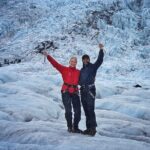
Book it if you’re willing to work a bit, wear the gear properly, and listen when your guide explains how to move. You’ll leave with the kind of memory that feels physical: crevasses you saw up close, ice structures you can name, and views across Skaftafell that make the whole day feel bigger than a typical Iceland tour.
If that sounds like your style, this is a strong pick.
FAQ
How long is the Falljokull Glacier advanced hike?
The duration is about 5 hours, including transport and briefing. You’ll spend roughly 3 hours hiking on the glacier.
What glacier equipment is included?
Your tour includes a helmet, harness, crampons, and an ice axe.
Where do I meet for the tour?
Meet at the Troll.is Skaftafell meeting point. It’s 1 km west of Hofgarður and 9 km east of Falljokull Glacier, with free private parking near the road.
Is food included?
No. Food is not included, but you do get coffee and chocolates.
What should I wear or bring?
Bring warm clothing and dress in layers. Waterproof pants, jackets, and hiking boots are available for rent if you don’t have your own.
Is this tour suitable for kids?
It’s not suitable for children under 12 years old.