REVIEW · PRAIA
Serra Malagueta Natural Park: Hike to Gongon Valley & Lunch
Book on GetYourGuide →Operated by Bu Country Tours · Bookable on GetYourGuide
Serra Malagueta hike comes with real mountain character. You get incredible views over Santiago and a local lunch that connects the walk to everyday life. The route is demanding and one-way, so you’ll want real hiking shoes and no heroics.
I especially liked the way guides such as Cati and Jose translate the scenery into something you can actually see—endemic plants, wildlife chances, and where the trail’s getting tough. Expect a route that starts around 1,000 meters and then works its way through Serra Malagueta before reaching the Gongon valley area.
One possible drawback: this is labeled difficult, and weather matters. In hotter or wetter weeks, descents can feel rough, and the lunch can be more of a quick local stop than a long picnic spread.
In This Review
- Key Points You’ll Care About
- From Praia Up the Mountain: Why This Drive Matters
- Serra Malagueta Natural Park: Views, Endemic Plants, and Possible Wildlife
- The Gongon Valley Crossing: Where the Trail Tests Your Legs
- Passing Deserted Villages: The Human Side of the Hike
- Hortelã Valley and the Eastward Finish
- Lunch With Local Families: Picnic Lunch or a Quick Local Meal?
- What “Difficult” Means on This Hike (and What Helps)
- Price and Value: Is $106 Fair for This Day?
- Who This Tour Suits Best (and Who Should Skip It)
- Booking Advice: How to Make Your Day Go Smoothly
- Should You Book This Serra Malagueta Hike?
- FAQ
- What’s included in the Serra Malagueta hike?
- What is the entrance fee to Serra Malagueta Natural Park?
- How long is the hike and how far is it?
- How difficult is the hike?
- What should I bring?
- Can I expect to see wildlife?
- Is the tour suitable for wheelchair users?
- What languages is the tour offered in?
Key Points You’ll Care About
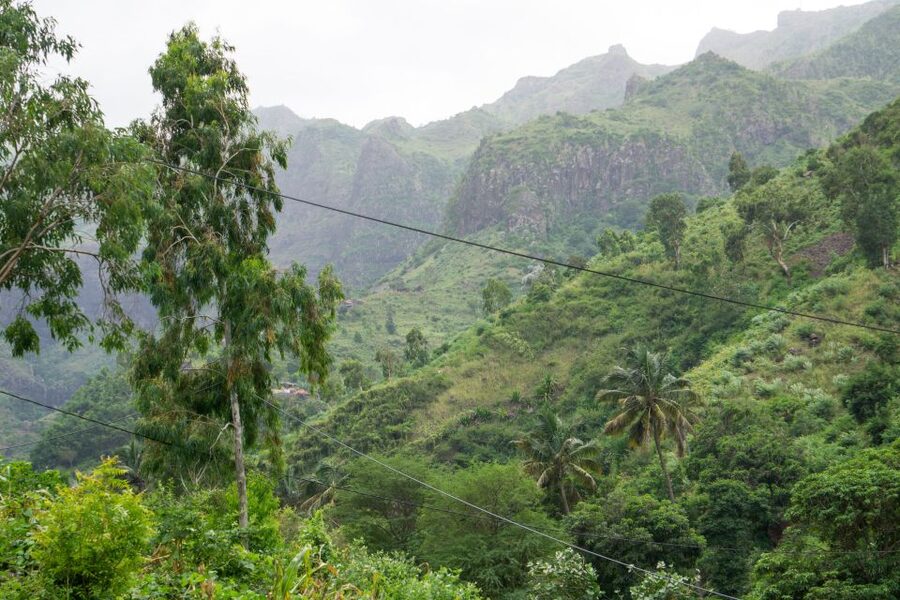
- Serra Malagueta viewpoints at higher altitude (max about 1,035 m) with a real payoff for the climb
- Wildlife spotting opportunities, including vervet monkeys and gray-headed kingfishers
- A long one-way hike (about 12.5 km, 4–5 hours walking) with steep going down
- Meet local families in remote mountain villages while you cross valleys like Gongon and Hortelã
- Lunch timing can vary: described as a picnic lunch, but you may get a shorter local meal stop
From Praia Up the Mountain: Why This Drive Matters
This tour starts in Praia with hotel pickup, then you head toward the Serra Malagueta Natural Park area. That drive is part of the experience because it sets your expectations: you’re not doing a flat stroll, and you’re not staying near sea level for long.
You’ll begin the hike at roughly 1,000 meters above sea level, which means the air feels different and the terrain turns into that steep Cape Verde story—dry, rocky edges, sharp changes in slope, and big views that keep showing up. If you’re the type who hates feeling underprepared, this is where you feel relieved: you’re picked up, transported, and briefed by a guide before you start.
Also, the guide-led pace helps. Reviews highlight that guides like Jose and Cati were attentive and made sure the group stayed together, even when conditions were hot or the route got technical. In other words, you’re not just dropped at a trailhead and told good luck.
A few more Praia tours and experiences worth a look
Serra Malagueta Natural Park: Views, Endemic Plants, and Possible Wildlife
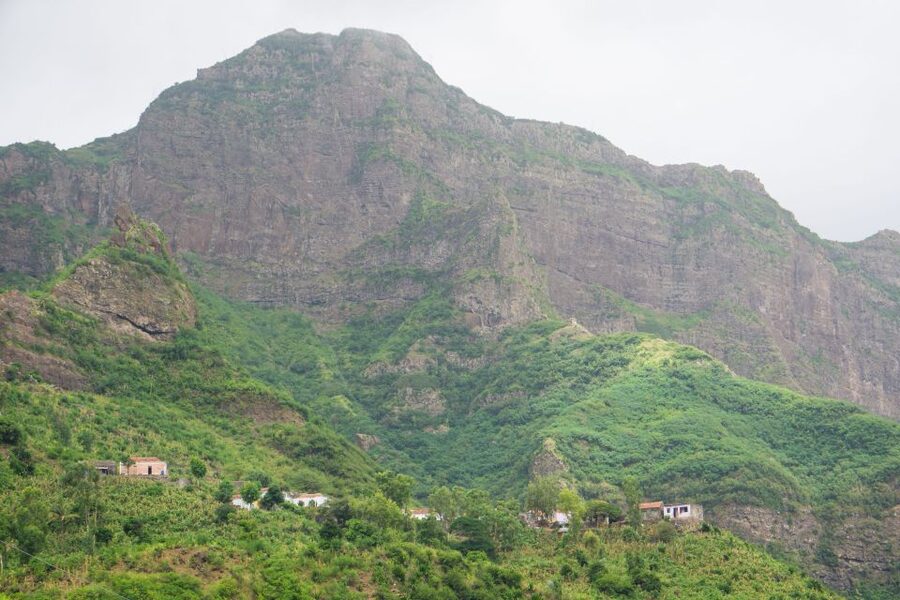
Serra Malagueta Natural Park is the star of the hike, and it’s not just about the final look from the top. Along the way, you’ll walk through areas with endemic plants, so the park has texture. It’s the difference between hiking through “pretty hills” and hiking where you can point to what’s special about the island.
Your guide will help you keep your eyes open for wildlife. Two names you’ll hear on this hike are vervet monkeys and gray-headed kingfisher birds. You might spot them, you might not, but the point is the same: you’re hiking in habitat, not just passing scenery.
The elevation stats explain what you’ll feel. The hike includes about 580 m of elevation gain, with a maximum elevation around 1,035 m and a minimum around 110 m. Translation: you’ll work uphill, then the trail asks more from your knees and balance going down.
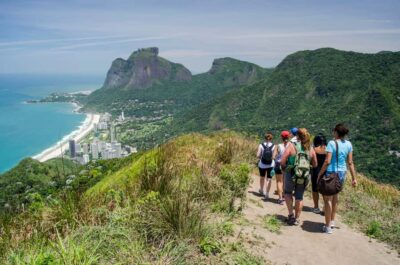
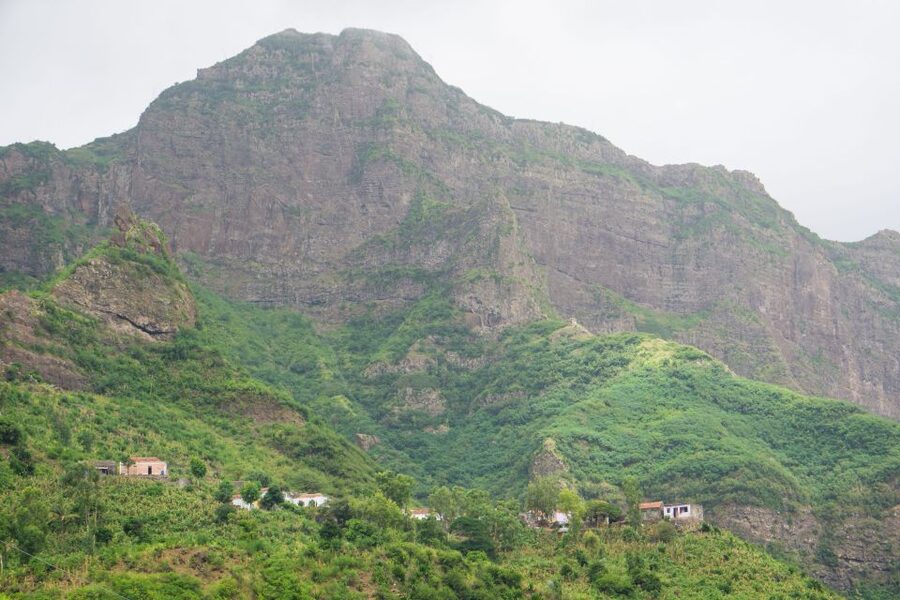
And then there are the views—jagged hills, lush-looking patches, and the valley lines stretching out. You’ll often get those long looks at the “why” of this whole area: Cape Verde’s volcanic geography and the way the land carves itself into dramatic ridges.
The Gongon Valley Crossing: Where the Trail Tests Your Legs
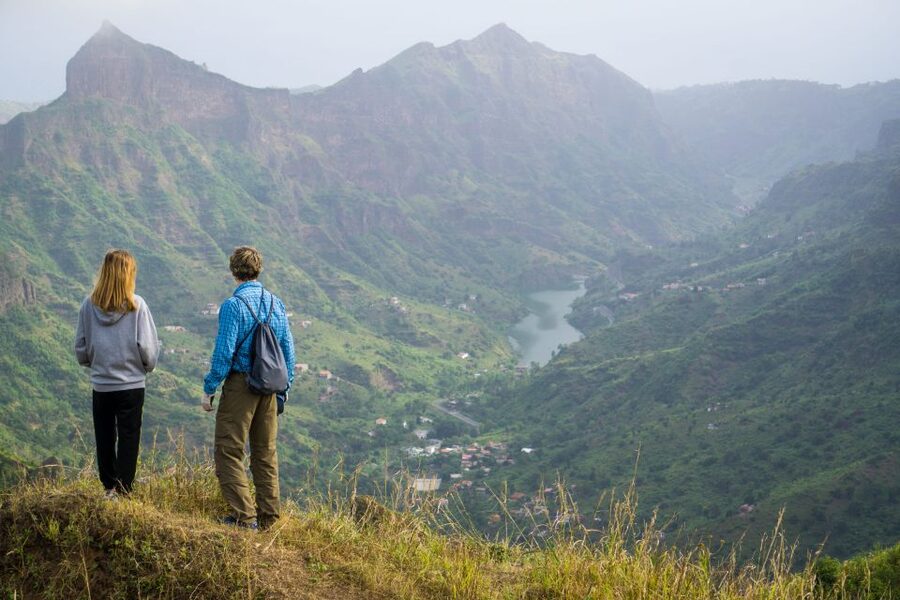
After the main park portion, the route crosses the Gongon valley area. This is where the hike stops being a “see the scenery” walk and becomes a “stay steady” walk.
The trail is described as one-way, so you won’t return to your starting point on foot. Instead, the itinerary moves you through terrain and across valleys, and you keep going toward the next destination—Hortelã valley—before heading back to Praia.
What matters most here is the mix of trail conditions. The path quality is noted as a blend: some flat sections, plus steep downhill that’s considered safe but still demanding. On a clear day, that steep going down is just intense. In wetter months, it can get muddy and slippery—one guide-led experience in September called out slippery descents and the need for good footing.
This is where hiking poles earn their keep. Reviews specifically recommend sturdy shoes and poles for safety. Even if you don’t normally hike with poles, this is a case where they can help you manage downhill stress and keep your stride controlled.
Passing Deserted Villages: The Human Side of the Hike

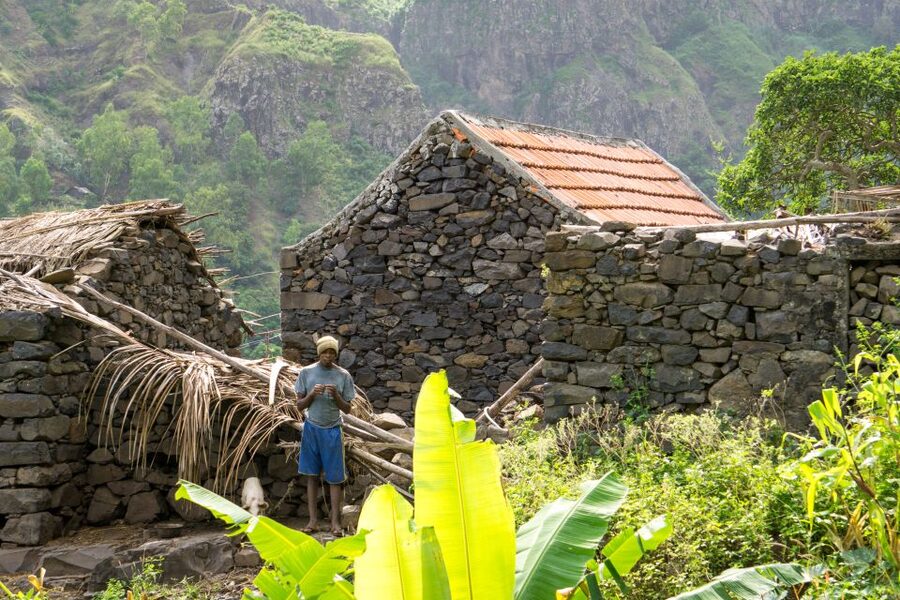
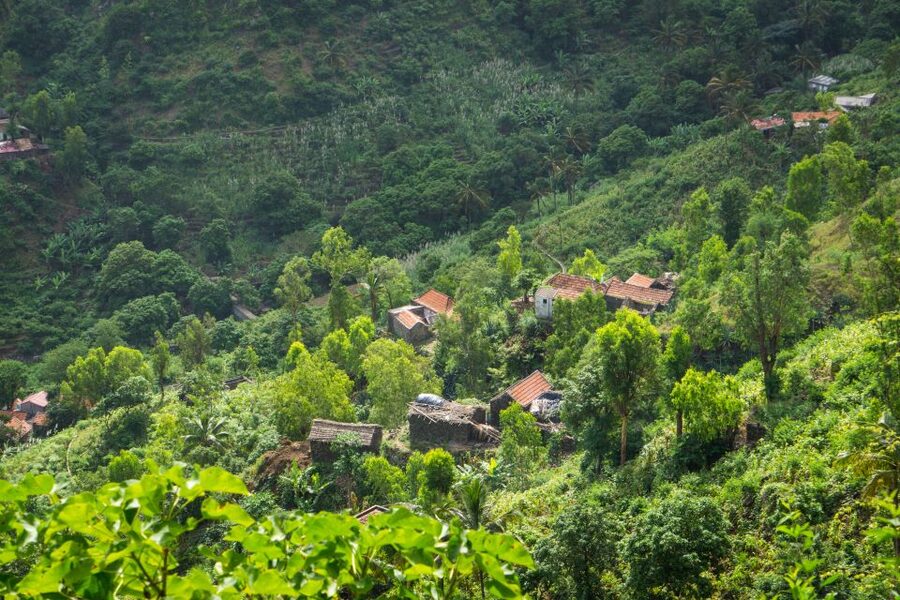
This tour is not only about geology and plants. You also pass deserted villages and meet local families in the remote mountain areas you’re walking through. That human piece is one of the most praised parts of the experience, because it turns the landscape into a lived place.
When you meet families, you’re learning about their way of life in these hills. The details aren’t staged like a performance. It’s more like you’re being shown how people adapt to island life—how they move through the terrain, how daily routines connect to the mountain environment.
This kind of stop also gives you a mental breather. When the trail gets steep and your calves start bargaining with you, having a conversation (even a short one) can reset the energy. It makes the walk feel grounded rather than purely athletic.
Hortelã Valley and the Eastward Finish
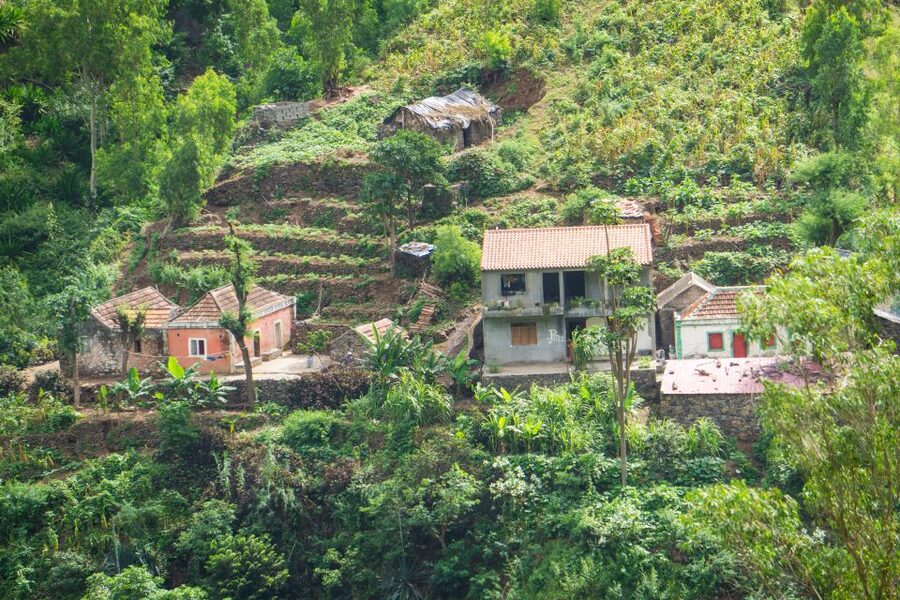
Reaching Hortelã valley is the next big milestone. By the time you get there, you’ll understand why the hike is labeled difficult even though the itinerary looks simple on paper.
You’re combining distance and altitude change. With about 12.5 km total walking and roughly 4–5 hours on foot, this isn’t a half-day casual outing. Add in the elevation swings—580 m gain and about 1,100 m of elevation loss—and you get a trail that asks for stamina and good pacing.
The upside is that the views keep paying you back as the route works its way eastward. Instead of one dramatic moment, you tend to get repeated glimpses: ridgelines, valley edges, and layered hills that make the island feel larger than it does from Praia.
And because it’s one-way, you’ll feel that momentum. The hike doesn’t stall into repeat views. You move through the mountain system, and the scenery shifts as you progress.
You can also read our reviews of more hiking tours in Praia

Lunch With Local Families: Picnic Lunch or a Quick Local Meal?
Lunch is one of the main reasons this tour feels worth it. The tour description includes a picnic-style lunch: juice, fruit, and a sandwich. In practice, though, experiences can vary.
Some people expected a full picnic spread and found something simpler, like a quick stop with papaya instead of a long picnic break. Others had a delicious sit-down meal at a local home, including a mention of Hermiña’s food being excellent.
So here’s the practical takeaway for your expectations: plan for a local meal stop that’s satisfying, but don’t assume it will always look like a long, blanket-and-sunshine picnic. If you’re the type who gets hungry fast on climbs, bring small snacks of your own too—just enough to bridge the time between trail sections and lunch.
Either way, lunch in a local setting is a real value add. It’s not just eating. It’s part of the cultural connection—seeing how the community lives with the mountain and using the stop as a chance to talk, not just eat.
What “Difficult” Means on This Hike (and What Helps)
“Difficult” here isn’t vague marketing language. The numbers give you a clear picture: ~12.5 km, ~4–5 hours walking, ~580 m gain, and steep downhill segments. That combination typically means your biggest challenge will be fatigue management and downhill control, not just speed.
Heat can also turn the hike up a notch. One experience highlighted intense heat and the need for sturdy shoes and poles, with the usual souvenir of sore muscles afterward. If you’re hiking in warmer seasons, it’s smart to start early in your day and keep water flowing.
Weather changes the feel of the trail too. A rainy September experience warned about muddy, slippery descents and suggested bringing a small windbreaker for rain. If there’s any chance of wet weather where you are, come prepared for your boots to meet more mud than you’d like.
Here’s what you should pack based on the tour guidance:
- Hiking shoes (non-negotiable for the steep downhill)
- Hat for sun
- Sunscreen
- Water
- Hiking pants (especially recommended August to November)
- €2 for the Serra Malagueta Natural Park entrance fee
- Walking sticks if you have them (strongly advised in practice)
And if you forget everything else, remember this: bring footwear you’d trust on a slippery slope. Your balance is your real safety gear.
Price and Value: Is $106 Fair for This Day?
At $106 per person, this isn’t a cheap activity—but it’s also not just a hike ticket. The price covers pickup and drop-off in Praia, transportation, a tour guide, lunch, and liability insurance.
Then you add the park fee separately: €2 per person entrance. That’s a small line item compared to what you’re already getting, and it’s typical for national or protected areas.
Where this feels like good value is in the “reduces your friction” part. You’re not figuring out transport to remote mountain trail sections, and you’re not navigating the route without local guidance. The guide also adds the payoff: endemic plants, wildlife guidance, and the human stops in villages.
If you’re an active traveler who likes real contact with local life—not just viewpoints—this price makes more sense. If you want an easy walk with long pauses and minimal exertion, you might feel the cost more than the value.
Who This Tour Suits Best (and Who Should Skip It)
This hike is for you if:
- You can handle a steep, one-way trail with elevation changes
- You enjoy guided walks where you learn what you’re seeing
- You like meeting local families and want that cultural contact baked into the day
- You’re comfortable hiking in heat and possibly wet conditions
It’s less ideal if:
- You don’t have hiking shoes or you dislike steep downhill work
- You want a low-effort nature activity
- You rely on wheelchairs (it’s noted as not suitable for wheelchair users)
If you’re unsure, check your own comfort level with steep descents. That’s usually the make-or-break part of hikes like this.
Booking Advice: How to Make Your Day Go Smoothly
Before you go, set your expectations. This is a full hiking day with about 4–5 hours of walking, plus driving and lunch time. Plan not to schedule anything intense right after you return to Praia.
When you pack, prioritize stability. Shoes and poles can matter more than extra gadgets. A hat and sunscreen keep you sane if the sun hits hard. Water matters because you’re climbing and descending over long stretches.
Finally, be flexible about lunch style. The lunch is described as a picnic with juice, fruit, and a sandwich, but you may get a shorter local meal stop depending on the day and family situation. Flexibility is part of the deal with local experiences.
Should You Book This Serra Malagueta Hike?
I’d book it if you want a real Santiago hiking day with local connections and not just a viewpoint tour. The standout ingredients are the guided nature of the hike—endemic plants, likely wildlife spotting like vervet monkeys and gray-headed kingfishers, and the chance to meet families in remote mountain areas. That’s the stuff you remember.
Skip it if you’re not comfortable with steep downhill and a difficult, one-way walk of about 12.5 km. Bring the right gear, go with a steady pace, and you’ll be rewarded with big mountain views and a meaningful lunch stop that feels like part of the island, not a souvenir stop.
FAQ
What’s included in the Serra Malagueta hike?
Pickup and drop-off from your accommodation in Praia, transportation, a tour guide, lunch, and liability insurance are included.
What is the entrance fee to Serra Malagueta Natural Park?
The entrance fee is €2 per person.
How long is the hike and how far is it?
The trail distance is about 12.5 km (around that figure), with walking time of about 4–5 hours.
How difficult is the hike?
It’s labeled difficult, with about 580 m elevation gain and around 1,100 m elevation loss. The trail is one-way and includes both flat sections and steep downhill.
What should I bring?
Bring a hat, hiking shoes, sunscreen, and water. The tour also strongly advises hiking pants (especially August to November) and bringing €2 for the park fee.
Can I expect to see wildlife?
You may spot wildlife such as vervet monkeys and gray-headed kingfishers, depending on conditions.
Is the tour suitable for wheelchair users?
No. It’s specifically noted as not suitable for wheelchair users.
What languages is the tour offered in?
The tour is offered in English, Portuguese, French, and Spanish.