REVIEW · SEDONA
Sedona Dark Sky Sunset & Night Hike With a Private Guide
Book on Viator →Operated by Trail Lovers Excursions · Bookable on Viator
Stars over Sedona are hard to beat. This private Sedona Dark Sky hike times your sunset views and then shifts into a guided star-filled night walk in Red Rock Country.
What I like most is the match of people and tools. You get a private guide who can steer the route and pace to your group, and the hike includes serious night hardware, from headlamps to thermal/night monoculars with a 4K HD camera.
One thing to consider: this experience needs good weather to run, and it is dark out on purpose—so you’ll want to feel comfortable hiking at night even with the provided gear.
In This Review
- Key things that make this night hike worth your time
- Sedona Dark Sky at dusk: the exact feel of the evening
- The private guide role: plants, creatures, and smarter route choices
- Gear that’s not just a prop: headlamps, poles, thermal tools, and cameras
- Sunset views: how to get the red rock moment before darkness wins
- Night hiking reality check: comfort, pace, and footing
- Snacks, water, and the pause that turns a walk into a moment
- Photography opportunities: shooting stars with help, not luck
- Price and value: what $185 buys you in the real world
- Who this Sedona dark-sky hike suits best
- Should you book this Sedona Dark Sky sunset and night hike?
- FAQ
- How long is the Sedona Dark Sky Sunset & Night Hike?
- What does it cost?
- Is pickup available in Sedona and nearby areas?
- Is this tour private?
- What night-visibility gear is included?
- Are snacks and drinks provided?
- What weather-related gear do you get?
- What if I need to cancel?
- Is the hike suitable for most people, and are service animals allowed?
Key things that make this night hike worth your time

- Private guide, private group: only your group joins in, with a guide who adjusts the outing to your comfort.
- Dark Sky focus: Sedona is an International Dark Sky Community, so the goal is big star visibility.
- Night vision + thermal tools: included monoculars can help you detect heat signatures for possible animal sightings.
- Practical gear included: headlamps, trekking poles, rain ponchos, and even weather extras depending on the season.
- You get more than a hike: trail snacks, water, parking fees, and self-guided maps after the tour.
Sedona Dark Sky at dusk: the exact feel of the evening
This is built around the timing. You start at dusk, when the red rocks are still lit enough to see their shapes, but the sky is already beginning to cool and darken. That hour matters because sunset colors fade fast in the desert, and a guide can help you get to the right viewpoints before the sky goes fully black.
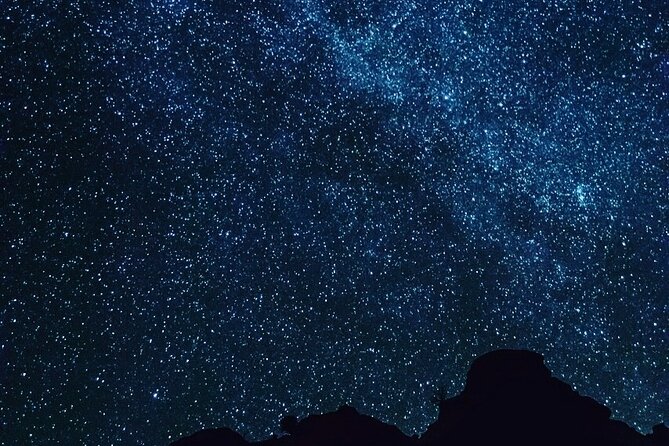
From there, the experience leans hard into the dark: you hike under Sedona’s Dark Sky conditions and spend real time looking up. The point isn’t just a quick star glance—it’s more like a slow transition from bright “wow” sunset to the moment the stars start to pop into view. If you love photography, this rhythm helps you shoot the sky before darkness fully settles in.
And because it’s a private outing, you’re not stuck doing the same pace as everyone else. In real life, the guide checks your group and picks the hike style accordingly, which is a huge help if you’re with kids or if your group has mixed comfort levels.
You can also read our reviews of more guided tours in Sedona
The private guide role: plants, creatures, and smarter route choices
The biggest value here is not only that someone leads the walk. It’s what they bring to the trail.
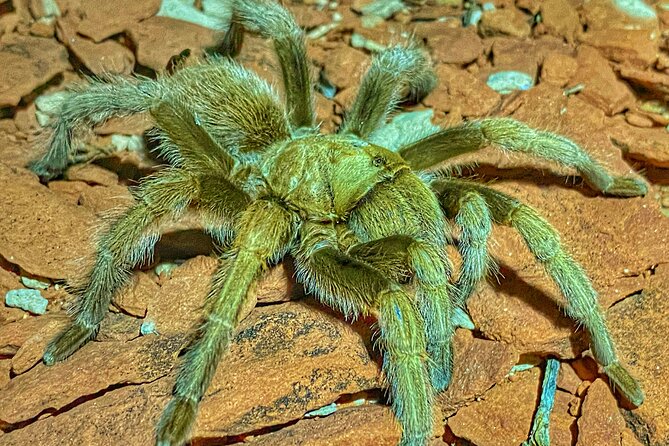
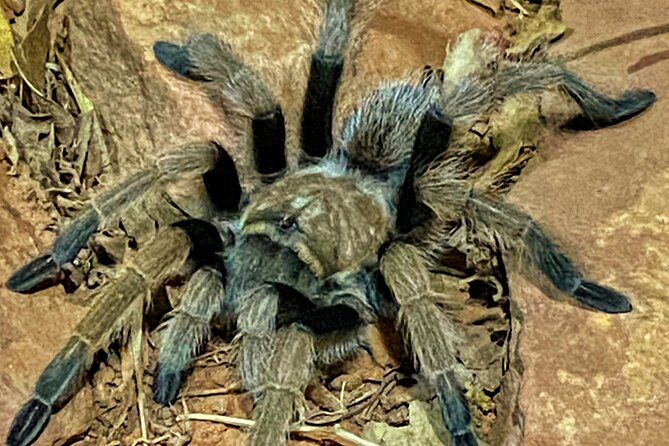
A private guide shows you features you could miss on your own: edible and medicinal plants, desert creatures adapted to the night, and unique geological details in Red Rock Country. This is also where the outing becomes sensory. Desert plants have strong smells, and touching leaves or noticing textures becomes part of the hike, not just a background detail.
Route choice matters, too. One family-style example was a guide who offered options on how far outside town to go and what hiking level to handle—then matched the choice to a 9-year-old’s comfort. That kind of flexibility helps you avoid the classic vacation mistake of choosing a hike that’s either too hard when it’s dark, or too easy to feel satisfying.
So when you’re booking, think of the guide as your translator: they turn a dark walk into a guided interpretation of what you’re seeing, and they steer the timing so you don’t miss sunset window light.
Gear that’s not just a prop: headlamps, poles, thermal tools, and cameras
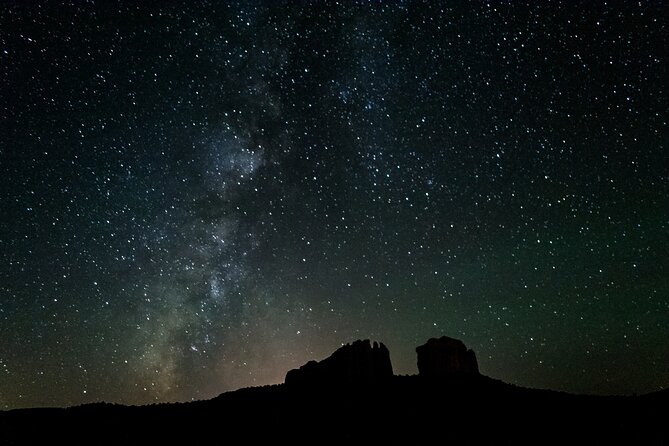
This tour covers you with gear designed for nighttime hiking, not generic sightseeing.
You get Black Diamond headlamps, plus trekking poles. Those two items alone change everything after dark. Headlamps keep your hands free, and poles take some strain off uneven footing—especially helpful because Sedona trails can be rocky, and nighttime makes every step feel more complex.
You also get monoculars for night viewing and thermal viewing. The thermal imaging tools can help you trace heat signatures from over 1,500 feet away, and the monoculars come with 4K HD camera capability. I’d treat that as a serious spotting assist, not a guarantee of animal sightings. Still, it’s a big upgrade from simply hoping something appears.
Other included items that show they planned for real conditions:
- Black lights (night-focused observation gear)
- Rain ponchos if weather turns
- A rain-or-cold readiness kit that swaps by season
Then there are the weather extras. In colder conditions you get beanies, gloves, neck gaiters, and micro spikes. In warmer conditions you get 50 UPF hoodies, 30 SPF sunscreen, cooling spray, and insect repellent. That’s a practical touch. Night hikes are long enough to feel the temperature shift, and the desert can go from warm to chilly faster than you expect.
Sunset views: how to get the red rock moment before darkness wins

The tour is explicitly designed to get you to the best sunset views first. That means you’re not wandering around with a loose schedule. At dusk, you’ll hike toward viewpoints where the sky begins to shift colors—think fading light on red rock, then a sky that transitions toward darker blues and black.
This is the part that usually gets the strongest reaction, because it’s when the scenery looks dramatic even without night gear. You can see the rock layers and silhouettes clearly, and you’re positioned to watch the sky change rather than just catching the sunset in passing.
A guide also helps with the “when” for photography. Shooting sunset and then immediately switching to star shots requires timing. If you wait too long, you miss the good window. If you go too early, the sky won’t be dark enough to make stars pop. Here, the guide’s job is to keep you in the sweet spot.
Night hiking reality check: comfort, pace, and footing
This is a 3-hour hike, so it’s not a slow stroll. It’s also not described as extreme, and you can choose a medium difficulty option based on what fits your group best. That’s a key detail for planning. If you’re bringing kids or someone with limited hiking experience, don’t assume you need to hike far or fast. Ask for a route that matches your comfort.
Because it’s dark, the experience depends on your willingness to hike while paying attention. Even with headlamps and poles, nighttime hiking is different: your depth perception shifts and every step requires care. If you’re prone to dizziness in the dark or you hate being on rocky ground, you might want to rethink the fit.
Footing support is part of the package. Trekking poles help with stability, and in cold weather you can get micro spikes for traction. That reduces risk, but your mindset still matters—walk slower than you would in daylight and keep your eyes on the path.
One more comfort note: the desert can feel dry and still at night, but temperature can swing. That’s why the included seasonal extras matter. Bring a good attitude toward dressing in layers and you’ll enjoy the hike much more.
Snacks, water, and the pause that turns a walk into a moment
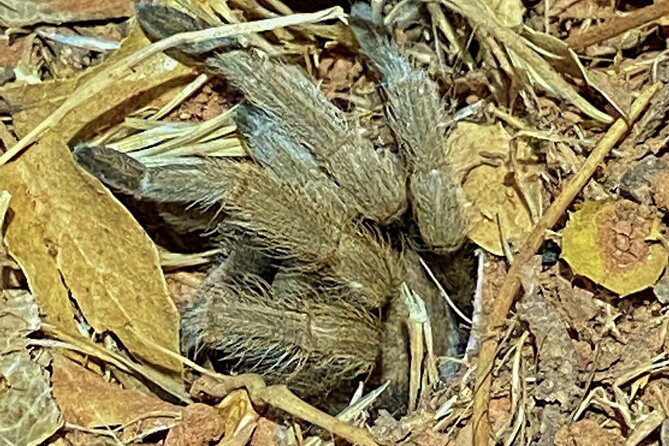
This isn’t just a snack bag and go. The tour includes bottled water and a curated snack pack with items like granola bar, fruit leather, fruit bar, trail cookies, applesauce, mixed nuts, almond butter, and beef jerky. There are substitutions for dietary restrictions, so you’re not stuck skipping everything that doesn’t fit your needs.
There’s also LaCroix sparkling water, which sounds small, but it’s a nice change from plain water when you’re out longer and moving at dusk.
At some point you’ll have a break where you can sit, look up, and enjoy the star field. That matters because the stars are the headline. If you never pause, you miss the best part of Dark Sky viewing. The guide also sets you up to use your gear during those stops—especially helpful if you want to test the monoculars without fumbling in motion.
Photography opportunities: shooting stars with help, not luck
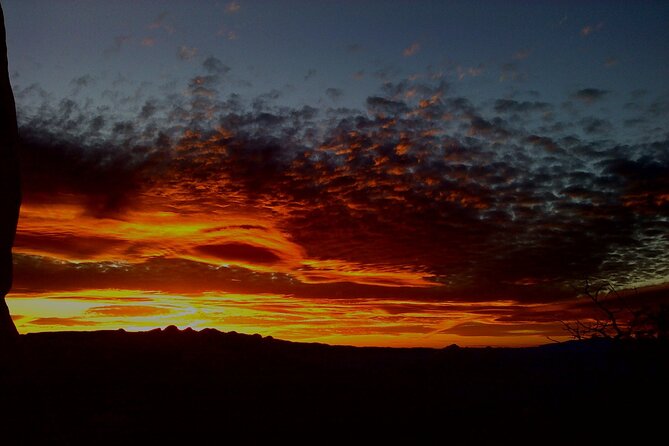
If you care about photos, this tour gives you an advantage.
You’ll be moving from sunset light into star conditions, which is exactly when camera settings get tricky. The included monocular cameras (4K HD) can help you capture what you’re spotting, and the thermal/night tools can help identify when something might be moving or present.
Even if you don’t consider yourself a photographer, the pairing of viewpoints plus night vision gear makes the whole evening easier. Instead of staring at a dark sky and wondering what you’re missing, you get tools that help you see more of what the night is doing.
Just keep expectations realistic: the sky is the sky. Some nights will be clearer than others, and you’re still hiking in the real desert. But the setup here gives you far more ways to capture the experience than a standard walk.
Price and value: what $185 buys you in the real world
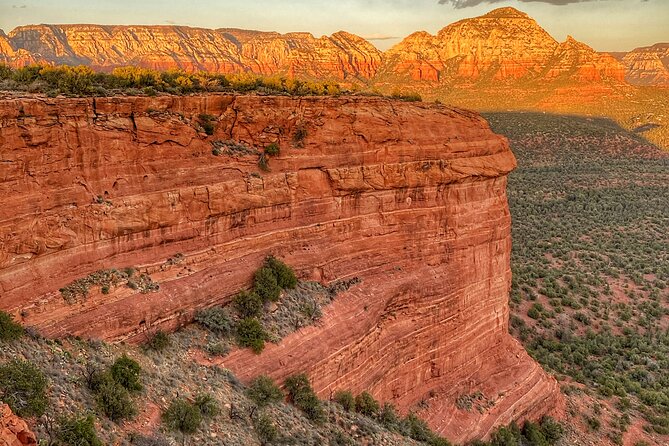
At $185 per person for about 3 hours, you should judge this by what’s included, not by what you’d pay if you pieced it together yourself.
Here’s what you’re getting inside the price:
- A private hiking guide
- Private transportation
- Parking fees for the area
- Headlamps and trekking poles
- Night vision and thermal monoculars with 4K HD camera capability
- Snacks plus bottled water and sparkling water
- Rain ponchos and seasonal weather extras (from micro spikes to hoodies and sunscreen)
- Self-guided hike maps after the tour
When you add it up, this isn’t a bargain in the sense of being cheap. It’s a bargain in the sense of being complete. You’re paying for guidance, timing, and gear that would cost a lot or take a lot of time to assemble. That’s especially true if you don’t already own quality headlamps, trekking poles, and night/thermal viewing tools.
Also, it’s typically booked about 45 days in advance. If you’re traveling during prime star-season or weekends, you’ll likely want to reserve early so you can get the day and pickup timing you want.
Who this Sedona dark-sky hike suits best
This is a great fit if you want a night in Sedona that feels intentional. You’ll enjoy it most if you like nature interpretation, photography moments, and learning what’s happening on a desert trail after dark.
It also suits families and mixed groups. The private guide model helps the outing match your comfort level, and you’re not forced into a one-size route.
You might love it even more if you’re coming from a city and you want a break from crowds. The whole pitch of Dark Sky viewing is about solitude and fewer distractions.
If, on the other hand, you hate being away from pavement, dislike hiking at night, or you’re only interested in casual walking with minimal effort, this may feel like too much. The experience is designed for movement and attention, not for lounging.
Should you book this Sedona Dark Sky sunset and night hike?
If your ideal evening in Sedona is sunset views plus a guided star show, I think it’s an easy yes. The private guide setup, the night-focused gear, and the seasonal extras make it a strong value for the price. You’ll also leave with self-guided maps to keep exploring on your own.
Before you book, be honest about one thing: you’re choosing a dark hike. Dress for the temperature shift, trust the headlamp setup, and slow your pace just a bit. Do that, and you’ll get a night that feels like Sedona rather than just another stop.
If the weather looks iffy, remember this experience requires good weather to run. When it works, it’s the kind of outing that sticks in your memory because you’re doing the viewing at the right time with the right tools.
FAQ
How long is the Sedona Dark Sky Sunset & Night Hike?
The hike runs about 3 hours (approx.).
What does it cost?
It’s $185.00 per person.
Is pickup available in Sedona and nearby areas?
Yes. Private transportation is included, and pickup is offered from resorts, VRBOs, timeshares, and Airbnb rentals in Sedona and the Village of Oak Creek. If you’re staying at one of those, you meet at the front desk at your start time. If you’re arriving from out of town, the team contacts you to confirm a convenient meeting location.
Is this tour private?
Yes. It’s a private tour/activity, meaning only your group participates.
What night-visibility gear is included?
You get headlamps, and night vision and thermal vision monoculars. The monoculars also include a 4K HD camera. Black lights and trekking poles are also included, along with rain ponchos.
Are snacks and drinks provided?
Yes. The tour includes bottled water for all hikers and sparkling LaCroix water, plus a healthy packaged snack set. Snack substitutions are made for dietary restrictions.
What weather-related gear do you get?
Depending on conditions, the tour includes cold-weather extras like beanies, gloves, neck gaiters, and micro spikes, or warm-weather extras like 50 UPF hoodies, 30 SPF sunscreen, cooling spray, and insect repellent. Rain ponchos are included.
What if I need to cancel?
Free cancellation is available. You can cancel up to 24 hours in advance for a full refund. If you cancel less than 24 hours before the start time, the amount paid is not refunded.
Is the hike suitable for most people, and are service animals allowed?
Most travelers can participate, and service animals are allowed.