REVIEW · SOFIA
Private Vitosha Mountains Hiking with Black peak & Dragalevtsi Monastery
Book on Viator →Operated by VisitBulgariaOn Bespoke Experiences · Bookable on Viator
Cherni Vrah is the kind of climb you remember. This private hike from the Aleko hut takes you up Vitosha’s highest peak (Черни връх / Cherni Vrah) with big-sky views over Sofia and out toward the Rila and Balkan Mountains. It’s the sort of day that feels like a shortcut from city life into real mountain time.
I like two things a lot. First, you get a local mountain guide and a smart plan built around the season: hike the summer path, or snowshoe in winter at no extra charge. Second, the day doesn’t end when the trail ends—you finish with a fast stop at Dragalevtsi Monastery, plus a bit of city and countryside driving that keeps the whole outing from feeling rushed. The one drawback to consider is timing and conditions: the privately-guided option usually starts after 11:00 am, and you need warm layers and good shoes for the mountain weather.
In This Review
- Key details I’d plan around before you go
- Cherni Vrah from Aleko Hut: the hike that earns the views
- Aleko to the summit: how the guide makes the difference
- Summer trail vs winter snowshoeing: no extra charge, but dress for it
- Dragalevtsi Monastery in 30 minutes: what to do with the short stop
- The city and Sofia region stops: quick breaks, not a city tour
- Price and logistics: why $34.88 can be a strong deal
- Private-guided vs self-guided: pick the option that matches your patience
- If you want the easiest day
- If you choose self-guided, plan for extra mental work
- What to expect during the day (and how to pace yourself)
- Packing tips that keep the day comfortable
- Who should book this hike—and who might want to rethink it
- Should you book this Vitosha hike and monastery day?
- FAQ
- What does the tour cost?
- How long is the experience?
- Is pickup included?
- Do I need to pay for the monastery or mountain entry?
- Can I do this in winter?
- What happens if weather is poor?
- Are children allowed?
Key details I’d plan around before you go
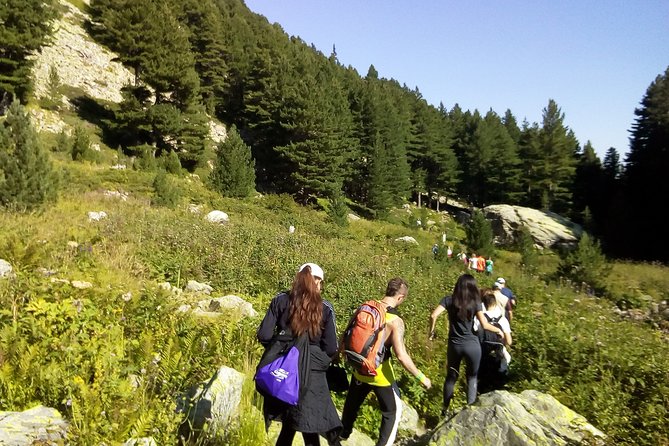
- Cherni Vrah from Aleko hut: the peak approach starts at altitude right away, so you’ll feel the climb from the first stretch.
- Season matching: summer hiking, winter snowshoeing, with no additional charge for the winter gear style.
- View payoff: expect wide panoramas over Sofia, plus directions toward Rila and the Balkan range.
- Dragalevtsi Monastery timing: you get about 30 minutes, so go with a short-attention-span mindset and focus on the main stop.
- Winter reality checks: on one snowy feedback day, a guide changed the start time because access road rules tightened when the lift wasn’t running.
Cherni Vrah from Aleko Hut: the hike that earns the views
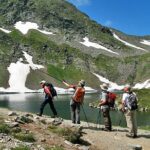
This tour’s heart is the climb to Cherni Vrah. You start on Vitosha from the Aleko hut with a private local mountain guide. That matters, because Vitosha is close enough to Sofia that the mountain can feel both wild and crowded at the same time. A guide helps you move with confidence—where to step, how to pace yourself, and what to watch for on the terrain.
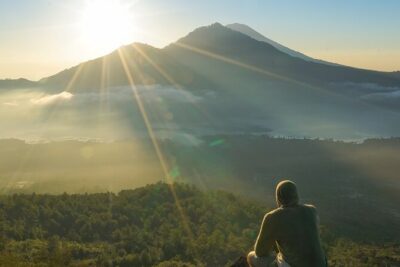
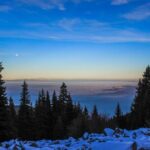
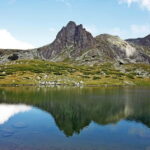
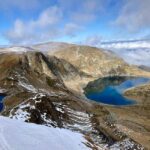
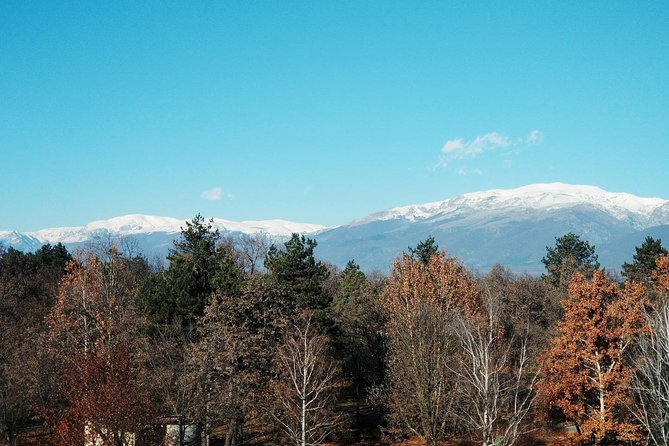
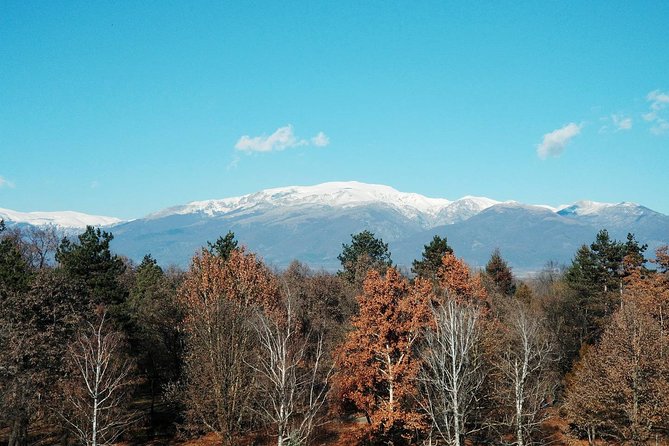
You’re not just chasing altitude for its own sake. The promise here is views in all directions: you’ll be up high enough to see Sofia laid out below, and on a clear day you’ll also get that longer look toward the Rila Mountains and the Balkan Mountains. Even if you’re not the type who stops for every photo, that kind of panorama reshapes the day. It also gives you a natural “turning point” moment—once you reach the top, the route becomes about slowing down, absorbing the air, and then heading back down.
Time on the mountain is listed at about 5 hours. In practice, that’s enough for a serious hike without turning the day into a long endurance mission. If you’re reasonably fit and can handle steady uphill walking, this is the kind of half-day peak trek that still leaves you energy for the rest of the itinerary.
You can also read our reviews of more tours and experiences in Sofia.
Aleko to the summit: how the guide makes the difference
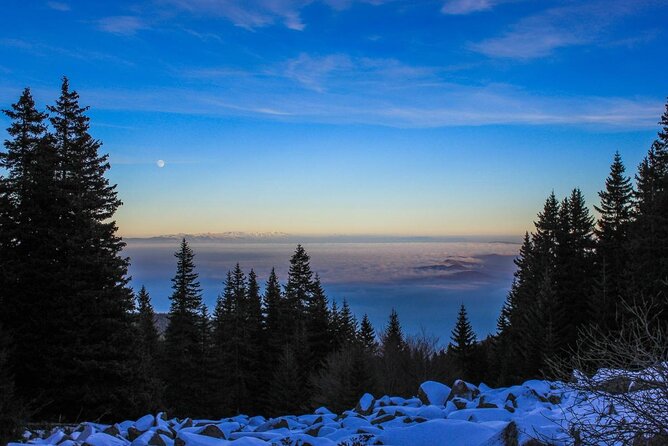
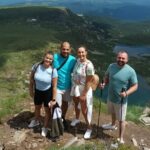
A name you may run into here is Tony, who led one feedback day and sounded flexible in real time. That flexibility is exactly what you want in mountain settings. Weather shifts quickly on Vitosha, and depending on the season and how busy things are, your best descent plan can change.
One useful example from the experience record: there was a day when the chair lift route was part of the descent plan. That’s not a guarantee you should plan your life around, but it shows the general idea. When something changes (crowds, timing, lift access), a good guide adapts so you don’t just slog down because you’re tied to one rigid script.
Summer trail vs winter snowshoeing: no extra charge, but dress for it
This is one of the most practical features. You can hike the summer route, and in winter you switch to snowshoes with no additional charge. That’s not just a nice perk—it’s a stress reducer. Instead of scrambling to rent or figure out equipment last minute, you show up and the day is matched to the season.
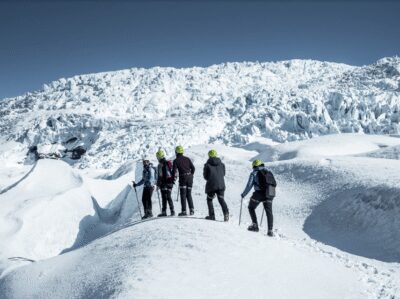
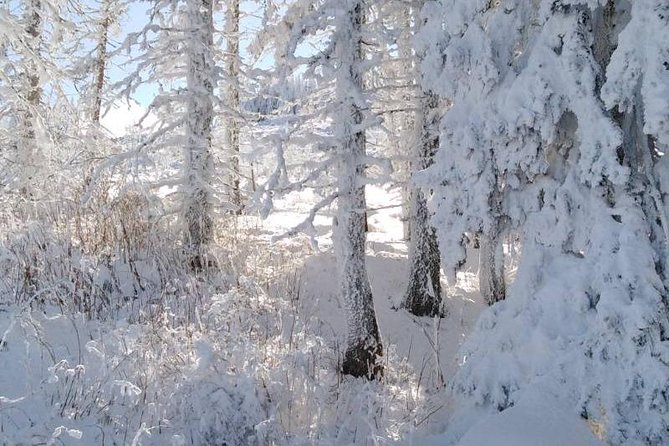
Winter on Vitosha also brings logistics and access quirks. In one feedback story, the lift wasn’t running, and police closed the mountain road after a certain number of cars each day. The guide (working around the situation) contacted the group to leave earlier, which helped them arrive before the road closure and before the trail got busy. That’s a perfect reminder: winter isn’t only about snow. It’s about timing and access.
So yes, expect snowshoe conditions in winter—but also plan to be proactive. If you’re booking, don’t treat the itinerary like a guarantee written in stone. You want layers, traction-ready shoes, and a mindset that the guide may shift timing when conditions require it.
Dragalevtsi Monastery in 30 minutes: what to do with the short stop
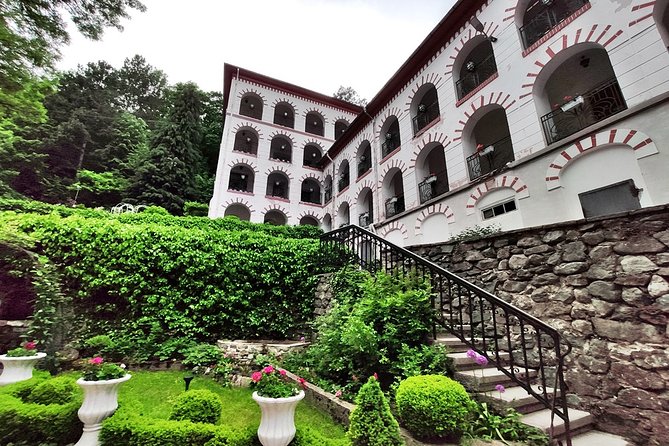
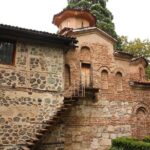
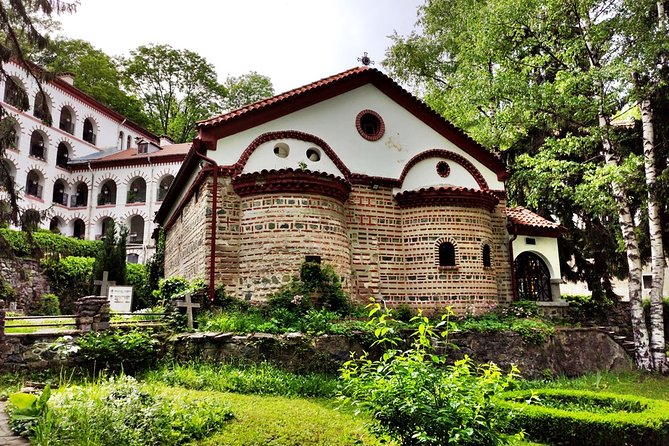
After the mountain, you get Dragalevtsi Monastery for about 30 minutes. The tour description calls it one of Bulgaria’s must-see monasteries, and that short timing makes sense. You’ll get the main highlight, but you won’t have unlimited time to wander every corner slowly.
Here’s my practical advice for this kind of monastery stop: treat it like a focused visit. Spend your time where your eyes naturally go first—church exteriors, key interior areas if open, and the surrounding vibe. If you go in expecting a full, all-day religious complex exploration, you’ll feel rushed. If you go in expecting a concentrated hit after hiking, it works.
Admission is listed as free for this stop. That’s good value, and it keeps the day simpler: you’re not paying extra once you’re already spending time on the hike.
The city and Sofia region stops: quick breaks, not a city tour
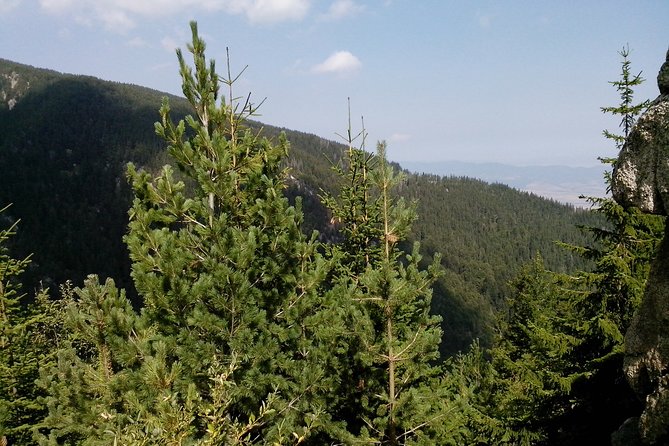
Sofia is included, but don’t expect a long sightseeing program. You get about 10 minutes in Sofia, plus about 20 minutes in the Sofia region. These are time-pocket stops that mainly help you transition between the mountain experience and the monastery/countryside feel.
In other words: your real “wow” time is the hike. The city and region pieces are there to round out the day and make the logistics smoother. If you’re the type who wants a deep city itinerary, you’ll likely want a separate walking tour in Sofia. If you’re looking for one day that swaps city streets for a real mountain climb, these short stops help keep it efficient.
You can also read our reviews of more hiking tours in Sofia
Price and logistics: why $34.88 can be a strong deal
The listed price is $34.88 per person, for an outing around 6 hours. That’s a surprisingly approachable price for a day built around a private guide experience, a long hike segment, and included mountain logistics.
What drives value here depends on which option you choose:
- If you choose the privately-guided option, transport is included, along with hotel pickup and drop-off, plus a private mountain local guide.
- The privately-guided option also includes an e-guide with the info you need.
If you choose self-guided, the tone changes. Pickup details are explicitly for the privately-guided option only. In the self-guided option, you’re sent instructions, plus an e-guide with information for convenience. That can still be good value, but you’re taking on more of the work.
So the deal can be excellent, or it can feel frustrating depending on your travel style. If you want someone handling the route logic, choose the private-guided mode. If you’re confident navigating public transport and trailheads, self-guided may be fine—just double-check everything before you set out.
Private-guided vs self-guided: pick the option that matches your patience
This is where you should be honest about how you travel.
If you want the easiest day
Choose privately-guided. Pickup and drop-off reduce stress. A guide handles the mountain details, and you’ll spend less time figuring out buses, trail access, and winter access rules.
There’s also a good pattern in the feedback: a coordinator named Hristo provided prompt confirmation for collection, and guide Tony arrived early. That kind of coordination helps the day start smoothly.
If you choose self-guided, plan for extra mental work
I’ll say this plainly: self-guided can work, but you have to be comfortable doing problem-solving.
In one negative experience, the self-guided traveler ran into conflicting access messages and trouble reaching the mountain using buses. They waited for a bus that didn’t appear, messaged for help with delayed response, and ended up taking taxis/asking locals to get to the mountain—then had to hike late in the day because they were concerned about last return timing. Another complaint in the same general direction: the provided Word file instructions weren’t seen as detailed enough, and there was an issue where a download link wasn’t accessible early enough.
I’m not telling you this to scare you off. I’m telling you because self-guided means you become your own logistics manager. If you hate that role on vacation, don’t pick self-guided.
What to expect during the day (and how to pace yourself)
The tour runs about 6 hours total. You’ll spend roughly:
- 5 hours on the mountain hike segment
- around 30 minutes at Dragalevtsi Monastery
- short transition times for Sofia and the Sofia region
That structure is actually helpful for planning your energy. You’re not hopping between multiple major attractions for hours. You’re doing one main activity—a peak hike—then two shorter culture/transition pieces.
A smart pacing tip: treat snacks and water as part of the hike plan, not an afterthought. Food and drinks are not included, and you’ll likely want something small to keep your energy steady during the climb and descent. One feedback day included a supermarket stop before the hike to buy snacks and water, which is the kind of practical move that prevents energy crashes.
Packing tips that keep the day comfortable
The tour info notes that warm clothes and shoes are usually needed. Listen to that. Vitosha is close to Sofia, but it doesn’t behave like a city park.
I’d pack:
- warm layers you can adjust
- hiking shoes with decent traction (especially in winter)
- a hat/gloves if weather looks cold or windy
- water and snacks (since they’re not included)
If you’re going in winter, remember the tour is snowshoe-based but the mountain can still feel icy or windy. Snowshoes help you move over snow, but they don’t cancel out cold fingers.
Who should book this hike—and who might want to rethink it
This tour is best for you if:
- you want a guided push up Vitosha’s top peak
- you care about getting meaningful panoramic views rather than a long list of stops
- you want one day that swaps Sofia city time for mountain air
- you appreciate the seasonal flexibility: hiking in summer, snowshoeing in winter
It may be less ideal if:
- you strongly prefer fully independent travel and hate checking instructions in advance (self-guided can be hit-or-miss depending on clarity and access timing)
- you want a long, deep monastery immersion and extended city sightseeing on the same day
- your schedule is extremely tight around early departures, since privately-guided starts are usually after 11:00 am (with rare exceptions agreed beforehand)
Should you book this Vitosha hike and monastery day?
I think you should book it if you want a value-packed day with a clear main goal: hike Cherni Vrah from Aleko, then do a focused visit to Dragalevtsi Monastery. The included guide and winter snowshoe approach are the kind of practical touches that make mountain time feel doable.
If you’re choosing between private-guided and self-guided, let your stress tolerance decide. I’d pick privately-guided for the smoothest experience, especially in winter when road access and lift operations can change. I’d pick self-guided only if you’re comfortable handling transport/trailhead navigation and you’re willing to double-check instructions before you leave.
In short: book for the mountain day. Skip it only if you’re looking for a slow, unhurried multi-attraction sightseeing circuit.
FAQ
What does the tour cost?
The tour is priced at $34.88 per person.
How long is the experience?
It lasts about 6 hours total, with around 5 hours spent on the mountain portion.
Is pickup included?
Hotel pickup and drop-off are included only for the privately-guided option. For the self-guided option, you’ll be sent instructions.
Do I need to pay for the monastery or mountain entry?
The mountain stop includes an admission ticket. The Dragalevtsi Monastery stop lists admission as free. The city and Sofia region stops also list admission as free.
Can I do this in winter?
Yes. The hike can be done in winter with snowshoeing at no additional charge.
What happens if weather is poor?
The experience requires good weather. If it’s canceled due to poor weather, you’ll be offered a different date or a full refund.
Are children allowed?
Children must be accompanied by an adult, and most travelers can participate.