REVIEW · SOFIA
From Sofia: The Seven Rila Lakes Full-Day Hiking Tour
Book on GetYourGuide →Operated by Traventuria Ltd. · Bookable on GetYourGuide
Snow-covered Rila can be magical. This full-day outing from Sofia heads into the Rila Mountains to chase the Seven Rila Lakes area, with a chairlift stop at Panichishte when it’s running. I especially like how the itinerary is built around real mountain weather: when winds or lift problems hit, your guide adjusts the plan to keep the group moving safely. The other big win for me is the chance to see Rila National Park from up high, even when the lakes are under a thick blanket of snow.
The one drawback is practical: in winter and spring, the lakes themselves are not visible, and if the chairlift is closed the walk can get long and tough (more than 17 km, with a steep climb both ways). If you sign up without solid waterproof gear and a good fitness level, this day can feel more like a mountain challenge than a sightseeing stroll.
In This Review
- Key things that make this tour worth your time
- Why Rila’s Seven Lakes feel different from other day hikes
- Sofia to the trailhead: timing, pickup, and lift-ticket reality
- From the mountain hut onto the trail: what you’ll hike and why it’s worth it
- The big weather lesson: what happens when wind closes the lift
- The guide factor: professional mountain leadership and real-world pacing
- Panichishte chairlift: how to enjoy it without losing time
- Rila Monastery as an optional culture break
- What to pack: the winter gear checklist that actually matters
- Fitness reality check: who this tour suits best
- Price and value: is $47 a smart buy from Sofia?
- Should you book this Seven Rila Lakes tour from Sofia?
- FAQ
- How long is the Seven Rila Lakes full-day tour from Sofia?
- Where do I meet the group in Sofia?
- Is the chairlift included in the price?
- Do I get food during the tour?
- Will I be able to see the seven lakes in winter and spring?
- What happens if the lift doesn’t operate because of wind?
- Is this tour suitable for kids or anyone with mobility issues?
Key things that make this tour worth your time
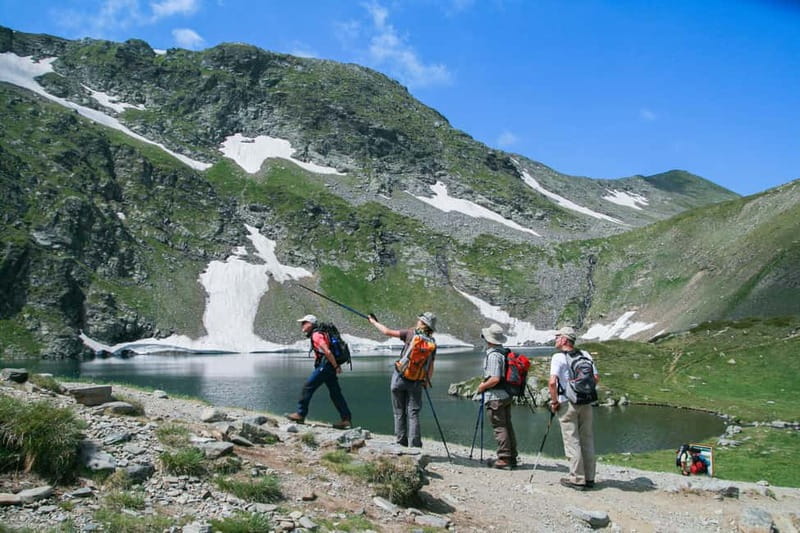
- Sofia to Panichishte, one smooth push: round-trip transportation plus a lift hop that saves real energy when it’s available
- Seven named lakes on the route: Eye, Tear, Kidney, Twins, Trefoil, Fish Lake, and Lower Lake (depending on conditions)
- A guide in charge when weather shifts: strong winds can change how many lakes you reach
- Snow-panorama instead of lake views in winter: you’re going for white scenery, not reflections
- Optional Rila Monastery stop: a culture break if your chosen option includes it
Why Rila’s Seven Lakes feel different from other day hikes
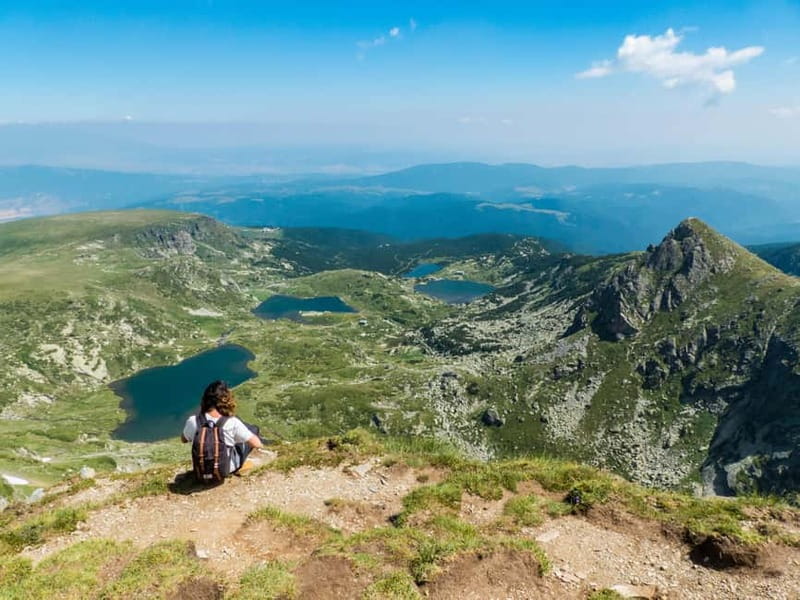
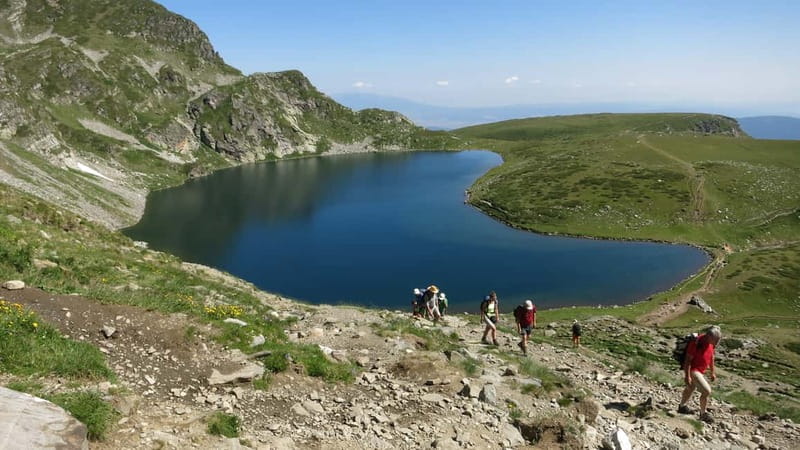
The Seven Rila Lakes sit high in the Rila Mountains, roughly between 2,100 and 2,500 meters (6,900–8,200 feet). That altitude matters. You’ll feel the cooler air early, the slopes will wear on your legs, and the scenery changes fast as you gain height.
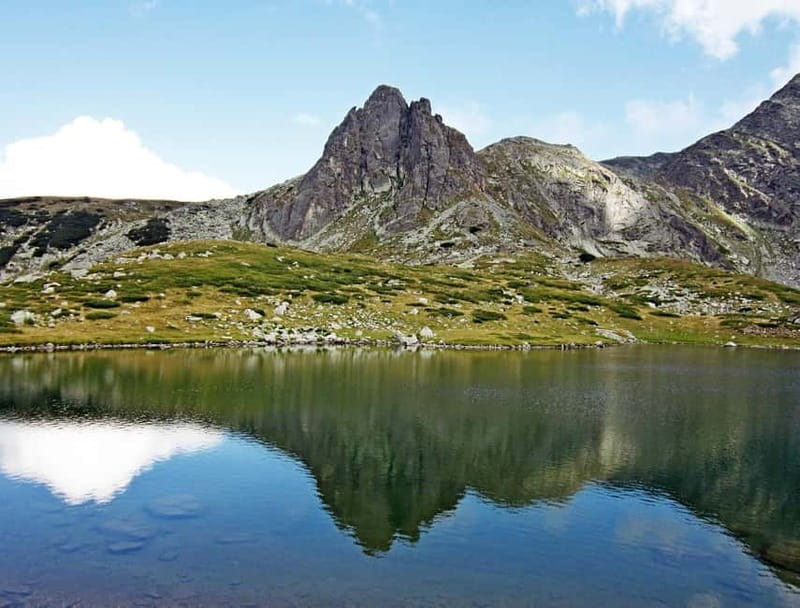
What makes this trek stand out is the way the lakes are treated on the trail: you’re not just walking between random points. You’re hiking through a sequence of named spots—Eye, Tear, Kidney, Twins, Trefoil, Fish Lake, and the Lower Lake. Even if you don’t count every view like a checklist person, the naming helps you understand what you’re looking at.
And then there’s the seasonal reality. In winter and spring, the lakes are under ice and snow. That means the famous water views are replaced by a bright, wintry panorama—beautiful in its own way, but different from the classic postcard look you might expect in autumn.
You can also read our reviews of more hiking tours in Sofia
Sofia to the trailhead: timing, pickup, and lift-ticket reality
Plan for a long day. The trip runs 10 to 12 hours, and that includes coach time on curvy mountain roads. The schedule includes long bus segments and chairlift/cable car time—around 45 minutes each way on the lift part when it’s operating.
Your meeting point is set at Vasil Levski Monument (Embassy of Slovakia). From there, the group boards the coach and heads out toward the Panichishte resort area, where the chairlift can take you up.
Here’s the bit that catches people off guard: the return chairlift tickets cost 31.30 BGN (paid in cash on the spot). The operator handles the logistics, but you still need cash ready for that lift portion. If you’re used to tours where everything is bundled, this is one extra step.
Lift lines are also a real possibility in peak conditions. It’s not a deal-breaker, but it can add time to the day, which matters because the hike itself is already fairly time-boxed.
From the mountain hut onto the trail: what you’ll hike and why it’s worth it
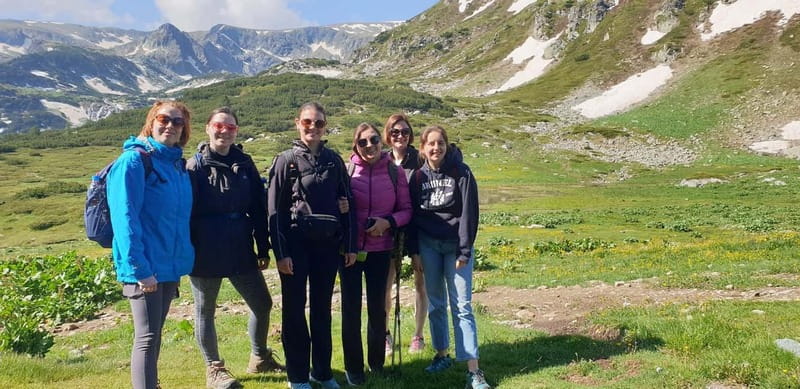
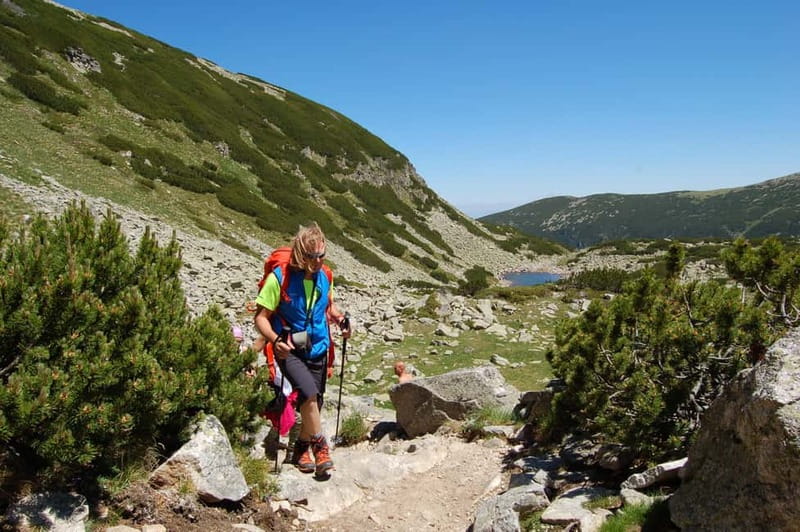
Once you reach the high area near the lift, you continue on foot to explore the lake circuit. In the hiking block, you’re looking at around 4.5 hours of walking time in the main schedule, plus time for stops, views, and regrouping.
The early part tends to feel like work—especially if there’s wet snow or packed ice. One common theme from the way the hike is described is that the first climb can be slippery if conditions are icy or slushy. That’s not the moment to test your shoe choice.
After the steeper start, the trail often shifts into something more manageable, where you can focus on pacing and on spotting the smaller “micro-views” between ridgelines. In good visibility, that’s where you get the sweeping mountain views. If weather rolls in (fog, wind, or low clouds), your guide becomes even more important, because route choices and timing matter.
In autumn and early fall, you’re much more likely to see the full range of lake scenery. In winter/spring, you should mentally switch goals: instead of hunting for water, you’re admiring the white terrain and the way peaks and ridges frame the snowfield.
The big weather lesson: what happens when wind closes the lift
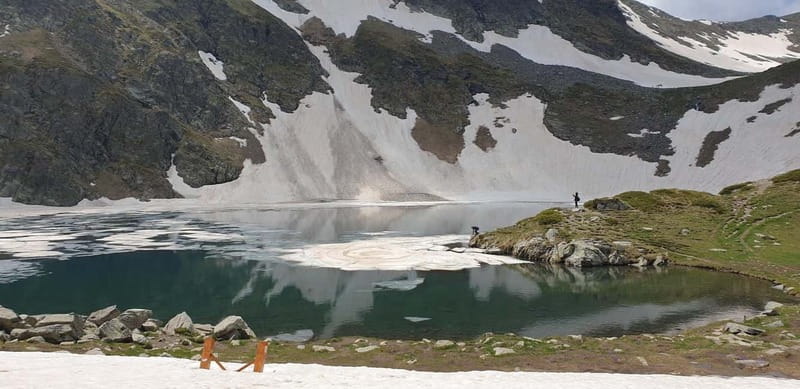
This is a winter expedition in the strongest sense of the word. Knee-deep snow is possible, and mountain weather can flip quickly. Because of that, your guide has absolute authority over the itinerary to protect the group.
If the chairlift is affected by strong winds, rain, or maintenance, expect one of these outcomes:
- The tour may be restricted to the lower lakes or shift to time at a warm mountain hut
- If the lift is fully closed, the walking distance can rise to over 17 km, with altitude gain of about 1,000 meters (3,300 ft) in each direction
- The number of lakes visited can be cut short to stay within safety limits
This is also why pace is never “one-size-fits-all.” Your group will be international, and people vary a lot in hiking stamina. The best guide strategy here is to keep moving steadily, regroup when needed, and adjust expectations based on the day—not based on wishful thinking.
If you’re coming specifically to see all seven lakes, the practical takeaway is: autumn is your best bet for visibility, while winter is for the snowy version of Rila.
The guide factor: professional mountain leadership and real-world pacing
This tour leans hard on guided decision-making. You’ll have an English-speaking guide depending on the option you choose, and in general, you’re getting a guide who stays with the group throughout the hike (unless you select a self-guided variation).
I like this approach because it’s not just “point at things.” In rough weather, your guide decides whether the group goes for the full higher route or takes the safer, shorter plan. That decision affects both views and effort level.
The names you might encounter vary by day and staffing, but several guides show up in the operator’s lineup—people like Radi, Dimitar, Radoslav, Maya, Ivo, Bojan, Megi, and Maggie. You can’t assume a specific name, but you can assume the same core role: keep the group safe, keep it moving, and translate the trail into something you can actually read.
There’s also an audio guide option included in some variations, with languages such as English, French, German, Italian, Russian, and Spanish. That can be a nice backup if you like to listen while walking, but still want the live guide for route calls and safety.
A few more Sofia tours and experiences worth a look
Panichishte chairlift: how to enjoy it without losing time
The chairlift at Panichishte is a big part of the fun because it turns the day into a climb with a view. It also saves energy. When it’s operating, you get dropped higher so the hiking portion doesn’t eat your whole day.
When it’s down, the day changes character fast. The lift isn’t just a ride—it’s a way the day stays within a workable distance. That’s why the tour’s “safety-first” design is so important here.
If you’re afraid of heights, take the “not suitable” note seriously. Even if you’re not terrified, the open chair/lift experience can be stressful. This is one of those tours where your emotional comfort is part of safety.
Rila Monastery as an optional culture break
If you choose an option that includes it, you’ll also stop at Rila Monastery. It’s a common pairing with the hike because it breaks up the physical day with something meaningful and historically grounded.
There’s also a very practical clothing note: in cases where people arrive without proper coverage, guides may provide items like scarves to help cover shoulders and knees. So if you’re planning this on a day when you want to hike hard in trail gear, it’s worth bringing something that works for both mountains and a monastery entrance.
Think of the monastery stop as the “slow down” part of the day—an opportunity to reset your legs and give your brain a break from snow and uphill rhythm.
What to pack: the winter gear checklist that actually matters
This tour is strict for a reason. Waterproof clothing and robust boots are not optional in winter. The reality is knee-deep snow can happen, and wet slush plus cold wind is a fast way to ruin a day.
What to bring (high value, not “nice to have”):
- Waterproof hiking shoes or boots with real tread
- Windbreaker and jacket (mountain wind cuts fast)
- Rain gear, just in case the weather turns
- Sunglasses and hat (snow glare can be brutal)
- Sunscreen
- Quick-dry layers / outdoor clothing that won’t soak through
- Trekking gear (especially if you like hiking poles)
One more thing: food and drinks are not included. You’ll want snacks and water for a long mountain day, especially since kiosks can be limited once you’re up on the route.
Also note what’s not allowed: high-heeled shoes, baby strollers, unaccompanied minors, slippers, and alcoholic drinks in the vehicle. It’s about safety and control, not policing.
Fitness reality check: who this tour suits best
This is not an “easy hike” tour. It’s not designed for people with low fitness, and it’s not a good match if you:
- are under 12
- are pregnant
- have mobility impairments or use a wheelchair
- are afraid of heights
- have altitude sickness issues
- struggle with steep, sustained uphill walking
The itinerary can be demanding even in good conditions, and it gets harder if the lift stops and you end up walking more than planned. If you’re unsure, be honest about your hiking background. If you can handle a steep climb for a few hours with breaks, you’re in the right zone.
Price and value: is $47 a smart buy from Sofia?
At $47 per person, this is a good-value day trip when you factor in what you’re buying. You’re paying for round-trip transport from Sofia, a guided mountain experience (when you choose guided), and time-efficient use of the chairlift when it runs.
But it’s not a fully all-in price. The return chairlift ticket (31.30 BGN cash) is separate. Food and drinks aren’t included either. And trekking equipment isn’t included, though the operator may have some gear available for rent.
So the value equation looks like this:
- If you want a structured, safety-managed day with interpretation and route adjustments, the $47 makes sense.
- If you’re comfortable navigating on your own, you might compare your costs against self-guided options.
- If you’re going in winter, remember the lakes may be hidden under snow, so your expectation should shift from water views to snow panoramas.
For most hikers who like organization—and don’t want to gamble with weather decisions alone—this is strong value.
Should you book this Seven Rila Lakes tour from Sofia?
If you want an efficient, guided way to reach the Rila high country, I’d book it—especially if you’re visiting Sofia and want one big outdoor day that feels like Bulgaria’s mountain identity. I’d also book the guided option if you’re the type who likes learning while walking and you want a plan that can flex when wind and snow hit.
But I would not book (or I’d adjust expectations) if:
- you need to see the lakes as open water (winter/spring won’t deliver that)
- you don’t have solid waterproof gear
- you’re not ready for steep climbs and long walking days
- heights or altitude concerns are real for you
Pick your season with your goal in mind: autumn for classic lake visibility, winter for the white, dramatic Rila scene.
FAQ
How long is the Seven Rila Lakes full-day tour from Sofia?
The tour lasts about 10 to 12 hours from start to finish.
Where do I meet the group in Sofia?
The meeting point is Vasil Levski Monument (Embassy of Slovakia).
Is the chairlift included in the price?
The chairlift is not fully included. You’ll need to pay return chairlift tickets (31.30 BGN) in cash on the spot.
Do I get food during the tour?
No. Food and drinks are not included, so plan to bring snacks and water.
Will I be able to see the seven lakes in winter and spring?
Not really. In winter and spring, the lakes are not visible because they are covered by ice and snow.
What happens if the lift doesn’t operate because of wind?
Your guide will adjust the plan. You may visit only the lower lakes or stop at a warm mountain hut. If the lift is closed, walking can exceed 17 km and the difficulty increases.
Is this tour suitable for kids or anyone with mobility issues?
No. It’s not suitable for children under 12, pregnant women, people with mobility impairments, or wheelchair users.