REVIEW · POKHARA
Pokhara: Easy Day Hike to Australian Camp & Dhampus Village
Book on Viator →Operated by Linkage Tours & Travels · Bookable on Viator
Australian Camp without a multi-day trek sounds good, because this Pokhara day hike strings together Annapurna panoramas and real village life without dragging your whole day into the hills. It’s the kind of outing that feels like a shortcut to a classic view.
I especially like the Australian Camp segment, with time at the top for mountain-watching and clear-sky photo moments. I also like that Dhampus gives you a second, calmer chapter of the day with traditional Gurung culture and a short village stop (about an hour).
One consideration: the hike includes plenty of stairs and uphill effort, so even if it’s billed as easy, it can feel tiring if you’re not used to stepped trails.
In This Review
- Key Points at a Glance
- How the Day Hike Route Really Flows (Kande to Australian Camp to Phedi)
- Lakeside Pokhara Pickup and the 8:15 Start Time
- The Drive to Kande: Warming Up Without Wasting Hours
- Climbing to Australian Camp: The Views Earn Their Reputation
- A practical note on effort
- Lunch at the Camp: More Than a Meal Stop
- What to focus on while you’re up there
- Trek Down to Phedi: The Second Half of the Workout
- Phedi Back to Pokhara: Convert the Legs into Relax Time
- Dhampus Village for One Hour: Culture in a Manageable Dose
- How to enjoy the village part without turning it into awkward mode
- The Guide Factor: When Friendly Helps More Than You Think
- What I’d look for from your guide
- How Hard Is It, Really? Steps, Time, and Realistic Expectations
- Price and Value: Why $58 Can Actually Make Sense
- What to Bring for a Clear-View Day (Without Overpacking)
- Should You Book This Australian Camp and Dhampus Day Hike?
- FAQ
- Where do we meet and is pickup included?
- What time does the tour start?
- How long does the hike take?
- How long is the trek to Australian Camp?
- Is there an admission fee for Australian Camp and Dhampus?
- Is this tour private?
- Are service animals allowed?
- Can I cancel for free?
Key Points at a Glance
- Pickup and return are built in: start from Lakeside Pokhara and end back where you meet.
- Two big walking blocks: climb to Australian Camp, then trek to Phedi before driving back down.
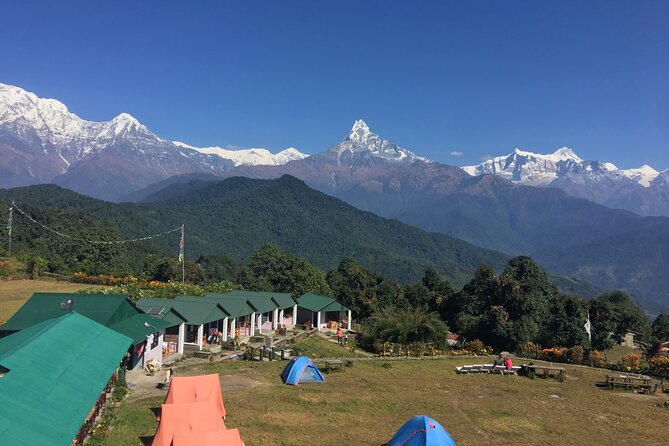
- Wide mountain view list: Machhapuchhre (Fishtail), Annapurna South, Hiunchuli, Annapurna II/IV, Lamjung Himal, and more.
- Dhampus Village is the cultural counterweight: quick access to daily life in the Annapurna countryside.
- Your best views depend on the sky: a clear day can turn the camp into pure sightseeing.
- Guides matter here: people have praised guides like Bidur, Santosh, and Sadichchha for keeping things friendly and easy to follow.
How the Day Hike Route Really Flows (Kande to Australian Camp to Phedi)
This is one of those Pokhara hikes that’s long enough to feel like you earned the views, but short enough to still act like a day trip. You’ll drive from Pokhara to Kande, then hike up to Australian Camp, and later work your way down toward Phedi for the ride back.
What makes the route smart is the pacing. You get a solid uphill push early, a well-timed pause at the camp for views (and lunch time), and then a second hiking stretch down before you’re back in the city. If you like hikes with clear endpoints, this one has them.
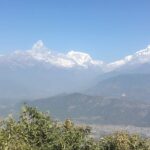
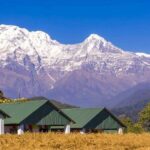
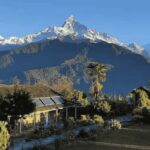
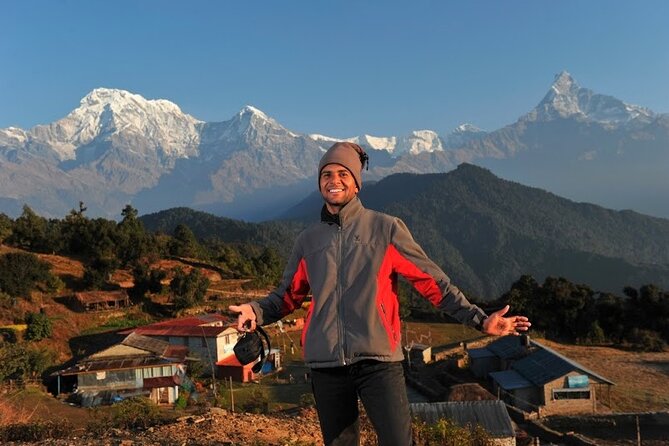
The mountain scenery is the headline. From Australian Camp, you can look toward Machhapuchhre (Fishtail) plus a whole cluster of Annapurna-region peaks including Annapurna South, Hiunchuli, Annapurna II and IV, and Lamjung Himal. Even if you can’t name every peak on sight, your eyes will still understand what’s happening: a wide, stacked view you don’t get from town.
Lakeside Pokhara Pickup and the 8:15 Start Time
The day begins at Lakeside Pokhara 33700 with a start time of 8:15 am. If you’re staying near Phewa Lake, this is convenient because you’re not fighting for a meeting point far from the action.
This tour also includes pickup offered, and it ends back at the meeting point. That matters more than it sounds. When you return to the same area you started, you can keep your plans flexible after the hike—whether that’s coffee, a late lunch, or just watching people on the lakeshore for a while.
You’ll likely be in a small, organized group (this is listed as private, meaning only your group participates). That can make the hike feel less crowded and more relaxed, especially on the stepped sections where people naturally spread out.
The Drive to Kande: Warming Up Without Wasting Hours
Between Pokhara and the trailhead, you’ll take a vehicle to Kande. The value here is simple: you start walking when your legs are ready, not when your whole morning has already been burned on getting there.
Kande also acts like a mental reset. Once you step out, the day switches from city time to trail time quickly. If you’ve ever started a hike “already tired,” you’ll appreciate how this format limits that problem.
Climbing to Australian Camp: The Views Earn Their Reputation
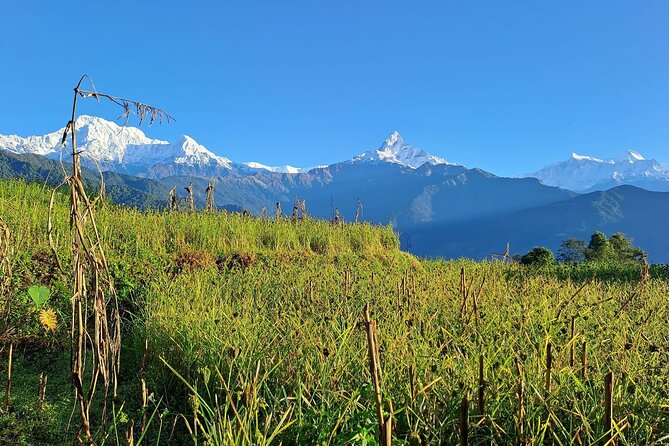
The hike up to Australian Camp is the main effort of the day. From Kande, it takes roughly two hours to reach the camp area (and the stop is often listed around three hours once you factor in breaks and time at the top). Expect steps and uphill walking, and plan to move at your own pace rather than forcing it.
Here’s what you’re really climbing for: Australian Camp is known for big, dramatic panoramas of the Annapurna region. The view targets you’ll hear about include Machhapuchhre (Fishtail) and peaks like Annapurna South and Hiunchuli, plus Annapurna II and IV and Lamjung Himal. On a clear day, the mountains can look close enough to point at.
You’ll also get views connected to Sarangkot viewpoints. The important part for you is not the label—it’s the payoff. This route is built to give you a steady flow of sightlines, not just one “final view” after all the work.
A practical note on effort
Even when a trek is described as easy, the trail surface is what determines comfort. Step-heavy paths are often the reason people feel it more than the duration suggests. If your knees don’t love stairs, consider using a slower cadence and take short pauses before you need them.
Lunch at the Camp: More Than a Meal Stop
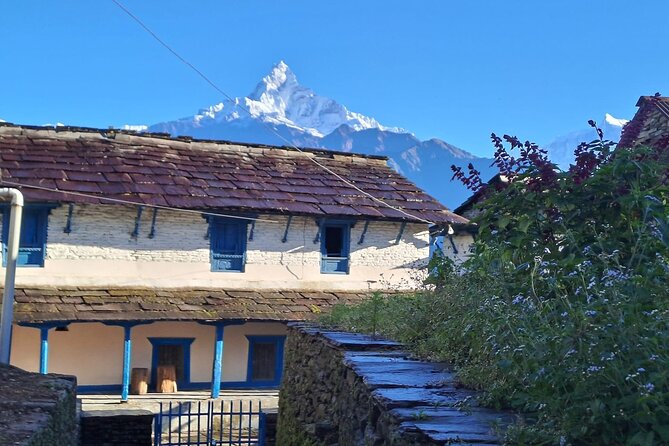
When you reach Australian Camp, you’ll have time to enjoy lunch with mountain views. Even if you’re not a “food breaks are my favorite part” person, this pause is what turns a walk into an experience.
At the camp, you’re not just eating. You’re doing that rare thing travel days don’t offer often: taking a full breath and letting the scenery land. This is also the moment to check the sky. If clouds are rolling in, you’ll want to spend your time watching their movement, not sprinting for photos.
What to focus on while you’re up there
You can keep it simple:
- Pick one peak and try to follow how it looks from different angles.
- Watch for changing visibility as clouds shift.
- Take photos, then put the camera down for a bit. Your eyes adjust better than your lens sometimes.
Trek Down to Phedi: The Second Half of the Workout
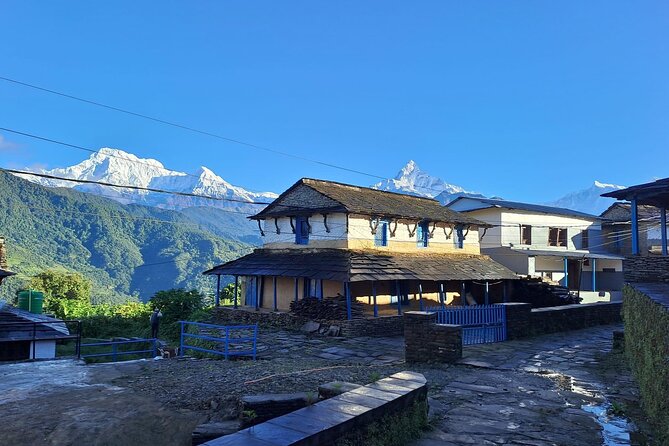
After your time at Australian Camp, you’ll trek to Phedi, which takes about two hours. This section is still walking, but it’s a different kind of effort—less “climb your heartbeat” and more “stay steady on descents.”
Descent days can be tricky because your legs do a lot of braking. If you’re prone to shin or knee discomfort, it helps to keep steps shorter and avoid long strides. Also, remember you’re saving energy for the pickup back to Pokhara.
This is also a nice rhythm shift: your focus becomes the trail underfoot and the village transitions around you, rather than only peak spotting. If you like the human side of Nepal—houses, farming edges, everyday movement—this is where you’ll start noticing it more.
Phedi Back to Pokhara: Convert the Legs into Relax Time
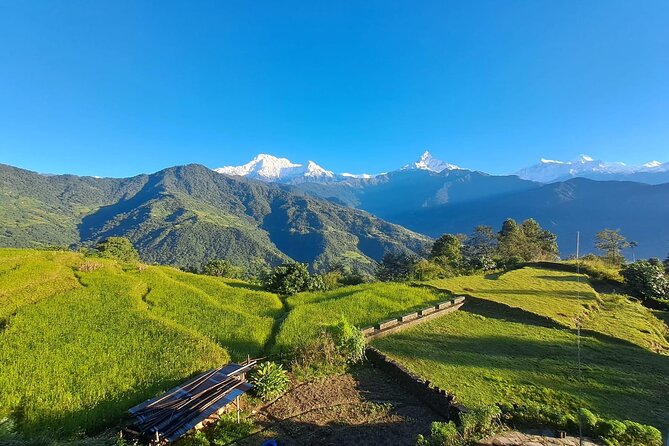
Once you reach Phedi, your vehicle picks you up and drives you back to Pokhara. That’s a real value point. Many “day hikes” end with another long transfer, which can turn your evening into a travel scramble.
Here, you finish while you still have daylight and energy. It’s a good setup if you want to keep your day anchored in Pokhara afterward—lakeshore wandering, a rest stop, or simply recovering with a view.
Dhampus Village for One Hour: Culture in a Manageable Dose
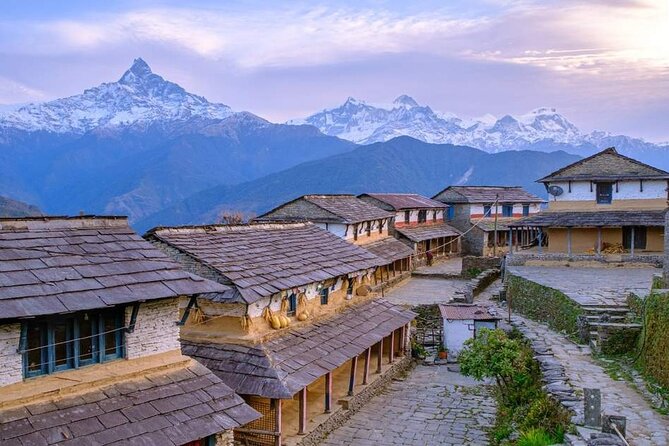
The itinerary includes a stop at Dhampus (Dhampus Village) for about one hour, with admission listed as free. This is a key reason the hike feels like more than a scenic walk: it adds a glimpse of how people live in the Annapurna countryside.
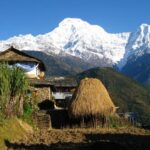
Dhampus is known for trekking trails and traditional Gurung culture. In practical terms, that means the village stop isn’t just a photo pause. You’re walking through a place that has locals working, moving, and living their normal rhythm—so you get more “how this place functions” and less “tourist stage set.”
How to enjoy the village part without turning it into awkward mode
Keep it respectful and low-pressure:
- Watch how people go about daily tasks.
- Ask before you take close photos.
- Keep interactions brief if you’re not sure how people prefer to engage.
If you’re traveling with family or you want variety after the climbs, this stop is a smart balance.
The Guide Factor: When Friendly Helps More Than You Think
Even on an easy-feeling route, a good guide changes the day. People connected with this experience have praised guides such as Bidur, Santosh, and Sadichchha for being friendly, chatty, and helpful. The big takeaway for you: you’re more likely to understand what you’re looking at and how to time your stops if your guide talks it through.
One review note that’s worth your attention: clear English matters here. If your guide’s English is easy to follow, you’ll spend less effort translating in your head and more energy actually enjoying the hike.
What I’d look for from your guide
- Simple explanations of what you’re seeing at each view point.
- A pacing style that doesn’t leave you behind.
- Comfort with questions, especially about village life and peak names.
How Hard Is It, Really? Steps, Time, and Realistic Expectations
This outing runs about 5 to 7 hours total. That range makes sense because time depends on how fast your group moves, how long you linger at viewpoints, and weather conditions.
The tour is described as an easy option in the Annapurna region, especially compared to longer trek routes. Still, the stepped nature of trails is where comfort can vary. One clear-sky day can make the climb feel like a pleasant trade for views. A hazy day can make even a short hike feel longer.
So I’d frame it like this:
- If you’re okay with steady uphill walking for a couple of hours, you’ll likely enjoy it.
- If you struggle with stairs or uneven steps, go slow and take breaks early.
The good news: the day includes stops. You’re not stuck “on the move” nonstop from start to finish.
Price and Value: Why $58 Can Actually Make Sense
The price is $58.00 per person. That number looks small compared to big multi-day treks, but value isn’t only about the ticket price. It’s about what’s packaged in.
From the information you have, you get:
- Pickup and drop-off around Lakeside Pokhara
- A guided structure for the Australian Camp climb and Dhampus stop
- Admission ticket included for Australian Camp
- Dhampus admission free
- A mobile ticket and group discount setup
- A private experience format where only your group participates
When you combine transport + ticket inclusions + guided timing, $58 can feel fair—especially if you’d otherwise have to figure out local transport and pay entrance costs separately.
One caution on value: the “views” component depends on weather. If clouds swallow the peaks, the experience becomes more about hiking and village atmosphere than the skyline show. That’s not the tour’s fault, but it’s something to factor in.
What to Bring for a Clear-View Day (Without Overpacking)
You can’t control the weather, but you can control your comfort. For a trail like Australian Camp and Dhampus, I’d plan for:
- Comfortable footwear made for steps
- A light layer for early morning chill
- Water and a snack for the walk (you’ll have a lunch time at the camp, but you’ll still want energy for the hiking stretches)
- Sun protection if the morning clears up
Also, be smart about timing your photos. If the sky is decent, you’ll want to spend a little extra time at the camp. If it’s not, don’t waste the entire day staring upward in disappointment—enjoy Dhampus, notice the village details, and keep the pace steady.
Should You Book This Australian Camp and Dhampus Day Hike?
I think this is a solid choice if you want an Annapurna views hit without committing to multiple days on a trail. The route is well-shaped for day-hike travelers: drive to Kande, climb to Australian Camp, take in the peaks, trek down to Phedi, then finish with a village stop at Dhampus.
Book it if:
- You like half-day hiking plans with clear start and end points.
- You want mountain scenery plus some cultural time.
- You’re comfortable with steps and can pace yourself.
Skip it (or adjust expectations) if:
- Your hiking ability is limited by stairs or descents.
- You’re traveling during a season where skies are often cloudy and you’ll feel disappointed without the peak show.
If you do book, arrive with a flexible mindset. The best payoff comes when you treat Australian Camp like an outdoor viewing room and Dhampus like your chance to understand how life carries on in the hills.
FAQ
Where do we meet and is pickup included?
You meet at Lakeside Pokhara 33700, Nepal. The experience also offers pickup, and it ends back at the meeting point.
What time does the tour start?
The tour start time is 8:15 am.
How long does the hike take?
Plan for about 5 to 7 hours total.
How long is the trek to Australian Camp?
From Kande, the trek to Australian Camp takes about 2 hours. The Australian Camp stop is listed as about 3 hours total when you include time at the camp.
Is there an admission fee for Australian Camp and Dhampus?
Australian Camp has an admission ticket included. Dhampus lists admission free.
Is this tour private?
Yes. It’s listed as a private tour/activity, so only your group participates.
Are service animals allowed?
Yes. Service animals are allowed.
Can I cancel for free?
Yes. You can cancel for a full refund up to 24 hours in advance of the experience start time.