REVIEW · POKHARA
Pokhara: Annapurna Foothills Day Hike with Transfers
Book on GetYourGuide →Operated by Snow Peak Tours and Travels pvt.ltd. · Bookable on GetYourGuide
Pokhara gets the Himalayas up close in one day. What I like most is the easy rhythm from Kande to Australian Basecamp for big views of Annapurna and Machhapuchhre, and the chance to slow down in Dhampus with real Gurung village life, not just a photo stop. It’s a simple plan with thoughtful guidance, especially if you’re new to trekking.
The main thing to plan around is weather. When clouds roll in, you might get less of the Annapurna range than you hoped, so keep your camera ready but don’t build the whole day around perfect visibility.
In This Review
- Key Things to Know Before You Go
- Why This 8-Hour Hike Works Well in Pokhara
- Getting Set: Pick-Up Options and How the Day Starts
- Stop 1: Kande to Australian Basecamp Viewpoint
- Stop 2: Australian Basecamp Trail Head and the Dhampus Village Experience
- Stop 3: Phedi/Ghattekhola Descent and the Forest-Farmland Fade-Out
- The Walking Style: Beginner-Friendly, But Still Real Hiking
- Guides and the Culture of a Good Day Hike
- Price, Inclusions, and Where the Real Costs Show Up
- Timing: How to Make the Most of a 1-Day Plan
- What To Expect If the Mountains Are Hidden
- Who This Tour Is Best For (and Who Should Skip It)
- Should You Book This Pokhara Day Hike?
- FAQ
- How long is the Pokhara to Annapurna foothills day hike?
- Where can I be picked up in Pokhara?
- What route does the hike follow?
- Is lunch included?
- What’s included in the price?
- What languages does the guide speak?
- Is this hike suitable for wheelchair users or mobility impairments?
Key Things to Know Before You Go
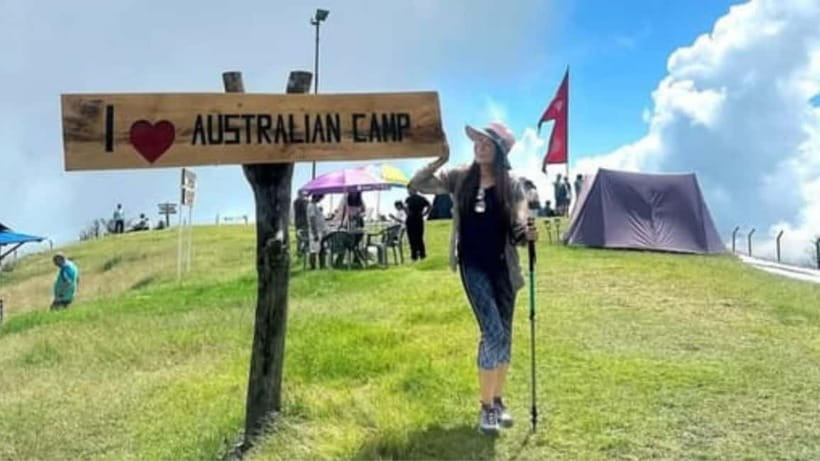
- Kande to Australian Basecamp is the big viewpoint moment, paced as a guided hike with time to rest and take photos.
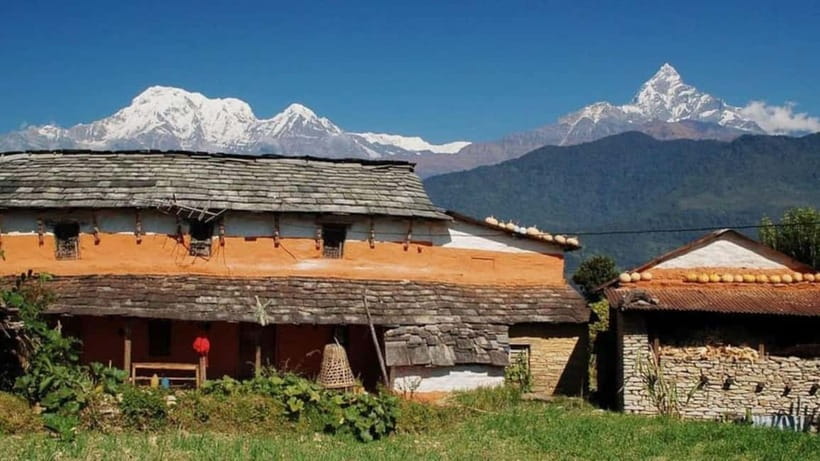
- Dhampus village adds culture: you can interact with locals and learn how the Gurung community lives.
- Terraced fields + forest sections mean changing scenery underfoot, so good shoes matter.
- Guides make or break the day: names like Moti Thapa and Kiran show up in the kind of service you want—polite, relaxed, and full of local detail.
- You’re back in Pokhara the same day thanks to a private transfer from the trail end (Phedi/Ghattekhola) instead of an overnight trek.
Why This 8-Hour Hike Works Well in Pokhara
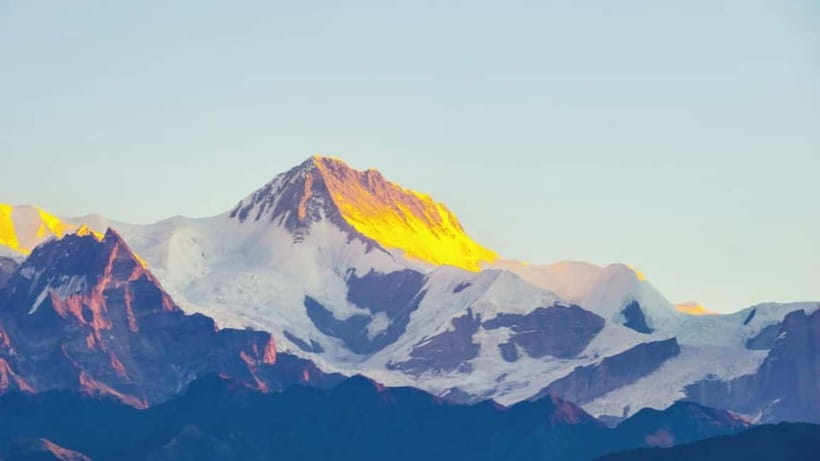
This is the kind of trip that fits the reality of travel: you want Himalaya scenery, you want some fresh air, and you don’t want to sign up for an entire week of logistics. Starting in Pokhara and using transfers to handle the longest road bits keeps the day focused on walking and views rather than timing buses and hunting rides.
The total time is listed as 8 hours, which usually means a mix of drive time, guided hike time, and a couple of stops where you can just look. It’s also private group format, so you’re not stuck with a mismatched pace or someone who treats the trail like a treadmill.
Value-wise, $48 per person is reasonable for what you get: pick-up and drop-off around Lakeside/Sarangkot, a government-certified English-speaking guide, private vehicle transfers (to Kande and back from Phedi), and a bottle of water. Lunch and beverages are not included, so you’ll want to plan your food strategy before the day starts.
Getting Set: Pick-Up Options and How the Day Starts
The day begins with pick-up from one of three areas:
- Sarangkot
- Pokhara Lakeside
- Lakeside Rd 6
This matters more than it sounds. Pokhara Lakeside is convenient if you’re staying near the action, while Sarangkot can be easier if you’re already using that area for sunrise views. If you’re tired of taxis that do the “slow tour” thing, the structured pick-up helps you get moving.
You’ll also have an English, Hindi, or Nepali live guide, depending on what’s arranged. In practice, having a guide who can explain what you’re seeing is the difference between collecting scenery and actually understanding it—especially when you walk through forest, farmland, and a village with ongoing daily life.
Stop 1: Kande to Australian Basecamp Viewpoint
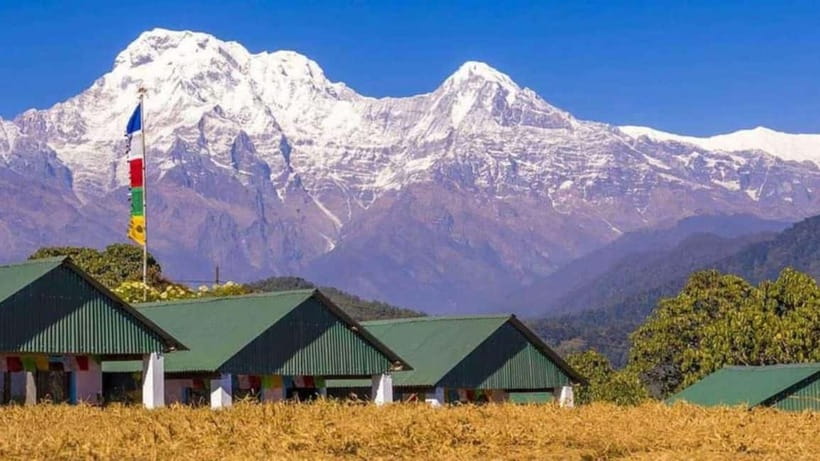
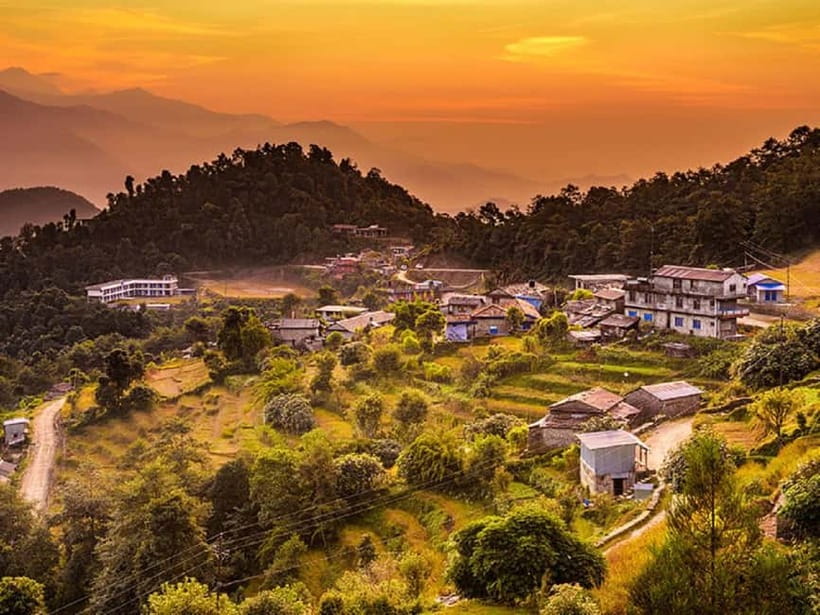
The hike portion starts after a scenic drive from Pokhara to Kande. From there, you’ll walk through a mix of lush forests, terraced fields, and village sections. This variety is one of the best reasons to choose a day hike like this. You’re not just climbing toward a single view and then turning around. You’re moving through different “mini-worlds” as the day goes on.
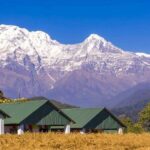
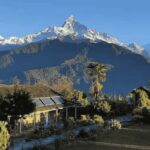
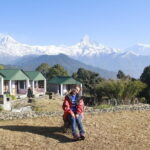
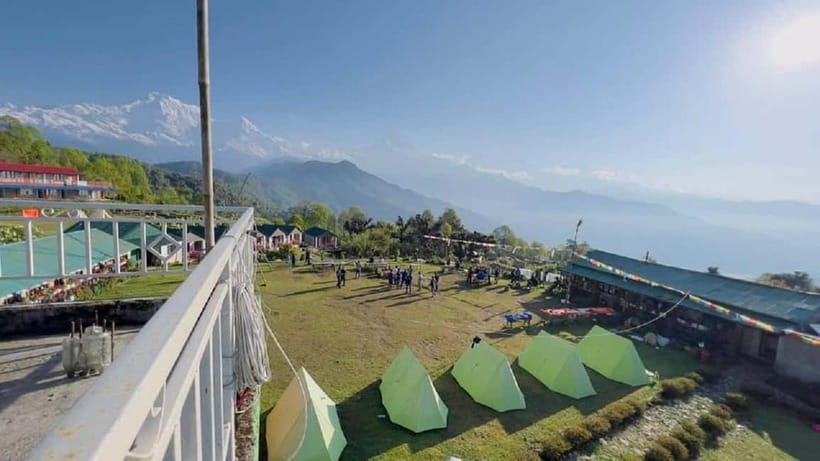
Then comes the big target: Australian Basecamp viewpoint. You get about 1.5 hours here as a guided tour with time to hike a bit, rest, and take photos. The real payoff is the mountain view—Annapurna in the distance and Machhapuchhre (Fishtail), which is one of those shapes you recognize instantly once you’ve seen it.
Practical tip: If the sky looks moody in the morning, don’t panic. Clouds can shift. A good guide will help you time your best viewing moments without turning the day into a waiting game.
What can slow you down here is simply enjoyment. People tend to linger at the viewpoints, and that’s not a bad problem. It just means you should wear a hat and expect breaks, not a race.
Stop 2: Australian Basecamp Trail Head and the Dhampus Village Experience
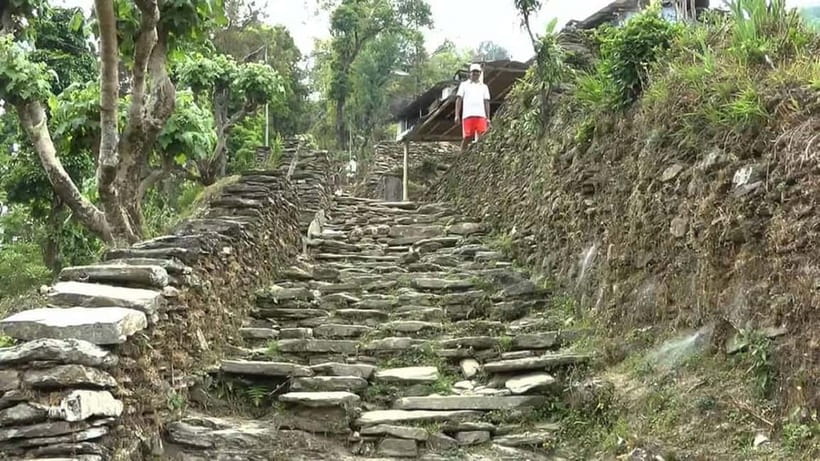
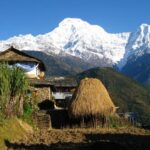
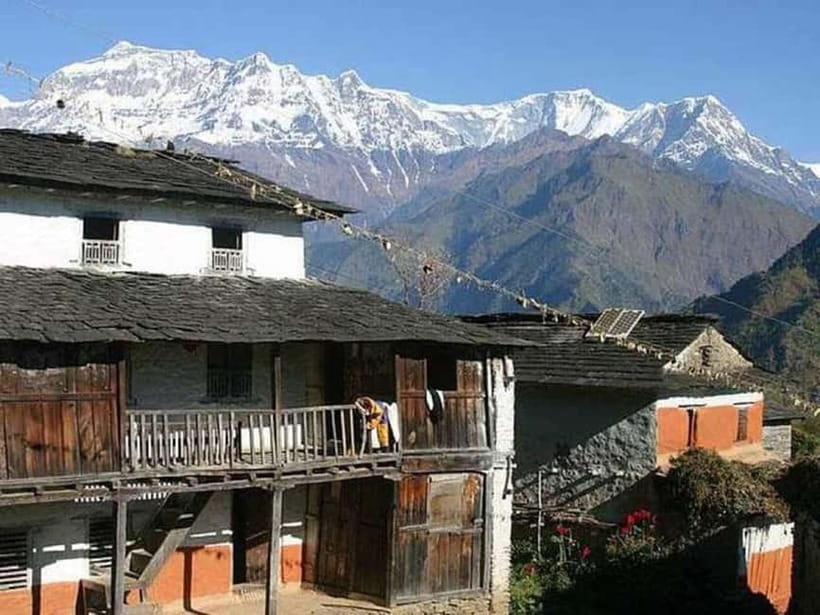
From the viewpoint area, the route continues toward Dhampus, a village known for traditional Gurung culture and strong views. Expect a guided hiking segment of about 1 hour from the trail head toward Dhampus.
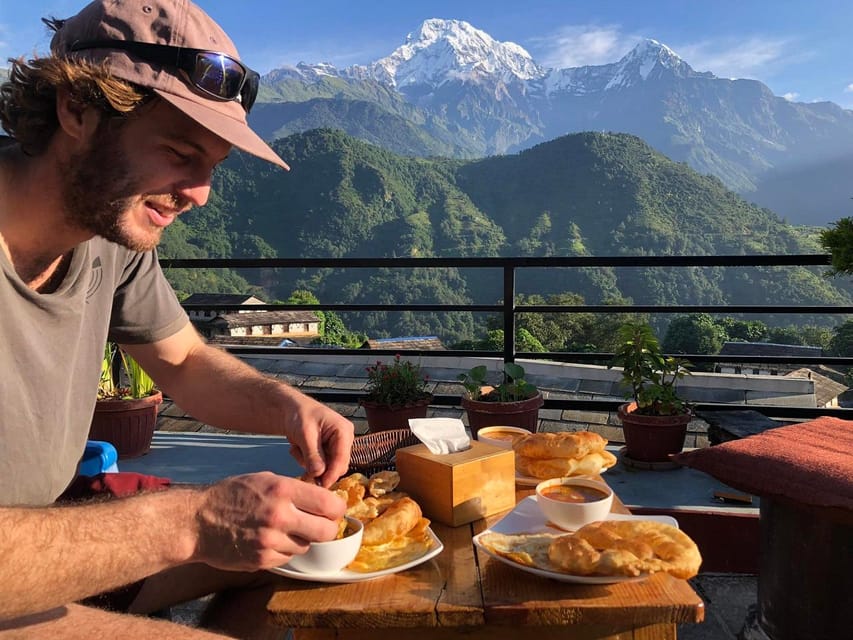
This part of the day is where the trip earns its “culture” credit. Dhampus isn’t just background for a photo. You’re likely to have time to interact with locals and explore the village atmosphere at a walking pace. You also get a chance to enjoy a meal there (lunch isn’t included in the package), so think of Dhampus as the place to eat well rather than just eat quickly.
One of the standout themes from guides associated with this route is how they explain what you’re passing: local plants, wildlife you might notice on the trail, and general Nepal context in plain language. Names like Moti Thapa and Kiran come up because they’re described as polite, helpful, and good at adjusting to the pace and preferences of the group.
If you care about travel that feels human—not only scenic—Dhampus is the section that usually delivers. You’ll feel the difference between a viewpoint-only outing and a walk through a place where people live.
Stop 3: Phedi/Ghattekhola Descent and the Forest-Farmland Fade-Out
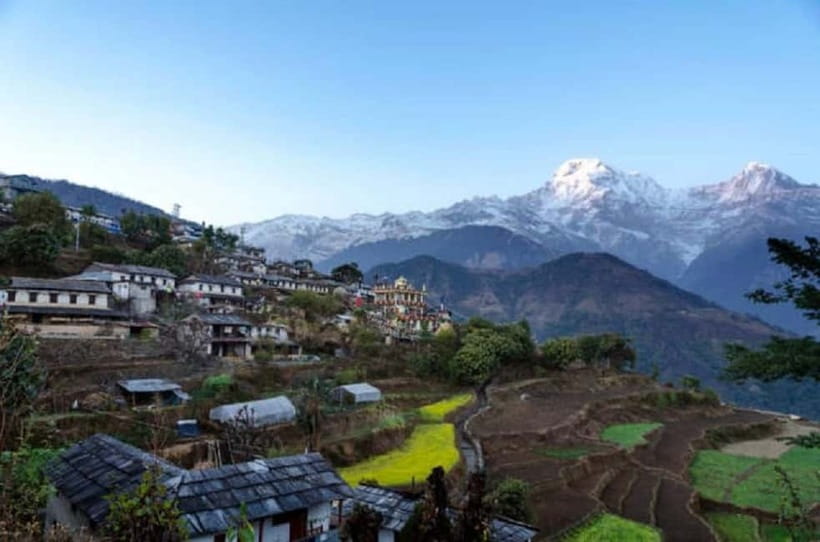
After Dhampus, the route turns downward toward Phedi/Ghattekhola. This is typically the quieter half of the day: the trail winds through forest sections and terraced farmlands, and the pace often feels more relaxed because your body is done climbing for the day.
You’ll get around 1.5 hours here with guided elements and scenic views along the way. The details can change depending on weather and cloud cover, but the descent structure is consistent: you’ll watch the scenery shift as you lose altitude and as the trail moves between shaded spots and open farm edges.
At Phedi/Ghattekhola, the vehicle meets you for the return drive to Pokhara. That transfer is a practical win. Instead of hiking all the way back (which would turn a day hike into something longer and more tiring), you get an organized finish and can end the day without hunting for transport.
A consideration here: descents can feel harder than expected, especially if your shoes aren’t supportive. Bring comfortable hiking shoes, not just sneakers.
The Walking Style: Beginner-Friendly, But Still Real Hiking
Even though this is marketed as an easy day hike, you’ll still be walking. It’s a trek route through forests, fields, and village paths, which means:
- uneven ground
- steps or rooty sections in places (common in Nepal trails)
- sun and shade changes
- a steady need to stay attentive so you don’t trip while looking up for peaks
The good news is that the structure is designed for a casual-to-beginner style. The guide-led rhythm helps, and the day is not long by trekking standards. Also, because it’s private group, the pace can be adjusted so you’re not suffering just to keep up.
What you should bring is clearly stated, and I agree with all of it:
- comfortable shoes (or hiking shoes)
- hat
- camera
- comfortable clothes
- cash
- hiking pants
Cash matters more than you might think for a day like this. Lunch isn’t included, and village spots for snacks/drinks are often cash-based.
Guides and the Culture of a Good Day Hike
In a day hike, the guide is more than logistics. A great guide turns a “walk and look” trip into a “learn what you’re walking through” day.
This route has a reputation for English-speaking guides who are government-certified and professional. What stands out from guide experiences associated with this trek is how they explain details and stay polite and helpful while still keeping the mood relaxed. The names Moti Thapa and Kiran are specifically mentioned in positive experiences, and the common thread is thoughtful conversation—everything from local wildlife and plants to general Nepalese history.
That matters if you want a day that feels connected to the place. You can also use the guide as a weather translator. If clouds build, you can ask what areas tend to clear and how to position yourself for the best shots.
Price, Inclusions, and Where the Real Costs Show Up
The price is $48 per person, and that’s easier to evaluate when you match it to what’s included:
- hotel pick-up and drop-off in Lakeside and Sarangkot areas
- a local, knowledgeable, government-certified English-speaking guide
- private vehicle transfer Pokhara → Kande and Phedi back → Pokhara
- a bottle of water per participant
- government taxes and applicable charges
What’s not included:
- lunch and beverages
So the real “your wallet” part is food. If you’re trying to stay on budget, plan to buy lunch during the Dhampus stop (where it’s naturally convenient), and bring a snack you like so you don’t rely on finding a specific shop while you’re hungry.
Also factor in personal gear. If you need to buy or rent shoes, that changes the effective cost. If you already have the basics, the package value gets stronger quickly.
Timing: How to Make the Most of a 1-Day Plan
You’ll want to treat this like a half-day plus views plus return—because the day is only so long. The guided time at major stops is clearly structured (about 1.5 hours at Australian Basecamp viewpoint, 1 hour toward Dhampus, and 1.5 hours around Phedi), and the rest of the day is made up by driving and walking time between points.
That means you’ll likely spend most of the day outside, with your best peak-mountain moment concentrated early to mid-day. If you’re a photo person, it helps to have a ready routine: water first, hat on, camera settings sorted, then slow down at the viewpoint.
If you’re traveling with someone who gets cold easily, remember that mountain weather can change quickly. Bring a light layer even if Pokhara starts warm.
What To Expect If the Mountains Are Hidden
Let’s be honest: sometimes Annapurna doesn’t show itself. One experience described cloud cover that reduced visibility of the full range, but the day still worked because the surroundings were beautiful and the trail had wildlife to watch.
That’s the balanced takeaway. This isn’t just a single “look at the mountain” moment. It’s a route that includes forests, farmland edges, village sections, and a cultural stop in Dhampus. Even on days when you don’t get the dramatic mountain shot, you can still come away with a meaningful hiking day.
So go in with flexible expectations. The goal is a good day outside with a guide who helps you notice what’s there.
Who This Tour Is Best For (and Who Should Skip It)
This hike fits best if you want:
- a beginner-friendly taste of the Annapurna foothills
- a culture + nature day without multi-day trekking logistics
- a private group pace with a guide who chats and explains
It’s not suitable for people with mobility impairments or wheelchair users. The trail involves hiking on uneven ground and footpaths between villages and viewpoints.
If you’re an experienced hiker looking for a long endurance challenge, this route may feel short. But if your goal is variety, views, and a human village stop, it hits the sweet spot.
Should You Book This Pokhara Day Hike?
I’d book it if you want a structured day that handles the tricky parts—transport to Kande, guidance on the route, and a comfortable return from Phedi back to Pokhara. The price is fair for the combination of private transfers and a professional English-speaking guide.
I would think twice only if you’re chasing one thing: guaranteed crystal-clear Annapurna views. Cloud happens. Still, the hike holds up because Dhampus and the trail itself give you plenty to enjoy even when the peaks aren’t fully visible.
If you’ve got limited time in Pokhara and you want a day that feels real—walking through places people actually live—this is a solid choice.
FAQ
How long is the Pokhara to Annapurna foothills day hike?
The duration is listed as 8 hours.
Where can I be picked up in Pokhara?
Pick-up options include Sarangkot, Pokhara Lakeside, and Lakeside Rd 6.
What route does the hike follow?
You drive to Kande, hike to Australian Basecamp, continue toward Dhampus, then descend to Phedi/Ghattekhola and return to Pokhara by vehicle.
Is lunch included?
No. Lunch and beverages during the trek are not included.
What’s included in the price?
Included are hotel pick-up and drop-off in Lakeside and Sarangkot areas, a government-certified English-speaking guide, private vehicle transfers (Pokhara to Kande and Phedi back to Pokhara), a bottle of water per participant, and government taxes and applicable charges.
What languages does the guide speak?
The live guide speaks English, Hindi, and Nepali.
Is this hike suitable for wheelchair users or mobility impairments?
No. It is listed as not suitable for people with mobility impairments or wheelchair users.