REVIEW · POKHARA
Easy Day Hiking to Australian Camp from Pokhara
Book on Viator →Operated by CAN Travels · Bookable on Viator
Panoramas in a single workday. This easy day hike from Pokhara to Australian Camp mixes a steady mountain climb with big-name views, then finishes with village walking in Dhampus before you ride back in comfort. I love the focus on one clear route—Kande → Australian Camp → Dhampus → Phedi → Pokhara—so you’re not wasting time guessing or changing plans.
What I also like is how smoothly the day is set up with hotel pickup in Pokhara and a guide who keeps the pace and the explanations clear (I’ve seen guides named Biru and Amrit in feedback). The one thing to watch is that the trek is uphill all the way from Kande, so you’ll want to be ready for effort even if it’s called easy—plus food and drinks aren’t included, so plan for lunch purchases if you need more than the included camp meal.
Quick hits for this Australian Camp day hike
- Annapurna-area views from Australian Camp: Annapurna ranges, Macchapuchre, Hiunchuli, Dhaulagiri, and Lamjung Himal
- Up-and-down, not complicated: uphill from Kande, then a downhill day toward Dhampus and Phedi
- Warm lunch at the camp during the main stop
- English-speaking guide support (names like Biru and Amrit show up often)
- Private car segments: Pokhara → Kande and Phedi → Pokhara
- Official entrance fees and documents included, so fewer loose ends
In This Review
- Why Australian Camp Is the Best Kind of Day Hike From Pokhara
- Route Overview: Kande to Australian Camp, Then Dhampus and Phedi
- The 8am Pickup and Drive to Kande (and the one thing to do before you leave)
- Trekking Up to Australian Camp: Big Views With a Serious Climb
- Warm Lunch at Camp and the Descent Toward Dhampus
- Dhampus Time: Magar and Gurung Culture in a Short Stop
- The Phedi Leg and Private Ride Back to Pokhara
- Price and Logistics: What $100 Buys (and Why It Might Be Worth It)
- Guide Support: Why Biru and Amrit Make the Day Feel Easier
- Food, Drinks, and Your Pace for an 8-Hour Day
- Who Should Book This Australian Camp Day Hike
- Should You Book This Easy Day Hike to Australian Camp?
- FAQ
- What city is this hiking experience based in?
- How long does the hike take?
- What’s the price per person?
- Is hotel pickup and drop-off included?
- Do I get transport to and from the trail area?
- Is there an English-speaking guide?
- Are entrance fees included?
- Is lunch included?
- Are food and drinks included?
- What’s the start time?
- What is the cancellation policy?
- Should I tip?
Why Australian Camp Is the Best Kind of Day Hike From Pokhara
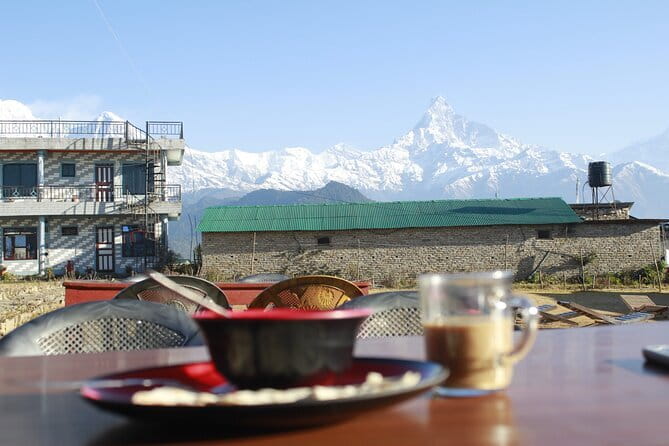
Australian Camp works because it feels big without eating your whole vacation. You get that classic Annapurna viewpoint payoff, but you’re not stuck planning multi-day logistics. The day is built around one main goal: reaching Australian Camp for mountain views, then turning it into a full walking loop back through Dhampus.
I also like the “real day trip” vibe. You start early from lakeside Pokhara, drive to Kande, hike up, then come back down through a village area where daily life is part of the route. That mix matters. It’s not just a view-and-leave situation.
And at $100 per person, the value is mostly in how much the tour handles for you: pickup/drop, guide, and private car transfers for the key legs of the day. You’re paying for convenience plus a guided, structured route—not just for the right to walk up a hill on your own.
Route Overview: Kande to Australian Camp, Then Dhampus and Phedi
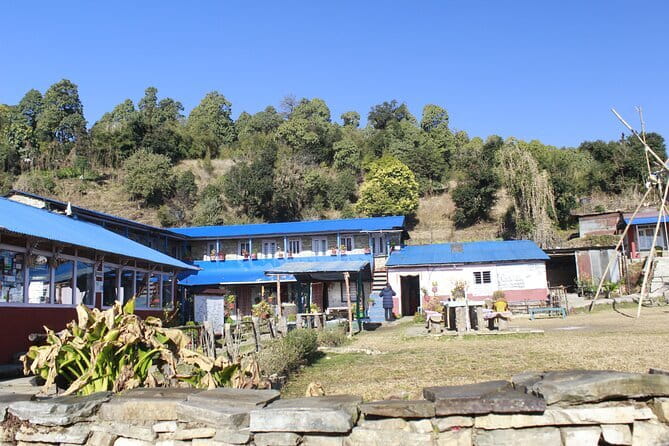
Here’s the spine of the hike. After pickup in Pokhara, you drive to Kande. The trek begins there and stays uphill all the way to Australian Camp. That’s the hard part of the day, and it’s straightforward—no confusing junctions described, just a steady effort.
Once you reach Australian Camp, you eat warm lunch at the camp. Then you switch gears and trek down to Dhampus. Dhampus is a village home to Magar and Gurung communities, so the “culture stop” is built into the walking plan, not tacked on at the end like a quick photo stop.
From Dhampus you continue downhill to Phedi, and then you’re back in a car for the ride to Pokhara. The whole thing runs about 8 hours (approx.), so it’s long enough to feel like an outing, but short enough to keep your evening free.
The 8am Pickup and Drive to Kande (and the one thing to do before you leave)
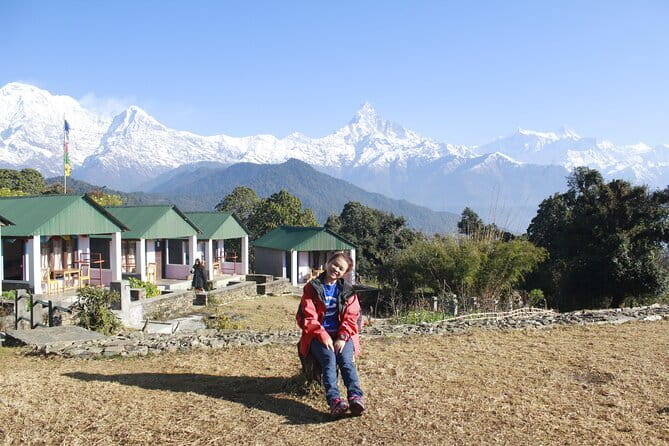
The day starts early. You’re picked up at 8am from lakeside Pokhara, then driven to Kande. The drive is less than 1 hour.
One practical tip is directly in the plan: have your breakfast before 8am. That matters because the hike starts from Kande right after you arrive. If you’re the type who only eats after a workout begins, you’ll want to rethink that for this one.
You also get a clean transition from city to trail. The private car drops you at the start point, and the guide takes over from there. That’s the kind of setup that keeps a day hike from turning into a scramble.
One small detail to double-check: the “meeting points” section lists a start time of 8:15 pm, while the itinerary describes pickup at 8am. Don’t guess—confirm the correct timing with CAN Travels before the day begins.
Trekking Up to Australian Camp: Big Views With a Serious Climb
From Kande, the trail is described as uphill all the way to Australian Camp. Even if you call it an easy day hike, it’s still a sustained climb. The good news: you’re climbing toward a payoff that’s worth it.
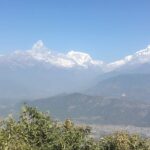
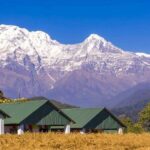
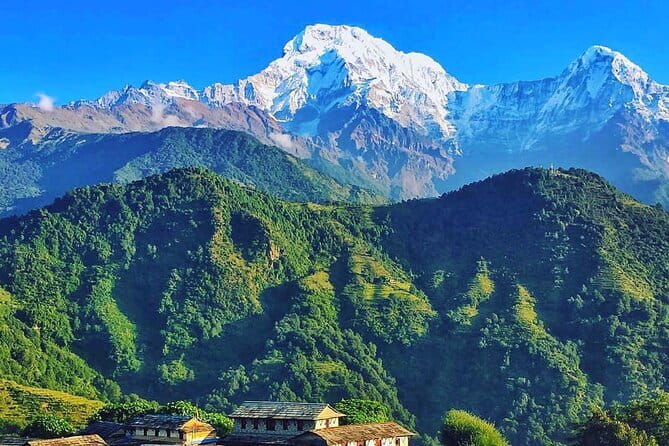
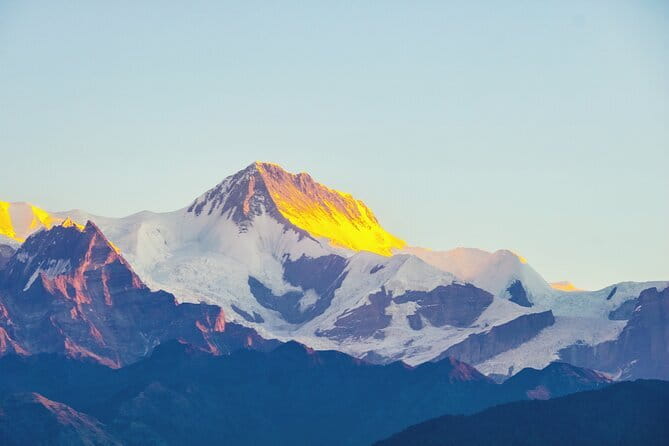
Australian Camp is all about viewing. From there, you can enjoy panoramic views of the Annapurna range, plus Macchapuchre, Hiunchuli, Dhaulagiri, and Lamjung Himal. That’s a lot of major names for one viewpoint, and it’s why Australian Camp is such a popular day hike target from Pokhara.
This part of the day is where your pace matters most. You’ll likely feel the climb in your legs, and the guide helps you keep a rhythm that’s manageable. In feedback, guides like Amrit and Biru are repeatedly praised for making the experience smooth and informative, and that kind of guidance can help you enjoy the effort rather than fight it.
Warm Lunch at Camp and the Descent Toward Dhampus
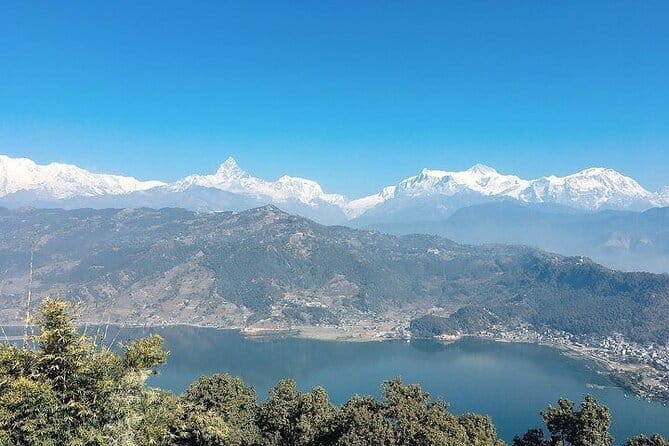
Reaching Australian Camp is the turning point. You get warm lunch at the camp, which is a smart setup for two reasons.
First, it prevents the day from becoming a half-hike, half-chill situation. You’re eating while you’re there—so you don’t lose hours waiting around. Second, a warm meal gives you energy for the descent. Downhill uses different muscles, and a solid lunch can make that transition easier.
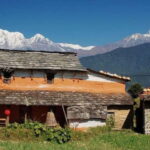
Then comes the downhill trek to Dhampus. Dhampus is described as a scenic village area inhabited by Magar and Gurung communities. The tour gives you time to spend sometime in Dhampus, so you can take in the village feel and not just walk through at speed.
This descent-to-village shift is where the day becomes more than a viewpoint exercise. You’re moving through a real place where culture is part of the scenery—not just a distant backdrop.
Dhampus Time: Magar and Gurung Culture in a Short Stop
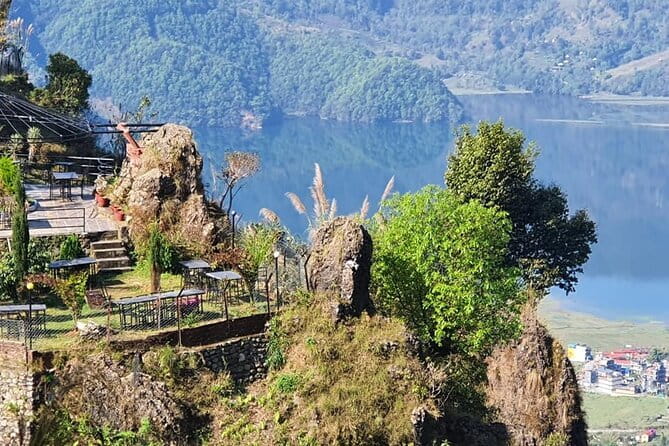
Dhampus is where you feel the human side of the route. The plan includes time to spend in the village, and the community makeup is specifically noted as Magar and Gurung. That means this stop can be a chance to notice differences in how people live and how the village environment is organized.
If you’re the kind of traveler who likes to understand what you’re seeing, this is a good moment to ask your guide questions. In the feedback I’m drawing from, guides are repeatedly praised for answering questions and speaking well English. That makes a short cultural stop more meaningful, because you’re not just looking—you’re getting context.
One realistic note: this isn’t a long cultural tour with multiple scheduled experiences. It’s a hike day with a village pause built in. If you’re hoping for museums and long guided walkthroughs, this may feel too focused on walking.
The Phedi Leg and Private Ride Back to Pokhara
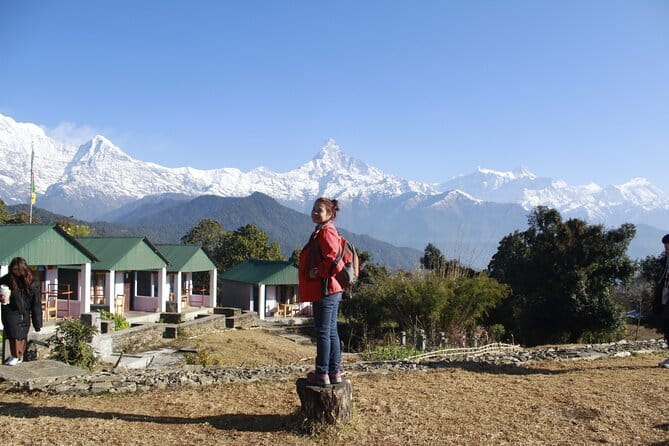
After Dhampus, you continue downhill to Phedi. Then you’re back on wheels for the ride to Pokhara.
This structure is one reason the tour feels efficient. You hike the parts that matter, then you transfer by private car for the return. That helps you keep the total day length around that 8-hour mark instead of stretching it with extra walking or public-transport timing.
It also adds comfort at the end of the day. After a climb, lunch, and a descent, the pickup in Pokhara at the end lets you get back to showers, rest, or a lakeside dinner without turning the day into a second commute.
Price and Logistics: What $100 Buys (and Why It Might Be Worth It)
Let’s talk value, because day hikes can be priced like pure convenience—or like a real guided service.
At $100 per person, the tour includes:
- Hotel pick up and drop off
- An English-speaking trekking guide
- Pokhara → Kande by private car
- Phedi → Pokhara by private car
- All entrance fees and official documents
- A private tour (your group only)
- Mobile ticket
So you’re not paying only for the viewpoint. You’re paying for the guided route and the transport legs that would be annoying to piece together on your own.
What’s not included is equally important:
- Food and drinks (available on purchase)
- Gratuities (optional)
The tour does provide warm lunch at the camp, but food and drinks aren’t fully covered. If you tend to snack constantly, you may spend extra. If you’re fine buying drinks along the way, it’s usually manageable.
Also, the listing mentions group discounts. Even though it’s a private tour, discounts can still apply depending on how you book and how the operator prices the group size.
Bottom line: if you want a guided day hike that starts and ends cleanly from Pokhara, $100 can be fair—especially because transport and entrance paperwork are handled.
Guide Support: Why Biru and Amrit Make the Day Feel Easier
The guides are a major part of why this tour scores so well. Names like Biru and Amrit/Amrita show up in the feedback. The praise is consistent: guides are described as pleasant, supportive, jovial, and helpful with explanations.
That may sound fluffy, but it affects real things:
- You’ll know what to look for on the route.
- You’ll understand the names of mountains in the viewpoints.
- You’ll feel less lost when the day changes from uphill effort to downhill walking to a village stop.
In one comment, the guide is described as being on time and making the trip hassle-free. Another note highlights well-spoken English and quick answers to questions. If you’re visiting for the first time and want to feel confident that you’re doing the right thing, the guide is the difference between a stressful hike day and a fun one.
Food, Drinks, and Your Pace for an 8-Hour Day
The itinerary gives you a clear meal anchor: warm lunch at Australian Camp. That helps you time the hardest part of the day. But since food and drinks aren’t included, you should expect to handle purchases during the day if you need more than lunch.
The biggest “pace” consideration is the climb. The trail is described as uphill all the way from Kande. So while the tour is marketed as easy, don’t mistake that for zero effort. A good strategy is to go at a steady pace and use the guide’s rhythm rather than trying to sprint to the top and burn out.
Also, remember the breakfast instruction. If you follow the plan and eat before 8am, you’ll start with enough energy to make the climb feel more reasonable.
Who Should Book This Australian Camp Day Hike
This tour is a good fit if:
- You want Annapurna views without a multi-day trek
- You like day trips that mix nature and village life
- You want pickup/drop and transport handled
- You prefer a guide who explains what you’re seeing (English-speaking support)
It may not be ideal if:
- You dislike uphill hiking, even if it’s a day hike
- You want a fully inclusive food-and-drink package
- You’re looking for lots of separate activities beyond the single route
If you’re in Pokhara with limited time and want a classic mountain viewpoint day that still feels authentic, this hits a sweet spot.
Should You Book This Easy Day Hike to Australian Camp?
If you’re choosing between doing it solo and joining a structured day trip, I’d book this when convenience matters. The route is clear, the major viewpoint stop is built in, and the private car legs mean you spend your energy on hiking, not logistics.
Also, the guide feedback is strong, with English-speaking guides like Biru and Amrit getting highlighted for support and clear explanations. For many first-time hikers, that’s the difference between seeing mountains and actually understanding them.
My main caution is simple: plan for a real climb. Eat breakfast before 8am, accept that the trek goes uphill for the main ascent, and remember that food and drinks aren’t fully included. If that fits your expectations, you should feel good about booking.
If you want to be extra careful, confirm the correct start time since the details show 8am pickup in the itinerary but a 8:15 pm start time in the meeting-point info.
FAQ
What city is this hiking experience based in?
It’s based in Pokhara, Nepal.
How long does the hike take?
The duration is listed as about 8 hours.
What’s the price per person?
The price is $100.00 per person.
Is hotel pickup and drop-off included?
Yes, hotel pick up and drop off are included.
Do I get transport to and from the trail area?
Yes. You get Pokhara to Kande by private car, and Phedi to Pokhara by private car.
Is there an English-speaking guide?
Yes. The tour includes an English speaking trekking guide.
Are entrance fees included?
Yes. All entrance fees and all official document are included.
Is lunch included?
You have a warm lunch at Australian Camp as part of the day’s flow.
Are food and drinks included?
No. Food and drinks are not included, though they’re available on purchase.
What’s the start time?
The itinerary says 8am pickup from lakeside Pokhara to drive to Kande. However, the meeting-point section lists a start time of 8:15 pm, so you should confirm the correct timing with CAN Travels before going.
What is the cancellation policy?
It offers free cancellation if you cancel up to 24 hours in advance for a full refund.
Should I tip?
Gratuities are optional (not included).