REVIEW · POKHARA
Day Hike at Annapurna Foothills
Book on GetYourGuide →Operated by Alliance Treks & Expedition P. Ltd · Bookable on GetYourGuide
Pokhara mornings can be fickle, so the start matters. This day hike takes you from lakeside pickup to classic Annapurna foothills trails, and you get to focus on views and local village life without planning a thing.
I really like that it’s a small-group trek (up to 10 people) led by an English-speaking local guide, so you’ll understand what you’re seeing as you walk. Another strong point is the route design: Kande to Australian Camp for mountain sightlines, then down through Dhampus for Gurung culture and everyday rural rhythms.
One thing to consider: it’s easy-to-moderate but still a full 5–6 hours of walking, and it’s not suitable for people with mobility issues or for pregnant travelers.
In This Review
- Key things that make this hike worth your time
- From Lakeside Pokhara to Kande: the easy start that sets the tone
- Kande to Australian Camp: where Annapurna South and Machhapuchhre steal the show
- Australian Camp to Dhampus Village: ridge walking, then a real Gurung day
- Dhampus to Phedi: terraces, forest shade, and a satisfying finish
- Your guides matter more than you expect
- Price and value: what $98 buys you (and what it doesn’t)
- How hard is it, really? Easy-moderate plus real walking time
- What to pack and wear for Kande, Australian Camp, and Dhampus
- Best time for views: aim early, then trust your plan
- Should you book this Annapurna foothills day hike?
- FAQ
- How long is the hike?
- Where does the tour start and end?
- What route does the hike follow?
- Is the hike beginner-friendly?
- What kind of views will I see?
- Are meals included?
- What language is the guide?
- Is there a limit on group size?
- Can I bring large luggage or a big backpack?
- Is this tour suitable for everyone?
Key things that make this hike worth your time
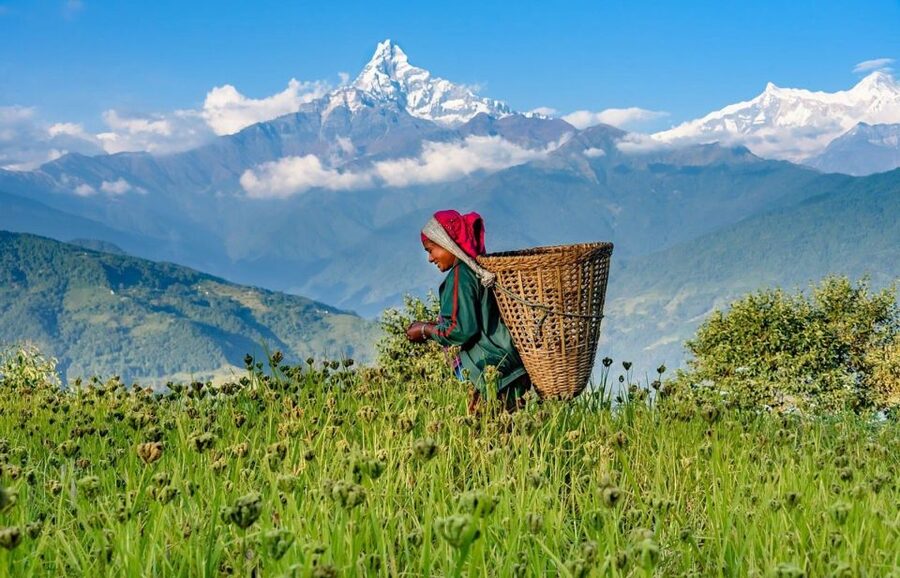
- Kande → Australian Camp: a rewarding uphill that pays off with Annapurna South and Machhapuchhre (Fishtail) views
- Dhampus Village: a real Gurung settlement where rural life is close up, not staged
- English guide support: guides like Dipak/Deepak and Moti can translate and explain local stories
- Beginner-friendly pacing: a day trek that’s doable if you can walk several hours comfortably
- Smooth logistics from Pokhara: hotel-area pickup and private transfers to and from the trailheads
From Lakeside Pokhara to Kande: the easy start that sets the tone
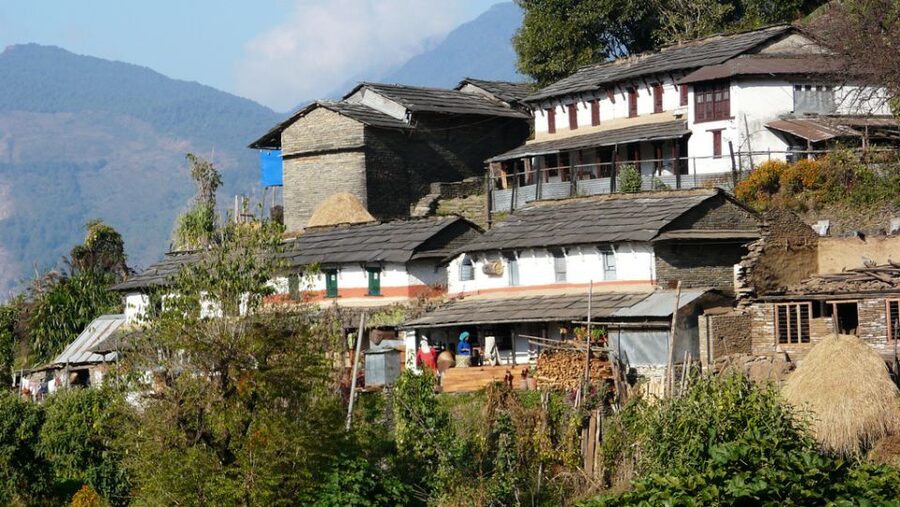
Your day starts in Pokhara, with hotel pickup from the Lakeside area. You’ll ride to Kande by private vehicle, and the drive is part of the experience because it helps you mentally shift from city pace to mountain pace. As the road climbs, you start seeing the Pokhara Valley feel wide open, with the Annapurna region drawing closer in the distance.
This matters more than you might think. When the hike begins, you’re already oriented to where you are in relation to the mountains. That makes every viewpoint stop feel purposeful rather than random.
A practical note from real-world experience: guides often aim to catch clearer mountain views early. One traveler had an early pickup so they could see the mountains before clouds rolled in. You can’t control weather, but you can plan to leave early when you’re given the chance.
Kande to Australian Camp: where Annapurna South and Machhapuchhre steal the show
From Kande, the walking starts through forested trails that gradually build your rhythm. It’s described as easy to moderate, and for most people that means steady effort rather than technical hiking. Expect about 1.5 hours of uphill walking to Australian Camp, depending on pace and conditions.
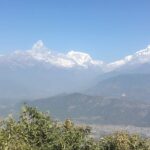
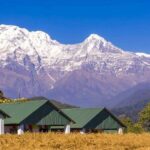
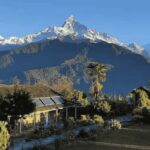
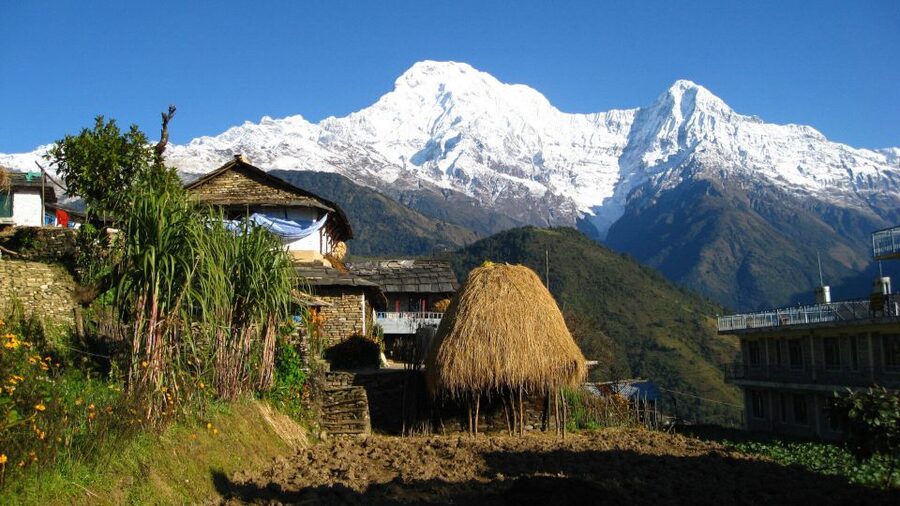
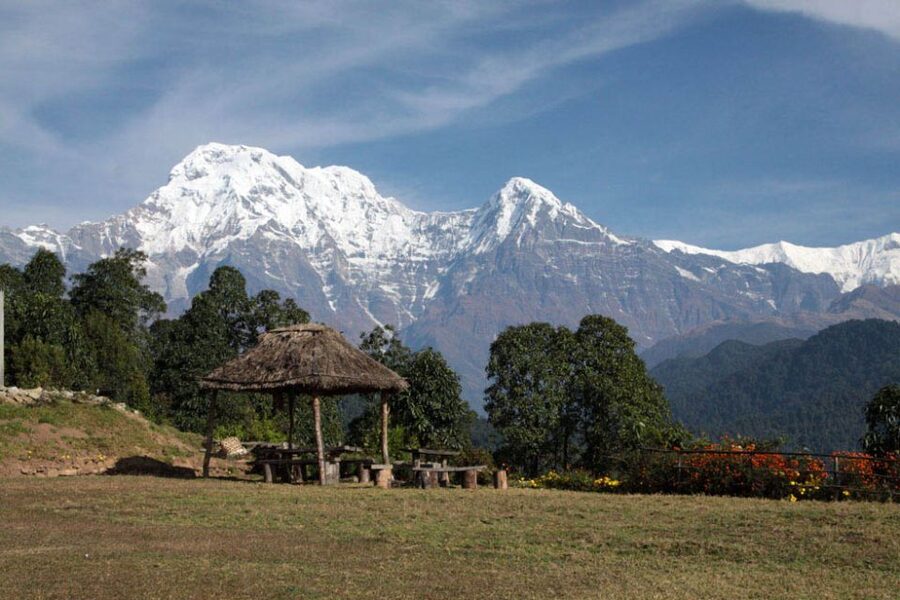
Australian Camp is the pay-off zone. You’re going after close-up sightlines of Annapurna South and Machhapuchhre (Fishtail). Even if you’re not a hardcore trekker, this is the moment you feel why Annapurna is famous. The views aren’t just pretty; they change how the whole region makes sense. You start to understand the “foothills” idea—how close you can get in a day.
And there’s a bonus here that shows up in how people talk about this hike: the climb feels worth it even for first-timers because the end point is a true viewpoint, not just a random junction. If you’re new to trekking, you’ll appreciate that the route has a clear story arc: hike up, then pause, then move on.
Australian Camp to Dhampus Village: ridge walking, then a real Gurung day
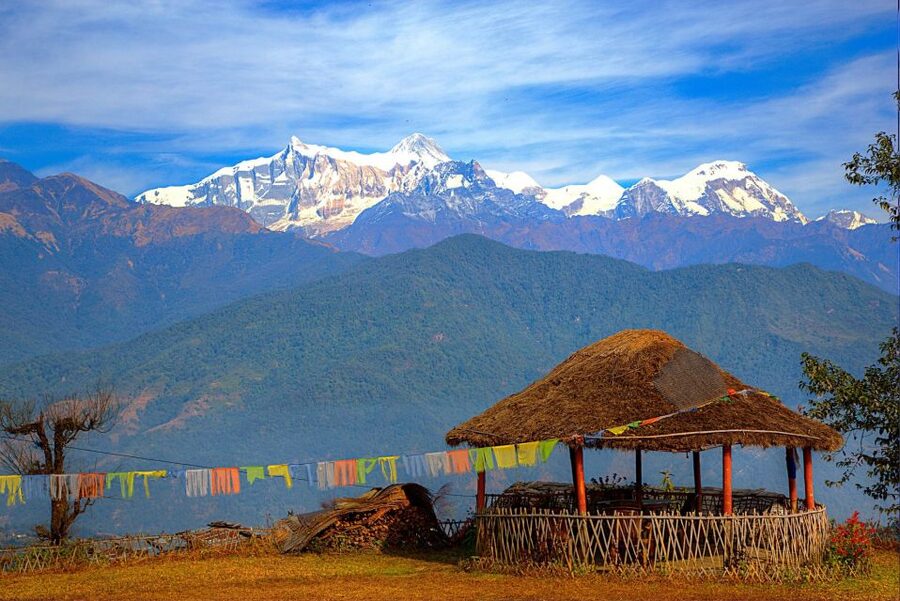
After Australian Camp, you continue along the ridge and then start descending toward Dhampus Village. This stretch takes about another 1.5 hours. Descending can feel easier on paper, but it still asks for steady footing—especially when the trail gets uneven or muddy.
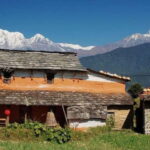
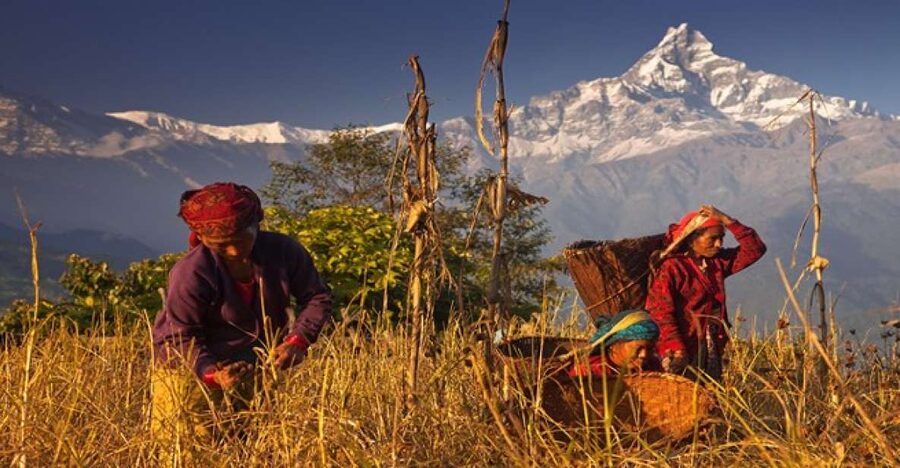
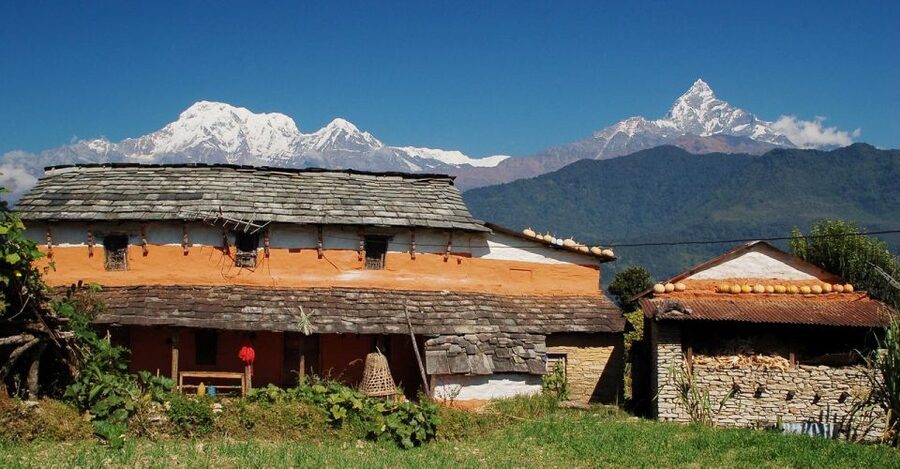
Dhampus is where the hike stops being only about scenery and becomes about people. This is a traditional Gurung settlement, and you’ll walk into a quieter, more rural rhythm. The goal isn’t a museum-style experience. It’s watching daily life from the trail and in the village area—how the countryside works, how locals live, and how the mountains shape the day.
Why this part is so valuable: it gives you contrast. Australian Camp shows you the dramatic, iconic peaks. Dhampus shows you what life looks like under those peaks—farmlands, village structures, and the way communities have organized around the landscape.
You’ll also get more from the visit if your guide is chatty (in a good way). Travelers have described guides like Dipak/Deepak as engaging, story-focused, and attentive to questions. If you want context, this is where your guide’s explanations make your photos better and your memories longer.
Dhampus to Phedi: terraces, forest shade, and a satisfying finish
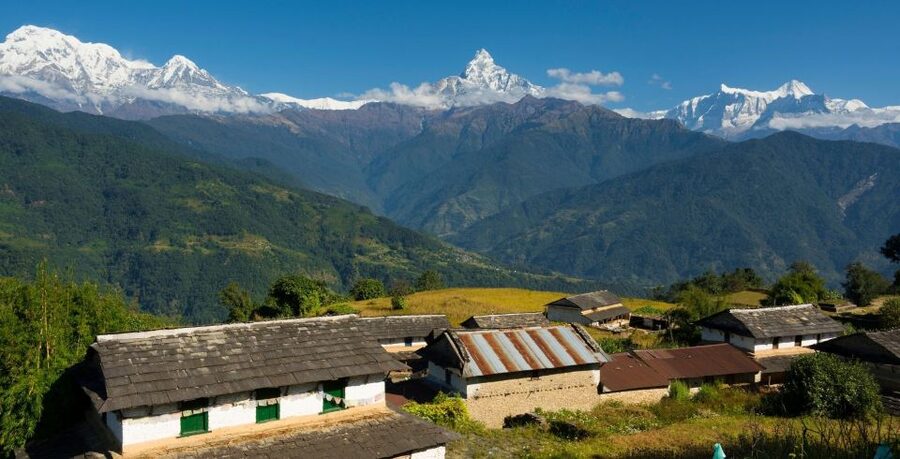
After exploring Dhampus, the route turns downhill to Phedi. This segment is about 2 hours, and it’s a classic “end of the day” walk: you’re moving through forest shade, and you’ll likely pass terraced farmlands as the trail threads through cultivated areas.
Downhill trails can be deceptively hard on knees, even when the hike is labeled easy to moderate. If you’re prone to knee strain, take shorter steps and keep your pace controlled. The upside is that you start to feel the hike ending in a natural way—less climbing pressure, more steady walking to the pickup point.
At Phedi, your vehicle is waiting. Then it’s the smooth ride back to Pokhara, dropping you off at your hotel area. This is one of the reasons I like day hikes in the Annapurna foothills: you get the mountain experience without the logistics stress of multi-day trekking.
Your guides matter more than you expect
This trek is guided, and the difference between a good guide and a great guide shows up quickly on a day hike. You’re with your guide for the full arc—from the drive to the trail, from viewpoint to village, and back out again.
Multiple travelers have named their guides and praised them for different strengths:
- Dipak/Deepak for explanation and caring attention
- Moti for translation and connecting you with locals
That translation part can be surprisingly meaningful on a village stop. Even if you only catch a few words, you’ll notice the effort—how your guide bridges what you see with what it means. It’s one thing to watch a village; it’s another to understand the basics of what you’re looking at.
Also, guide energy affects the pace. If you tend to wander or pause for photos, a strong guide keeps the group moving without rushing you. If you feel confident, they’ll usually keep the hike engaging rather than just leading you from point A to B.
Price and value: what $98 buys you (and what it doesn’t)
The price is $98 per person for a full day of guided hiking with private transfers. What you’re paying for here is not just a walking route. It’s the whole package: a professional local guide, private vehicle transport from Pokhara to the trail area and back to Phedi, plus government taxes as applicable.
Meals are not included. That’s important to plan for. You’ll want either your own snacks and water strategy or money set aside for lunch. In one traveler’s experience, the guide helped arrange a lunch in a nearby village. That’s the kind of practical support you can expect, but don’t assume a full meal is included in your package price.
So is $98 “fair”? For a day trek from Pokhara with hotel-area pickup, a guide, and private vehicle transfers, it’s in the reasonable zone—especially if you value clarity and local context over DIY route-finding. If you’re the type who likes figuring things out alone and you already know the trail, you could reduce costs. But if you want a smooth, guided day with fewer headaches, this price structure makes sense.
How hard is it, really? Easy-moderate plus real walking time
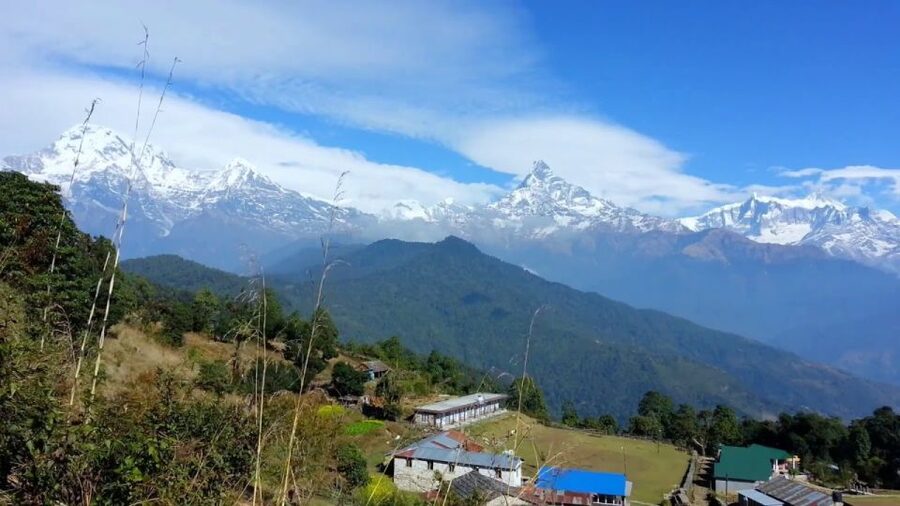
The hike is listed as easy to moderate, but the duration is the key. Plan for about 5 to 6 hours total of walking time, plus time at stops. That means you need comfortable shoes and the ability to keep a steady pace.
It’s also not a “sit and admire everything” tour. You’ll be moving through forests, ridges, and down to terraced areas. If your fitness is decent and you don’t mind spending most of the day on your feet, you’ll probably find this manageable.
It’s not suitable for:
- pregnant travelers
- people with mobility impairments
If that describes you, it’s best to look for a shorter or less demanding option instead of trying to push through.
What to pack and wear for Kande, Australian Camp, and Dhampus
Your packing list is refreshingly simple, which is exactly what you want for a day hike. Bring:
- comfortable shoes with good grip
- comfortable clothes for walking
Because you’re in the Annapurna foothills, conditions can shift. Even when the day starts warm, shaded forest sections can feel cooler. I’d also suggest carrying a small day bag with essentials, but note that luggage or large bags aren’t allowed. Keep it light and easy to carry.
If you get motion sickness easily, take that into account for the drive from Pokhara—winding roads can do it to some people. If you’re not sure, sit where you can look forward.
Best time for views: aim early, then trust your plan
Weather can change fast in the Annapurna region, and this hike is designed for mornings and clear viewpoints. If skies are good when you start, you’ll likely be rewarded at the viewpoint moments near Kande and Australian Camp.
One traveler had the guide pick them up about an hour early to catch the mountains before clouds. You can treat that as a smart strategy: when your guide suggests an early start time and you can do it, take it seriously. It’s one of the best ways to increase your odds of seeing the peaks clearly in a day hike format.
Should you book this Annapurna foothills day hike?
Book it if:
- you want Annapurna + Fishtail views without committing to a multi-day trek
- you like mixing scenery with a real village visit in Dhampus
- you prefer a guided day with an English-speaking local guide and a small group (up to 10)
Skip it (or look for another option) if:
- you can’t comfortably walk 5–6 hours
- you need mobility-friendly terrain
- you’re traveling during periods when you strongly rely on guaranteed peak visibility (weather is never fully controllable)
If you’re choosing between a pure viewpoint day and a village-focused hike, this one balances both. The pricing also fits that “guided, logistical support” value. For a first trekking-style experience near Pokhara, it’s a smart, well-structured introduction.
FAQ
How long is the hike?
The hike is a one-day trip with about 5 to 6 hours of walking time, including the trek from the Kande area through Australian Camp, Dhampus, and down to Phedi.
Where does the tour start and end?
You meet at a hotel in the Lakeside area of Pokhara. The tour includes hotel pickup and drop-off, and the hike ends at Phedi, where you return by vehicle to Pokhara.
What route does the hike follow?
The route goes Kande → Australian Camp → Dhampus → Phedi.
Is the hike beginner-friendly?
It’s rated easy to moderate and is described as a good fit for first-time hikers and nature lovers. You still should expect a significant amount of walking.
What kind of views will I see?
You’ll get mountain views in the Annapurna foothills area, including Annapurna South and Machhapuchhre (Fishtail) from the Australian Camp viewpoint area.
Are meals included?
No. Meals are not included (breakfast, lunch, and dinner).
What language is the guide?
The live tour guide provides English support.
Is there a limit on group size?
Yes. It’s a small group limited to 10 participants.
Can I bring large luggage or a big backpack?
No. Luggage or large bags aren’t allowed. You should keep what you bring minimal for a comfortable day hike.
Is this tour suitable for everyone?
It’s not suitable for pregnant women and for people with certain medical conditions, and it’s also listed as not suitable for people with mobility impairments.