REVIEW · POKHARA
Pokhara: Annapurna Foothills Day Hike with Transfers
Book on GetYourGuide →Operated by Snow Peak Tours and Travels pvt. ltd. · Bookable on GetYourGuide
Your legs work, but the scenery does most of the talking. This Pokhara day hike pairs a Kande-to-Australian Base Camp trek with village walking through Dhampus, then a downhill back toward Phedi/Ghattekhola. What I like most is the payoff view from Australian Base Camp, plus the way guides (often Moti Thapa) explain what you’re walking through—mountains, forests, and everyday village life.
Two big wins here are practical and real: you get mountain focus time at the viewpoint, and you don’t rush through the culture stops. Your one main consideration is the early stair climb. The first part can feel step-heavy, so plan on breaks and a steady pace even if you’re generally fit.
In This Review
- Why This Day Hike Works So Well
- Kande Start: Your Warm-Up for the Annapurna Foothills
- Australian Base Camp Viewpoint: Where the Effort Pays Off
- Dhampus: Real Village Life Along the Trail
- The Lunch Break: Fuel, Not Just a Break
- Dhampus Down to Phedi/Ghattekhola: Forest Steps and Terraced Farmlands
- Transfers and Timing: The Comfort of a Private Day Plan
- Price and Value: What $42 Buys You in Real Terms
- What to Bring (And How to Avoid the Common Mistakes)
- Should You Book This Pokhara Hike?
- FAQ
- How long is the day hike?
- Where does the hike start and what’s the main route?
- Is there an English-speaking guide?
- Do I get picked up from my hotel?
- What mountain views should I expect?
- Is lunch included?
- How hard is the hike?
- What should I bring?
- Is this hike private?
- Is it refundable if my plans change?
- Is it suitable for people with mobility impairments or wheelchair users?
Why This Day Hike Works So Well
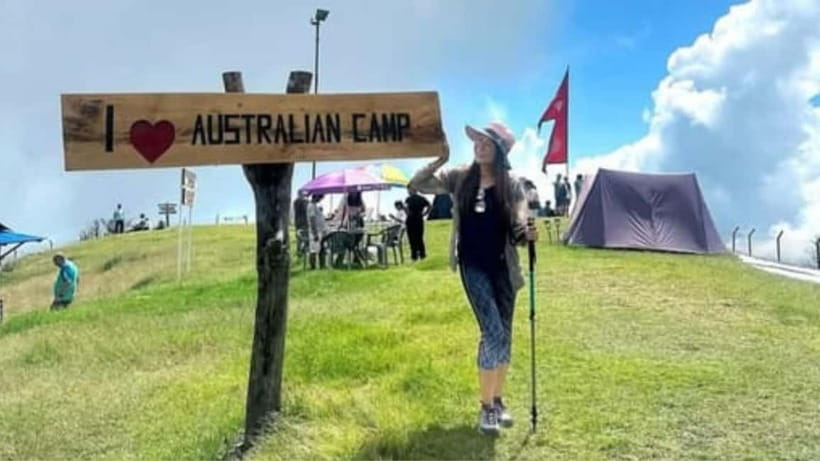
- Australian Base Camp has the classic Annapurna and Machhapuchhre views that make the effort feel worth it.
- Dhampus feels like a lived-in Gurung village, not a quick photo stop.
- Guides pace for the group, including patient pauses for photos and questions.
- You walk through changing scenes: forest paths, terraced fields, and quiet village lanes.
- It’s structured without feeling boxed in, with a clear rhythm up, viewpoint time, then a full descent.
Kande Start: Your Warm-Up for the Annapurna Foothills
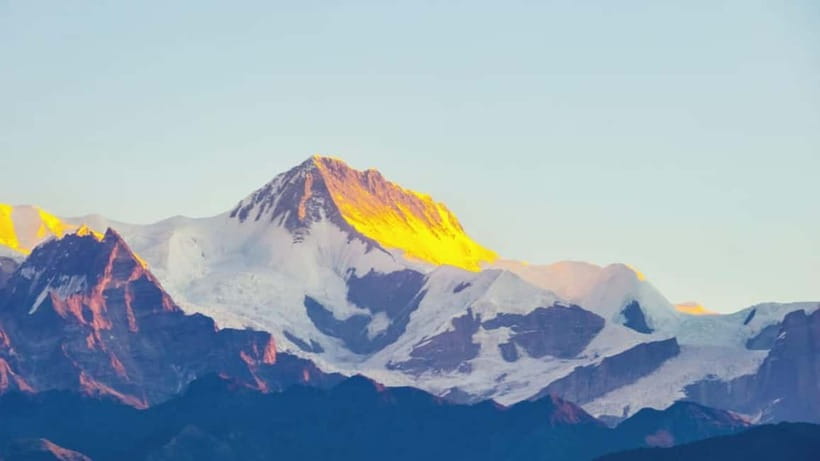
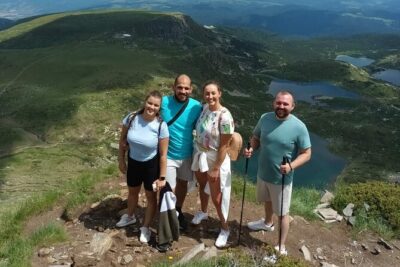
You begin in Pokhara, then travel to Kande by private vehicle. Once you step onto the trail, the route quickly shifts from road time into foot time. You’ll move through a mix of forest sections and terraced farmland, with small villages breaking up the climb.
The early section is the part to respect. Several people describe it as manageable, but you’ll likely feel stairs and uphill rhythm for the first stretch. The trick is to go slow enough that you can keep breathing evenly—this is not a race day. If your guide is keeping a relaxed pace, trust it, because later you’ll want that energy for viewpoint time.
As you climb, watch the way the trail alternates between shaded forest and open farm edges. Those transitions are part of the charm: you’re not just grinding uphill in one mood. You’re also getting your bearings for what comes next—big views tend to reward steady hiking more than sprinting.
Australian Base Camp Viewpoint: Where the Effort Pays Off
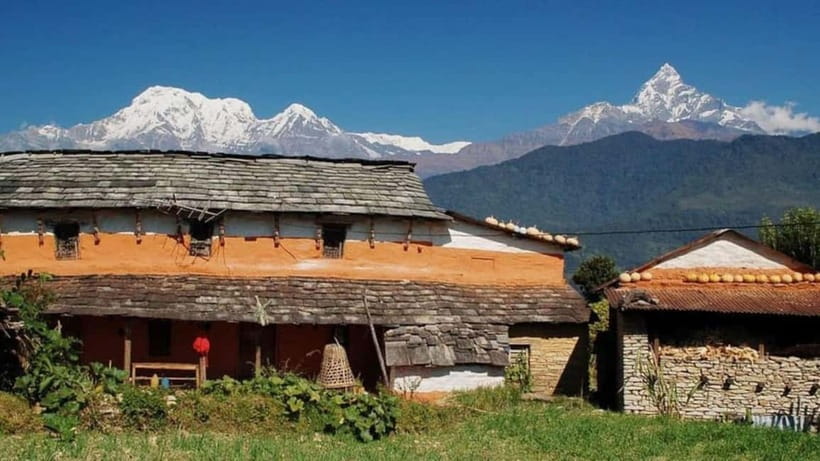
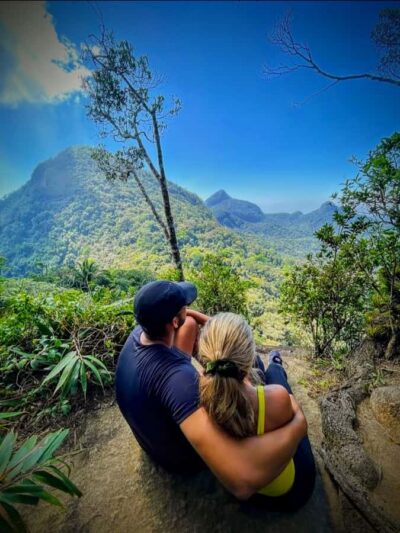
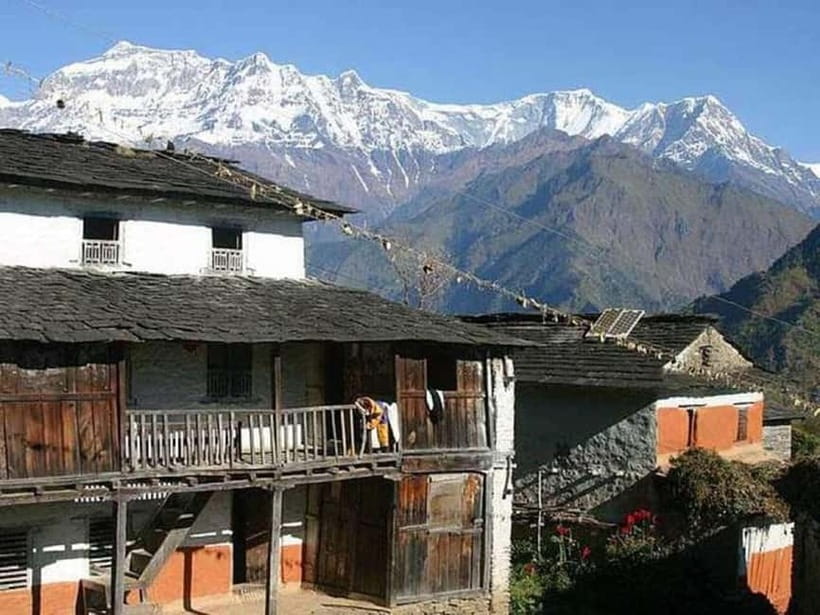
Australian Base Camp Viewpoint is the moment most people remember. This is where you’re looking for wide views of the Annapurna range and Machhapuchhre, better known as Fishtail. Even when you don’t catch every peak detail, the scale of the mountains tends to hit you in a different way than city views ever do.
This portion of the day includes guided viewpoint time and a bit of lingering. That matters, because good mountain viewing isn’t just a quick glance. You’ll want time to get your photos without holding everyone else back, and you’ll want a few minutes to just look and reframe the whole region in your mind.
One practical tip: if the sky is unpredictable, starting early is smart. Cloud build-up can happen later in the day, so an earlier start gives you a better shot at clearer sightlines. Your guide can also help you read the weather mood and adjust stops so you don’t feel like you missed the best window.
And yes, you’ll likely hear plenty while you’re up there—winds, birds, and the quiet chatter of people sharing the same viewpoint moment. It’s a calm kind of excitement, not a chaotic one.
Dhampus: Real Village Life Along the Trail
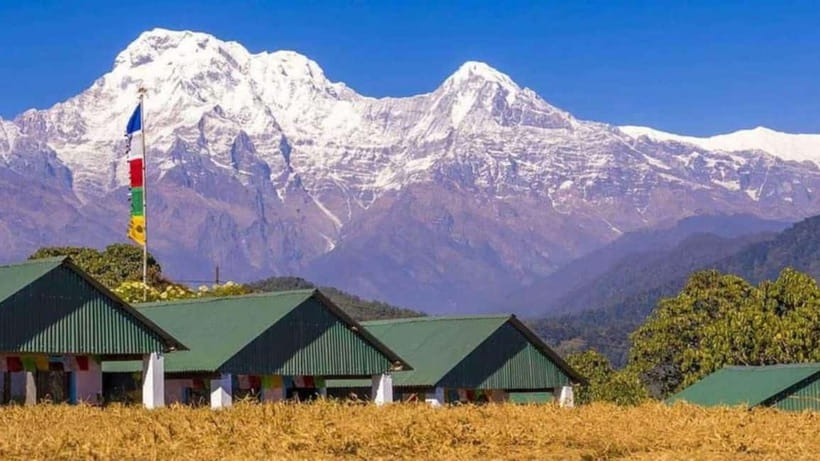
After the viewpoint, you continue toward Dhampus, a village known for Gurung culture and everyday mountain living. The walking here tends to feel less about climbing and more about flow—gentler ups and downs that let you actually take in what’s around you.
Dhampus is also where the tour shifts from “scenery hike” to “culture hike.” You should expect time to interact with locals, explore parts of the village, and slow down for a meal. This isn’t just about eating; it’s about sitting long enough to understand how the mountains shape daily routines.
If your guide is someone like Moti Thapa, you’ll probably appreciate the storytelling. Multiple guides in this area are praised for explaining route terrain, local customs, flora and fauna, and how people make a living in the Annapurna foothills. That kind of context changes the feeling of walking through a place—you stop seeing only scenery and start seeing people’s patterns.
Dhampus also gives you a chance to reset mentally. After the viewpoint time, the village stop is a good mental gear-shift from “look up” to “look around.”
The Lunch Break: Fuel, Not Just a Break
Your tour includes a break time in Dhampus, plus time for a guided stop experience. If you choose the meals option, this is when your lunch typically happens. Even without naming a single dish as standard, you can expect classic Nepali comfort food to be on the table in village restaurants.
One guest specifically called out dal bhat as a highlight from a village meal. That lines up with what you’ll usually find in this region when the guide takes you somewhere local. The bigger point is simple: lunch here is part of making the hike feel like a day out, not a forced training session.
Use the meal time the way you’d use a good pit stop. Drink water, eat something steady, and let your legs cool down before the descent. A lot of downhill fatigue starts because people rush straight into it without proper recovery.
Dhampus Down to Phedi/Ghattekhola: Forest Steps and Terraced Farmlands
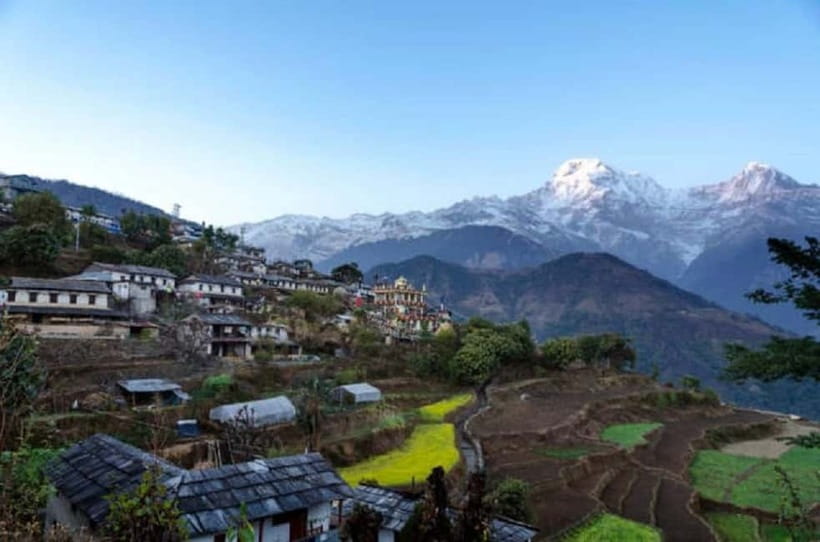
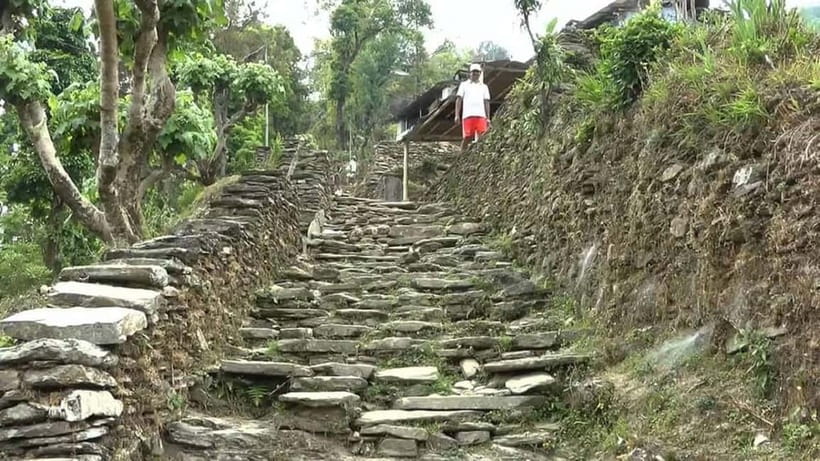
Then comes the descent. This stage carries you through lush forest trails and terraced farmland, with a steady downhill rhythm that feels different from the climb. It’s often quieter too, because your attention shifts from altitude effort to foot placement.
This part of the tour is where you start seeing the region’s layers more clearly. Terraces mean agriculture close to houses; forests mean shade and cooler air; village lanes mean you might pass people going about normal routines. If you want a calmer, more grounded feel before the day ends, this descent delivers it.
Keep your eyes on the path. Downhill on stone steps can be easier if you shorten your stride and use your quads smartly. Your guide will typically manage pacing and stops so you’re not slipping into the sloppy, I’m-tired mode.
When you reach Phedi or Ghattekhola, your vehicle meets you and you head back to Pokhara. The car ride afterward feels like a reward, but also a practical reset—you’ll be glad you didn’t spend the whole day thinking about transport logistics.
Transfers and Timing: The Comfort of a Private Day Plan
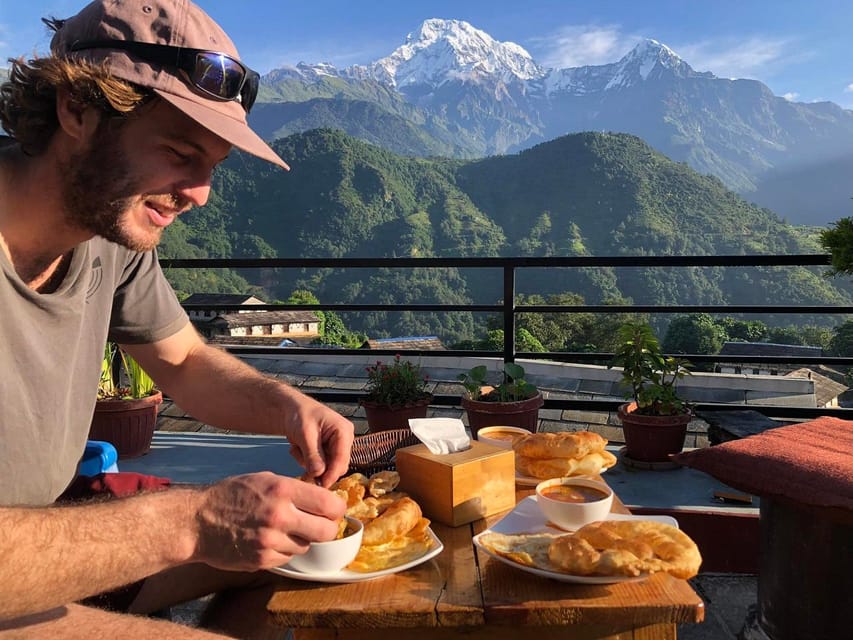
This experience is built around a smooth loop: private transport from Pokhara to Kande, trekking through multiple zones, then returning from Phedi/Ghattekhola. It’s a big help in a place like Pokhara, where traffic and route planning can eat into your hiking time if you try to DIY everything.
Pickup and drop-off are offered from well-known Pokhara areas, including the Lakeside and Sarangkot zones. Some pickups can also include places like Hotels around Fewa Point and Lake View Resort, and even Pokhara International Airport. The practical value is that you’re not wandering around town trying to find the start point.
Guides typically coordinate a time window and arrive a few minutes early with your name sign. That reduces the awkward start where you’re checking phones in the morning haze. And because this is a private group, the pacing can be adjusted to your hiking comfort instead of being forced into a one-size-fits-all tempo.
Plan for about 8 hours door-to-door. You’ll spend real time hiking, plus time at the viewpoint and a village stop. It’s not a quick “half day hop,” and you shouldn’t treat it like one. But it also doesn’t feel like a multi-day trek.
Price and Value: What $42 Buys You in Real Terms
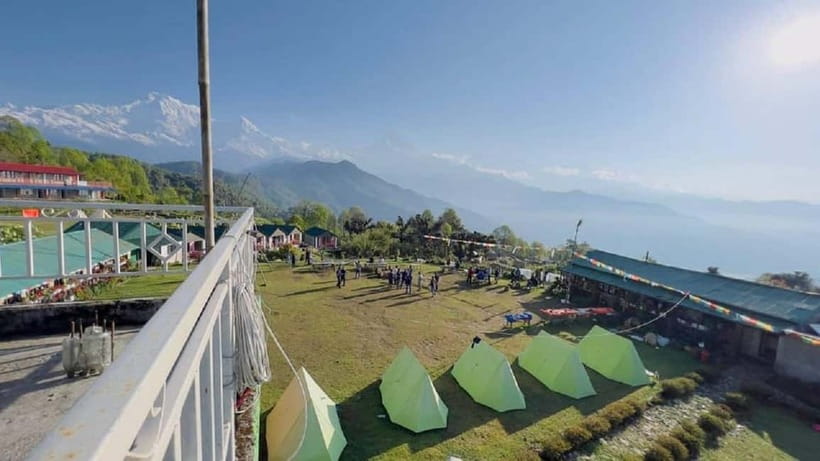
At $42 per person, you’re paying for more than just a trail. You’re getting private vehicle transfers, a local English-speaking guide, permits and fees, bottled water, a first aid kit, and guided time at the main stops. When you add that up, the price starts to make sense fast—especially if you’d otherwise need to hire a guide plus figure out transport.
There’s also the intangible value: guides who explain what you’re seeing make the walk feel longer in a good way. Several people in this region are praised for patient pacing and for turning the route into a learning experience about culture and local nature. That kind of interpretation is hard to replicate on your own unless you already know the area.
Also consider the group setup. This is listed as a private group, which can be a better deal than you might expect if you’re traveling with one or two friends and sharing costs. Even if the hike is “easy-accessible,” the guide and transfers keep the day from becoming a logistics puzzle.
What to Bring (And How to Avoid the Common Mistakes)
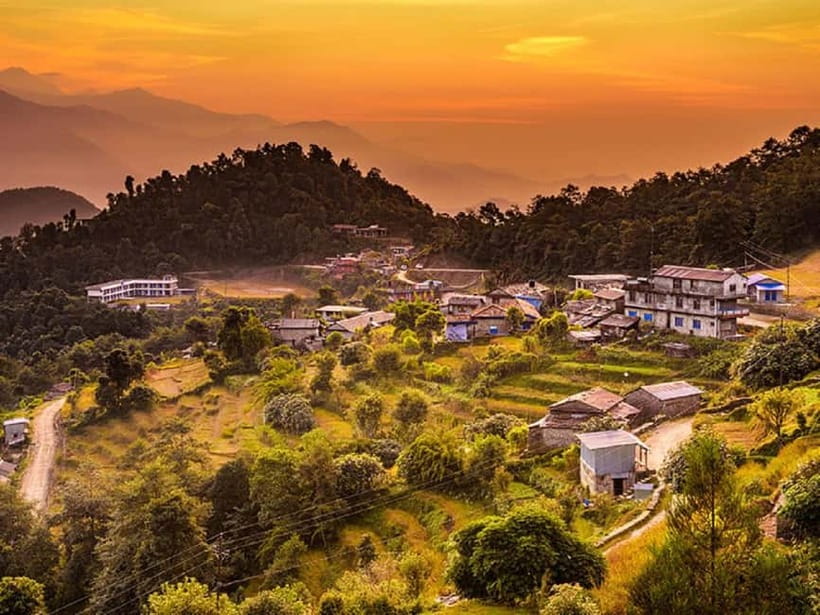
You don’t need special gear, but you do need comfort. Bring comfortable shoes for steps and uneven ground. If you have proper hiking shoes, this is a good time to use them. Add a hat for sun or wind, and bring a camera if you want to capture those mountain angles.
Cash is smart for small extras like snacks or drinks if you don’t select a meal option, since personal purchases aren’t included. Bring comfortable clothes and hiking pants if you have them, because you’ll walk enough that you’ll notice fabric choices.
Finally, set your expectations on pace. This hike is often described as easy day walking for many fitness levels, but the first uphill can still feel demanding. Treat it like a steady effort: take breaks, drink water, and keep your legs working smoothly instead of burning out early.
If you want better mountain visibility, consider an earlier start so you’re not hiking in peak cloud build-up. Your guide can also help you time viewpoint enjoyment so it’s not all guesswork.
Should You Book This Pokhara Hike?
If you’re short on time but still want both Annapurna views and village culture, I think this is a strong booking. It’s a real day of walking and sightseeing, not a quick drive-by, and the structure keeps you from spending your energy on transportation headaches.
Book it if:
- you want a first taste of Annapurna foothills without multi-day trekking
- you like guided context, not just photos
- you’re traveling with mixed hiking abilities and want pacing control
Skip it if:
- you need step-free or wheelchair-friendly routes (this isn’t built for mobility limitations)
- you expect a flat walk with zero uphill effort
If you can handle a stair-heavy start and you show up ready to take breaks, this is the kind of day hike that gives you a clear memory of mountains plus the human scale of rural Nepal.
FAQ
How long is the day hike?
It lasts about 8 hours from pickup through returning to Pokhara.
Where does the hike start and what’s the main route?
You drive from Pokhara to Kande, hike up toward Australian Base Camp Viewpoint, continue to Dhampus, then descend to Phedi/Ghattekhola for the return ride.
Is there an English-speaking guide?
Yes. The guide speaks English (and also Hindi and Nepali).
Do I get picked up from my hotel?
Pickup is included in the Pokhara Lakeside and Sarangkot areas, and other listed pickup options are available. Your exact pickup time is confirmed after booking.
What mountain views should I expect?
From Australian Base Camp Viewpoint, you’ll look for panoramic views of the Annapurna range and Machhapuchhre (Fishtail).
Is lunch included?
Meals are included only when you choose the meal option. Otherwise, personal snacks and drinks are not included.
How hard is the hike?
It’s described as an easy day hike overall, but there is an uphill start with steps that can feel taxing at first. Guides help adjust pace.
What should I bring?
Bring comfortable shoes, a hat, a camera, cash, and hiking pants or comfortable hiking clothes.
Is this hike private?
Yes. It’s set up as a private group.
Is it refundable if my plans change?
Free cancellation is available up to 24 hours in advance for a full refund, and there’s a reserve now & pay later option.
Is it suitable for people with mobility impairments or wheelchair users?
No. It’s not suitable for wheelchair users or people with mobility impairments.