REVIEW · HIROSHIMA
Morning Hiking Tour: Mt. Futaba & Hiroshima’s History
Book on Viator →Operated by Attractive JAPAN · Bookable on Viator
A mountain morning right next to the train station. It’s a private, shrine-and-nature trek up Mt. Futaba that mixes quiet forest steps, red torii gates, and a summit pause with breakfast. I love how smoothly it starts at Hiroshima Station, and I love that the day ends with tea culture instead of just sightseeing photos. One drawback: it’s an uphill hike, so bring good shoes and don’t expect this to feel flat.
The vibe is simple and sincere: walk with a guide, learn why each shrine matters, then slow down at the top with a view over Hiroshima City, the Seto Inland Sea, and Miyajima. Along the way you’ll also get a forest-bathing style break (shinrinyoku) and a guided open-air tea moment (nodate).
In This Review
- Mt. Futaba’s Sacred Walk Feels Like a Side of Hiroshima You Don’t See From Trains
- Easy Start at Hiroshima Station: Get Oriented Fast and Walk Immediately
- Hiroshima Toshogu Shrine: Step Into Local Craft and Meaning
- Kinko Inari Shrine to Mt. Futaba: The Red Torii Stretch Makes the Hike Feel Real
- Futabayama Peace Pagoda Summit: Views Over Hiroshima, the Inland Sea, and Miyajima
- Okumiya Shrine Breakfast Bento: A Local Meal With a View
- Nodate Outdoor Tea Ceremony: Guided Culture You Can Actually Participate In
- Price and Value: What $157.60 Actually Covers for a Small-Group Morning
- Guide-Led Stories Make Shrines Feel Personal, Not Random
- Who Should Book This Mt. Futaba Hike (and Who Might Want Another Option)
- Should You Book This Mt. Futaba Morning Hiking Tour?
- FAQ
- How long is the Mt. Futaba and Hiroshima history morning hiking tour?
- Where do I meet the guide?
- How many people are in the group?
- What stops are included on the hike?
- Is the breakfast included?
- Is the tea ceremony included?
- Are shrine admission tickets included?
- Can the food be adjusted for dietary needs?
- What if the weather is bad?
- Is this suitable for young children?
- Does the tour end back at Hiroshima Station?
Mt. Futaba’s Sacred Walk Feels Like a Side of Hiroshima You Don’t See From Trains
This tour is built around one idea: Hiroshima isn’t only history and museums. It also has a spiritual, green morning that starts in the city and climbs into silence fast. You’ll move from shrine grounds into forest, and the route gives you that gradual shift—crowds fade, birds take over, and the red torii color becomes the visual soundtrack.
The best part is the pacing. It’s short enough to stay relaxed for most people, but structured enough that you’re never just walking blindly. Your guide connects the dots between architecture, shrine traditions, and the landscape you’re standing in. Some of the guides have names you might see mentioned on past departures—Michi, Naomi, Kota, Lisa, and Michiyo—which tells you this isn’t a one-size-fits-all “tour escort” job. You’re getting people who can explain what you’re seeing in clear English.
Easy Start at Hiroshima Station: Get Oriented Fast and Walk Immediately
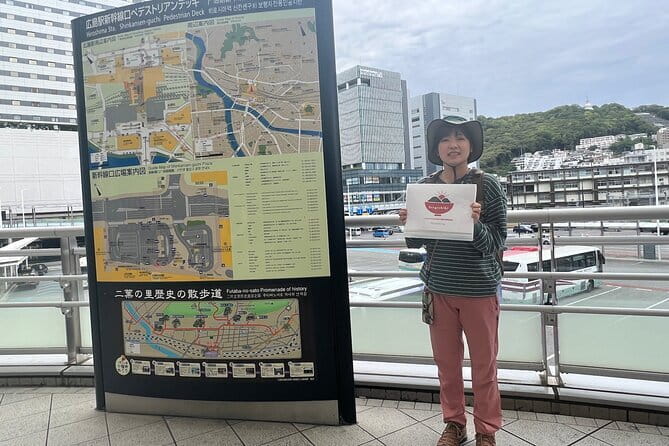
You meet at Hiroshima Station at the Shinkansen exit area. It’s a practical setup: you’re already in the right part of town, and you don’t need a separate train ride just to begin. After introductions, the guide explains the route so you know what to expect before your first uphill step.
This matters more than it sounds. When mornings start with confusion, you lose energy. Here, you can get your bearings fast, then let the day roll.
Time-wise, the tour runs about 3 hours 30 minutes, and there are scheduled departures listed for two time windows (one around 07:30 and another around 10:00). Since you also have breakfast and tea on the way, the timing is designed so you’re not rushing meals or sacrificing the view at the top.
Also, the group size stays small (maximum 6 travelers). That usually translates into more room for questions and a calmer pace around shrines.
You can also read our reviews of more hiking tours in Hiroshima
Hiroshima Toshogu Shrine: Step Into Local Craft and Meaning
Your second stop is Hiroshima Toshogu. This is where the tour shifts from nature-walk mode to “read the place” mode. Instead of treating shrines like photo backdrops, you learn what the site represents and why it’s considered culturally important.
What I like here is the emphasis on understanding details that most visitors might skip. The route includes an admission component here, and the guide uses that time to explain cultural assets and architectural value in a way that’s easy to follow.
A good sign: people consistently highlight how much they learn about religion and tradition from the guide. That matches what this stop is set up to do—give you context before you move deeper into shrine space.
Kinko Inari Shrine to Mt. Futaba: The Red Torii Stretch Makes the Hike Feel Real
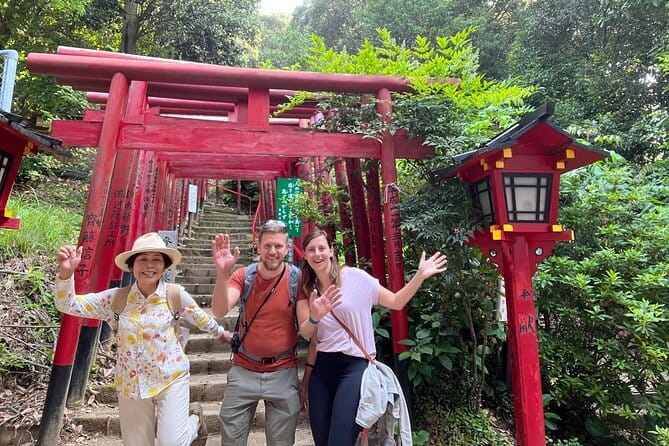
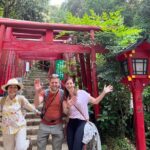
Then you head to Kinko Inari Shrine and start hiking toward Mt. Futaba. This is one of the most memorable parts because you’re walking through sacred space, not just a trail. The torii gates are a key visual feature, and the route includes 100+ red torii gates along the way.
That detail changes how you experience the climb. Torii gates don’t just mark a path—they tell you you’re moving through a spiritual corridor. Even if you’re not a religion scholar, it gives you a clear sense of place.
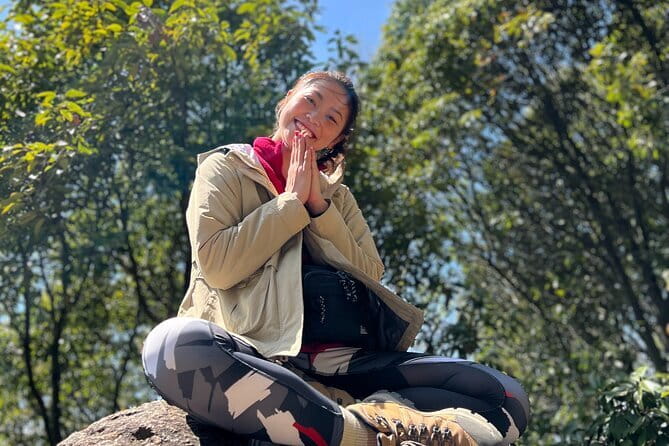
Expect an uphill hike. One past participant notes the climb from the base toward the summit takes roughly 20–30 minutes. That’s not a marathon effort, but it’s enough to make your legs notice you’re working.
Practical tip: treat this as a steady climb, not a sprint. You’ll want your energy for the summit view and the breakfast that comes after.
Futabayama Peace Pagoda Summit: Views Over Hiroshima, the Inland Sea, and Miyajima
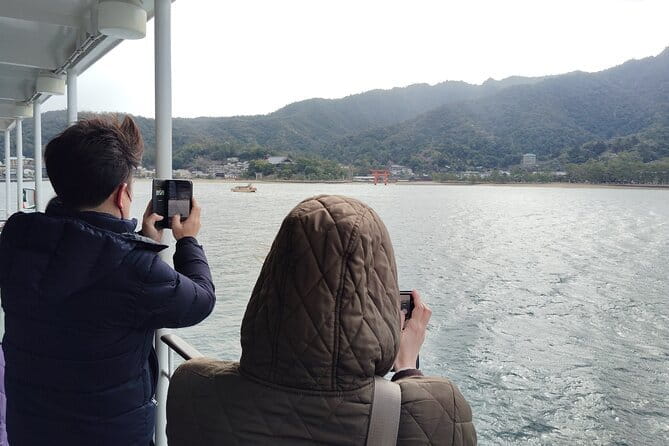
Next comes the payoff: Futabayama Peace Pagoda at the top area. This is where the itinerary turns scenic and reflective. From here you get broad views over Hiroshima City, the Seto Inland Sea, and Miyajima.
The tour doesn’t rush this moment. You’re expected to stop and enjoy the scene, not just pass through it. That’s important if you’re traveling on a tight schedule and usually feel like you’re “collecting” sights instead of experiencing them.
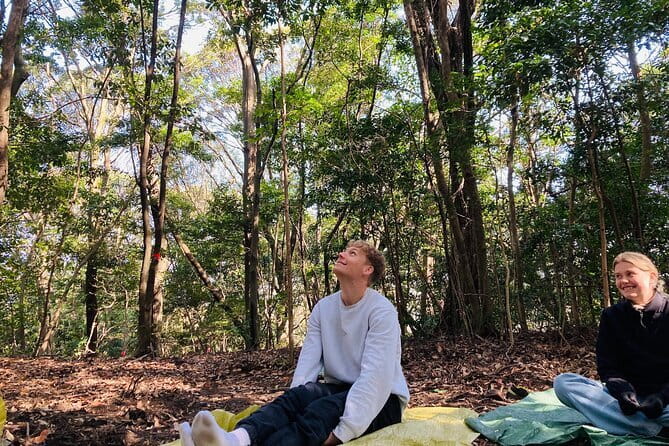
Right after the summit view, you’ll do shinrinyoku, often translated as forest bathing. The idea isn’t yoga-movie stretching. It’s a guided way to slow down in the woods—attention on air, sound, and the feel of being among trees.
This is also where the tour’s tone becomes very human. People often mention that the day feels like recovery: a break for body and mind that’s hard to replicate in a busy city morning.
Okumiya Shrine Breakfast Bento: A Local Meal With a View
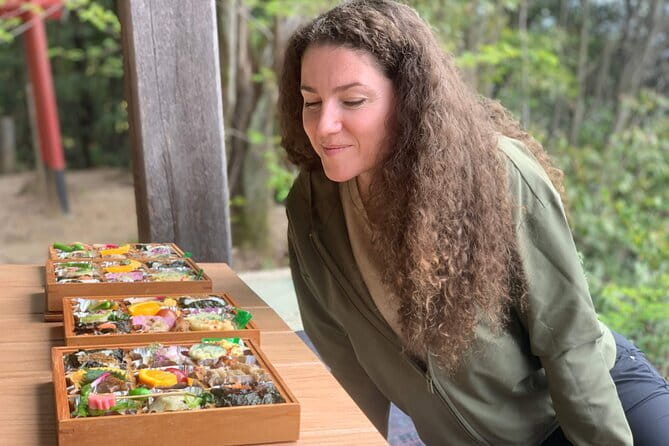
You’ll have a special bento box filled with local products at Okumiya Shrine. This is not generic “tour breakfast.” The meal is part of the experience, tied to the place you’re in and the timing of the hike.
The practical win is that you don’t have to plan food while you’re moving between shrines. And because it’s bento with local items, it supports the idea of eating like someone who lives nearby, not like someone trying to finish a checklist.
Keep your expectations realistic: this is breakfast, so you’re not turning it into a long feast. But it’s timed so you can refuel after the climb and still feel rested for the tea ceremony afterward.
If you have dietary needs, you’re in luck. The tour notes that food and beverages can be adapted for allergies and preferences such as halal, Muslim-friendly, vegetarian, and vegan. If any of that applies to you, you should contact the operator before booking so they can plan the right meal.
Nodate Outdoor Tea Ceremony: Guided Culture You Can Actually Participate In
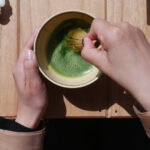
After breakfast and a forest-bathing pause, your tour includes nodate, an open-air tea ceremony performed by the guide. This is one of the most “on purpose” parts of the morning.
Why it works: tea culture is usually presented as a fixed museum-like ritual. Here, it’s done outdoors as part of the flow of the walk. That makes it easier to understand and easier to enjoy because the setting supports the mood.
You’ll get a chance to experience the ceremony as more than watching someone pour. The guide leads it, so you’re not left guessing what you’re supposed to notice.
It’s also a strong closing chapter: you start the morning moving uphill, then you slow down again with ceremony. Most day tours in Hiroshima end with either a train ride or a crowd. This ends with calm.
Price and Value: What $157.60 Actually Covers for a Small-Group Morning
At $157.60 per person for about 3 hours 30 minutes, the price can look high at first glance—until you break down what you’re paying for.
Here’s the value picture:
- A private-style experience limited to a maximum of 6 travelers, which usually means more attention from the guide.
- A guided route that covers multiple sacred sites in one compact morning, so you’re not stitching together transport and tickets yourself.
- Admissions included at key shrines (tickets are stated as included for Hiroshima Toshogu, Kinko Inari, and for the tea ceremony portion), which reduces the “hidden cost” you often hit on your own.
- Breakfast and tea culture built into the itinerary (bento box at Okumiya Shrine and nodate tea experience).
- A guide-led cultural lesson, not just route walking.
If you’re the type of traveler who values explanations over stamps, this price makes more sense. You’re paying for interpretation of the places you pass—plus the meal and tea moment that would otherwise cost you time.
Mobile ticketing is included too, which is helpful if you like to keep everything on your phone.
Guide-Led Stories Make Shrines Feel Personal, Not Random
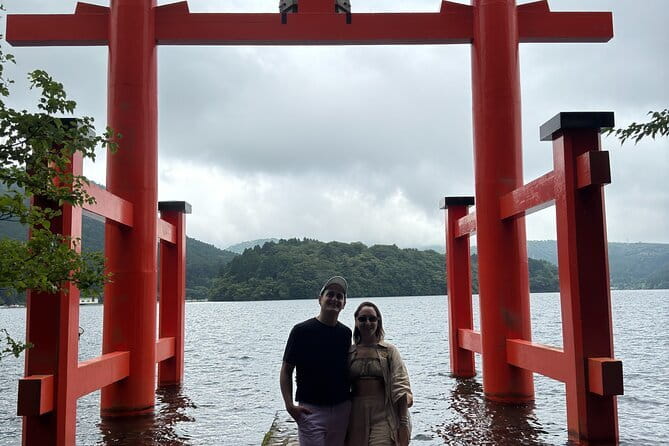
One theme shows up again and again in how people talk about this tour: the guide’s storytelling. Names like Michi, Naomi, Kota, Lisa, and Michiyo come up as people who explain religion, shrine traditions, and Hiroshima context in clear English.
That matters because shrines can be confusing if you don’t know what to look for. The guide helps you notice the patterns and the respect embedded in the customs—so you’re not just seeing structures, you’re understanding why people treat them with care.
And because the group is small, questions land naturally. If you’re curious about torii gates, shrine architecture, or why the forest matters to worship spaces, you’re in a better position to get answers than you would in a bigger group.
Who Should Book This Mt. Futaba Hike (and Who Might Want Another Option)
This tour is a great fit if you want:
- A morning plan that blends nature and culture without long travel time
- Scenic views without a full-day commitment
- A meal included in the experience (bento breakfast) and a guided tea moment
- A small group pace where you can actually ask questions
It may be less ideal if:
- You don’t do well with uphill walking. Expect a steady climb and plan for legs that feel it.
- You want a fully hands-off experience. This is a guided cultural trek, not a DIY nature walk.
For almost everyone else—especially first-timers to Hiroshima—you’ll probably appreciate the “city-to-summit” rhythm. You get a rare combo: quiet forest steps, shrine meaning, and a wide viewpoint that makes Hiroshima feel bigger than what you see from streets alone.
Should You Book This Mt. Futaba Morning Hiking Tour?
If your ideal morning includes fresh air, shrine traditions, and a real cultural activity like nodate tea, then yes, I’d book it. The biggest reason is balance: you get walking, learning, and a calm finale with breakfast and tea instead of only hauling yourself between sites.
If you’re on the fence, do this quick check:
- Can you handle an uphill hike for about the time it takes to reach the summit area?
- Do you enjoy guided explanations more than browsing alone?
- Would you rather have a structured morning with meals included than cobble together your own shrine route?
If you answered yes to at least two, this is one of the more thoughtful ways to spend a morning in Hiroshima.
FAQ
How long is the Mt. Futaba and Hiroshima history morning hiking tour?
It runs about 3 hours 30 minutes (approx.).
Where do I meet the guide?
You meet at Hiroshima Station at the Shinkansen exit area (Station 1-2番37号, Matsubarachō, Minami Ward).
How many people are in the group?
The tour maximum is 6 travelers.
What stops are included on the hike?
The route includes Hiroshima Toshogu, Kinko Inari Shrine, Futabayama Peace Pagoda (summit area), and a breakfast and tea ceremony portion around the shrine area, finishing back at Hiroshima Station.
Is the breakfast included?
Yes. You’ll have a special bento box filled with local products.
Is the tea ceremony included?
Yes. The tour includes an outdoor tea ceremony called nodate, performed by the tour guide.
Are shrine admission tickets included?
Admission tickets are included for key stops such as Hiroshima Toshogu and Kinko Inari, and related parts of the tour, while the Hiroshima Station meeting/end points are free.
Can the food be adjusted for dietary needs?
Yes. The tour states that food and beverages can be adapted for allergies and preferences including halal, Muslim-friendly, vegetarian, and vegan. Contact the operator before booking if you need changes.
What if the weather is bad?
If the tour is expected to be cancelled due to weather, you’ll be advised by the morning of the previous day through the tour operator.
Is this suitable for young children?
Children aged 0–5 years old can participate for free.
Does the tour end back at Hiroshima Station?
Yes. The tour ends back at Hiroshima Station (around the meeting point area).