REVIEW · HIROSHIMA
Hiroshima Local guided Hiking Tour&Open-air Tea Ceremony
Book on Viator →Operated by Attractive JAPAN · Bookable on Viator
Mt. Futaba wakes up fast, and so does your day.
This guided hike threads through Shinto shrines and quiet forest paths above Hiroshima, then tops it off with an open-air tea moment high on the mountain. I love that the route mixes sacred places with real walking time, not a rushed checklist. You’ll also get a clear sense of how local rituals connect to the landscape around Hiroshima, explained in plain language by guides like Nana or Michi.
Second, I like the pacing: there are pause-and-learn stops, plus time for forest bathing (shinrinyoku) and the view before the tea. One possible drawback: you do need to climb about 500 steps, so plan for stairs and uneven trail sections, especially if it’s hot.
In This Review
- Key things that make this tour worth your morning
- Why Mt. Futaba feels like a real side of Hiroshima
- Getting to the start: Hiroshima Station, then straight up the mountain
- Hiroshima Toshogu Shrine: culture before the climb
- Kinko Inari Shrine and the 500 steps to Mt. Futaba
- Futabayama Peace Pagoda: view time plus a calmer mind
- Back to the shrines, then the open-air Nodate tea at Okumiya
- Pace, effort, and what to expect on the trail
- Value: $109.43 for a small group, a ceremony, and included admissions
- Weather and timing: choose the right morning for your style
- Who this tour is for (and who should skip it)
- Should you book this Hiroshima Mt. Futaba hike and tea ceremony?
- FAQ
- How long is the Hiroshima Local guided hiking tour with tea ceremony?
- What is the price per person?
- Where do you meet for the tour?
- Where does the tour end?
- What are the main highlights you’ll do during the tour?
- How many steps are involved in the hike?
- What group size should I expect?
- Is the tea ceremony open-air?
- Are admission tickets included?
- What happens if the weather is poor?
Key things that make this tour worth your morning
- Small group size (max 6): more time for questions and a calmer rhythm on the trail
- 500 steps on Mt. Futaba: a real workout, but with frequent pauses
- Nodate tea ceremony at Okumiya Shrine: open-air matcha with a mountaintop view
- Shinrinyoku (forest bathing): slow down on purpose, not just by accident
- Multiple shrine stops: Hiroshima Toshogu, Kinko Inari, and more on a single route
- Conservation support: 5% of the fee goes to Futaba Mountain conservation activities
Why Mt. Futaba feels like a real side of Hiroshima
Hiroshima is famous for its memorials, and you absolutely should set aside time for Peace Park. But this hike offers something different: a quieter Hiroshima that locals connect to daily—shrines, forest rituals, and views you can only get by going up.
The tour starts at Hiroshima Station and heads right into the Futaba Mountains early enough that you can still feel fresh. Instead of spending your morning in crowds, you’re walking through a pilgrimage-style route with a guide who keeps explaining what you’re seeing—especially how Shinto practice and shrine culture shape what people notice.
What makes it special is the combo: sacred steps, slow forest time, and tea outside. That mix turns the morning from sightseeing into a lived experience.
You can also read our reviews of more tours and experiences in Hiroshima.

Getting to the start: Hiroshima Station, then straight up the mountain
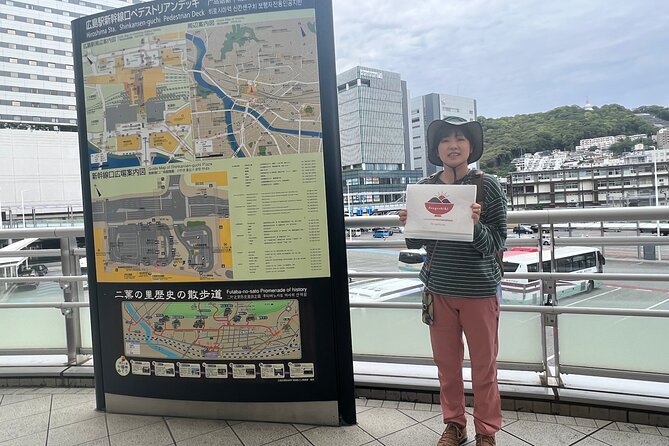
You meet at Hiroshima Station Shinkansen Exit, specifically 1–2番37号 Matsubarachō, Minami Ward. The activity ends back at the same meeting point, so there’s no mid-tour transfer.
There are multiple start times listed (07:30, 10:00, or 13:00). If your goal is to protect the rest of your day, the earlier departure is the better bet. You get the hike and ceremony done while the city is still waking up, then you can spend the afternoon however you want.
Practical tip: with the stairs and forest sections, I’d rather you arrive with water already on board and comfortable shoes already tied. This is the kind of tour where you’ll feel the path more than you’d expect from a “3-hour” label.
Hiroshima Toshogu Shrine: culture before the climb
The first major stop is Hiroshima Toshogu Shrine. You get about 30 minutes here, which is enough time to walk, look closely, and learn what the shrine is about without feeling rushed.
This matters because it sets the tone. A lot of visitors in Japan see shrines as photo backdrops. Here, you’re guided through the meaning of what you’re seeing, and you’re primed for the ritual logic you’ll run into later at Kinko Inari and the tea stop.
Value note: admission tickets are included. That small detail helps you keep the day simple.
Kinko Inari Shrine and the 500 steps to Mt. Futaba
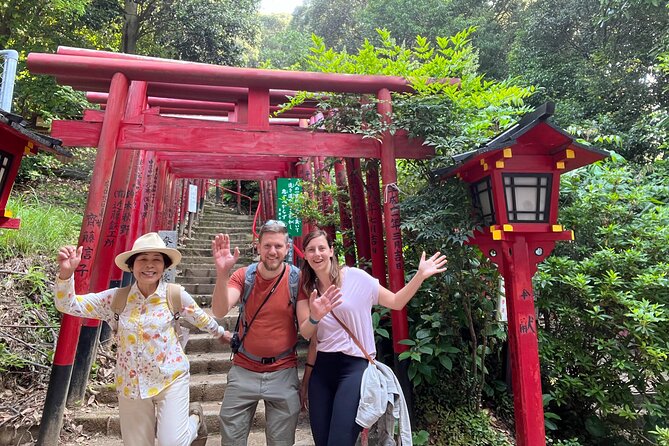
Next comes Kinko Inari Shrine and the hike toward Mt. Futaba. This is the part you’ll feel in your legs: you need to go up 500 steps.
About the effort: you’re not just doing one long grind. The tour is structured with breaks and stops, so even if you’re not an endurance hiker, the climb can work. The reviews you’re likely to see for this kind of route often mention the stairs and uneven patches being manageable with frequent pauses and a steady pace.
Why this stop is more than just steps:
- Kinko Inari ties together the walking route and the spiritual context
- you learn what certain shrine elements mean as you move through the path
- the climb is paced so you’re not doing it all in one breath
If you’re traveling with limited mobility, this is the first place you should think hard. “Most travelers can participate” is the headline, but the stairs are real—and there’s no way around them on this route.
Futabayama Peace Pagoda: view time plus a calmer mind
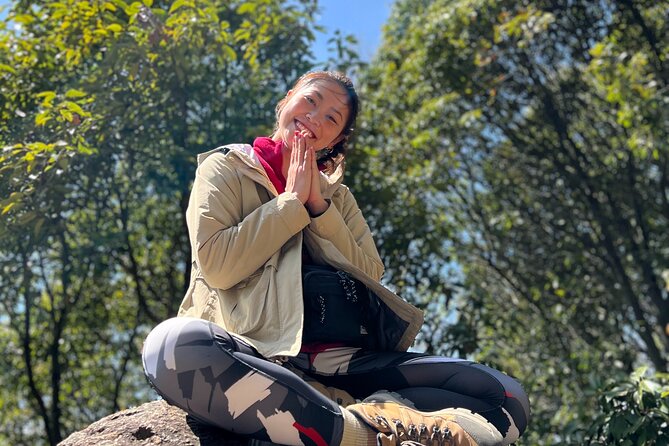
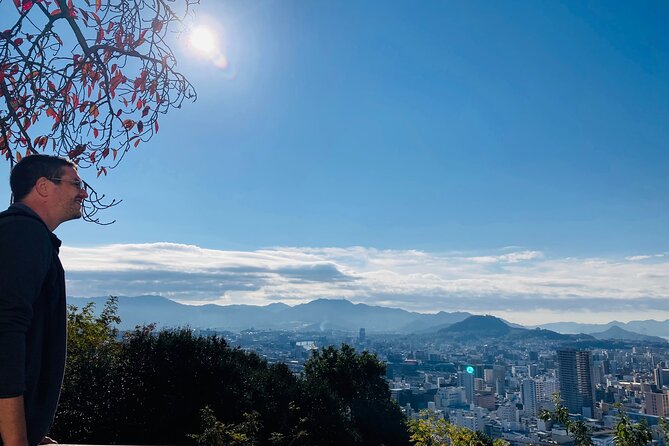
After the climb, the tour heads to Futabayama Peace Pagoda. You get time at the top to enjoy a spectacular view over Hiroshima City, the Seto Inland Sea, and Miyajima.
This is one of those moments that helps the rest of your trip click. Peace Park tells one truth about Hiroshima; a view from the mountains tells another—how the city sits in a wider region, how recovery took place, and how people still live here with that history in mind.
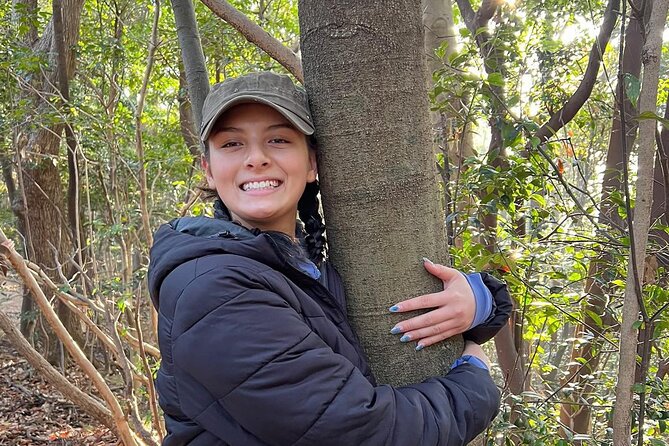
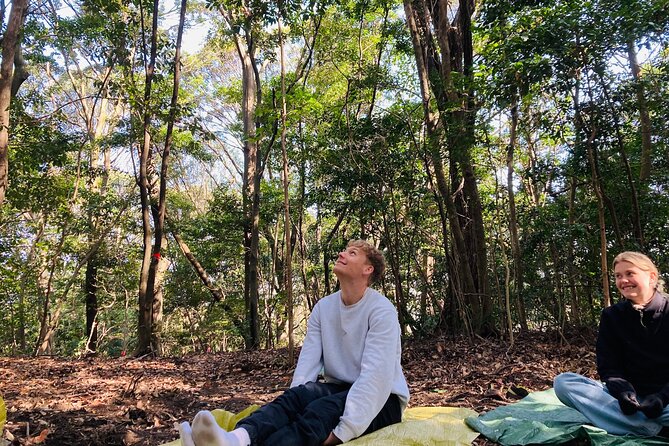
You’ll also get a period of relaxation with shinrinyoku (forest bathing)—listed at about 35 minutes. That’s not just a rest stop. It’s a guided pause that gets you to slow down and notice the forest with your senses, which makes the tea ceremony feel even more intentional later.
Back to the shrines, then the open-air Nodate tea at Okumiya
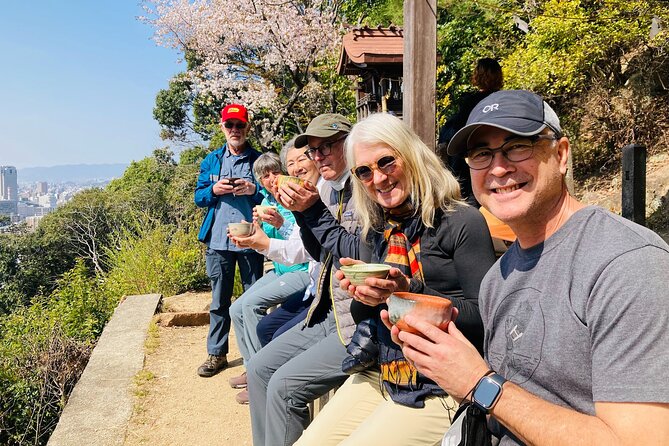
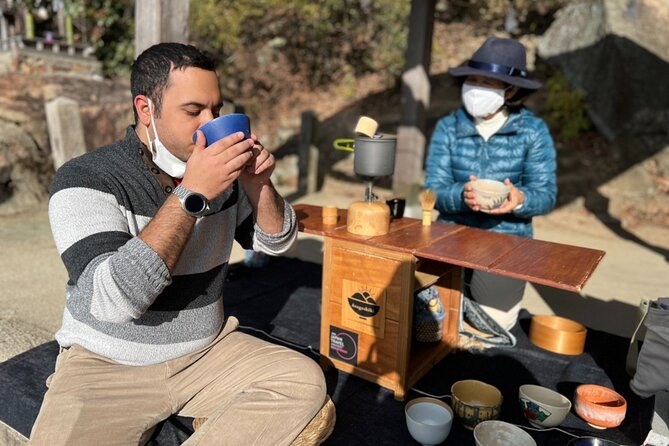
The last big experience is a return to Kinko Inari Shrine area, followed by the highlight for many people: the Nodate open-air tea ceremony at Okumiya Shrine.
You spend about 1 hour for the tea segment, and it’s specifically described as happening outdoors with a mountain view. This is where the day’s theme lands. You’ve walked through shrine culture, taken forest time, and then you switch to a slower ritual where the surroundings matter.
What I like about this setup: tea is easy to fit into a trip, but this version isn’t just drinking matcha in a café. Open-air tea up high changes the whole experience. You’re not escaping the hike—you’re extending it, with a ritual that matches the pace you built on the mountain.
Also, admission tickets are included for each stop listed, so you’re not hunting for add-ons while you’re already focused on walking and listening.
Pace, effort, and what to expect on the trail
This tour runs about 3 hours (approx.) and includes multiple stops. The structure is built so the route doesn’t feel like a nonstop climb.
Still, plan for:
- 500 steps (the main physical requirement)
- steep or uneven trail sections in forest areas (common on mountain shrine routes)
- a warm-weather reality check, since the climb can feel intense in direct sun
My practical recommendation: dress for layers. Mornings can be cooler in the forest, then warmer once you’re higher and closer to open sky. Bring water you can sip between breaks.
And one more thing: with a max group size of 6, you’ll get a more personal experience than big bus-style tours. That’s great, but it also means the guide may keep the group together closely—so don’t plan on long wandering time off trail.
Value: $109.43 for a small group, a ceremony, and included admissions
At $109.43 per person, this isn’t a budget stroll. The value comes from what’s wrapped together in one morning:
- Guided access to multiple shrine stops on the route
- A full tea ceremony (Nodate) on a mountaintop
- Forest bathing time (shinrinyoku), not just a stop to rest
- Admission tickets included across the listed stops
- A small group cap (max 6), which usually translates into better attention and smoother pacing
There’s also a feel-good piece: 5% of the fee is donated to Futaba Mountain conservation activities. It’s not a substitute for protecting nature yourself, but it’s a real link between your trip and upkeep of the place you’re enjoying.
If you love the idea of Japan that’s not only in famous city centers—and you want something calm, spiritual, and physical—this price starts to make sense.
Weather and timing: choose the right morning for your style
This experience requires good weather. If it’s canceled due to poor weather, you’ll be offered a different date or a full refund.
So treat it like a morning hike you care about. If the forecast looks rough—heavy rain, slippery conditions—you might want to adjust your plans early.
Timing matters too:
- Morning starts (like 07:30) give you the rest of the day free
- mid-day or early afternoon options still work, but you’ll be hiking at warmer hours if summer is in play
Who this tour is for (and who should skip it)
This one fits best if you want:
- a non-crowded side of Hiroshima
- shrine culture explained in context (not just standing at gates)
- a hike that includes time to breathe, not only time to move
- the combination of tea + views at the top
It may not be the best choice if:
- stairs are a deal-breaker for you
- you want zero physical effort (this includes a climb requirement)
- you hate outdoor ceremonies or prefer purely museum-style sightseeing
For couples, friends, and small families, the small group size is a big plus. It also sounds like a strong choice for travelers who already plan to visit Peace Park and want a second, softer angle on the city.
Should you book this Hiroshima Mt. Futaba hike and tea ceremony?
I’d book it if you want your Hiroshima day to feel grounded in place: forest air, shrine routes, a slow ritual, and a real view from above the city. The standout for me is the pairing of Nodate open-air tea with the spiritual pacing of the mountain trek. It’s not a standard tour format, and that’s exactly why it works.
I’d think twice if you’re not comfortable with 500 steps or you’re traveling during weather that’s likely to disrupt outdoor plans. If that’s you, pick a different Hiroshima activity where your mobility and schedule won’t be pressured.
If you can do the steps and you like a calm morning with meaning built in, this is an easy yes.
FAQ
How long is the Hiroshima Local guided hiking tour with tea ceremony?
It’s about 3 hours (approx.).
What is the price per person?
The price is $109.43 per person.
Where do you meet for the tour?
You meet at Hiroshima Station Shinkansen Exit, 1–2番37号 Matsubarachō, Minami Ward, Hiroshima.
Where does the tour end?
It ends back at the same meeting point.
What are the main highlights you’ll do during the tour?
You’ll hike in the Futaba Mountains with shrine visits, enjoy shinrinyoku (forest bathing), and take part in a Nodate open-air tea ceremony with a mountaintop view.
How many steps are involved in the hike?
You need to go up 500 steps.
What group size should I expect?
The tour has a maximum of 6 travelers.
Is the tea ceremony open-air?
Yes. The Nodate tea ceremony is performed outdoors at the mountaintop area (Okumiya Shrine).
Are admission tickets included?
Yes. Admission tickets are included for the stops listed in the tour.
What happens if the weather is poor?
The experience requires good weather. If canceled due to poor weather, you’ll be offered a different date or a full refund.