Torii gates meet real forest trails. This small-group hike sends you off paved paths at Fushimi Inari, so you spend most of the time away from photo-jammed crowds. I like that the day is built around a quieter approach from Tofukuji Station, with guides who help you notice what most people miss.
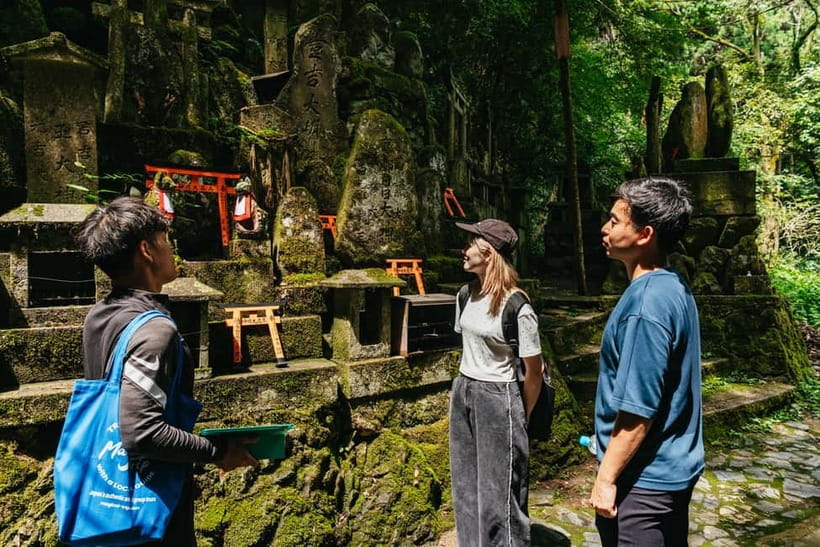
You also get two very different kinds of moments. One is nature: a stop in a bamboo grove and shaded hillside walking. The other is cultural: guides (like Jimmy and Hina) explain how the shrine space works, including respectful ways to enter torii areas and handle offerings and wishes.
One drawback: this is not a casual stroll. It’s about 7 kilometers total with uneven forest paths and enough climbing to count as moderate hiking, plus mosquitoes and bugs in the woods—so long sleeves and long pants matter.
In This Review
- Key things I’d plan for
- Why Fushimi Inari Feels Different From the Back Trail
- Starting at Tofukuji: Temple Pause Before the Climb
- Hidden Shrines and the Quiet Neighborhood-to-Mountain Transition
- Bamboo Grove Breaks: Your Escape Route from the Crowds
- Summit Altars and the Torii-Gate Connection
- Forest Descent to a Second Bamboo Grove and a Better Photo Moment
- Pace, Terrain, and What to Wear for 7 Kilometers of Forest
- Price and Value: What $72 Buys You in Kyoto
- Who This Tour Fits Best (and Who Should Skip It)
- Should You Book This Hidden Fushimi Inari Trail Tour?
- FAQ
- Where is the meeting point?
- How long is the tour, and how much do you walk?
- What should I wear and bring?
- Is this tour suitable for kids?
- Is luggage allowed?
- What’s included in the price?
Key things I’d plan for
- Most of the hike stays uncrowded by taking forest tracks off the main flow.
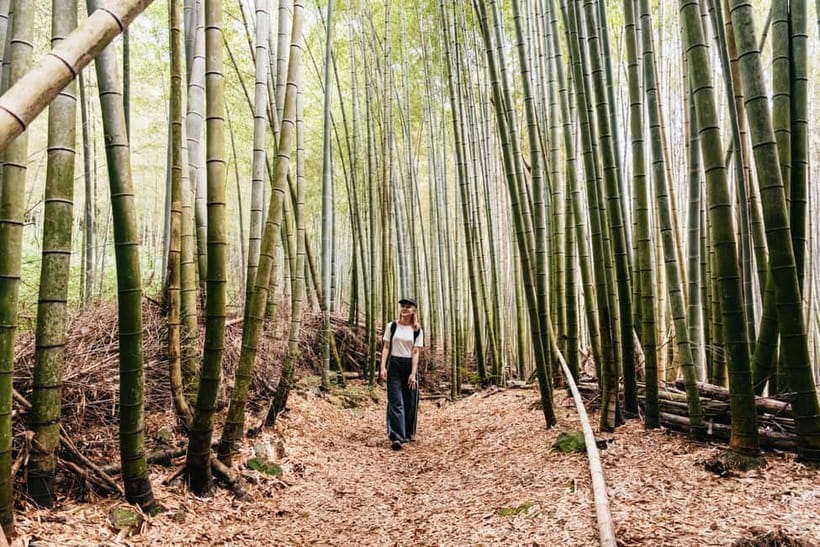
- Bamboo grove time gives you that Kyoto-wonder vibe without the crush.
- You still reach the classic torii areas but at a better pace and sequence.
- Photo support is included, so you’re not stuck begging strangers to take your picture.
- Small-group feel (up to 9 people) keeps the pace human and the stops actually useful.
Why Fushimi Inari Feels Different From the Back Trail
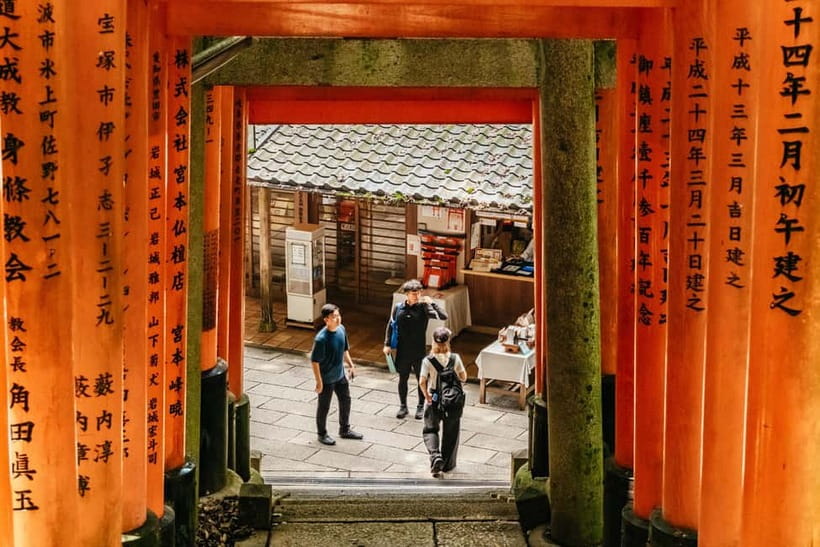
Fushimi Inari is famous for its thousands of red torii gates. The usual problem is what comes with fame: crowds that move like a slow tide, with people stopping exactly where you want to walk, and phones held up like they’re building a second shrine.
This tour changes the rhythm. You start from the Tofukuji side and head onto trails that are meant for walking, not for bottlenecks. That means you can enjoy the shrine like a place, not a maze. The experience is designed so that for a good portion of the hike, you’re on quieter forest routes where the gates and shrines feel more connected to the landscape (literal hillsides and trees) instead of just stuck to a tourist itinerary.
I also like the way the tour balances two goals that usually compete in Kyoto: exercise and understanding. You’re moving, but you’re also getting context. In past groups, guides such as Josh and Yukari have been praised for making the religious customs make sense in plain language—things like how torii gates function, and how to behave around offerings and wishes. That turns a photo stop into something with meaning.
You can also read our reviews of more hiking tours in Kyoto
Starting at Tofukuji: Temple Pause Before the Climb
The tour meets at FamilyMart Nakai Tofukuji Store, outside of Tofukuji Station Exit 2, next to the FamilyMart. It’s an easy pin to find, especially if you’re already in the station area.
From there, you don’t jump straight into a steep hike. You begin with a short visit at Tofukuji Temple (about 10 minutes). That quick start does two smart things for you:
- It helps you reset your brain from train mode to shrine mode.
- It gives your legs a gentle ramp-up before the mountain walking begins.
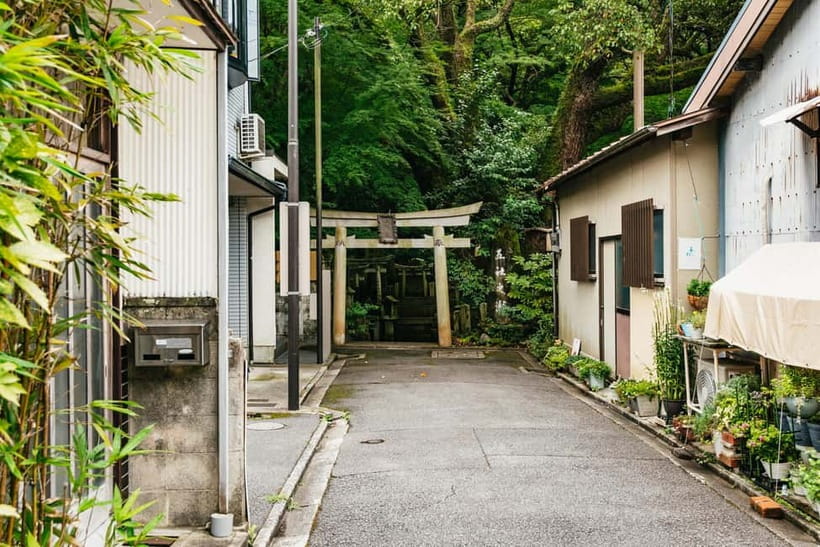
After the temple visit, you move into a quiet neighborhood. This part matters because it’s not just scenic walking. You’re transitioning from city to sacred space, and your guide uses the route to set expectations for what you’ll see later—altars, torii gates, and side shrines that most people skip because they’re focused on the main corridor.
If you’re the type who likes a clean start, this one helps. You arrive early enough to feel present, not late enough to be pushed into the busiest stream.
Hidden Shrines and the Quiet Neighborhood-to-Mountain Transition
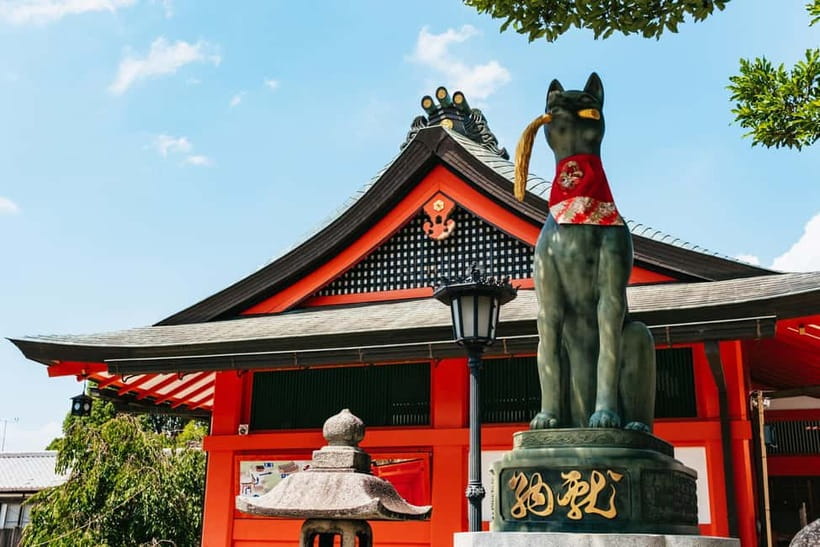
The tour’s next stretch focuses on the “in-between” spaces: small shrines and quieter corners before you reach the main mountain trail. This segment is scheduled at about 40 minutes and is where you’ll feel the tour’s real personality.
Instead of only doing the headline views, you get practice at noticing details:
- The smaller shrine spaces that sit along the route.
- The way stone paths and trail lines gradually shift from paved neighborhood edges into mountain walking.
- The signs that the area is lived-in and respected, not just photographed.
Guides in this tour style often help you understand what you’re seeing without turning it into a lecture. Multiple guides named in past groups—like Hina and Naru—were described as taking time with questions and stopping to point out what matters.
This section is also a good “pace check.” If you’re unsure how you’ll handle stairs or uneven steps, you’ll learn that early. Your guide typically keeps the group moving at a steady pace with regular pauses, and the tour is designed for small groups (up to 9), which makes those pauses feel personal rather than chaotic.
Bamboo Grove Breaks: Your Escape Route from the Crowds
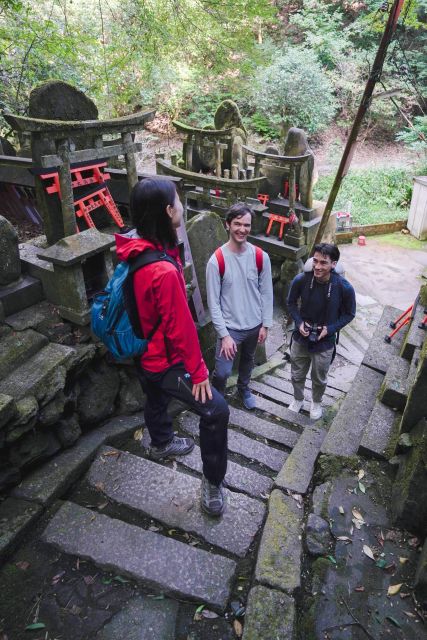
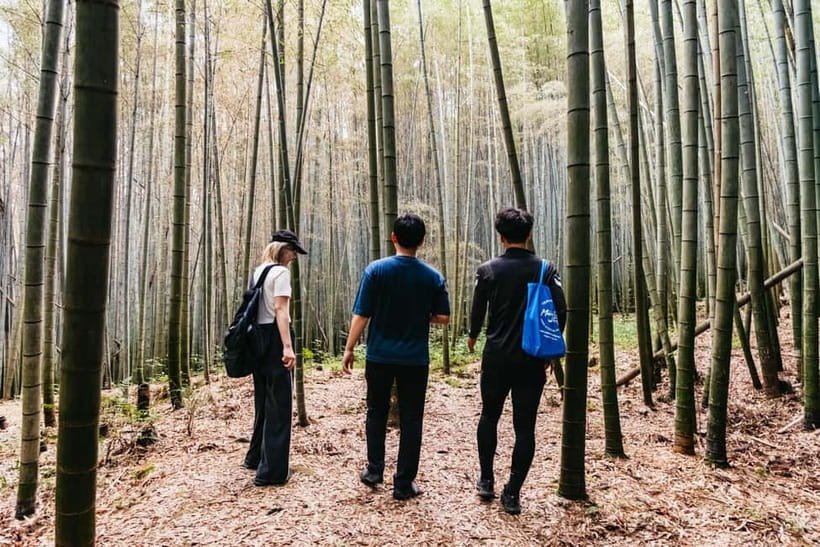
Then comes the nature part that people talk about for a reason: a stop at a bamboo grove. It’s one of those Kyoto scenes that can look magical in photos, but it hits harder when you’re actually walking among the stalks and hearing the surroundings change.
This tour includes not just one, but bamboo time on both sides of the climb and descent. You’ll get bamboo on the way up and another grove later during the return hike. That’s valuable because it breaks up the “torii-only” rhythm. It also gives you photo options that don’t require waiting for a crowd to shuffle aside.
Practically, bamboo areas also give you shade. That matters here because the tour notes that about half the walking is in the forest, so you won’t be baking under direct sun the entire time.
Photography is part of the plan too. Photos during the tour are included, and many past participants specifically appreciated getting pictures taken at scenic stops instead of juggling a camera while stepping onto uneven ground.
Summit Altars and the Torii-Gate Connection
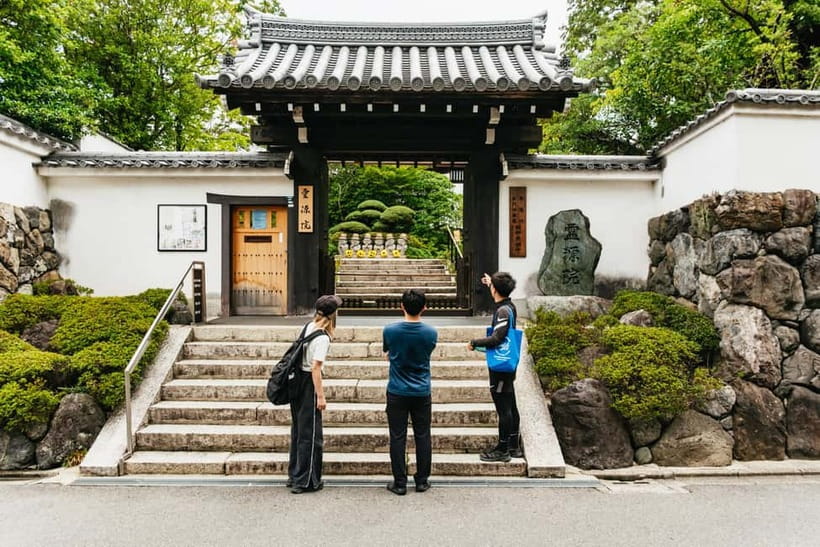
As you continue, you work your way upward through trails that connect into the famous main path of vermilion torii gates. The tour is structured so that you still reach the summit area—covered with shrine altars—before you head back down.
Reaching the top is more than a workout goal. It’s where the shrine feels complete. The summit altars and the gate progression give you a sense of why this place became so visually iconic in the first place: torii gates marking a sacred path through a mountainous shrine complex.
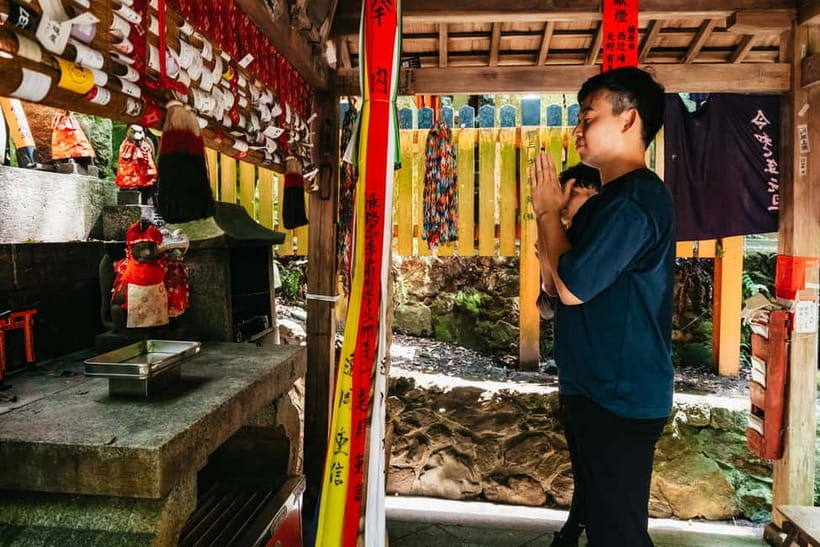
This is also where cultural guidance becomes extra useful. Guides like Jimmy were praised for teaching respectful entry into torii areas and how offerings and wishes are approached. You’ll see many people doing quick, automatic motions. Having a guide explain what those actions mean helps you avoid accidentally treating the shrine like a theme park.
One more point: the torii path can be crowded once you hit the most famous flow. The tour’s sequence helps you experience the quiet first, then the busy later. One set of experiences is rarely the same as the other, and this itinerary is built around that reality.
Forest Descent to a Second Bamboo Grove and a Better Photo Moment
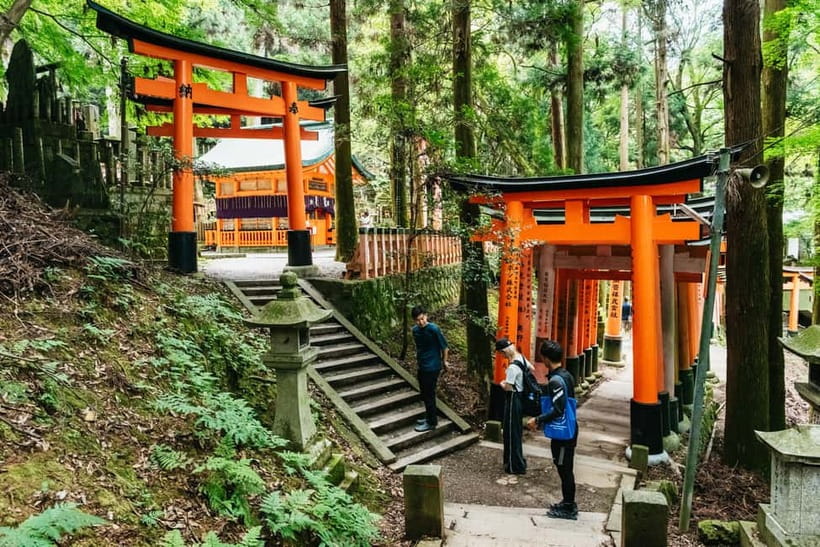
The return hike is where the tour earns its “hidden trail” reputation. You come down via a forested trail, which keeps the experience anchored in nature instead of turning the whole day into a single line of people.
Along the descent, you visit smaller shrines and connect to another bamboo area. That second grove stop helps you compare the experience across the day: morning quiet vs. later energy, uphill effort vs. downhill steadiness, and the shift from summit sights back to the shrine base.
As you approach the final famous area, you’ll likely start seeing more people. That’s normal. What the tour helps with is timing and access. You get your big moments—gates and shrines—while the day’s energy is managed.
At the end, the hike finishes at the main shrine at the base of the mountain. This is your chance to keep exploring on your own, plus it’s where you can grab local street food if you want something practical after the walking. Food and drink aren’t included, so you’ll be choosing what fits your appetite and budget.
Pace, Terrain, and What to Wear for 7 Kilometers of Forest
Let’s be honest about effort. The tour is about 3 hours and totals roughly 7 kilometers. It’s described as not super difficult, but it still takes some effort, and it isn’t a simple walk.
The terrain can include:
- forest trails off paved paths
- stairs
- uneven rocky sections, depending on conditions
If you’ve done day hikes before, you’ll probably feel comfortable. If you’re newer to hiking, you should still be okay—but go in expecting it to feel like hiking, not walking.
The route also reduces direct sun because about half the time is in forest shade. That’s a plus in hot months. But shade doesn’t mean dry. One of the most practical cautions from past experiences: rainy days can make paths muddy and slippery. If there’s any chance of rain, treat the “forest” part seriously: wear appropriate clothing, move carefully on uneven surfaces, and don’t assume you can rush.
Because the tour goes through areas with mosquitoes and bugs, long sleeves and long pants are strongly recommended. This isn’t about fashion. It’s about not getting chewed up.
Also note: luggage or large bags aren’t allowed. Bring only what you need for a short hike—water, a small layer, and anything you’d want for photos.
Price and Value: What $72 Buys You in Kyoto
At $72 per person for a 3-hour hike, this is the kind of experience that’s not cheap, but it’s also not just “paying for a guide.” Here’s what you’re actually buying:
- A small-group setup (up to 9) that helps you move smoothly and actually enjoy stops.
- Off-paved forest routes instead of repeating the most photographed corridor at the busiest time.
- Cultural context tied to what you’re seeing, especially around torii gate customs and how offerings/wishes work.
- Photo help included, which is more useful than it sounds when you’re on uneven ground.
If you try to DIY this, you can certainly walk the area. But you’ll be stuck solving the hard parts yourself: where to go when you want fewer people, which side trails connect smoothly, and how to interpret shrine behavior without stepping on etiquette.
For me, the value lands when you want both outcomes: a quieter Fushimi Inari visit and a hike that feels like you’re moving through the real mountain shrine system, not just stopping at its most crowded postcard spots.
Who This Tour Fits Best (and Who Should Skip It)
This is a great fit if you want:
- a quieter Fushimi Inari experience for most of the day
- bamboo grove scenery plus classic torii gates
- a hike that stays active, with regular stops
- a guide who can explain shrine behavior in a way you can use right away
It’s likely not the best fit if:
- you need a low-effort, flat walking route
- you have limited mobility (the tour is not recommended for people with mobility impairments)
- your group includes children under 8 (not suitable under 8; children younger than 8 require parent/guardian permission to book)
One more mindset check: this is walking with purpose. Even though it’s paced with stops, you shouldn’t expect it to feel relaxing like a museum stroll.
Should You Book This Hidden Fushimi Inari Trail Tour?
I’d book it if you’re the type who gets bothered by crowds and wants to earn the best views with your own two feet. The mix of forest hiking, bamboo groves, and shrine context makes this tour feel like Kyoto rather than a checklist.
Skip it if your priority is an easy walk, or if you’re not comfortable with stairs and uneven trails. Also, don’t underestimate bug season. Bring the long sleeves and long pants you’re advised to pack.
If you do book, you’ll get the biggest benefit right away: a route that helps you see Fushimi Inari as a living sacred mountain path, with torii gates at the right moments instead of the wrong crush times.
FAQ
Where is the meeting point?
You meet at FamilyMart Nakai Tofukuji Store, outside of Tofukuji Station Exit 2 next to the Family Mart.
How long is the tour, and how much do you walk?
The tour lasts 3 hours and is approximately 7 kilometers in total.
What should I wear and bring?
Wear long-sleeved shirts and long pants. The tour also notes you may encounter mosquitoes and bugs while hiking.
Is this tour suitable for kids?
The tour is not suitable for children under 8. Children younger than 8 require permission of a parent or guardian before booking.
Is luggage allowed?
Luggage or large bags are not allowed.
What’s included in the price?
Included are a local guide and photos taken during the tour. Additional food and drink are not included.