REVIEW · LA PALMA
La Palma: Tajogaite Volcano Guided Hike
Book on GetYourGuide →Operated by RHBUGGY C.B · Bookable on GetYourGuide
Walking this close to a living crater changes your scale fast, and the Tajogaite Volcano hike on La Palma is built for that kind of perspective. You get crater views without needing climbing gear, plus guided explanations of what’s happening right beside the trail.
What I like most is the hands-on closeness: you’re about 40 meters from the main craters and just a few meters from the secondary south area. The second big win is the guide-led storytelling, including how the eruption affected the island, explained clearly by the German-speaking team (for example, Lucy has a knack for keeping every age group moving and thinking).
One thing to plan around: visibility can take a hit when clouds roll in, and the hike is no stroll. With slopes up to 23% and loose volcanic ash underfoot, you should be ready for a steady effort, especially if you’re older or less conditioned.
In This Review
- Quick Key Highlights
- Tajogaite Volcano Basics: What You’re Actually Walking Toward
- Meeting at RhBuggy and Setting Expectations for a German-Led Tour
- The 6.5 km Route: Ash Underfoot and Slopes That Matter
- Crater Close-Up Stops: From the Emanations Crack to the South Crater Limit
- The Air Above the Craters: Water Vapor and Bright Green Sulfur Clues
- Guide Value: Stories, Eruption Impact, and Keeping the Pace Human
- What to Bring (So You Don’t Regret It Halfway Up)
- Price and Value at About $43: What You Get for the Money
- Who This Suits Best (and Who Should Think Twice)
- Should You Book the La Palma Tajogaite Volcano Guided Hike?
- FAQ
- How long is the Tajogaite Volcano guided hike?
- How far do you hike on this tour?
- Where is the meeting point?
- Is there a guide, or is it self-guided?
- What language is the tour guide?
- What should I bring with me?
- Is food or drinks included?
- Is pick-up or drop-off included?
- Is the tour suitable for people with mobility impairments or respiratory issues?
- What’s the cancellation policy?
Quick Key Highlights
- Crater-close route: about 40 meters from the three main craters, plus an extra-close south-side stop
- Steam and chemistry viewing: water vapor makes up most of the volcanic evaporation you’ll observe
- Sulfur sulfate color: watch for the bright green tones where chemistry shows up in nature
- Guides who explain the 2021 eruption: stories about impact and the natural forces behind it
- Volcanic features on the trail: a crater crack that shows emanations, plus an authorized limit area
- Real uphill/downhill: 6.5 km round trip with grades from 4% up to about 23%
Tajogaite Volcano Basics: What You’re Actually Walking Toward
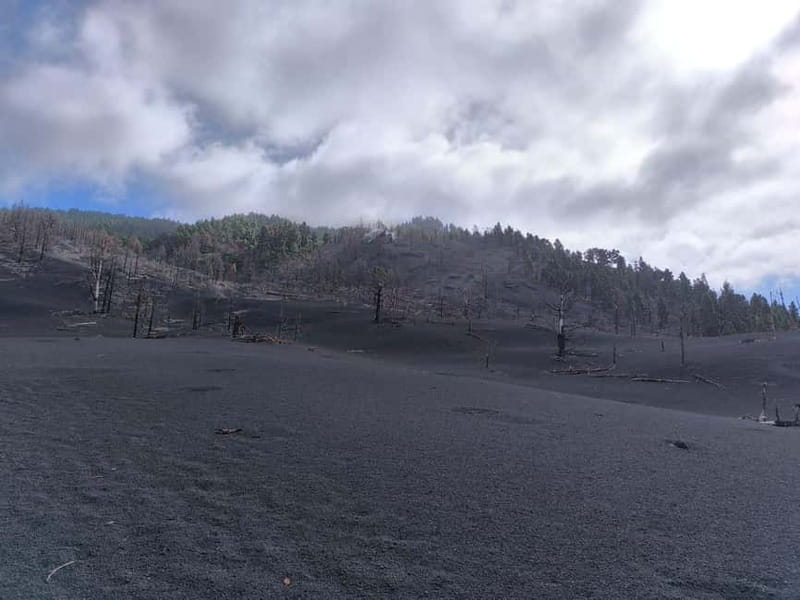
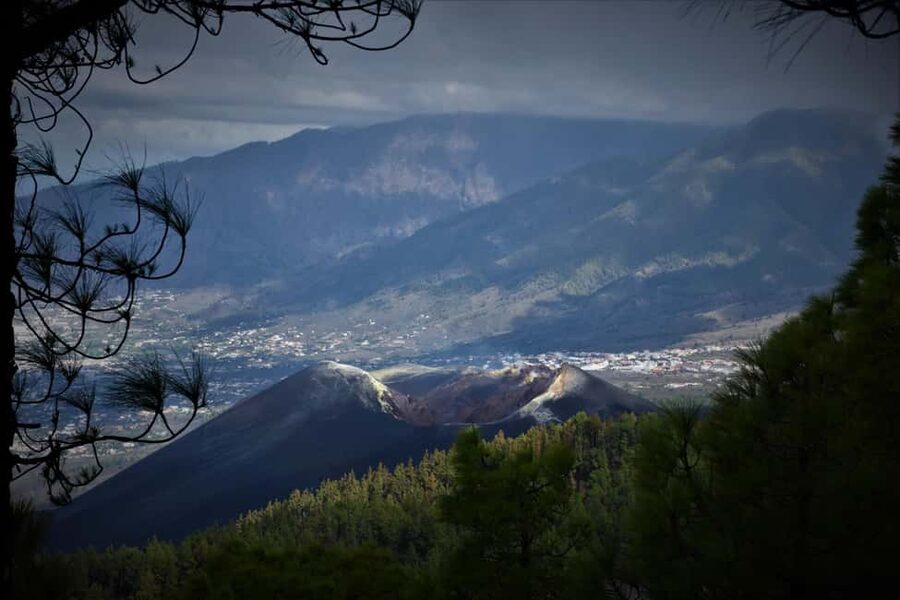
This guided hike focuses on the Tajogaite Volcano in the Cumbre Vieja area on La Palma. You’ll be high up, around 1,000+ meters above sea level, with the trail threading through ground shaped by fresh volcanic activity. The big idea here is simple: you’re not looking at the volcano from far away. You’re walking near the craters and stopping at points where the eruption’s after-effects are visible and explainable.
What makes it especially compelling is the combination of physical effort and clear, on-the-spot interpretation. The route follows paths covered by newly formed volcanic ash, so the “what you see” is tied directly to “what you’re standing on.” You’ll get a mix of dark volcanic rock, active-looking steam behavior, and the kind of details that feel more like a field lesson than a sightseeing walk.
You can also read our reviews of more guided tours in La Palma
Meeting at RhBuggy and Setting Expectations for a German-Led Tour
The meeting point is RhBuggy – Canary Live Experience. From there, you’ll join a live hike led by a German-speaking guide. That matters because a lot of the value here comes from explanations: what you’re looking at, why it looks that way, and how the eruption changed the island.
If German is comfortable for you, you’ll likely get a smoother experience. One review specifically highlighted a guide delivering very thorough explanations in perfect German (and even switching to an easy, engaging style when conditions changed). If German isn’t your language, plan on using your smartphone to translate key phrases you hear, because the stops are very much guided-by-lecture-at-walking-speed.
Also note what’s not included: there’s no pick-up or drop-off, and no food or drinks are provided. You’ll want to arrive ready to walk, snack-smart on your own, and hydrate before you feel the burn from the slopes.
The 6.5 km Route: Ash Underfoot and Slopes That Matter
You’re looking at about 270 minutes, or roughly 4.5 hours, for the full guided hike. The distance is about 6.5 km round trip, and the elevation profile includes mild sections and tougher gradients, climbing from about 4% up to around 23% in steeper stretches.
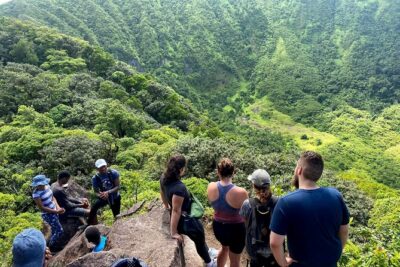
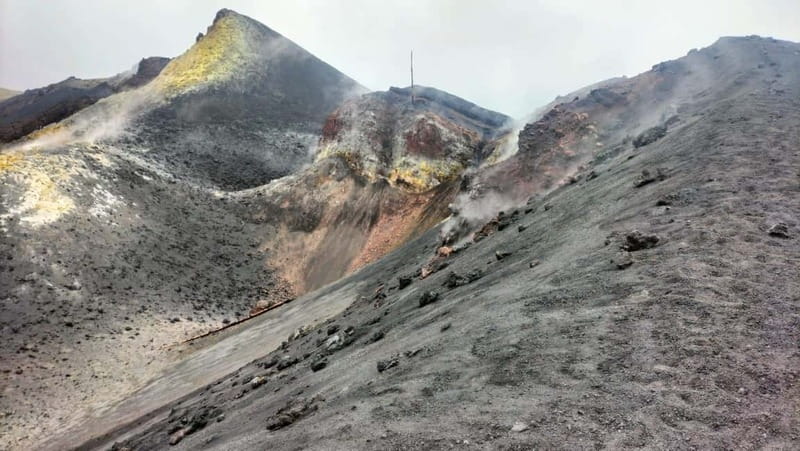
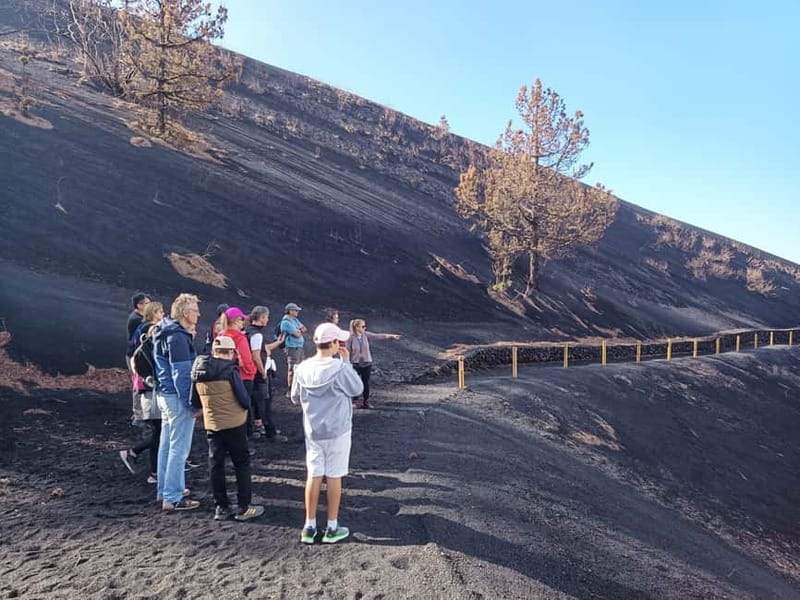
That slope range is the part you should take seriously. “23%” is steep enough that your breathing will change, especially on fresh ash where your footing can feel less predictable than dirt or gravel. The tour route is covered by a thick layer of newly formed volcanic ash, so you’ll want proper traction and a sensible pace—not a rushed, power-walk approach.
You also have to think about weather. One review described cloudy conditions limiting visibility, but the experience still felt special and even slightly eerie. The practical takeaway: bring a jacket even if the forecast seems mild. On higher volcanic ground, temperatures and wind can shift fast, and you’ll be stopping often enough that you’ll feel it.
Crater Close-Up Stops: From the Emanations Crack to the South Crater Limit
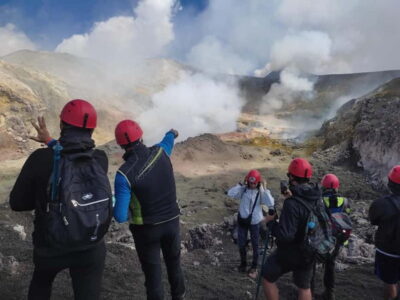
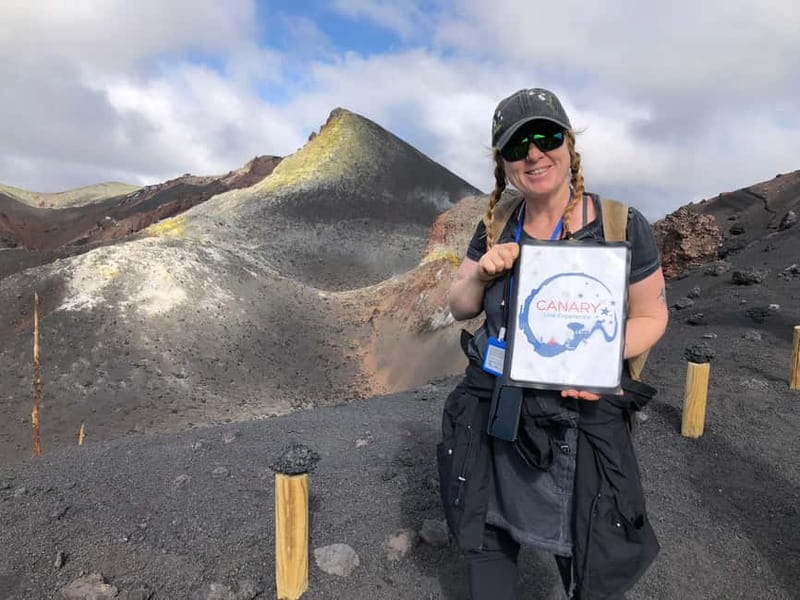
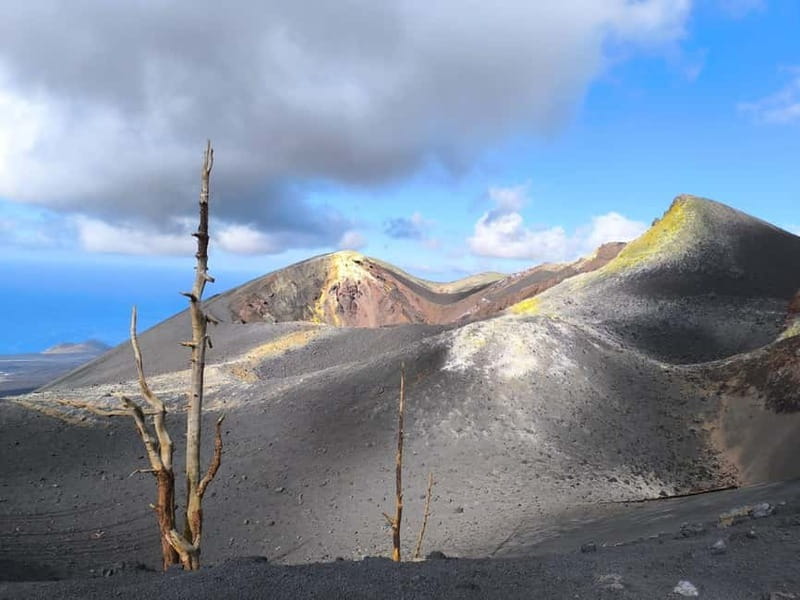
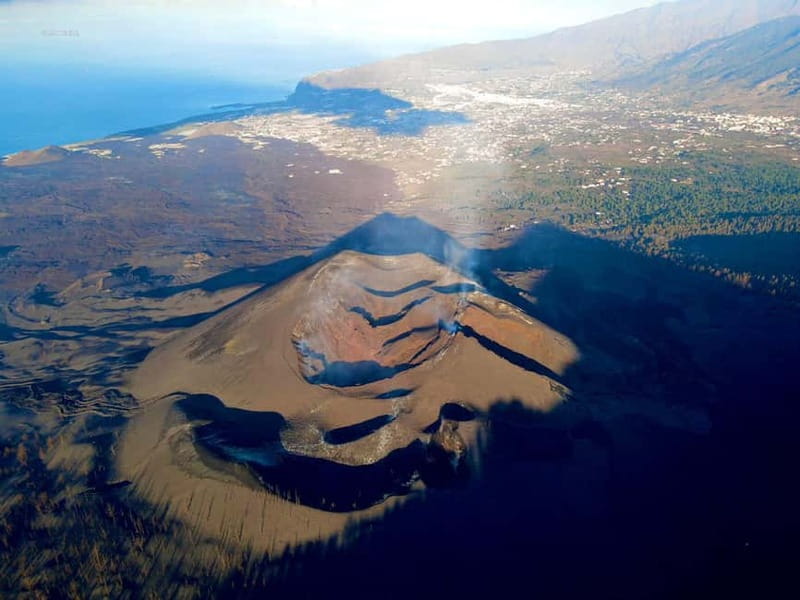
The route is designed around closeness. The key detail is that you’ll be about 40 meters from the three main craters. In volcanic terms, that’s not “viewing from a safe overlook.” It’s “standing close enough to really notice the changes in the air, color, and ground texture”—which is exactly why guided interpretation matters.
Along the path, you’ll visit a volcanic crack beside the trail where emanations can be observed. In plain language: you’ll see and be shown where gases and heat-related activity are coming from, and you’ll learn what that activity means rather than guessing.
Then you’ll reach the authorized limit of the south crater area. This isn’t just a photo stop. It’s a controlled boundary point that lets you experience the crater environment without wandering into unsafe zones. From there, you’ll pass by several of the main craters from the 2021 eruption, so you can connect the story to the physical features right in front of you.
One more practical note: because the ground is ash-covered, expect parts of the route to feel softer underfoot. Your shoes will do more work than you think, so you’ll enjoy the hike more if you treat it like a hike, not a casual walk.
The Air Above the Craters: Water Vapor and Bright Green Sulfur Clues
A standout part of this tour is the “what you see in the air” moment. At a designated exclusive viewpoint, you’ll observe volcanic evaporation, and the explanation is specific: most of it—about 70%—is water vapor.
That fraction matters because it changes what you look for. Water vapor shows up as steam-like movement, and it can make the viewpoint feel alive, even when the crater doesn’t look like it’s “erupting” in an obvious way. It’s a reminder that volcanic activity isn’t always loud and dramatic. Sometimes it’s quiet chemistry and heat moving through the ground.
You’ll also learn to spot the bright green sulfur sulfate color. In volcanic environments, sulfur compounds can change the look of surfaces and deposits, and this is one of those times where the guide turns observation into understanding. Even if you’re not a science person, the combination of visible color + explanation makes the scene stick with you.
Guide Value: Stories, Eruption Impact, and Keeping the Pace Human
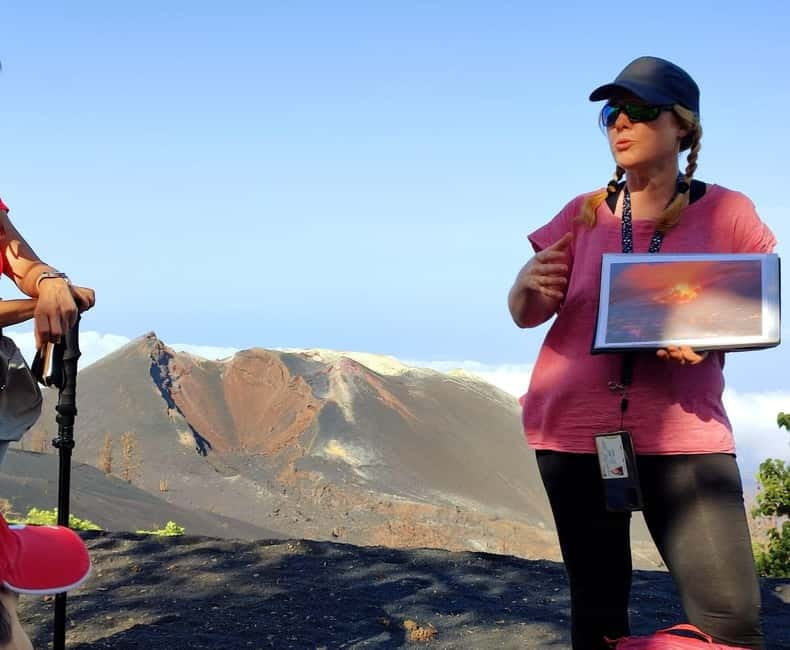
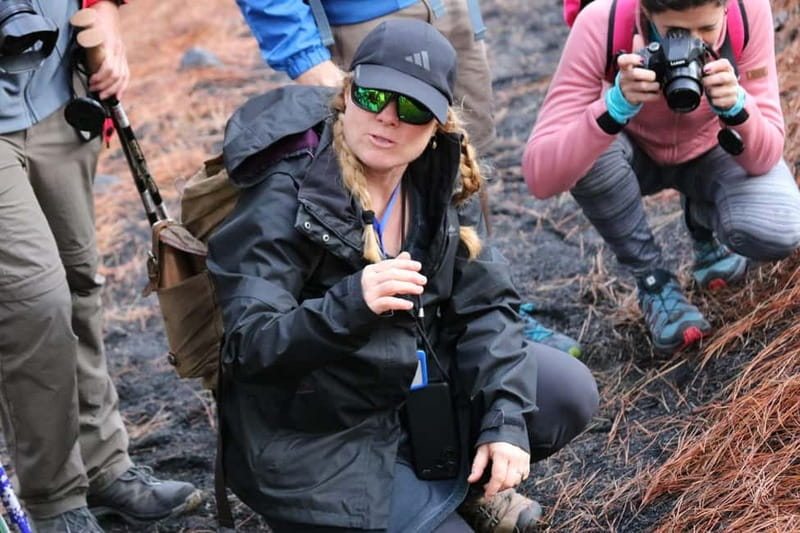
The guide role here is not background chatter. The tour is structured around learning at each stop, and the guide will share authentic stories about the eruption and its impact on La Palma. You’ll also hear tales about the sheer strength of nature—explained in a way that connects big events to real island life.
This is where the group dynamic can help you. One review praised Lucy for being very friendly and upbeat, offering lots of information, and also adjusting when someone’s conditioning was slipping. Another review mentioned that the pace was brisk with many stops, but still handled in a way that kept things moving efficiently.
At the same time, be aware that timing can vary. One account described the hike running longer than the stated plan, reaching more than five hours and including stretches on loose ash. That lines up with the reality of crater walking: when you stop often and conditions change (weather, footing, visibility), the schedule stretches. If you’re planning the rest of your day, give yourself some buffer.
What to Bring (So You Don’t Regret It Halfway Up)
This hike has a clear gear checklist, and following it pays off.
Bring:
- Hiking shoes (closed-toe, with traction)
- Water
- A jacket
- A charged smartphone
- Closed-toe shoes
I also suggest you keep your phone easy to reach, since you’ll want photos and maybe quick translations if you don’t speak German. And if you’re prone to cold hands or wind-chill, bring something extra light—just because it’s sunny at sea level doesn’t mean it stays that way up on Cumbre Vieja.
Price and Value at About $43: What You Get for the Money
The price is listed at $43 per person, and the value is tied to three things you can’t replicate on your own easily.
First, you’re getting a live guide who explains what you’re seeing at crater-level proximity. Second, the route is physically active but structured, so you’re walking a defined loop of about 6.5 km rather than improvising in ash terrain. Third, the experience includes the specific volcanic features you’re there for: the emanations crack, the authorized south crater limit, multiple craters from the 2021 eruption, and the viewpoint for water vapor and sulfur sulfate color.
You should still treat it like a hike with limited creature comforts. Food and drinks aren’t included, and there’s no transport. If you want a full-day guided package with meals, you’ll need to add those yourself.
But if you’re the type who likes learning while you move—and you want your money to go into interpretation and access—this price feels reasonable for what you get.
Who This Suits Best (and Who Should Think Twice)
This tour is best for people who:
- enjoy walking on uneven, ash-covered terrain
- can handle uphill/downhill on slopes up to about 23%
- like natural science explanations tied to real volcanic features
- are comfortable in a German-led guided setting
It’s not suitable for:
- people with mobility impairments
- people with respiratory issues
I’d also add a common-sense caution: if you’re sensitive to steep climbs or you’re managing a condition that affects stamina, go in with a realistic self-check. One account noted that older participants sometimes struggled with the elevation difference and looser ash, especially when the group moved at a brisk tempo.
Should You Book the La Palma Tajogaite Volcano Guided Hike?
If your priority is a guided volcano experience that gets you close to the Tajogaite crater areas and explains what’s happening—water vapor behavior, sulfur sulfate color, and what the eruption changed—then yes, it’s a strong pick. The best part is the combination: you’re walking real volcanic ground and receiving stop-by-stop context rather than just snapping photos from far away.
Book it if:
- you’re okay with a real hike (about 4.5 hours, 6.5 km, steep sections)
- you can bring your own water and plan to wear proper shoes
- you want a German-speaking guide who tells the eruption story in an approachable way
Skip it if:
- you have mobility or respiratory limitations
- you know you won’t handle slopes and ash footing comfortably
- you’re seeking a low-effort nature stroll
FAQ
How long is the Tajogaite Volcano guided hike?
It lasts about 270 minutes, which is roughly 4.5 hours.
How far do you hike on this tour?
The round trip distance is about 6.5 km.
Where is the meeting point?
You meet at RhBuggy – Canary Live Experience.
Is there a guide, or is it self-guided?
This is a guided hike with a live guide.
What language is the tour guide?
The tour guide is German.
What should I bring with me?
Bring hiking shoes (closed-toe), water, a jacket, a charged smartphone, and closed-toe footwear.
Is food or drinks included?
No. Food and drinks are not included.
Is pick-up or drop-off included?
No. Pick-up and drop-off are not included.
Is the tour suitable for people with mobility impairments or respiratory issues?
No. It is not suitable for people with mobility impairments or people with respiratory issues.
What’s the cancellation policy?
You can cancel up to 24 hours in advance for a full refund.