REVIEW · KATHMANDU
Kathmandu: Nagarkot Sunrise & Hiking Trip
Book on GetYourGuide →Operated by Cordial Trek Pvt. Ltd. · Bookable on GetYourGuide
Everest views feel like a lottery you can actually try. This Kathmandu-to-Nagarkot day starts in the dark and then turns into a payoff of Himalayan sunrise over the snow peaks, with a real chance of spotting Mount Everest when the sky stays clear. After that, you shift from mountain air to everyday Nepal as you head toward the famed temple area on a scenic hike through villages and forests.
What I like most is how the visit to Changu-Narayan Temple feels connected to the region you just traveled through. You get a guided look at a 4th-century UNESCO site dedicated to Lord Vishnu in his Narayan form, with old carvings and inscriptions that help the place make sense beyond a quick photo stop.
The one drawback to plan around is weather. If clouds roll in, the sunrise and Everest chances are less dramatic, and you’ll still be doing early hours and a moderate trek.
In This Review
- Key highlights you should care about
- Nagarkot sunrise is the main event, and it starts early
- Everest might show up, but you have to earn the odds
- How the view tower changes your photos and your mood
- After sunrise: hiking down through villages and forest trails
- Choosing between hiking and a car transfer to Changu-Narayan
- Changu-Narayan Temple: where the day gets spiritual and specific
- Time management: how this 6-hour format stays doable
- Who the guide helps most (and why it matters on this route)
- Price and value: what you’re really buying
- What to pack (and what to leave behind)
- Is this tour right for you?
- Should you book the Kathmandu Nagarkot Sunrise & Hiking Trip?
- FAQ
- What time does the trip start in summer and winter?
- How long is the drive to Nagarkot?
- Is the Himalayan sunrise viewing included?
- What are my chances of seeing Mount Everest?
- Do I need binoculars?
- How long is the hike, and where does it go?
- Can I go to Changu-Narayan Temple by car instead of hiking?
- How long is the Changu-Narayan Temple visit?
- Are entrance fees and bottled water included?
- Are meals included?
Key highlights you should care about
- Early-start sunrise at Nagarkot View Tower with the first light lighting up the mountains
- Possible Everest sighting on clear mornings, so bring binoculars
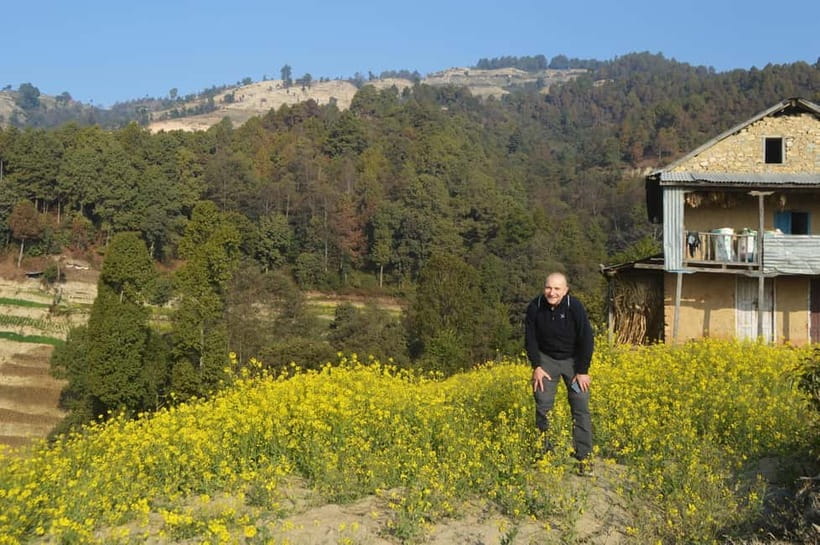
- A guided trek through local villages and forest trails that feels like real daily life, not a museum route
- Changu-Narayan Temple (UNESCO) with Vishnu Narayan worship, ancient inscriptions, and carvings
- Private air-conditioned vehicle + pickup and drop in Kathmandu so the schedule stays efficient
- One day, two big rewards: mountains at dawn and a sacred heritage stop after
Nagarkot sunrise is the main event, and it starts early
You leave Kathmandu at 04:30 in summer or 04:45 in winter, which means you’re basically committing to sleep being optional. Then it’s about 1.5 hours by private air-conditioned vehicle to Nagarkot, a hilltop viewpoint perched on the rim of the Kathmandu Valley.
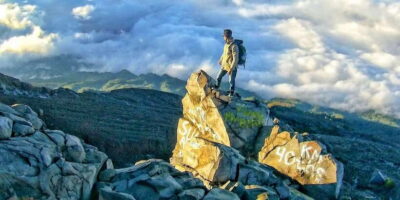
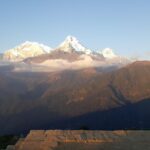
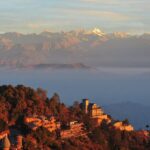
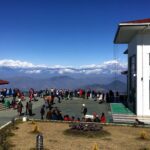
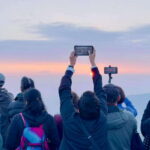
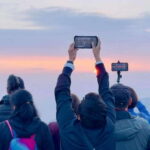
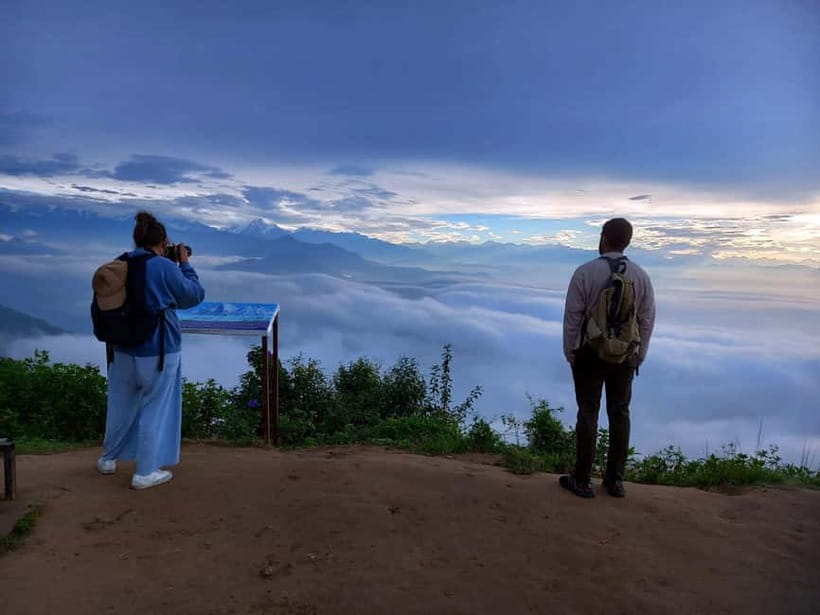
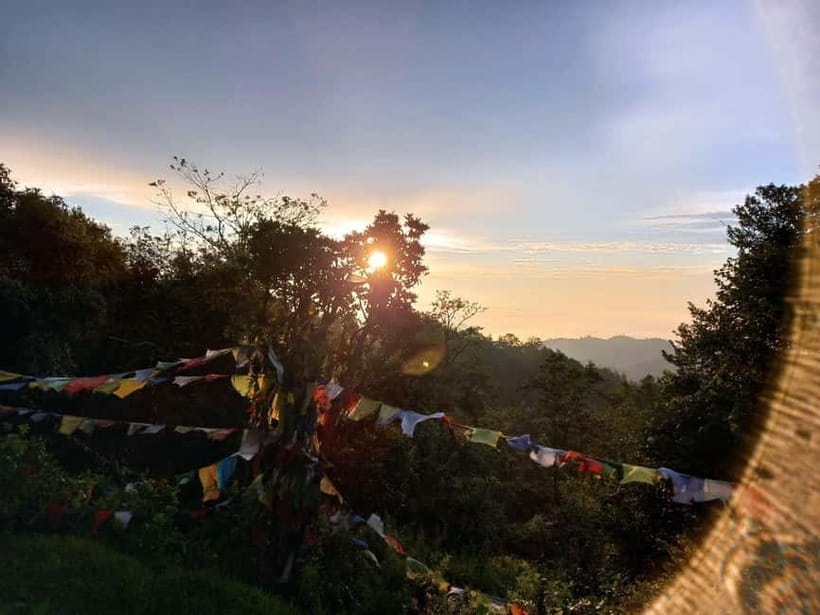
Once you arrive, you settle in for the sunrise phase (about an hour of viewing time). This is when the sky shifts from black to gray to color, and the mountain silhouettes start to look like actual peaks instead of distant shapes. If you want photographs, this is the part where being ready matters—camera out, lens clean, and patience switched on.
You can also read our reviews of more hiking tours in Kathmandu
Everest might show up, but you have to earn the odds
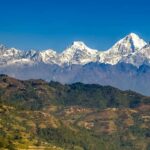
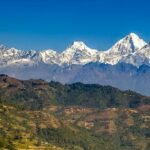
The tour’s standout promise is that on clear mornings, you may catch sight of the iconic summit of Mount Everest. In practice, it’s never guaranteed—cloud cover is the big factor—so think of Everest as a high-value bonus rather than the only goal.
That’s why the practical tip is simple: bring binoculars. The view tower setup gives you a chance, but binoculars help you make the most of marginal visibility. Even if Everest stays hidden, you’ll still be watching the Himalayan ridgeline glow as dawn reaches higher elevations.
How the view tower changes your photos and your mood
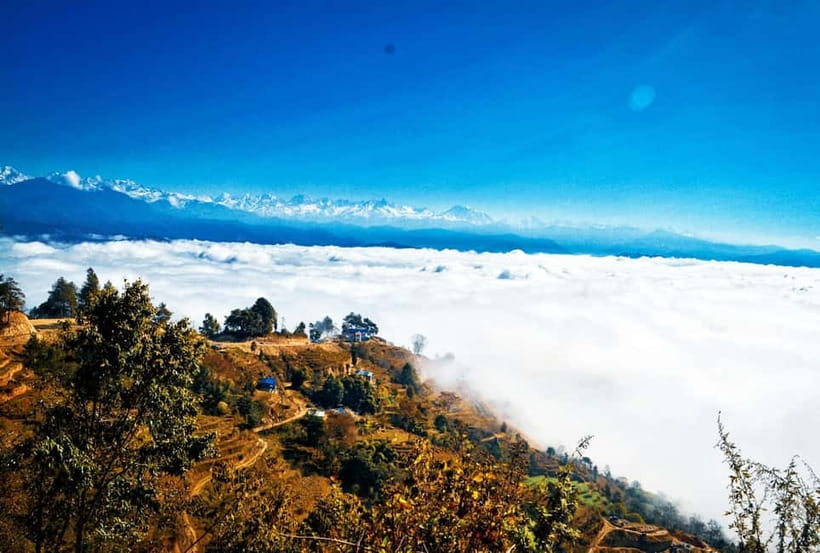
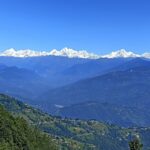
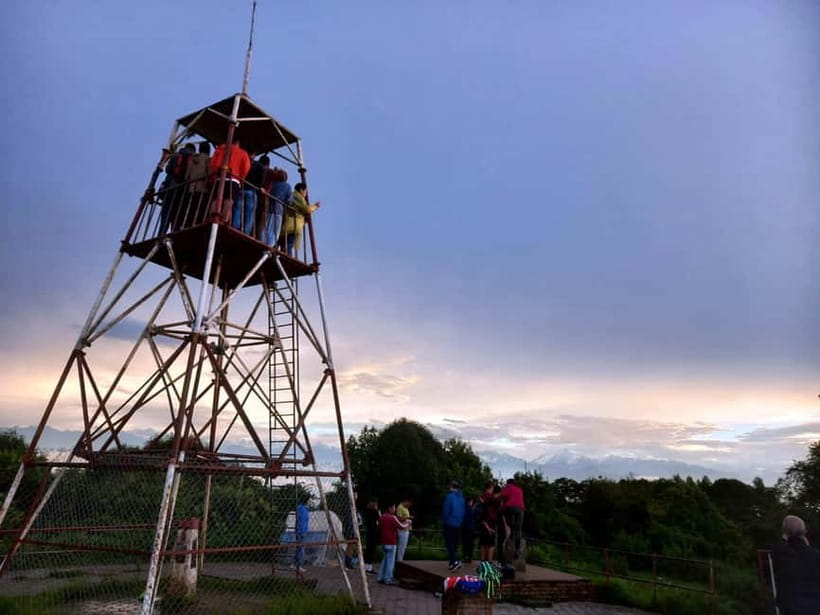
Nagarkot View Tower is where the wider panoramic feeling lands. From there, you’re not just looking at one peak; you’re seeing the layered horizon that makes the Himalaya look so dramatic in photos and even more dramatic in real time.
This is also the moment when your guide’s timing helps. A good guide will help you position yourself before the light changes, so you don’t waste the best 10 minutes fiddling with settings. And if you happen to get a guide with a strong photography angle—one name that comes up is Raj Tamang, known for helpful explanations—your images usually improve fast.
After sunrise: hiking down through villages and forest trails
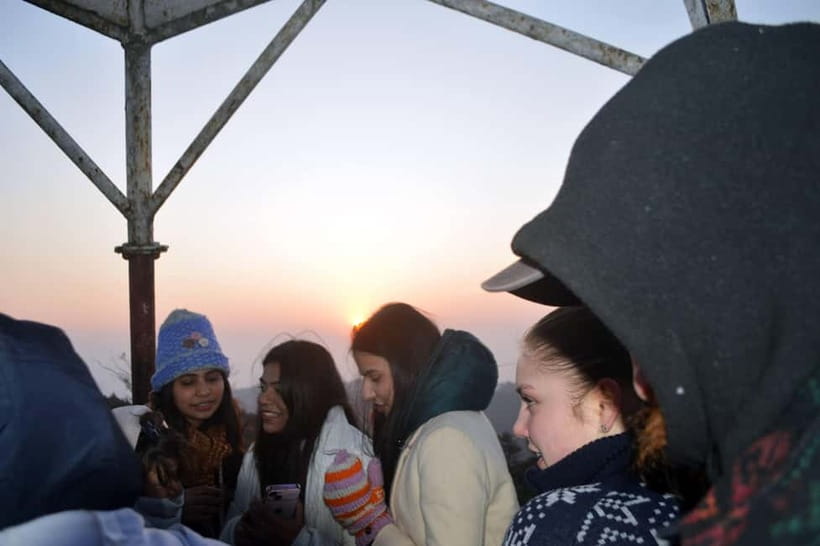
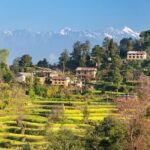
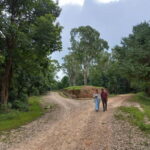
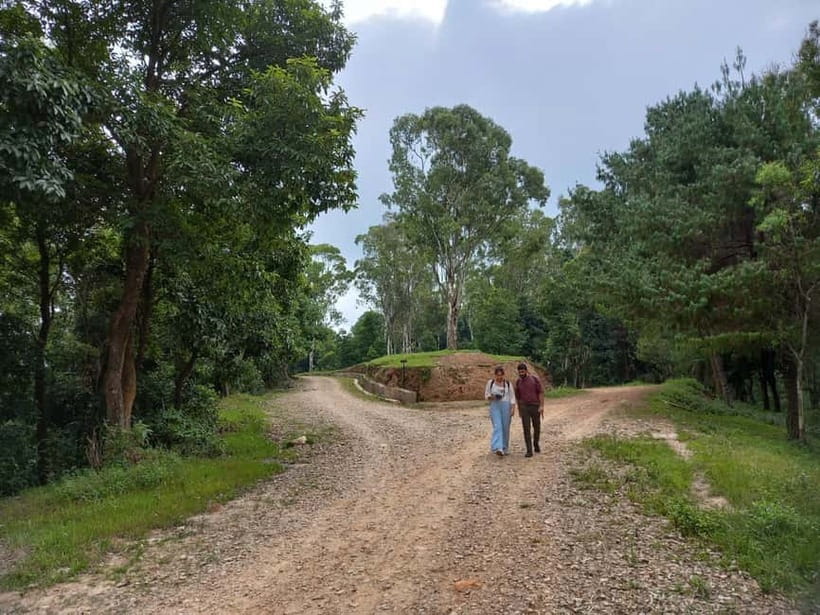
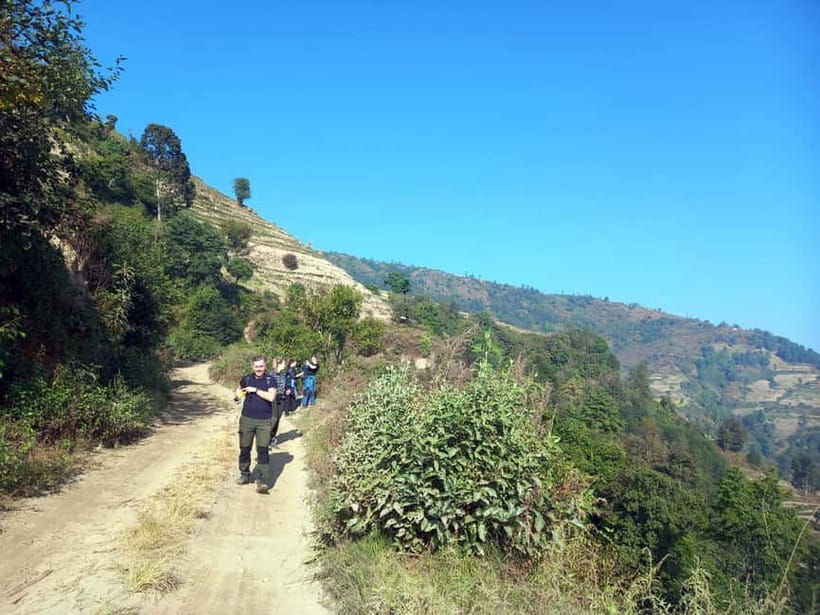
Once the morning viewpoint moment is done, you move into the hike portion, typically around 3 hours. The trail takes you down through traditional villages and lush forested areas, so the day doesn’t stay trapped in the mountain-view bubble.
It’s a moderate outing, and the route is often mostly downhill, which can feel easier on the legs but still takes steady footing. If the path is dry, some people find regular sneakers workable, but the safer plan is still to wear proper hiking shoes—especially if you hit any damp patches on shaded sections.
What I like about this part is the pace of seeing. You’re passing fields, farm activity, and everyday Nepal life at the scale of a real local trail, not an asphalt viewpoint loop. It’s the kind of walking that makes the rest of the day’s big scenery feel grounded.
Choosing between hiking and a car transfer to Changu-Narayan
Not everyone wants to make the full trek, and the tour gives you a choice. If you prefer a more relaxed day, there’s a comfortable car transfer available directly to the temple area.
That means you can still experience the heritage stop even if your legs want an early-day break. If you do hike, you’ll arrive with a stronger sense of place, because you’ve been moving through the local geography rather than dropping straight at the entrance.
A few more Kathmandu tours and experiences worth a look
Changu-Narayan Temple: where the day gets spiritual and specific
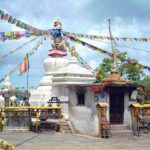
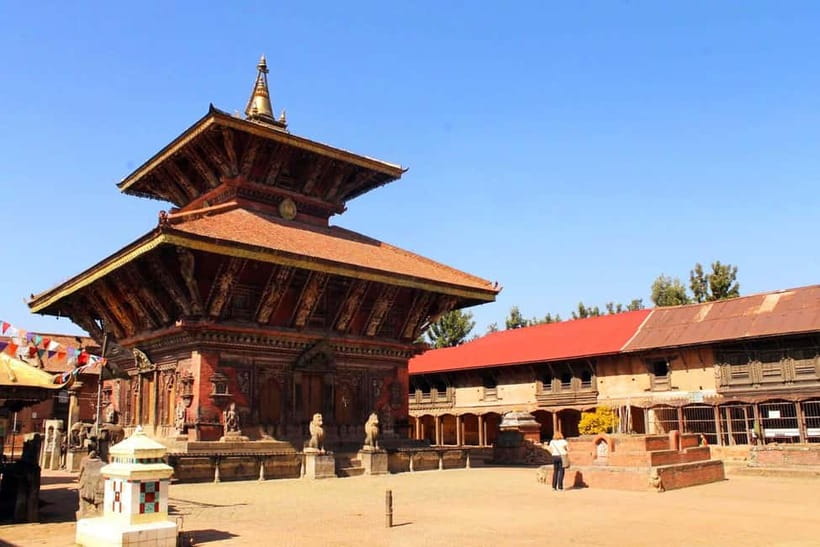
The tour’s heritage anchor is Changu-Narayan Temple, a 4th-century UNESCO World Heritage site dedicated to Lord Vishnu in his Narayan form. This isn’t just a viewpoint temple; it’s a sacred complex with ancient inscriptions and detailed carvings that reflect Nepal’s religious traditions and artistic skill.
A guided visit matters here. Temple carvings and inscriptions can look like decoration if you don’t know what you’re looking at. With an English-speaking guide, the stop becomes more than architecture—it becomes a story you can read with your eyes.
You’ll spend about an hour on the temple visit, which is long enough to appreciate the main features without turning the day into an all-day historical seminar. It also sets up a satisfying contrast: dawn mountains first, then a centuries-old religious site that feels like it has always been part of this region.
Time management: how this 6-hour format stays doable
This trip is about 6 hours total, which is one reason it works well even if you’re not training for a multi-day trek. The tight schedule is built around two time-sensitive pieces: sunrise viewing and the guided temple visit window.
Transport is handled by a private air-conditioned vehicle with pickup and drop in Kathmandu, plus bottled drinking water along the way. There’s also an express security check option, which helps keep the early-morning start smoother.
One small consideration: with private group formats, the pacing can still feel brisk because the day is structured around fixed times. If you move slowly, it helps to set expectations early with your guide so you don’t end up feeling rushed during the downhill sections.
Who the guide helps most (and why it matters on this route)
This route relies on knowing where to stand, when to look up, and what you’re actually seeing once you do. That’s where the guide makes a difference beyond just translating.
The tour includes an experienced English-speaking guide, and the vibe from standout guide comments is that some guides can be both patient and photo-minded. People specifically note guides who explain the mountains and help with photography, which matters because the sunrise window is short and the best views depend on timing.
Price and value: what you’re really buying
The listed price is $3.58 per person, which is unusually low for a private vehicle, a paid guide, pickup/drop, entrance fees, and bottled water. Even if that figure reflects a special rate, it signals the same thing: this is positioned as a budget-friendly day that still covers the big ticket items.
Here’s what you should check against any comparable option:
- You’re getting private transportation, not shared buses
- You’re getting an English guide plus entrance fees for monuments
- You’re getting bottled water
- Meals are not included, so you’ll want to plan a breakfast or bring a snack if you normally need one
For many people, the value comes from stacking experiences—sunrise views, possible Everest, a guided UNESCO temple, and a guided trek—in a single half-day structure. The main cost you pay is effort: early wake-up time and some walking.
What to pack (and what to leave behind)
The tour asks you to bring:
- Camera
- Hiking shoes
- Comfortable clothes
You should also plan for an optional “winter readiness” mindset if you’re traveling in colder months. You’ll be up early and waiting for dawn, so layers help you stay comfortable while you’re standing still.
A key rule: no luggage or large bags. The tour is built for moving light, so keep your day bag compact.
Is this tour right for you?
This works best if you:
- Want an efficient day from Kathmandu with morning sunrise as the headline
- Are okay with moderate walking (and you can manage downhill sections)
- Care about more than a quick stop and want a guided explanation at Changu-Narayan Temple
- Enjoy views but also like seeing villages and farms at human scale
It may not be the right fit if you:
- Have mobility limitations, since it’s not designed around that (and the hike portion can be part of the plan)
- Prefer long, unstructured sightseeing over tight time windows
Should you book the Kathmandu Nagarkot Sunrise & Hiking Trip?
If you’re flexible with weather and you’re willing to start early, I’d say book it. Sunrise at Nagarkot is a classic Kathmandu-area experience for a reason, and the added hook—possible Everest—makes it worth the pre-dawn alarm. Then you get a second payoff that’s not just scenic: a guided UNESCO temple visit where inscriptions and carvings help you understand what you’re seeing.
Skip it only if you know you’ll be miserable with cold mornings, or if downhill hiking and tight timing aren’t your thing. Otherwise, this is the kind of day that gives you mountains, heritage, and real village walking without swallowing your whole schedule.
FAQ
What time does the trip start in summer and winter?
In summer, pickup departs Kathmandu at 04:30 AM. In winter, it departs at 04:45 AM.
How long is the drive to Nagarkot?
The drive to Nagarkot is about 1.5 hours.
Is the Himalayan sunrise viewing included?
Yes. You’ll spend time at Nagarkot for sunrise viewing (about an hour) and guided sightseeing.
What are my chances of seeing Mount Everest?
There is a rare potential to sight Mount Everest, especially on clear mornings.
Do I need binoculars?
Binoculars are recommended for the best Everest-view experience if visibility allows.
How long is the hike, and where does it go?
The hiking portion is about 3 hours and it’s along trails that take you toward Changu-Narayan Temple.
Can I go to Changu-Narayan Temple by car instead of hiking?
Yes. If you prefer a more leisurely journey, a comfortable car transfer is available to take you to the temple.
How long is the Changu-Narayan Temple visit?
The guided temple visit is about 1 hour.
Are entrance fees and bottled water included?
Yes. Monuments entrance fees and bottled drinking water are included.
Are meals included?
No. Meals are not included, so you’ll need to plan your own food.