REVIEW · SEOUL
Inwangsan hike & historical sites
Book on Viator →Operated by Honey Trail · Bookable on Viator
Seoul goes quiet when you trade the main streets for a mountain path. This Inwangsan hike strings together historic sites and some of the best night views of the skyline, guided in a small group of up to 15. You get context for what you’re seeing, plus snack breaks that keep the pace friendly.
Two things I really like: the Sajik Park stop before the climb, and the way the hike finishes with illuminated landmarks like N Seoul Tower and Lotte Tower. One thing to think about first: it’s set for a night-view experience, so you’ll want decent weather and a willingness to walk on uneven mountain footing.
In This Review
- Quick hits before you go
- Why Inwangsan at night is different from typical Seoul sightseeing
- Sajik Park: Sajikdan and Tangun shrine before the climb
- The hike on Inwangsan Mountain: easy effort, big payoff
- Hanyangdoseong and the Seoul City Wall walk
- Night skyline: N Seoul Tower and Lotte Tower from above
- Snacks and the small-group experience (max 15)
- Price and logistics: what $69.28 buys you
- Who this hike suits best (and who might want to skip it)
- Should you book this Inwangsan hike with Honey Trail?
- FAQ
- Where does the tour start and end?
- How long is the Inwangsan hike experience?
- What sites will we see during the tour?
- Is the hike difficult?
- What’s included in the price?
- What is not included?
- How big is the group?
- What happens if the weather is bad?
Quick hits before you go
- Small group (max 15): more attention, less waiting, and a calmer pace on busy days
- Sajik Park first: start with the Earth-and-Crops worship sites tied to Joseon-era royal planning
- Inwangsan summit in under an hour: enough effort for a payoff, not a suffer-fest
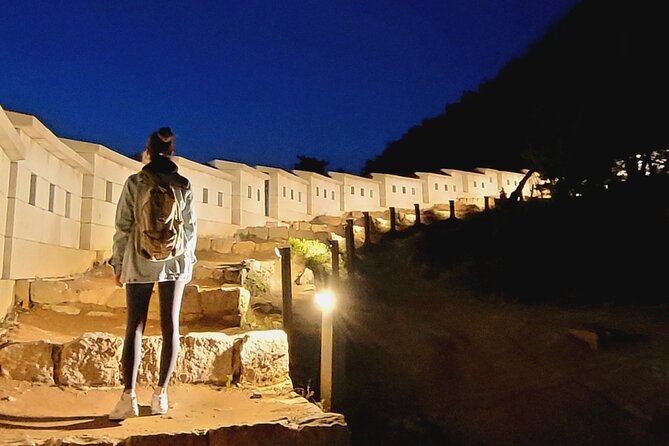
- Hanyangdoseong (Seoul City Wall): you’ll walk along a Joseon defense line while looking down on modern Seoul
- Night skyline built into the route: views framed with major illuminated towers, not just generic city lights
Why Inwangsan at night is different from typical Seoul sightseeing
If you’ve only seen Seoul from street level, you’re missing the way the city stacks up. Inwangsan is close enough to be easy to reach, but high enough to turn Seoul into a glowing patchwork of neighborhoods and landmarks.
What makes this hike feel special is the timing: it’s built around night views, not daytime checklists. You also don’t jump straight from one famous photo spot to the next. Instead, you move through forest paths and historical sites, so the views land with impact.
This is also a good way to avoid the daytime crowd crush. On a mountain route, you’re not competing with tour buses at every turn.
You can also read our reviews of more hiking tours in Seoul

Sajik Park: Sajikdan and Tangun shrine before the climb
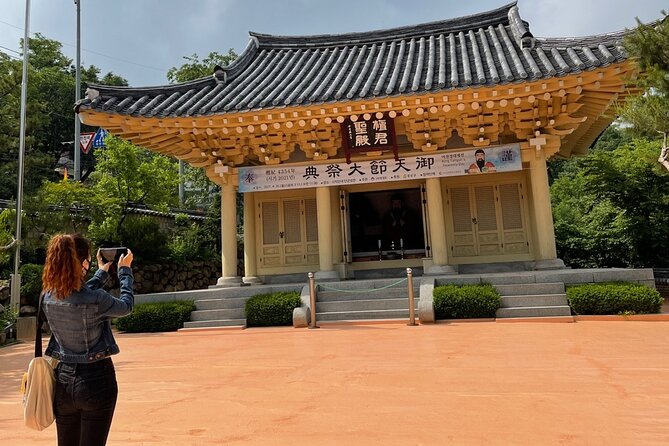
The first stop is Sajik Park, where you’ll see Sajikdan and the Tangun shrine. These sites connect directly to how early Joseon leaders framed the world: the landscape mattered, and the gods mattered too.
Sajikdan is tied to services for the gods of Earth and Crops. That’s not just ceremonial trivia. It helps you understand why these places were positioned so carefully—because agriculture and land were the foundation of the state.
You’ll also hear the Joseon connection to Gyeongbokgung Palace. The founder of the Joseon Dynasty, King Taejo, constructed Jongmyo shrine and Sajikdan east and west of Gyeongbokgung Palace. Walking into this area first gives you a mental map before you head up the mountain.
Then there’s the Tangun shrine, honoring Tangun, the legendary founder of Korea. Even if you don’t track Korean mythology day to day, this is one of those stops that adds meaning to the whole outing. You’re not only hiking; you’re stepping through layers of identity.
Potential drawback: if you’re the type who hates short cultural stops before movement, plan for a little standing and listening at the beginning. The trade-off is that it makes the hike more than a workout.
The hike on Inwangsan Mountain: easy effort, big payoff
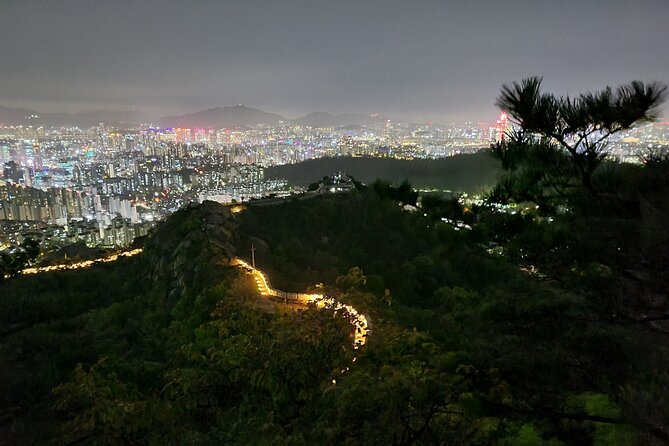
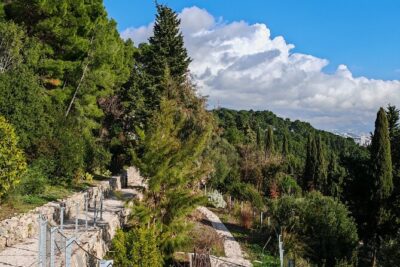
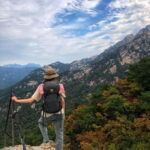
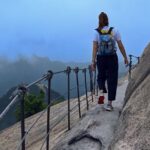
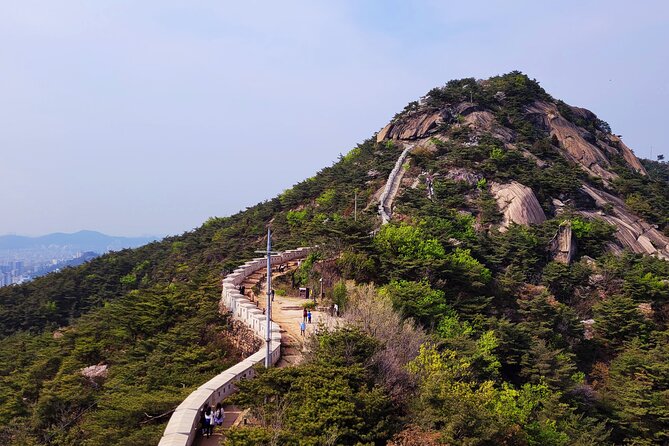
Inwangsan is described as having an easy and enjoyable trail. That’s reassuring if you want something active but not technical. The mountain can still feel like a workout, but the route is meant to be approachable.
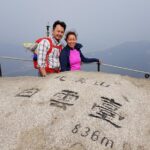
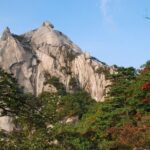
One highlight to plan around: it takes less than one hour to reach the peak. That time window matters. You’re getting the summit experience without turning the whole day into a long endurance challenge.
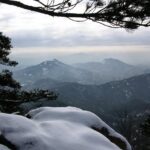
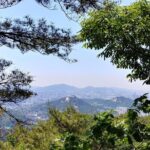
As you climb, you’ll get moments to pause and take in Seoul from higher ground. The best part is that the view isn’t saved for a single final look. You build toward it gradually, and it makes the last stretch feel earned.
And yes, the atmosphere can be calm in a way the city center rarely is. People often find that the walk itself slows their thinking down—especially once you’re away from main roads.
Tip: wear shoes with good grip. The tour doesn’t advertise anything extreme, but mountain paths can still be slippery near evening.
Hanyangdoseong and the Seoul City Wall walk
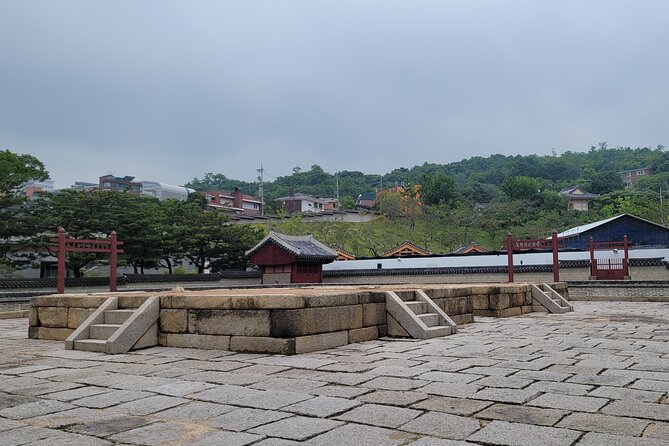
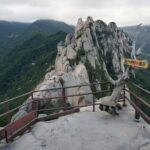
Half the fun of this hike is that it moves through history while you’re still out in nature. During the trek, you walk along Hanyangdoseong Fortress, better known as the Seoul City Wall.
This wall was built in the Joseon Dynasty to protect the city from foreign enemies. That defensive purpose adds a different lens to what you’re seeing. From the wall line, Seoul looks endless and modern, but you can also imagine why control and visibility mattered so much.
The wall section is a smart pairing with the night-view goal. As the skyline lights up, you can connect the old idea of guarding boundaries with the modern reality of a city that never really stops.
Potential consideration: parts of a wall route can be uneven and exposed compared with forest paths. If you’re sensitive to heights or have balance issues, go slowly and keep close to the guide’s guidance.
Night skyline: N Seoul Tower and Lotte Tower from above
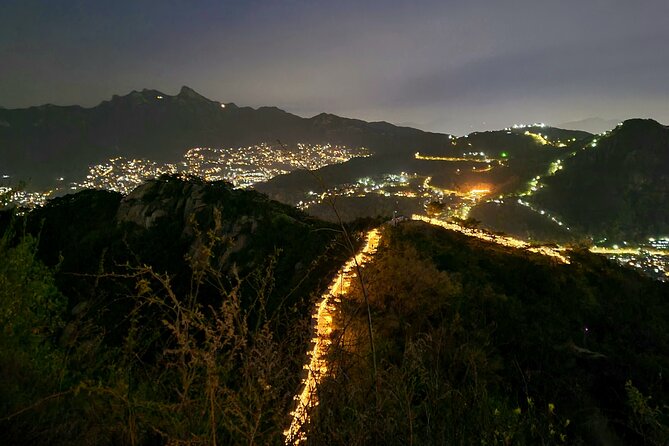
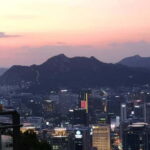
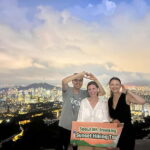
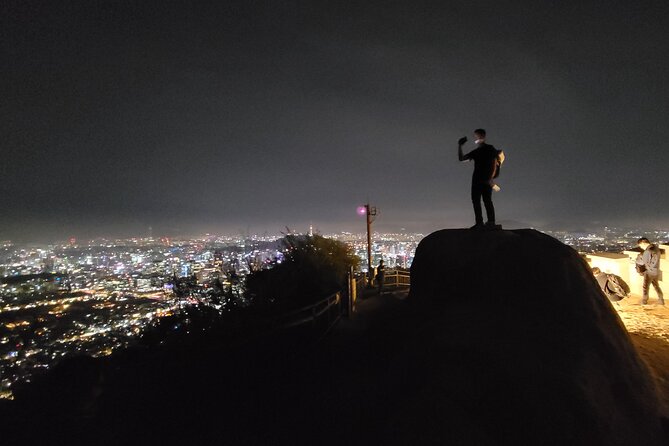
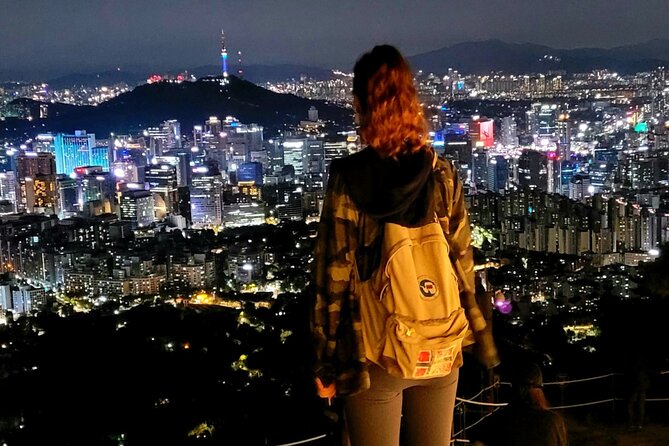
At the peak and surrounding viewpoints, the city becomes the main character. The illuminated landmarks mentioned include N Seoul Tower and Lotte Tower, which is exactly the kind of recognition factor you want at night.
This is where the hike stops feeling like a scenic walk and starts feeling like Seoul on display. From higher ground, lights stretch farther, and you start to see the city’s shape rather than just its icons.
If you love photos, you’ll appreciate the vantage points for wide views. If you don’t, you’ll still feel the impact—because the best night views are usually about context, not just brightness.
One small practical note: night air can feel cooler than you expect. Even when the day was warm, plan for temperature drop toward evening so you don’t end the hike chilled.

Snacks and the small-group experience (max 15)
A big part of the value here is the group size: maximum 15 travelers. That limit matters on a mountain route because it affects waiting time and how smoothly you move through tighter sections.
You’re also led by a certified tour guide, so you’re not figuring out the path while trying to read historic markers. Guides often add the small links between places—why one shrine sits near another and how the wall connects to the larger plan of the city.
The tour includes snack on traditional Korean treats during the trek. You’ll likely get comfort-food energy for the climb, not just a token bite. In the past, the guide has referenced snacks like tteokbokki and bread as part of the experience, so expect something more substantial than a cookie.
A related bonus from people who’ve done this route multiple times: some report a quiet “rest stop” feeling along the way, including a library-like spot tucked among the trees. Even if you don’t chase that specifically, it’s a reminder that the route is designed to give breaks and breath.
Potential drawback: with small groups, weather changes can also change the vibe. If it’s rainy or too windy, the experience may not run as planned.
Price and logistics: what $69.28 buys you
The price is $69.28 per person for about 3 hours, with a mobile ticket. On the face of it, that’s not cheap compared with DIY hikes. But it includes the guide and the structure—plus snacks and a route that ties together multiple sites.
Here’s the value logic:
- You’re paying for interpretation. Sites like Sajikdan and the Tangun shrine mean more when someone explains how they connect to Joseon-era choices.
- You’re paying for pacing. The hike is described as easy and takes less than an hour to reach the peak, so you get a manageable effort level without guesswork.
- You’re paying for timing. Night views are the goal, and the route is arranged to make that happen.
- You’re paying for comfort in a small group. Max 15 helps you feel guided without feeling packed in.
Not included: after the hike, you take a bus back to the city, but the bus fee is not included. Plan a bit extra if you’re budgeting tight. Also expect personal expenses to be on your own.
Logistics start at Gyeongbokgung Station and the tour ends back at the meeting point. Since it’s near public transportation, it’s easier to combine with other Seoul plans before or after.
Who this hike suits best (and who might want to skip it)
This is a great fit if you want a Seoul experience that feels like more than photos. You’ll get history, light hiking, and a viewpoint payoff designed for evening.
It’s also well matched for:
- First-time visitors who want a guided overview without doing the usual museum circuit
- People who like walking but don’t want an all-day grind
- Families with kids who can handle an easy hike with stops for culture and snacks (the route is described as achievable for most)
You might want to think twice if:
- You hate guided walks and prefer total freedom
- You’re sensitive to uneven terrain at dusk
- You only want the skyline and nothing else, because this route spends time on shrines and the city wall
Should you book this Inwangsan hike with Honey Trail?
I’d book it if you like the idea of stacking Seoul experiences: shrines first, mountain views next, then the wall line as the city glows behind it. For the money, the guide-led connection between Sajik Park, Inwangsan, and Hanyangdoseong is what makes this feel organized, not random.
If you’re on the fence, use this simple checklist:
- If you want night views with a plan, book.
- If you want low-stress hiking with a clear pace, book.
- If you need a strict itinerary that never changes with weather, you may want a backup plan, since the experience requires good weather.
FAQ
Where does the tour start and end?
It starts at Gyeongbokgung Station in Seoul and ends back at the same meeting point.
How long is the Inwangsan hike experience?
The duration is approximately 3 hours.
What sites will we see during the tour?
You’ll visit Sajik Park, hike on Inwangsan Mountain, and walk along the Seoul City Wall (Hanyangdoseong Fortress).
Is the hike difficult?
The trail is described as easy and enjoyable, and it takes less than one hour to reach the peak.
What’s included in the price?
A certified tour guide is included, and you’ll also get snacks on traditional Korean treats during the trek.
What is not included?
The bus fee for returning to the city isn’t included, and personal expenses are not included.
How big is the group?
The tour is capped at a maximum of 15 travelers.
What happens if the weather is bad?
The experience requires good weather. If it’s canceled due to poor weather, you’ll be offered a different date or a full refund.