REVIEW · SEOUL
Hiking in Seoul : Bukhansan National Park
Book on Viator →Operated by VIP TRAVEL Co.Ltd · Bookable on Viator
Bukhansan is Seoul’s built-in escape route. In this guided hike, you get hotel pickup and a pro English-speaking guide who matches your group to a trail like Seunggasa or Bibong, with Buddhist temple scenery along the way. It’s a real up-the-mountain day, not a stroll, so the one thing to plan for is the steepness: even the easier climb gains about 400 meters.
I like that the experience is designed around choices—different routes, different fitness levels—so you’re not stuck doing the same exact hike as everyone else. I also like the mountain-meets-city angle, because your day is set up to pair Seoul landmarks such as Gyeongbok Palace and Jogyesa with the granite gorges and temple atmosphere of Bukhansan. One drawback to keep in mind: when your guide adjusts the route for weather, energy, or group mix, the exact end point can vary from what you might expect from a photo.
Expect a small group (up to 15) with a morning start around 9:00 am, plus a mobile ticket. And yes, some groups add a Korean bath experience afterward—jjimjibang-style—which can be great recovery, but it’s also a big cultural “comfort check” (more on that later).
In This Review
- Key things that make this Bukhansan hike worth your time
- Bukhansan National Park: why it feels unreal from Seoul
- Two real trail options: Seunggasa vs Bibong (and how to choose)
- Seunggasa Temple climb (easier end of the spectrum)
- Bibong path (more demanding, narrower, and wetter-feeling)
- A practical tip for choosing
- Seoul landmarks you may pair with the mountains
- Entering the park: what the guided part actually does for you
- The climb: pace, rest stops, and steep terrain reality
- Temple moments: why you’re not just hiking for a view
- Guides worth their weight in hiking boots (examples from past groups)
- Shopping for hand-crafted art: a small bonus with big mood impact
- Lunch, drinks, and the end-of-hike refuel question
- The jjimjibang spa stop: the best recovery or an awkward detour
- Price and value: what $142 buys you in the real world
- Weather, bugs, and why your shoes matter more than you think
- Should you book this Mt. Bukhan guided hiking tour?
- FAQ
- How long is the Bukhansan National Park guided hike?
- Where does the tour start in Seoul?
- What’s the hiking difficulty like?
- Is food or lunch included?
- Does the tour include a guide and ticket?
- How many people are in a group?
- What happens if the weather is bad?
- Quick final call: book it or skip it?
Key things that make this Bukhansan hike worth your time
- Pickup + central meeting: round-trip travel from central Seoul and pickup are part of the deal, not something you have to figure out.
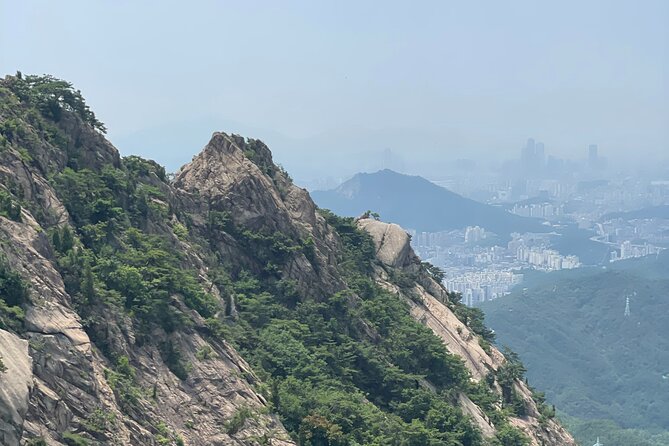
- Route options with real elevation: Seunggasa is about 400 meters up; Bibong is about 560 meters up on narrow, rocky terrain.
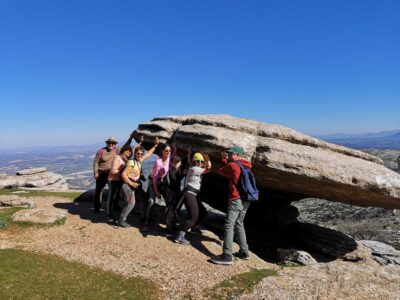
- Small group pace: up to 15 people means more chances for rest stops, photos, and route adjustments.
- Temple scenery built into the climb: you’re not only chasing a view—Buddhist sites are part of the route.
- English guidance on steep granite: guides help on stair-like rocks and can make the trail feel safer.
- Some days include jjimjibang recovery: relaxing for many, awkward for some, and you’ll want to know what you’re signing up for.
Bukhansan National Park: why it feels unreal from Seoul
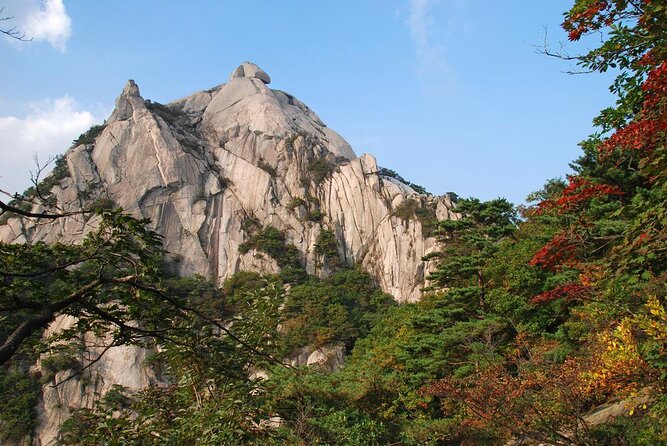
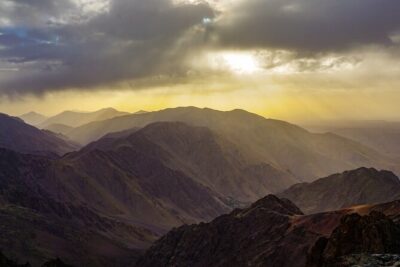
Seoul can feel enormous, even when you’re “just” walking between neighborhoods. Then you drive into Bukhansan and the air changes fast. The park is right there next to the megacity, so you get the feeling of swapping crowds for quiet in a matter of minutes.
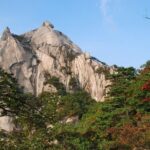
What makes this hike special is that it’s close enough to do on a normal vacation day, but it still feels like a mountain outing. You’re dealing with steep granite stairs, uphill sections, and gorges where the sound of water (when you’re on the right trail) can turn the walk into something almost meditative.
And because this is guided, you’re not guessing your way around temples and trails. A guide helps you focus on moving, resting when you need it, and learning what you’re actually seeing.
You can also read our reviews of more hiking tours in Seoul

Two real trail options: Seunggasa vs Bibong (and how to choose)
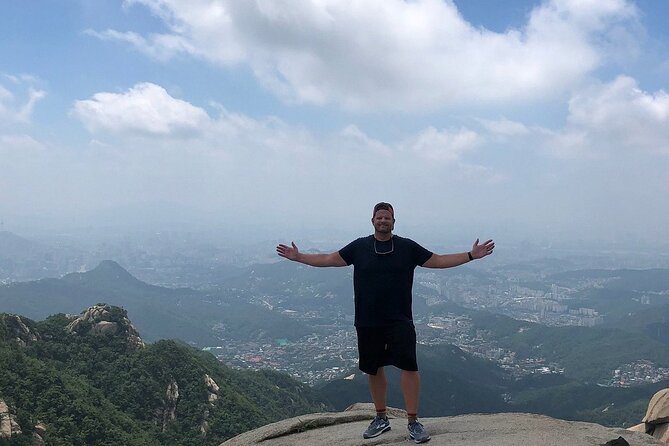
This tour can route you toward different hikes depending on group ability and preferences. The big decision points are the Seunggasa and Bibong trails.
Seunggasa Temple climb (easier end of the spectrum)
The Seunggasa climb gains about 400 meters (roughly 1,300 feet). It’s described as relatively easy for beginners. But here’s the truth: “easy” in mountains still means uphill stairs, rocky footing, and a steady pace for hours. If your legs aren’t used to climbing, plan to take breaks often and keep your effort controlled.
A lot of the best trip energy here is psychological. You start with “I can do this,” you hit a steep stretch, you pause, you look around, and then the view starts paying you back.
Bibong path (more demanding, narrower, and wetter-feeling)
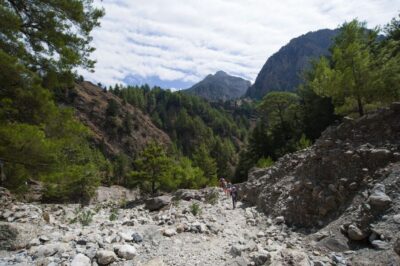
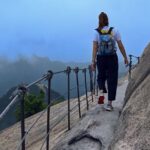
The Bibong route climbs about 560 meters (roughly 1,835 feet). It’s narrower, and there’s a mountain stream flowing alongside the trail. That can sound idyllic—and it can be—but it also means you may get slick patches, slippery rocks, and a tighter line where you can’t just step off casually.
If you want a workout, Bibong is the one to pick. If you want views without feeling like you’re white-knuckling every step, Seunggasa is usually the better fit.
A practical tip for choosing
If you’re coming off jet lag or you’re not confident on uneven stone, lean toward Seunggasa. If you hike at home and you’re comfortable with steep terrain, Bibong can feel rewarding rather than stressful. Either way, keep your expectations realistic: this is a real climb.
Seoul landmarks you may pair with the mountains
One reason this works as a one-day plan is that it’s not only about the park. The tour is positioned as a combination day that can include major Seoul sights like Gyeongbok Palace and Jogyesa before or around your mountain time.
Here’s why that matters: it lets you use one morning to get both “big-name Seoul” context and “I can’t believe this is so close” nature views. If you’re short on time, it’s an efficient way to pack in culture and fresh air without over-planning.
If you’re the type who likes to linger at palaces, just keep in mind that time is shared. You’re not getting an all-day museum crawl. You’re getting a taste that supports the rest of your Seoul trip.
Entering the park: what the guided part actually does for you
The day kicks off with morning pickup (if offered) or a central meeting area near Myeongdong Station, then you head out to Bukhansan. On the drive, your guide explains the granite mountain setting, gorges, and Buddhist temple presence in the area.
Once you’re on the trail, the guide’s job is more than narration. It’s pacing and problem-solving. Several guides are praised for being patient with stops and photo moments, which matters on steep terrain. If you’re worried about moving too slow, that fear can drain you faster than the climb.
Also, the routes can include temple breaks. That means you’re not constantly staring at the next step. You get small “reset points” where you can catch your breath, look around, and regroup.
The climb: pace, rest stops, and steep terrain reality
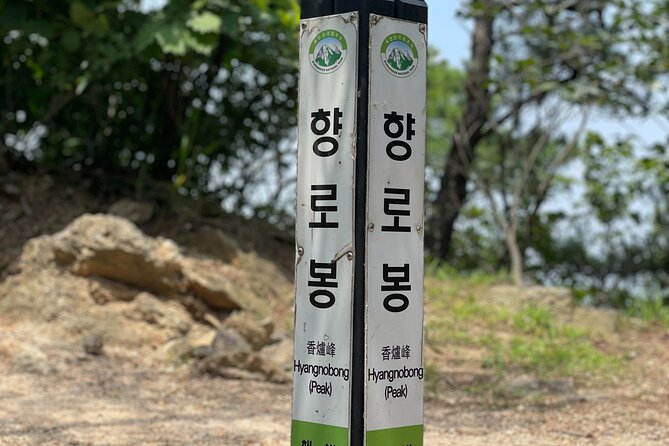
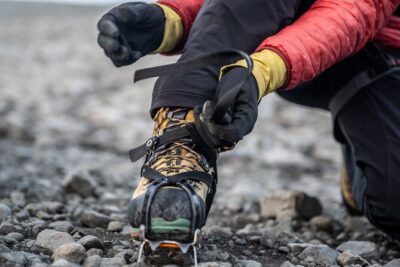
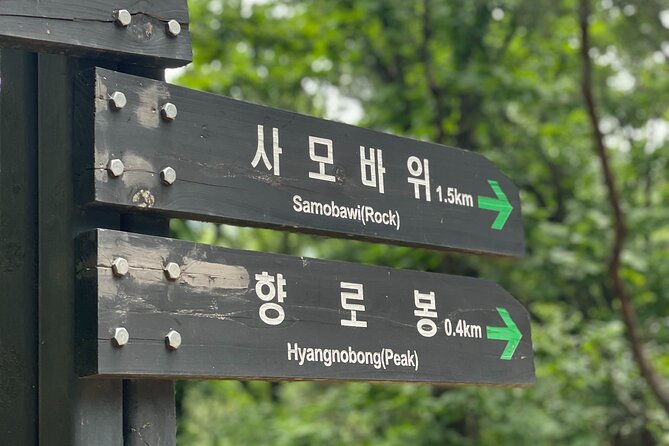
Expect challenging uphill sections with time for rest breaks and photo opportunities. The stairs and rock steps are a recurring theme in the feedback, along with a reminder: bring hiking boots or at least grippy shoes.
One review-style highlight that I’d take seriously is the “rock stairs” feel—large stones acting like steps. Another is slipperiness. In rain or humid conditions, footing changes fast. The trails can be steep almost the whole way, so you’ll want a steady rhythm more than a speed run.
A good way to enjoy this climb is to treat it like interval training:
- Slow start.
- Short bursts of effort.
- Frequent pauses to breathe and adjust.
- Don’t chase other people’s pace.
That approach keeps the climb fun, not frantic.
Temple moments: why you’re not just hiking for a view
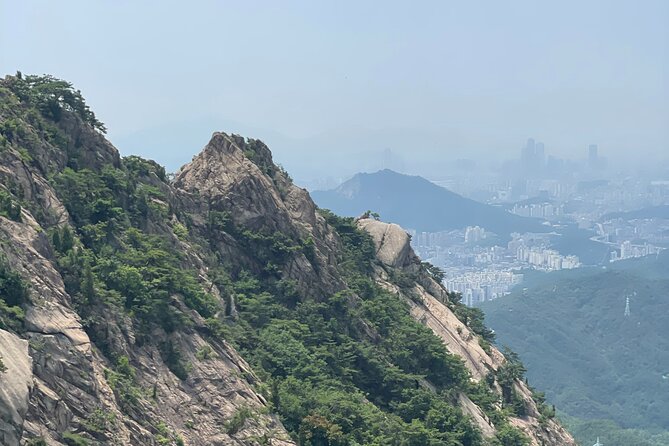
Yes, you come for the views. But Bukhansan’s temple stops change the character of the walk.
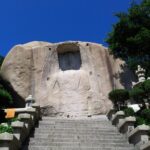
You may hike toward Seunggasa Temple, and along the way you’ll see Buddhist sites that give you context for why so many Koreans come here on weekends. It’s not only tourism; it’s a local habit—nature plus religion, on the same stone-and-trees route.
What I like about a temple-in-the-middle route is that it forces a natural slowdown. You’re not pushing through the toughest part with tunnel vision. You get a reason to stop, look, and reset your body.
Guides worth their weight in hiking boots (examples from past groups)
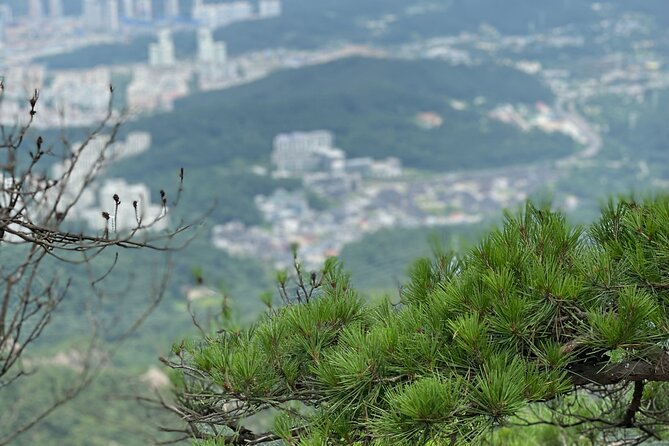
Guide quality is a big theme in the feedback, and it shows up in specific ways: patience, humor, and real support on tough stretches.
You might be guided by people such as Juno, Anna, Gabbie, BK, or Chance. The praises include:
- Matching the hike challenge to the group
- Being patient during steep sections and photo stops
- Helping with practical needs beyond the hike (for example, one guide helped with booking a KTX train ticket)
Even if you don’t get the exact same guide, this is a good signal. You’re paying for organization plus real human pacing support.
Shopping for hand-crafted art: a small bonus with big mood impact
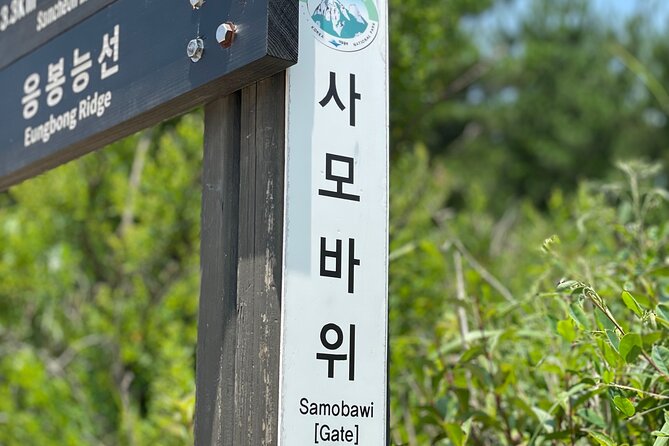
The tour description includes a chance to shop for hand-crafted art. This doesn’t sound like a big deal until you’ve spent hours in nature. Then it becomes a “take a piece home” moment that feels more meaningful than buying souvenirs from a list.
I’d treat this as optional enjoyment, not a required stop. If you’d rather spend time resting or taking photos, you’ll usually be fine as long as you don’t drift too far from the group.
Lunch, drinks, and the end-of-hike refuel question
The tour details say food and drinks are not included unless specified, and lunch is not listed as included. At the same time, many day-trip formats often include a meal stop at the end.
So here’s my practical advice: don’t assume lunch is included. Bring a plan:
- If you have snacks, carry a small amount for the climb.
- If you want a proper lunch, confirm with your booking details whether it’s included or just a recommended place.
This is especially important because the hike can run long in rain or hot weather.
The jjimjibang spa stop: the best recovery or an awkward detour
This is the part that divides people.
Many groups praise the Korean spa experience as a rewarding end to a tough climb—soft skin, warm soaking, exfoliation, and a feeling of being reset. Some descriptions highlight a more traditional style (not a glossy, private-room vibe).
But there are also sharp cautions:
- You may be in an environment without private treatment rooms.
- Shared spaces can be awkward if you’re not comfortable with nudity.
- Some spa setups are described as underground or foreigner-only, and the atmosphere may feel less professional than you expect.
- If you’re offered upgrades or additional services, the cost can add up quickly.
If you’re the type who wants quiet recovery, you’ll want to mentally prepare. If you love the whole Korean bath tradition and don’t mind communal norms, it can be a great reward.
Price and value: what $142 buys you in the real world
At $142 for about 4.5 hours, you’re paying for more than trail time. You’re paying for:
- A professional English-speaking guide
- Round-trip travel from central Seoul (and pickup is offered)
- Park admission being free
- A small-group setup (max 15)
- Taxes and handling
If you tried to do this purely DIY, you’d save money but you’d lose route selection, temple context, and the support of a guide on steep terrain. You’d also spend time sorting transportation and figuring out which trail makes sense for your fitness.
So the value question becomes simple: do you want your morning organized and guided so you can focus on the climb? If yes, $142 starts to make sense.
If you’re a confident hiker who prefers total freedom and you don’t mind basic navigation, DIY could be cheaper. But this tour is built for making the mountain feel doable.
Weather, bugs, and why your shoes matter more than you think
This experience requires good weather, and if it’s canceled due to poor conditions, you’ll be offered another date or a full refund. Still, weather swings happen on mountain edges: rain, heat, humidity, and sudden slick footing can all make the hike feel different.
Bring practical gear:
- Comfortable clothes you can sweat in
- Proper walking shoes with grip
- A plan for hot or rainy conditions
- Consider bug spray if you’re sensitive to bites (some groups report lots of bugs)
And if it rains, don’t be surprised if it changes the timing and feel of the hike. Slippery rock makes everything take longer.
Should you book this Mt. Bukhan guided hiking tour?
I think this is a smart booking if you want a real workout without the stress of route planning. It’s especially good for:
- First-time visitors to Seoul who want nature nearby
- Travelers who like temples mixed into active days
- People who want a guide to match the hike difficulty and keep the group moving safely
I’d be cautious if:
- You hate steep, rocky terrain and want something flat
- You’re very uncomfortable with a possible jjimjibang-style bath afterward (nudity and shared space can be a deal-breaker)
- You expect the exact same end point every time, because route selection can change based on the group and conditions
If you go in with the right mindset—slow pace, good shoes, and flexibility—you’ll probably come away with the main thing this tour delivers: the feeling that Seoul has a mountain side, and it’s close enough to touch.
FAQ
How long is the Bukhansan National Park guided hike?
The tour runs about 4 hours 30 minutes (approx.).
Where does the tour start in Seoul?
Pickup is offered from your Seoul hotel. There is also a central meeting point near Myeongdong Station (Exit 10 listed), with another nearby address detail provided in the tour information.
What’s the hiking difficulty like?
You can choose routes suited to beginners or more advanced hikers. Seunggasa gains about 400 meters, and Bibong gains about 560 meters on a narrower trail with a mountain stream.
Is food or lunch included?
Food and drinks are not included unless specified, and lunch is listed as not included. You should plan for your own meal needs based on your specific booking details.
Does the tour include a guide and ticket?
Yes. It includes a professional English-speaking guide, and it uses a mobile ticket. Park admission is free.
How many people are in a group?
The tour has a maximum of 15 travelers.
What happens if the weather is bad?
This experience requires good weather. If it’s canceled due to poor weather, you’ll be offered a different date or a full refund.
Quick final call: book it or skip it?
Book it if you want an organized, English-guided mountain day with temple stops and you’re ready for steep stairs and uphill breathing. Skip it only if you’re looking for an easy walk, or if the idea of a Korean spa stop (jjimjibang-style) sounds like it would stress you out more than it would help you recover.