REVIEW · POKHARA
7 Days Nepal Tour (Kathmandu – Pokhara – Australian Camp Easy Hiking)
Book on Viator →Bookable on Viator
Your trip starts with easy wins, then adds mountains.
This 7-day Nepal combo balances Kathmandu and Bhaktapur UNESCO highlights with Pokhara valley scenery and a gentle, reward-heavy hike to Australian Camp (2000 meters). I like that you get airport + hotel pickup, plus a private-car setup for city sightseeing, so you spend less time negotiating and more time looking up at temples and peaks.
One possible drawback: meals and entrance fees are not included, and there are some long driving days, so you’ll want to budget for food and plan for travel time in between highlights.
In This Review
- Key things I’d watch for on this Nepal loop
- First day flow: airport pickup and a smoother start in Kathmandu
- UNESCO day in Kathmandu and Bhaktapur: temples, stupas, and Durbar Square energy
- Pokhara by morning drive: lakeside town, then the valley sights
- Dhampus to Australian Camp: easy hiking with an overnight payoff
- Day 5: downhill back to the highway, then a long but straightforward return to Kathmandu
- Kathmandu wrap day: more heritage, tighter time, strong guidance
- Nagarkot sunrise for Everest views: early start, big payoff
- Price and value: what $462.73 covers (and what you’ll likely add)
- How hard is it, really? Your effort level and who it suits
- Rainy season reality check: bring the gear and trust the team
- Should you book this 7-day Nepal tour?
- FAQ
- FAQ
- Is airport pickup and drop-off included?
- Do I need to pay for entrance fees during sightseeing?
- Are meals included?
- Is there an English-speaking guide?
- How long are the hiking parts to Australian Camp?
- Where do you stay during the tour?
- Is the Everest sunrise view included?
- Is this tour private or group-based?
- Can most travelers participate?
- What if I need to cancel close to the start date?
Key things I’d watch for on this Nepal loop
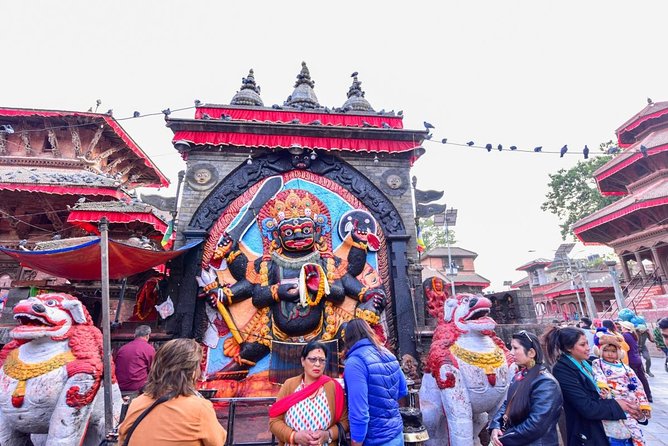
- Private-car city touring means less hassle in Kathmandu and Pokhara, with an English-speaking guide for the city portions.
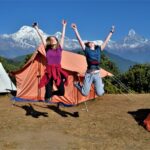
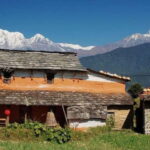
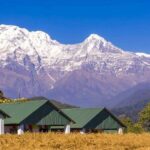
- Australian Camp overnight gives you more than a day hike; you get the full feeling of arriving, settling in, and looking out from 2000 meters.
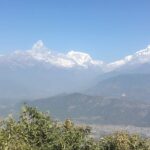
- Two sunrise styles are built in: Mt. Annapurna views from Kahun Hill (Danda) and a Nagarkot sunrise aimed at the Everest panorama.
- Easy hiking time, clear effort level: Dhampus + Australian Camp is spread across about 5 hours of hiking, with no technical climbing mentioned.
- Entrance fees are extra at many stops, so your final spend depends on how many sites you visit and what you choose to pay.
First day flow: airport pickup and a smoother start in Kathmandu
If Nepal is your first big international trip (or even your first time in the Himalaya region), the first thing you want is simple logistics. Here, you meet and greet at the international airport in Kathmandu, then you’re transferred to your hotel and you start day one already settled.
That matters because Day 2 is not a gentle, leisurely start. You leave Kathmandu early for Pokhara (a 6:30 am departure), so having sleep, food access, and a clear plan on Day 1 is a real advantage. You also avoid the common stress of sorting taxis or working out routes right after arrival.
UNESCO day in Kathmandu and Bhaktapur: temples, stupas, and Durbar Square energy
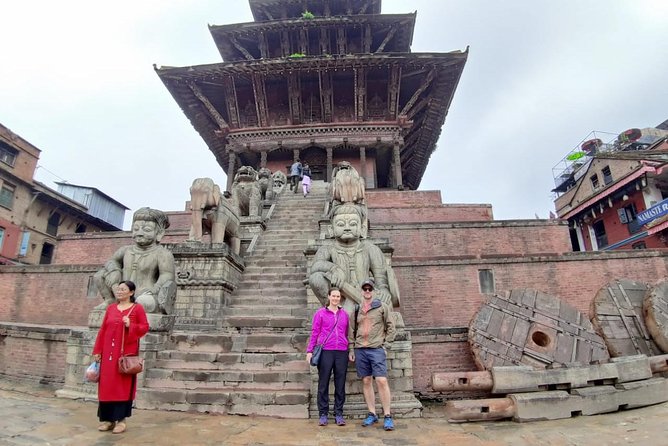
This is the day where Kathmandu stops being a name on a map and turns into a place with details you can actually feel. You get a packed heritage schedule aimed at the Kathmandu and Bhaktapur Valley highlights, all handled by private car with an English-speaking guide during the city touring.
Expect a full mix:
- Swayambhu (Swyambhunath) Stupa (the hilltop views and iconic stupa presence set the tone fast)
- Boudhanath Stupa (a major Tibetan Buddhist site experience)
- Pashupatinath Temple (a significant Hindu temple complex)
- Kathmandu Durbar Square (historic royal square feel)
- Bhaktapur Heritage City (another UNESCO stop that adds a different city texture)
From guide feedback shared after similar trips, the English guidance makes the difference here. People specifically praised help from staff like Bisham and Mr. Shambhu—the kind of support that helps you understand what you’re seeing without turning the day into a blur of tickets and “next, next, next.”
One practical consideration: UNESCO days are busy by design. Even with private transport, you’ll still want comfy shoes and an ability to pause, because some of these sites involve short walks and lots of stairs or uneven ground.
Pokhara by morning drive: lakeside town, then the valley sights
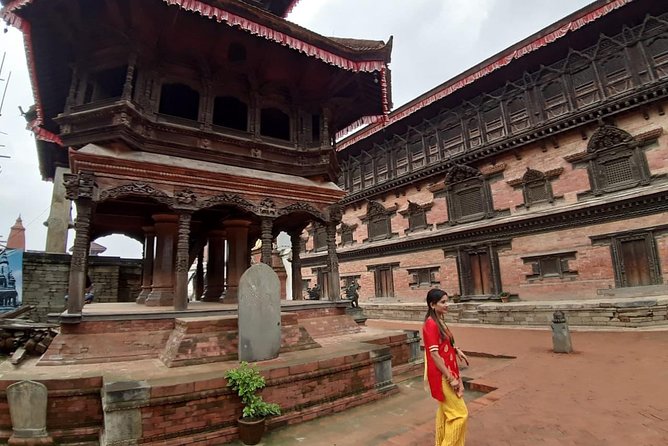
On Day 3, you roll to Pokhara at 6:30 am, then check in and move into sightseeing after breakfast. Pokhara is the “exhale” city in this itinerary. Kathmandu’s religious density gives way to water, hills, and a slower rhythm—perfect if you want scenery without technical trekking.
Your Pokhara day includes:
- Phewa Tal (the lake area sunrise-style views and the classic Pokhara feel)
- Kahun Hill (Danda) for sunrise Mt. Annapurna viewpoints over the region
- Devi’s Waterfall
- Cave
- Mountain Museum
- Suspension bridge
- World Peace Stupa
Two things I like about this setup. First, you get the Annapurna-view sunrise context, so the valley doesn’t just look pretty—it looks meaningful. Second, the day includes a range of quick-to-medium stops, which is ideal if you want variety without committing to a long trek every day.
Keep in mind: admission tickets are not included for this day, so you may pay several small fees. That’s normal in Nepal, but budgeting helps you stay relaxed.
Dhampus to Australian Camp: easy hiking with an overnight payoff
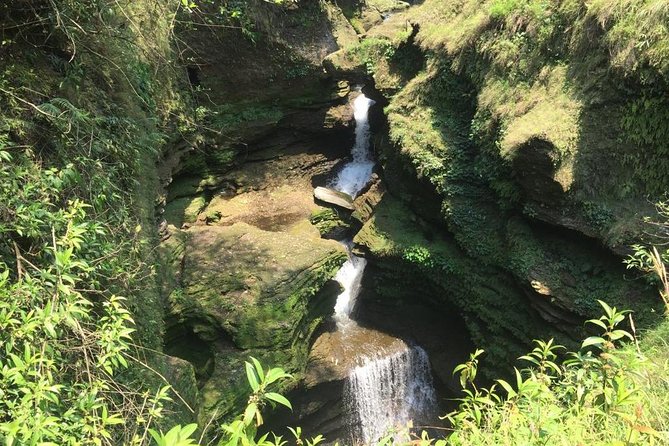
This is the signature mountain moment of the trip. You drive about 40 minutes from Pokhara to start the hike. The plan is:
- Hike to Dhampus (about 2 hours)
- Then hike onward to Australian Camp at 2000 meters (about 1.5 hours)
- Total hiking time listed: around 5 hours including the full movement day
This is the part where “easy” really matters. No technical gear is listed, and the timing suggests a steady uphill effort you can manage if you’re reasonably mobile. Still, expect some steep patches. Hiking in the hills feels different from flat walking, even when the duration isn’t extreme.
Why the overnight is valuable: Day 4 continues with a downhill approach the next morning. With an overnight at Australian Camp, you get more than a viewpoint stop—you get a chance to settle in, see the light change as the day moves, and enjoy a calmer mountain pace than you’d get on a day trip.
Also, at 2000 meters, you might find cooler temperatures at night than you’re used to in the city. Pack for layers, even if it’s warm during the day.
Day 5: downhill back to the highway, then a long but straightforward return to Kathmandu
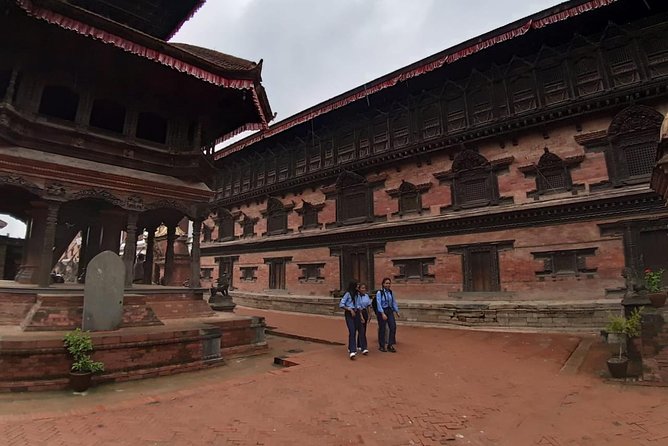
Day 5 gives you a breather and a shift in mood. After breakfast at the lodge area, you hike downhill toward the main highway (about 1.5 hours), then drive back to Pokhara (about 1.5 hours). From there, you continue by drive onward to Kathmandu, with a 7-hour journey included to reach your Kathmandu overnight stay.
That long drive is the tradeoff for stacking major sights in a short 7-day span. It’s doable, but plan for it:
- Bring something to keep you comfortable for road time
- Stay hydrated
- Don’t schedule anything tight right after arrival in Kathmandu
Still, the structure is efficient. You get the mountain hike return, then you’re back in Kathmandu for the final UNESCO-style day before the sunrise finale.
Kathmandu wrap day: more heritage, tighter time, strong guidance
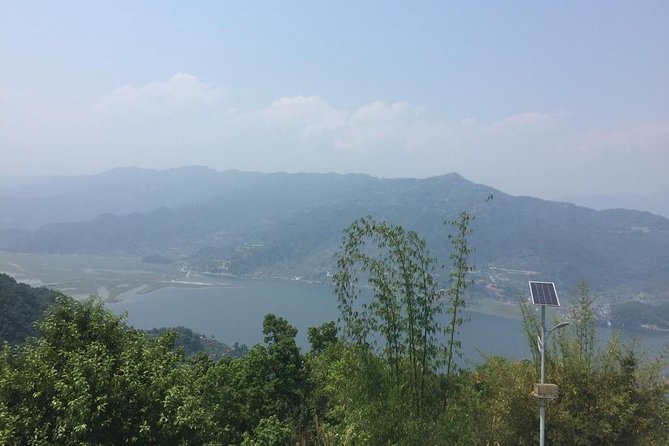
Day 6 is another heritage-focused day in Kathmandu and Bhaktapur Valley, bringing together major UNESCO sites again in a single sweep. You’ll cover the core icons—Swayambhu, Boudhanath, Pashupatinath, Durbar Square, and Bhaktapur Heritage City—with admission fees not included.
The key thing I’d take from how this trip is designed: you’re not just ticking boxes. With an English-speaking guide on the city portions, you can connect the dots between temples, stupas, and city layouts. That kind of context tends to make the sites feel less repetitive and more like a story.
If you’re the type who hates being rushed, this day is the one where you’ll want to mentally “go with the flow.” Even with private transport, you’ll be moving through multiple locations.
Nagarkot sunrise for Everest views: early start, big payoff
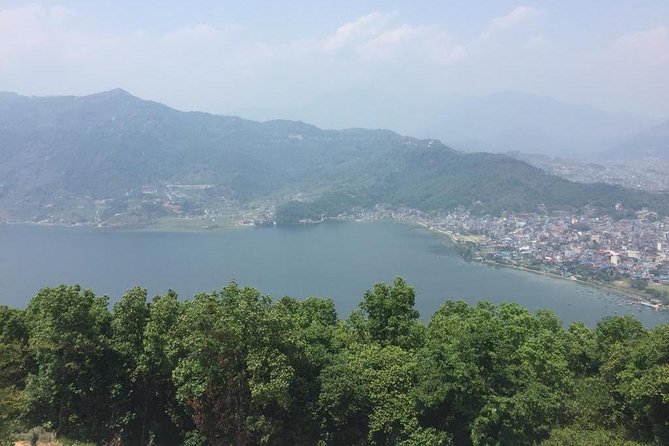
On Day 7, you head out early to Nagarkot for a sunrise view over Mt. Everest (8848 meters). After some time for viewing, you return to your Kathmandu hotel (about 1.5 hours) and then drop off at the airport for your flight.
This is a clever way to end the trip because it doesn’t require another long hike. You get a mountain moment built around timing and visibility, with a clear “morning focus” rather than a full day of extra stops.
One practical note: sunrise views depend on conditions. If weather is cloudy, you might not get the same level of mountain clarity. But even when the view isn’t perfect, Nagarkot sunrise plans still deliver a dramatic, early-morning atmosphere.
Price and value: what $462.73 covers (and what you’ll likely add)
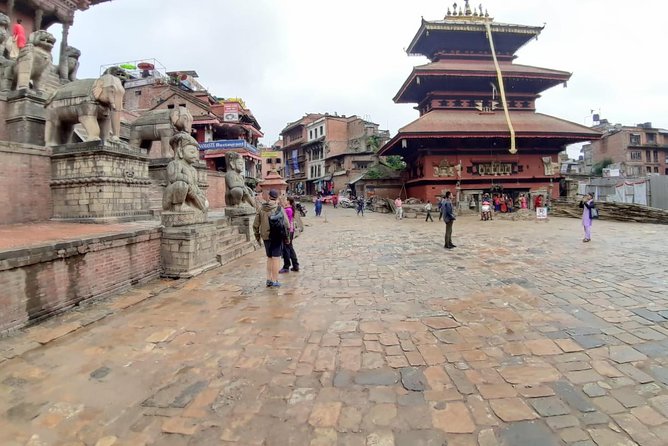
At $462.73 per person for about 7 days, this tour is priced like a “guided comfort + private transport” package rather than a bare-bones backpacker itinerary.
What you get included:
- Airport pickup and drop-off
- Hotel pickup and drop-off
- English-speaking tour guide during Kathmandu and Pokhara city touring only
- Hike to Australian Camp with overnight stay
- All sightseeing in Kathmandu and Pokhara by private car
- Hotel accommodations in Kathmandu and Pokhara
- Guest house accommodation in Australian Camp
- Breakfasts (3)
What’s not included:
- All meals and drinks
- Entrance fees at sightseeing spots
- Optional gratuity
So the real value question is: can you handle paying meals and ticket fees on top of the package? If yes, you’ll likely feel good about the price because the biggest costs—private transport and lodging—are already covered.
Also, group discounts are mentioned, and the experience is described as private for your group. That combo usually helps when you travel with friends or family and want control without paying “single traveler only” pricing.
How hard is it, really? Your effort level and who it suits
This tour is built around “easy hiking,” but don’t confuse that with “no effort.” You’ll hike to and from Dhampus and Australian Camp, with the most sustained time happening on Day 4 and the return downhill on Day 5.
Based on the schedule, it’s a good fit if you:
- Want real Nepal scenery without committing to a multi-day trek
- Can handle 2–3 hours of hiking at a time
- Like structured days where transport and guidance are handled
- Prefer overnight in a mountain area instead of a quick photo stop
It might not be the best fit if you:
- Want maximum hiking daily (this tour keeps hiking moderate)
- Get overwhelmed by early mornings and long road days (there are early starts and a 7-hour drive)
Also, the tour notes say most travelers can participate. You should still be honest about your fitness, especially for steep hill paths around viewpoints.
Rainy season reality check: bring the gear and trust the team
One detail that comes through in post-trip feedback is that Nepal’s rain season can change plans, yet the team stays helpful and kind through it. That doesn’t mean you’ll never get damp weather, but it suggests they handle disruptions well.
If you’re traveling during wetter months, pack:
- A lightweight rain jacket
- A small dry bag for phones and documents
- Quick-drying socks and shoes you can walk in on slick surfaces
The upside: rain can also create softer mountain light, and your camps and sunrise stops still happen on schedule unless conditions force changes.
Should you book this 7-day Nepal tour?
Book it if you want the best mix of culture and mountains without committing to an advanced trek. The combination of Kathmandu + Bhaktapur UNESCO sites, Pokhara valley stops, and the Australian Camp overnight is a strong structure for first-timers who still want something that feels like a Himalayan experience.
Skip it or consider a different pace if:
- You hate early starts
- You prefer meals and attractions fully included (here, meals and many entrance fees are extra)
- You want minimal driving time (you’ll have at least one long haul between Pokhara and Kathmandu)
If your goal is a well-paced introduction to Nepal with real views and guided context, this is the kind of trip you can feel proud of on day seven.
FAQ
FAQ
Is airport pickup and drop-off included?
Yes. You’re met at the international airport in Kathmandu and transferred to your hotel, and the tour includes airport drop-off at the end for your flight.
Do I need to pay for entrance fees during sightseeing?
Entrance fees are listed as not included. Entrance costs apply at sightseeing spots during the city and Pokhara days.
Are meals included?
No. Meals and drinks are not included, but you can purchase food during the trip.
Is there an English-speaking guide?
Yes, but only during the Kathmandu and Pokhara city tour portions. The hiking and Australian Camp overnight is included, but the English guide coverage is specifically described for city sightseeing.
How long are the hiking parts to Australian Camp?
The hike includes about 2 hours to Dhampus and about 1.5 hours onward to Australian Camp, with the day totaling around 5 hours of hiking time. The return involves about 1.5 hours downhill toward the main highway.
Where do you stay during the tour?
You’ll have hotel accommodation in Kathmandu and Pokhara, plus a guest house stay at Australian Camp for the overnight.
Is the Everest sunrise view included?
On the final day, you drive to Nagarkot for a sunrise view over Mt. Everest (8848 meters), then return to Kathmandu and get dropped at the airport.
Is this tour private or group-based?
It’s described as private for your group, meaning only your group participates in the activity.
Can most travelers participate?
The tour description says most travelers can participate. The hiking is labeled easy, but you still have multiple hiking hours and early starts, so it helps to be comfortable walking.
What if I need to cancel close to the start date?
You can cancel up to 3 days in advance for a full refund. If you cancel less than 3 full days before the start time, the amount paid is not refunded.